Aging in place allows seniors to remain independent at home by reducing fall risks and improving accessibility through targeted design changes. The most effective home safety modifications focus on lighting, mobility support, bathroom and kitchen accessibility, and hazard reduction throughout the home.
Key aging-in-place improvements include:
- Removing tripping hazards and improving lighting to reduce fall risk.
- Installing properly anchored grab bars, handrails, and non-slip flooring.
- Making bathrooms safer with walk-in showers, seating, raised toilets, and anti-scald fixtures.
- Improving kitchen usability with lever-style faucets, accessible storage, and safer appliances.
- Enhancing mobility with wider doorways, ramps, stair supports, and smart-home safety tools.
Many homes also benefit from professional assessments by occupational therapists or certified aging-in-place specialists, who can identify risks and recommend personalized modifications. While aging-in-place renovations often cost around $10,000 on average, they are typically far less expensive than long-term senior living facilities and may be partially offset through insurance, government programs, or nonprofit assistance.
With thoughtful planning and early modifications, seniors can create a safer, more comfortable home that supports independence, dignity, and long-term well-being.
“Aging in place” — the idea of simply growing older in your home instead of moving to a senior living facility or a retirement home — has become a growing phenomenon. According to an AARP survey, 77% of seniors would prefer to remain at home instead of moving. However, as we age, we’re more likely to develop long-term health conditions that can make it challenging to live comfortably and safely at home. Everyday settings in the home, like stairs, bathrooms, and narrow doorways, can become a source of danger, making it difficult to live safely.
That’s why aging in place adjustments can be a lifesaver for seniors. By simply making a few renovations around the home, you can save up to $75,000 a year that you would typically spend on a retirement home. Instead, you can use these funds towards making your home a haven for years to come. That said, what changes should you make in the home if you have this goal? Is it even feasible for your budget? To answer these questions, use this guide. We’ll help you on your journey so you can retain your independence.
How Aging Affects Home Safety
Like any stage in life, our golden years can physically and mentally affect us. For one, our muscle strength and muscle mass are more likely to decline as we get older. This can impede our ability to stand, walk, and go up and down stairs. All of these factors can increase your risk of falling and obtaining an injury. In addition, our changes in vision, such as reduced depth perception, sensitivity to glare, and difficulty seeing in low lighting, can make it harder to notice obstacles in the house. Our cognitive health can also decline. With memory changes and slower reaction times, seniors are more likely to forget to turn off appliances, which can lead to accidents like a house fire.
With these health changes, it becomes imperative to adapt your home as you age. After all, the average home layout does not cater to older adults. Instead of prioritizing accessibility, many prioritize aesthetics and space efficiency. Narrow hallways, steep staircases, and high thresholds can be difficult to navigate through, especially if you now have a wheelchair. Bathrooms and kitchens can be hazardous since most have faucets around that can make hard surfaces especially slick.
By removing these features in your home, you can reduce your chances of seriously injuring yourself and safely age in place.
How to Reassess the Home Environment
It’s not natural to look at your home and see impending or potential injuries. However, doing so is an essential step when making your home aging-in-place-friendly. Instead of seeing front steps that lead into a welcoming front door, you might see an icy step during a cold winter morning that can lead to a broken hip. A relaxing bathtub can be a slippery slide, leading to a shattered tailbone.
A safe home for seniors should include:
- Clear, unobstructed walking paths throughout the home, free of loose rugs, cords, and clutter.
- Adequate lighting in hallways, staircases, bathrooms, and entryways, including night lighting.
- Secure handrails on both sides of stairways and stable steps with non-slip surfaces.
- Bathroom safety features, such as grab bars and non-slip mats.
- Level and slip-resistant flooring.
- Frequently used items stored within easy reach to reduce bending, stretching, or climbing.
- Wide doors and hallways.
Walk through your home with this checklist when you decide you want to age in place. You may need to do this more than once, especially during life changes, such as when you or a loved one in the home receives a new diagnosis that could affect their home life, if your or your spouse's mobility is reduced, or even during seasonal changes.
Remember, no one can predict every risk, and it can be hard to spot all safety hazards in your home. In these cases, hiring a professional for a home assessment can help. Occupational therapists, certified aging-in-place specialists (CAPS), and home accessibility experts can find hazards you might miss and suggest changes based on your health and mobility needs.
Aging-in-Place Design Principles for Long-Term Living
At the core of aging-in-place design is the concept of universal design. This framework values features that work intuitively for a wide range of users without requiring customized modifications. No matter who you are, your mobility, or your age, you should be able to move, cook, clean, and sleep comfortably. Homes designed with aging in place in mind support independence not only for seniors, but also for caregivers, visitors, and family members with temporary or permanent mobility limitations.
Aging in place also utilizes key guidelines outlined in the Americans with Disabilities Act (ADA). While these guidelines mainly apply to public and commercial settings, they are helpful benchmarks for residential spaces as well. These guidelines include:
- Doorway widths.
- Ramp slopes.
- Grab bar placement.
- Turning clearances.
- Level of stovetop ranges.
By including aging-in-place and ADA-informed design principles early, homeowners and families can create areas that remain usable, adaptable, and supportive over time.
High-Impact Modifications for Aging in Place
As a homeowner, you can choose any mix of modifications to implement in your home to make it suitable as you age. Ultimately, it’s best to do more modifications than you presently need — you never know which ones you’ll need in the future. Generally speaking, most homeowners who choose to age in place make the following modifications:
Lighting Improvements for Better Visibility and Orientation
Good vision helps keep us safe at home, but when eyesight or spatial awareness declines, proper lighting becomes even more critical. Motion-activated nightlights in hallways, bathrooms, and bedrooms can lower the risk of falls at night. Using contrast lighting on stairs and changes in floor level helps you see steps more clearly. Non-glare, warm LED bulbs can also improve depth perception without being too bright.
Grab Bars, Handrails, and Stability Supports
If you have trouble with balance, a handrail can be a lifesaver, but it needs to be safe. Grab bars and handrails should support at least 250 to 300 pounds and must be attached securely to wall studs or strong backing.
They’re usually best placed inside and outside showers, next to toilets, next to windows, along staircases, and near doorways where you may need extra leverage when standing or stepping.
Flooring Modifications
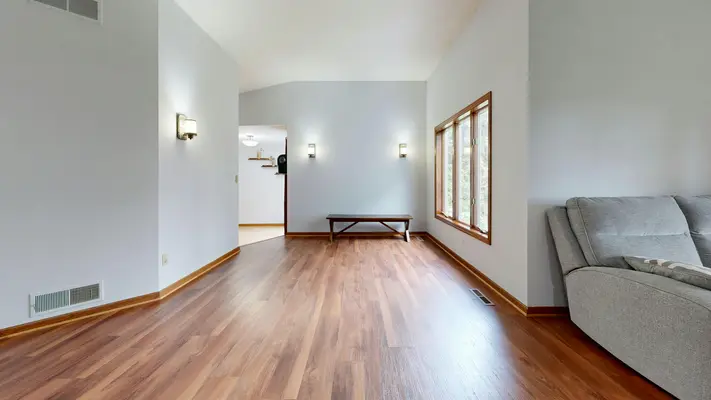
Vinyl, rubber, cork, low-pile carpet, and non-slip tile are popular choices for aging-in-place flooring renovations. Each has pros and cons for durability, comfort, moisture resistance, and upkeep. Smooth, slip-resistant floors are usually safest and easiest for walkers or wheelchairs. Fixing uneven thresholds and warped floors is also essential, since even small height changes can cause trips and falls.
Kitchen Safety
Kitchen modifications should reduce the need for bending, reaching, and prolonged standing, which can be difficult or unattainable for some seniors. These kitchen changes can also improve the safety seniors can have while preparing meals:
- Lowered or varied-height countertops, pull-out shelves, and drawer-based storage: This can improve access and visibility for those in wheelchairs or who may be unable to climb on top of a stepping stool for access.
- Lever-style or touch faucets: Seniors won’t need as much grip strength for regular use.
- Induction cooktops: Reduce burn risk by staying cool to the touch when not actively heating cookware.
- Stovetop safety covers: Prevent accidentally turning on stovetops that may lead to a fire risk.
With these changes, seniors can eat and cook in kitchens just as they did when they were younger, without risking their safety.
Bathroom Upgrades: The Highest-Risk Room in the Home
Everyone needs the bathroom. Yet, it can be the most dangerous setting in the home due to the plethora of hard surfaces and water exposure. You can make them safer by:
- Installing walk-in showers with curbless entries that prevent trips.
- Using shower seating that can allow those who use wheelchairs to bathe safely.
- Buying slip-resistant mats or textured flooring to prevent slips in the shower.
- Using anti-scald devices on faucets and showerheads to prevent burns.
- Adjusting the height of the toilet to reduce strain when sitting and standing.
Even though bathrooms may be a small space, they can significantly affect your overall safety if you make some of these changes.

Bedroom and Living Room Adjustments
Bedrooms and living spaces are areas where you should feel the safest, but seniors are also prone to falls in these areas. You can make these spaces safer by adjusting the bed height so your feet rest flat on the floor in between transfers from your walking assistance devices.
In living spaces, you can also use recliners and lift chairs for sitting and standing to avoid joint strain and fatigue when getting up and down.
Entrances, Exits, and Outdoor Considerations
Since the outdoor elements affect most entrances and exits, they can easily be the source of a fall, especially after a freeze or torrential downpours. This is why ramps can be a significant improvement. Without steps, you’re less likely to trip and fall. If you install a ramp, you should be sure to install it with sturdy handrails, anti-slip treads and adequate outdoor lighting.
Beyond ramps, you should also focus on weatherproofing measures, such as covering entrances, improving your drainage areas, and using ice-resistant materials to prevent any slickness caused by rain, snow, and freezing temperatures.
Doorway, Hallway, and Stairway Modifications
As your mobility changes, spaces that at one time felt big can become even tighter if you suddenly need a wheelchair or a walker. However, widening your doorways and hallways can help you use your mobility aids better.
In addition, installing offset hinges on your doors, using contrast strips on the edges of your stairway steps, and lowering your thresholds may seem like small changes. Still, they can notably improve accessibility without complete structural renovations. If you’re looking for even more useful changes, you can consider installing continuous handrails and rail grips for arthritic hands.
Smart-Home Tools and Renovations
Smart-home technology can complement physical modifications by making your space safer and more comfortable. This technology can include:
- Emergency response systems for help in the event of a fall or medical issue.
- Smart lighting, thermostats, and voice-controlled devices that can improve comfort.
- Caregivers can use home monitoring systems to keep an eye on family in a non-intrusive way, helping families balance independence with peace of mind.
Altogether, these modifications can make your home a haven without any surprises that can impact your safety.
Financial Considerations and Funding Options
When senior homeowners consider aging in place, one of the biggest concerns is cost. While you may be saving money on moving expenses and the fees associated with retirement homes and senior living facilities, you are undertaking extensive renovations to your home. That said, every aging-in-place renovation is different. Every home is different and poses different safety hazards. You, individually, will have different medical diagnoses that may affect your ability. At the end of the day, you can modify every project independently based on your needs.
However, no matter how your home is set up, you should expect to pay around $10,000, the average cost of renovation projects. This costs significantly less than the average cost of an independent living facility, which often costs up to $36,000 a year on average.
Still, $10,000 isn’t an insignificant amount, especially if you’re struggling to keep up with inflation with a fixed income. If you’re interested in aging in place but need financial assistance, you can utilize these resources:
- Insurance: Some long-term care insurance policies cover certain accessibility upgrades, mainly when prescribed as part of a care plan. Medicare generally does not pay for home modifications, but specific durable medical equipment related to mobility and safety may be partially covered when deemed medically necessary.
- Government assistance programs: Programs such as Medicaid Home and Community-Based Services (HCBS) waivers, Veterans Affairs (VA) grants for eligible veterans, and state or local housing assistance initiatives may help fund accessibility modifications. However, eligibility requirements vary by program, income level, and location, so we encourage doing your research beforehand.
- Nonprofit and community home repair programs: Nonprofit organizations like Habitat for Humanity provide assistance for seniors when it comes to home repairs and modifications needed for safe living.
- Discounts: Mr. Handyman proudly offers a 10% discount on labor for all senior citizens.
Aging in place may not be a fix-all situation for all seniors, but it can be a better option for those who want to remain in a home where they have built years of memories. For some, it may even be cheaper than alternative options. With thoughtful changes, your home can be the haven you need to spend the rest of your years safely, comfortably and in peace.
Resources for Aging in Place
If you’re looking for more information or tools to help you on your journey to age in place, use the following resources as your guide:
National Aging and Public Health Organizations
- National Institute on Aging (NIA): Part of the National Institutes of Health, the NIA offers extensive research-based information on aging, fall prevention, mobility changes, and home safety considerations for older adults.
- Centers for Disease Control and Prevention (CDC) – Older Adult Falls: The CDC provides data, prevention strategies, and educational resources focused on reducing fall risk among older adults.
- National Council on Aging (NCOA): The NCOA supports healthy aging through education, advocacy, and access to benefits. Its fall-prevention initiatives and aging-in-place resources help seniors and caregivers understand risk factors and available support services.
Senior Advocacy and Aging-in-Place Programs
- AARP HomeFit Guide: AARP’s HomeFit Guide instructs readers on how to modify homes for safety, comfort, and accessibility.
- Area Agencies on Aging (AAAs): Local AAA’s provide region-specific resources, referrals, and support services for older adults. Many offer home safety assessments, caregiver assistance, and connections to modification funding programs.
- Administration for Community Living (ACL): The ACL funds and supports programs that promote independence, health, and dignity for older adults and people with disabilities.
- Certified Aging-in-Place Specialist (CAPS) Program – National Association of Home Builders: The CAPS program trains professionals to design and modify homes to meet the needs of aging adults.
Nonprofit and Professional Home Modification Support
- Rebuilding Together: This nonprofit organization helps older adults and individuals with disabilities live safely in their homes by assisting with home repairs and modifications, often at low or no cost.
- Habitat for Humanity – Aging in Place Programs: Some local Habitat affiliates offer aging-in-place initiatives that include accessibility upgrades, safety repairs, and home preservation for seniors.
- Mr. Handyman: For homeowners in search of professional assistance with aging-in-place modifications, Mr. Handyman provides home repair and improvement services that comply with many senior safety recommendations, such as installing grab bars, improving lighting, repairing flooring hazards, and other accessibility changes.