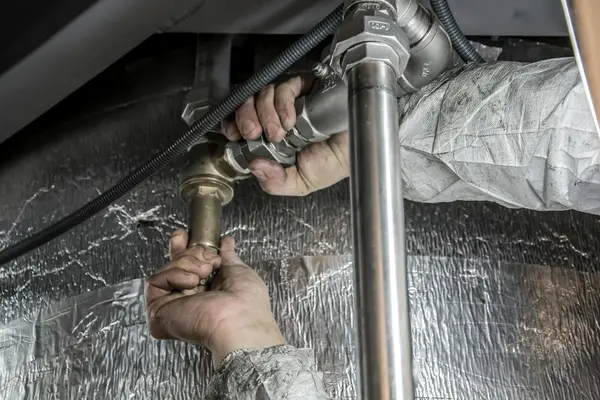
Knowing when to handle plumbing repairs yourself and when to call a professional can save you time, money, and prevent costly mistakes. Consider the following guidance:
- Tackle manageable DIY tasks with confidence: Minor drain clogs, fixture replacements such as faucets and showerheads, and tightening exposed connections are well-suited for homeowners with basic tools and patience.
- Avoid common DIY mistakes that create bigger problems: Overusing chemical drain cleaners, ignoring small leaks, and forcing repairs without understanding your plumbing system can lead to expensive damage and safety hazards.
- Prepare for plumbing success before problems arise: Stock essential tools like plungers, wrenches, and drain snakes, and familiarize yourself with your home’s shutoff valves to respond quickly when issues occur.
- Know when to call a professional: Burst pipes, sewage backups, gas line work, and permit-required repairs are situations where professional expertise is essential for safety and code compliance.
Every homeowner has faced that sinking feeling: a dripping faucet at midnight, a slow drain that refuses to cooperate, or a mysterious puddle from beneath the kitchen sink. In these moments, the question that pops up in many people’s minds is: should I tackle this myself, or is it time to call a plumber?
The answer isn’t always obvious, and making the wrong choice can turn a minor inconvenience into a costly disaster. Understanding the line between a manageable DIY fix and a job that requires professional experience is one of the most valuable skills that a homeowner can develop.
What “DIY” Plumbing Involves
DIY plumbing, at its core, refers to any plumbing repair or maintenance task that a homeowner performs without the assistance of a licensed professional. In practice, this typically covers low-risk tasks, like unclogging a drain, swapping out a worn-down fixture, or tightening a connection that has started to drip.
That said, “low risk” does not mean “effortless.” Even straightforward repairs can become frustrating or go sideways if you are working without the right tools or a solid understanding of how plumbing systems work. A repair that takes an experienced technician 15 minutes might take a first timer an entire afternoon. If something goes wrong in the process, you could end up in a worse position than when you started. Approaching DIY plumbing with patience, preparation, and a willingness to learn and reassess when things don’t go as planned is what separates a successful repair from an expensive one.
Common Plumbing Problems You Can Handle Yourself
Not every plumbing problem requires a service call. In fact, there are several categories of issues that homeowners with basic tools and a bit of patience can resolve on their own. The key is understanding what qualifies as a manageable repair and knowing when a problem has crossed the line into professional territory.
Minor Drain Clogs
Clogged drains are among the most frequent plumbing issues homeowners deal with. In kitchen sinks, the culprit is usually a buildup of grease, food particles, or soap residue. In bathroom sinks and tubs, hair is the most common offender, often working its way into the drain and forming dense blockage over time.
For these everyday clogs, a standard plunger is your first line of defense. If the plunger doesn’t clear the blockage, a hand-crank drain snake can reach deeper into the pipe to break or pull out the obstruction. For smaller clogs, a mixture of baking soda and vinegar poured down the drain can help dissolve the buildup without the harsh effects of chemical cleaners. These are all safe, accessible options that require no special expertise.
If your drains clog repeatedly, or if multiple fixtures in your home drain slowly, that pattern may be pointing to a blockage or issue further down in your plumbing system, beyond what a plunger or hand snake can reach. At that point, it is worth consulting a professional to avoid wasting time and potentially making the problem worse.
Replacing Fixtures and Hardware
Swapping out old or damaged fixtures is another category of plumbing work that falls comfortably within the DIY zone for most homeowners. Common fixture replacements include:
- Faucets: Faucets are one of the most common fixture replacements homeowners tackle. Whether you are upgrading an outdated kitchen faucet or replacing a leaking bathroom fixture, the process generally involves disconnecting the old supply lines, removing the existing faucet, and securing the new one in place with the provided hardware. As long as you shut off the water supply and have a basic wrench on hand, this is a manageable weekend project.
- Showerheads: These are even simpler, as most of them unscrew directly from the shower arm, and new ones thread on in the same way. Wrapping the threads with plumber’s tape before connecting ensures a watertight seal and prevents dripping. This is one of the quickest and easiest plumbing swaps available to any homeowner.
- Toilet flappers and fill valves: These internal components wear out over time and are responsible for a significant share of running-toilet complaints. Replacing a flapper valve typically involves unhooking the old one from the overflow tube and snapping or tying the new one into place. Fill valve replacements require a bit more disassembly but are still well within DIY territory. That said, both of these upgrades do require attention to proper sealing and alignment. If you install it so the flapper does not sit flush or you do not set a fill valve to the correct height, it will continue to cause problems. If your toilet is still running after a replacement, or if the issue seems to go beyond these components, it may be worth reaching out to a professional.
While these tasks may be doable alone, it is relatively common to improperly reconnect plumbing lines, which can lead to damage, either to your plumbing system itself or the fixtures. To avoid these issues, you can also call a professional contractor or handyman who has experience with these issues.
Tightening or Replacing Exposed Connections
Visible plumbing connections, such as the fittings and lines you can see under sinks or behind fixtures, are another area where DIY repairs are often straightforward. Over time, these connections can loosen due to vibration, temperature changes, or simple wear, and addressing them promptly is essential for preventing drips from turning into larger leaks.
Loose supply lines are another common source of minor dripping beneath kitchen and bathroom sinks. In many cases, simply tightening the connection with a wrench will resolve the issue. If the fitting is corroded or visibly damaged, replacing the supply line entirely is still a manageable task, as most replacement lines are available at any hardware store and connect with standard fittings.
On the other hand, you can often fix dripping compression fittings by gently tightening the fitting, or if necessary, disassembling the connection, cleaning the threads, and applying fresh plumbers' tape before reassembling. Before doing any work on these connections, always shut off the water supply valve to the fixture first. After completing the repair, turn the water back on slowly and watch the fitting closely for several minutes to confirm there are no remaining leaks.
DIY Plumbing Mistakes
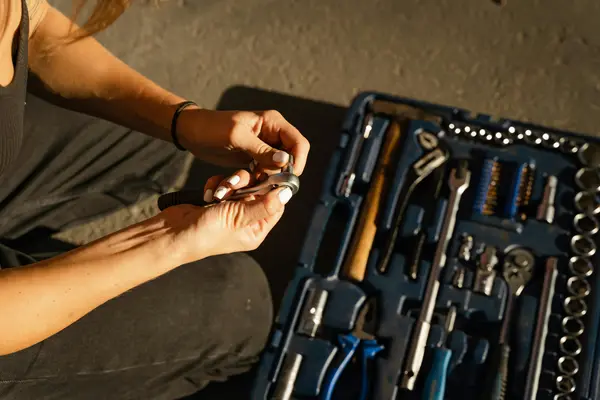
Knowing how to repair is only half the battle. Equally important is understanding the mistakes that turn simple fixes into bigger problems. These are the errors that show up most often in DIY plumbing gone wrong, and being aware of them ahead of time can save you significant money, time, and frustration.
Overusing Chemical Drain Cleaners
It is tempting to reach for a bottle of chemical drain cleaner the moment a sink starts draining slowly. These products do work, but they do so by generating a harsh chemical reaction designed to eat through whatever is blocking the pipe. The problem is that this same reaction does not discriminate.
Over repeated use, chemical drains can corrode the interior walls of your pipes, weaken joints, and gradually degrade the integrity of your plumbing system. What starts as a quick fix can quickly contribute to pipe damage that does not show up until a much bigger and much more expensive problem develops. Non-corrosive alternatives like baking soda and vinegar, or mechanical options like plungers and drain snakes, are almost always the better long-term choice.
Ignoring Small Leaks
A slow drip from a faucet or faint moisture stain under a sink can feel like a minor annoyance — something to deal with later. But small leaks, left unaddressed, have a way of becoming significant problems. Water that seeps into walls, cabinets, or subflooring over weeks and months can promote mold growth, which can be quite hazardous to health, cause wood rot, and create conditions that are expensive to remediate.
Small leaks can become quite expensive if left unattended. The general rule is simple: if you notice a leak, address it immediately, or at least identify its source so you can have it repaired before it causes further damage.
Forcing Repairs Without Understanding the System
One of the most common and most preventable DIY plumbing mistakes is forcing a repair without fully understanding what you’re working on. Overtightening a fitting can crack the surrounding pipe or damage the threads, creating a leak where none existed before. Cross-threading a connection, or forcing it in the wrong angle, can strip the threads entirely, making the joint impossible to seal correctly.
Using mismatched parts, such as fittings designed for a different pipe size or material, can result in connections that appear secure but can fail under pressure or over time. Before you start any repair, take a few minutes to confirm you have the right parts, understand how the components connect, and know when to stop tightening. If something doesn’t feel right, it usually isn’t.
How To Prepare for DIY Plumbing Success
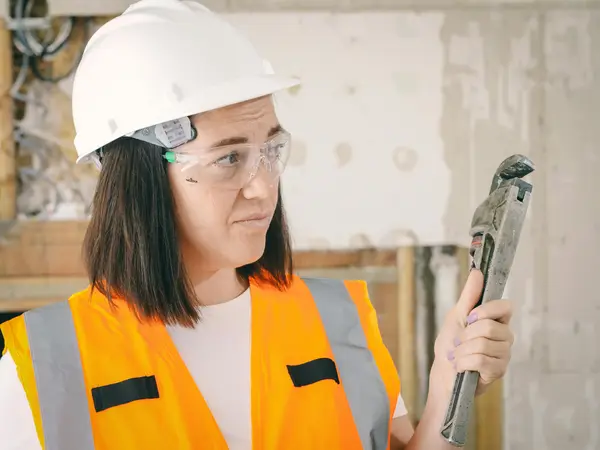
Being ready for a plumbing repair before any issue arises is one of the best things you can do as a homeowner. Having the right tools on hand and knowing your home’s plumbing system layout means you are not scrambling when a problem shows up. Every DIY-minded homeowner should have the following basics in their toolkit:
- A standard plunger suitable for both sinks and toilets.
- An adjustable wrench and a set of channel-lock pliers.
- A roll of plumber’s tape (also known as PTFE tape).
- A hand-crank drain snake for reaching deeper clogs.
- A flashlight and a small bucket or towel are also handy to have nearby when working under sinks or in tight spaces.
Beyond the tools, take some time to familiarize yourself with your home’s shutoff valves before you ever need them in a hurry. Know where the main water shutoff is, which is typically near the water meter or where the supply line enters the house, and identify the individual shutoff valves under each sink and behind each toilet. Understanding these layouts and fixture configurations ahead of time means you can respond quickly and confidently when an issue comes up, rather than searching for a valve while water is actively running.
While DIY plumbing has its place, it also has its limits. If you’re ever unsure whether a job is within your skill level, that uncertainty alone is a good reason to reach out for help. For homeowners in the Boise, Meridian, and Nampa areas and beyond, Mr. Handyman provides access to reliable, professional plumbing repair services you can rely on, whether you need emergency plumbing services near me or a routine repair handled right the first time.
FAQs About DIY Plumbing
Are Small Plumbing Leaks Safe To Fix on My Own?
Small, visible leaks from fixtures or exposed connections are often safe to address if you can shut off the water and confirm the source of the problem. However, if tightening or replacing a component does not fully resolve the leak, or if moisture continues to appear after the repair, you may need to call a professional.
How Do I Know If a Clog Is Too Serious For DIY Methods?
A clog may be too severe for DIY methods if it affects multiple drains at once, returns quickly after being cleared, or if you experience slow drainage in other drains throughout the home. These symptoms often point to deeper blockages within the plumbing system that basic tools cannot handle effectively.
Can DIY Plumbing Repairs Cause Long-Term Damage?
Yes, DIY repairs can cause long-term damage if done incorrectly and without a complete understanding of the plumbing system. Improper sealing, overtightened fittings, or temporary fixes can lead to leaks behind walls, water damage, or pipe deterioration that may not be immediately noticeable but can become costly over time.
Is It Cheaper To Fix Plumbing Problems Myself?
Fixing plumbing problems yourself can be cheaper for minor, straightforward issues, especially when the repair only involves basic tools and replacement parts. However, when a repair attempt leads to additional damage or requires multiple attempts to resolve, the total cost can quickly exceed what it would have cost to call a plumber in the first place.
How Can I Tell If a Plumbing Issue Is an Emergency?
A plumbing issue is an emergency if it involves active flooding, sewage backup, complete loss of water, or signs of water damage that could affect the structure of your home. In these cases, delaying professional help can increase safety risks and significantly worsen the damage.
