
Middle Tennessee's Water Heater Decision Has Regional Dimensions Worth Understanding
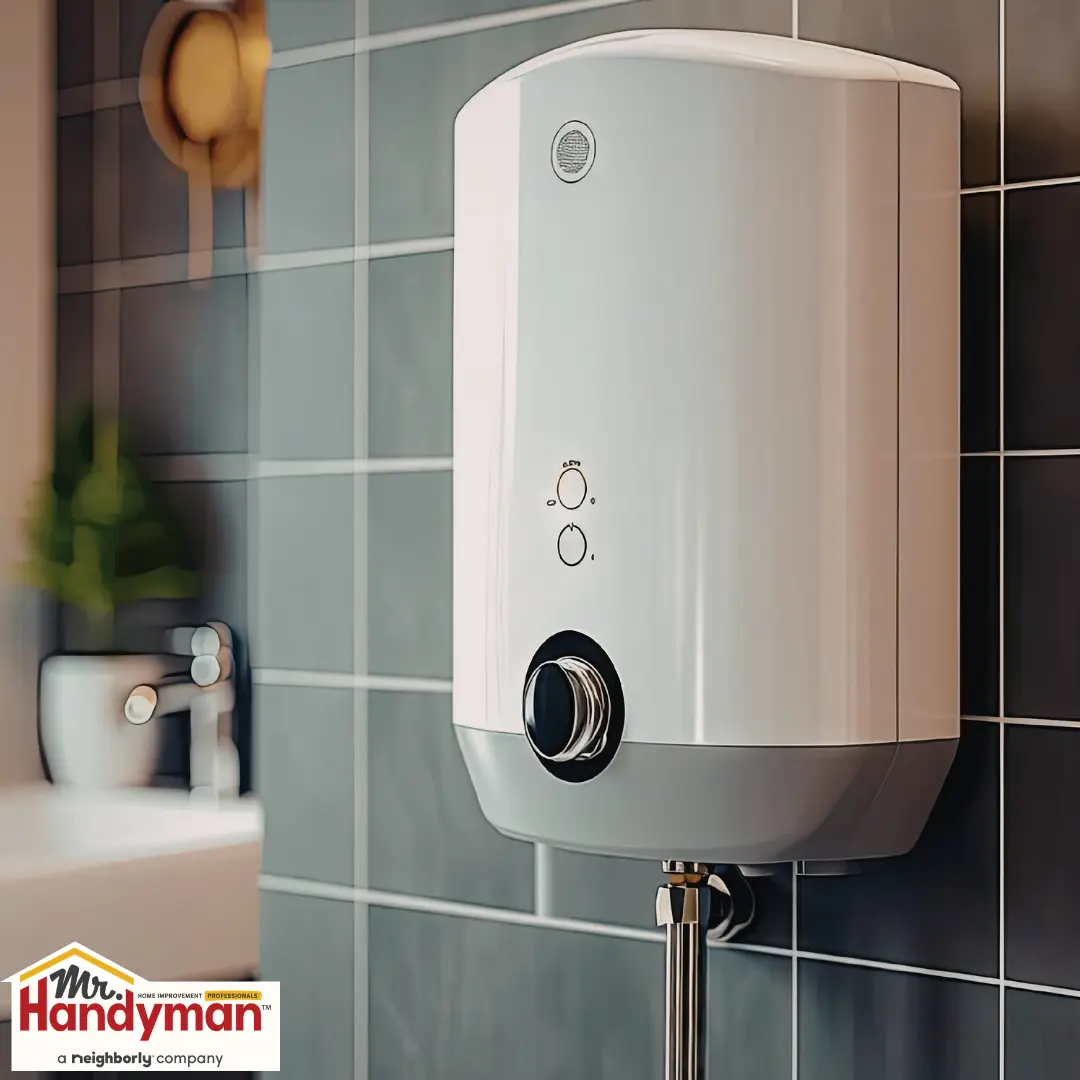
The repair versus replacement decision for a water heater is one that homeowners in Murfreesboro, Franklin, and Brentwood face with the same urgency that any significant household mechanical system failure creates, but the factors shaping that decision in Middle Tennessee have regional specifics that moderate-climate guidance does not always fully address. The water chemistry that Rutherford County and Williamson County water supplies deliver to residential water heaters, the demand patterns that Middle Tennessee's climate creates in household hot water use, and the housing stock diversity that the three communities' different development characters produce across the service area all create a water heater evaluation context that is specific enough to warrant understanding before the decision is made under the time pressure that a failed or failing unit creates.
The timing dimension that matters most in Middle Tennessee's water heater evaluation context is less about the extreme seasonal demands that cold-climate markets manage and more about the proactive versus reactive decision framework that the region's mild climate makes easy to defer past the point where proactive options remain available. A homeowner in South Bend, Indiana has the sustained seasonal motivation of winter's heating demands to prompt regular evaluation of mechanical systems. A homeowner in Murfreesboro or Franklin has the mild climate that allows comfortable deferral of maintenance evaluation until the water heater fails in a way that eliminates the deliberate assessment option entirely.
The water heater that is evaluated proactively in spring or fall in a Murfreesboro or Brentwood home provides the homeowner with the scheduling flexibility, product selection opportunity, and installation quality that the same evaluation under emergency conditions after failure eliminates. Understanding the regional factors that shape the repair versus replacement decision in this market before those factors produce the forced decision that reactive circumstances create is the preparation that delivers better outcomes than the emergency response that deferral eventually requires.
What Middle Tennessee's Water Chemistry Does to Water Heaters
The mineral content of Middle Tennessee's water supply affects water heater condition and longevity in ways that the regional water chemistry of Rutherford County and Williamson County specifically creates in residential water heaters serving this market. Murfreesboro's municipal water supply and the water utilities serving Franklin and Brentwood deliver water with the hardness and mineral content that the region's limestone geology and the water sources those utilities draw from contribute to the residential water supply.
Sediment accumulation in tank water heaters from Middle Tennessee's mineral-bearing water supply produces the efficiency reduction and capacity limitation that regular flushing maintenance would have prevented from advancing to symptomatic levels in homes across the service area. The calcium and magnesium that Middle Tennessee's water chemistry carries precipitates from solution as water is heated in tank water heaters, settling at the tank bottom where the accumulation layer progressively insulates heating elements in electric models and heat exchanger surfaces in gas models from the water above. A Murfreesboro or Franklin home whose water heater has not received the annual flushing that Middle Tennessee's water chemistry specifically warrants has been adding to this sediment layer through every year of operation.
The rumbling, popping, and banging sounds that water heaters in Murfreesboro, Franklin, and Brentwood homes develop communicate this sediment condition rather than the structural failure that homeowners who have not encountered this symptom before sometimes interpret them as indicating. Water trapped in sediment layers expands into steam during heating cycles, producing the sounds that alarm homeowners but that professional assessment commonly identifies as the maintenance condition that annual flushing would have prevented rather than the end-of-life failure that immediate replacement might appear to require.
Anode rod depletion in Middle Tennessee water heaters reflects the specific rate at which the region's water chemistry depletes the sacrificial anode that protects the tank's steel interior. The mineral content and water chemistry parameters of Middle Tennessee's municipal and well water supplies affect how quickly anode rods react and deplete in ways that the water chemistry of specific supply sources determines rather than a uniform regional rate. A depleted anode rod in an otherwise sound Middle Tennessee water heater is a repair opportunity whose timing relative to the tank's overall condition determines whether anode replacement extends meaningful service life or represents investment in a unit approaching replacement on other grounds.
Service Life Expectations in Middle Tennessee's Conditions
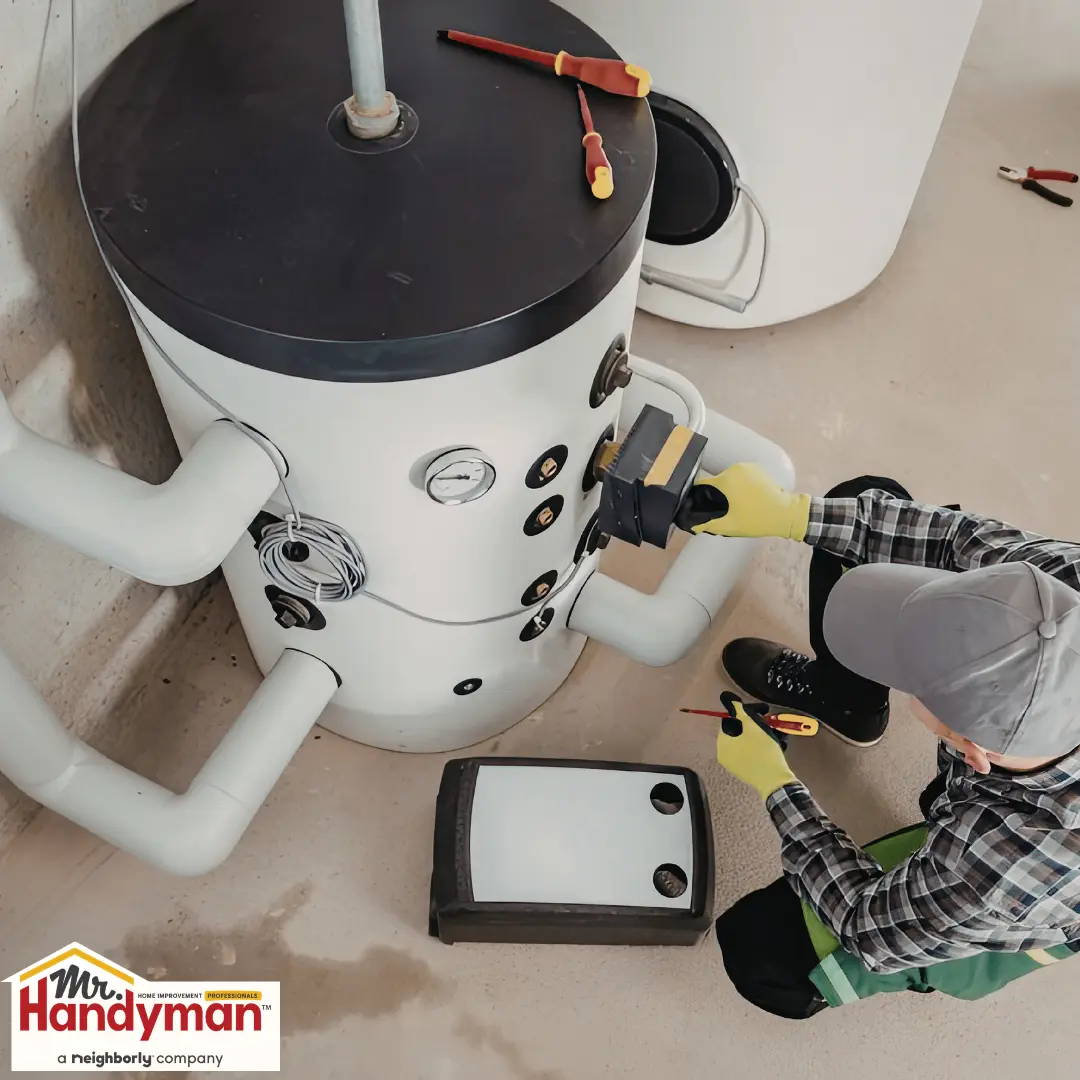
Standard tank water heater service life in national guidance typically cites eight to twelve years under average conditions. In Murfreesboro, Franklin, and Brentwood homes, the realistic service life that Middle Tennessee's water chemistry and demand conditions produce in tank water heaters without consistent annual maintenance may be closer to eight to ten years because the mineral accumulation that regional water chemistry creates in tank bottoms and heating system components advances the efficiency reduction and tank stress that service life ends with.
The significant housing stock age variation across the three communities creates the service life assessment context that each home's specific situation requires rather than a uniform regional expectation. Murfreesboro's rapidly growing housing inventory includes everything from new construction to mid-century homes in the city's established corridors whose water heaters may have been in service for years before the current owner's occupancy. Franklin's diverse housing stock, from historic downtown properties to the newer residential development of the city's expanding corridors, carries comparable variation. Brentwood's established premium residential character means that water heaters in many properties reflect the service histories of homes whose original or replacement units may be approaching or past the replacement evaluation threshold.
The nine-year evaluation threshold in a Murfreesboro, Franklin, or Brentwood home is the point at which repair investment requires the specific condition justification that the unit's overall assessment provides rather than the routine application of repair to any developing symptom.
The Specific Symptoms That Guide the Decision in Middle Tennessee Homes
The symptoms that water heaters in Murfreesboro, Franklin, and Brentwood homes present communicate the underlying conditions that Middle Tennessee's water chemistry, thermal cycling, and the service history of regional housing stock create in these systems, and understanding what each symptom indicates about the appropriate response distinguishes the repair investment that extends meaningful service life from the repair investment that delays the replacement that the unit's cumulative condition already warrants.
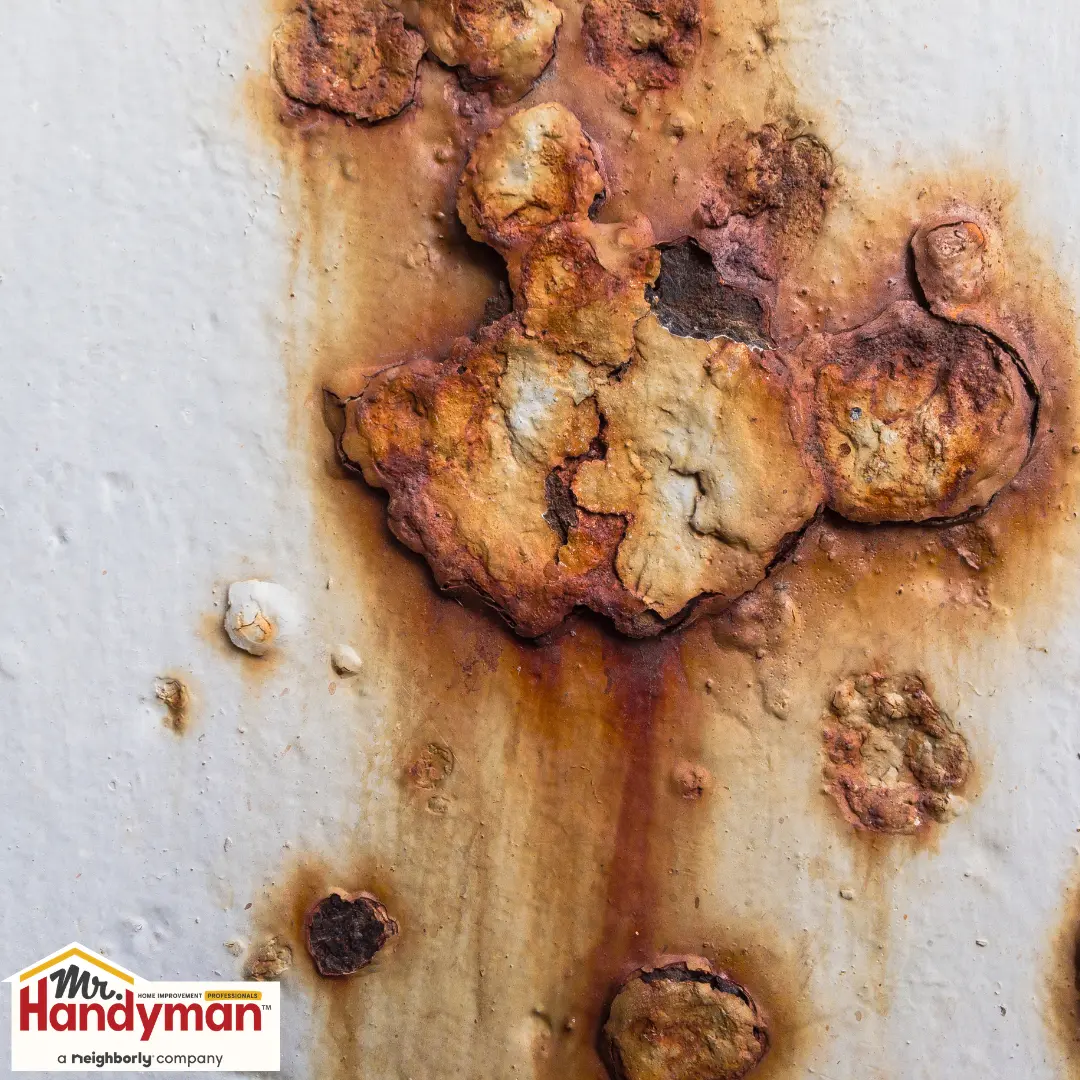
Rust-colored or discolored hot water from household fixtures in Middle Tennessee homes is the symptom most directly indicating tank interior corrosion that the sacrificial anode rod has either depleted past its protective function or failed to adequately protect against the specific water chemistry that Middle Tennessee's regional supply delivers to the tank interior. In Murfreesboro and Franklin homes where the municipal water chemistry has specific characteristics that affect how quickly anode rods deplete, the appearance of rust-colored hot water warrants the professional assessment that confirms whether anode replacement in a sound tank can restore protection or whether the tank has corroded beyond the point where replacement becomes the appropriate response. A discolored hot water symptom in a Middle Tennessee home is not automatically a replacement indicator, but it is never a situation where continued operation without professional assessment is appropriate.
Water pooling at the tank base in a Murfreesboro, Franklin, or Brentwood home definitively indicates replacement rather than repair. A tank wall breach cannot be repaired regardless of the unit's age, the water chemistry conditions that accelerated its development, or the household's preference for continued operation. In Middle Tennessee's warm and humid climate, the moisture that tank base pooling introduces to the mechanical room or closet environment where most water heaters are installed advances the biological growth and material deterioration that the region's ambient conditions sustain aggressively once moisture is present. The urgency of water heater replacement when tank base moisture is identified in a Middle Tennessee home reflects both the irreparable nature of the tank condition and the speed with which the regional climate advances the secondary damage that continued moisture creates.
Inconsistent hot water temperature or insufficient volume requires the diagnostic distinction in Middle Tennessee homes between the capacity condition whose resolution requires replacement and the maintenance condition whose resolution requires service. A water heater that delivered adequate volume to the household previously but that now struggles to meet peak demand may be carrying the sediment accumulation that Middle Tennessee's water chemistry produces in unmaintained tank water heaters, reducing effective capacity by occupying tank volume that water should fill. Professional flush and capacity assessment following sediment removal distinguishes the unit that recovers adequate function through maintenance service from the unit whose additional aging and component conditions make replacement the appropriate response even after sediment removal.
T&P valve discharge from the temperature and pressure relief valve communicates either that the valve itself has failed to its open position, which is a valve replacement scenario, or that the water heater is developing operating conditions that genuinely exceed design parameters, which warrants the comprehensive professional assessment that determines whether a control component repair is justified or whether the unit's overall condition and the regional water chemistry's contribution to its advanced deterioration make replacement appropriate.
The Financial Case for Replacement in Middle Tennessee
Energy efficiency improvement from replacement with a current high-efficiency unit delivers financial returns against the electric and gas rates that Middle Tennessee's utility environment creates for residential households in Murfreesboro, Franklin, and Brentwood. Nashville Electric Service, Middle Tennessee Electric, and the natural gas utilities serving this area all provide the rate structures against which the efficiency improvement from replacing an aging water heater with reduced operating efficiency from Middle Tennessee's sediment accumulation produces the monthly savings that compound across the replacement unit's service life.
The Middle Tennessee sediment efficiency penalty in aging unmaintained water heaters represents an ongoing monthly energy cost that the sediment insulation creates in every heating cycle the compromised unit performs. A water heater operating with multiple years of Middle Tennessee mineral sediment in its tank bottom is paying an energy premium on every gallon of hot water it produces, and replacement with a current unit eliminates both the sediment penalty and delivers the rated efficiency improvement simultaneously.
Tankless water heater consideration for Middle Tennessee homes addresses the specific demand profile and energy cost context that the region's mild climate and the diverse housing stock across Murfreesboro, Franklin, and Brentwood create. Tankless units eliminate the standby heat loss that tank units produce continuously and the sediment accumulation problem that Middle Tennessee's water chemistry creates in tank bottoms, delivering both the efficiency improvement and the maintenance simplification that regional conditions make valuable. The incoming water temperature that Middle Tennessee's mild climate delivers to tankless units, warmer than northern climates provide year-round, means that the temperature rise calculations for proper Middle Tennessee tankless sizing are more favorable here than in cold-climate markets where incoming water temperatures are lower.
Making the Proactive Decision in Middle Tennessee
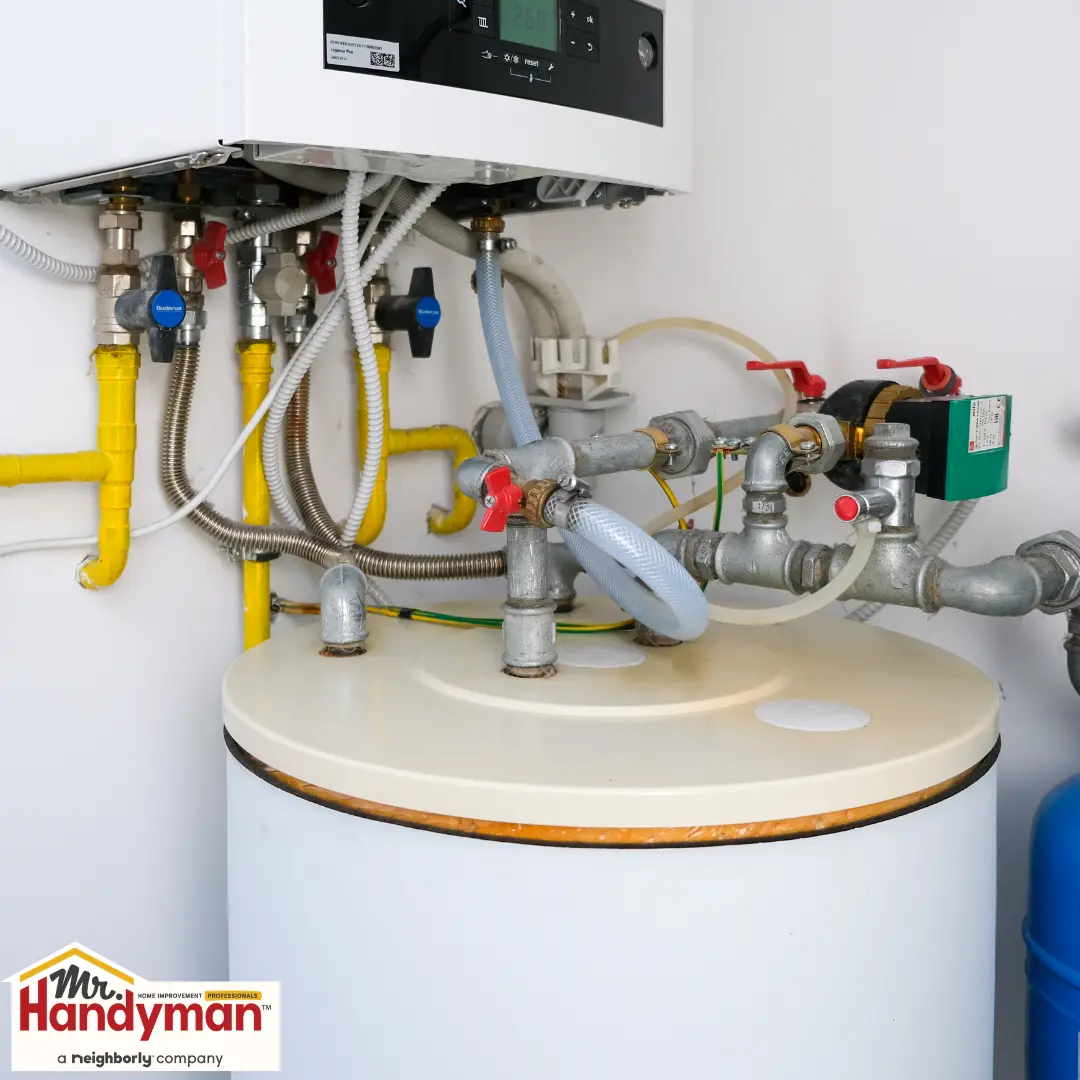
Spring and fall evaluation timing for Middle Tennessee water heater assessment provides the moderate-temperature access that physical inspection and any necessary service work benefits from in a climate where summer's heat and the demands of the cooling season create the competing priorities that can defer maintenance evaluation past the threshold where proactive options remain accessible.
The Brentwood premium housing consideration creates a specific proactive replacement rationale that the investment level and the buyer expectations that Brentwood's residential market sustains make relevant for homeowners in that community. A premium Brentwood property presenting for sale with a water heater approaching or past the service life threshold that Middle Tennessee's water chemistry establishes for units in this market creates an inspection finding that buyer negotiations and disclosure conversations address at the seller's disadvantage. Proactive replacement before listing converts that potential negotiation point into a current installation that buyer inspection confirms rather than challenges.
Frequently Asked Questions
At what age should I begin seriously evaluating my Middle Tennessee water heater for replacement? Seven to eight years of service in a Murfreesboro, Franklin, or Brentwood home with the mineral accumulation that Middle Tennessee's water chemistry produces without consistent annual flushing maintenance is the appropriate threshold for beginning replacement evaluation. At seven years with Middle Tennessee's water conditions, the unit has been accumulating the sediment, anode depletion, and component wear that regional conditions create at rates that put it within the range where the next significant symptom or repair requirement warrants replacement consideration rather than automatic repair investment.
Is proactive water heater replacement worth considering in a Middle Tennessee home before the unit fails? A Middle Tennessee water heater in the eight to ten year range that is functioning but showing the developing symptoms of age-related decline, including the rumbling sounds that Middle Tennessee sediment accumulation produces, reduced hot water volume at peak demand, or longer recovery times between high-demand periods, warrants the proactive replacement evaluation that the efficiency improvement, the emergency replacement premium elimination, and the product selection advantages of planned replacement together justify in most cases.
How does Middle Tennessee's water chemistry affect the repair versus replacement decision specifically? Middle Tennessee's mineral-bearing water chemistry accelerates the sediment accumulation that reduces efficiency and effective capacity in tank water heaters and advances the anode rod depletion that allows tank interior corrosion to develop at rates that pure water supply environments do not produce at the same pace. This acceleration means that the condition thresholds where repair investment becomes less justified than replacement arrive earlier in Middle Tennessee homes than the service life guidance calibrated to average water quality conditions suggests, and the professional evaluation of current condition against Middle Tennessee's specific water chemistry effects produces more accurate replacement timing guidance than age alone provides.
What type of water heater performs best in Murfreesboro, Franklin, and Brentwood conditions? Tankless water heaters eliminate the sediment accumulation problem that Middle Tennessee's mineral water chemistry creates in tank units and deliver the efficiency improvement that removes standby heat loss from the household energy equation. For Middle Tennessee's mild climate where incoming water temperatures are warmer than cold-climate markets year-round, the temperature rise requirements for properly sized tankless units are achievable at flow rates that adequately serve most household demand profiles. Heat pump water heaters deliver strong efficiency returns in Middle Tennessee's climate where the ambient temperatures of the spaces where water heaters are installed remain moderate enough to support heat pump operation effectively through more of the year than cold-climate installations allow.
How much should I budget for water heater replacement in Middle Tennessee? Installed costs for standard tank water heater replacement in Murfreesboro, Franklin, and Brentwood reflect the regional labor market and the specific installation conditions of the home. Straightforward replacement of comparable units in accessible locations represents the lower end of the installation cost range. Tankless conversions, code compliance upgrades, expansion tank additions required by current plumbing code in Tennessee, and configurations requiring modifications to existing connections or venting arrangements represent higher investment levels whose site-specific cost assessment a qualified professional provides. Obtaining multiple estimates during planned rather than emergency timing provides the competitive pricing that the market delivers when scheduling pressure is not compressing the evaluation.
The Right Middle Tennessee Water Heater Decision Made at the Right Time
The water heater replacement versus repair decision in Murfreesboro, Franklin, and Brentwood is worth making deliberately before Middle Tennessee's mild climate enables the continued deferral that eventually eliminates the deliberate option. The information, scheduling flexibility, product selection opportunity, and installation quality that deliberate evaluation provides all deliver better outcomes than the reactive response that the failed unit and its timing eventually demand.
The team at Mr. Handyman of Murfreesboro, Franklin, and Brentwood has the regional experience to evaluate your water heater's condition against Middle Tennessee's specific water chemistry and service conditions and provide the honest assessment that the replacement versus repair decision your household's needs and home's specific circumstances warrant.
Website: https://www.mrhandyman.com/murfreesboro-smyrna/
Serving homeowners throughout Murfreesboro, Franklin, and Brentwood with dependable service and the expertise your home deserves.