Choosing materials for a remodel is where planning meets reality. You've decided what needs to be updated, set a budget, and hired a contractor. Now you're standing in a showroom or scrolling through product catalogs, faced with dozens of options for flooring, countertops, cabinets, tile, fixtures, and finishes. Some look nearly identical but vary wildly in price. Others promise durability or ease of maintenance without clear explanations of what that actually means in daily use.
The materials you choose determine how your remodel looks, how it performs, and how long it lasts. They also account for a significant portion of your budget, which means picking the wrong materials—whether that's overspending on unnecessary upgrades or choosing cheap options that fail quickly—affects both your immediate costs and long-term satisfaction. Homes in Murfreesboro, Franklin, Brentwood, Nashville, and Clarksville face specific conditions tied to our climate, water quality, and the age of housing stock in this region. Materials that work well in other parts of the country may not hold up here, and understanding those regional factors helps you make smarter choices.
The goal isn't to choose the most expensive materials or the trendiest options. It's to match materials to your specific needs—how you use the space, how much wear it will endure, what maintenance you're willing to do, and what fits your budget without compromising quality. A kitchen remodel in a home with three kids and two dogs has different material requirements than a bathroom update in a rarely-used guest suite. Choosing appropriately for your situation delivers better results than simply defaulting to what's popular or what the previous homeowner installed.
Understand How You'll Actually Use the Space
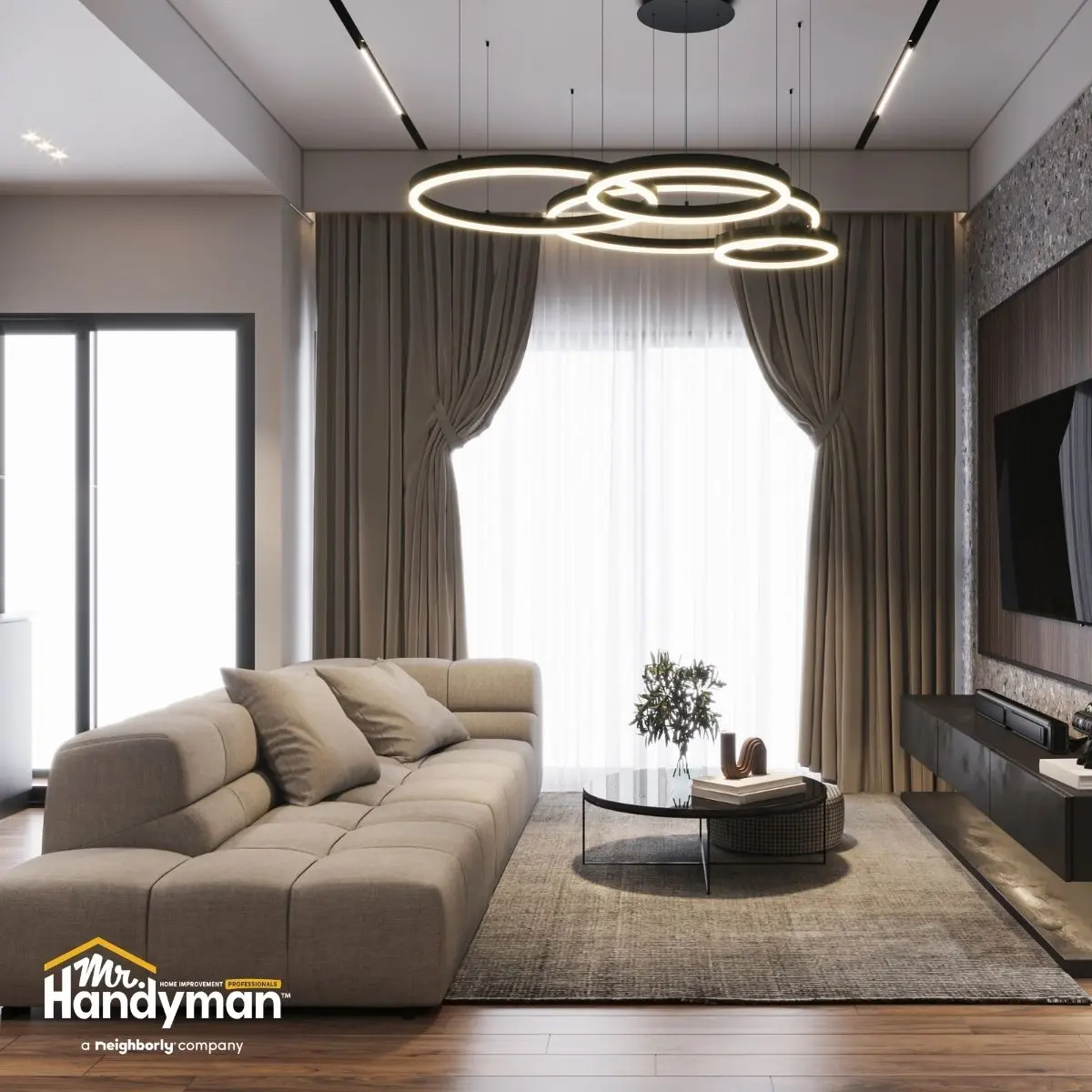
Material choices start with honest assessment of how the space will be used. A kitchen where you cook daily, host frequently, and have kids doing homework at the island needs durable, stain-resistant, easy-to-clean materials. A formal dining room used a few times a year can accommodate more delicate finishes. A bathroom shared by multiple people every morning requires different materials than a powder room guests use occasionally.
Homes in Smyrna, La Vergne, and Murfreesboro with active families benefit from materials that handle abuse without showing wear. Quartz countertops resist staining and don't require sealing. Luxury vinyl plank flooring withstands water, scratches, and heavy foot traffic. Ceramic or porcelain tile in bathrooms holds up to moisture and cleaning chemicals better than natural stone that requires ongoing maintenance.
If your household includes pets, material durability becomes even more important. Floors need to resist scratches from claws. Upholstery and finishes should handle cleaning without fading or deteriorating. Homes in Franklin, Brentwood, and Nashville with hardwood floors often see significant scratching from dogs, and choosing harder wood species like oak or hickory, or switching to scratch-resistant LVP, prevents ongoing frustration.
Consider maintenance realistically. Some materials require regular sealing, special cleaning products, or professional maintenance to stay in good condition. Granite countertops need periodic sealing to prevent staining. Natural stone tile requires careful cleaning to avoid etching or discoloration. If you're not willing or able to commit to that maintenance, choose materials that don't require it. Quartz counters, porcelain tile, and composite decking deliver similar aesthetics without the upkeep demands.
Balance Cost With Longevity and Performance
Cheaper materials sometimes make sense, but not always. The lowest-cost option often fails faster, requires more maintenance, or looks worn and dated quickly. Spending slightly more upfront for better quality materials usually pays off in durability, appearance, and reduced replacement costs down the line.
Flooring is a clear example. Builder-grade carpet costs less initially but wears out in five to seven years, especially in high-traffic areas. Mid-grade carpet with better padding and construction lasts 10 to 12 years and looks better throughout its life. The price difference may be 30 to 40 percent, but the performance difference is substantial. Homes in Bellevue, Green Hills, and Dickson with original builder-grade finishes often see flooring, countertops, and fixtures fail prematurely because they were the cheapest option available at the time.
Countertops follow a similar pattern. Laminate is affordable but chips, scratches, and shows wear quickly. Quartz costs significantly more but lasts decades, resists damage, and maintains its appearance with minimal care. If you're planning to stay in your home long-term, the higher upfront cost of quartz is offset by its longevity and performance. If you're flipping a property or updating a rental, laminate may be adequate.
Cabinet quality also varies widely. Stock cabinets from big-box stores are inexpensive but often use particleboard construction, low-quality hardware, and finishes that chip or fade. Semi-custom or custom cabinets cost more but use better materials, include features like soft-close hinges and full-extension drawers, and hold up better under daily use. Homes in Murfreesboro, Franklin, and Brentwood updating kitchens benefit from investing in quality cabinets, which are one of the most-used elements in the home and significantly impact both function and resale value.
Consider Regional Climate and Water Conditions
Middle Tennessee's climate and water quality affect how materials perform. Our humid summers, occasional heavy rainfall, freeze-thaw cycles in winter, and hard water create conditions that accelerate wear on certain materials and favor others that handle these stresses better.
Hard water is particularly relevant for kitchens and bathrooms. The high mineral content in water throughout Rutherford, Williamson, and Davidson counties creates buildup on faucets, showerheads, glass, and fixtures. Materials that show water spots easily—polished chrome, glass tile, natural stone—require constant cleaning to look good. Matte or brushed finishes hide water spots better. Porcelain and ceramic tile resist mineral buildup more effectively than natural stone.
Humidity affects flooring choices, especially in basements and bathrooms. Solid hardwood expands and contracts with humidity changes, which can cause warping, cupping, or gaps. Engineered hardwood handles moisture better but still isn't ideal for high-humidity areas. Luxury vinyl plank, porcelain tile, and ceramic tile perform well in humid conditions without the dimensional instability of wood products.
Outdoor materials face even harsher conditions. Decking, railings, and outdoor furniture endure sun, rain, freeze-thaw cycles, and humidity. Pressure-treated lumber is affordable but requires regular maintenance—staining, sealing, and inspection for rot. Composite decking costs more initially but requires minimal maintenance and lasts longer without warping, splintering, or fading. Homes in Brentwood, Franklin, and Nolensville with outdoor living spaces benefit from composite materials that withstand Tennessee weather without constant upkeep.
Match Materials to Your Home's Style and Age
Materials should complement your home's existing style and construction rather than fighting against it. A 1980s ranch in Smyrna looks awkward with ultra-modern finishes that clash with the home's architecture. A craftsman bungalow in Nashville benefits from materials that honor its character—hardwood floors, subway tile, classic fixtures—rather than trendy choices that feel out of place.
Older homes also have structural considerations that affect material choices. Homes built before 1980 throughout Murfreesboro, Clarksville, and Bellevue often have plaster walls, original hardwood floors, and plumbing or electrical systems that limit remodeling options. Installing heavy tile in an upstairs bathroom may require additional floor reinforcement. Running new plumbing for a relocated sink may be complicated by old galvanized pipes. Understanding these limitations helps you choose materials and designs that work with your home's construction rather than requiring extensive structural modifications.
Resale considerations also matter, especially if you plan to sell within a few years. Neutral, widely appealing materials—white or gray quartz counters, light wood or gray flooring, subway tile backsplashes—appeal to the broadest range of buyers. Bold or highly specific choices—bright colors, unusual tile patterns, exotic materials—reflect personal taste but may limit buyer interest. Homes in Franklin, Brentwood, and Nashville competing in active real estate markets benefit from material choices that feel updated and current without being polarizing.
Flooring Materials: Weighing Durability, Comfort, and Maintenance
Flooring is one of the most visible and heavily used elements in any remodel. It affects how a space looks, how it feels underfoot, how much maintenance it requires, and how long it lasts. Choosing the right flooring means understanding the pros and cons of each option and matching them to the room's function and your household's needs.
Luxury vinyl plank has become one of the most popular flooring choices, and for good reason. It's waterproof, scratch-resistant, comfortable underfoot, and available in styles that convincingly mimic hardwood or stone. It handles high traffic, pets, moisture, and temperature fluctuations without warping or deteriorating. Installation is straightforward, often as a floating floor over existing subfloors, which keeps costs manageable. Homes in Murfreesboro, Smyrna, and La Vergne with active families or pets benefit from LVP's combination of durability and low maintenance.
Hardwood flooring adds warmth and value but requires more care. Solid hardwood can be refinished multiple times over its lifespan, which makes it a long-term investment. However, it's vulnerable to moisture, scratches, and denting from heavy furniture or dropped objects. Engineered hardwood offers similar aesthetics with better moisture resistance and dimensional stability, making it suitable for areas where solid hardwood would struggle. Homes in Franklin, Brentwood, and Nashville with original hardwood often choose to refinish existing floors rather than replace them, which preserves character and costs less than new installation.
Tile—ceramic or porcelain—is ideal for bathrooms, kitchens, and entryways where moisture and spills are common. Porcelain is denser and more durable than ceramic, which makes it better for high-traffic areas and outdoor applications. Both are easy to clean, resistant to staining, and available in endless styles. The downside is tile feels cold and hard underfoot, and grout lines require periodic cleaning and sealing to prevent staining and mildew. Homes in Green Hills, Bellevue, and Dickson with tile floors installed in the 1990s often see discolored or cracked grout that detracts from the floor's appearance.
Carpet provides warmth, sound absorption, and comfort but shows wear faster than hard surfaces. It's appropriate for bedrooms and low-traffic living areas but not ideal for kitchens, bathrooms, or homes with pets prone to accidents. Quality matters significantly—cheap carpet looks worn and matted within a few years, while better-quality carpet with dense pile and good padding lasts a decade or more.
Countertop Materials: Balancing Beauty, Function, and Budget
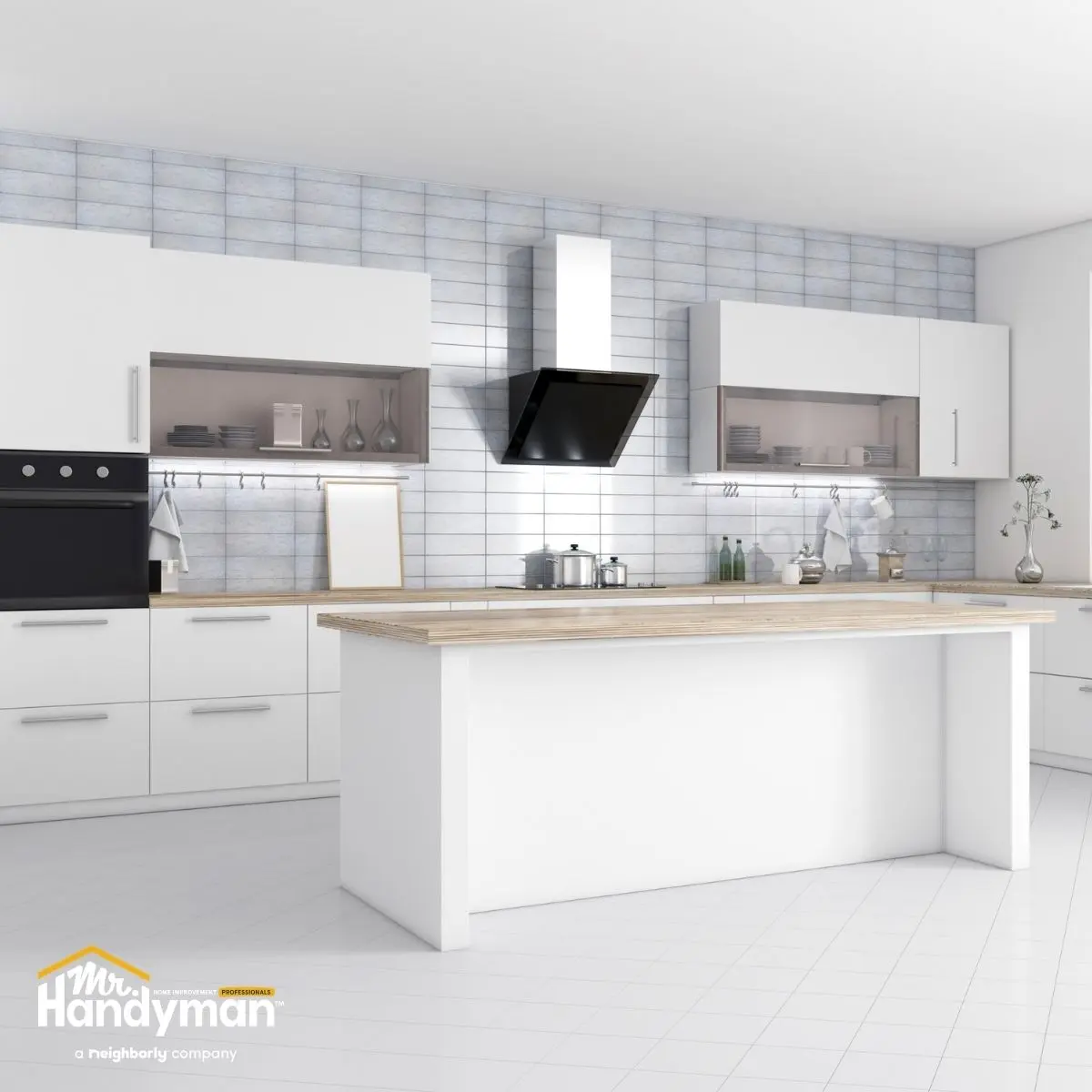
Countertops are focal points in kitchens and bathrooms, and they need to perform under daily use while looking good for years. The right material depends on your budget, how you use the space, and what maintenance you're willing to handle.
Quartz is engineered stone made from natural quartz crystals combined with resin. It's nonporous, which means it doesn't stain, harbor bacteria, or require sealing. It's available in a wide range of colors and patterns, including options that mimic marble or granite. Quartz is durable, heat-resistant to a point, and easy to maintain with simple soap and water. It's one of the best all-around countertop materials for busy kitchens. Homes in Murfreesboro, Franklin, and Brentwood updating kitchens often choose quartz for its combination of performance and aesthetics.
Granite is natural stone with unique patterns and color variations. It's heat-resistant, durable, and adds a high-end look to kitchens and bathrooms. The tradeoff is granite is porous and requires periodic sealing to prevent staining. It can also crack or chip if subjected to heavy impact. Despite these considerations, granite remains popular for its natural beauty and long lifespan when properly maintained.
Laminate is the most budget-friendly option. Modern laminates look far better than older versions and can mimic the appearance of stone or wood. However, laminate scratches, burns, and chips more easily than stone or quartz, and once damaged, it cannot be repaired—only replaced. It works well for low-traffic areas, rental properties, or temporary updates where budget is the primary concern.
Butcher block and solid surface materials like Corian offer middle-ground options. Butcher block adds warmth and character but requires regular oiling and is vulnerable to water damage and scratching. Solid surface is nonporous and repairable but can scratch and scorch more easily than quartz or granite.
Cabinet Materials and Construction Quality
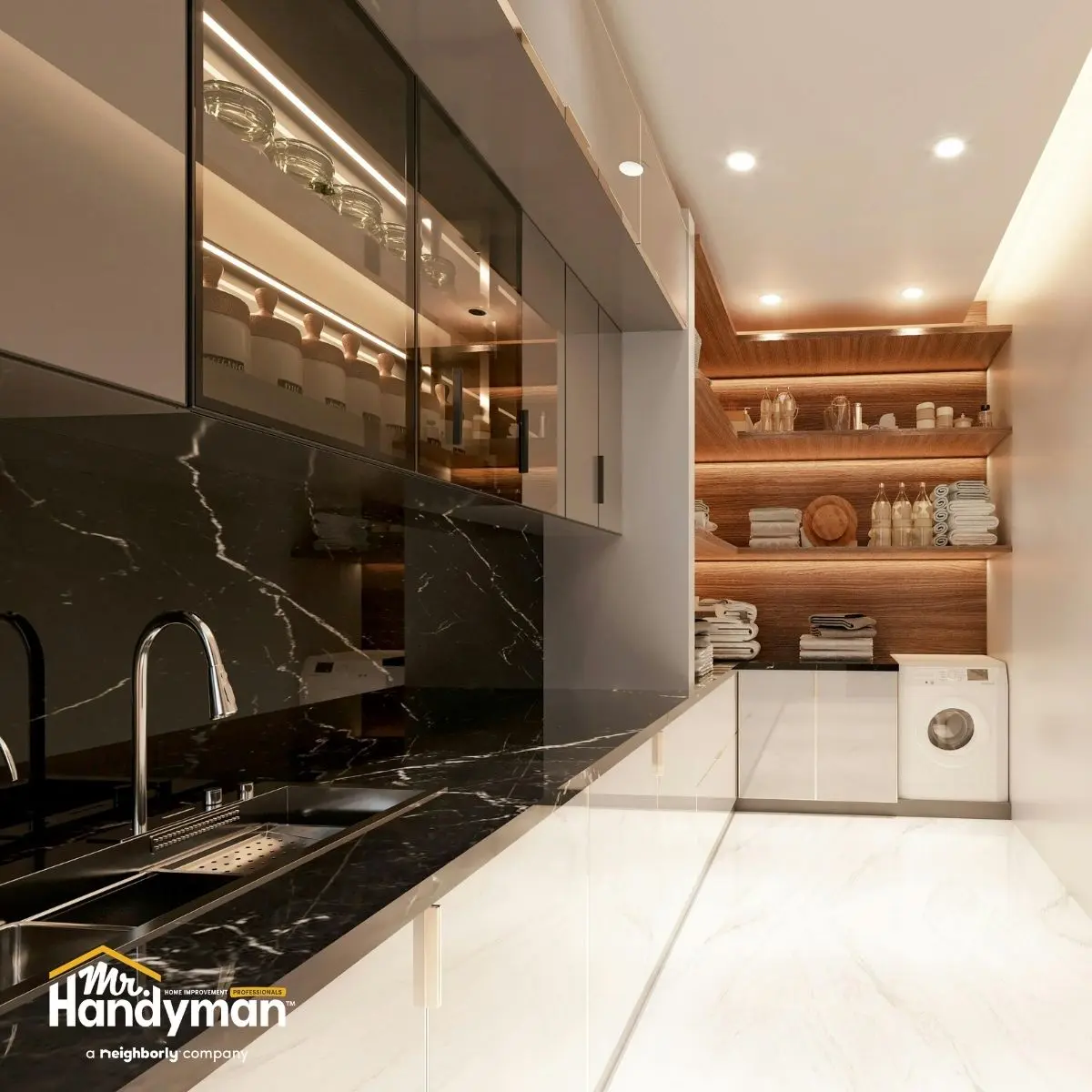
Cabinets are one of the largest expenses in a kitchen or bathroom remodel, and quality varies dramatically. Understanding cabinet construction helps you evaluate what you're paying for and whether it's worth the cost.
Cabinet boxes are typically made from plywood or particleboard. Plywood is stronger, more durable, and handles moisture better. Particleboard is cheaper but swells and deteriorates if exposed to water, which is a real risk in kitchens and bathrooms. Homes in Smyrna, La Vergne, and Shelbyville with builder-grade cabinets often have particleboard boxes that fail prematurely when leaks or spills occur.
Door and drawer construction also matters. Solid wood doors are the most durable and can be refinished if needed. Medium-density fiberboard (MDF) with a painted or laminate finish is common in mid-range cabinets and performs well as long as it's properly sealed and doesn't get wet. Thermofoil—a vinyl coating applied to MDF—is budget-friendly but can peel or bubble over time, especially near heat sources like dishwashers or ranges.
Hardware quality affects how cabinets function daily. Soft-close hinges and full-extension drawer slides are features worth paying for. They make cabinets quieter, easier to use, and less prone to slamming and wear. Budget cabinets often skimp on hardware, which leads to drawers that stick, doors that slam, and premature failure.
Fixture and Hardware Finishes That Last
Faucets, lighting fixtures, door hardware, and cabinet pulls are the details that tie a remodel together, but they also endure constant use and need to hold up over time. Finish quality varies, and choosing durable options prevents tarnishing, pitting, or fading.
Brushed nickel and stainless steel are popular finishes that resist fingerprints and water spots better than polished chrome. They work well in kitchens and bathrooms where fixtures are used frequently. Oil-rubbed bronze and matte black add visual interest but can show fingerprints and require more frequent cleaning to maintain their appearance.
Solid brass or stainless steel construction is more durable than zinc or plastic components. Budget faucets and fixtures often use cheaper materials with thin finishes that wear through quickly. Investing in quality fixtures from reputable brands ensures they function properly and maintain their appearance throughout the life of the remodel. Homes in Franklin, Brentwood, and Nashville benefit from fixtures that match the quality of other materials in the remodel rather than introducing weak points that fail prematurely.
Paint and Finish Quality Matters More Than You Think
Paint is one of the least expensive materials in a remodel, which tempts homeowners to choose the cheapest option. This is a mistake. Paint quality affects coverage, durability, and how the finish holds up to cleaning and wear. Premium paints cost more per gallon but require fewer coats, resist staining and scuffing, and maintain their appearance longer.
Kitchens and bathrooms benefit from semi-gloss or satin finishes that handle moisture and cleaning better than flat paint. Living areas and bedrooms typically use eggshell or satin finishes that hide imperfections while still being washable. Homes in Murfreesboro, Smyrna, and Bellevue updating interiors should choose paint formulated for the specific conditions of each room rather than using the same product throughout.
Stain and sealer quality also varies. Cheap deck stains fade and require reapplication annually. Quality stains penetrate deeper, resist UV damage, and last three to five years or more. The same applies to sealers for tile, grout, and stone—investing in quality products extends the life of the materials they protect.
Frequently Asked Questions
Should I choose materials based on trends or long-term appeal?
Choose materials with long-term appeal, especially for major elements like flooring, countertops, and cabinets. Trendy finishes can date quickly and limit resale appeal. Neutral, classic choices remain appealing regardless of design trends.
How do I know if a material is good quality?
Research brands and read reviews. Ask contractors or designers which products they recommend based on performance and warranty. Check construction—solid wood vs. particleboard, plywood vs. MDF, metal vs. plastic components—to assess quality.
Can I mix high-end and budget materials in the same remodel?
Yes. Invest in materials that endure heavy use—countertops, flooring, cabinets—and save on elements that are easier to replace or less critical, like lighting fixtures or cabinet hardware.
What's the best material for a kitchen countertop?
Quartz offers the best balance of durability, low maintenance, and aesthetics for most kitchens. Granite is also excellent if you're willing to seal it periodically.
How much should I budget for materials in a remodel?
Materials typically account for 40 to 60 percent of a remodel budget. The rest covers labor, permits, and contingency. Prioritize quality in high-use areas and adjust other selections to stay within budget.
Do more expensive materials always perform better?
Not always. Some premium materials require significant maintenance or don't handle daily wear as well as mid-range options. Match materials to your specific needs rather than assuming higher cost equals better performance.
Choose Materials That Match Your Needs and Budget
The right materials balance cost, performance, aesthetics, and maintenance in ways that fit your household and your home. Understanding how materials perform in Middle Tennessee's climate, how they hold up to daily use, and what maintenance they require helps you make choices that deliver results you'll be happy with years from now.
If you're in Murfreesboro, Franklin, Brentwood, Smyrna, Shelbyville, La Vergne, Bellevue, Christiana, Nashville, Belle Meade, Clarksville, Ashland City, Green Hills, Dickson, Antioch, Berry Hill, or any of the surrounding areas, Mr. Handyman of Murfreesboro, Franklin, and Brentwood and Mr. Handyman of West Nashville, Belle Meade, and Clarksville can help you select and install materials for your remodel.
Call us or visit
https://www.mrhandyman.com/murfreesboro-smyrna/ or
https://www.mrhandyman.com/nashville-west-south-central/
to schedule a consultation.