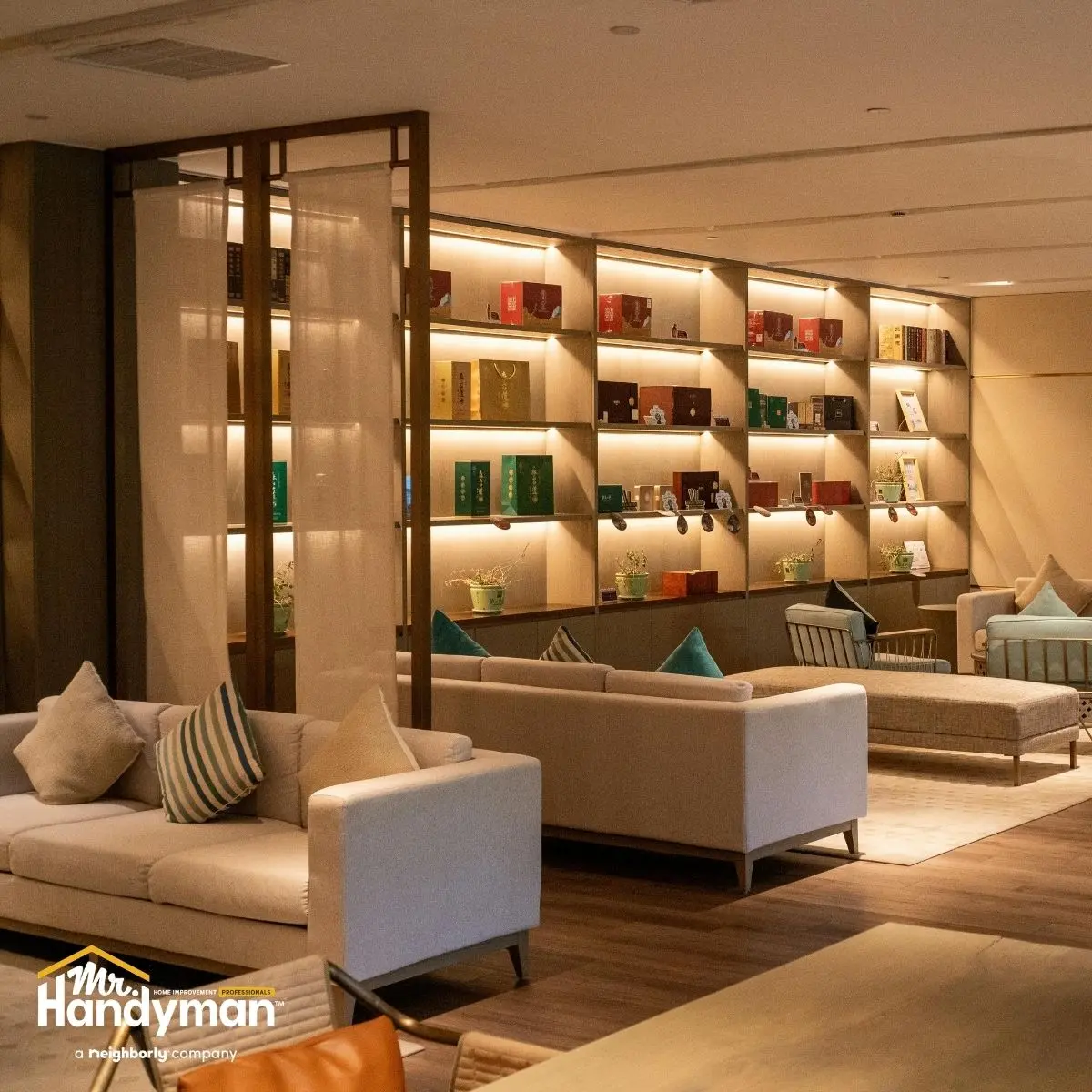
Common areas in commercial properties carry a maintenance burden that individual tenant spaces do not. They are used by everyone, owned by no one tenant specifically, and maintained by the property management operation that sits between the owner's investment and the tenants' daily experience. In Murfreesboro, Franklin, and Brentwood, where commercial real estate standards have risen alongside the region's growth and prosperity, the condition of common areas is one of the most visible and most evaluated indicators of how well a commercial property is being managed. Tenants form their opinions about management quality largely through what they observe in the spaces they share, and spring is the season when those observations are freshest and most influential.
The winter months are hard on commercial common areas in ways that accumulate gradually and are easy to normalize when you see the same spaces every day. Lobby flooring that has absorbed months of tracked-in moisture and winter debris develops a dullness that cleaning alone cannot fully restore. Corridor walls that have accumulated scuffs, marks, and the kind of low-level surface wear that continuous daily foot traffic produces through a winter of heavy coat season look noticeably different in spring light than they did in October. Restrooms, elevator lobbies, stairwells, and any other shared circulation space that handled peak winter traffic are carrying the evidence of that usage in ways that a spring refresh directly addresses.
Spring refresh work in commercial common areas is not about comprehensive renovation. It is about targeted, efficient improvements that restore the spaces to a standard that reflects well on the property and on the management operation responsible for it. The distinction matters because common area refreshes that are well-planned and efficiently executed can be completed with minimal disruption to tenant operations, while poorly planned refreshes that grow in scope beyond their original intent create the kind of prolonged disruption that damages tenant relationships and management credibility. Understanding what a common area spring refresh involves, how to prioritize its components, and how to execute it efficiently is what this guide is designed to provide.
What Winter Does to Commercial Common Areas in Middle Tennessee
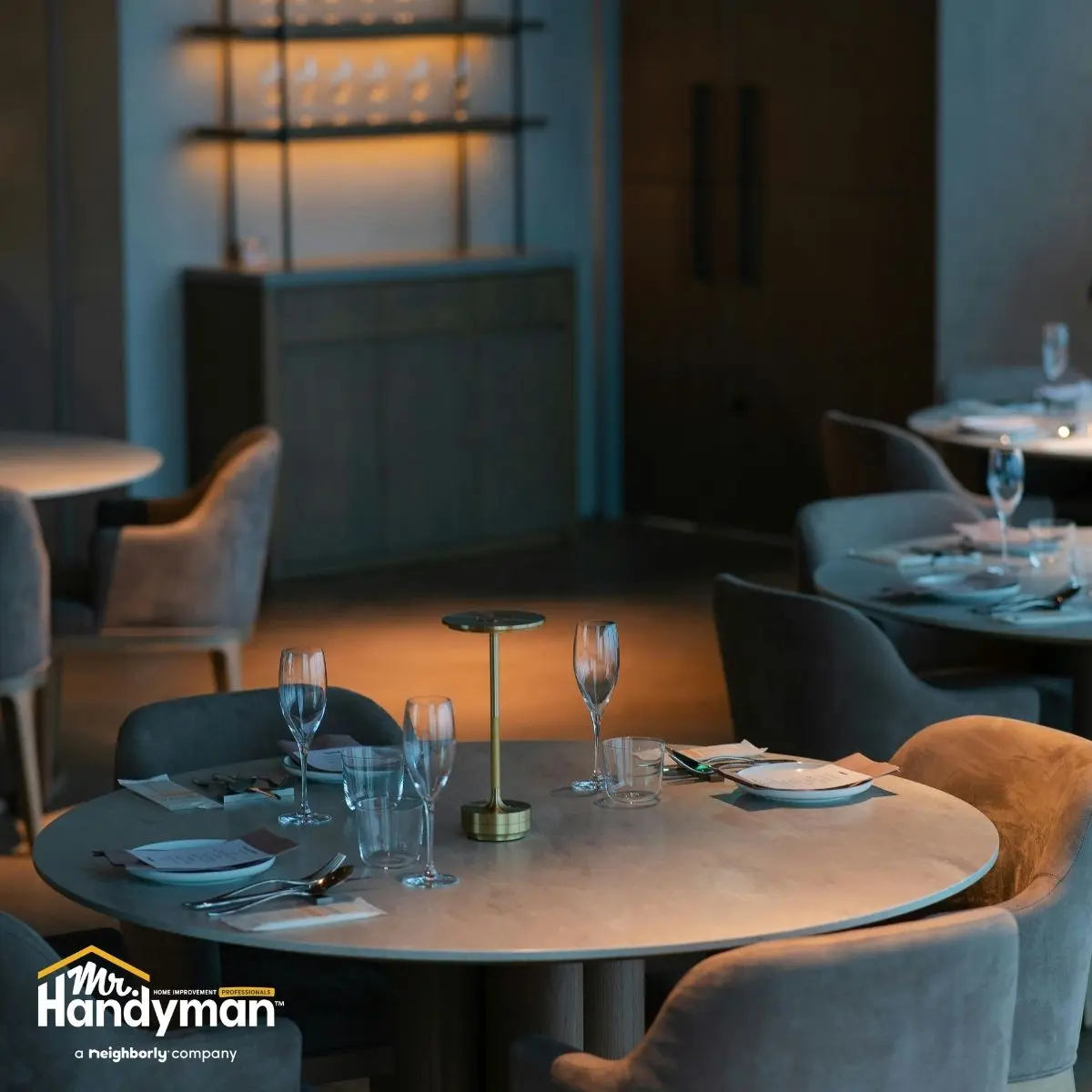
Middle Tennessee winters create specific conditions in commercial common areas that property managers and building owners in this region understand from experience. The combination of moisture tracking from rain and occasional snow and ice events, temperature cycling that affects humidity levels inside the building, and the seasonal behavior patterns of tenants and visitors all contribute to a winter wear profile that spring refresh work is designed to address systematically.
Flooring in commercial lobbies, corridors, and elevator lobbies bears the most direct evidence of winter traffic. Moisture tracked in from wet conditions outside carries particulate matter that embeds in carpet fibers, sits in the surface texture of hard flooring, and works into grout lines in tile installations over weeks of continuous traffic. Professional deep cleaning of lobby carpet and hard surface flooring removes the accumulated embedded soil that routine maintenance cleaning cannot reach, restoring appearance and extending the flooring's remaining service life. In properties where lobby flooring is approaching the end of its practical service life, spring is the right time to make the replacement decision rather than investing further in cleaning a surface whose best days have passed.
Entry mat systems, which bear the heaviest concentration of winter moisture and soil tracking, frequently need replacement or deep servicing in spring. Mats that have compressed beyond their effective scraping depth, that have developed mold or mildew from sustained moisture retention, or that have physically deteriorated through winter use are no longer performing their primary function of keeping tracked moisture and soil off the interior floor surfaces behind them. Replacing entry mat systems in spring restores the first line of defense against floor soiling and presents a fresh, clean entry impression to every person who enters the building through the warmer months ahead.
Wall surfaces in commercial corridors and lobbies accumulate winter wear in the form of scuff marks at shoulder and hand height along high-traffic paths, impact damage at door swing areas and corridor corners, and the general surface dulling that results from months of proximity to winter coats, bags, and equipment moving through the space. These conditions are individually minor but collectively significant in the impression they create. A corridor with clean, well-maintained walls reads as a managed property. The same corridor with accumulated marks, scuffs, and surface wear reads as a neglected one, regardless of how well the individual tenant spaces behind those walls are maintained.
Lighting Assessment and Improvement in Common Areas
Common area lighting is one of the highest-leverage refresh investments available to commercial property managers in Middle Tennessee, and it is also one of the most frequently deferred because individual lamp failures are addressed reactively while the overall lighting system's gradual performance decline goes unnoticed until it has progressed significantly. A spring lighting assessment that evaluates the full common area lighting system, rather than simply responding to individual burned-out fixtures, produces a clear picture of where targeted improvements will deliver the most significant impression improvement per dollar invested.
Lobby lighting sets the tone for the entire building experience and deserves particular attention in any spring refresh program. Lobbies that were designed around fluorescent fixture systems that were standard in commercial construction through the 1990s and early 2000s are operating with lighting technology that has been dramatically surpassed by current LED alternatives in terms of light quality, energy efficiency, and maintenance requirements. Retrofitting existing fluorescent fixtures with LED lamps and drivers, or replacing aging fixtures entirely with current LED products, delivers an immediate and dramatic improvement in light quality that transforms how the lobby feels to every person who enters it.
Color temperature selection in common area lighting refreshes deserves deliberate attention because it is the variable that most directly affects how a space feels rather than simply how bright it is. Commercial lobbies and corridors in professional office environments benefit from color temperatures in the 3500 to 4000 Kelvin range, which produces a clean, neutral light quality that feels professional without the institutional coldness of higher color temperature sources. Retail common areas and hospitality-adjacent commercial spaces often benefit from warmer color temperatures in the 2700 to 3000 Kelvin range that create an inviting, comfortable atmosphere appropriate to those environments. Selecting color temperature intentionally rather than defaulting to whatever the replacement lamp's standard specification provides is a detail that distinguishes a thoughtful refresh from a routine lamp change.
Corridor and stairwell lighting that has developed uneven coverage through a combination of fixture failures, lamp aging, and original design limitations creates zones of shadow that affect both the appearance and the safety of those circulation spaces. A spring assessment that maps actual lighting levels against the areas of heavy use identifies specific locations where supplemental fixtures or lamp replacements will resolve coverage gaps and restore consistent illumination throughout the circulation path. In stairwells, which are safety-critical circulation spaces where inadequate lighting creates fall hazards, addressing lighting deficiencies is a maintenance obligation that spring assessment should specifically confirm is being met.
Hard Surface Flooring Restoration and Replacement Planning
Hard surface flooring in commercial common areas, including tile, polished concrete, luxury vinyl tile, and natural stone, carries the evidence of winter traffic in ways that professional restoration services can address effectively when the surface has remaining life, and that replacement planning should address when restoration is no longer a cost-effective solution. Spring is the right time to make that distinction clearly and to act on whichever conclusion the assessment supports.
Ceramic and porcelain tile in commercial lobbies and corridors is among the most durable hard surface flooring options available and can sustain an extended service life when properly maintained. The element that most commonly degrades before the tile itself is the grout, which absorbs soil and moisture, darkens progressively through years of cleaning, and eventually reaches a condition where it cannot be restored to an acceptable appearance through any cleaning process. Professional grout cleaning using appropriate chemical treatments and mechanical scrubbing can restore significantly darkened grout when the underlying grout material is still sound. When grout has deteriorated to the point of crumbling, cracking, or losing its bond with adjacent tile edges, regrouting with fresh material is the appropriate restoration approach.
Polished concrete floors in commercial lobbies and retail common areas, which have become increasingly popular in Middle Tennessee commercial construction over the past decade, require periodic repolishing to restore the reflective finish that makes them visually appealing and easy to maintain. Traffic wear, cleaning chemical residue, and the physical abrasion of winter grit and debris reduce surface gloss progressively between polishing cycles. A spring repolishing, conducted with the appropriate diamond grinding and polishing sequence for the floor's current condition, restores the reflective quality and seals the surface against the spring and summer moisture conditions that Middle Tennessee's climate delivers.`
How Common Area Refresh Work Supports Tenant Retention Across Middle Tennessee
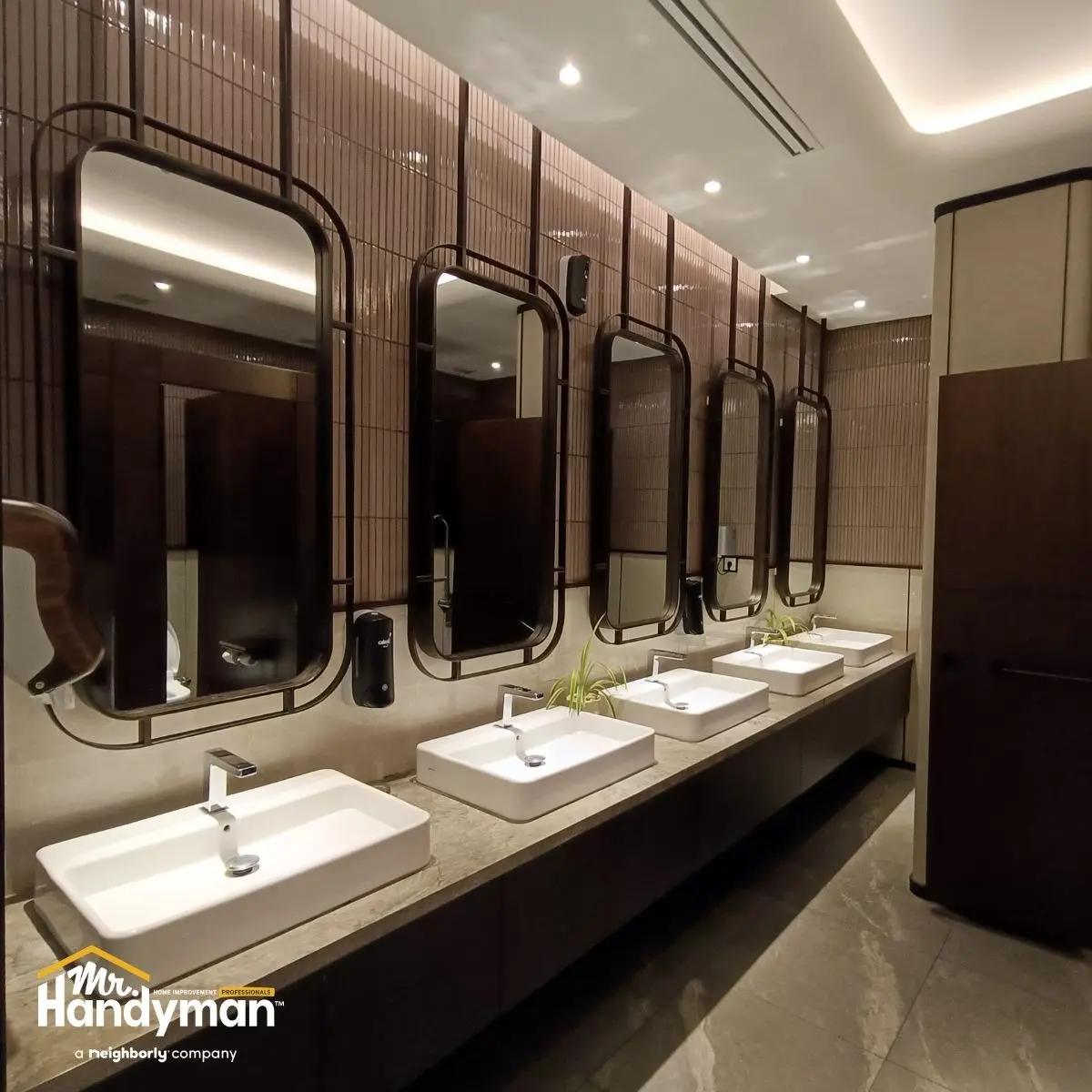
The relationship between common area condition and tenant retention in commercial properties is more direct and more financially significant than many property owners and managers fully appreciate. Tenants in Murfreesboro, Franklin, and Brentwood evaluate their lease renewal decisions based on a combination of factors that include rent level, location convenience, and the quality of the environment in which they operate daily. Common areas are the element of that environment that tenants experience multiple times every day, and their condition communicates the management standard of the property more consistently and more visibly than any other single factor within the management operation's control.
A tenant who enters the building each morning through a lobby that is clean, well-lit, and visibly maintained is receiving a daily confirmation that the property management operation takes its responsibilities seriously. That daily confirmation accumulates over the course of a lease term into a baseline confidence in the management relationship that makes lease renewal conversations proceed from a position of established trust rather than accumulated grievance. A tenant who enters the same building through a lobby that is dull, poorly lit, and showing deferred maintenance receives a different daily message, one that raises questions about whether the management operation is genuinely committed to maintaining the property at a standard that justifies the rent being paid.
Murfreesboro's commercial tenant market has become increasingly competitive as the city's growth has produced more options for businesses evaluating their location and facility decisions. In this environment, properties that consistently maintain their common areas at a high standard hold a measurable retention advantage over those that allow common area condition to decline between major renovation cycles. The cost of a spring common area refresh is modest relative to the cost of tenant turnover, which includes vacancy periods, re-leasing expenses, tenant improvement allowances for incoming tenants, and the revenue gap between the departing tenant's established rent and the market rate at the time of re-leasing. Any analysis of spring refresh investment that does not account for its tenant retention value is significantly understating the return that investment generates.
Franklin's commercial tenant market includes a high proportion of professional service businesses with elevated expectations about the environments in which they operate. A law firm, medical practice, or financial services operation that occupies space in a Franklin commercial building expects common areas that reflect the professional standard of the businesses they serve and the clients those businesses attract. Common area conditions that fall below that standard create a tension between the tenant's own presentation standards and the building environment that frames their business, and that tension surfaces in lease renewal conversations as either a specific grievance or a general dissatisfaction with the management relationship that motivates the tenant to evaluate alternatives.
Restroom and Amenity Space Refresh Priorities
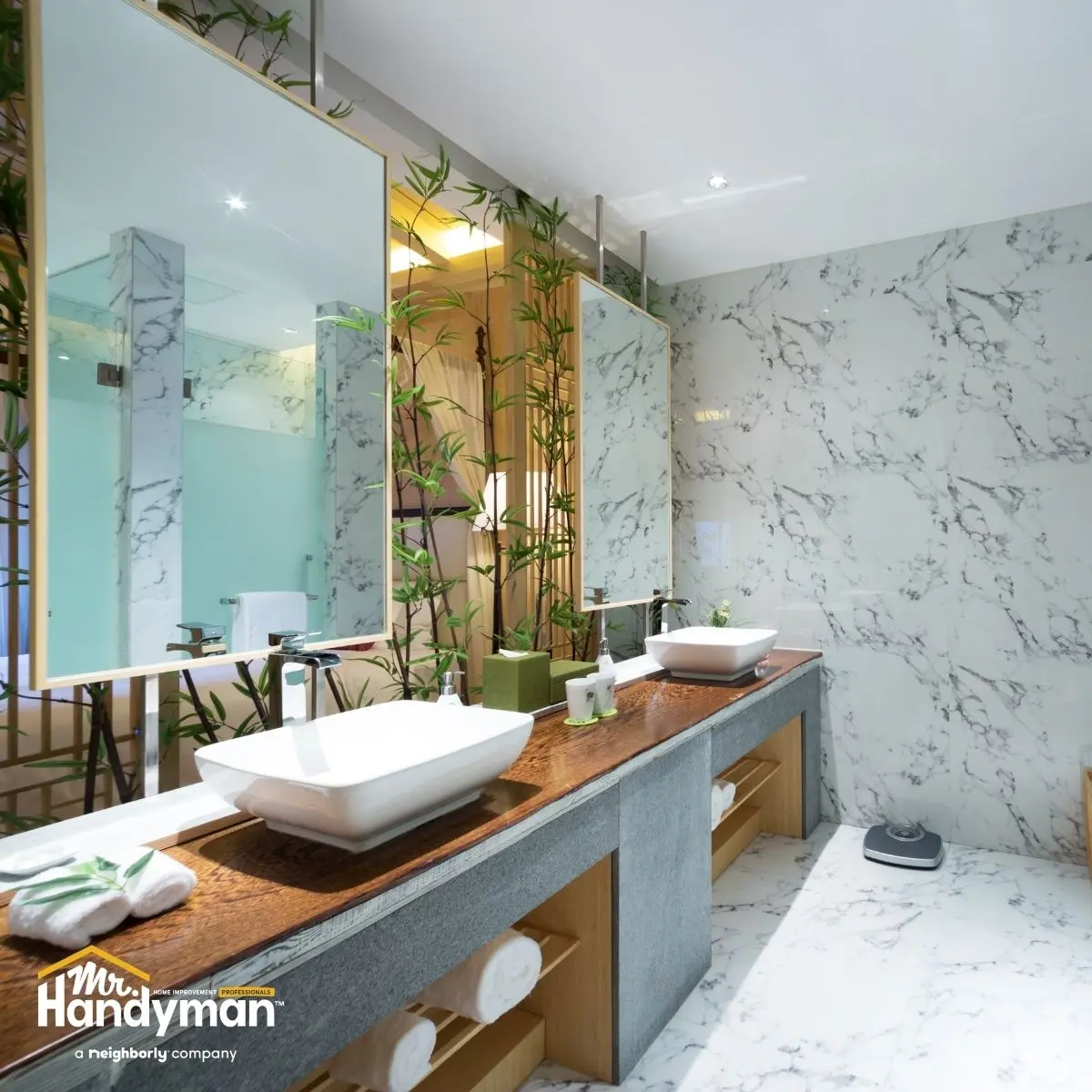
Commercial restrooms and amenity spaces in shared buildings are the common area elements that tenants and their visitors experience most directly and evaluate most critically. Restroom condition in a multi-tenant commercial building is one of the most frequently cited factors in tenant satisfaction surveys, and it is one of the areas where the gap between acceptable and excellent is most clearly perceived by the people using the space. Spring is the right time to conduct a thorough restroom condition assessment and to execute the targeted refresh work that brings those spaces back to a standard consistent with the property's overall management quality.
Restroom refresh work that delivers meaningful impression improvement without requiring complete fixture replacement covers grout cleaning and resealing, caulk replacement at all fixture and wall transitions, accessory replacement or refinishing where current hardware is visibly worn or mismatched, mirror resilvering or replacement where fogging or edge deterioration has compromised reflective quality, and lighting updates that replace aging fixtures with current LED products producing appropriate color temperature and output. Each of these items individually represents a modest investment. Executed together as a coordinated spring refresh, they transform the restroom from a space that communicates maintenance neglect into one that communicates active management attention.
Partition condition in commercial restrooms is a specific refresh element that property managers frequently defer despite its significant impact on restroom impression. Partition panels that have accumulated graffiti, surface scratches, or physical damage from impact communicate a maintenance standard that affects how tenants and their visitors perceive the entire property. Refinishing or replacing damaged partition panels, tightening loose hardware connections, and addressing any door alignment issues that prevent smooth operation are all spring refresh tasks that restore the restroom to a functional and presentable standard that reflects well on the management operation responsible for it.
Amenity spaces in commercial properties, including break rooms, conference rooms available to multiple tenants, and any fitness or wellness facilities that are part of the common area offering, carry similar refresh requirements that spring is well-timed to address. Break room appliances that are showing age, surfaces that have accumulated the wear of daily use through winter, and lighting that no longer performs at the level it was designed to deliver are all conditions that a spring refresh addresses in ways that tenants notice and appreciate.
Exterior Common Areas and First Impression Restoration
The exterior common areas of commercial properties, including entry plazas, landscaped areas, parking structures, and any outdoor amenity spaces that are part of the property's offering, carry spring refresh requirements that directly affect the first impression every tenant, visitor, and prospective tenant forms before entering the building. Winter conditions leave exterior common areas carrying debris, surface deterioration, landscape damage, and the general dishevelment that seasonal weather produces in any maintained outdoor environment.
Pressure washing of exterior hardscape surfaces, including entry plazas, walkways, parking structure decks, and any outdoor seating or amenity areas, is the highest-impact single exterior refresh task available at the most accessible cost point. A professionally executed pressure washing removes the winter accumulation of soil, algae, mildew, and general surface darkening that makes exterior hardscape look aged and neglected, revealing the actual surface material in a condition that approaches its original appearance. In Middle Tennessee's humid climate, where biological growth on exterior surfaces accelerates through the warm season, spring pressure washing before that growth season begins produces results that last longer than washing conducted later in the year.
Landscape refresh in spring exterior common areas involves removing winter-damaged plant material, cutting back perennials and ornamental grasses that were left standing through winter for visual interest and wildlife benefit, applying fresh mulch to planting beds, and assessing which plantings did not survive the winter and need replacement. A commercial landscape that is clean, mulched, and showing active spring growth creates a welcoming exterior impression that complements building condition and contributes to the overall quality signal the property sends to every person who approaches it. Landscape neglect in spring, where dead material has not been removed and planting beds have not been refreshed, creates a negative first impression that building condition improvements cannot fully overcome because the landscape is visible before the building details register.
Frequently Asked Questions
How long does a typical commercial common area spring refresh take to complete?
The duration depends on the scope of work and the size of the property. A focused refresh covering deep cleaning, lighting improvements, and targeted wall surface repairs in a mid-size commercial building can be completed in one to two weeks with a properly resourced team working in phases that minimize tenant disruption. More comprehensive refresh programs that include flooring restoration or replacement, restroom updates, and exterior work run longer, typically three to four weeks, and benefit from phased scheduling that maintains building function throughout the process.
Should spring common area refresh work be communicated to tenants in advance?
Yes, and the communication should be framed as a positive demonstration of management investment in the property rather than simply a notice of disruption. Tenants who receive advance communication about planned common area refresh work, including what will be done, when it will occur, and what temporary inconveniences they can expect, experience the refresh as evidence of proactive management attention. Tenants who encounter refresh work without advance notice experience it as a disruption that management failed to communicate, which reverses the impression benefit the work was intended to create.
What common area refresh items deliver the strongest impression return per dollar invested?
Lobby lighting upgrades consistently deliver the widest impression impact per dollar because they affect the perception of the entire lobby environment rather than a specific surface or element within it. Entry flooring restoration or replacement delivers strong return when the existing surface is significantly degraded. Restroom refresh work that addresses multiple elements simultaneously, lighting, accessories, partition condition, and surface cleaning, delivers compounding impression improvement that exceeds what any single element could achieve independently.
How do I build a spring refresh budget for a commercial common area program?
Start with a condition assessment that produces a prioritized list of items requiring attention, with estimated costs for each. Separate the list into immediate priorities that affect safety, function, or tenant impression most directly, and secondary items that can be deferred to a subsequent maintenance cycle without significant consequence. Build the refresh budget around the immediate priority items, with a contingency of ten to fifteen percent for conditions that the assessment identified as developing but that may require more intervention than initially estimated. Present the budget to the property owner in the context of tenant retention value and deferred maintenance cost avoidance rather than simply as a maintenance expense line item.
Can spring common area refresh work be completed by a general handyman service or does it require specialized contractors?
A skilled commercial handyman service handles the majority of common area refresh work efficiently and cost-effectively, including painting, lighting fixture replacement, minor flooring repairs, accessory replacement, caulking and sealant work, and general surface repairs. Specialized contractors are appropriate for work that requires specific licensing or equipment, including electrical circuit work beyond fixture replacement, flooring installations requiring specialized tools or adhesive systems, and professional deep cleaning services using commercial-grade equipment. A well-connected commercial handyman service maintains relationships with specialized subcontractors and can coordinate the full scope of a refresh program from a single point of contact, which simplifies the management burden for the property manager significantly.
Spring Refresh Is an Investment in Every Tenant Relationship
The condition of commercial common areas is not a background detail that tenants and visitors process without consequence. It is a continuous and visible statement about how the property is managed, how the owner values the building, and how much the management operation respects the businesses and people that occupy and use the space every day. In Murfreesboro, Franklin, and Brentwood, where commercial tenants have options and where management quality is a genuine differentiator in lease decisions, spring common area refresh work is an investment in every tenant relationship the property holds and in the reputation of the management operation responsible for maintaining it.
Mr. Handyman of Murfreesboro, Franklin, and Brentwood brings professional commercial maintenance and renovation capabilities to property managers throughout the region. From lobby lighting upgrades and corridor surface repairs to restroom refreshes, exterior pressure washing, and comprehensive common area improvement programs, the team delivers the reliable, professional service that keeps commercial properties performing at the standard their tenants expect and their owners deserve.
Serving commercial properties throughout Murfreesboro, Franklin, and Brentwood with professional common area refresh services and the management-quality results your tenants and owners deserve this spring.
