The exterior of your commercial property is the first thing customers, clients, and tenants see. Cracked pavement, peeling paint, broken signage, damaged roofing, or overgrown landscaping communicate neglect before anyone ever walks through your door. For businesses in Murfreesboro, Franklin, Brentwood, Nashville, and Clarksville, spring is the critical window to address exterior repairs before your busy season hits and customer traffic increases.
Exterior repairs aren't just cosmetic. They protect your building from weather damage, prevent safety hazards that create liability, and maintain the professional appearance that influences whether customers choose your business over competitors. A restaurant with a potholed parking lot loses customers who don't want to risk their vehicles. A retail store with faded, damaged siding looks closed or out of business. An office building with a leaking roof risks interior damage that disrupts operations and costs far more to fix than preventative maintenance.
Commercial properties in Middle Tennessee face specific challenges tied to our climate and the age of buildings in this region. Many commercial structures were built in the 1980s and 1990s, which means roofing, siding, pavement, and exterior systems are aging and showing wear. Freeze-thaw cycles stress pavement and masonry. Humidity and temperature swings degrade paint and sealants. Summer storms test roofing and drainage systems. Addressing these vulnerabilities in spring—before peak business season and before summer weather intensifies—prevents disruptions, protects your investment, and ensures your property looks its best when it matters most.
Exterior repairs also take time. Scheduling contractors, ordering materials, and completing work without disrupting business operations requires planning. Starting in spring gives you the buffer to complete repairs before Memorial Day weekend when customer traffic picks up and you need every operating day. Waiting until June or July means competing for contractor availability, dealing with delays, and potentially closing or limiting operations while repairs are underway.
Repair and Resurface Parking Lots and Driveways
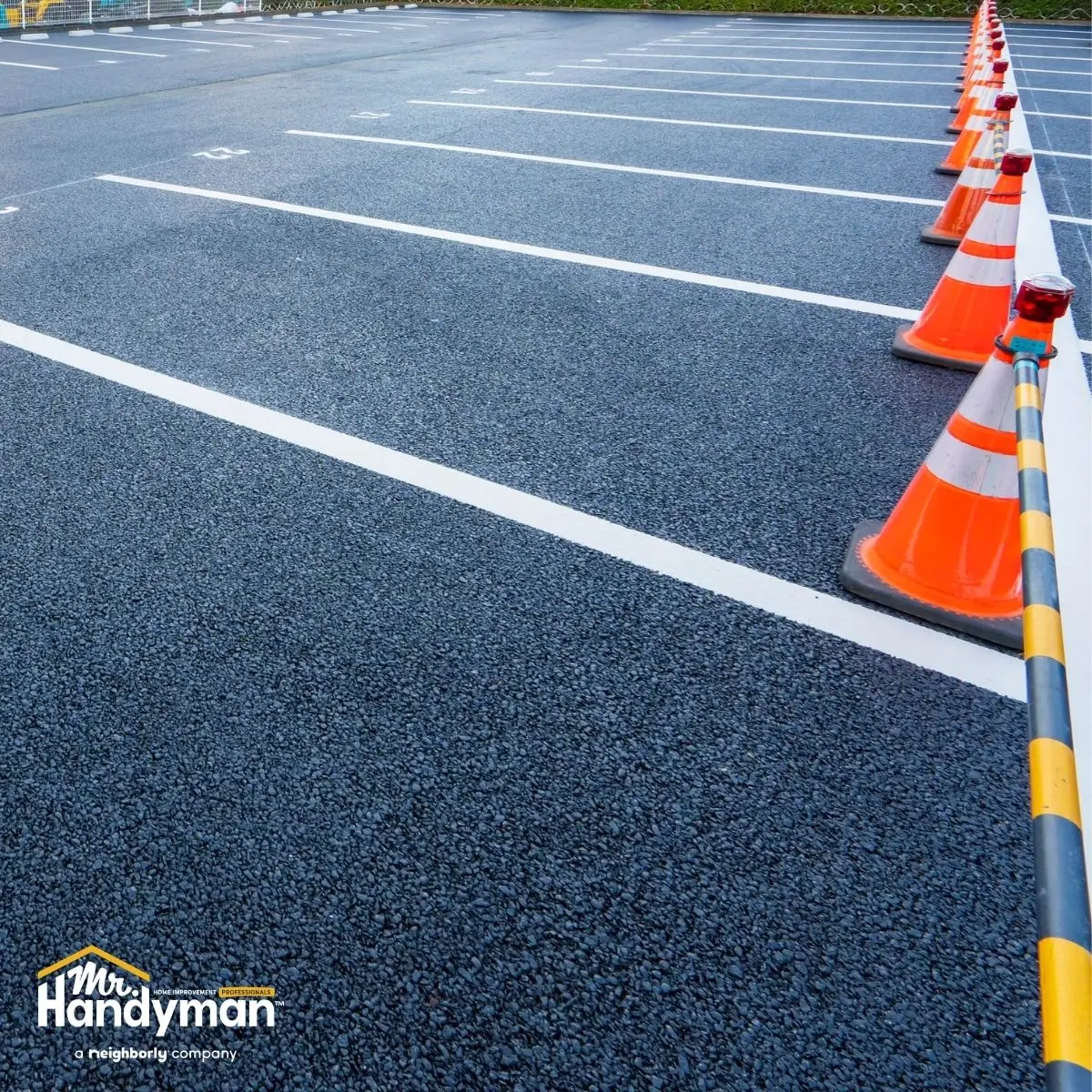
Parking lots are one of the most heavily used and abused parts of any commercial property. Constant vehicle traffic, temperature extremes, and water infiltration create cracks, potholes, and surface deterioration that worsen every year. By spring, damage that started as hairline cracks has expanded into structural problems that require significant repair or replacement.
Asphalt parking lots are particularly vulnerable to freeze-thaw damage. Water seeps into cracks, freezes, expands, and breaks apart the pavement. This cycle repeats through winter, and by March, small cracks have become potholes and areas of failed pavement. Commercial properties in Murfreesboro, Smyrna, and La Vergne with asphalt lots should walk the entire surface looking for damage that needs immediate attention.
Potholes are safety hazards and liability risks. Customers and employees can trip, vehicles can be damaged, and neglected potholes communicate that your business doesn't care about basic maintenance. Patching potholes is straightforward and inexpensive compared to the cost of lawsuits or lost business from customers who avoid your property because of poor pavement conditions.
Crack sealing prevents water infiltration and extends pavement life. Cracks wider than a quarter-inch should be cleaned and filled with rubberized crack filler that flexes with temperature changes. This simple maintenance task, done annually, can add years to your pavement's lifespan and prevent the need for costly resurfacing or replacement.
Sealcoating asphalt protects the surface from UV damage, water penetration, and oxidation. Parking lots should be sealcoated every two to three years, and spring is the ideal time because temperatures are moderate and the sealant has time to cure before heavy summer use. Properties in Franklin, Brentwood, and Nashville with faded, gray asphalt benefit from sealcoating that restores appearance and protects the pavement structure. Fresh sealcoat looks professional, improves curb appeal, and signals that your property is well-maintained.
Concrete parking areas and sidewalks need inspection for cracks, spalling, and uneven sections that create tripping hazards. Concrete repairs are more involved than asphalt, but addressing problems now prevents injuries and the liability that comes with them. Properties with loading docks, delivery areas, or pedestrian walkways should prioritize concrete repairs before increased foot and vehicle traffic.
Address Roofing Issues Before Summer Storms
Commercial roofs endure constant exposure to sun, rain, wind, and temperature extremes. Flat or low-slope roofs, which are standard on most commercial buildings throughout Middle Tennessee, are especially prone to problems. Ponding water, membrane deterioration, failed flashing, and clogged drains all contribute to leaks that often go unnoticed until they cause interior damage.
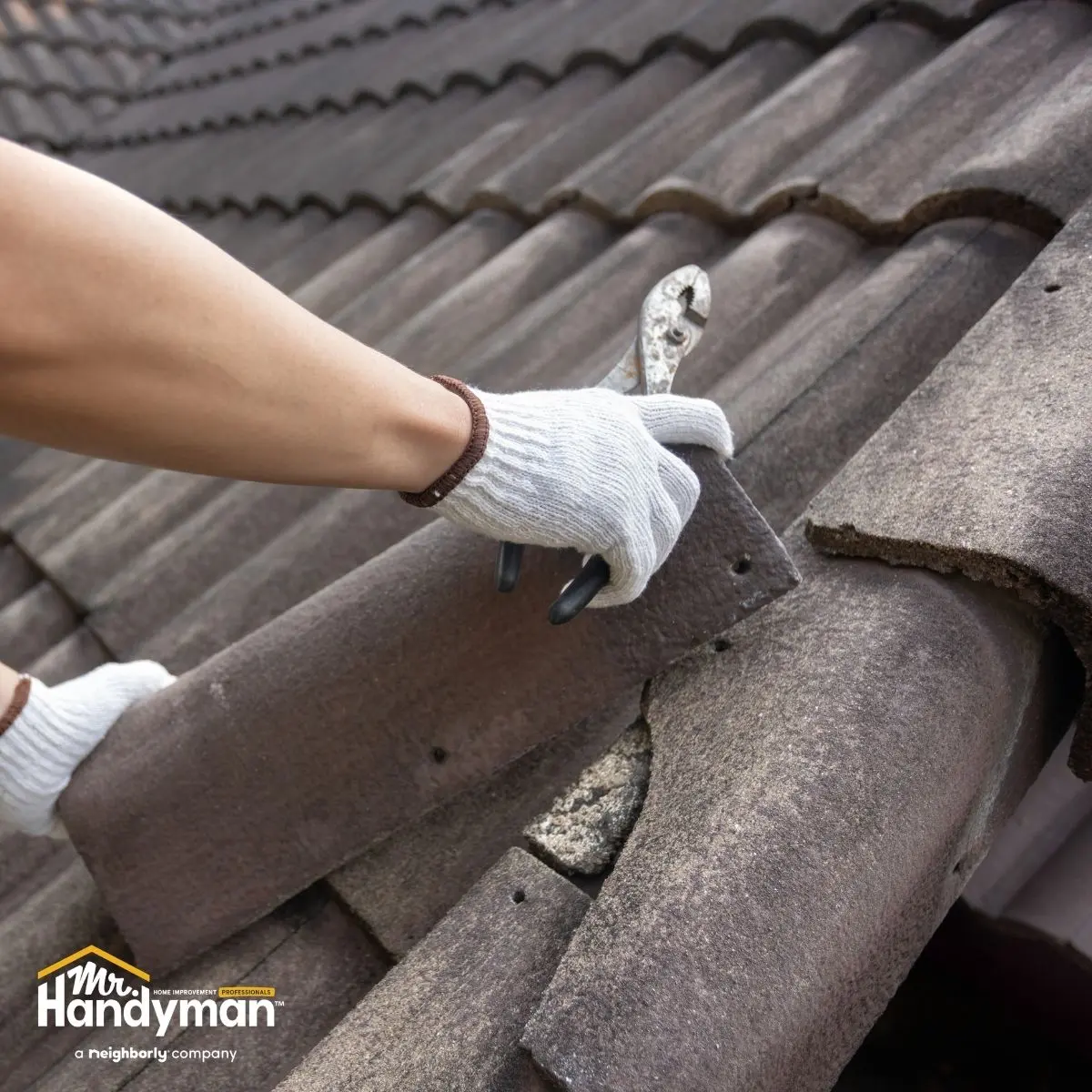
Spring roof inspections identify vulnerabilities before they become emergencies. Walk the roof or hire a professional to check for blistered or cracked roofing membrane, loose or damaged flashing around HVAC units and vents, areas where water ponds instead of draining, and debris that clogs drains or scuppers. Buildings in Bellevue, Green Hills, and Dickson with aging roofing systems—15 years or older—should be inspected at least annually and repaired proactively.
Ponding water is a red flag. If water sits on your roof for more than 48 hours after rain, you have a drainage problem. Ponding accelerates membrane deterioration, increases leak risk, and adds unnecessary weight to the roof structure. Improving drainage through additional drains, tapered insulation, or regrading solves the problem and extends roof life.
Flashing failures are a common source of leaks. Flashing seals transitions between the roof membrane and penetrations like HVAC units, vents, and skylights. Over time, sealants deteriorate, metal flashing corrodes, and gaps develop that allow water infiltration. Resealing or replacing failed flashing is far less expensive than repairing water damage to ceilings, walls, and inventory.
Gutters and downspouts on commercial buildings handle significant water volume during storms. If gutters are clogged with leaves and debris, they overflow and dump water against the building or create erosion around the foundation. Cleaning gutters and ensuring downspouts direct water away from the building prevents leaks, foundation problems, and landscape damage. Properties in Murfreesboro, Smyrna, and Shelbyville with large roof areas and gutter systems should schedule cleaning before spring storms arrive.
Repaint or Repair Siding and Exterior Surfaces
The exterior finish of your building—siding, stucco, brick, or metal panels—protects the structure and defines its appearance. Peeling paint, damaged siding, cracked stucco, or faded metal panels make your business look neglected and dated. Spring is the time to address these issues before customer traffic increases and first impressions matter most.
Painted surfaces need regular maintenance. Exterior paint exposed to sun, rain, and temperature swings deteriorates over time. Paint fades, peels, and cracks, which not only looks poor but also exposes underlying materials to moisture and damage. Commercial buildings in Franklin, Brentwood, and Nashville should repaint every five to seven years, or sooner if the finish shows significant wear.
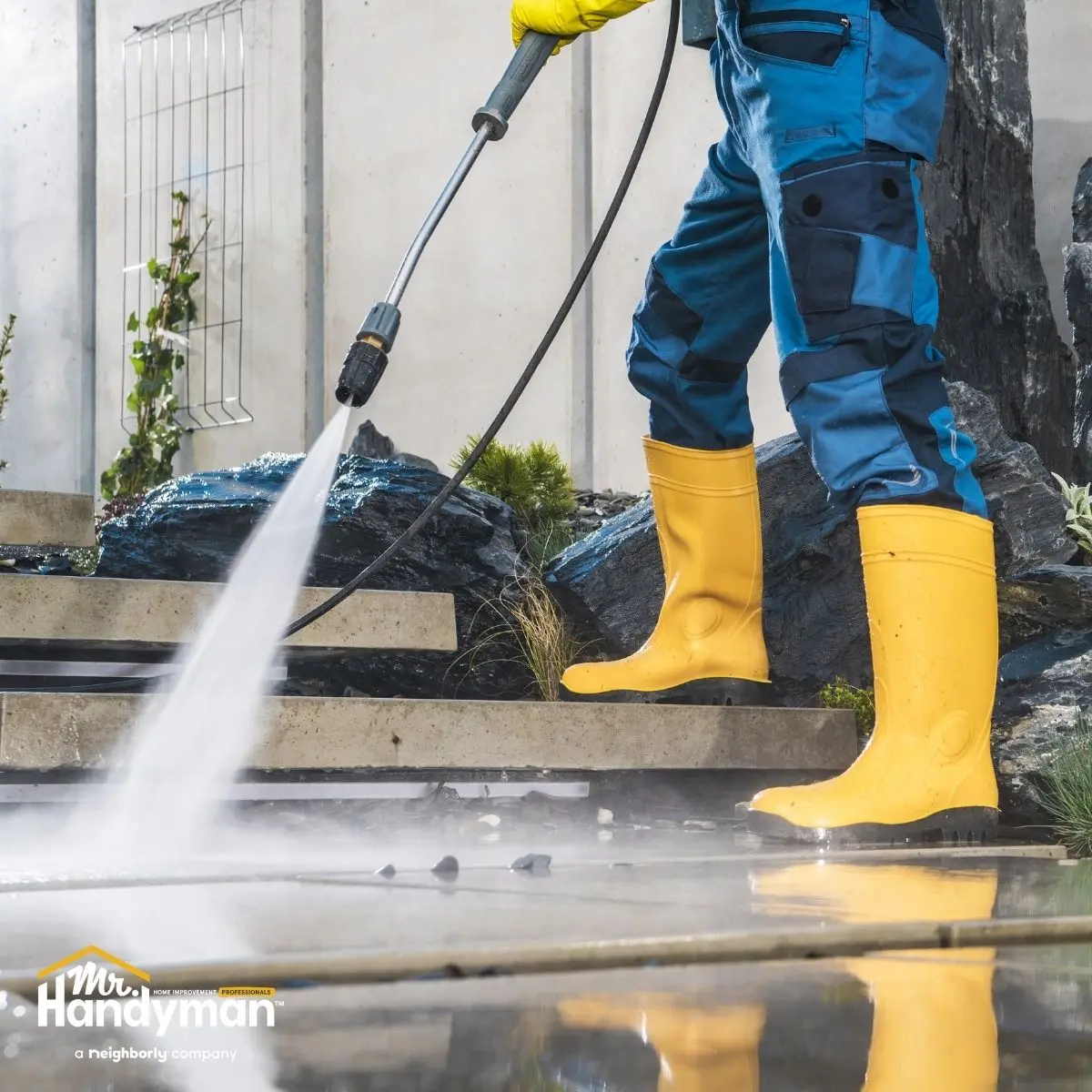
Power washing removes dirt, mildew, and loose paint and prepares surfaces for repainting. Many commercial buildings look dramatically better after a thorough power washing, and in some cases, cleaning is all that's needed to restore appearance. Buildings with brick, concrete, or vinyl siding benefit from annual power washing that removes organic growth and staining.
Damaged siding—whether wood, vinyl, or fiber cement—should be repaired or replaced. Missing, cracked, or warped siding allows water infiltration that damages sheathing, insulation, and framing. Properties in Smyrna, La Vergne, and Clarksville with older siding showing signs of failure should address repairs before moisture causes structural problems.
Stucco and masonry finishes develop cracks that allow water penetration. Small cracks can be patched and sealed. Larger cracks or areas where stucco has separated from the substrate require more extensive repair. Ignoring these issues leads to water damage, mold growth, and costly interior repairs.
Metal panels on commercial buildings fade and corrode over time. Inspect metal siding and roofing for rust, loose fasteners, and damaged sections. Repainting or replacing damaged panels maintains weather protection and improves appearance. Buildings in industrial or commercial corridors with metal exteriors should prioritize these repairs to maintain professional presentation.
Replace or Repair Damaged Signage and Exterior Lighting
Signage is your business's identity. Damaged, faded, or malfunctioning signs communicate that your business is struggling or closed. Exterior lighting affects safety, security, and how inviting your property feels after dark. Spring is the time to assess and repair these critical elements before increased evening activity and longer operating hours.
Walk around your property and evaluate all signage—building-mounted signs, pole signs, monument signs, and directional signage. Check for burned-out bulbs or LEDs, faded graphics, cracked panels, rust or corrosion, and structural damage from wind or weather. Signs that looked acceptable in winter may show significant wear once you examine them closely in daylight.
Illuminated signs depend on functioning lighting. If your sign isn't lit, potential customers may not know you're open, especially during evening hours. Replace burned-out bulbs or LED modules immediately. For older signs with frequent bulb failures, consider upgrading to LED lighting, which lasts longer, uses less energy, and requires less maintenance. Commercial properties in Murfreesboro, Franklin, and Nashville competing for evening customers depend on visible, well-lit signage.
Faded or damaged graphics make your business look outdated. Sun exposure degrades vinyl graphics, paint, and plastic panels over time. If your signage looks washed out or the colors no longer match your branding, consider refacing or replacing it. A fresh, vibrant sign signals that your business is active and professional.
Structural integrity matters for pole signs and monument signs. Inspect posts, foundations, and mounting hardware for rust, rot, or damage. Wind and weather stress these structures, and failure can result in dangerous situations and expensive emergency repairs. Properties in Brentwood, Smyrna, and La Vergne with freestanding signs should verify they're structurally sound and properly maintained.
Exterior lighting throughout your property should be assessed and repaired. Parking lot lights, building-mounted fixtures, entryway lighting, and security lights all contribute to safety and curb appeal. Walk your property after dark and note any dark spots, flickering lights, or non-functioning fixtures. Buildings in Bellevue, Green Hills, and Dickson with inadequate lighting create safety concerns and make customers uncomfortable visiting after hours.
Replace burned-out bulbs and consider upgrading to LED fixtures if you haven't already. LEDs last significantly longer than traditional bulbs, use less energy, and provide better light quality. The upfront cost is offset by reduced maintenance and lower utility bills. Motion sensors and timers improve security and reduce energy waste by ensuring lights only operate when needed.
Improve Landscaping and Outdoor Appearance
Landscaping is part of your property's curb appeal, and neglected landscaping makes even well-maintained buildings look run-down. Spring is when landscaping needs the most attention—trimming overgrown plants, refreshing mulch, planting seasonal color, and addressing dead or damaged vegetation.
Overgrown shrubs and trees create maintenance issues and block visibility. Trim plants away from buildings, signs, windows, and walkways. Vegetation that touches siding or roofing traps moisture and accelerates deterioration. Plants that obscure signage or windows reduce visibility and make your property less inviting. Commercial properties in Franklin, Brentwood, and Nashville should maintain clear sightlines and ensure landscaping enhances rather than hides the building.
Dead or damaged plants should be removed and replaced. Winter weather, disease, and age take a toll on landscaping, and dead plants look neglected. Replacing them with fresh, healthy plants signals that your property is cared for and current.
Mulch beds provide a clean, finished look and help retain moisture and suppress weeds. Over time, mulch breaks down, fades, and thins out. Refreshing mulch annually—typically in spring—restores appearance and provides functional benefits. Properties in Murfreesboro, Smyrna, and Shelbyville with visible planting beds should budget for annual mulch renewal as part of routine maintenance.
Seasonal flowers add color and visual interest. Planting annuals in spring creates immediate impact and shows that your property is actively maintained. Even simple plantings near entryways or in highly visible beds make a difference in how customers perceive your business.
Weeds and overgrown grass in pavement cracks, planting beds, and along building edges look sloppy and unprofessional. Regular weeding and edging maintain clean lines and a polished appearance. Commercial properties competing for customers or tenants should prioritize landscaping maintenance that reinforces professional standards.
Clean and Repair Entryways, Doors, and Windows
Entryways are where customers transition from outside to inside your business. Damaged doors, cracked glass, worn hardware, dirty windows, and cluttered entry areas create poor first impressions. Spring cleaning and repairs ensure these high-visibility areas look welcoming and function properly.
Inspect entry doors for damage, wear, and operational issues. Check that doors open and close smoothly, locks function properly, weather stripping is intact, and thresholds are level and secure. Automatic doors should open reliably without hesitation or grinding noises. Buildings in Nashville, Franklin, and Clarksville with high customer traffic show door wear faster and benefit from proactive maintenance.
Glass doors and windows should be clean and free of cracks or chips. Dirty windows make interiors look dingy and uninviting. Cracked or damaged glass is a safety hazard and security risk. Schedule professional window cleaning and replace any damaged glass before busy season starts.
Door hardware—handles, locks, closers, hinges—endures constant use and wears out over time. Loose handles, sticking locks, or doors that don't close properly frustrate customers and employees. Replacing or repairing hardware is inexpensive and improves both function and appearance.
Entrance mats and flooring should be clean and in good condition. Worn, dirty, or damaged mats look unprofessional and create tripping hazards. Replace them with clean, high-quality mats that trap dirt and moisture before it's tracked into your building.
Entryway lighting should be bright and welcoming. Dark entryways feel unwelcoming and unsafe. Ensure fixtures are clean, bulbs are functioning, and light levels are adequate for customers entering during early morning or evening hours.
Address Drainage and Grading Issues Around the Building
Poor drainage causes a cascade of problems—water infiltration into basements or crawl spaces, foundation damage, landscape erosion, and pavement deterioration. Spring is the time to assess drainage around your building and make corrections before heavy summer storms test the system.
Walk the perimeter of your building after a heavy rain and observe where water flows and where it pools. Water should drain away from the building, not toward it. Areas where water pools or flows toward the foundation need grading corrections, additional drainage, or both.
Downspouts should direct water at least five feet away from the building. If downspouts dump water directly at the foundation, extend them with splash blocks or underground drain lines that carry water to appropriate discharge points. Properties in Murfreesboro, Smyrna, and La Vergne with clay-heavy soil and poor natural drainage benefit from properly extended downspouts that prevent foundation water intrusion.
Grading around the building should slope away at a minimum of one inch per foot for at least six feet. Over time, soil settles, mulch builds up, and grading changes, creating low spots that direct water toward rather than away from the building. Correcting grading with additional fill dirt and proper compaction prevents chronic moisture problems.
French drains, catch basins, and swales move water away from buildings and pavement. If your property has persistent drainage issues, installing or improving these systems solves problems that simple grading can't address. Commercial properties in Franklin, Brentwood, and Green Hills with expansive parking lots or large roof areas often need engineered drainage solutions to manage stormwater effectively.
Frequently Asked Questions
How often should commercial exteriors be repainted?
Typically every five to seven years, depending on exposure, climate, and paint quality. Buildings with significant sun exposure or harsh weather may need repainting more frequently.
What's the most important exterior repair for businesses?
Parking lot maintenance. Damaged pavement creates liability, deters customers, and worsens quickly if ignored. Address cracks and potholes immediately.
Can I handle exterior repairs while the business is operating?
Most exterior work can be scheduled around business hours. Roofing, painting, and landscaping are typically done during the day. Parking lot work may require temporary closures of sections.
Should I repair or replace damaged siding?
It depends on extent of damage. Isolated sections can often be repaired. Widespread damage or siding nearing the end of its lifespan justifies replacement.
How do I know if my roof needs repair or replacement?
Age is a key factor—commercial roofs last 15 to 25 years depending on type. Frequent leaks, widespread membrane damage, or ponding water indicate replacement may be more cost-effective than ongoing repairs.
What exterior repairs provide the best ROI?
Parking lot maintenance, fresh paint, updated signage, and improved landscaping all deliver strong returns by attracting customers, preventing larger problems, and maintaining property value.
Prepare Your Business Exterior for Busy Season
Exterior repairs protect your investment, improve customer perception, and prevent small problems from becoming expensive emergencies. Addressing parking lots, roofing, siding, signage, lighting, and landscaping before peak season ensures your property looks professional and functions reliably when it matters most.
If you're in Murfreesboro, Franklin, Brentwood, Smyrna, Shelbyville, La Vergne, Bellevue, Christiana, Nashville, Belle Meade, Clarksville, Ashland City, Green Hills, Dickson, Antioch, Berry Hill, or any of the surrounding areas, Mr. Handyman of Murfreesboro, Franklin, and Brentwood and Mr. Handyman of West Nashville, Belle Meade, and Clarksville can help you complete exterior repairs efficiently and professionally.
Call or visit https://www.mrhandyman.com/murfreesboro-smyrna/ or https://www.mrhandyman.com/nashville-west-south-central/ to schedule a consultation.
