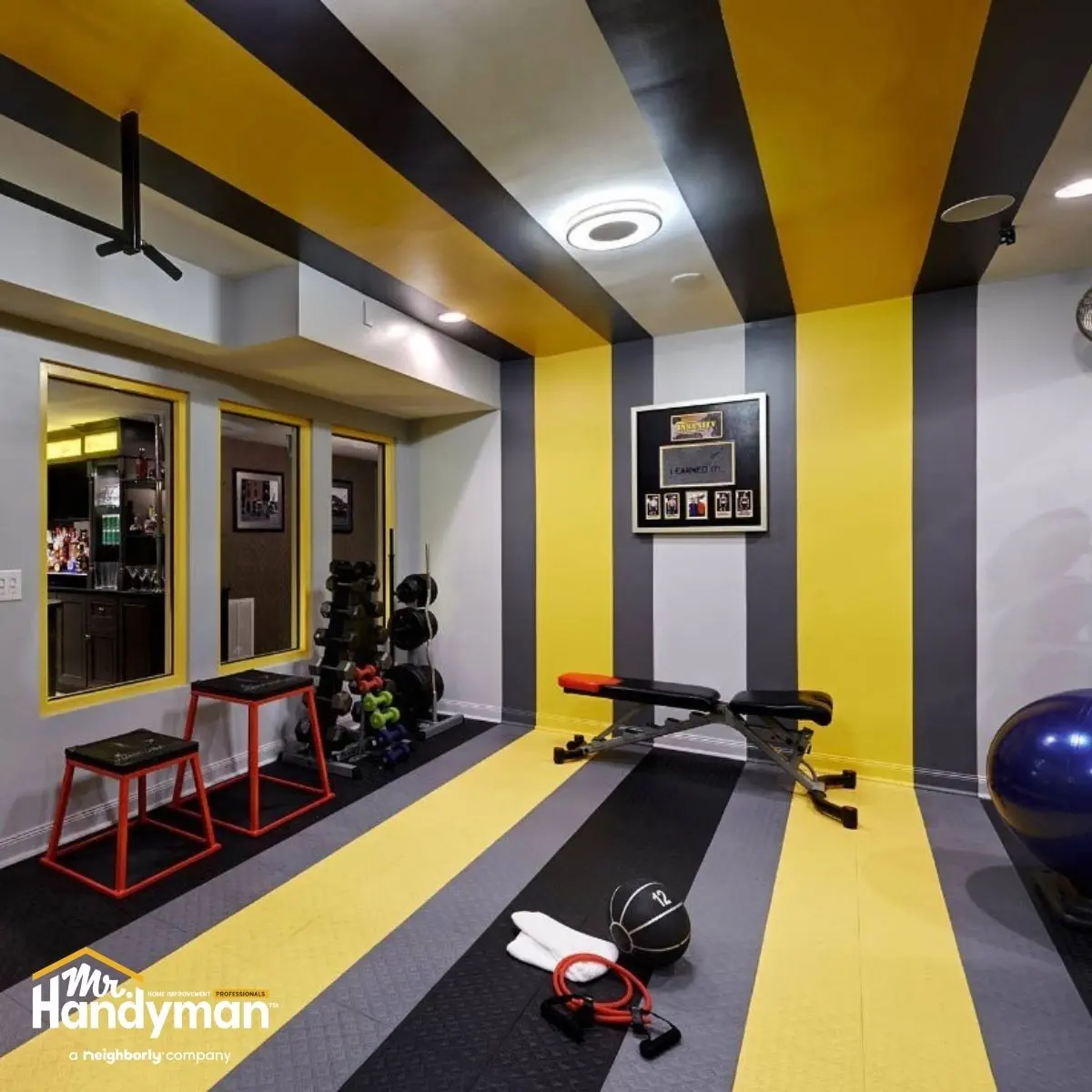
There's a moment every gym member experiences, usually without consciously registering it, when they walk into a fitness facility and form an immediate impression of the space. That impression isn't built from a single dramatic detail—it's assembled from dozens of small signals that the brain processes simultaneously. The condition of the floors, the smell of the air, the brightness of the lighting, and the state of the walls all contribute to a feeling that either says "this place is well-run" or "this place isn't being taken care of." Paint condition is one of the most visible and most frequently overlooked contributors to that impression.
Scuffed baseboards, chipped door frames, faded accent walls, and patchy areas where repairs were made but never properly finished are all details that members notice, even when they're not looking for them. These aren't catastrophic problems. They don't affect equipment function or structural integrity. But they accumulate over time into an overall sense of neglect that erodes member confidence and satisfaction in ways that are difficult to quantify but very real in their effect on retention and reputation.
For fitness facility owners and managers in Murfreesboro, Franklin, Brentwood, West Nashville, Belle Meade, and Clarksville, paint maintenance is one of the simplest and most cost-effective tools available for maintaining a professional, welcoming environment. Understanding why paint degrades in gym environments, where damage tends to concentrate, and how to address it effectively gives facility operators a practical framework for keeping their spaces looking sharp without the disruption and expense of full repaints.
Why Paint Degrades Faster in Fitness Environments
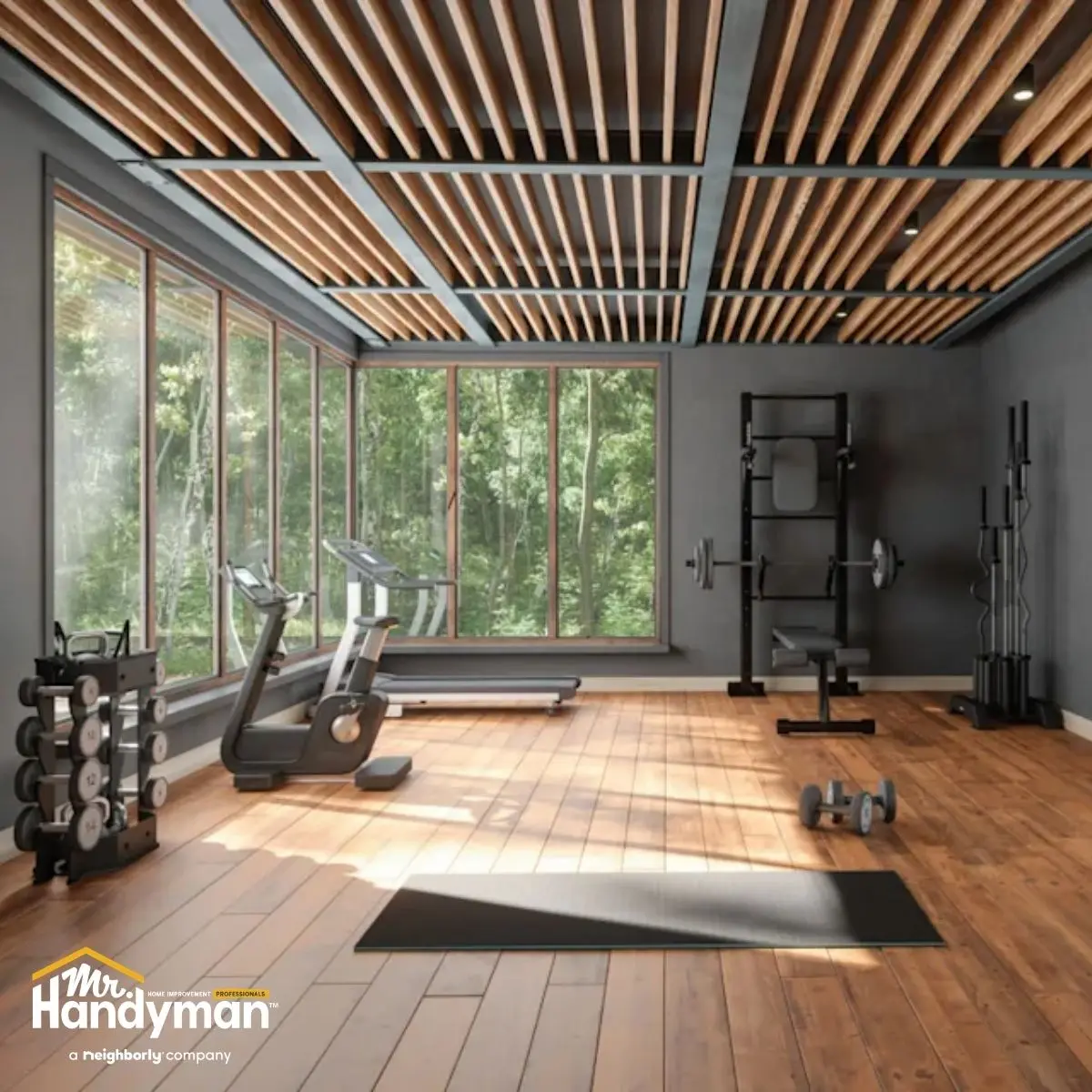
Paint in a fitness facility doesn't age the same way paint in a standard commercial space does. The combination of high humidity, physical contact, cleaning chemical exposure, and constant occupancy creates conditions that accelerate paint degradation in ways that most facility operators underestimate until the damage is already visible and widespread.
Humidity is the primary culprit in most gym environments. Fitness facilities generate substantial moisture from the combined perspiration of exercising members, steam from shower areas, and the general increase in ambient humidity that comes with high occupancy and physical activity. Paint that isn't designed for high-humidity environments absorbs that moisture, which causes it to soften, blister, and eventually peel away from the substrate. Even paint that's correctly specified for the application can fail prematurely if it was applied over surfaces that weren't properly primed or that had existing moisture issues.
Physical contact is another significant factor. Gym walls take constant abuse from equipment being moved or repositioned, weight plates being leaned against surfaces, members sitting against walls during stretching or rest, and the general traffic of a busy facility. Scuffs, chips, and gouges accumulate quickly in high-traffic areas like weight rooms, hallways, and locker room entrances. Each point of contact removes a small amount of paint, and those individual marks add up to a wall surface that looks worn and neglected even when the surrounding paint is still in good condition.
Cleaning chemicals present a challenge that's specific to fitness environments where hygiene standards require regular and thorough sanitization. Many commercial cleaning products contain compounds that break down paint finishes over time, particularly on surfaces that are cleaned frequently. Walls near equipment cleaning stations, around water fountains, and in locker rooms and restrooms are especially vulnerable because they receive more frequent chemical exposure than other areas. Using the wrong cleaning products on painted surfaces, or applying them too aggressively, accelerates finish degradation significantly.
Temperature fluctuations also play a role, particularly in facilities that experience significant differences between interior and exterior conditions. Walls near exterior doors, loading areas, or poorly insulated sections of the building expand and contract more than interior walls, which stresses the paint film and leads to cracking and peeling at a faster rate. In Middle Tennessee, where summer temperatures regularly climb into the upper 90s and winter brings occasional freezing conditions, these fluctuations are more pronounced than in milder climates.
Older facilities in established neighborhoods throughout Murfreesboro, Franklin, and the Nashville area often have walls that have been painted multiple times over the years, with each layer applied over the previous without proper surface preparation. When paint is applied over existing layers without adequate preparation, adhesion is compromised, and the newer layers are more susceptible to peeling and chipping. Facilities in converted spaces—former retail locations, office buildings, or warehouses repurposed as gyms—may have paint histories that include layers applied for entirely different environments and uses.
Where Paint Damage Concentrates in Fitness Facilities
Paint damage in a fitness facility isn't evenly distributed across all surfaces. It concentrates in predictable locations based on traffic patterns, equipment placement, humidity levels, and cleaning frequency. Understanding where damage is most likely to occur helps facility managers prioritize their maintenance efforts and address problems before they spread.
Weight rooms and free weight areas experience the highest concentration of physical contact damage. Walls behind dumbbell racks take constant scuffs from plates and handles being loaded and unloaded. Baseboards in these areas are hit repeatedly by weight plates, equipment feet, and cleaning tools. Corner guards and door frames near equipment storage areas show chipping and gouging from equipment movement. These surfaces need more frequent attention than any other area of the facility because the rate of damage accumulation is highest.
Locker rooms and restrooms represent the greatest challenge from a humidity and chemical exposure standpoint. These areas combine the worst conditions for paint durability—constant moisture, frequent cleaning with strong disinfectants, and physical contact from members using limited space. Paint in these areas tends to fail first near the floor, around fixtures, and along the ceiling line where moisture collects. Selecting the right paint specification for these environments and maintaining it proactively is essential for keeping these critical spaces looking clean and professional.
Hallways and transition areas experience high traffic and frequent contact from members moving between spaces carrying bags, equipment, and water bottles. Walls along these corridors develop scuff marks at shoulder and hip height, damage near light switches and door handles, and wear at baseboard level from cleaning equipment. These areas are highly visible to members moving through the facility and contribute significantly to the overall impression of the space.
Reception and lobby areas are the first spaces members and guests encounter, which makes their condition disproportionately important relative to their size. Paint damage in reception areas—even minor scuffs or chips—sends an immediate negative signal to new members and guests forming their first impression of the facility. These spaces deserve priority attention because the cost of maintaining them is low but the impact on first impressions is high.
Group fitness studios experience paint wear primarily from equipment movement—yoga blocks, weights, bands, and other props being moved across floors and into contact with walls during class setup and breakdown. Mirrored walls in these spaces often have trim or frame areas that show wear and chipping. Accent walls used for branding or aesthetic purposes fade faster under the intense lighting typical of group fitness spaces and need more frequent refreshing to maintain their intended visual impact.
The Member Experience Connection
The relationship between facility appearance and member retention is well-documented in the fitness industry. Members make decisions about where they work out based on how a facility makes them feel, and the physical environment plays a direct role in shaping those feelings. A space that looks clean, maintained, and professionally managed communicates something important about how the facility operates overall—including how seriously management takes member safety, hygiene, and experience.
Paint condition is one of the most visible indicators of facility maintenance standards. Members who notice chipped paint around equipment, stained walls in locker rooms, or faded and patchy surfaces in workout areas draw conclusions about the facility's overall maintenance culture. Those conclusions aren't always fair or accurate, but they're real and they influence behavior. Members who feel that a facility isn't being well-maintained are more likely to explore alternatives, less likely to recommend the facility to friends, and more likely to cite "facility condition" when they cancel their memberships.
The inverse is equally true. Facilities that consistently maintain clean, well-painted surfaces signal to members that management pays attention to details. That signal builds confidence and trust that extends beyond paint to how members perceive equipment maintenance, hygiene standards, and staff professionalism. The cumulative effect of consistent attention to visible details is a member base that feels good about where they work out and tells others about it.
New member acquisition is also affected by facility appearance. Prospective members who tour a facility before joining are making decisions based on their immediate sensory experience of the space. A tour that takes them through areas with obvious paint damage, scuffed walls, and poorly maintained surfaces creates doubt that's hard to overcome with programming or pricing arguments. Conversely, a facility that looks sharp and well-maintained throughout the tour creates a positive impression that supports conversion from prospect to member.
How Professional Touch-Ups Differ From DIY Repairs
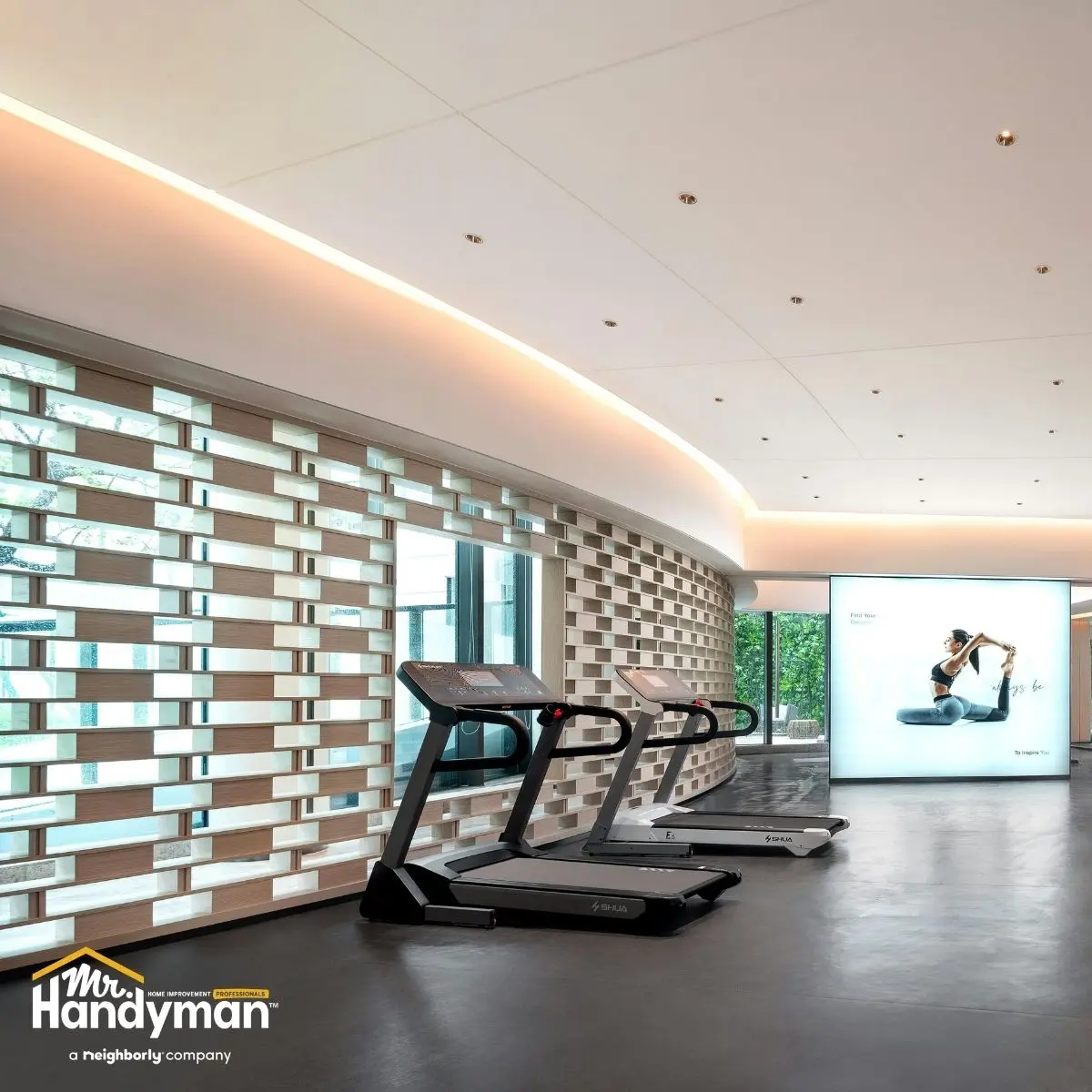
The temptation to address paint touch-ups with whatever paint is on hand and a small brush is understandable—it seems like a quick, low-cost solution to a minor problem. But touch-up painting done without the right materials, preparation, and technique often makes the problem more visible rather than less. Understanding why professional touch-ups produce better results helps facility managers make smarter decisions about how to handle paint maintenance.
Color matching is the most common challenge in touch-up work. Paint colors change subtly over time as they cure, fade under lighting, and interact with the surrounding environment. Paint applied directly from the original can over an aged wall surface almost never matches perfectly—the new paint is brighter, the sheen is different, and the patch is more visible than the original damage. Professional touch-up work accounts for this by feathering the repair into the surrounding surface, adjusting color if necessary, and matching the sheen of the existing finish rather than simply applying new paint to the damaged area.
Surface preparation is the difference between a touch-up that holds and one that fails within weeks. Damaged areas typically have loose edges, contamination from cleaning products, or moisture that needs to be addressed before new paint is applied. Painting over a surface that hasn't been properly cleaned, primed, and prepared results in poor adhesion and a repair that peels away quickly, often taking surrounding paint with it. Professional preparation ensures the repair bonds correctly and lasts.
Paint selection matters significantly in fitness environments. Using the wrong sheen level, the wrong formulation, or paint that isn't rated for the specific environment—high humidity, frequent cleaning, physical contact—results in repairs that fail faster than the surrounding paint and require retreatment sooner. Professional paint maintenance uses products specified for the conditions present in each area of the facility, which extends the life of repairs and reduces the frequency of retreatment.
Frequently Asked Questions
How often should a fitness facility schedule paint touch-ups?
High-traffic areas like weight rooms, hallways, and locker rooms benefit from quarterly touch-up inspections and repairs as needed. Reception areas and group fitness studios may need attention every six months. A structured maintenance schedule prevents small damage from accumulating into the kind of widespread deterioration that requires full repainting.
Can touch-ups ever match existing paint perfectly?
In most cases, a close match is achievable but a perfect match is difficult due to paint aging and fading. The goal of professional touch-up work is to make repairs as unobtrusive as possible through careful color matching, proper feathering technique, and sheen matching. Keeping records of paint colors and finishes used throughout the facility makes this process significantly easier.
What type of paint finish is best for gym walls?
Satin and semi-gloss finishes are generally best for fitness facility walls. They're more durable than flat finishes, easier to clean without damaging the surface, and hold up better under the humidity and chemical exposure typical of gym environments. Flat finishes, while aesthetically popular, aren't durable enough for most areas of a commercial fitness facility.
Should I repaint or just touch up damaged areas?
It depends on the extent of the damage and the age of the existing paint. If damage is localized and the surrounding paint is in good condition, targeted touch-ups are appropriate. If paint is widespread, faded significantly, or has multiple layers of previous repairs, a full repaint may be more cost-effective than continuing to patch individual areas.
How do I prevent paint damage from occurring as quickly?
Installing corner guards in high-impact areas, using equipment mats to prevent direct contact between weights and walls, selecting durable paint finishes appropriate for each space, and training staff to use cleaning products that are safe for painted surfaces all reduce the rate of paint degradation significantly.
Does paint condition affect facility inspections or code compliance?
Paint condition itself isn't typically a code compliance issue, but moisture damage and mold growth behind failing paint can be. Facilities that allow paint to deteriorate to the point where moisture intrusion and biological growth occur may face health code concerns in locker rooms and other regulated spaces. Proactive paint maintenance prevents the conditions that lead to these more serious issues.
Maintaining the Standard Your Members Expect
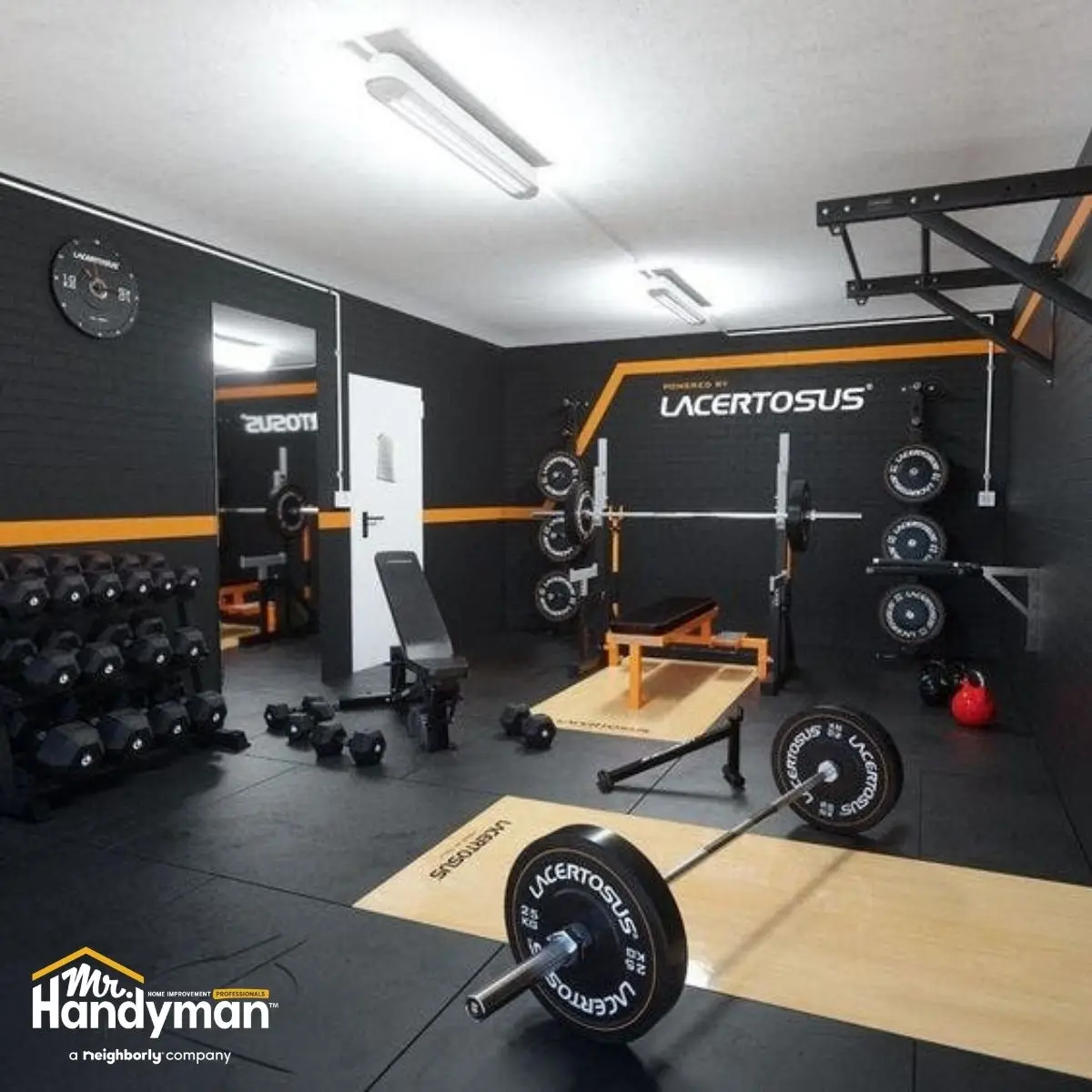
A fitness facility is a space where people come to invest in themselves—their health, their energy, and their wellbeing. The environment in which that investment happens matters to members more than many facility operators realize. Clean, well-maintained surfaces throughout the facility reinforce the message that management shares their members' standards and takes pride in the space they provide.
Paint touch-ups are a small investment that delivers outsized returns in member perception, retention, and word-of-mouth reputation. For fitness facilities competing in the active Middle Tennessee market, maintaining a consistently polished appearance isn't optional—it's a competitive necessity that distinguishes facilities that members stay with from those they leave when something better comes along.
Whether the priority is addressing existing damage, establishing a proactive maintenance schedule, or refreshing specific areas that have fallen behind, professional paint maintenance delivers results that DIY approaches rarely match. Mr. Handyman of Murfreesboro, Franklin, and Brentwood and Mr. Handyman of West Nashville, Belle Meade, and Clarksville bring the expertise, materials, and attention to detail that fitness facility paint maintenance requires.
Call or visit Mr. Handyman of Murfreesboro, Franklin and Brentwood or Mr. Handyman of Murfreesboro, Franklin and Brentwood to schedule a consultation.