January is one of the busiest months of the year for home repairs. After the holidays, homeowners finally slow down enough to notice issues that have been building for months. Cold temperatures, increased indoor use, and deferred maintenance all converge at the start of the year, leading to a predictable surge in repair requests. While many of these problems feel sudden, most are preventable with early attention and a proactive approach.
For homeowners in Murfreesboro, Smyrna, La Vergne, Franklin, and Brentwood, understanding the most common January repair requests helps homeowners take action early and avoid unnecessary stress, expense, and disruption.
Knowing why these repairs spike in January is the first step toward preventing them.
Why January Brings a Wave of Repair Requests
January exposes the wear and tear hidden during the busy holiday season. Homes are used heavily, decorations are taken down, guests have come and gone, and heating systems have been running nonstop. Once routines return to normal, homeowners finally see what needs attention.
January repair requests are driven by:
- Cold weather stressing materials
- Deferred maintenance during the holidays
- Increased indoor activity
- Shorter daylight highlighting issues
- Heating systems working overtime
These conditions combine to make small problems impossible to ignore.
Drafty Doors and Windows
One of the most common January complaints involves drafts. Homeowners suddenly notice cold air creeping in, uneven temperatures between rooms, and higher heating bills.
Draft issues typically come from:
- Worn weatherstripping
- Misaligned doors
- Gaps around window frames
- Interior trim separation
Avoiding this repair starts with sealing gaps early and adjusting doors before cold weather peaks. Addressing drafts improves comfort immediately and reduces strain on heating systems.
Sticking or Misaligned Doors
January brings a surge in door related repair requests. Cold temperatures cause materials to contract, leading to doors that stick, drag, or fail to latch properly.
Common door problems include:
- Doors rubbing against frames
- Loose hinges
- Latches that no longer align
- Increased drafts around doors
Regular adjustments and hardware tightening prevent these issues from worsening and eliminate the need for emergency fixes.
Loose or Damaged Flooring
Flooring issues become more noticeable in January as homeowners spend more time indoors. Loose carpet edges, cracked flooring, and worn transitions quickly turn into safety hazards.
Common flooring repair requests include:
- Securing loose carpet
- Repairing cracked tile or laminate
- Replacing worn transition strips
Preventative flooring maintenance reduces fall risk and protects flooring materials from further damage.
Drywall Cracks and Trim Separation
Temperature and humidity changes during winter cause building materials to shift. In January, homeowners often notice drywall cracks, nail pops, and trim pulling away from walls.
These issues are commonly caused by:
- Seasonal expansion and contraction
- Dry indoor air
- Deferred surface maintenance
Addressing small cracks and loose trim early prevents them from expanding and requiring more extensive repairs later.
Lighting Problems Exposed by Short Days
Shorter daylight hours make lighting issues far more noticeable in January. Burned out bulbs, flickering fixtures, and poorly lit hallways become daily frustrations.
Common lighting requests include:
- Fixture replacements
- Switch repairs
- Improved lighting in stairways and hallways
Routine lighting checks help homeowners avoid safety risks and improve visibility during winter.
Handrail and Stair Safety Concerns
Increased indoor use during winter leads to higher stair traffic. Loose handrails and worn steps often go unnoticed until January.
Safety related requests include:
- Securing handrails
- Repairing stair treads
- Improving stair lighting
Preventative inspections significantly reduce fall risk and improve household safety.
Minor Plumbing Issues That Escalate
While major plumbing failures are less common, January brings many requests related to small leaks, condensation, and cold affected plumbing components.
Common issues include:
- Slow drips
- Condensation around pipes
- Loose access panels
Addressing these minor concerns early reduces the risk of frozen pipes and water damage.
Why Avoiding January Repairs Saves Time and Money
January repairs are often reactive. Homeowners respond to discomfort, safety concerns, or sudden failures. Preventative maintenance completed earlier avoids emergency scheduling and higher repair costs.
Avoiding common January repairs:
- Reduces emergency service calls
- Improves winter comfort
- Lowers energy costs
- Protects home components
Professional Help Makes Prevention Easier
Many January repair requests stem from small issues homeowners did not notice or did not prioritize. Professional inspections help identify these problems early and address them efficiently.
Homeowners across Murfreesboro, Smyrna, La Vergne, Franklin, and Brentwood rely on Mr. Handyman of Murfreesboro, Franklin and Brentwood for reliable winter repairs, preventative maintenance, and home improvement services.
Preparing for the Next Part of the Series
This article covered the most common January repair requests and why they occur. In the next part of this series, we will explore the small warning signs homeowners often miss before these January repairs become necessary.

Early Warning Signs Homeowners Miss Before January Repairs Become Necessary
Most January repair requests do not appear overnight. They are the result of small warning signs that develop quietly over weeks or months. Because the holiday season is busy and homes are used differently in late fall and early winter, these signs are often ignored until they turn into full repair needs in January. Learning to recognize early indicators helps homeowners address issues before they become disruptive or expensive.
For homeowners in Murfreesboro, Smyrna, La Vergne, Franklin, and Brentwood, identifying these early warning signs can prevent many of the most common January repair requests.
Subtle Drafts That Gradually Worsen
Drafts rarely appear suddenly. They usually begin as faint temperature differences near doors, windows, or floors. During busy months, homeowners adjust thermostats rather than addressing the cause.
Early warning signs include:
- Rooms that feel cooler than others
- Cold air near baseboards
- Curtains or blinds moving slightly
Sealing gaps and adjusting doors early prevents January complaints and reduces heating costs.
Doors That Start to Feel Slightly Off
Doors often provide early clues that materials are shifting due to temperature changes. A door that begins to rub lightly or needs extra pressure to close is signaling alignment issues.
Warning signs include:
- Increased resistance when opening or closing
- Hinges making new noises
- Latches that require adjustment
Ignoring these signs allows issues to worsen as winter temperatures fluctuate.
Small Flooring Changes That Signal Bigger Problems
Flooring responds to seasonal changes, especially in winter when humidity levels drop. Minor movement is often the first indicator of trouble.
Early flooring warning signs include:
- Carpet edges lifting slightly
- Subtle squeaks or movement
- Small gaps between flooring pieces
Addressing these signs early prevents trip hazards and more extensive repairs.
Hairline Cracks in Drywall or Trim
Small cracks in walls or slight trim separation are common as temperatures drop. While often dismissed as cosmetic, these signs indicate movement or moisture changes.
Early warning signs include:
- Thin cracks near corners or ceilings
- Trim pulling away from walls
- Nail pops becoming visible
Repairing these early prevents cracks from expanding and protects interior finishes.
Lighting Changes That Go Unnoticed
Lighting problems often develop gradually. A fixture may dim slightly, flicker occasionally, or take longer to turn on. These changes are easy to overlook during busy periods.
Early lighting warning signs include:
- Flickering bulbs
- Delayed response from switches
- Uneven brightness
Addressing lighting issues early improves safety and prevents fixture failure in January.
Loose Handrails or Stair Movement
Stairs receive heavy use year round, but winter increases indoor traffic. Early signs of stair wear are often subtle.
Warning signs include:
- Handrails that move slightly
- Steps that creak more than usual
- Changes in stair stability
Securing these elements early prevents accidents and emergency repairs.
Minor Moisture or Condensation
Condensation is often viewed as harmless, but it is an early indicator of temperature imbalance or poor sealing.
Early moisture warning signs include:
- Condensation on windows
- Damp trim near entryways
- Slight musty odors
Managing moisture early prevents surface damage and mold growth.
Small Plumbing Irregularities
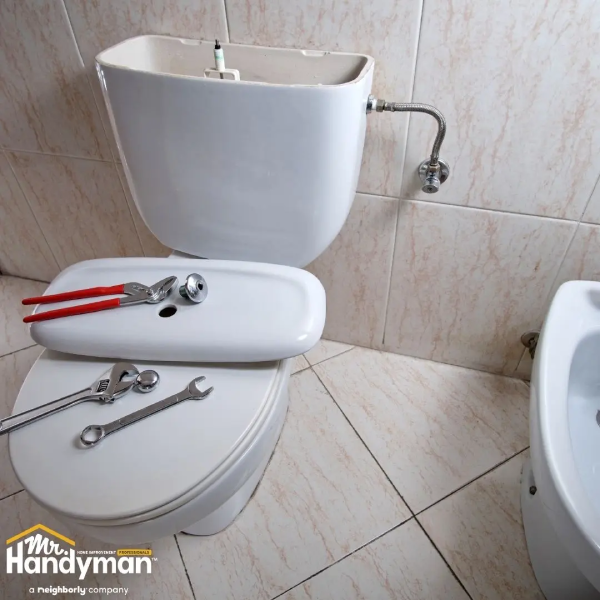
Plumbing issues often start small. A faint drip, condensation on pipes, or a loose access panel may not seem urgent.
Early plumbing warning signs include:
- Intermittent dripping
- Condensation near pipes
- Access panels that do not close securely
Addressing these issues early reduces the risk of freezing and water damage.
Entryway Wear That Escalates Quickly
Entryways absorb a lot of stress during winter. Small issues become more serious as moisture and traffic increase.
Warning signs include:
- Mats shifting frequently
- Slippery flooring near doors
- Poor lighting at entrances
Early repairs improve safety and prevent falls.
Why Early Action Prevents January Repairs
January repair requests are often reactive. Homeowners respond when discomfort or safety issues can no longer be ignored.
Addressing warning signs early:
- Prevents emergency calls
- Reduces repair costs
- Improves winter comfort
- Protects home systems
Professional Inspections Help Catch What Homeowners Miss
Many warning signs develop slowly, making them easy to overlook. Professional inspections identify subtle changes before they escalate.
Homeowners across Murfreesboro, Smyrna, La Vergne, Franklin, and Brentwood rely on Mr. Handyman of Murfreesboro, Franklin and Brentwood for thorough inspections, preventative repairs, and winter maintenance services.
Preparing for the Final Part of the Series
This article explored early warning signs homeowners often miss before January repairs become necessary. In the final part of this series, we will focus on practical steps homeowners can take to avoid the most common January repair requests altogether.
Practical Steps Homeowners Can Take to Avoid the Most Common January Repairs
January repair requests are rarely unavoidable. In most cases, they are the result of small issues that were overlooked, delayed, or temporarily patched during the busy months leading up to winter. By taking a proactive approach and addressing common trouble spots early, homeowners can avoid many of the most frequent January repairs and start the year with a safer, more comfortable home.
For homeowners in Murfreesboro, Smyrna, La Vergne, Franklin, and Brentwood, following a few practical steps can significantly reduce winter disruptions and eliminate the need for reactive January repairs.
Start With a Room-by-Room Winter Walkthrough
One of the most effective ways to prevent January repairs is to perform a simple walkthrough of the home with winter conditions in mind. This does not require tools or technical expertise, only attention to detail.
During a walkthrough, homeowners should:
- Feel for drafts near doors, windows, and baseboards
- Check that doors open and close smoothly
- Look for loose flooring or transition strips
- Observe lighting levels in hallways and stairways
- Test handrails and stair stability
Identifying small issues early allows repairs to be scheduled before they become urgent.
Address Drafts Before They Affect Comfort and Pipes
Drafts are one of the most common reasons homeowners request repairs in January. Cold air infiltration affects comfort, energy costs, and even plumbing safety.
Preventative steps include:
- Replacing worn weatherstripping
- Sealing visible gaps around trim
- Adjusting doors to close properly
These small fixes reduce heating strain and prevent cold air from reaching vulnerable interior spaces.
Keep Doors and Hardware Properly Adjusted
Door issues spike in January due to material contraction caused by cold temperatures. Homeowners can avoid many of these repairs by addressing early signs of misalignment.
Preventative actions include:
- Tightening loose hinges and handles
- Adjusting doors that rub or drag
- Ensuring latches align properly
Well adjusted doors improve comfort, security, and daily convenience.
Prioritize Flooring Safety Early in the Season
Loose or damaged flooring becomes a safety concern during winter when homes see increased foot traffic. Flooring repairs are among the most common January requests, yet many are preventable.
Homeowners should:
- Secure loose carpet edges
- Replace worn transition strips
- Repair small cracks or uneven spots
These steps reduce fall risk and protect flooring materials from further damage.
Repair Small Surface Issues Before They Spread
Drywall cracks and trim separation are often caused by seasonal movement. While these issues may seem cosmetic, they tend to worsen as winter progresses.
Preventative steps include:
- Patching small cracks early
- Reattaching loose trim or molding
- Touching up damaged paint
Addressing surface issues early prevents more extensive repairs later.
Check Lighting Before Short Days Create Hazards
Lighting issues become more noticeable in January due to limited daylight. Burned out bulbs or dim fixtures often lead to repair calls once visibility becomes a concern.
To avoid this:
- Replace burned out bulbs promptly
- Repair flickering fixtures
- Improve lighting in stairways and hallways
Proper lighting enhances safety and comfort throughout winter.
Secure Stairs and Handrails Before Increased Use
Stairs see heavier use during winter as families spend more time indoors. Loose handrails or worn steps often become urgent safety concerns in January.
Preventative measures include:
- Tightening handrails
- Repairing loose or worn steps
- Improving stair lighting
These small steps significantly reduce fall risk.
Monitor Moisture and Condensation Early
Condensation is an early indicator of temperature imbalance and sealing issues. Ignoring it often leads to surface damage and slippery conditions.
Homeowners should:
- Wipe condensation promptly
- Improve ventilation in moisture prone areas
- Seal gaps that allow cold air contact
Managing moisture early prevents damage and improves indoor air quality.
Do Not Ignore Minor Plumbing Irregularities
Small plumbing issues often escalate during freezing weather. January repair requests frequently involve problems that began as minor concerns.
Preventative actions include:
- Addressing small leaks immediately
- Ensuring access panels close properly
- Monitoring condensation near pipes
These steps reduce the risk of freezing and water damage.
Create a Simple Winter Maintenance Checklist
A short checklist helps homeowners stay ahead of winter related issues. This does not need to be complex to be effective.
A basic checklist might include:
- Monthly draft checks
- Lighting inspections
- Stair and handrail checks
- Flooring safety reviews
Consistency prevents surprise repairs.
Why Professional Preventative Maintenance Makes a Difference
Many January repairs occur because homeowners miss subtle warning signs. Professional maintenance services help catch issues early and address them efficiently.
Homeowners across Murfreesboro, Smyrna, La Vergne, Franklin, and Brentwood rely on Mr. Handyman of Murfreesboro, Franklin and Brentwood for preventative maintenance, winter repairs, and home improvement services.
Final Thoughts on Avoiding January Repair Requests
January repairs are often the result of delayed action rather than sudden failure. By addressing small issues early, performing regular walkthroughs, and prioritizing safety and comfort, homeowners can avoid many of the most common winter repair requests.
Avoid common January repairs with help from local professionals. Call us or schedule service online to start the year right.