Winter in Middle Tennessee is unpredictable. Some years are mild with occasional freezes. Others bring ice storms, sustained cold, and weather that stresses homes in ways they weren't designed to handle. Regardless of severity, winter leaves its mark—freeze-thaw cycles crack pavement and foundations, ice dams damage roofs and gutters, frozen pipes burst, HVAC systems strain under heating demands, and exterior finishes deteriorate from temperature swings and moisture. By the time spring arrives, homes in Murfreesboro, Franklin, Brentwood, Nashville, and Clarksville need attention.
The repairs that show up after winter aren't random. They follow predictable patterns tied to how cold weather affects building materials and systems. Water expands when it freezes, which cracks concrete, splits pipes, and damages roofing materials. Temperature fluctuations cause materials to expand and contract, which loosens fasteners, opens gaps in siding and trim, and stresses sealants. Heating systems that ran for months develop wear that reveals itself when you switch to cooling mode. These aren't failures—they're the expected consequences of seasonal stress on homes that are decades old.
Homes built in the 1980s and 1990s, common throughout this region, weren't designed for the temperature extremes we occasionally experience. Insulation is minimal by modern standards. Plumbing often runs through exterior walls or unheated spaces. HVAC systems are aging and less efficient. Roofing and siding have been exposed to 20 or 30 years of weather. Winter accelerates wear on systems that were already vulnerable, and spring is when you discover what needs repair.
Addressing winter damage promptly prevents further deterioration. A small roof leak becomes water damage and mold growth if ignored. A cracked foundation allows more water infiltration that worsens the problem. A struggling HVAC system fails completely in July when you need it most. Spring repairs stop problems at the point where they're manageable and before they compound into expensive emergencies.
Roof Damage From Ice, Wind, and Temperature Stress
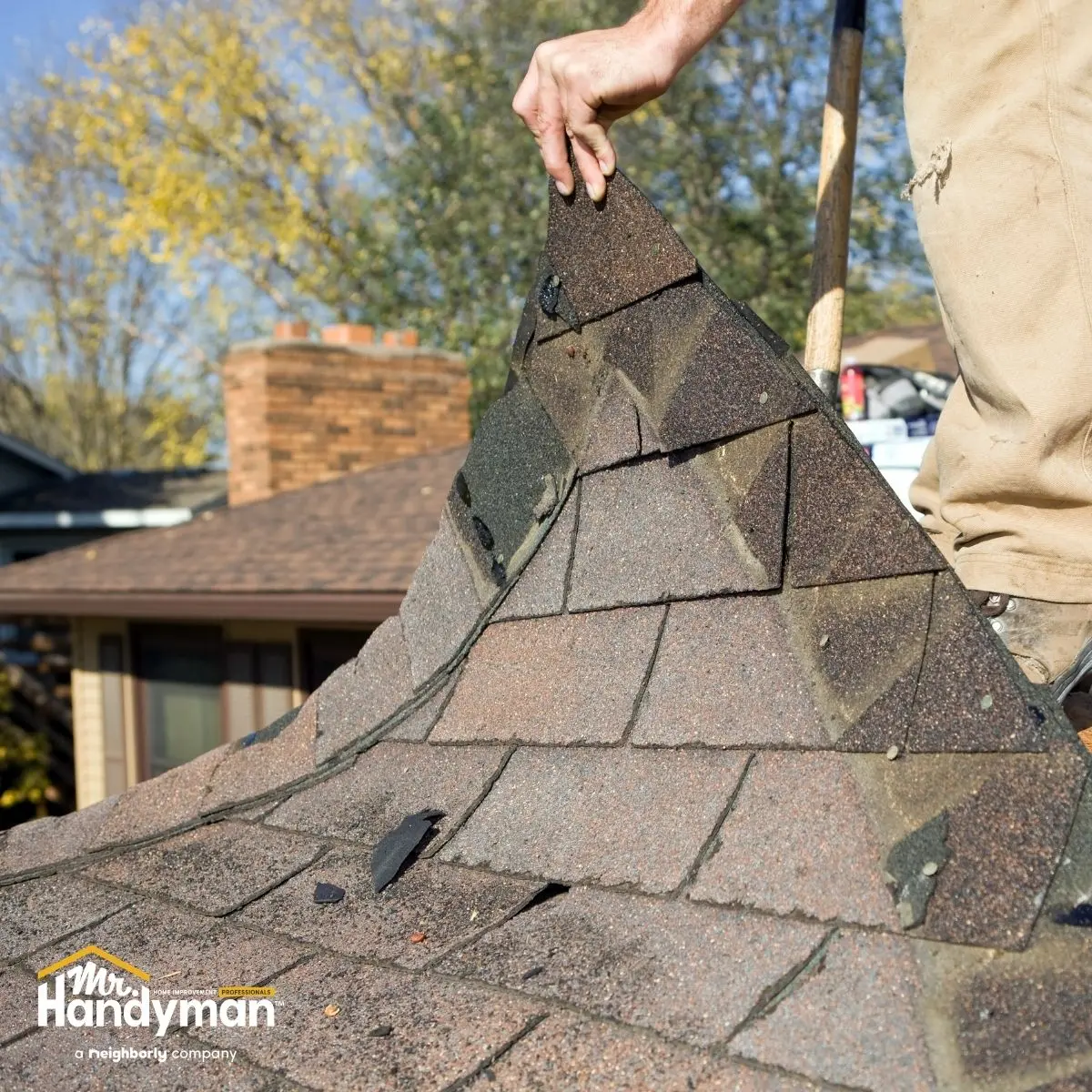
Roofs bear the brunt of winter weather. Ice accumulation, wind-driven rain, and freeze-thaw cycles damage shingles, flashing, and underlying structures. Spring inspections reveal issues that need immediate attention to prevent leaks and further damage.
Missing or damaged shingles are the most obvious signs of winter roof damage. High winds lift and tear shingles, especially along roof edges, ridges, and valleys. Ice dams—ridges of ice that form at roof edges—prevent proper drainage and force water under shingles, causing leaks. Homes in Murfreesboro, Smyrna, and La Vergne with asphalt shingle roofs should inspect for shingles that are cracked, curled, missing, or have lost significant granules.
Flashing around chimneys, vents, and roof penetrations is particularly vulnerable to winter damage. Temperature cycling causes metal flashing to expand and contract, which loosens fasteners and opens gaps where water can infiltrate. Sealants around flashing deteriorate faster in cold weather and need inspection and replacement. Properties in Franklin, Brentwood, and Nashville should check flashing carefully—these are common leak points that cause interior damage if not addressed.
Ice dams damage not just shingles but also gutters, fascia, and soffits. The weight of ice pulls gutters away from the roofline, bends hangers, and cracks gutter sections. Water backing up behind ice dams saturates wood fascia and soffits, causing rot and deterioration. Homes with inadequate attic insulation or ventilation are particularly prone to ice dam formation.
Flat or low-slope roofs common on additions, porches, and some ranch-style homes develop ponding water issues that worsen after winter. Freeze-thaw cycles can crack roofing membrane, and accumulated ice can damage flashing and seams. Spring inspections should verify that flat roofs drain properly and that membrane is intact.
Plumbing Problems From Freezing Temperatures
Frozen pipes are one of winter's most destructive issues. When water freezes inside pipes, it expands and can crack or burst pipes, fittings, and fixtures. The damage often isn't discovered until temperatures rise and frozen water thaws, revealing leaks that can flood homes and cause extensive water damage.
Pipes in unheated spaces—attics, crawl spaces, exterior walls, garages—are most vulnerable. Homes in Bellevue, Green Hills, and Dickson with plumbing in exterior walls or inadequately insulated crawl spaces often experience freeze damage during cold snaps. Even a small crack in a pipe can leak gallons per hour once water flows again.
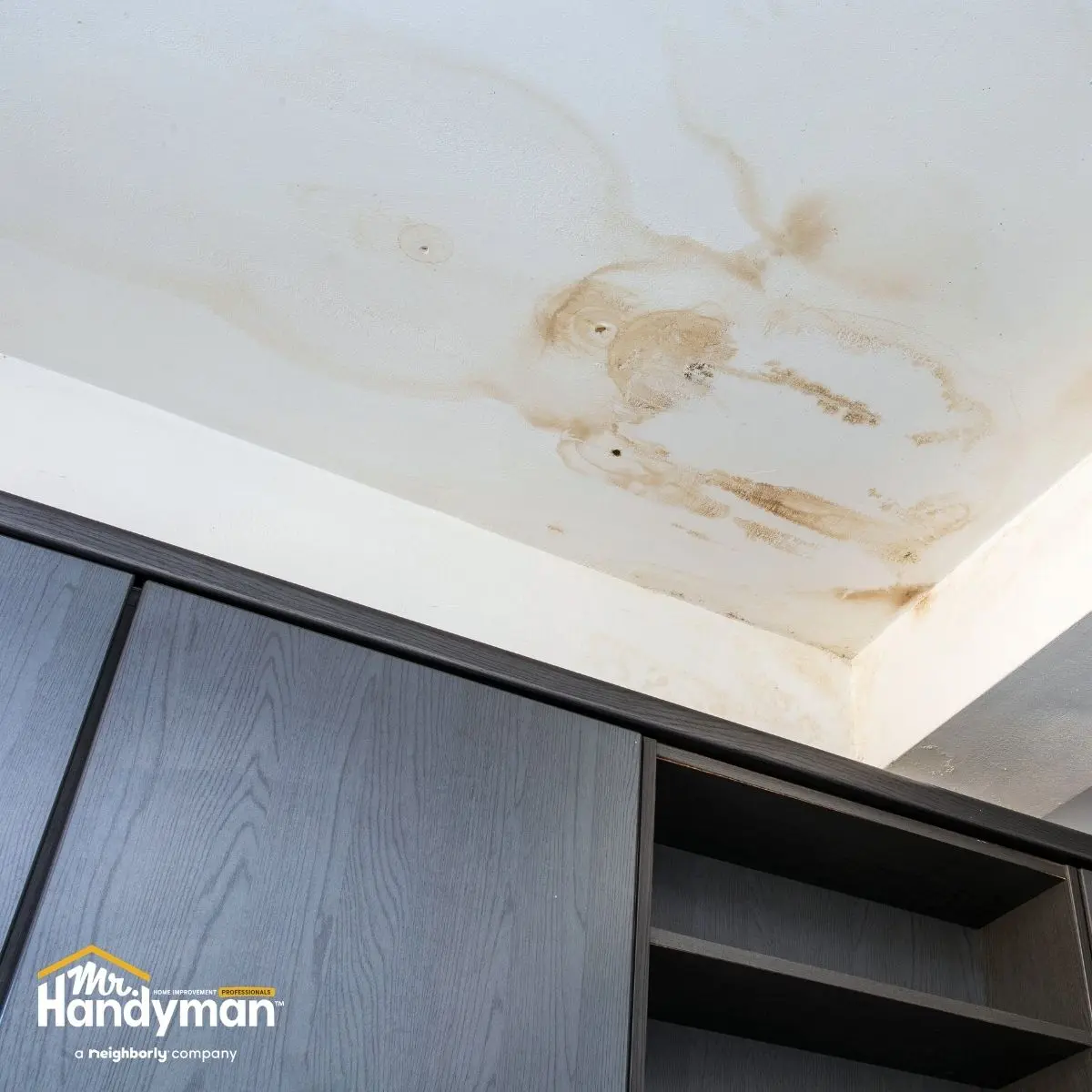
Look for signs of frozen pipe damage: water stains on ceilings or walls, reduced water pressure, visible cracks or bulges in exposed pipes, and damp areas under sinks or around fixtures. Test all faucets, showers, and toilets after winter to verify they function normally. If water flow is reduced or absent, frozen pipes may have damaged sections that need replacement.
Outdoor hose bibs and sprinkler systems are particularly prone to freeze damage. If outdoor faucets weren't drained and winterized, the water left in pipes can freeze and crack the valve or pipe inside the wall. Testing outdoor faucets in spring reveals whether damage occurred—leaks at the handle or spout, water flowing inside walls, or complete lack of water flow all indicate problems.
Water heaters work harder during winter and may develop issues that reveal themselves in spring. Sediment that accumulated over years of use settles at the tank bottom and creates hot spots that accelerate tank failure. Heating elements wear out from constant cycling. Homes in Murfreesboro, Franklin, and Nashville with water heaters more than 10 years old should inspect carefully for rust, leaks, or performance issues after winter.
Foundation Cracks and Settlement From Freeze-Thaw Cycles
Freeze-thaw cycles stress foundations, concrete slabs, and masonry. Water seeps into small cracks, freezes, expands, and makes cracks larger. This process repeats through winter, and by spring, hairline cracks have grown into structural concerns.
Inspect basement walls, foundation walls, and concrete slabs for new or worsening cracks. Vertical cracks are common and usually related to settling or shrinkage. Horizontal cracks or cracks wider than a quarter-inch indicate more serious structural movement that should be evaluated by professionals. Homes in areas with clay soil—common throughout Rutherford, Williamson, and Davidson counties—experience soil movement that affects foundations.
Basement or crawl space moisture problems often worsen after winter. Water infiltration through foundation cracks, improper grading, or failed drainage systems creates dampness, efflorescence on walls, and standing water. Addressing these issues prevents mold growth, structural damage, and ongoing moisture problems.
Concrete driveways, walkways, and patios develop cracks and spalling from freeze-thaw damage. Water enters small cracks, freezes, expands, and breaks apart concrete surfaces. Properties in Smyrna, La Vergne, and Shelbyville with older concrete often see accelerated deterioration after harsh winters. Sealing cracks and applying concrete sealer protects against further damage.
Brick and masonry chimneys, steps, and retaining walls also suffer freeze-thaw damage. Mortar joints deteriorate, bricks crack or spall, and structures become unstable. Inspect masonry carefully for loose bricks, crumbling mortar, or sections that have shifted. Repointing mortar and replacing damaged bricks prevents further deterioration and maintains structural integrity.
HVAC System Strain and Component Failures
Heating systems that ran constantly through winter develop wear that shows up when you switch to cooling mode. Furnaces, heat pumps, and related components experience stress that accelerates aging and can lead to failures if not addressed.
Blower motors, which run continuously during heating season, develop bearing wear, electrical issues, and mechanical failures. If your system makes unusual noises—grinding, squealing, rattling—the blower motor or related components may be failing. Homes in Franklin, Brentwood, and Nashville with systems more than 10 years old should have professional inspections after winter to identify developing problems.
Heat pump systems work harder in winter than standard furnaces and are more prone to component failures. Reversing valves, compressors, and defrost controls all experience stress during heating cycles. Spring is when these issues reveal themselves—systems that struggle to cool, produce weak airflow, or cycle frequently indicate components damaged during winter operation.
Damaged Siding, Trim, and Exterior Finishes
Temperature swings and moisture exposure damage exterior siding, trim, and finishes over winter. Materials expand and contract with temperature changes, which stresses fasteners, opens gaps, and causes warping or cracking.
Wood siding is particularly vulnerable to winter damage. Moisture penetrates paint or stain, freezes, and expands, causing paint to peel and wood to split or warp. Inspect wood siding for areas where paint has failed, boards are warped or cracked, or caulking has separated. Homes in Murfreesboro, Smyrna, and La Vergne with original wood siding from the 1980s or 1990s often need repairs after harsh winters.
Vinyl siding can crack in extreme cold. Brittle vinyl breaks when impacted by ice, hail, or debris, and temperature cycling can cause panels to warp or pull away from mounting. Walk the perimeter of your home and look for cracked panels, loose sections, or areas where siding has separated from the house. Damaged vinyl should be replaced to maintain weather protection and appearance.
Trim boards around windows, doors, and roof edges deteriorate from moisture exposure and freeze-thaw cycles. Paint failure exposes wood to rot, and gaps where trim meets siding allow water infiltration. Check trim carefully for soft spots, peeling paint, or areas where caulking has failed. Repainting and re-caulking protects trim and prevents water damage to underlying structures.
Stucco and synthetic stucco finishes can crack from foundation movement or temperature stress. Small cracks allow water infiltration that damages sheathing and framing behind the finish. Inspect stucco for cracks, separation, or areas that sound hollow when tapped. Properties in Franklin, Brentwood, and Green Hills with stucco should address cracks promptly to prevent moisture damage.
Exterior paint and stain fade and deteriorate faster when exposed to winter moisture and UV radiation. Areas that receive direct sun or weather exposure show the most wear. Touch up or repaint areas where finish has failed to maintain protection and curb appeal.
Gutter and Downspout Damage
Gutters endure significant stress during winter from ice accumulation, debris, and temperature cycling. Ice-filled gutters are heavy and can pull away from fascia boards, bend hangers, or crack gutter sections.
Inspect gutters for sagging sections, separated joints, and damage from ice weight. Gutters that are pulling away from the roofline need reattachment with proper hangers and fasteners. Properties in Bellevue, Green Hills, and Dickson with older gutter systems often need repairs or replacement after harsh winters.
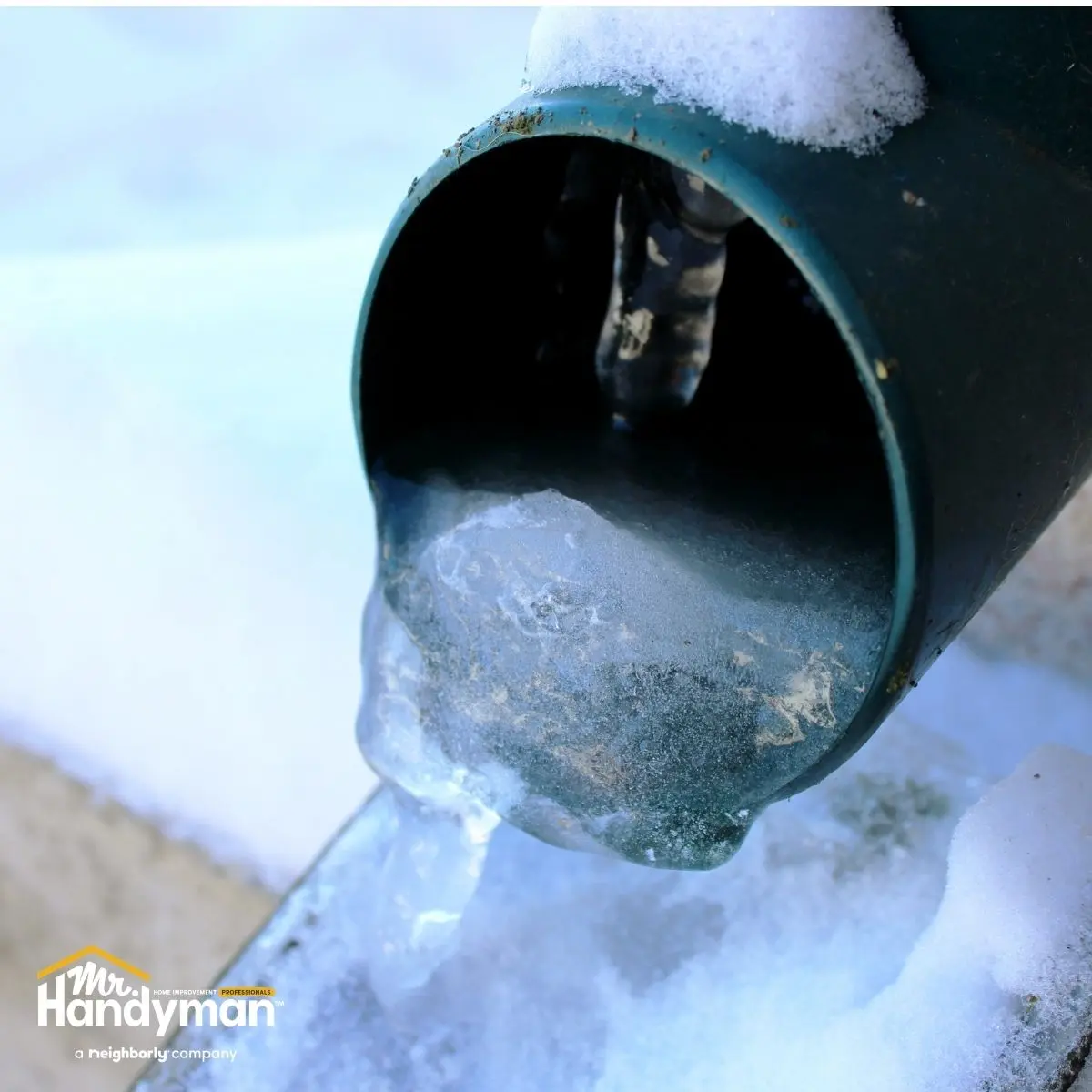
Downspouts can freeze and become blocked with ice, which forces water to overflow gutters and damage fascia and foundations. Test downspouts by running water through them and verifying proper drainage. Clear any blockages and ensure downspouts direct water away from the foundation.
Gutter guards or screens can become damaged or dislodged during winter. Ice formation can lift guards, bend screens, or create gaps that allow debris to enter gutters. Inspect and repair gutter protection systems to ensure they function properly.
Fascia boards behind gutters often suffer water damage when gutters overflow or ice dams form. Look for rotted wood, peeling paint, or soft spots that indicate moisture damage. Replacing damaged fascia prevents further deterioration and maintains structural support for gutters.
Driveway and Walkway Deterioration
Asphalt and concrete pavement deteriorate rapidly from freeze-thaw cycles. Water infiltrates small cracks, freezes, expands, and creates larger cracks and potholes that worsen with every temperature cycle.
Asphalt driveways develop cracks and potholes that need immediate attention. Small cracks should be cleaned and filled with rubberized crack filler before they expand. Potholes should be patched with cold-patch asphalt or scheduled for professional repair. Homes in Murfreesboro, Franklin, and Nashville with asphalt driveways should address winter damage before spring rains accelerate deterioration.
Sealcoating asphalt driveways protects against further damage and extends pavement life. Driveways should be sealcoated every two to three years, and spring is ideal timing because temperatures are moderate and the sealant has time to cure before summer heat.
Concrete driveways and walkways develop surface scaling, spalling, and cracking from freeze-thaw damage and de-icing salt exposure. Scaling—surface flaking and deterioration—indicates moisture penetration and freeze damage. Spalling—larger sections breaking away—suggests more significant damage. Seal concrete surfaces to reduce water absorption and protect against further damage.
Trip hazards from settled or heaved sections create liability concerns. Freeze-thaw cycles can cause sections to heave or settle unevenly, creating dangerous height differences. Properties in Smyrna, La Vergne, and Shelbyville should address uneven pavement before someone is injured.
Window and Door Seal Failures
Windows and doors expand and contract with temperature changes, which stresses seals, weather stripping, and caulking. By spring, gaps and seal failures allow air leakage, moisture infiltration, and reduced energy efficiency.
Inspect weather stripping around all exterior doors. Worn, compressed, or damaged weather stripping should be replaced to restore proper sealing. Doors that show daylight around edges when closed need adjustment or new weather stripping.
Check window caulking for cracks, gaps, or areas where caulk has pulled away from frames. Temperature cycling causes caulk to shrink and separate, creating pathways for water and air infiltration. Re-caulk windows with quality exterior-grade caulk to maintain weather protection.
Test that windows open, close, and lock properly. Frames can warp from temperature stress, and hardware can freeze and break during cold weather. Windows that stick, don't latch, or have cracked glass need repair before warm weather when you'll want to open them for ventilation.
Condensation between double-pane windows indicates seal failure. When the seal between panes fails, moisture enters and creates foggy or cloudy appearance that can't be cleaned. Homes in Franklin, Brentwood, and Nolensville with original windows from the 1990s often experience seal failures after 20 to 25 years. Failed window seals reduce insulation value and require window replacement.
Door thresholds and sweeps wear from traffic and weather exposure. Gaps under doors allow air and water infiltration. Adjust or replace door sweeps to eliminate gaps and maintain proper sealing.
Landscape and Outdoor Damage
Winter weather damages landscaping, outdoor structures, and features that need repair before growing season begins.
Trees and shrubs suffer winter damage from ice accumulation, wind, and cold. Inspect trees for broken branches, split bark, or limbs damaged by ice or snow. Remove damaged branches before they fall and cause injury or property damage. Properties in Murfreesboro, Smyrna, and La Vergne with mature trees should have professional arborists assess winter damage and recommend pruning.
Shrubs damaged by snow load, ice, or cold may have broken branches or dead growth that needs removal. Prune damaged growth to encourage healthy regrowth and maintain plant shape.
Fencing suffers from frost heave, wind damage, and moisture exposure. Posts can heave out of ground or lean from freeze-thaw cycles in soil. Panels can warp, crack, or separate from posts. Walk fence lines and identify damaged sections that need repair or replacement.
Outdoor structures—pergolas, gazebos, sheds—should be inspected for winter damage. Check roofs for leaks, structural components for rot or damage, and fasteners for rust or failure. Properties in Franklin, Brentwood, and Green Hills with outdoor living structures should verify they're sound before seasonal use begins.
Irrigation systems can be damaged by freezing if not properly winterized. Broken sprinkler heads, cracked pipes, and damaged valves are common after winter. Test systems carefully and repair damage before regular use begins.
Electrical System Issues From Moisture and Stress
Winter moisture infiltration and temperature stress can affect electrical systems, creating safety hazards that need immediate attention.
Outdoor outlets and fixtures exposed to moisture can corrode or short circuit. Test outdoor GFCI outlets and verify they trip properly. Replace outlets that show corrosion, don't reset, or have damaged covers.
Light fixtures and ceiling fans that were unused during winter may have moisture damage or failed components. Test all fixtures and replace bulbs or damaged parts as needed.
Electrical panels in garages, basements, or unheated spaces can develop moisture issues that corrode connections and create fire hazards. Inspect panels for rust, corrosion, or moisture inside the enclosure. Any signs of moisture or damage require professional evaluation.
Attic ventilation fans and bathroom exhaust fans may have frozen or failed during winter. Test fans to ensure they operate properly and replace any that are noisy, vibrating, or not moving air effectively.
Frequently Asked Questions
How do I know if roof damage requires professional repair?
Missing shingles, visible leaks, or damaged flashing require professional repair. If you're uncomfortable on the roof or unsure about damage extent, hire a professional inspection.
Can I wait until summer to fix winter damage?
No. Delaying repairs allows problems to worsen. Roof leaks cause interior damage, foundation cracks expand, and plumbing leaks waste water and risk major failures.
What's the most critical repair after winter?
Any issue affecting safety or preventing further damage—burst pipes, roof leaks, electrical hazards—should be addressed immediately. Other repairs can be prioritized based on severity.
How much should I budget for post-winter repairs?
Budget varies by damage extent. Plan $1,000 to $5,000 for typical repairs—minor roof work, plumbing fixes, concrete repairs. Severe damage requires larger budgets.
Should I hire professionals or DIY repairs?
Simple repairs—caulking, minor painting, gutter cleaning—can be DIY. Structural issues, roofing, plumbing, and electrical work require licensed professionals.
How can I prevent winter damage next year?
Winterize plumbing, clean gutters, ensure adequate insulation, maintain HVAC systems, and address drainage issues before winter arrives.
Address Winter Damage Before Problems Worsen
Winter leaves predictable damage that needs attention before problems compound. Addressing roof damage, plumbing issues, foundation cracks, HVAC wear, and exterior deterioration protects your home and prevents expensive emergency repairs.
If you're in Murfreesboro, Franklin, Brentwood, Smyrna, Shelbyville, La Vergne, Bellevue, Christiana, Nashville, Belle Meade, Clarksville, Ashland City, Green Hills, Dickson, Antioch, Berry Hill, or any of the surrounding areas, Mr. Handyman of Murfreesboro, Franklin, and Brentwood and Mr. Handyman of West Nashville, Belle Meade, and Clarksville can help you address winter damage efficiently and professionally.