Curb appeal isn't just about impressing neighbors or preparing your home for sale—it's about maintaining the value, function, and pride you have in your property. The way your home looks from the street reflects how well it's cared for, and more importantly, it often signals whether small maintenance issues are being addressed before they become expensive problems. A well-maintained exterior doesn't happen by accident. It's the result of consistent attention to details that might seem minor on their own but add up to a home that looks sharp, feels welcoming, and holds its value over time.
For homeowners in Murfreesboro, Franklin, Brentwood, West Nashville, Belle Meade, and Clarksville, curb appeal is influenced by the age and style of the home, the surrounding neighborhood, and how well the exterior has been maintained through years of Tennessee weather. Older homes in established areas often have great bones but suffer from deferred maintenance—faded paint, overgrown landscaping, outdated fixtures, or neglected trim. Newer homes might look fine at first glance but lack the finishing touches that make them stand out.
The good news is that improving curb appeal doesn't require a full renovation or a massive budget. Small, targeted projects completed over a weekend or two can transform how your home looks and feels. These aren't cosmetic tricks meant to cover up problems—they're practical improvements that enhance both appearance and function.
Why Small Improvements Have Outsized Impact
Curb appeal works because of how people process visual information. When someone looks at a home, they don't analyze every detail individually—they form an overall impression based on a few key elements that stand out. A freshly painted front door, clean gutters, well-maintained landscaping, and updated house numbers all contribute to a sense that the home is cared for. Conversely, peeling paint, overgrown shrubs, a weathered mailbox, or dirty siding create the opposite impression, even if the home's structure is sound.
This matters for more than aesthetics. Homes that look neglected from the street often have underlying maintenance issues that have been ignored. A front porch with rotting trim or a walkway with cracked pavement suggests that other, less visible problems might also be present. Addressing these small visual cues reassures visitors, appraisers, and potential buyers that the home has been maintained consistently.
Curb appeal improvements also make daily life more pleasant. Coming home to a house that looks sharp and welcoming feels different than pulling up to one that looks tired or run-down. It's a subtle but real quality-of-life improvement that doesn't cost much but delivers satisfaction every single day.
Refreshing Your Front Door and Entry
The front door is one of the first things people notice, and it's one of the easiest elements to improve. A door that's faded, chipped, or dingy makes the entire home look neglected, even if everything else is in good shape. Repainting or staining your front door is a quick project that delivers immediate visual impact. Choose a color that complements your home's exterior but also stands out enough to create a focal point. Deep reds, navy blues, rich greens, and classic blacks all work well and tend to age better than trendy colors.
Before painting, make sure the door is clean and any damaged areas are repaired. Peeling paint should be scraped off, bare wood should be primed, and dents or scratches should be filled and sanded smooth. A high-quality exterior paint designed for doors will hold up better to sun, rain, and daily use than standard wall paint.
Hardware matters as much as the door itself. A beautiful door with a tarnished, mismatched, or broken handle looks unfinished. Replacing the lockset, handle, and deadbolt with coordinated hardware in a finish like brushed nickel, oil-rubbed bronze, or matte black instantly elevates the entry.
House numbers should be clear, visible from the street, and in good condition. Faded plastic numbers or mismatched styles look cheap and make it harder for guests, delivery drivers, and emergency services to find your home. Modern metal numbers mounted directly on the door, siding, or a dedicated plaque look clean and professional.
The doormat, porch lighting, and any decorative elements near the entry also contribute to the overall impression. A worn-out doormat, a rusted light fixture, or a plant in a cracked pot all detract from an otherwise polished look.

Cleaning Exterior Surfaces
Dirt, mildew, pollen, and grime accumulate on siding, trim, and concrete surfaces over time, dulling the appearance of even well-maintained homes. A thorough cleaning is one of the simplest and most effective ways to improve curb appeal without spending much money or time.
Vinyl and aluminum siding can be cleaned with a garden hose, a soft brush, and a mild detergent or specialized siding cleaner. Work from the bottom up to avoid streaking, and rinse thoroughly to remove all soap residue. For tougher stains or mildew, a solution of water and white vinegar or a diluted bleach mixture works well.
Wood siding requires gentler treatment. Scrubbing with a soft brush and a cleaner designed for wood is usually sufficient. If the siding is painted, make sure the paint is in good condition before washing.
Brick and stone can handle more aggressive cleaning, but caution is necessary. Mortar joints are softer than brick and can be damaged by high-pressure washing. A low-pressure wash with a masonry cleaner removes dirt without damaging the surface.
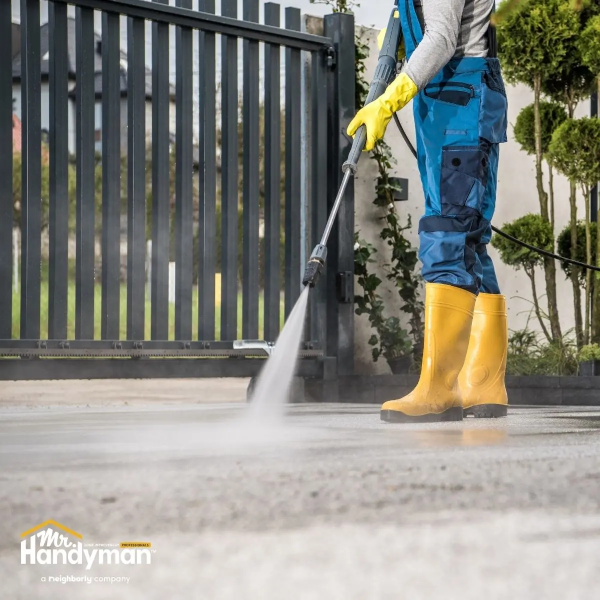
Concrete walkways, driveways, and patios also benefit from a good cleaning. Oil stains, tire marks, dirt, and algae all build up over time. A pressure washer or a stiff brush with a concrete cleaner can restore a much cleaner appearance.
Windows are another area where cleaning makes a big difference. Dirty windows with streaks, water spots, or grimy frames make a home look unkempt. Washing both the inside and outside of windows, cleaning the frames and sills, and wiping down screens improves clarity and brightness.
Updating Landscaping Basics
Landscaping is one of the most visible aspects of curb appeal. Overgrown shrubs, weedy flower beds, bare spots in the lawn, and unedged walkways all create a sense of neglect.
Start by trimming shrubs and trees that have grown too large or are blocking windows, walkways, or architectural features. Plants that were the right size ten years ago often outgrow their intended space and need to be cut back or removed entirely.
Weeds in flower beds, along walkways, and in the lawn detract from an otherwise tidy appearance. Pulling weeds by hand or using a targeted herbicide removes them without damaging desirable plants. Once the beds are clear, adding a fresh layer of mulch gives a clean, finished look and helps suppress future weed growth.
Lawn care is equally important. Mowing regularly, edging along walkways and driveways, and trimming around trees and fence lines creates clean, defined lines that instantly improve the overall appearance.
Flower beds don't need to be elaborate to be effective. Even a few well-chosen perennials or seasonal annuals in key locations—near the front door, along the walkway, or in a planter on the porch—add color and life.
Addressing Gutters and Exterior Fixtures
Gutters and downspouts might not seem like curb appeal elements, but dirty, sagging, or overflowing gutters are highly visible and suggest poor maintenance. Cleaning gutters removes debris and staining, and reattaching any sections that have pulled away from the fascia restores a neat appearance.
Exterior light fixtures, mailboxes, and address plaques are small details that contribute to the overall impression. Fixtures that are rusted, outdated, or mismatched look cheap. Replacing them with modern, cohesive options creates a more intentional, finished look.
Porch railings, columns, and trim also deserve attention. Peeling paint, rotting wood, or rusted metal all stand out and suggest that maintenance has been deferred. Scraping, sanding, and repainting these elements improves both appearance and durability.
Upgrading Walkways and Driveways
The path from the street to your front door plays a major role in curb appeal, but it's often neglected until cracks, settling, or staining become impossible to ignore. Walkways and driveways that are in poor condition create safety hazards and make your home look dated or poorly maintained.
Concrete walkways that have developed cracks or uneven sections can often be repaired rather than replaced. Small cracks can be filled with concrete patching compound to prevent water intrusion and further damage. Larger cracks or sections that have settled may need professional leveling to restore a safe, even surface. Once repairs are made, sealing the concrete protects it from moisture, staining, and freeze-thaw damage.
If your walkway is beyond simple repair or you're looking for a visual upgrade, consider adding pavers or stone accents. A border of brick pavers along a concrete walkway adds texture and visual interest without the cost of full replacement.
Driveways suffer from similar issues—cracks, oil stains, and fading all detract from curb appeal. Asphalt driveways benefit from crack filling and seal coating, which restores the dark, uniform appearance and extends the surface's lifespan. Concrete driveways can be pressure washed to remove stains and then sealed to prevent future discoloration.
Edging along walkways and driveways creates clean, defined lines that make the entire front yard look more intentional and well-maintained. Metal or plastic edging separates lawn areas from hardscaping and prevents grass from creeping onto concrete or pavers.
Steps leading to the front door should be stable, level, and in good repair. Loose stones, cracked treads, or wobbly handrails are safety hazards that also make the home look neglected.
Improving Porches and Front Entries
Front porches are focal points that contribute heavily to curb appeal, but they're also exposed to constant weather and wear. A porch that looks tired or run-down drags down the entire exterior, while a well-maintained porch enhances the home's charm and welcoming feel.
Start by inspecting the porch floor for damaged boards, peeling paint, or areas where stain has worn away. Wood porch floors need regular refinishing to protect them from moisture and UV damage. Sanding down worn areas and applying a fresh coat of porch and floor paint or solid stain restores the surface and provides protection for several more years.
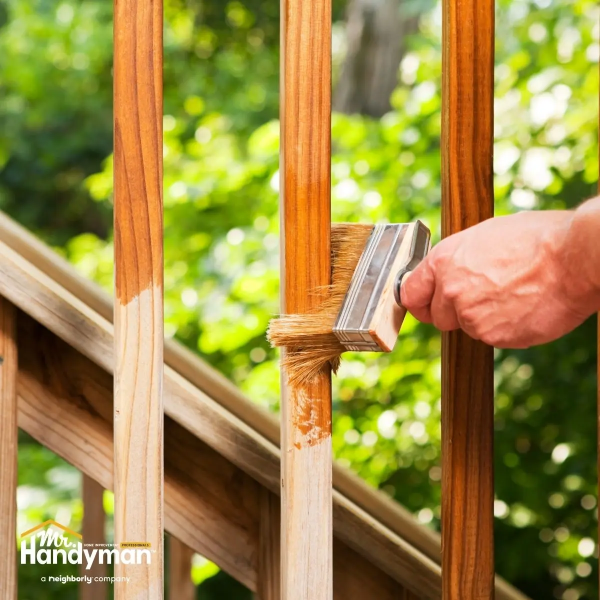
Porch railings and balusters often show wear before other elements. Loose railings are safety hazards and should be tightened or reinforced immediately. Peeling paint or rust on metal railings looks shabby and suggests deferred maintenance. Scraping, priming, and repainting railings is a straightforward project that makes a noticeable difference.
Porch ceilings, often painted in light blue or white, can become discolored or stained over time. Repainting the ceiling brightens the space and makes the entire porch feel cleaner and more inviting. If the ceiling has water stains, investigate the source before painting—there may be a roof leak or drainage issue that needs to be addressed first.
Porch columns and posts are structural elements, but they also contribute to the home's architectural character. Columns that are cracked, rotting, or pulling away from their bases need immediate attention. Decorative trim around columns should be tight and well-painted.
Outdoor furniture, planters, and decor on the porch should enhance the space rather than clutter it. A couple of well-chosen pieces—a bench, a pair of rocking chairs, or a console table with seasonal plants—creates an inviting atmosphere.
Repairing or Refreshing Fencing
Fences define property lines, provide privacy, and contribute to the overall look of your home's exterior. A fence that's falling apart, leaning, or covered in peeling paint detracts from curb appeal and signals that the property isn't being maintained.
Wood fences require regular staining or painting to protect them from moisture and UV damage. Fences that haven't been treated in several years often have graying, splintered boards and failing fasteners. Power washing the fence removes dirt and old stain, and applying a fresh coat of solid stain or semi-transparent stain restores the wood's appearance and extends its life.
Damaged or missing boards should be replaced before refinishing. Even a few broken pickets or sagging sections make the entire fence look neglected. Replacing boards and tightening loose fasteners stabilizes the fence and prevents further damage.
Vinyl and composite fences are low-maintenance but still need occasional cleaning. Mildew, dirt, and algae can accumulate on vinyl surfaces, especially in shaded areas. Washing with a mild detergent or vinyl cleaner restores the fence's original color.
Fence posts are critical structural components. Posts that are leaning, rotting at the base, or pulling out of the ground compromise the entire fence. Replacing damaged posts and setting them in concrete ensures stability and prevents future failures.
Gates often receive the most wear and are the first parts of a fence to show problems. Hinges that squeak or sag, latches that don't close properly, and gates that drag on the ground all need attention.
Adding Small Finishing Touches
Sometimes the smallest details make the biggest difference in curb appeal. These are the finishing touches that don't take much time or money but signal that the homeowner cares about how the property looks.
Outdoor electrical outlets and cable boxes are functional necessities, but they don't need to be eyesores. Painting them to match the siding helps them blend in. If boxes are positioned prominently, consider adding a decorative screen or planting shrubs to partially conceal them without blocking access.
Window boxes and planters add charm and color to otherwise plain exteriors. They're especially effective on homes with limited yard space or minimal landscaping. Choose plants that are appropriate for the amount of sun the area receives and that provide color for most of the growing season.
Seasonal decor, when done tastefully, adds personality and warmth. A wreath on the front door, a potted plant on the porch, or a simple seasonal arrangement near the entry creates a welcoming atmosphere. Avoid overdoing it—simple and intentional always looks better than cluttered and excessive.
Frequently Asked Questions
How much should I spend on curb appeal improvements?
Most effective curb appeal projects cost between $100 and $500. Painting a front door, updating hardware, adding mulch, and cleaning the exterior can all be done affordably. Larger projects like replacing a walkway or refinishing a deck cost more but still deliver strong returns.
Which projects give the best return on investment?
Projects that improve cleanliness, maintenance, and first impressions tend to deliver the best results. Fresh paint, updated landscaping, clean gutters, and a well-maintained entry all signal that the home is cared for.
Can I improve curb appeal without spending a lot of money?
Absolutely. Cleaning is free and makes a huge difference. Trimming overgrown plants, pulling weeds, washing windows, and scrubbing siding all improve appearance without costing anything beyond your time.
How do I know which projects to prioritize?
Start with anything that's broken, damaged, or obviously neglected—peeling paint, broken fixtures, overgrown landscaping, or cracked walkways. Once those issues are addressed, focus on updates that enhance the home's best features.
Should I hire professionals or do the work myself?
It depends on the project and your skill level. Painting, landscaping, and cleaning are manageable for most homeowners. Projects involving structural repairs, electrical work, or anything requiring specialized tools should be handled by professionals.
How often should I refresh curb appeal projects?
Annually for cleaning and seasonal maintenance. Paint and stain typically need refreshing every three to five years. Landscaping requires ongoing attention throughout the growing season.
Making Small Efforts Count Over Time
Curb appeal isn't a one-time project—it's an ongoing commitment to maintaining and improving the parts of your home that are most visible. The projects that make the biggest difference are often the simplest: cleaning, painting, trimming, and repairing. When done consistently, these small efforts add up to a home that looks cared for, functions well, and holds its value over time.
For homeowners in Middle Tennessee, where older homes are common and weather takes a toll on exterior materials, staying ahead of maintenance is especially important. Small projects completed regularly prevent the kind of deferred maintenance that leads to expensive repairs and diminished curb appeal.
Whether you're planning to sell, looking to refresh your home's appearance, or simply want to take pride in how your property looks, the projects outlined here offer practical, achievable ways to improve curb appeal quickly.
Need help with curb appeal improvements in Murfreesboro, Franklin, Brentwood, West Nashville, Belle Meade, or Clarksville? From front door updates to full exterior refreshes, Mr. Handyman of Murfreesboro, Franklin, and Brentwood and Mr. Handyman of West Nashville, Belle Meade, and Clarksville can help you prioritize and complete the projects that make the biggest impact.
Call us to schedule a consultation.