Water is patient. It does not announce itself with dramatic failures most of the time. Instead, it works quietly behind walls, beneath floors, and above ceilings, finding the path of least resistance and following it until the damage becomes impossible to ignore. By the time a stain appears on a ceiling or a floor begins to buckle, water has usually been present for far longer than the visible evidence suggests. For homeowners in Murfreesboro, Franklin, and Brentwood, learning to recognize the early signs of water damage is one of the most valuable skills you can develop, because in Middle Tennessee's climate, the conditions that lead to water intrusion are present in some form for most of the year.
This region experiences a meaningful amount of annual rainfall, with spring and fall bringing sustained wet periods that test roofs, foundations, gutters, and drainage systems. Summers bring humidity that can condense inside walls and attic spaces when insulation or vapor barriers are compromised. Winters bring freeze and thaw cycles that stress pipe joints, caulk seals, and flashing around rooflines. Each season contributes its own set of conditions that can allow water to enter a home or develop within its plumbing system. The homeowners who catch water damage early are not lucky. They are observant, and they know what to look for before a small problem becomes a structural one.
Why Early Detection Changes Everything
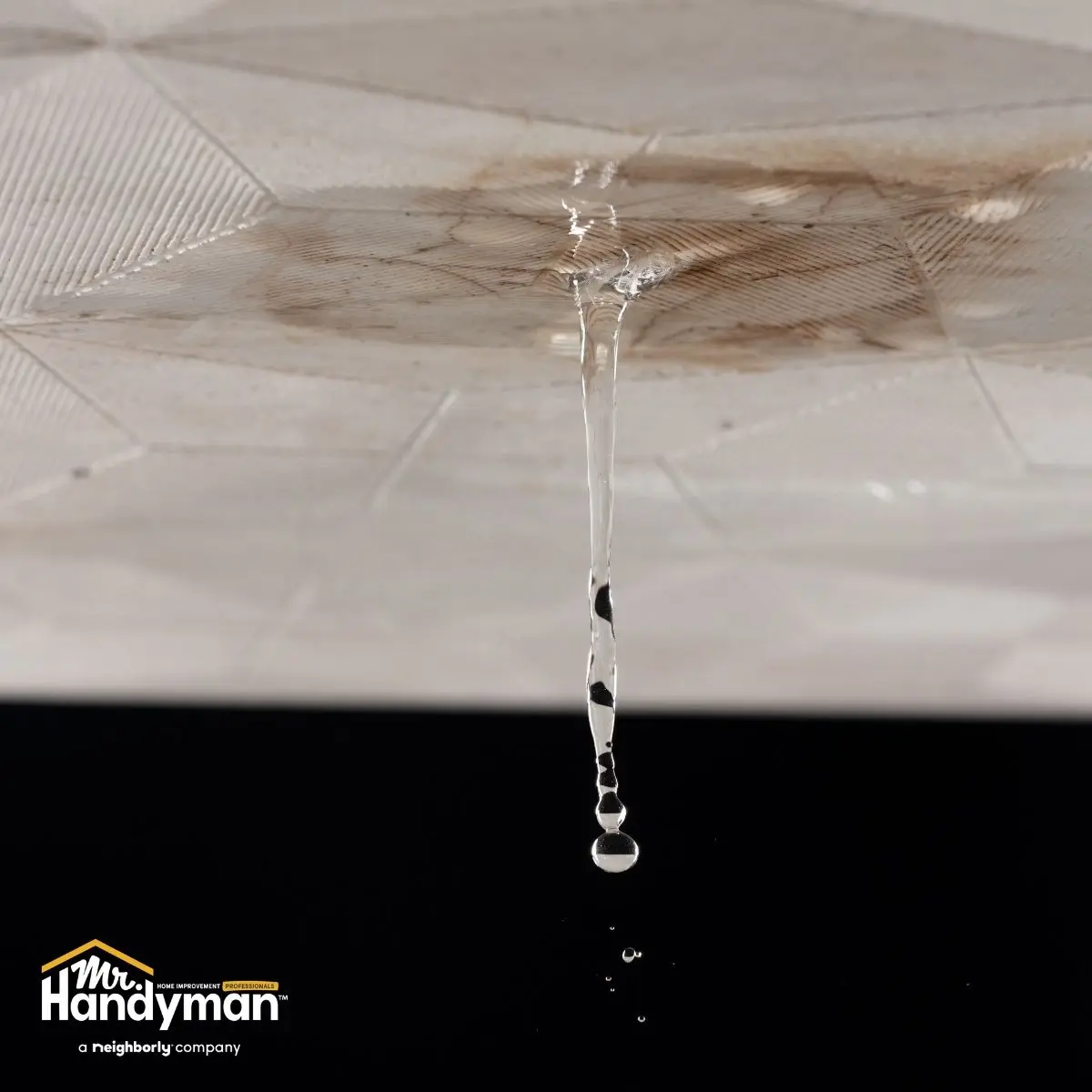
The difference between catching water damage early and discovering it late is not just financial, though the financial difference is significant. It is also the difference between a targeted repair and a full-scale remediation project. A slow leak behind a bathroom wall that is caught within a few weeks might require replacing a supply line and patching drywall. The same leak discovered after several months may have softened the subfloor, promoted mold growth inside the wall cavity, compromised the structural framing, and introduced moisture into adjacent rooms.
Mold is a particular concern in Middle Tennessee. The combination of warmth and humidity that defines much of the year here creates conditions where mold can establish itself and spread rapidly once moisture is present inside a wall or floor system. Mold remediation is expensive, disruptive, and time-consuming, and it is almost entirely preventable when water intrusion is identified and addressed promptly. Understanding that mold can begin growing on wet organic material within 24 to 48 hours puts the urgency of early water damage detection into sharp focus.
Insurance is another reason early detection matters. Many homeowners policies cover sudden and accidental water damage but exclude damage that resulted from a long-term leak that went unreported. If an adjuster determines that visible signs of water damage were present for an extended period before a claim was filed, coverage can be reduced or denied entirely. Catching and addressing issues early keeps you in a stronger position if an insurance situation ever arises.
What Your Walls and Ceilings Are Telling You
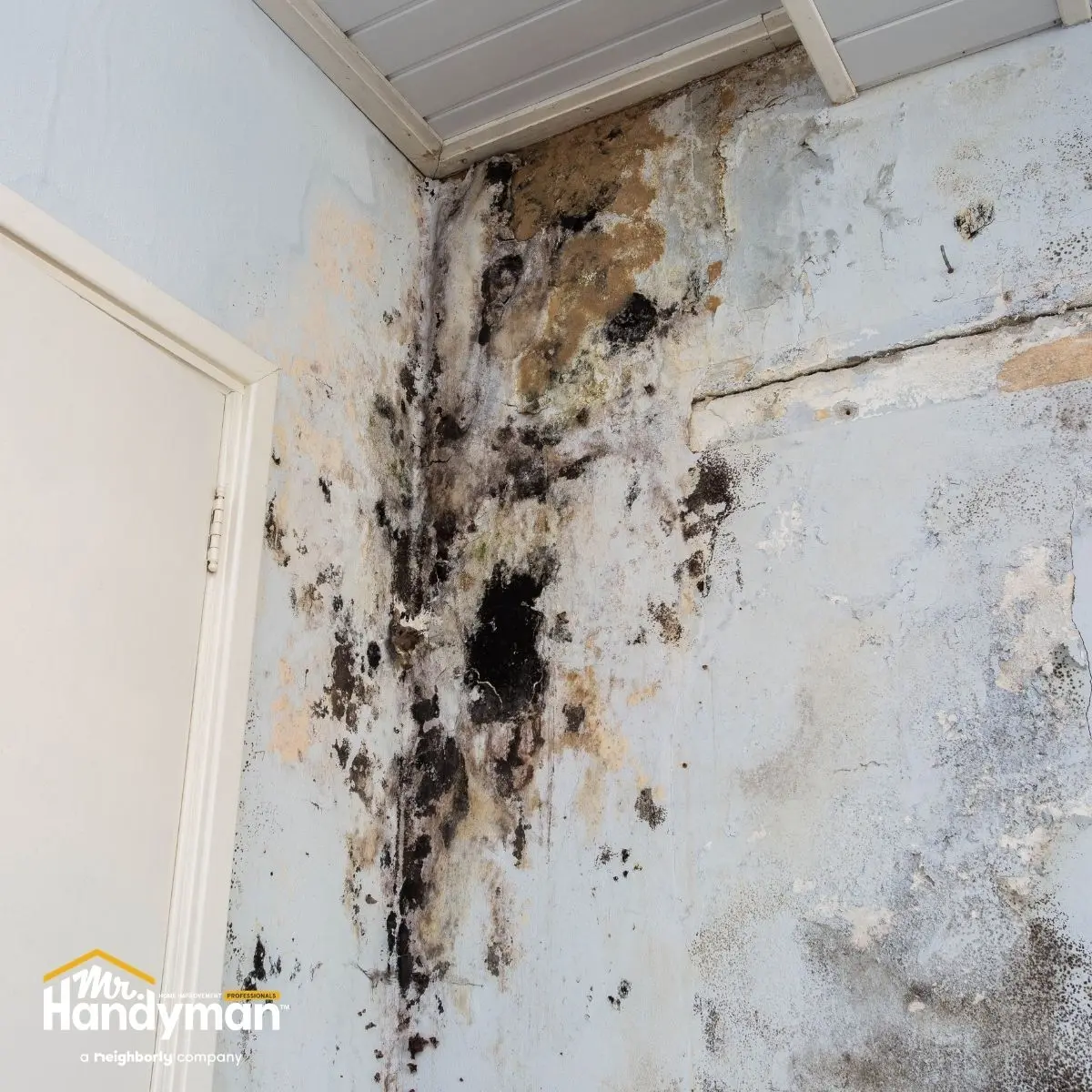
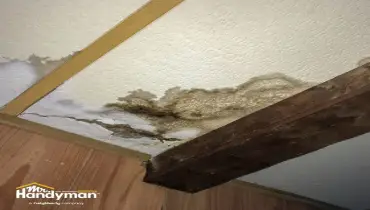
Walls and ceilings are among the first places water damage becomes visible, though the signs are often subtle enough that homeowners pass by them for weeks without registering what they are seeing. The most recognizable sign is staining, typically a yellowish or brownish discoloration that appears in irregular shapes on drywall or plaster. These stains are caused by minerals and organic material carried by water as it moves through building materials and dries on the surface. A stain that has dried and is not growing may indicate a past leak that has since resolved, but it still warrants investigation to confirm the source is no longer active.
Stains that change size or intensity over time, particularly after rain events or following periods of heavy water use in the home, are almost certainly active. Tracking a stain over a week or two by marking its edges lightly with a pencil is a simple and effective way to determine whether moisture is still moving through that area.
Paint and wall coverings often reveal water damage before the drywall beneath them becomes visibly stained. Bubbling paint, where small pockets of air form beneath the surface, indicates that moisture has gotten behind the paint film and is disrupting its bond with the wall. Peeling paint along the top of a wall near the ceiling, or along the base of a wall near the floor, follows the path that water naturally takes as it migrates through a structure. Wallpaper that is lifting at the seams or along the edges is another reliable indicator of moisture behind the surface.
Warping or bowing of drywall, where the wall surface is no longer flat but has developed a curve or a soft spot, indicates that the gypsum core of the drywall has absorbed water. Drywall that has become wet loses its structural integrity and will not recover fully when it dries. A wall that feels soft when you press against it, or one that flexes in a way that drywall should not, has likely sustained water damage that goes deeper than the surface.
Reading Your Floors for Hidden Moisture
Flooring is one of the most revealing surfaces in a home when it comes to water damage, and it is also one of the most commonly misread. Homeowners often attribute floor changes to normal settling or age when the actual cause is moisture intrusion from below, from a plumbing leak, a crawl space humidity problem, or poor drainage around the foundation.
Hardwood floors are particularly expressive when moisture is involved. Wood absorbs water and expands, and when that expansion happens unevenly, the floor develops a condition called cupping, where the edges of each plank rise higher than the center. Cupping across multiple boards in the same area is a reliable indicator that moisture is coming from below, either from a plumbing leak, crawl space humidity, or condensation on a concrete subfloor. In Murfreesboro and Franklin, where crawl space construction is common in older homes, crawl space moisture is a frequent driver of hardwood floor cupping that homeowners do not immediately connect to a water problem.
Buckling is a more advanced stage of the same process, where the floor has absorbed so much moisture that the boards have lifted entirely from the subfloor. At this stage, the damage to both the flooring material and the subfloor beneath it is usually significant, and the moisture source has likely been active for an extended period.
Tile floors do not absorb water the way wood does, but the grout and adhesive beneath them can. Tiles that have begun to crack along their edges, or that produce a hollow sound when tapped, may have lost their bond with the subfloor due to moisture weakening the adhesive layer. Grout that is darkening, crumbling, or pulling away from the tile is another sign that water is regularly reaching the subfloor and cycling through that layer.
Soft spots in vinyl or laminate flooring, areas where the surface gives slightly under your foot, indicate that the subfloor beneath has absorbed moisture and begun to deteriorate. In bathrooms and kitchens, where water exposure is greatest, soft spots near the toilet base, under the sink cabinet, or near the dishwasher should always be investigated rather than ignored.
Musty Odors and What They Indicate
Smell is one of the earliest indicators of water damage, and it is one that homeowners sometimes dismiss or attribute to other causes. A persistent musty odor, particularly one that is stronger in certain rooms, near certain walls, or in enclosed spaces like closets and cabinets, is a strong signal that mold or mildew is present somewhere within the building envelope.
The musty smell associated with mold and mildew is produced by microbial volatile organic compounds, which are gases released as mold colonies metabolize organic material. You do not need to see mold to be affected by it or to detect its presence through smell. Mold growing inside a wall cavity, beneath a floor, or above a ceiling tile will produce that characteristic odor long before it becomes visible.
In Middle Tennessee homes with crawl spaces, musty odors that are present throughout the first floor of the home often originate below. Crawl spaces that lack adequate vapor barriers, that have standing water after rain events, or that have poor ventilation become reservoirs of moisture and mold that feed directly into the living space above through gaps in the floor system. This is a particularly common issue in older Franklin and Murfreesboro homes where crawl space conditions have not been addressed in years.
A musty smell that intensifies after rain, after running water in a particular bathroom, or after periods of high outdoor humidity is not a coincidence. It is your home communicating that moisture is present somewhere it should not be.
Monitoring Your Water Bill and Meter
Water damage is not always caused by external intrusion. Internal plumbing leaks are responsible for a significant share of water damage in residential properties, and they are often invisible until they have been active long enough to affect surrounding materials. Your water bill and your water meter are two tools that can alert you to a hidden leak before any physical damage becomes visible.
A water bill that increases without a corresponding change in household habits deserves investigation rather than assumption. Even a slow drip from a supply line inside a wall can add up to hundreds of gallons per month, producing a noticeable uptick in your usage and your bill. Comparing your bills month over month and year over year for the same period gives you a baseline that makes unusual spikes easier to identify.
The meter test is straightforward and can be done by any homeowner. Shut off every water source in the home, including appliances with water connections, and then check the meter. If the meter dial or display is still moving, water is flowing somewhere in the system. Marking the meter reading and checking again after 30 minutes without using any water confirms whether a leak is present and gives you a rough sense of its rate.
How Water Damage Develops Differently Across Middle Tennessee Homes
Murfreesboro, Franklin, and Brentwood each have housing characteristics that shape how water damage develops, where it tends to hide, and how quickly it progresses. A general understanding of water damage is useful, but connecting that knowledge to the specific realities of homes in this region makes early detection significantly more effective.
Murfreesboro's rapid growth over the past two decades means the city contains an unusually wide range of home ages and construction types side by side. Newer subdivisions on the city's eastern and southern edges use modern materials like PEX plumbing and engineered wood subfloors, which respond to moisture differently than the cast iron drains and solid hardwood floors found in older homes near the historic square. Engineered wood subfloors, while dimensionally stable under normal conditions, can delaminate and lose their structural integrity when exposed to prolonged moisture. Homeowners in newer construction sometimes assume that modern materials mean fewer problems, but the materials are only as reliable as the installation quality and the maintenance behind them.
Franklin's older neighborhoods, particularly those with significant crawl space construction, present conditions where moisture can travel through the structure in ways that are not immediately obvious from inside the living space. A crawl space that collects water after a heavy spring rain introduces humidity into the floor system above it. That humidity moves upward through gaps, penetrations, and unsealed areas in the floor, affecting hardwood floors, subfloor adhesive, and even wall framing at the base of exterior walls. The signs that appear inside the home, such as cupping floors or peeling paint near the baseboard, may seem disconnected from the actual source, which is sitting several feet below in an unfinished space most homeowners rarely enter.
Brentwood's larger homes and mature landscaping create a different set of water intrusion risks. Extensive tree canopy means gutters fill with debris more quickly and require more frequent attention. Clogged gutters that overflow direct water against the foundation and into window wells, creating entry points for water intrusion into basements and lower-level living spaces. Mature landscaping that has grown close to the foundation can also channel rainfall toward the structure rather than away from it, a problem that develops gradually over years as plants grow and root systems alter soil drainage patterns.
Room by Room: Recognizing Water Damage Where It Hides
Bathrooms
Bathrooms concentrate more water in a smaller space than any other room in the home, and they are the most common origin point for water damage that spreads into adjacent areas. Because so much of a bathroom's plumbing is concealed behind walls and beneath floors, damage can progress significantly before any outward sign appears.
The area around the toilet base is one of the most important spots to examine closely. A wax ring that has failed or is beginning to fail may only leak when the toilet is flushed, releasing a small amount of water each time that slowly saturates the subfloor beneath. Homeowners often notice a soft spot in the floor near the toilet long before they see any staining, and by the time the floor feels noticeably soft underfoot, the subfloor damage is usually already extensive. A toilet that rocks even slightly when you sit on it has already compromised its wax ring seal and should be addressed without delay.
Shower enclosures and tub surrounds are another high-risk area. The caulk and grout that seal the transition between the tub or shower base and the surrounding tile or wall panel are the only barriers between the water inside the enclosure and the wall cavity outside it. When those seals crack, shrink, or pull away, every shower introduces water into the wall. Because bathroom walls are typically framed with wood studs, prolonged moisture exposure in that cavity leads to framing rot, mold growth, and eventually structural compromise. A shower wall that flexes when you press against the tile, or tile that has cracked along the grout lines near the base of the enclosure, is telling you that water has been getting behind the surface.
Kitchens
Kitchens hide water damage effectively because so much of the plumbing is inside cabinetry that is rarely fully emptied and inspected. The space beneath the kitchen sink, behind the garbage disposal, and along the back wall of the cabinet where supply lines run is a frequent location for slow leaks that go undetected for extended periods.
Pull everything out from under the sink and examine the cabinet floor and back wall carefully. Look for any discoloration, soft areas, or white mineral deposits that indicate water has dried there repeatedly. The cabinet floor in many kitchens is a thin sheet of particleboard that absorbs moisture readily and deteriorates quickly, often showing damage well before the leak that caused it has been identified.
Refrigerators with ice makers and water dispensers introduce an additional plumbing connection that is often overlooked entirely. The supply line running to the refrigerator is typically a small plastic or copper tube that runs along the floor behind the appliance. These lines can develop pinhole leaks or pull loose from their fittings, releasing water slowly behind the refrigerator where it soaks into the flooring and subfloor without any visible sign from the front of the appliance. Pulling the refrigerator out from the wall once a year to inspect the connection and the flooring behind it is a simple step that can prevent significant damage.
Basements and Crawl Spaces
For homes in Murfreesboro, Franklin, and Brentwood that have basements or crawl spaces, these areas are where water damage most commonly originates and least commonly gets noticed. Most homeowners do not spend time in their crawl space and may go years without inspecting it, allowing moisture problems to develop unchecked.
In a crawl space, look for standing water, even small puddles, after rain events. Look for vapor barrier plastic that has been disturbed, torn, or is missing entirely. Check the condition of the insulation between the floor joists above. Insulation that has fallen, sagged, or darkened is often reacting to moisture and may be harboring mold within its fibers. Look at the wood surfaces of the floor joists and the rim joist at the perimeter of the foundation. Dark staining, soft wood, or visible mold growth on those surfaces indicates a moisture problem that is actively affecting the structure of the home.
Basement walls that show white powdery deposits, called efflorescence, are signaling that water is moving through the masonry and depositing minerals on the interior surface as it evaporates. Efflorescence by itself does not mean active flooding, but it confirms that water is consistently present in or moving through the wall. Left unaddressed, the conditions that produce efflorescence can eventually lead to more significant water intrusion, particularly after heavy rain events common in Middle Tennessee springs.
Frequently Asked Questions
How can I tell the difference between an old water stain and an active one?
The most reliable method is to mark the edges of the stain with a pencil and check it again after a few days, particularly following a rain event or a period of heavy water use. An active stain will grow beyond the marks you made or will darken after moisture events. A stain that remains exactly the same over two to three weeks is more likely historical, though it still warrants finding and confirming the original source to make sure the issue is truly resolved.
Can water damage occur even in newer homes?
Absolutely. Newer construction is not immune to water damage, and in some cases newer materials can mask problems in ways that older construction does not. Engineered wood products, spray foam insulation, and modern drywall compounds can conceal moisture for extended periods before showing surface signs. Installation errors, improperly sealed penetrations, and missing flashing details are common sources of water intrusion in homes that are only a few years old. Age of a home is not a reliable indicator of its vulnerability to water damage.
Why does my home smell musty only after it rains?
A musty smell that appears specifically after rain events almost always points to water entering the home from outside, either through the foundation, crawl space, roof, or around windows and doors. The rain introduces moisture into an area where mold or mildew is already present, and the disturbed growth releases additional odor. The correlation between rain and the smell is one of the clearest diagnostic signals a homeowner can have, and it narrows the source significantly. Investigating the crawl space, basement walls, and attic space after a rain event, while the smell is present, is the most effective time to identify the entry point.
Is efflorescence on my basement wall something to worry about?
Efflorescence itself is not structurally damaging, but it is a reliable indicator that water is regularly moving through your foundation wall. Over time, that water movement can degrade mortar joints, introduce moisture into wall cavities, and contribute to mold growth on organic materials near the affected area. Treating the symptom without addressing the drainage or waterproofing conditions that allow water to reach the wall is not a lasting solution. If you are seeing efflorescence, the appropriate response is to investigate the exterior drainage, grading, and gutter system around that area of the home.
How quickly can water damage become a mold problem?
Under the right conditions, mold can begin colonizing wet organic material within 24 to 48 hours. In Middle Tennessee's warm and humid climate, those conditions are frequently present. This does not mean that every instance of water exposure leads to immediate mold growth, but it does mean that water intrusion should be treated as urgent rather than something to monitor over several weeks. Drying affected materials thoroughly and quickly, ideally within 24 to 48 hours of exposure, significantly reduces the likelihood of mold establishment.
When should I call a professional instead of investigating myself?
If you have identified visible mold covering more than a small surface area, if you suspect water damage inside a wall or beneath a floor without a clear accessible source, or if you are seeing signs of structural softening in floors or walls, professional assessment is the appropriate next step. Some water damage investigation requires opening walls, lifting flooring, or entering confined spaces, and the risk of missing the full extent of damage while attempting a DIY assessment can lead to incomplete repairs that allow the problem to continue.
Protecting Your Home Starts with Knowing What to Look For
Water damage rarely announces itself loudly. It works through subtlety, showing up as a slightly soft floor, a faint odor after rain, a paint bubble near a window, or a water bill that is a little higher than expected. Homeowners who know these signs and take them seriously are the ones who catch problems while they are still manageable. In Murfreesboro, Franklin, and Brentwood, where seasonal weather patterns, older housing stock, and crawl space construction all contribute to elevated water intrusion risk, that knowledge is not optional. It is part of responsible homeownership.
Mr. Handyman of Murfreesboro, Franklin, and Brentwood brings experienced eyes to exactly these kinds of problems. Whether you have spotted a stain you cannot explain, a floor that does not feel right, or a smell that comes and goes with the weather, the team is equipped to investigate, identify, and address the issue before it grows into something far more costly. Small repairs handled promptly are always less expensive and less disruptive than the alternative.
To schedule an inspection or discuss a repair, reach out to Mr. Handyman of Murfreesboro, Franklin, and Brentwood today.
Website: https://www.mrhandyman.com/murfreesboro-smyrna/
Serving homeowners throughout Murfreesboro, Franklin, and Brentwood with honest assessments, skilled repairs, and the professionalism your home deserves.