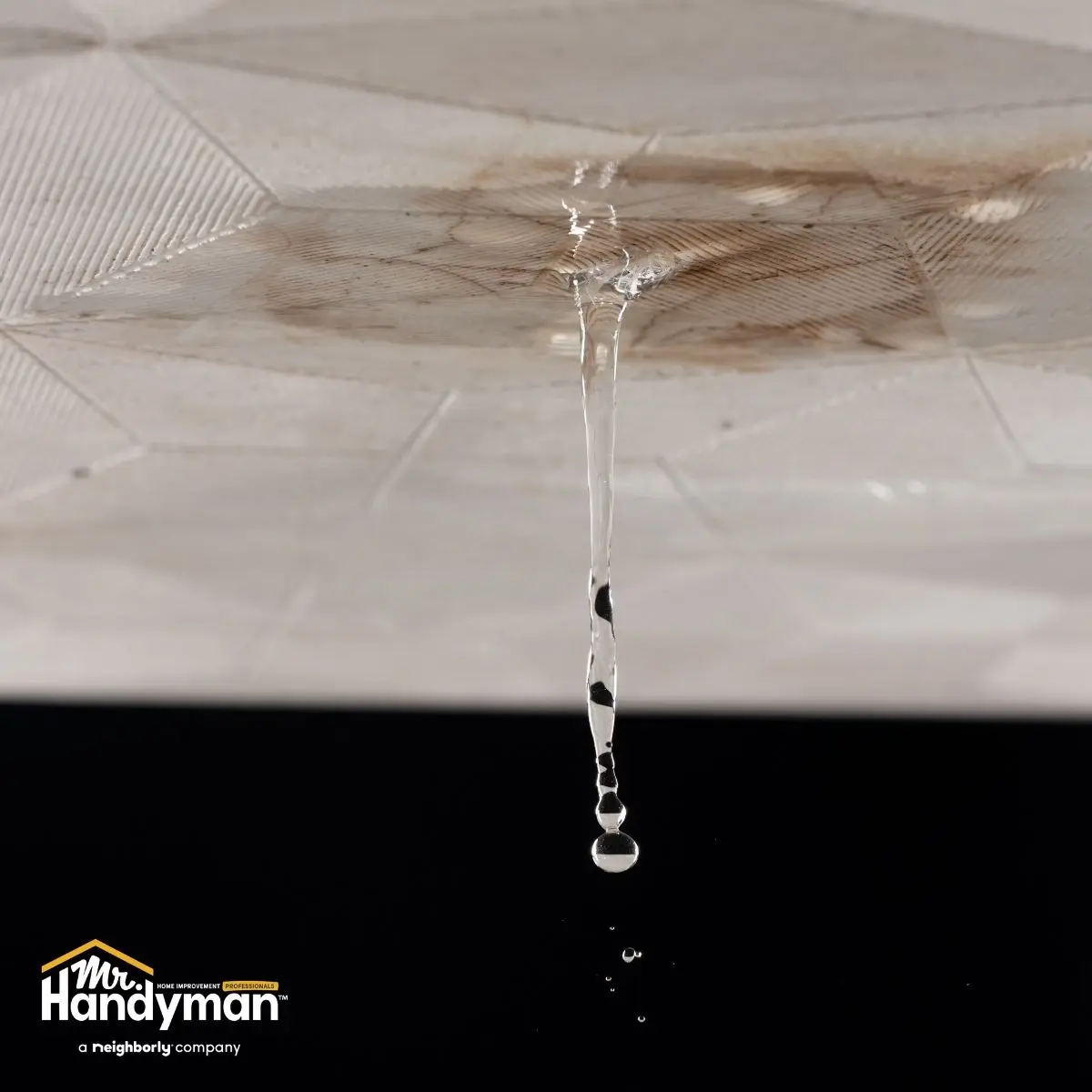
Water damage rarely begins with a dramatic event. Most of the time, it starts quietly and spreads slowly behind walls, beneath flooring, and inside cabinets long before homeowners notice anything unusual. By the time stains appear or materials begin to warp, moisture may have already been present for weeks or even months.
In Middle Tennessee, the risk of hidden water damage is especially high. Homes in Murfreesboro, Franklin, Brentwood, Nashville, Belle Meade, and Clarksville experience heavy seasonal rain, high humidity, fluctuating winter temperatures, and a wide range of home ages and building styles. These factors create ideal conditions for slow leaks and moisture buildup to develop unnoticed.
Learning how to spot the earliest warning signs helps homeowners act quickly, minimize repairs, and protect the long-term health of their home.
Why Water Damage Is So Common in Middle Tennessee Homes
The regional climate plays a major role in how water damage develops. Spring storms bring intense rainfall that saturates soil and puts pressure on foundations. Summer humidity introduces constant moisture into the air, increasing condensation on pipes and surfaces. Winter temperature swings cause plumbing materials to expand and contract, which can weaken seals and create small cracks in pipes and fittings.
Many homes in Franklin, Belle Meade, and Nashville are older and were built with materials that respond differently to moisture than modern construction. Crawl spaces, basements, and older plumbing systems are particularly vulnerable to slow leaks and hidden moisture buildup.
Even newer homes in rapidly growing areas like Murfreesboro and Clarksville can develop water damage if small plumbing issues go unnoticed. High humidity and seasonal storms do not discriminate by home age.
Because the region experiences both heavy rainfall and high moisture levels, early detection becomes one of the most valuable habits homeowners can develop.
Understanding the Difference Between Sudden and Slow Water Damage
Sudden water damage is obvious. A burst pipe or overflowing appliance quickly makes its presence known. Slow water damage is far more common and far more dangerous.
Slow leaks can come from supply lines, drain pipes, appliance connections, roof leaks, or exterior drainage issues. These leaks may release only a few drops of water at a time, but over weeks and months, that moisture accumulates.
Materials like drywall, wood, and insulation absorb moisture gradually. By the time visible signs appear, structural materials may already be weakened.
Detecting these problems early allows homeowners to address them before they spread to multiple rooms or require major restoration work.
Early Visual Signs on Walls and Ceilings
One of the first places water damage appears is on vertical surfaces. Walls and ceilings often show subtle changes long before leaks become severe.
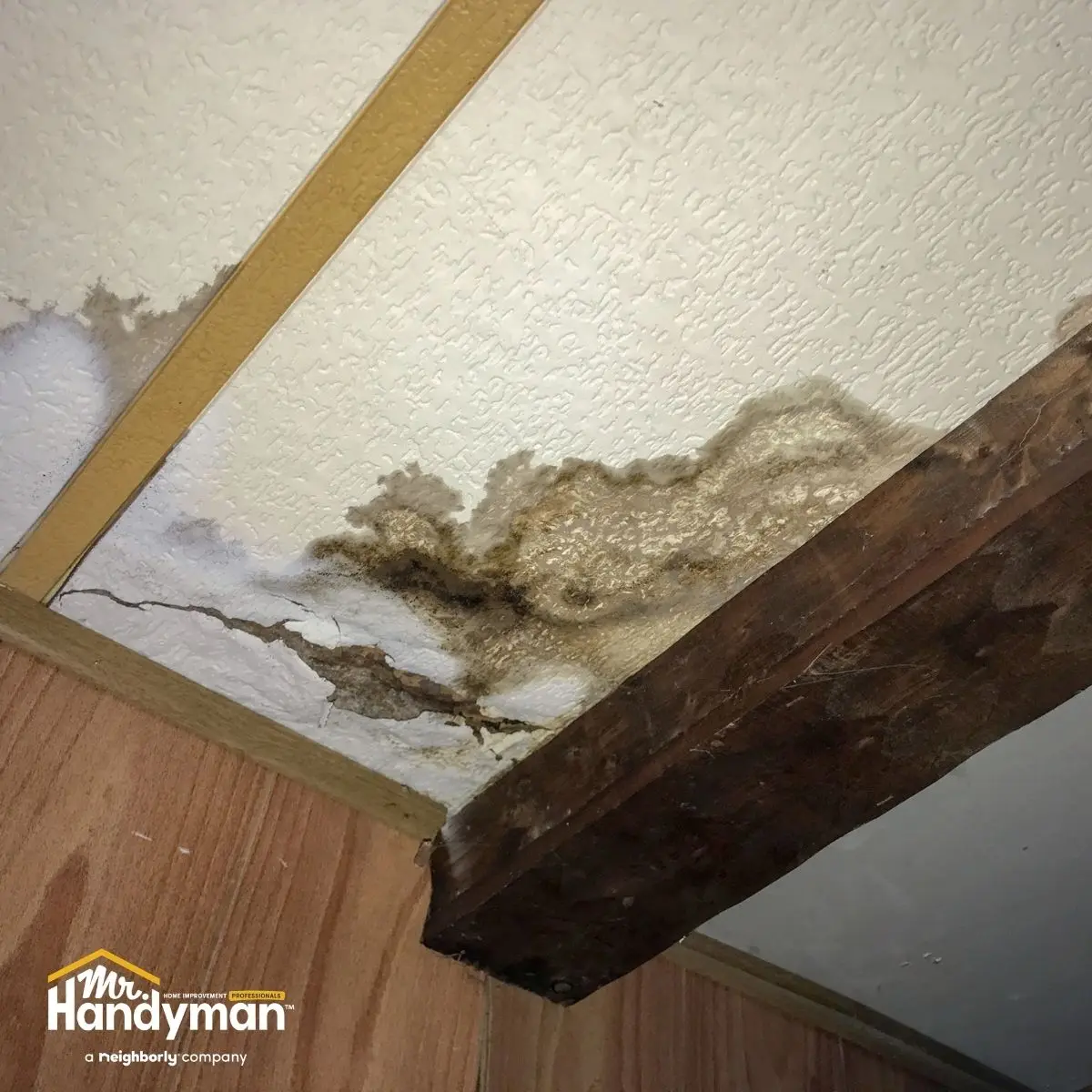
Discoloration is one of the earliest signs. Yellow, brown, or faint gray stains often appear as irregular patches. These stains may grow slowly over time and may appear darker after heavy rainfall or increased water usage.
Paint may begin to bubble or peel as moisture pushes outward from beneath the surface. Drywall may feel slightly soft when pressed. In humid Tennessee summers, these signs can worsen quickly if moisture continues to build.
Ceiling stains are especially important to investigate immediately. Even small discoloration may indicate roof leaks, plumbing leaks from upper floors, or condensation from HVAC systems.
Ignoring these early warning signs allows moisture to spread deeper into the structure.
Changes in Flooring That Signal Hidden Moisture
Flooring materials respond quickly to moisture, making them valuable indicators of hidden water issues.
Hardwood floors may begin to cup, warp, or develop small gaps between boards. Laminate flooring may swell or feel spongy underfoot. Tile floors may develop loose grout or shifting tiles if moisture reaches the subfloor.
Carpet may develop persistent dampness or unusual odors. Even slight changes in texture can signal moisture trapped beneath the surface.
Because flooring sits directly above subfloors, these changes often indicate water damage that has already progressed beyond the initial leak source.
Cabinets and Storage Areas Often Reveal Early Damage
Kitchens, bathrooms, and laundry rooms contain the highest concentration of plumbing connections in the home. Cabinets beneath sinks and around appliances provide easy access to these areas and often reveal early warning signs.
Musty odors, discoloration, or warped cabinet panels may indicate slow leaks. Stored items may feel damp or develop mildew.
Homeowners should periodically inspect these areas, especially after seasonal changes or heavy rainfall. Early detection in these spaces can prevent damage from spreading to surrounding rooms.
Unusual Smells That Should Never Be Ignored
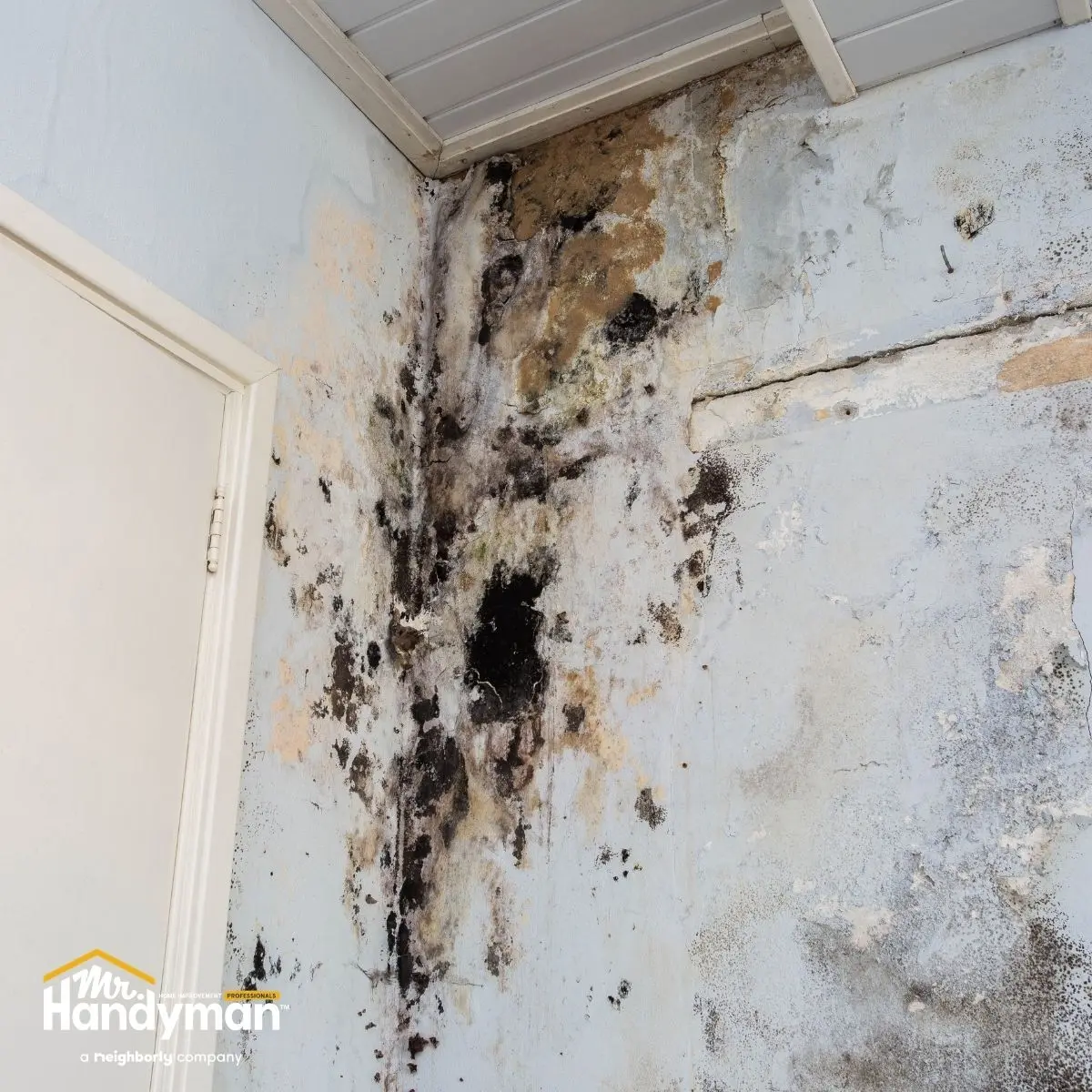
Water damage often announces itself through smell before it becomes visible. Persistent musty or earthy odors may indicate mold or mildew growth caused by hidden moisture.
These smells often appear in bathrooms, laundry rooms, basements, and crawl spaces. In humid climates like Middle Tennessee, moisture can linger and encourage mold growth quickly.
Identifying and addressing the source of these odors early helps prevent larger indoor air quality issues and structural damage.
Subtle Plumbing Clues That Point to Hidden Leaks
Plumbing systems often provide early warning signs of water damage before visible symptoms appear.
Unexpected increases in water bills may indicate hidden leaks. Fluctuating water pressure may signal damaged or leaking pipes. Sounds of running water when fixtures are off should always be investigated.
Paying attention to these subtle changes helps homeowners catch problems before they become visible and more expensive to repair.
Why Early Detection Saves Homes and Budgets
Water damage rarely improves on its own. Small leaks tend to grow, moisture spreads, and materials weaken over time. Acting early helps limit repairs, protect home value, and maintain a safe living environment.
In regions like Murfreesboro, Franklin, Brentwood, Nashville, Belle Meade, and Clarksville, where humidity and seasonal storms are part of daily life, proactive awareness is one of the most effective ways to prevent long-term damage.
Understanding the earliest signs of water damage empowers homeowners to respond quickly and protect their homes before minor issues become major repairs.
Room-by-Room Guide to Catching Water Damage Before It Spreads
Once homeowners understand the early warning signs of water damage, the next step is learning where to look more closely and how everyday routines can hide moisture problems. In Murfreesboro, Franklin, Brentwood, West Nashville, Belle Meade, and Clarksville, homes experience a mix of humidity, heavy spring storms, and seasonal temperature swings that create ideal conditions for slow leaks and hidden moisture buildup. A room-by-room inspection approach helps uncover problems before they expand into larger repairs.
Bathrooms are one of the most common starting points for water damage because they combine daily water use, steam, and enclosed spaces. Showers and tubs rely on caulking and grout to prevent water from slipping behind walls. Over time, caulk shrinks, grout cracks, and tiny gaps appear along seams and corners. When water slips through these openings repeatedly, it begins to soak drywall and framing behind the surface. Homeowners may first notice peeling paint, a soft spot in the wall, or a faint musty smell long before the real damage is visible.
Toilets also deserve close attention. A loose wax ring or shifting toilet base can allow small amounts of water to seep out with every flush. This moisture slowly saturates flooring and subflooring. Early warning signs include flooring that feels slightly soft, grout lines that appear darker than surrounding areas, or a faint odor near the toilet base. Catching these signs early can prevent major flooring repairs later.
Kitchen plumbing presents a different set of risks. Under-sink cabinets often hide supply lines, drain connections, and garbage disposal fittings. These components experience constant use, and even a slow drip can remain unnoticed behind stored cleaning supplies. Over time, cabinet bases may swell, warp, or develop discoloration. Homeowners may notice peeling laminate, soft wood, or mildew smells inside the cabinet before realizing a leak has been present for weeks.
Dishwashers also contribute to hidden moisture issues. Small leaks around door seals or supply connections may release tiny amounts of water during each cycle. Because dishwashers are used frequently, this moisture can accumulate quickly. Spring inspections are an ideal time to check surrounding flooring and cabinet edges for swelling or discoloration.
Laundry rooms are another area where slow leaks commonly begin. Washing machine hoses endure constant pressure, vibration, and seasonal temperature changes. Over time, hoses can develop cracks or weaken near connection points. Even a tiny leak during each wash cycle can introduce enough moisture to damage flooring and nearby walls. Spring is an ideal time to inspect hoses for bulging, brittleness, or loose connections.
Water heaters also play a major role in hidden water damage. After working hard throughout winter, tanks may develop sediment buildup or small leaks around valves and fittings. Moisture near the base of the water heater or rust forming on connections often signals early problems. Catching these issues early can prevent sudden failures and costly water damage.
Exterior and Structural Areas That Deserve Attention
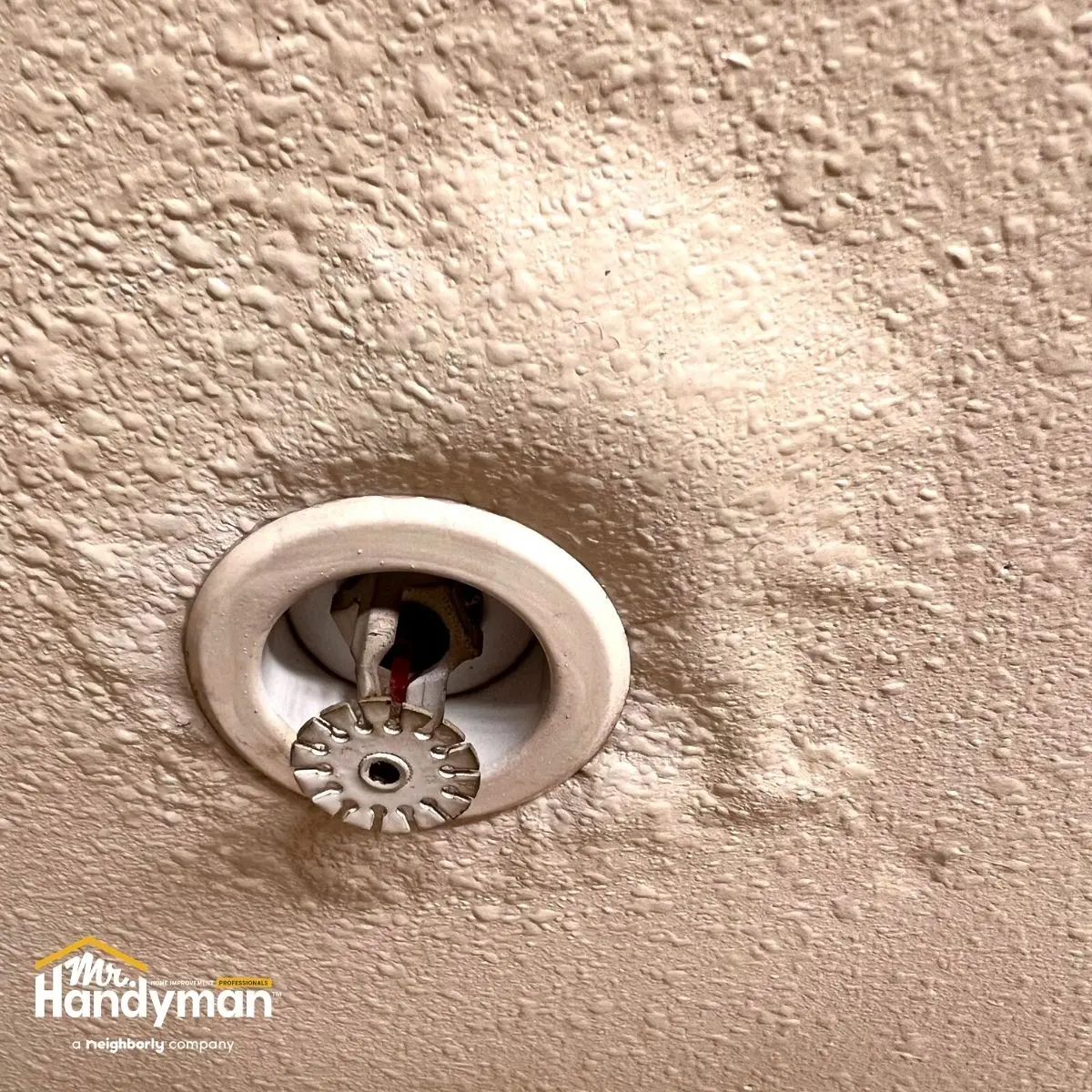
Water damage does not always begin inside the home. Exterior drainage and roofing systems play a critical role in keeping moisture out. Spring storms in Middle Tennessee can bring heavy rainfall that tests gutters, downspouts, and grading around the home.
Clogged gutters allow water to overflow and run down exterior walls. Over time, this moisture seeps into siding, window frames, and wall cavities. Inside the home, this may appear as ceiling stains, peeling paint near windows, or damp drywall.
Downspouts should direct water several feet away from the foundation. When water collects near the base of the home, it increases pressure on foundation walls and crawl spaces. This pressure can force moisture into basements and lower-level walls.
Crawl spaces are especially vulnerable in this region. High humidity and saturated soil can create persistent moisture beneath the home. If ventilation is poor, this moisture can travel upward into flooring and framing. Signs of crawl space moisture often appear as musty odors, warped floors, or increased indoor humidity.
Roofing also plays a major role in preventing water damage. Loose shingles, worn flashing, and clogged valleys allow rainwater to enter the attic. Once inside, moisture can soak insulation and slowly drip onto ceilings below. Ceiling stains often appear long after the initial leak begins.
How Humidity Intensifies Water Damage
Middle Tennessee’s humidity is a major factor in how water damage develops and spreads. Warm, moist air encourages condensation on cold surfaces such as pipes and air conditioning ducts. Over time, this condensation drips onto insulation, drywall, and wood framing.
Bathrooms and kitchens are especially prone to humidity-related moisture. Without proper ventilation, steam lingers in the air and settles into ceilings and walls. Persistent humidity can weaken paint, warp wood, and create ideal conditions for mold growth.
Managing humidity levels with proper ventilation and insulation helps reduce the risk of moisture-related damage during warmer months.
Everyday Habits That Can Reveal Hidden Moisture
Many early warning signs of water damage appear during normal household routines. Paying attention to small changes can help homeowners catch problems early.
Unexplained increases in water bills often signal hidden leaks. Sounds of running water when fixtures are off should never be ignored. Persistent musty odors often indicate moisture trapped behind walls or under flooring.
Small stains, peeling paint, or soft surfaces may appear gradually and worsen after heavy rain or increased water usage. Recognizing these patterns helps homeowners act before damage spreads.
Frequently Asked Questions About Early Water Damage Detection
How quickly can water damage develop?
Water damage can begin within days of a leak forming. Mold growth may start within 24 to 48 hours when moisture remains trapped.
Are minor leaks really a serious concern?
Yes. Slow leaks often cause the most extensive long-term damage because they remain hidden for long periods.
Can high humidity alone cause water damage?
Yes. Persistent condensation and poor ventilation can create moisture problems even without plumbing leaks.
How often should homeowners inspect for water damage?
Seasonal inspections in spring and fall help catch issues early and reduce the risk of costly repairs.
Does water damage always show visible signs?
No. Many leaks remain hidden behind walls or under flooring until significant damage has occurred.
When should professional help be considered?
Recurring stains, persistent odors, warped materials, or unexplained moisture should always be evaluated by experienced professionals.
Reliable Help for Water Damage Prevention and Repair
Detecting water damage early protects homes from costly repairs and long-term structural issues. Preventative maintenance and timely repairs help keep homes safe, dry, and comfortable year-round.
Mr. Handyman of Murfreesboro, Franklin, and Brentwood and Mr. Handyman of West Nashville, Belle Meade, and Clarksville provide dependable repair and maintenance services designed to address small issues before they become major problems.
Call or visit
https://www.mrhandyman.com/murfreesboro-smyrna/
https://www.mrhandyman.com/nashville-west-south-central/
to schedule a home inspection or service appointment.