The doors and locks in a fitness facility are among the most operationally critical elements of the physical environment, yet they receive less systematic maintenance attention than almost any other building system in most gym operations. Every member interacts with multiple doors during every visit, from the entry door that establishes their first physical experience of the facility to the locker room door, the restroom door, and any interior doors separating different zones of the building. The condition and function of those doors and their associated hardware directly affects member safety, facility security, regulatory compliance, and the overall impression of management quality that the physical environment communicates. For gym owners and fitness facility managers in Murfreesboro, Franklin, and Brentwood, maintaining functional, compliant, and secure door and lock systems is not an optional aspect of facility management. It is a foundational operational responsibility with legal, financial, and reputational dimensions that deferred maintenance consistently amplifies.
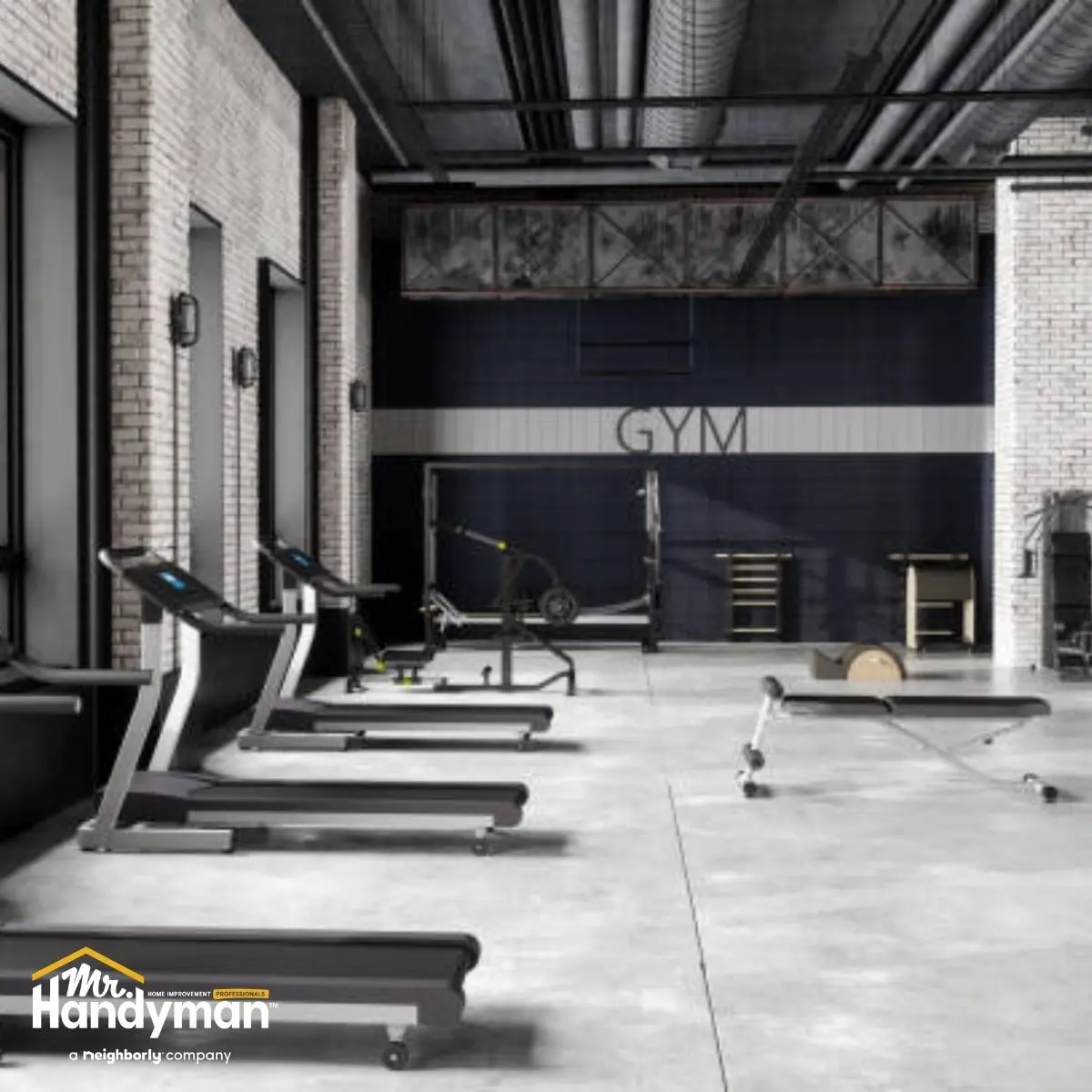
Middle Tennessee's fitness market has grown alongside the region's development into one of the most active and competitive fitness markets in the southeastern United States. Members across Murfreesboro, Franklin, and Brentwood have genuine choices among facility types, and the physical environment of the facilities they patronize is evaluated across every dimension of the daily experience, including the transitions through doors that occur multiple times during every visit. A door that requires excessive force to open, that does not close and latch correctly, that produces a grinding or scraping sound during operation, or that fails to provide the privacy and security that members reasonably expect communicates the same maintenance neglect message that damaged flooring or failing equipment communicates. The difference is that door and lock failures carry additional legal dimensions that equipment and flooring conditions typically do not.
ADA compliance requirements for commercial fitness facilities create specific and enforceable standards for door hardware, opening force, closing speed, threshold height, and accessible route continuity that apply to every fitness facility operating as a place of public accommodation. Non-compliant door conditions expose facility operators to formal complaints, regulatory action, and civil litigation that can produce financial consequences substantially exceeding the cost of the maintenance and upgrades that compliance requires. Understanding which door and lock conditions create compliance vulnerabilities, and addressing those conditions through systematic maintenance and targeted upgrades, protects the facility from the legal exposure that non-compliance creates while simultaneously improving the experience of every member who uses the facility.
Security Requirements and Their Maintenance Dimensions
A fitness facility's security system begins with its door and lock hardware, which forms the physical barrier between the controlled membership environment and unauthorized access from outside. The security function of that hardware depends entirely on its operational condition, which degrades through normal use, environmental exposure, and the high-cycle demands that commercial fitness facility doors face during peak operating hours.
Entry door lock systems in commercial fitness facilities handle a substantially higher number of operating cycles daily than residential or light commercial applications. A facility with significant morning and evening peak traffic may cycle its primary entry door hundreds of times daily, accumulating the mechanical wear that reduces lock function, increases operating force requirements, and eventually produces the partial engagement or complete failure that compromises security. Lock cylinders that have worn internal components may appear to function correctly while providing reduced resistance to forced entry. Deadbolt throws that do not fully extend due to worn actuator components leave the door secured only by the latch rather than the deadbolt, reducing security to the level of a latched but unlocked door. Regular inspection of entry lock function, including confirmation that deadbolts throw fully and that lock cylinders engage smoothly without excessive key force, identifies these conditions before they produce security failures.
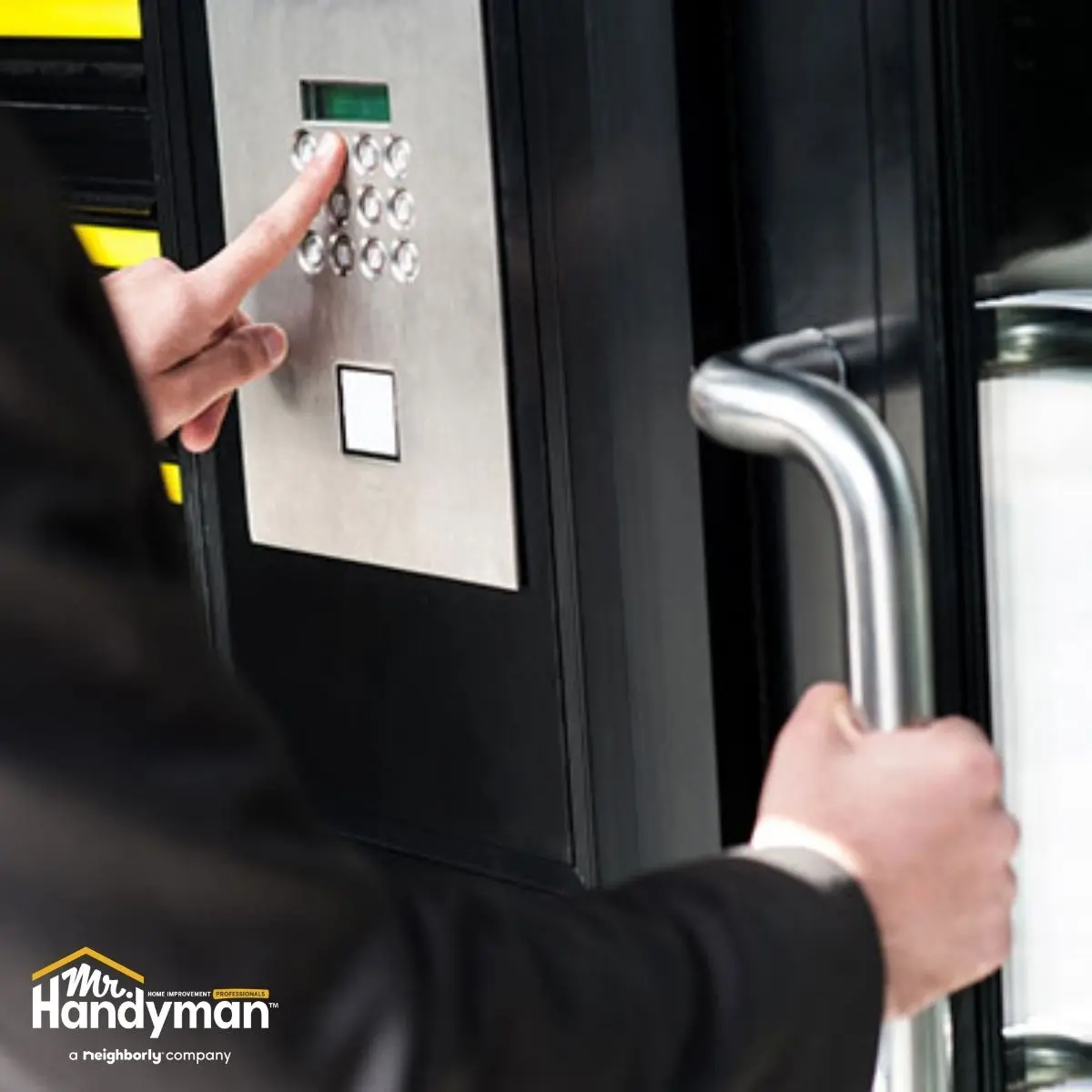
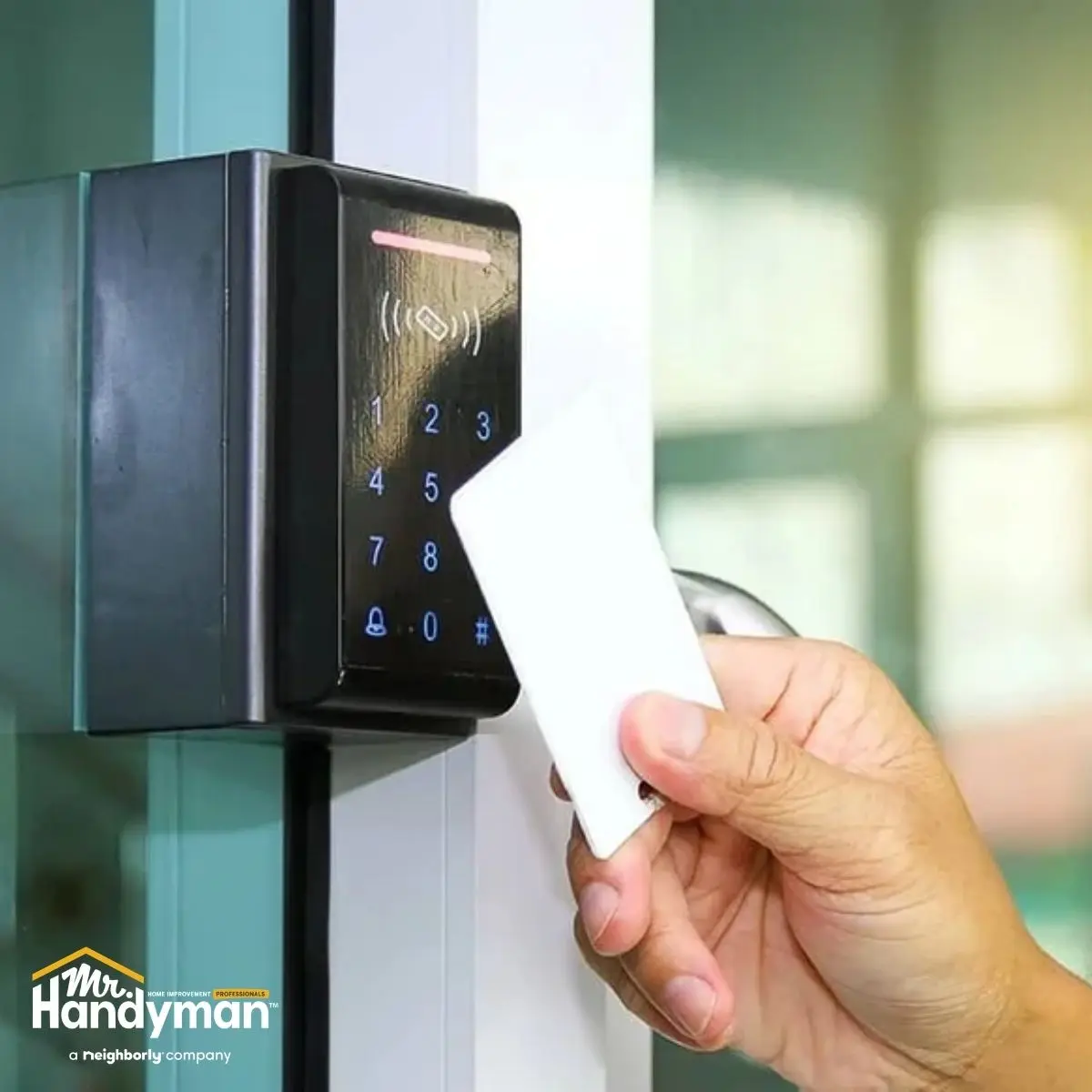
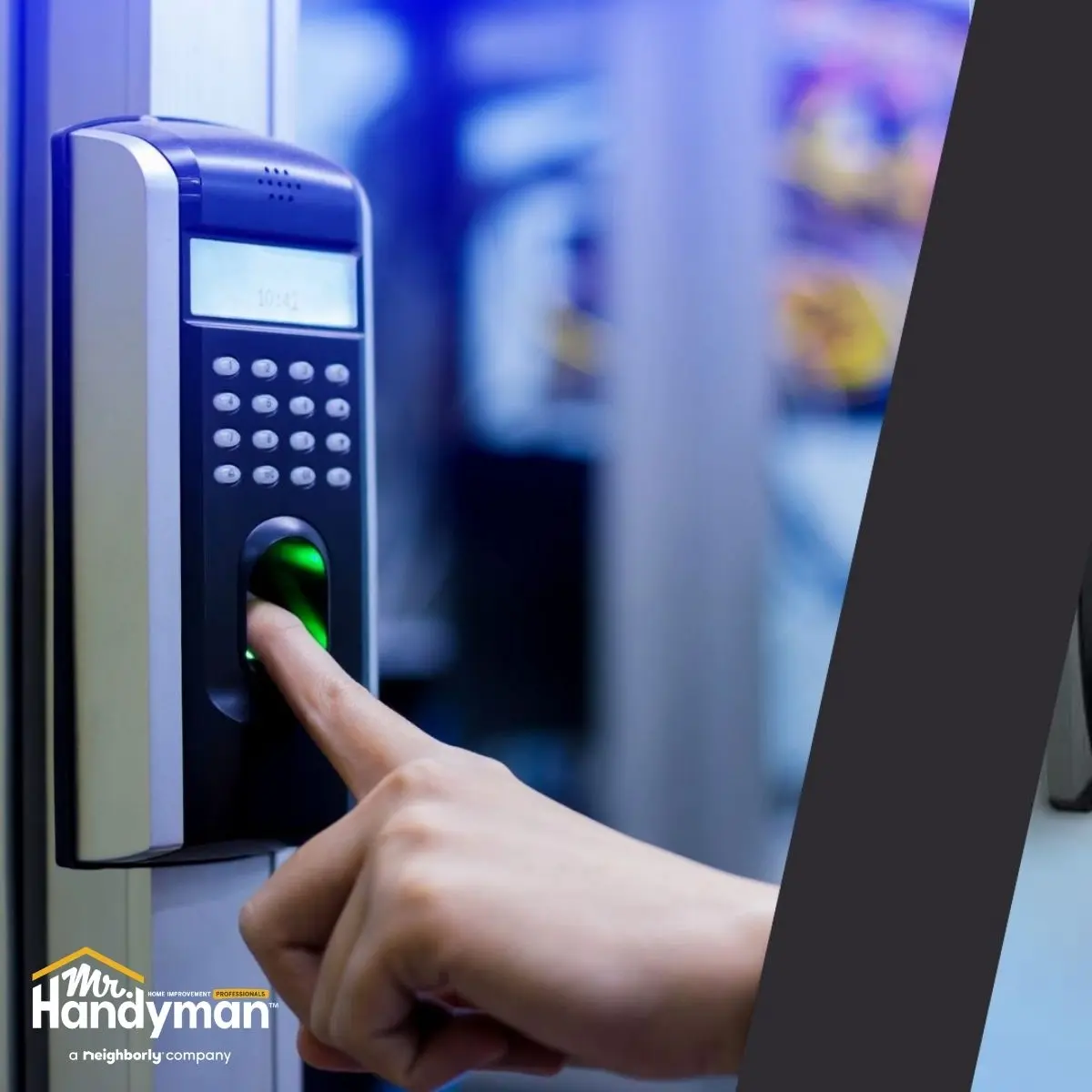
Access control systems in fitness facilities that use key fob, card reader, or keypad entry management present maintenance requirements specific to electronic hardware that purely mechanical lock systems do not. Access control readers that are exposed to Middle Tennessee's outdoor humidity through their installation at exterior entry points face accelerated electronic component degradation that produces intermittent read failures before complete system failure. A key fob reader that intermittently fails to recognize valid credentials forces members to wait for staff assistance during peak entry periods, creating a member experience problem that is directly attributable to deferred access control maintenance. Regular inspection of reader function, connection integrity, and housing condition identifies the developing failures that scheduled maintenance addresses before they affect member access.
Interior door security in locker rooms and private areas carries both security and privacy dimensions that affect member confidence in the facility. Locker room doors that do not latch correctly, that have locks which can be opened from the outside with minimal force, or that have frame and door conditions producing gaps that compromise visual privacy create member concerns that affect their comfort and willingness to use the facility's changing facilities. Members who do not feel confident in the privacy and security of the locker room environment modify their behavior accordingly, either avoiding the locker room and therefore limiting their use of shower and changing facilities, or canceling their membership at a facility where basic privacy expectations are not met by the physical environment.
ADA Compliance Requirements That Fitness Facilities Must Maintain
The Americans with Disabilities Act establishes specific technical standards for doors and hardware in places of public accommodation that apply directly to commercial fitness facilities. These standards are not suggestions or guidelines. They are enforceable legal requirements that fitness facilities must meet and maintain, and their maintenance dimension is often underappreciated because compliance conditions can change through normal hardware wear without any single dramatic failure event.
Door opening force requirements under ADA standards limit the maximum force required to open interior hinged doors to five pounds. This requirement exists to ensure that members with limited upper body strength, mobility impairments, or who use assistive devices can operate doors independently throughout the facility. Door closer mechanisms that are set to a closing force appropriate for exterior weather sealing may produce opening resistance that exceeds five pounds on interior doors, which creates a non-compliant condition that was produced by maintenance adjustment rather than intentional non-compliance. Regular measurement of opening force on all interior doors using a simple mechanical gauge confirms whether current closer settings are within the ADA-required range, and adjustment of closer mechanisms to the minimum setting that provides reliable latching without exceeding the force limit maintains compliance without requiring hardware replacement.
Accessible hardware requirements mandate that door hardware be operable with a closed fist, meaning that standard round knobs that require grasping and twisting are not compliant on doors that are part of an accessible route. Many older commercial buildings throughout Murfreesboro and Franklin that fitness facilities occupy contain original door hardware including round knobs that are technically non-compliant with ADA accessible hardware requirements. Lever handle hardware replacements that meet the operable-without-grasping standard are widely available at modest cost and can be installed without door or frame modification in most cases. A systematic audit of door hardware throughout the facility, identifying all remaining round knob hardware on accessible route doors, creates the replacement schedule that moves the facility to full hardware compliance efficiently.
Threshold height requirements limit the maximum height of raised thresholds at doorways on accessible routes to half an inch, with thresholds up to three-quarters of an inch permitted if beveled at a slope no greater than one to two. Thresholds that have shifted, settled, or were originally installed above compliant height present both a compliance issue and a trip hazard that affects all members, not just those with mobility impairments. Exterior thresholds at facility entry points in Middle Tennessee's commercial buildings are particularly prone to settling and shifting from the freeze-thaw cycling that affects exterior concrete and the thermal movement of door frame assemblies through seasonal temperature extremes. Annual threshold inspection that confirms height compliance and secure attachment prevents the gradual non-compliance that threshold settlement produces.
How Door and Lock Conditions Affect Member Experience Across Middle Tennessee Markets
The member experience implications of door and lock conditions in Murfreesboro, Franklin, and Brentwood fitness facilities reflect each community's market character and the specific ways that door function failures affect member perception of management quality. Understanding how these conditions play out in your specific market context helps prioritize the maintenance investment that protects membership retention alongside the compliance and security obligations that door maintenance serves.
Murfreesboro's fitness market serves a diverse membership base whose door and lock experience expectations reflect the full range of commercial environments they encounter daily. Members who encounter a consistently difficult entry door, a locker room lock that requires multiple attempts to engage, or an interior door whose closer has been set so aggressively that it slams during use experience those conditions as signals about how the facility is managed overall. In a market with the facility density that Murfreesboro has developed, those signals influence the membership retention conversations that facilities must win continuously to maintain their membership base. The investment required to keep door and lock systems in correct functional condition is modest compared to the membership revenue that deferred maintenance consistently erodes through the negative member experience it produces.
Franklin's market carries the elevated expectation standard that shapes every physical environment dimension of the member experience. Members at Franklin fitness facilities evaluate door and lock conditions with the same implicit comparison set they apply to lighting, flooring, and equipment, and that comparison set includes the well-maintained commercial environments they encounter across the premium market context Franklin represents. A door that requires excessive force, hardware that is visibly corroded or worn, or a locker room lock that does not provide confident security creates a specific friction in the member experience that premium market members find particularly inconsistent with the quality standard their membership investment implies. Maintaining door and lock systems to the functional and visual standard that Franklin's market expects is as much a membership retention investment as it is a compliance obligation.
Brentwood's premium fitness environment creates the most direct and financially significant relationship between door and lock condition and membership outcomes. At the price points that Brentwood fitness facilities command, every physical element of the member experience is evaluated against a premium standard, and door and lock conditions that fall below that standard create a perception gap that Brentwood members respond to with the decisive membership behavior that high-option markets produce. A Brentwood fitness facility whose entry hardware communicates premium investment and whose locker room locks provide confident security is meeting a baseline expectation. One whose door hardware shows neglect or whose lock conditions raise security questions is creating a specific and memorable negative experience in the space where members are most personally vulnerable.
Interior Door Conditions and Their Operational Consequences
Beyond entry systems and locker room doors, the interior doors throughout a fitness facility create specific operational and member experience conditions that systematic maintenance addresses. Group fitness studio doors, office and staff area doors, equipment storage doors, and any doors separating training zones from support areas all contribute to the facility's operational function and the impression its physical environment makes.
Group fitness studio doors carry a specific functional requirement related to acoustic separation that is both a member experience consideration and a programming quality factor. A studio door with worn seals, an improperly adjusted closer, or a frame condition that allows sound transmission between the studio and adjacent areas compromises the acoustic environment of both the class in session and whatever activity is occurring in the adjacent space. A high-energy cycling class whose music bleeds through a poorly sealed studio door into the stretching area adjacent to it creates a conflict between programming types that the facility's door maintenance could prevent. Door seal condition inspection and replacement on a defined schedule maintains the acoustic separation that multi-use fitness facilities require to run diverse programming simultaneously without interference.
Equipment storage room doors in fitness facilities present a security and safety combination that is specific to the gym context. Storage areas containing portable equipment, cleaning supplies, and maintenance materials need doors that secure reliably to prevent unauthorized access and that operate smoothly enough for frequent staff use during the operating day. A storage door that requires a shoulder check to open, that has a latch mechanism worn beyond reliable engagement, or that has been blocked open habitually because its closer function has failed creates both a security vulnerability and an operational inefficiency that systematic maintenance addresses straightforwardly. Storage door hardware typically faces more frequent operating cycles than other interior doors because of the frequency of staff access during operating hours, which means their wear rate is higher and their maintenance interval should be proportionally shorter.
Restroom doors in fitness facilities carry the compliance, security, and member experience dimensions that make them among the highest-priority interior door maintenance items in the facility. ADA-compliant restroom doors must meet opening force requirements, have compliant hardware, and provide the accessibility that members using assistive devices require. Privacy lock conditions in individual restroom stalls need to provide reliable engagement that members can confirm visually, because a stall lock that does not appear securely engaged creates member discomfort regardless of whether it is actually holding. Restroom door closer mechanisms set to a closing speed that allows the door to close and latch without slamming are a courtesy condition that affects every member who uses the facility, and one that requires periodic adjustment as closer mechanisms wear and their settings drift from original specification.
Building a Door and Lock Maintenance Program
A systematic door and lock maintenance program for a Middle Tennessee fitness facility requires defined inspection protocols, clear response standards for identified conditions, qualified service resources for repairs that exceed staff capability, and documentation that supports both compliance management and liability protection.
Monthly door and lock inspections conducted by trained staff members who evaluate every door in the facility specifically for operational function, hardware condition, security engagement, and any visible deterioration create the front-line monitoring that identifies developing conditions before they affect compliance, security, or member experience. The monthly inspection checklist should specifically address latch and deadbolt engagement function, closer mechanism performance including both closing force and latching reliability, hardware condition including corrosion and wear, threshold condition and secure attachment, seal condition at door perimeters, and any member-reported concerns about specific door conditions received since the previous inspection.
Quarterly professional hardware service by a qualified commercial door hardware technician covers the adjustments, lubrication, and technical assessment that staff inspection cannot replace. Commercial door closer mechanisms require periodic lubrication and adjustment to maintain their calibrated performance as internal components wear through operating cycles. Lock cylinder maintenance including cleaning and lubrication of internal components extends service life and maintains smooth operation under the high-cycle demands of commercial fitness facility use. Frame and hinge condition assessment by a technician who can evaluate whether developing conditions require repair or replacement before they produce functional failures gives facility operators the advance warning that allows planned maintenance rather than emergency response.
ADA compliance audits conducted annually by a qualified accessibility consultant or experienced commercial contractor confirm that the facility's door and lock systems continue to meet applicable standards across all required dimensions. Annual audits are appropriate because compliance conditions can change through hardware wear, building settlement, and maintenance adjustments that shift performance parameters without any single dramatic event signaling that a compliance condition has developed. Documenting the annual audit findings and the corrective actions taken creates the compliance management record that demonstrates systematic attention to accessibility obligations.
Frequently Asked Questions
What are the most common ADA door compliance violations found in Middle Tennessee fitness facilities?
Opening force exceeding five pounds on interior doors is the most common compliance violation found in fitness facility door assessments, typically resulting from door closer mechanisms set at excessive resistance or from door and frame conditions that create binding friction. Round knob hardware on accessible route doors is the second most common finding, particularly in facilities occupying older commercial buildings that were not originally fitted with lever hardware. Threshold height non-compliance at exterior entries is the third most common finding, typically resulting from threshold settling or from original installation above compliant height that was never corrected.
How do I know if my facility's entry lock system provides adequate security?
A qualified commercial locksmith who can assess deadbolt throw depth and engagement, lock cylinder condition and pick resistance rating, door frame strike plate installation and backing depth, and the overall condition of the door and frame assembly relative to forced entry resistance provides the security assessment that self-inspection cannot reliably produce. Entry systems where deadbolts do not throw fully, where strike plates are secured with short screws into door casing rather than structural framing, or where lock cylinders have worn internal components provide significantly less security than their physical appearance suggests.
When should door hardware be replaced rather than repaired?
Hardware that has worn beyond the point where adjustment and lubrication restore correct function, that shows corrosion affecting structural integrity rather than surface appearance only, or that does not meet current ADA hardware standards and cannot be modified to do so warrants replacement rather than repair. The cost of repeated repair attempts on hardware that has reached the end of its service life typically exceeds replacement cost within a short period, which means the replacement decision is usually both the more economical and the more reliable outcome when hardware has reached that threshold.
Can door and lock maintenance be handled by general maintenance staff or does it require specialized contractors?
Basic maintenance tasks including door surface cleaning, hinge tightening, threshold inspection, and visual hardware condition assessment are appropriate for trained facility maintenance staff. Closer mechanism adjustment, lock cylinder service, strike plate alignment correction, and any work involving access control system components requires qualified commercial door hardware expertise. ADA compliance assessment and certification requires qualified accessibility expertise that general maintenance staff do not possess. Establishing a relationship with a qualified commercial door hardware contractor before that relationship is urgently needed ensures that technical service is available on the schedule that planned maintenance requires rather than only in emergency response situations.
How does deferred door and lock maintenance create liability exposure for fitness facilities?
Deferred door maintenance creates liability exposure through three primary mechanisms. ADA non-compliance exposes facilities to formal complaints filed with the Department of Justice and to civil litigation by members who experience accessibility barriers that compliant door conditions would have prevented. Security failures resulting from inadequate lock function expose facilities to liability for member property loss or personal safety incidents that occurred in areas where the facility's security system failed to provide the protection members reasonably expected. Injury claims resulting from door conditions including excessive opening force, threshold trip hazards, and slamming closers are supported by the maintenance record that demonstrates whether the facility was aware of the condition and failed to address it.
Doors That Work Protect Everyone Who Walks Through Them
Every member who enters a Murfreesboro, Franklin, or Brentwood fitness facility deserves a physical environment where the doors function correctly, the locks provide genuine security, and the hardware meets the accessibility standards that make the facility usable for every member regardless of physical ability. Door and lock maintenance that systematically addresses those requirements is not a background facility management task. It is a direct and continuous investment in member safety, regulatory compliance, and the operational quality that sustains membership relationships in Middle Tennessee's competitive fitness market.
Mr. Handyman of Murfreesboro, Franklin, and Brentwood brings professional door hardware maintenance, lock service, ADA compliance support, and commercial door repair capabilities to fitness facilities throughout the region. From closer adjustments and hardware replacement to threshold corrections and access control maintenance, the team delivers the reliable professional service that keeps your facility's doors functioning at the standard your members and your compliance obligations require.
Website: https://www.mrhandyman.com/murfreesboro-smyrna/
Serving fitness facilities and commercial properties throughout Murfreesboro, Franklin, and Brentwood with professional door and lock maintenance services and the reliability your facility deserves.