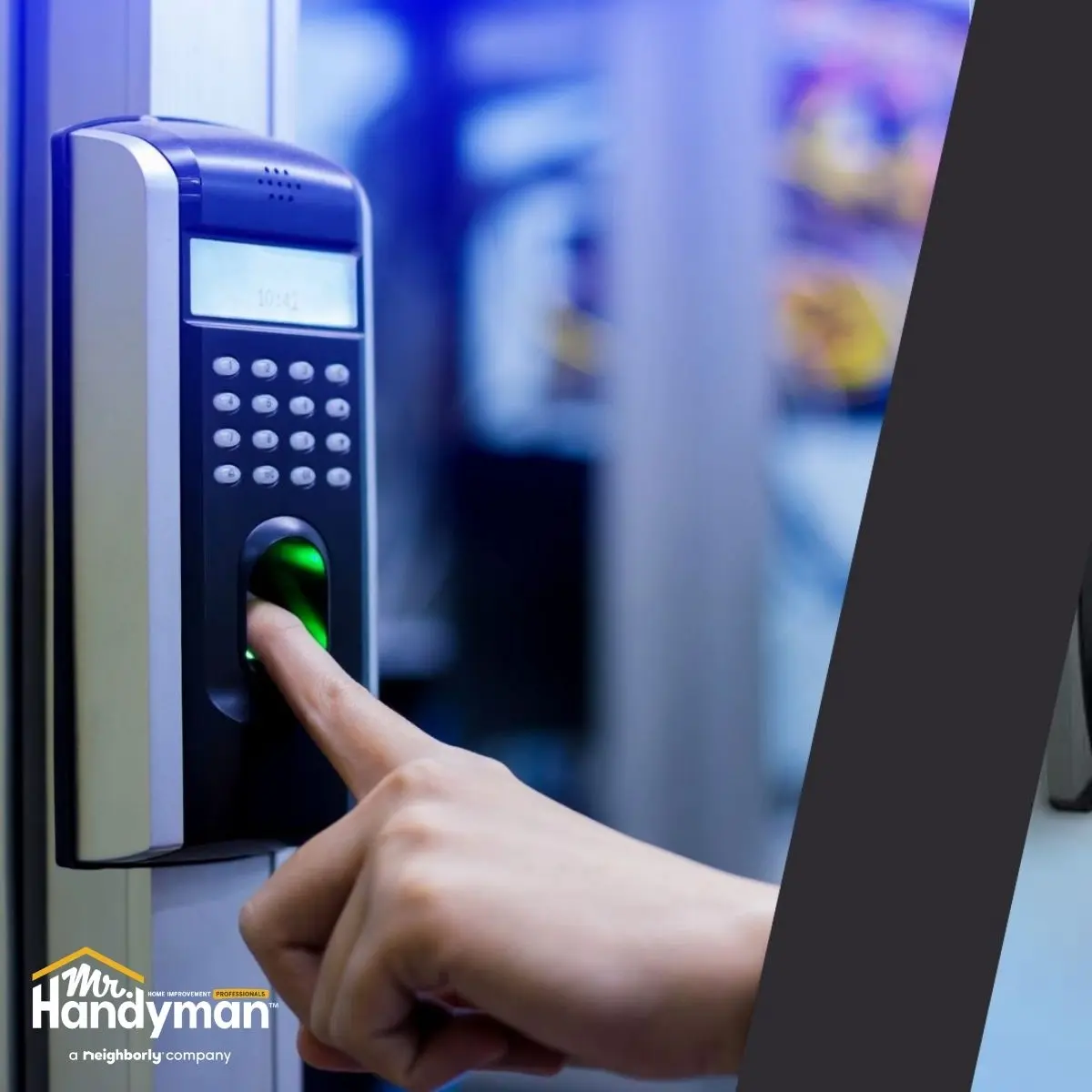
Doors and locks in gyms serve multiple critical functions that directly affect member safety, facility security, regulatory compliance, and operational efficiency. A malfunctioning entry door creates security vulnerabilities that expose members and equipment to theft. Locker room doors that don't latch properly compromise member privacy and comfort. Emergency exit doors that fail to operate correctly violate fire codes and endanger lives. Locks that don't function force members to leave valuables unsecured or avoid using your facility altogether. For gym owners and facility managers in Murfreesboro, Franklin, Brentwood, Nashville, and Clarksville, door and lock maintenance isn't optional—it's essential infrastructure that affects everything from insurance coverage to member retention to legal liability.
The doors and locks in commercial gyms experience dramatically more stress than residential or even typical commercial applications. Entry doors cycle hundreds of times daily as members enter and exit. Locker room doors slam repeatedly throughout operating hours. Emergency exits must remain functional despite being used infrequently. Storage room and office doors protect valuable equipment and sensitive information. Access-controlled doors integrate with membership management systems. This constant use, combined with the humid, high-traffic environment typical of fitness facilities, accelerates wear and creates failure modes that don't occur in less demanding environments.
Gyms in Middle Tennessee housed in buildings from the 1980s and 1990s often have original doors and hardware that have been stressed beyond their design life. Door closers fail, hinges loosen, locks wear out, frames warp, and automatic door operators malfunction. Meanwhile, regulatory requirements have evolved—ADA compliance standards affect door operation and accessibility, fire codes dictate emergency exit requirements, and security expectations have increased as gym theft and liability concerns have grown. Facilities that don't maintain doors and locks to current standards face compliance violations, increased liability, and operational problems that affect member experience and retention.
The consequences of door and lock failures extend beyond inconvenience. Members whose vehicles are broken into while parked in your lot because your perimeter doors don't secure properly can hold you liable. Disabled individuals who can't access your facility because doors don't meet ADA requirements can file discrimination complaints. Injuries that occur during evacuations because emergency exits don't function create massive liability. Insurance companies scrutinize security measures, and inadequate door and lock systems affect coverage and premiums. Addressing door and lock issues proactively protects members, satisfies regulations, reduces liability, and demonstrates the operational excellence that differentiates quality facilities from those that neglect basic infrastructure.
Security Vulnerabilities Created by Door and Lock Failures
Gym security depends fundamentally on controlling access through properly functioning doors and locks. When these systems fail, security vulnerabilities emerge that expose members, staff, and assets to theft, vandalism, and violence.
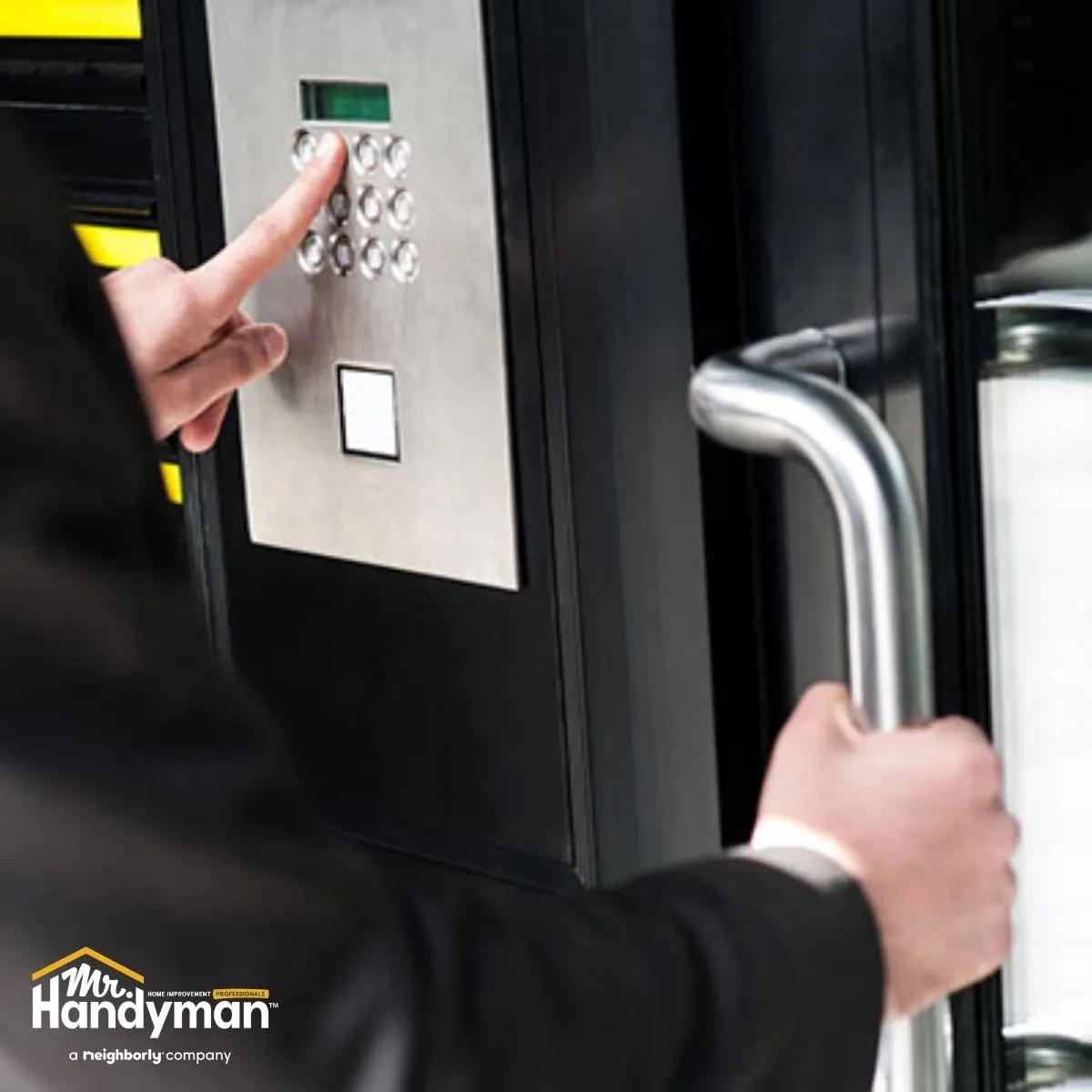
Entry doors that don't latch or lock properly allow unauthorized access after hours. Gyms contain valuable equipment—cardio machines, free weights, specialty equipment—worth hundreds of thousands of dollars. They also hold member information, payment processing systems, and business records. Doors that can be pulled open when locked, doors with worn strikes that don't engage properly, or doors with damaged frames that prevent secure closure create obvious entry points for criminals. Properties in Murfreesboro, Franklin, and Brentwood have experienced break-ins through compromised entry doors that weren't maintained properly.
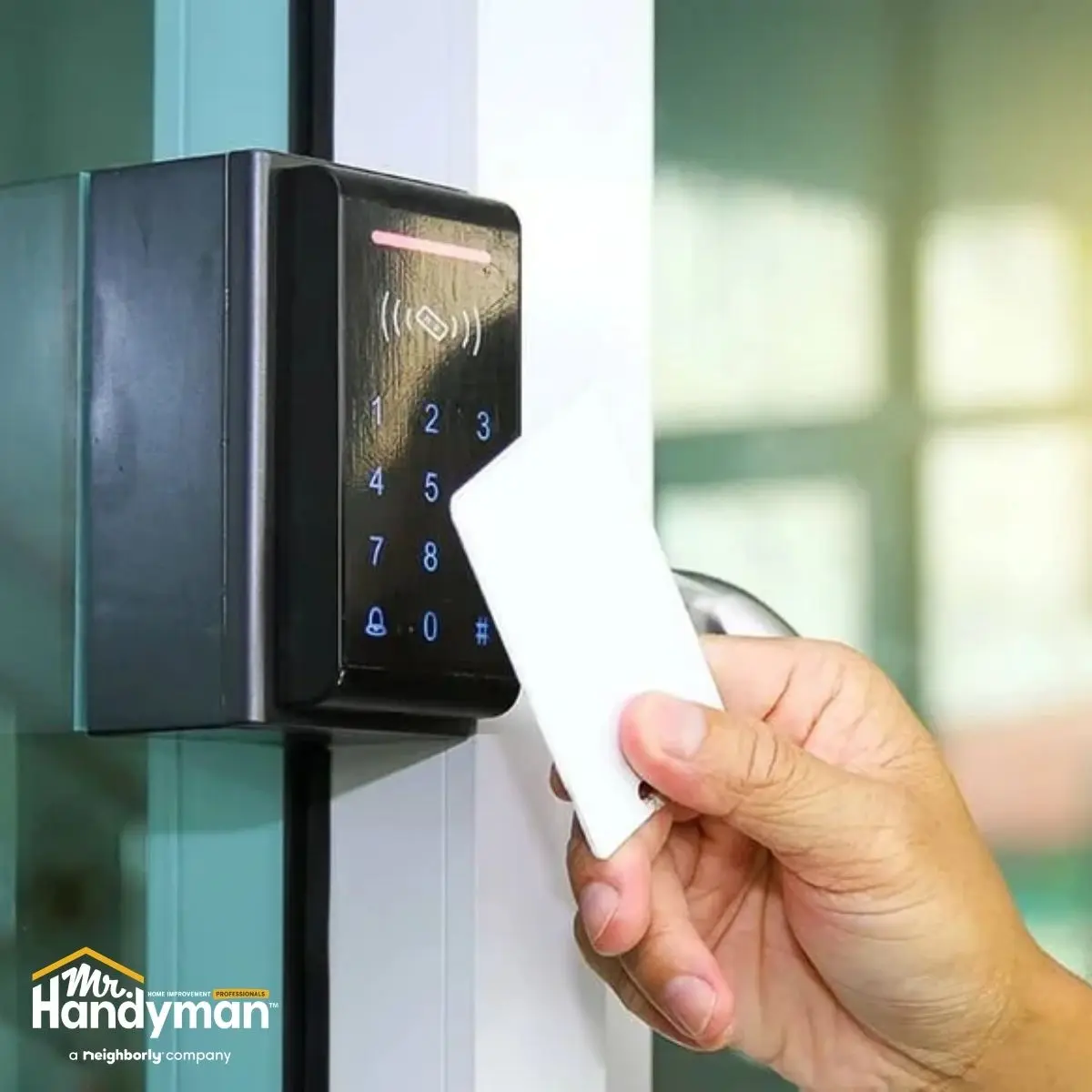
Damaged or malfunctioning access control systems allow members to enter without proper authorization. Many gyms use electronic access systems—key fobs, proximity cards, phone apps—to control entry and track usage. When readers malfunction, when door strikes don't release properly, or when doors can be forced open despite electronic locks, the access control system becomes meaningless. Members who've cancelled memberships continue accessing facilities. Unauthorized individuals follow members through doors. These vulnerabilities create liability when incidents occur involving people who shouldn't have had access.
Locker room doors without proper locks compromise member property security and privacy. Members expect locker rooms to be secure spaces where they can leave belongings while they work out or shower. Doors that don't latch, locks that don't engage, or damaged frames that prevent secure closure make these spaces vulnerable. Theft from locker rooms drives members away and generates negative reviews that damage reputation. Gyms in Smyrna, La Vergne, and Shelbyville competing for members can't afford security issues that make members feel unsafe.
Storage room and office doors with compromised locks expose equipment, inventory, and sensitive information. Gyms store cleaning supplies, maintenance equipment, spare parts, member records, and business documents in secured spaces. When locks fail or doors don't close properly, these spaces become accessible to anyone. This creates theft opportunities, liability for exposed member information, and operational problems when supplies and equipment disappear.
Emergency exit doors that allow unauthorized entry compromise facility security. Emergency exits must allow egress during emergencies but should not allow entry from outside. Panic hardware and door alarms serve this purpose, but when these systems malfunction, doors become entry points that bypass your access control. Properties in Franklin, Brentwood, and Nashville have dealt with unauthorized individuals entering through emergency exits with broken alarms or malfunctioning hardware.
Exterior door windows and glazing that's damaged create forced entry vulnerabilities. Glass panels in doors provide visibility but also become targets during break-in attempts. Cracked or damaged glass, loose glazing, or inadequate security glazing makes forced entry easier. Facilities in areas with higher crime rates should ensure exterior door glazing meets security standards and is maintained properly.
Inadequate lighting around entry and exit doors creates security concerns for members arriving or leaving during early morning or evening hours. While not directly door or lock issues, lighting around access points affects security perception and actual safety. Members feel unsafe approaching dark entryways, and criminals target poorly lit areas.
ADA Compliance Requirements for Gym Doors
The Americans with Disabilities Act establishes accessibility requirements that affect door operation, hardware, and maintenance. Gyms must comply with these standards, and door failures that violate ADA create legal liability and exclude potential members.
Door opening force limitations require that interior doors need no more than 5 pounds of force to open. Fire doors are allowed up to 15 pounds. Exterior doors have no specified maximum but must be operable by individuals with limited strength. Door closers that are adjusted too tight, hinges that bind, or doors that drag on frames can exceed these force requirements. Members with mobility limitations or upper body weakness can't access facilities if doors require excessive force. Gyms in Murfreesboro, Franklin, and Nashville should test door opening forces annually and adjust closers and hardware to maintain compliance.
Maneuvering clearances around doors must accommodate wheelchairs. ADA specifies minimum clear floor space on both sides of doors, varying by door swing and approach direction. Furniture, equipment, or architectural features that encroach on required clearances violate standards even if the door itself functions properly. This is particularly relevant in locker rooms where benches, lockers, and equipment can create obstructions.
Door hardware must be operable with one hand without tight grasping, pinching, or wrist twisting. Lever handles, push-type mechanisms, and U-shaped pulls satisfy this requirement. Round doorknobs don't. Many older gyms still have round knobs on restroom doors, locker room entries, and office doors. Replacing these with lever handles is required for compliance. Properties in Bellevue, Green Hills, and Dickson with original hardware from the 1980s or 1990s often need hardware upgrades to meet current standards.
Automatic door operators are required on primary public entrances in facilities built or renovated after specific dates, and they're beneficial in any facility serving disabled populations. Power-assisted doors reduce opening force to levels manageable by wheelchair users and individuals with limited mobility. When automatic operators malfunction—sensors that don't detect users, doors that open too slowly, systems that fail entirely—facilities become inaccessible. Regular maintenance and prompt repairs keep automatic systems functional.
Door closing speed must allow sufficient time for individuals using wheelchairs or walking aids to pass through safely. Door closers adjusted to close too quickly create hazards for slow-moving individuals. ADA specifies minimum times from open position to various closing stages. Closers that have weakened or been damaged may close too quickly or slam, creating both accessibility issues and safety hazards.
Threshold height limitations prevent obstacles that wheelchairs can't traverse. Vertical thresholds can't exceed half an inch, and beveled thresholds can't exceed three-quarters of an inch. Damaged thresholds, settling that creates height differences, or repairs that create non-compliant transitions all violate standards.
Door operation during emergencies must accommodate all building occupants including those with disabilities. Emergency exits must be operable without special knowledge or effort. Panic hardware must be accessible and functional. Gyms in Smyrna, La Vergne, and Shelbyville must ensure emergency exits don't discriminate against disabled individuals who need to evacuate.
Fire Code and Life Safety Requirements
Fire codes establish mandatory requirements for emergency exits, panic hardware, fire doors, and related systems. Violations create serious liability and endanger lives during emergencies.
Emergency exit doors must remain unlocked from the interior and be immediately operable without keys or special knowledge. Doors that are locked, blocked, or require special procedures to open violate codes and trap people during fires. Panic hardware—devices that release doors when pushed—must function properly and release with no more than 15 pounds of force. Hardware that's damaged, corroded, or improperly maintained can fail during emergencies when it's needed most.
Exit signage and emergency lighting must clearly mark all emergency exits and remain functional during power failures. Signs must be illuminated and visible from all areas requiring egress. Emergency lighting must activate automatically during power loss and provide adequate illumination for safe exit. Properties in Franklin, Brentwood, and Nashville should test emergency lighting monthly and replace batteries or units that fail.
Door alarms on emergency exits alert staff when doors are opened inappropriately while allowing emergency egress. These alarms prevent unauthorized access through emergency exits and help staff respond to potential security breaches. When alarms malfunction—false activations, failure to sound, or inability to reset—they either create nuisances that get disabled or fail to provide the security they're designed for.
Fire-rated doors and hardware maintain fire resistance ratings that contain fires and smoke. Fire doors in mechanical rooms, storage areas, and between different occupancy types must close and latch properly to provide rated protection. Damaged doors, missing or broken closers, blocked doors, and obstructed latching mechanisms compromise fire ratings. Annual fire door inspections are required in many jurisdictions, and deficiencies must be corrected immediately.
Clear egress paths must be maintained at all times. Doors can't be blocked by equipment, furniture, or storage. This seems obvious but gyms often place equipment near exits during crowded periods or store items temporarily that obstruct egress. During inspections or emergencies, these violations create serious liability.
Common Door and Lock Failures in Gym Environments
Gym environments create specific stresses that cause predictable door and lock failures. Understanding these common issues helps prioritize inspections and maintenance.
Door closer failures from constant use and environmental stress affect both function and accessibility. Closers experience hundreds of cycles daily, which wears internal mechanisms and hydraulic fluid. Temperature extremes, humidity, and vibration accelerate wear. Failed closers result in doors that slam, don't close properly, or require excessive force to open. Gyms in Murfreesboro, Smyrna, and La Vergne should budget for closer replacement every 5 to 7 years in high-use areas.
Hinge wear and loose fasteners allow doors to sag and bind. Continuous use loosens hinge screws, and worn hinge pins allow play that creates misalignment. Sagging doors drag on floors, don't latch properly, and require excessive force to operate. Tightening screws and replacing worn hinges restores proper operation and prevents further damage to doors and frames.
Lock cylinder and latch mechanism wear prevents proper locking and creates security vulnerabilities. Keys become hard to turn, locks don't engage fully, and eventually locks fail entirely. Tumbler wear, corrosion from humidity, and debris contamination all contribute to lock failures. Properties in Franklin, Brentwood, and Green Hills with original locks from facility construction often experience failures after 15 to 20 years of use.
Strike plate and frame damage from impacts and forced entry attempts compromise security and function. Doors kicked or forced open damage strike plates, frames, and surrounding drywall. Even unsuccessful forced entry attempts can damage frames enough that doors no longer latch securely. Repairing strike areas and reinforcing frames restores security and prevents recurrence.
Automatic door operator failures affect accessibility and convenience. Sensors that don't detect users, motors that strain or fail, safety mechanisms that activate unnecessarily, and control systems that malfunction all render automatic doors useless or dangerous. Regular maintenance and prompt repairs keep automatic systems serving their intended accessibility function.
Weather stripping and seal deterioration allows air infiltration that wastes energy and affects comfort. Worn weather stripping also allows water, dust, and insects to enter. Entry doors without proper seals lose significant heating and cooling, which increases utility costs. Replacing weather stripping is inexpensive maintenance that pays for itself in energy savings.
Glass breakage and hardware damage in doors with vision panels or full glass require prompt repair for security and safety. Broken glass creates hazards and entry vulnerabilities. Tempered glass should be replaced with tempered glass, and laminated security glass should be used in high-risk locations.
Preventative Maintenance Programs That Ensure Reliability
Systematic maintenance prevents most door and lock failures and ensures compliance with safety and accessibility standards. Implementing structured programs reduces emergency repairs and maintains consistent facility operations.
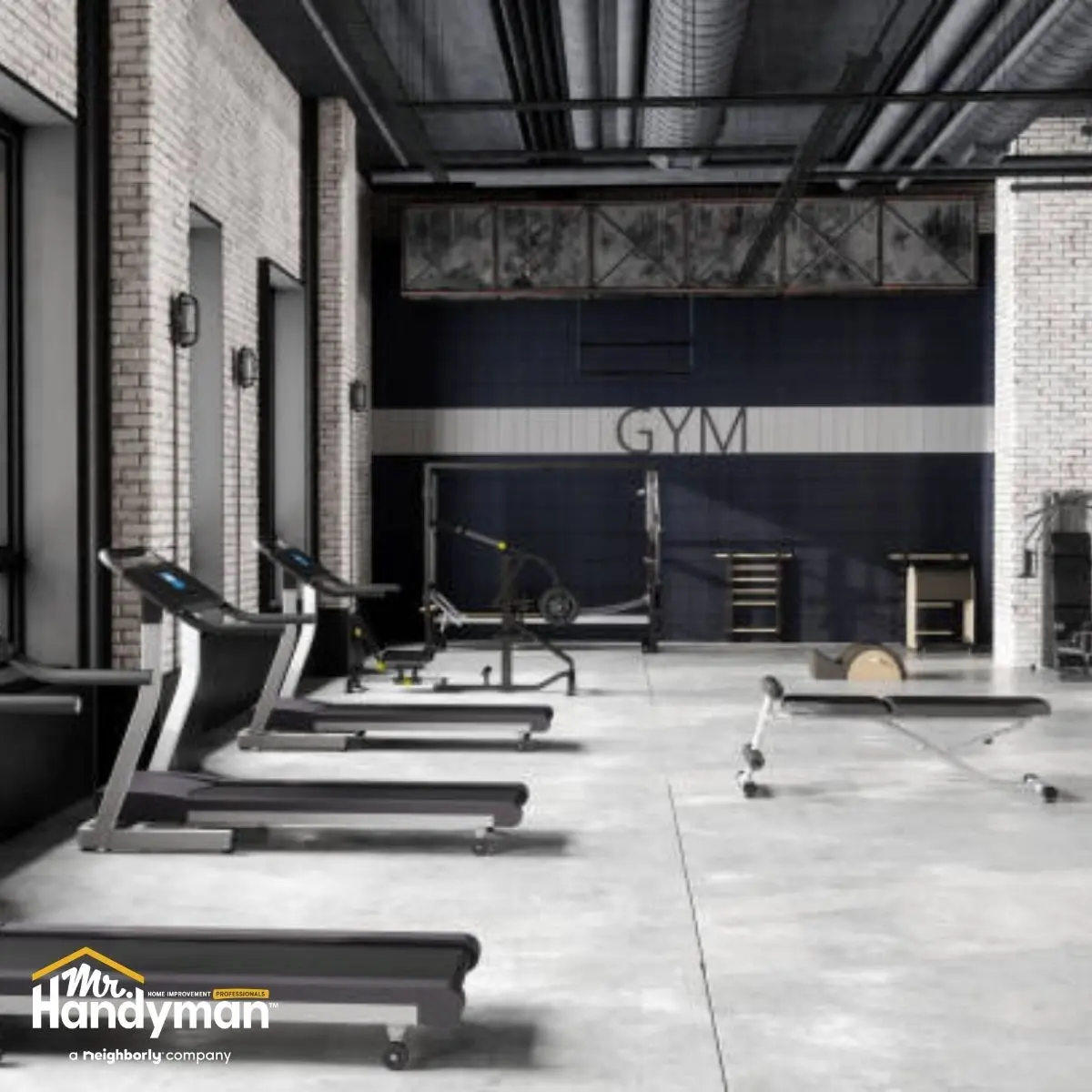
Schedule quarterly inspections of all doors and hardware. Test door operation, check closer function, verify locks engage properly, examine hinges and fasteners, and confirm that accessibility and safety standards are met. Document findings and create work orders for identified issues. This systematic approach ensures problems are caught early before they affect members or create compliance violations.
Lubricate hinges, locks, and closers semi-annually. Proper lubrication reduces friction, prevents corrosion, and extends component life. Use appropriate lubricants—graphite for locks, silicone for weather stripping, manufacturer-recommended products for closers and operators. Gyms in Murfreesboro, Franklin, and Nashville with humid environments benefit particularly from regular lubrication that prevents corrosion.
Test emergency exits and panic hardware monthly. Verify that doors open freely from inside, that panic hardware releases properly, that alarms function, and that signage and lighting are adequate. Document tests to demonstrate compliance during inspections. Train all staff on emergency exit locations and operation.
Adjust door closers seasonally or as needed to maintain proper speed and force. Temperature changes affect closer performance, and adjustments ensure doors close properly without slamming. Verify that closing speed allows adequate time for accessibility compliance.
Replace worn components proactively before failure. When locks become difficult to operate, when hinges show wear, when closers leak or lose function, replace them rather than waiting for complete failure. This prevents emergency repairs and maintains continuous security and accessibility.
Clean doors and hardware regularly to remove dirt, grime, and corrosive materials. Sweat, cleaning chemicals, and environmental contaminants accelerate corrosion and wear. Regular cleaning extends component life and maintains appearance.
Maintain relationships with commercial door and lock service providers who understand gym environments and can respond quickly when problems occur. Having established relationships means faster service and contractors who understand your facility's specific needs and history.
Frequently Asked Questions
How often should gym door hardware be replaced?
Depends on usage and quality. High-use entry doors need hardware replacement every 5-10 years. Lower-use doors may last 15-20 years. Inspect regularly and replace when wear becomes evident.
What are signs that door closers need replacement?
Doors that slam or don't close fully, hydraulic fluid leaks, excessive force required to open, and inability to adjust closing speed all indicate closer failure.
How do I ensure ADA compliance with door operation?
Test opening force (should be under 5 pounds for interior doors), verify hardware is lever-type or push-activated, ensure clearances are adequate, and consider automatic operators on primary entries.
Can I replace door hardware myself or do I need professionals?
Simple hardware replacement—lever handles, basic locks—can be DIY. Access control, automatic operators, fire door hardware, and complex systems require professional installation.
What's the best type of lock for gym locker rooms?
Depends on your security model. Member-supplied locks offer flexibility. Built-in combination or RFID locks provide convenience. Key locks create management overhead. Consider usage patterns and security needs.
How much should I budget for door and lock maintenance?
Plan $2,000-$5,000 annually for routine maintenance and repairs in typical facilities. Access control upgrades and major replacements require separate capital budgets.
Secure Your Facility and Comply With Standards
Functional doors and locks protect members, secure assets, ensure accessibility, and satisfy life safety codes. Regular maintenance, prompt repairs, and strategic upgrades eliminate the vulnerabilities that create liability and affect member satisfaction.
If you're in Murfreesboro, Franklin, Brentwood, Smyrna, Shelbyville, La Vergne, Bellevue, Christiana, Nashville, Belle Meade, Clarksville, Ashland City, Green Hills, Dickson, Antioch, Berry Hill, or any of the surrounding areas, Mr. Handyman of Murfreesboro, Franklin, and Brentwood and Mr. Handyman of West Nashville, Belle Meade, and Clarksville can help you assess door and lock systems, implement maintenance programs, and address security and compliance issues.
Call us to schedule a consultation.
