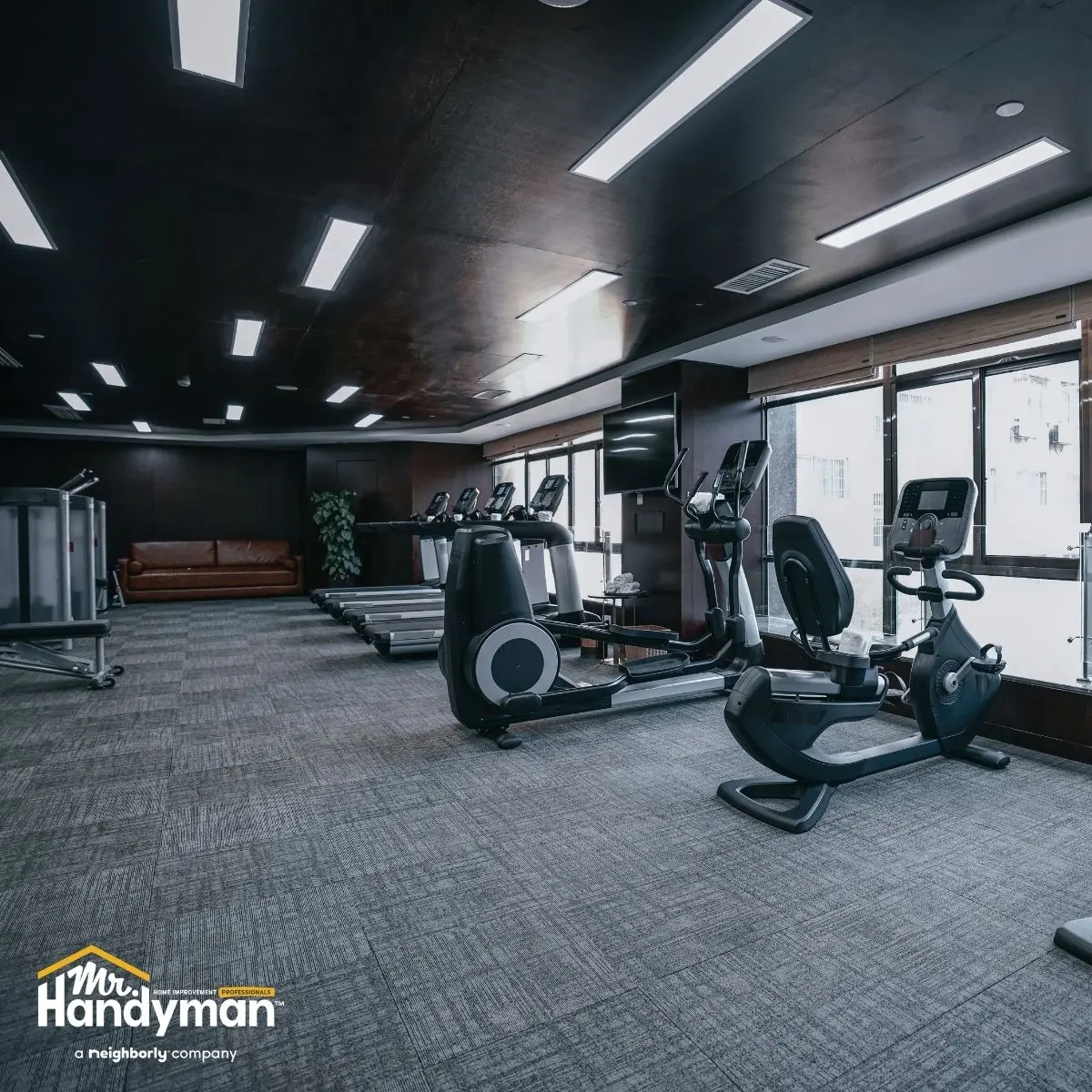
A gym's equipment is not simply its inventory. It is the foundation of every member's experience, the physical expression of the facility's commitment to quality, and the single most visible indicator of how seriously the ownership takes its responsibility to the people who train there. For gym owners and fitness facility managers in Murfreesboro, Franklin, and Brentwood, the condition and reliability of equipment determines not just whether members are safe during their workouts, but whether they feel confident enough in the facility to maintain their memberships, recommend it to others, and return consistently through the seasons of their fitness journey. Equipment that is professionally assembled, systematically maintained, and promptly repaired when issues develop is not a cost center. It is the operational foundation that everything else about a successful fitness business rests on.
Middle Tennessee's fitness market has grown significantly over the past decade alongside the region's population expansion. Murfreesboro, Franklin, and Brentwood have all seen substantial growth in gym and fitness facility options, ranging from large national chain facilities to boutique studios, CrossFit affiliates, personal training gyms, and the corporate and community fitness centers that serve specific populations within each community. In a market with that level of option density, members make and change their facility choices based on factors that extend beyond location and price. Equipment quality, equipment availability, and the sense of professional management that consistently well-maintained equipment communicates are all factors that influence where fitness consumers in Middle Tennessee choose to spend their membership dollars.
The safety dimension of equipment maintenance is not a theoretical concern that gym owners can address with liability waivers and hope. It is a real and ongoing operational responsibility that requires systematic attention, professional expertise, and documented maintenance protocols that create both actual safety outcomes and the defensible operational record that liability situations demand. A treadmill belt that fails at speed, a cable that snaps under load, a weight stack guide rod that binds at the wrong moment, or a bench that collapses under a loaded barbell are all equipment failure scenarios that produce injuries with legal, financial, and reputational consequences that no fitness business can absorb without lasting damage. Professional equipment assembly and maintenance is the operational practice that prevents those scenarios from occurring and that creates the documentation record that demonstrates due diligence when challenges arise.
What Professional Assembly Actually Means for Gym Equipment
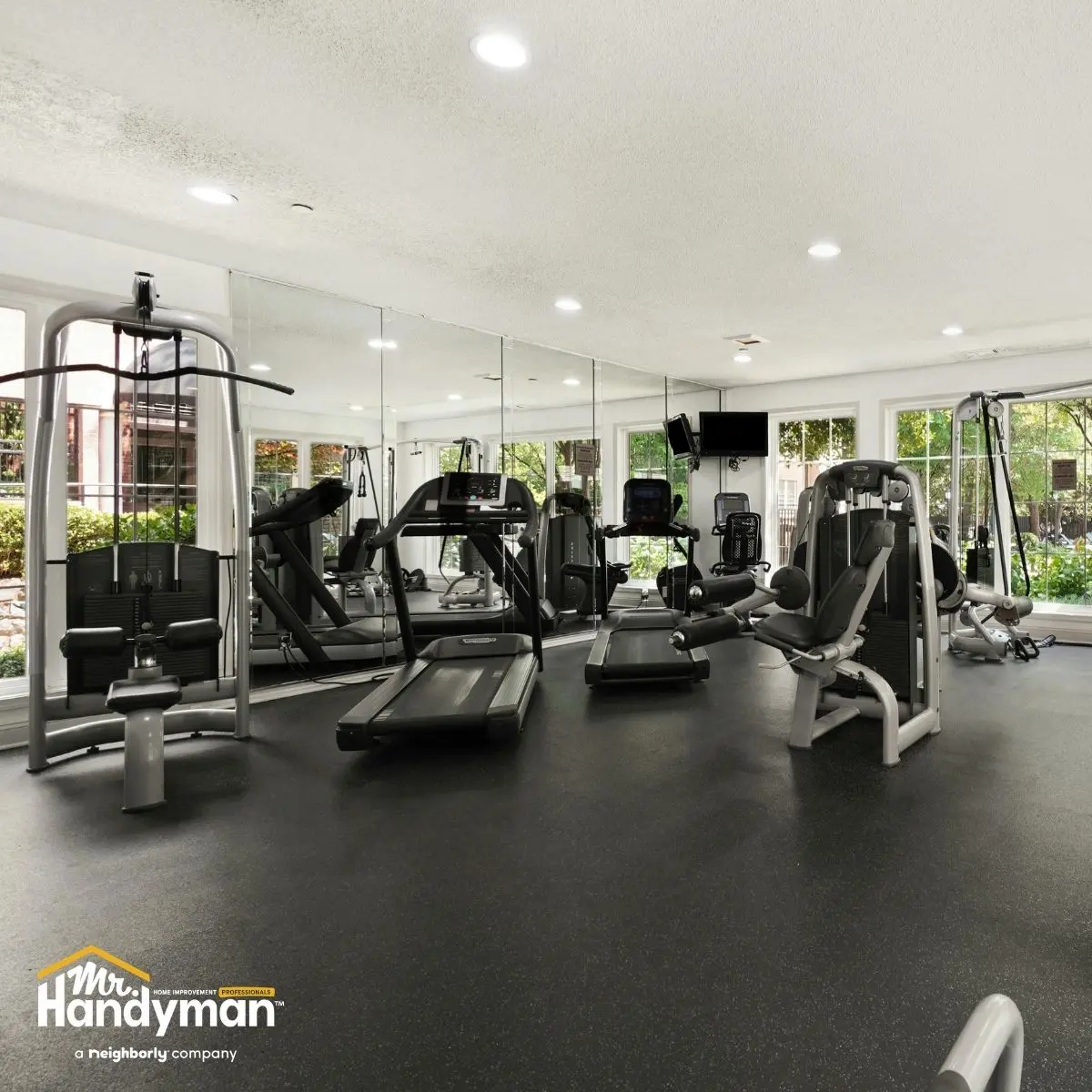
The assembly phase of gym equipment deployment is where the safety and performance foundation of every piece is either correctly established or fundamentally compromised. Commercial fitness equipment is designed to perform reliably under the sustained, high-intensity use that gym environments deliver, but that performance is entirely dependent on the equipment being assembled according to manufacturer specifications by someone who understands what those specifications are designed to achieve and why deviations from them compromise the equipment's safety and function.
Commercial treadmills, ellipticals, and other cardiovascular equipment are among the most mechanically complex pieces in any fitness facility, with electrical systems, drive belt systems, deck and cushioning assemblies, and user interface components that must all be correctly installed and calibrated during the assembly process for the machine to operate as designed. A treadmill assembled with a drive belt tension that is outside the specified range will either slip under load, producing unpredictable speed changes during use, or run at excessive tension, accelerating bearing and motor wear that produces premature failure. A deck that is not properly lubricated during assembly, or a running belt that is not centered and tensioned correctly, creates friction conditions that damage the belt and deck within weeks of use in a gym environment where the machine runs for hours daily rather than the minutes of occasional residential use.
Strength equipment including plate-loaded machines, selectorized weight stack units, and cable systems requires assembly precision that directly determines both its function and its safety margins. Cable and pulley systems that are not correctly routed, tensioned, and terminated during assembly create failure points that may not be immediately apparent but that degrade with use to the point where they fail under load. Weight stack guide rods that are not perfectly plumb and aligned during installation create binding conditions that place lateral stress on the cables and pulleys above them, accelerating wear at every point in the system. Selectorized weight systems that are not assembled with all hardware correctly torqued to specification develop loose components that rattle, shift, and eventually fail in ways that range from annoying to dangerous depending on which component and which moment of the exercise movement the failure occurs.
Free weight equipment including benches, racks, and platforms requires assembly attention to structural connection integrity that is easy to underestimate because the equipment appears simpler than its motorized counterparts. A squat rack assembled with hardware that is insufficiently torqued may appear stable during light use but develop movement under heavy barbell loads that increases with each use cycle, eventually reaching a point where the rack is genuinely unstable under the loads that experienced members will place on it. A flat bench with improperly assembled leg connections that allow the bench to flex or shift during use creates a safety concern that is most acute during heavy pressing movements where a sudden movement of the bench surface can cause a lifter to lose control of significant weight.
The Maintenance Protocols That Prevent Equipment Failure
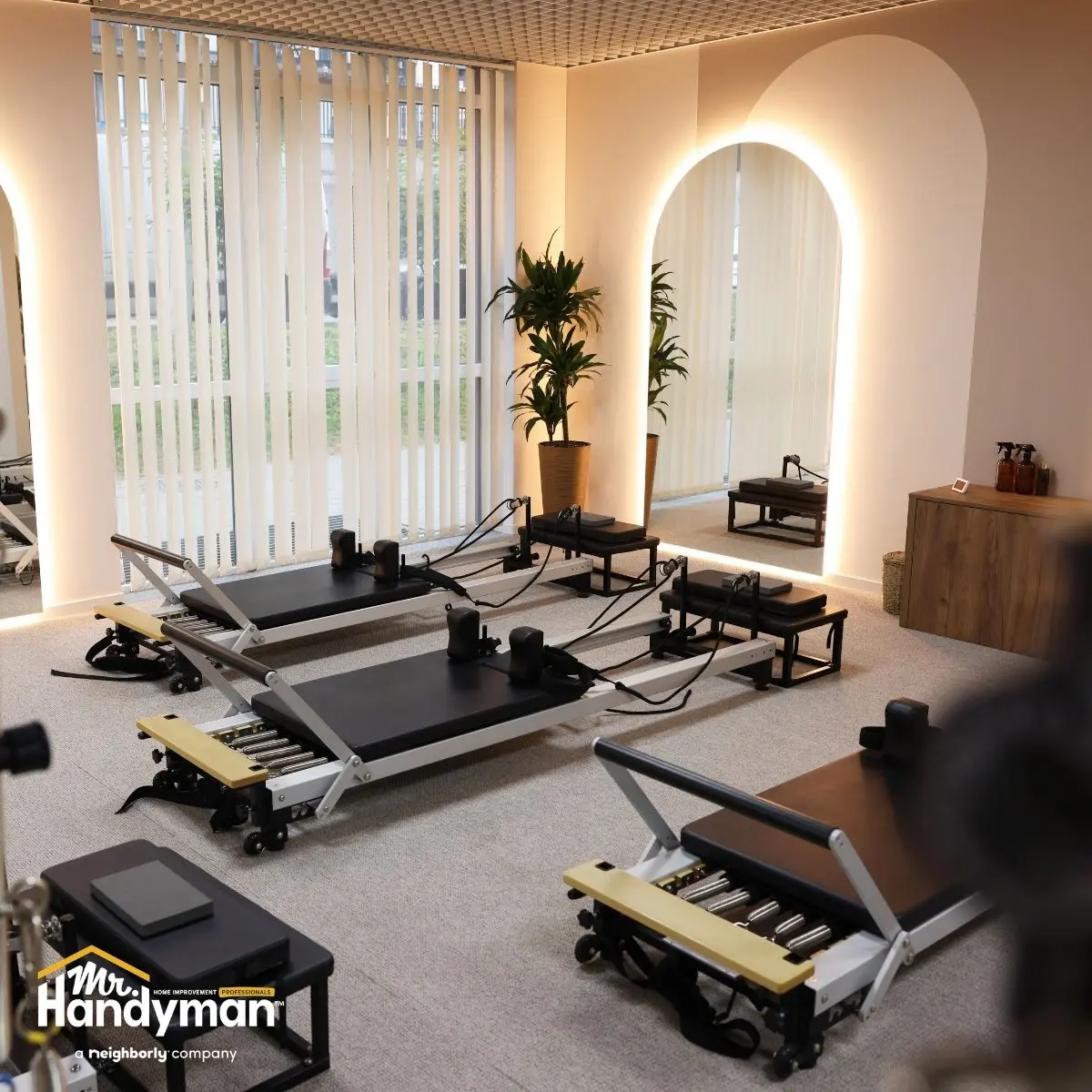
Equipment that was correctly assembled enters its service life with the performance and safety margins its design intended. Maintaining those margins through the months and years of commercial use that gym equipment experiences requires systematic maintenance protocols that address the specific wear mechanisms of each equipment category at appropriate intervals. The maintenance needs of a commercial treadmill running eight hours daily are fundamentally different from a residential machine running thirty minutes three times per week, and applying residential maintenance thinking to commercial equipment management is one of the most common operational errors that gym facilities make.
Cardiovascular equipment maintenance in a commercial gym environment requires attention on weekly, monthly, and quarterly intervals that most facilities do not fully implement. Weekly inspection of belt alignment, deck lubrication status, console function, and any developing mechanical noises that indicate bearing or drive system wear catches issues while they are still minor adjustments rather than major repairs. Monthly belt tension checks, thorough equipment cleaning that removes the perspiration and dust accumulation that degrades electrical components and accelerates belt and deck wear, and visual inspection of all accessible drive components maintain the equipment's operating condition between the more thorough quarterly service intervals. Quarterly professional service that includes full drive system inspection, motor and controller component assessment, belt and deck measurement against wear limits, and calibration verification is the interval at which developing issues that weekly and monthly attention cannot fully assess are identified and addressed before they produce failures.
Strength equipment maintenance protocols address the lubrication, hardware integrity, and cable and upholstery conditions that commercial use depletes over time. Guide rod lubrication on selectorized equipment requires attention on a defined schedule because the polymer bearings that travel along the guide rods rely on consistent lubrication to move smoothly under load and to avoid the binding that unlubricated operation produces. Cable inspection and replacement is a maintenance item that many gym facilities address reactively when cables fail rather than proactively on a replacement schedule based on the cable manufacturer's service life recommendations for commercial use intensity. A cable that fails during use does not typically fail gradually in a way that gives warning. It fails suddenly and completely, and the load it was managing transfers in an instant to whatever structure or person is in its path.
Upholstery maintenance on benches, pads, and seats is a maintenance category that gym operators frequently underestimate in both its safety and its member experience dimensions. Upholstery that has developed tears, exposed foam, or surface deterioration is not simply an aesthetic concern. Torn upholstery creates edges that can cause skin abrasions during exercises that involve sliding contact with the pad surface. Exposed foam that has absorbed perspiration over time becomes a reservoir for bacterial growth that creates hygiene concerns inconsistent with the clean, professional environment that Middle Tennessee's fitness consumers expect. Addressing upholstery deterioration promptly, either through repair or replacement, maintains both the safety and the visual standard that member experience requires.
How Equipment Condition Affects Member Retention Across Middle Tennessee's Fitness Market
The relationship between equipment condition and member retention in Murfreesboro, Franklin, and Brentwood's fitness market is more direct and more financially significant than many gym owners fully account for when evaluating their equipment maintenance investment. Members who train at facilities where equipment is consistently reliable, professionally maintained, and promptly repaired when issues develop form a different relationship with that facility than members who regularly encounter out-of-service machines, equipment that performs inconsistently, or visible maintenance neglect that raises questions about the facility's operational standards.
Murfreesboro's fitness market serves a broad and growing membership base that includes students from Middle Tennessee State University, young professionals in the city's expanding employment base, families in established and newer residential neighborhoods, and the military-connected population associated with Smyrna's nearby installations. This diverse membership base shares a common expectation that the equipment they are paying to access will be available, functional, and safe every time they arrive to train. In a market where multiple facility options compete for the same members, equipment reliability is a differentiating factor that influences initial membership decisions and, more importantly, renewal decisions that determine a facility's long-term financial performance. A member who has experienced three consecutive visits where their preferred cardio equipment was out of service is actively evaluating alternatives, regardless of how much they valued other aspects of the facility.
Franklin's fitness market attracts members with elevated expectations about facility quality that reflect the community's overall standards and the income levels of its population. Members in Franklin who are paying premium membership rates for boutique studio experiences or higher-end gym facilities carry a corresponding expectation about equipment quality that makes maintenance investment not just a safety obligation but a core component of the value proposition the facility is selling. A Franklin fitness facility whose equipment shows visible wear, whose machines have persistent mechanical issues, or whose assembly quality does not reflect professional standards will struggle to retain members who have the option of facilities that meet the quality expectation that premium pricing creates. In this market, equipment condition is a premium retention driver whose value to the business significantly exceeds its maintenance cost.
Brentwood's fitness consumers represent the highest-expectation segment of Middle Tennessee's market, and the fitness facilities serving this community operate under presentation and performance standards that make professional equipment management a non-negotiable operational requirement. Members in Brentwood are accustomed to experiencing high-quality equipment in well-maintained facilities, and they interpret equipment that is poorly maintained, inconsistently available, or showing signs of assembly quality deficiencies as a signal about the facility's overall management standard that influences their membership decisions quickly and decisively. The financial consequence of member attrition in Brentwood's premium fitness market, where individual membership values are higher and where the social influence of departing members on their networks is significant, makes equipment maintenance investment a high-return business decision as well as a safety obligation.
Liability, Documentation, and the Legal Dimension of Equipment Management
The liability dimension of gym equipment safety is one that fitness facility owners in Middle Tennessee need to understand clearly and manage systematically, because the legal and financial exposure that equipment-related injuries create extends well beyond the immediate medical and insurance costs that a single incident produces. A documented, professional equipment assembly and maintenance program is the operational foundation that creates both the actual safety outcomes that prevent injuries and the defensible record that protects the facility when liability questions arise despite best efforts.
Equipment assembly documentation that records which equipment was assembled, when it was assembled, who performed the assembly, and what inspection was conducted before the equipment was placed into service creates the first layer of the liability protection record. This documentation establishes that assembly was performed by qualified personnel following manufacturer specifications, which is the baseline defense against claims that assembly negligence contributed to an equipment-related injury. Facilities that allow equipment to be assembled by staff members without relevant training or experience, or that have no documentation of the assembly process, have no evidentiary foundation for demonstrating that assembly quality was adequate when a challenge arises.
Maintenance records that document each service event, including the date, the specific equipment serviced, the work performed, the findings identified, and any components replaced or adjusted, create the ongoing liability protection layer that assembly documentation alone cannot provide. Maintenance records that show consistent, systematic attention to equipment condition demonstrate the operational due diligence that distinguishes a facility that takes its safety responsibility seriously from one that maintains equipment reactively and inconsistently. In a liability situation involving a member injury, the maintenance record is the most powerful documentation the facility possesses, because it either demonstrates consistent professional attention or reveals the gaps in maintenance frequency and thoroughness that the injury claim will argue were the causal factor.
Out-of-service protocols are the operational element of equipment liability management that most directly prevents the scenario where a known deficiency produces an injury. Equipment that has been identified as having a mechanical issue, a structural concern, or any condition that affects its safe operation needs to be immediately removed from service, physically secured against use, and clearly marked as out of service until the issue is professionally assessed and resolved. A facility that allows members to use equipment that has a known issue, even one that seems minor, creates the most difficult liability position of any equipment management scenario because it combines the existence of a deficiency with the knowledge of that deficiency and the decision to allow continued use despite it.
Building a Professional Equipment Management Program
Establishing a professional equipment assembly and maintenance program for a Middle Tennessee fitness facility requires defining the scope of the program, identifying the qualified service resources that will execute it, creating the documentation systems that record its execution, and implementing the staff training that ensures daily operational behavior is consistent with the program's safety and maintenance standards.
Manufacturer service documentation is the starting point for any equipment management program because it defines the assembly specifications, maintenance intervals, lubrication requirements, wear limits, and component replacement schedules that the manufacturer determined through engineering and testing to be necessary for the equipment to perform safely and reliably over its service life. Maintaining manufacturer documentation for every piece of equipment in the facility, organizing it by equipment type and model, and making it accessible to the service professionals and staff members who need to reference it is the foundation of a program that is based on specification rather than assumption.
Service vendor relationships with qualified fitness equipment technicians who have training and experience with the specific equipment brands in the facility are the execution resource that the program's maintenance protocols require. General maintenance contractors who lack specific fitness equipment expertise can address certain facility maintenance needs but are not appropriate for the assembly, calibration, and technical service that commercial fitness equipment requires. Establishing relationships with qualified equipment service professionals before those relationships are urgently needed, and scheduling preventative maintenance visits on the intervals the manufacturer's documentation recommends, is the proactive approach that keeps equipment performing reliably rather than the reactive approach that addresses failures after they occur.
Staff training on daily equipment inspection protocols, out-of-service procedures, and member incident response creates the operational consistency that professional equipment management requires at the daily level between scheduled service visits. Staff members who know what to look for during daily equipment walkthroughs, who understand how to properly take a piece of equipment out of service when they identify a concern, and who know how to document and report member-reported equipment issues create a front-line monitoring system that extends the professional maintenance program into every operating hour of the facility.
Frequently Asked Questions
How often should commercial gym equipment receive professional service?
The appropriate service frequency depends on equipment type, usage volume, and manufacturer recommendations. High-use cardiovascular equipment in a busy Middle Tennessee gym environment typically warrants monthly inspection and quarterly professional service at minimum. Strength equipment including selectorized machines and cable systems benefits from quarterly professional service and monthly staff inspection. Specific manufacturer documentation for each equipment model provides the definitive service interval guidance that should anchor the facility's maintenance schedule.
What are the most common equipment assembly errors that create safety risks?
Incorrect cable routing and termination in strength equipment, drive belt tension outside specified ranges in cardiovascular equipment, hardware that is not torqued to specification in structural connections, and guide rod alignment errors in selectorized equipment are among the most consequential assembly errors because they create conditions that degrade progressively with use rather than producing immediate obvious failure. These errors are typically not detectable through casual inspection after assembly is complete, which is why assembly by personnel with specific training and experience in the equipment type is the only reliable prevention.
How do I evaluate whether my current equipment maintenance program is adequate?
Review your maintenance records for the past twelve months and assess whether every piece of equipment received service at the intervals its manufacturer documentation recommends. Identify any equipment that is currently operating with known issues that have not been addressed. Evaluate whether your service vendor has specific training and experience with your equipment brands. And assess whether your staff inspection protocols are producing consistent daily documentation of equipment condition. Gaps in any of these areas indicate that the current program does not meet the standard that both safety and liability management require.
What is the financial return on professional equipment maintenance investment for a gym?
The return on professional equipment maintenance investment includes extended equipment service life that defers replacement capital expenditure, reduced emergency repair costs compared to reactive maintenance, member retention improvement that preserves monthly recurring revenue, and liability risk reduction that protects against the potentially catastrophic financial exposure of an equipment-related injury claim. Each of these return components individually justifies a professional maintenance investment. Together they produce a return that consistently and substantially exceeds the cost of the program.
Should small gym facilities invest in professional equipment maintenance or is it only necessary for large facilities?
Equipment maintenance safety obligations do not scale with facility size. A member injured on improperly assembled or poorly maintained equipment in a small boutique gym faces the same injury and the facility faces the same liability exposure as in a large commercial facility. The proportional financial impact of a liability situation is actually greater for a small facility because its reserve capacity to absorb unexpected costs is smaller. Professional equipment assembly and maintenance is as necessary in a small Middle Tennessee fitness facility as in a large one, and the member retention value of reliable equipment is equally significant regardless of facility scale.
Equipment Is the Product Your Members Are Paying For
Every membership fee that a Middle Tennessee fitness facility collects is, at its core, a payment for access to equipment and the environment surrounding it. Members who get what they paid for, equipment that is safe, reliable, professionally assembled, and consistently maintained, stay, refer others, and build the membership base that sustains the business. Members who encounter a facility where equipment reliability is inconsistent, maintenance is reactive, and assembly quality is questionable stop paying for something they do not feel they are receiving.
Mr. Handyman of Murfreesboro, Franklin, and Brentwood supports fitness facility owners and managers with professional equipment assembly, ongoing maintenance services, and the facility upkeep work that keeps commercial fitness environments safe, functional, and presenting at the standard Middle Tennessee's fitness consumers expect. From equipment assembly documentation and scheduled maintenance support to facility repairs and general commercial maintenance, the team delivers the professional reliability your facility and your members deserve.
Website: https://www.mrhandyman.com/murfreesboro-smyrna/
Serving fitness facilities and commercial properties throughout Murfreesboro, Franklin, and Brentwood with professional maintenance services and the reliability your business deserves.