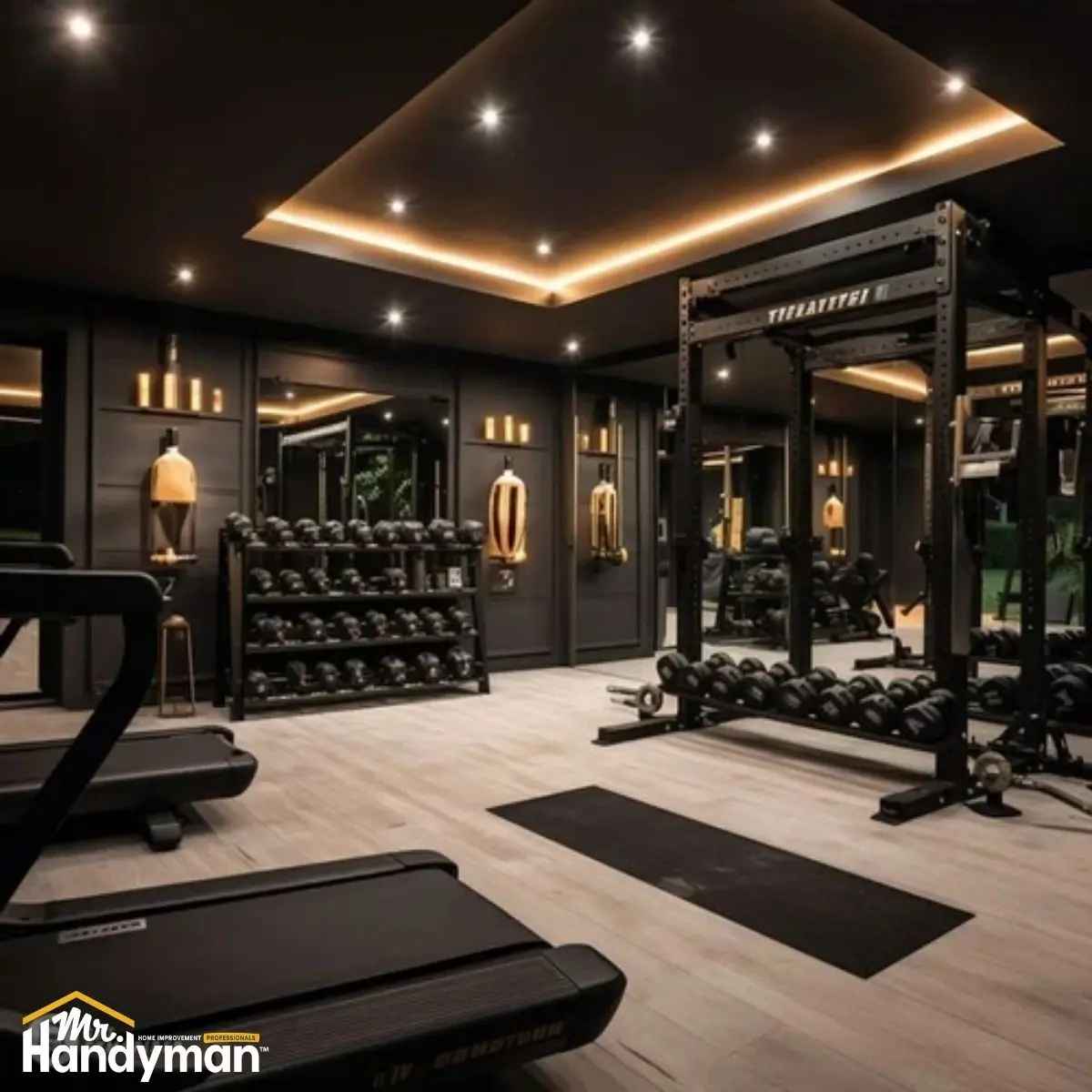
Walk into any gym and you form an immediate impression. Clean, well-maintained spaces with fresh paint and intact surfaces signal professionalism, quality, and attention to detail. Scuffed walls, water-stained ceilings, dents from equipment, peeling paint, and visible damage communicate the opposite—that the gym doesn't care about its environment, doesn't invest in maintenance, and probably cuts corners elsewhere. For gym owners and facility managers in Murfreesboro, Franklin, Brentwood, Nashville, and Clarksville, wall and ceiling condition directly affects brand perception, member retention, and your ability to attract new customers in competitive markets.
Wall and ceiling damage in gyms isn't unusual—it's expected given the environment. Heavy equipment gets moved and bumped into walls. Weights and bars contact surfaces during exercises. High humidity from showers and sweaty workouts creates conditions for mold, mildew, and paint failure. Roof leaks from aging buildings damage ceilings. The question isn't whether damage will occur—it's whether you address it promptly or let it accumulate until your gym looks neglected and run-down.
Members notice damaged walls and ceilings more than you think. A water stain on the ceiling above cardio equipment makes members wonder if there's a structural problem. Dents and holes in drywall suggest the gym doesn't maintain equipment properly or care about facility condition. Peeling paint and mold growth raise concerns about air quality and cleanliness. These impressions form subconsciously and influence whether members renew, recommend your gym to friends, or leave negative reviews that damage your reputation.
The gyms that succeed in Middle Tennessee's competitive fitness market differentiate themselves through experience, not just equipment. Members choose gyms where they feel motivated, comfortable, and confident. Facility condition plays a huge role in creating that feeling. A gym with damaged walls and ceilings fights an uphill battle regardless of how good its programs, trainers, or equipment are. Addressing wall and ceiling damage isn't just maintenance—it's brand protection and marketing investment that pays returns through improved retention and word-of-mouth referrals.
The Brand Image Consequences of Visible Damage
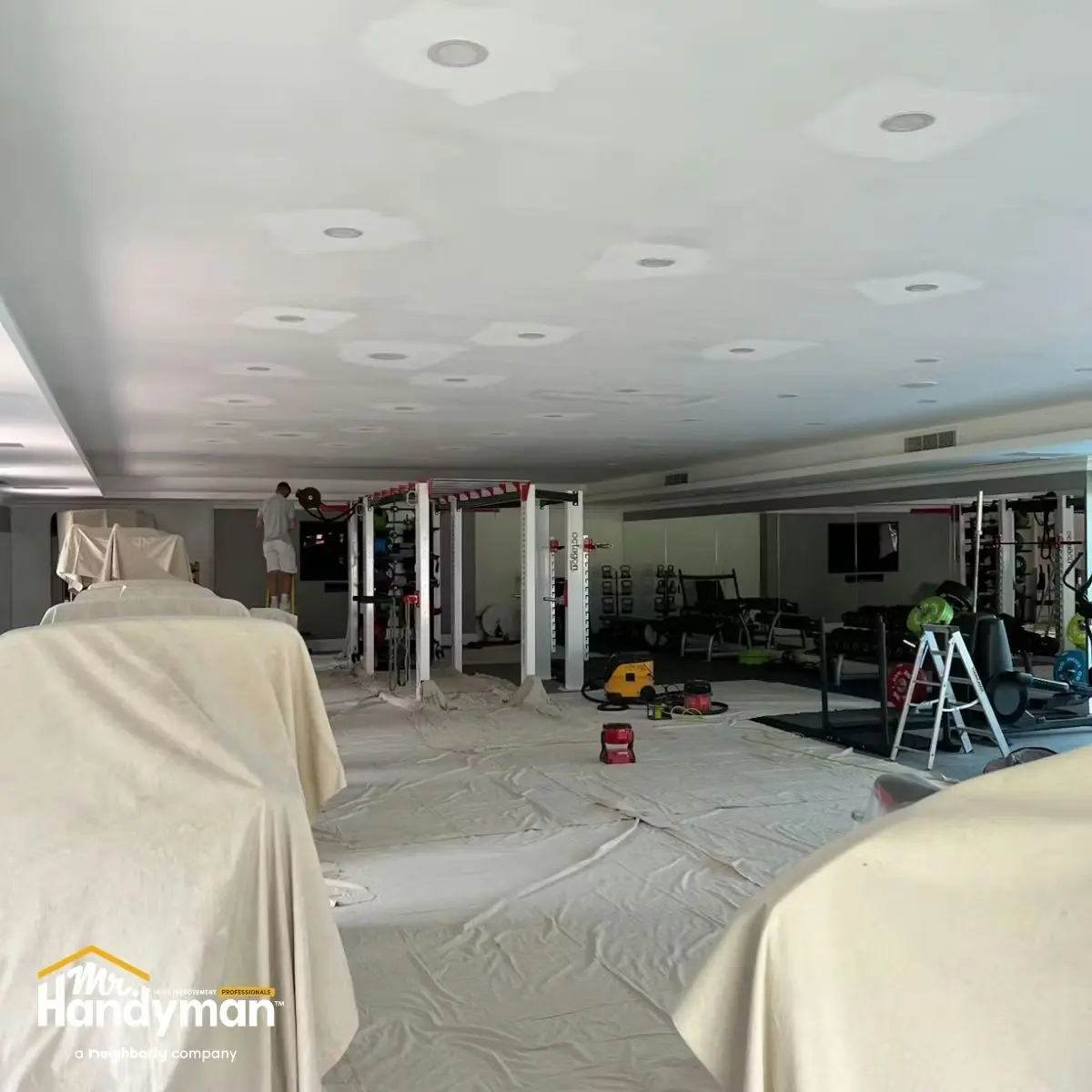
Wall and ceiling damage creates specific negative perceptions that affect how members and prospects view your gym. Understanding these connections helps prioritize repairs that have the biggest impact on brand image.
Water stains on ceilings immediately suggest neglect and potential structural problems. Even if the roof leak was fixed months ago, the stain remains as visible evidence that something was wrong. Members see the stain and wonder if mold is growing above the ceiling, if the roof still leaks, or if water will drip on them during workouts. Water stains in group fitness studios, locker rooms, or near expensive equipment are particularly concerning. Gyms in Murfreesboro, Franklin, and Brentwood with flat or low-slope roofs common on commercial buildings should address ceiling stains promptly—they're among the most damaging visual problems for brand perception.
Dents, holes, and impact damage in walls tell members that equipment isn't controlled properly and that damage is tolerated rather than fixed. A hole from a barbell that swung into the wall, dents from equipment that was moved carelessly, or damage from members slamming weights suggest chaos and lack of supervision. These aren't just cosmetic issues—they signal that the gym environment isn't well-managed.
Scuff marks and dirty walls make spaces feel dingy and poorly maintained. High-traffic areas accumulate scuffs from equipment, bags, and shoes. If walls aren't cleaned and painted regularly, the accumulation of marks creates an overall impression of grime. Group fitness studios with scuffed walls, cardio areas with dirty surfaces, and hallways with marked-up paint all communicate that cleaning and maintenance aren't priorities.
Peeling paint and failed finishes indicate deferred maintenance and lack of investment in the facility. Paint fails for reasons—moisture, poor surface preparation, low-quality products—and when it peels, bubbles, or flakes, it's obvious to everyone. Members interpret peeling paint as evidence that the gym isn't investing in upkeep and may not be financially stable. Properties in Smyrna, La Vergne, and Shelbyville with high humidity from showers and pools are particularly prone to paint failure if proper products and ventilation aren't used.
Mold and mildew growth raises serious health concerns. Visible mold or mildew on walls or ceilings—common in locker rooms, showers, and poorly ventilated spaces—makes members question air quality and cleanliness standards. Even if the mold is surface-level and not a health hazard, its presence suggests the gym has moisture control problems and doesn't address them.
Mismatched or obviously patched areas show repairs were done but not finished properly. Patches that don't match surrounding surfaces, paint that doesn't blend, or texture that's inconsistent all advertise that repairs were made cheaply or hastily. This reinforces the perception that the gym cuts corners.
High-Priority Damage That Needs Immediate Attention
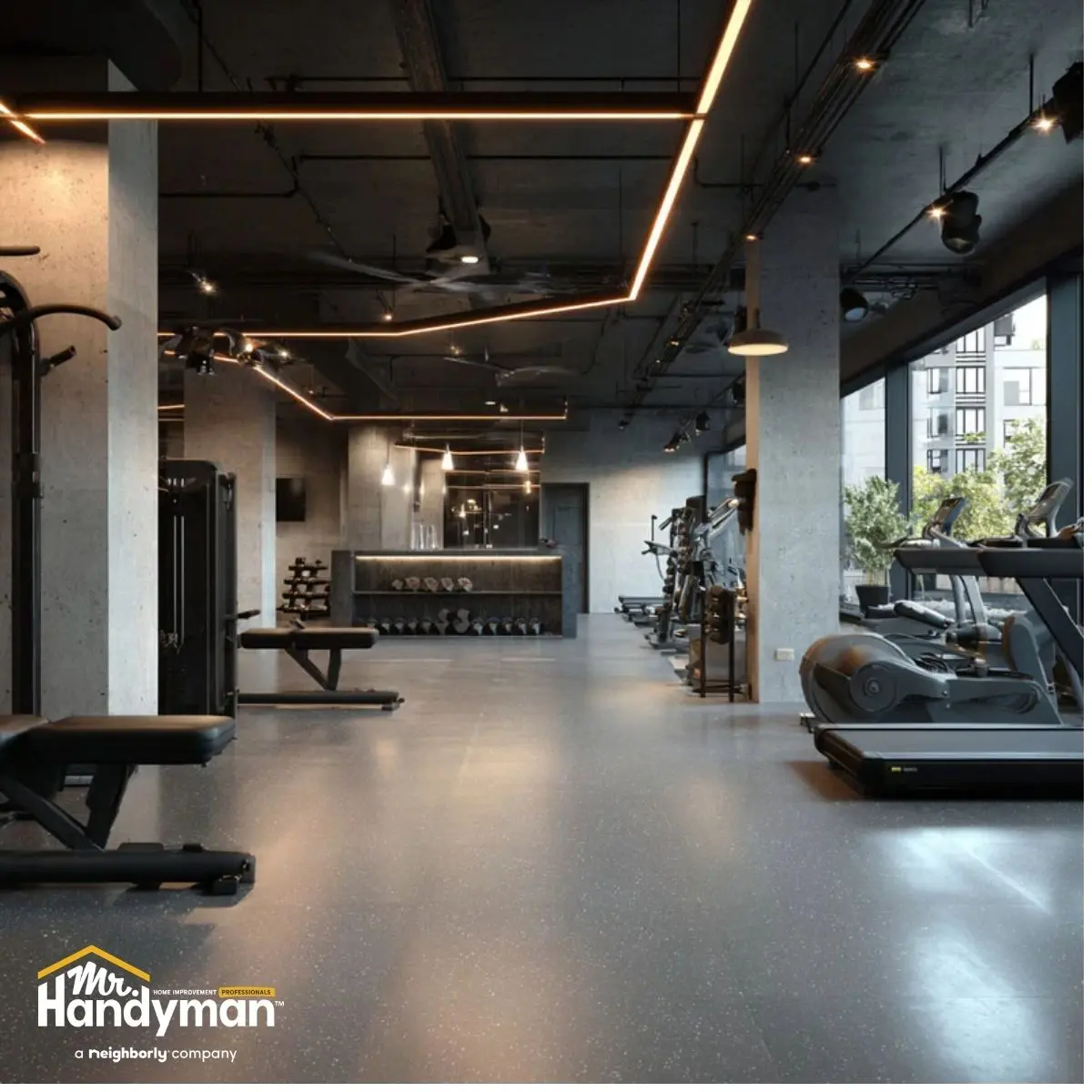
Not all wall and ceiling damage is equally harmful to brand image. Some issues scream neglect and need immediate fixing, while others can be addressed during scheduled maintenance cycles.
Active water damage and stains near equipment or high-visibility areas are first priority. If water is actively leaking or if recent stains are visible on ceilings above cardio machines, free weights, or in group fitness studios, address them immediately. Stop the leak, repair the ceiling, and repaint. Members exercising under water-stained ceilings feel unsafe and uncomfortable. Gyms in Franklin, Brentwood, and Nashville should treat ceiling leaks as emergencies that require same-day or next-day response.
Large holes, dents, or damage in member-facing areas create obvious negative impressions. A six-inch hole in the drywall behind a squat rack, significant dents from equipment impacts, or damaged corners where members move through spaces all need prompt repair. These aren't subtle—they're visible damage that members see daily and interpret as evidence of poor management.
Mold or mildew in locker rooms, showers, or high-visibility spaces must be addressed immediately for health and perception reasons. Visible mold growth is unacceptable in any gym environment. Clean affected areas with appropriate products, address moisture sources, and repaint with mold-resistant paint. Properties in Bellevue, Green Hills, and Dickson with chronic moisture issues should improve ventilation and humidity control along with cleaning and repainting.
Damaged walls in entryways, reception areas, and tour routes affect first impressions. Prospects touring your gym form opinions within minutes, and visible wall damage in areas they see creates negative bias before they've experienced anything else. Pristine entryways and reception areas are minimum standards for gyms competing for new members.
Peeling paint or failed finishes in group fitness studios impact class experience and instructor perception. Instructors want to teach in environments that feel professional and well-maintained. Members taking classes in studios with peeling paint or damaged walls feel like they're getting a lower-quality experience. Studios are revenue-driving spaces that deserve maintenance priority.
Damage Categories and Repair Approaches
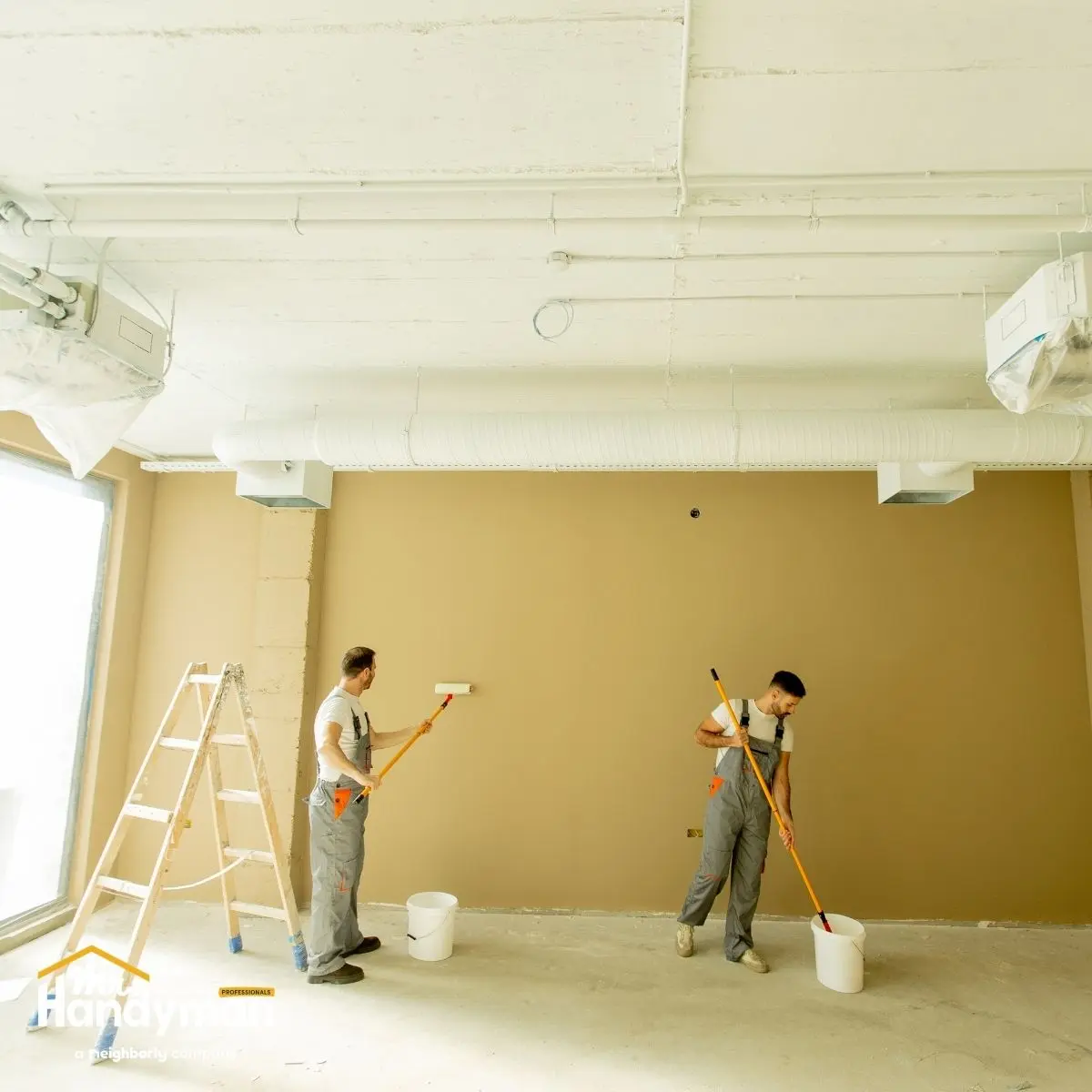
Different types of wall and ceiling damage require different repair approaches. Understanding these categories helps you plan repairs effectively and communicate with contractors about what's needed.
Impact damage from equipment creates dents and holes that need patching and refinishing. Small dents can often be filled with spackle or joint compound, sanded smooth, and painted. Holes larger than a few inches require drywall patches—cutting out damaged sections, installing new drywall, taping and mudding seams, and finishing to match surrounding surfaces. Gyms in Murfreesboro, Smyrna, and La Vergne with weight rooms and functional training areas should budget for regular impact damage repairs as part of routine maintenance.
Water damage creates stains, texture deterioration, and potential mold issues. Water-damaged ceilings often need more than just paint—damaged drywall or ceiling tiles may need replacement, and the moisture source must be identified and fixed. Painting over water stains without proper prep and stain-blocking primer results in stains bleeding through and reappearing. Professional repairs involve fixing leaks, replacing damaged materials, priming with stain-blocking products, and repainting.
Surface damage from scuffs, marks, and general wear requires cleaning and repainting. Many scuffs can be removed with appropriate cleaning products before resorting to paint. When repainting is necessary, proper surface prep—cleaning, light sanding, and priming—ensures good adhesion and long-lasting results. High-traffic areas benefit from more durable paint products and finishes that resist marking and are easier to clean.
Paint failure from moisture, poor prep, or low-quality products requires surface correction before repainting. Peeling paint must be scraped and sanded to sound surfaces. The cause of failure—moisture infiltration, inadequate ventilation, or incompatible products—must be addressed. Repriming and repainting with appropriate products for gym environments prevents recurring failures. Properties in Franklin, Brentwood, and Nashville with locker rooms and pool areas need moisture-resistant paints specifically formulated for high-humidity environments.
Mold and mildew require cleaning, treatment, and prevention measures. Surface mold on painted walls can be cleaned with appropriate antimicrobial products. Affected areas should be treated with mold-killing solutions, allowed to dry completely, and repainted with mold-resistant paint. Addressing ventilation and humidity control prevents recurrence.
Texture matching and finish consistency matter for professional results. Gyms with textured walls or ceilings need repairs that match existing texture—knockdown, orange peel, or smooth finishes. Mismatched textures advertise repairs and look unprofessional. Color matching also matters—paint fades over time, and touching up with the original color often doesn't match. Sometimes entire walls or sections need repainting to achieve consistent appearance.
Scheduling Repairs to Minimize Member Impact
Gym repairs require balancing maintenance needs with operational demands. Scheduling repairs strategically minimizes disruption and maintains member satisfaction.
Off-hours and overnight work allows repairs without affecting peak member traffic. Many wall and ceiling repairs can be completed during late evening or early morning hours when gyms are closed or have minimal traffic. Painting, patching, and finishing work that creates fumes or requires area access restrictions should be scheduled during these periods. Gyms in Murfreesboro, Franklin, and Nashville with 24-hour operations need particularly careful scheduling to minimize impact.
Sectional approaches allow partial area closures rather than full gym shutdowns. Instead of closing the entire facility, close and repair one zone at a time. Repair the free weight area one day, cardio area another, and studios on subsequent days. This keeps most of the gym operational and reduces revenue impact. Members tolerate temporary inconveniences if they understand repairs are improving their experience.
Seasonal timing affects scheduling feasibility. Summer months when membership usage often dips slightly can be good timing for more extensive repairs. Holiday periods when members travel also create opportunities. Avoid scheduling major repairs during January when New Year's resolution crowds peak or during other high-traffic periods.
Communicate with members about repairs and timelines. Explain what's being done, why it matters, and when areas will reopen. Members appreciate transparency and tolerate disruptions better when they understand improvements are being made. Social media posts, email updates, and in-gym signage keep members informed and manage expectations.
Emergency repairs take priority regardless of scheduling convenience. Active water leaks, safety hazards, or damage that creates liability risks need immediate attention even if it disrupts operations. Member safety and facility protection outweigh convenience concerns.
Preventative Measures That Reduce Future Damage
While some wall and ceiling damage is inevitable in gym environments, preventative measures reduce frequency and severity of problems.
Install wall protection in high-impact zones. Gym-specific wall protection products—rubber bumpers, protective panels, corner guards—absorb impacts from equipment and prevent drywall damage. Areas where barbells, machines, or equipment might contact walls should have appropriate protection. This is particularly important in functional training areas, CrossFit boxes, and anywhere equipment is moved regularly. Properties in Smyrna, La Vergne, and Shelbyville with intense training environments should prioritize wall protection as infrastructure investment.
Use durable, washable paint and finishes in high-traffic areas. Commercial-grade paints with higher sheen levels—satin or semi-gloss—resist scuffing and are easier to clean than flat finishes. Moisture-resistant and mold-resistant paints in locker rooms and pool areas prevent common failure modes. Investing in quality paint products reduces repainting frequency and maintains appearance longer.
Control humidity and improve ventilation in moisture-prone areas. Locker rooms, showers, and pool areas need adequate ventilation to remove moisture and prevent conditions that cause mold, mildew, and paint failure. Exhaust fans, HVAC systems, and dehumidifiers control humidity and protect surfaces. Gyms in Franklin, Brentwood, and Green Hills should monitor humidity levels and maintain systems that keep them below 60 percent.
Implement member education about equipment handling and gym etiquette. Teaching members to control weights, avoid slamming equipment, and use designated areas for high-impact exercises reduces damage. Staff training on proper equipment movement and placement prevents accidental wall and ceiling impacts during setup and cleaning.
Regular cleaning and touch-up maintenance prevents minor issues from becoming major problems. Establishing weekly or monthly schedules for washing walls, touching up paint, and addressing small damage keeps surfaces looking fresh and prevents accumulation of visible wear.
Address root causes of recurring damage rather than just repairing symptoms. If the same wall area repeatedly gets damaged, analyze why and implement solutions—equipment placement changes, additional protection, or member behavior modifications. If ceilings repeatedly develop water stains, invest in roof repairs rather than endlessly patching and repainting.
When Professional Help Makes Sense vs. In-House Repairs
Some wall and ceiling repairs are straightforward enough for gym staff or handyman services. Others require professional drywall contractors or painters who can deliver quality results that match existing finishes.
In-house or handyman repairs work for small holes and dents, touch-up painting in limited areas, cleaning and minor scuff removal, and installing protective products like corner guards. If you have staff with basic handyman skills and appropriate tools, these repairs can be handled without contracting professionals. Properties in Murfreesboro, Smyrna, and La Vergne with maintenance staff can handle routine repairs as part of regular facility upkeep.
Professional contractors are necessary for extensive water damage requiring drywall replacement, large areas needing repainting for consistent finish, texture matching on walls and ceilings, mold remediation beyond surface cleaning, and repairs in areas where quality affects brand image significantly. Professional work costs more but delivers results that look professional rather than obviously patched.
The decision often comes down to visibility and scale. Damage in back-of-house areas or small repairs can often be handled in-house. Damage in member-facing areas, large projects, or repairs requiring specialized skills justify professional contractors. Consider the cost of poor results—amateur repairs that look bad actually harm brand image more than leaving damage temporarily while you arrange professional work.
Get multiple quotes for larger projects and verify contractors have experience in commercial gym environments. Gym conditions—humidity, high use, specific products needed—require understanding that not all painting or drywall contractors have.
Frequently Asked Questions
How often should gym walls and ceilings be repainted?
High-traffic areas need repainting every 2-3 years. Lower-traffic areas can go 4-5 years. Assess based on visible wear rather than fixed schedules.
What paint products work best in gym environments?
Commercial-grade paints with satin or semi-gloss finishes resist wear and clean easily. Use moisture-resistant and mold-resistant formulations in locker rooms and high-humidity areas.
Can I paint over water stains or do I need to replace the ceiling?
Depends on damage extent. Minor stains can be painted over with stain-blocking primer. Extensive damage, sagging, or texture deterioration requires replacement.
How do I prevent wall damage in weight rooms?
Install wall protection products, maintain equipment properly, educate members about controlled lifting, and position equipment to minimize wall contact.
Should I match existing paint colors or repaint entire walls?
Matching faded paint is difficult. For professional results, repaint entire walls or sections rather than spot-touching. This ensures consistent color and finish.
What's the average cost to repair gym wall and ceiling damage?
Small repairs run $200-$500. Repainting rooms costs $1,000-$3,000 depending on size. Extensive water damage or large projects cost significantly more.
Protect Your Brand Through Facility Maintenance
Wall and ceiling condition directly impacts member perception, retention, and your ability to attract new customers. Addressing damage promptly, implementing preventative measures, and maintaining professional appearance differentiates your gym in competitive markets.
If you're in Murfreesboro, Franklin, Brentwood, Smyrna, Shelbyville, La Vergne, Bellevue, Christiana, Nashville, Belle Meade, Clarksville, Ashland City, Green Hills, Dickson, Antioch, Berry Hill, or any of the surrounding areas, Mr. Handyman of Murfreesboro, Franklin, and Brentwood and Mr. Handyman of West Nashville, Belle Meade, and Clarksville can help you assess wall and ceiling damage, prioritize repairs, and implement solutions that protect your brand image.
Call or visit Mr. Handyman of Murfreesboro, Franklin, and Brentwood or Mr. Handyman of West Nashville, Belle Meade, and Clarksville to schedule a consultation.
