Gym flooring takes more abuse than almost any other commercial surface. Heavy equipment, dropped weights, constant foot traffic, sweat, moisture, and repetitive impact create conditions that stress flooring materials beyond their limits. Over time, this abuse creates hidden safety risks that put members, staff, and your business at serious risk. Damaged flooring doesn't always look dangerous—a small crack, a loose seam, a worn patch—but these seemingly minor issues cause trips, falls, equipment instability, and injuries that result in lawsuits, insurance claims, and damage to your gym's reputation.
For gym owners and facility managers in Murfreesboro, Franklin, Brentwood, Nashville, and Clarksville, flooring maintenance isn't optional—it's liability protection. A member who trips on lifted rubber flooring and tears an ACL files a lawsuit. An employee who slips on worn, smooth flooring in a high-traffic area gets workers' compensation. A piece of equipment that rocks on uneven flooring causes injury when weights shift unexpectedly. These aren't hypothetical scenarios—they happen in gyms with damaged flooring that wasn't maintained or repaired promptly.
Gym flooring in Middle Tennessee facilities—whether rubber, foam, vinyl, or specialized athletic surfaces—shows predictable wear patterns tied to how the space is used. Weight rooms with heavy free weights and equipment develop compression damage, cracks, and surface deterioration. Cardio areas with treadmills and bikes show wear from constant foot traffic and equipment vibration. Group fitness studios with high-impact classes develop surface smoothing and loss of traction. Understanding these patterns and implementing regular maintenance prevents injuries, extends flooring life, and protects your business from liability.
The cost of flooring maintenance is trivial compared to the cost of injuries. A single personal injury lawsuit can exceed six figures. Workers' compensation claims, increased insurance premiums, member cancellations, and negative reviews all result from preventable flooring failures. Regular inspection, prompt repairs, and systematic maintenance eliminate these risks and create safer environments where members feel confident and protected.
How Damaged Gym Flooring Creates Injury Risks
Gym flooring fails in predictable ways, and each type of damage creates specific injury risks. Understanding these failure modes helps you identify problems before they cause accidents.
Lifted or loose flooring tiles and seams are among the most dangerous issues. Rubber tiles that separate from the substrate or interlock seams that come apart create edges and ridges that catch feet and cause trips. Members walking between equipment, moving quickly during workouts, or focused on exercises rather than watching their feet are particularly vulnerable. A lifted edge that's only a quarter-inch high is enough to cause someone to stumble, especially when they're fatigued or carrying weights.
Gyms in Murfreesboro, Franklin, and Brentwood with rubber tile or interlocking flooring should inspect seams and edges regularly. High-traffic pathways between equipment zones, entrance areas, and transitions between flooring types are where lifting and separation occur first. Adhesive failures, substrate moisture, and improper installation all contribute to loose flooring that creates hazards.
Cracks and tears in flooring allow debris, moisture, and equipment edges to create uneven surfaces. A crack in rubber flooring may seem cosmetic, but it collects dirt and moisture, widens with continued use, and eventually creates a depression or raised edge. Equipment wheels catch in cracks, causing machines to rock or tip. Members trip when their shoes catch torn edges during exercises like burpees, lunges, or agility drills.
Surface smoothing and loss of traction happen gradually but create serious slip risks. Gym flooring is designed with texture that provides traction even when wet. Over time, foot traffic, equipment movement, and cleaning wear down this texture, creating smooth, slippery surfaces. This is particularly dangerous in areas where members sweat heavily or where water is tracked in from showers and pools. Properties in Smyrna, La Vergne, and Shelbyville with high-use areas should monitor surface texture and replace sections that have become smooth.
Compression and deformation under heavy equipment make floors uneven and unstable. Free weight areas where barbells and dumbbells are repeatedly dropped develop permanent compression damage. Flooring compresses, doesn't recover, and creates low spots where equipment doesn't sit level. Benches, racks, and machines placed on compressed flooring rock and shift, which affects exercise safety and equipment longevity.
Moisture damage and mold growth beneath flooring create health hazards and structural failures. Gyms generate moisture from sweat, spills, and cleaning. If flooring isn't properly sealed or if substrate moisture barriers fail, water accumulates beneath flooring and creates mold, mildew, and adhesive failure. This not only damages flooring but also creates air quality issues and unpleasant odors that drive members away.
Common Areas Where Gym Flooring Fails First
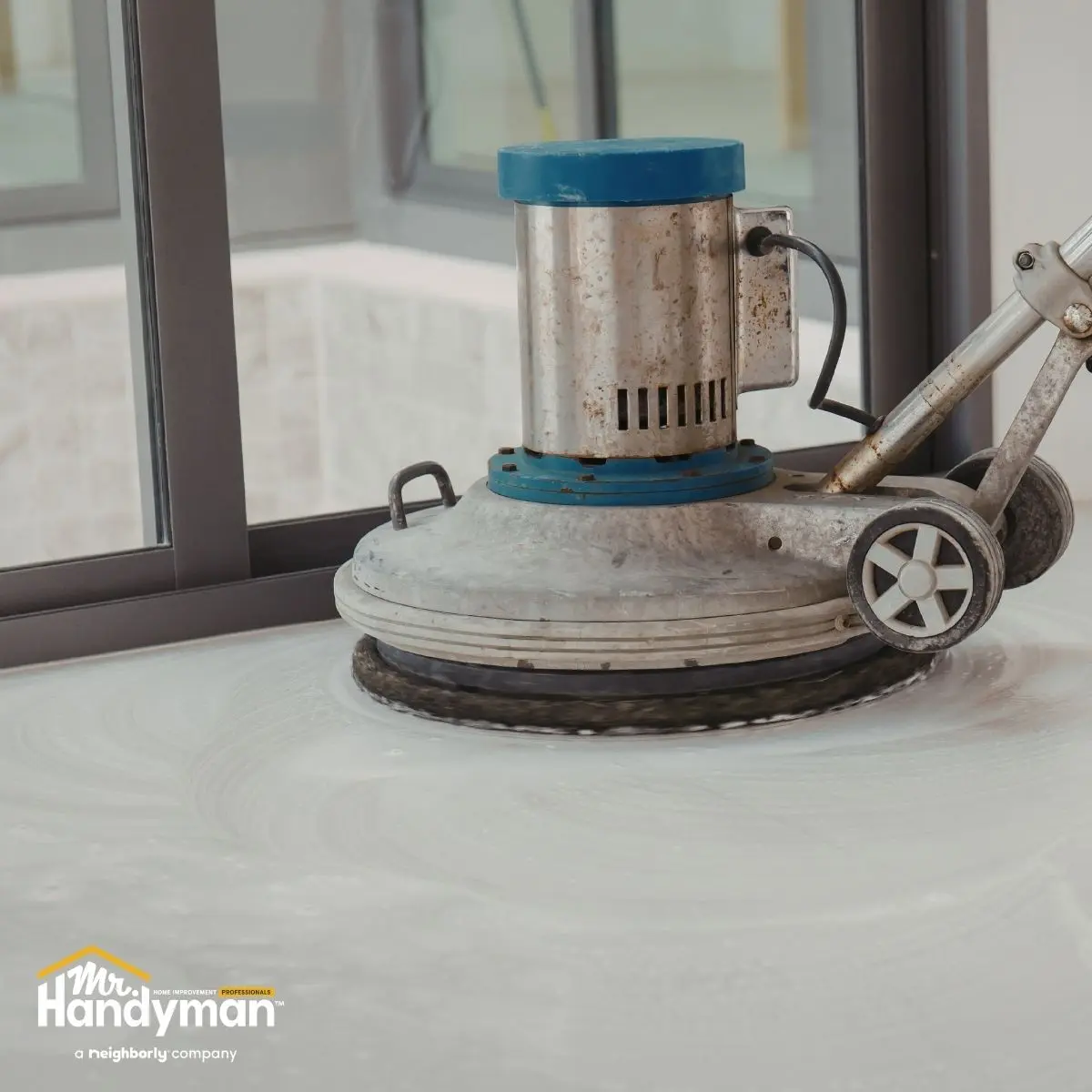
Not all gym flooring wears evenly. Certain areas experience concentrated stress and show damage first. Focusing maintenance on these high-risk zones prevents most flooring-related injuries.
Weight room free weight zones take the most abuse. Areas where members drop barbells, dumbbells, and plates experience repeated high-impact forces that compress and crack flooring. Even specialized weight room flooring designed for impact has limits, and improper dropping techniques or inadequate flooring thickness accelerates damage. Gyms in Nashville, Franklin, and Brentwood should inspect free weight areas weekly for cracks, compression, and surface damage.
Cardio equipment zones see constant foot traffic and equipment vibration. Treadmills, ellipticals, and bikes generate vibration that loosens flooring adhesive over time. Members stepping on and off equipment create concentrated wear patterns. Sweat drips onto flooring and penetrates seams if not cleaned promptly. These areas need frequent inspection for loose tiles, worn surfaces, and moisture damage.
Group fitness studios experience different stresses. High-impact classes—boot camps, HIIT, dance fitness—create concentrated wear in the center of studios where most activity occurs. Flooring loses traction from sweat and repeated foot strikes. Members performing jumps, lunges, and floor exercises in the same areas wear through protective coatings and create smooth, slippery spots.
Entryways and transition zones between different flooring types are trip hazard hotspots. Members entering from outdoors track in moisture, dirt, and debris that makes flooring slippery. Transitions between rubber flooring and carpet, tile, or concrete create height differences that cause trips if not properly ramped or if flooring has lifted or separated. Properties in Bellevue, Green Hills, and Dickson should install appropriate transition strips and maintain them carefully.
Locker room and shower areas have unique challenges. Constant moisture exposure damages flooring adhesives and creates slip hazards. Members walking barefoot are vulnerable to slips on wet surfaces. Flooring in these areas needs to be specifically designed for wet environments and maintained with products that preserve traction.
Equipment storage and high-traffic pathways develop wear from equipment wheels and constant foot traffic. Moving equipment racks, weight trees, and cleaning carts concentrate forces on small flooring areas and accelerate wear. Pathways that members use to move between zones become worn and smooth faster than surrounding areas.
The Legal and Financial Consequences of Flooring-Related Injuries
Gym owners face significant liability when flooring failures cause injuries. Understanding the legal and financial risks motivates proper maintenance and documentation.
Personal injury lawsuits from member injuries can devastate small gym businesses. If a member is injured due to flooring that was visibly damaged or that the gym should have known was hazardous, negligence claims succeed and result in substantial settlements or judgments. Defense costs alone—legal fees, expert witnesses, depositions—run tens of thousands of dollars even if you win. Settlements or judgments can reach six or seven figures for serious injuries.
Gyms in Murfreesboro, Franklin, and Nashville must maintain documentation of flooring inspections, maintenance, and repairs. Courts evaluate whether gyms exercised reasonable care to identify and fix hazards. Regular documented inspections demonstrate due diligence. Failure to inspect or ignoring known hazards strengthens plaintiff claims.
Workers' compensation claims arise when employees are injured by flooring hazards. Trainers, cleaning staff, and front desk employees work in gyms daily and are exposed to flooring risks. A workers' comp claim affects your insurance rates and experience modification factor, which increases costs for years. Serious injuries can result in permanent disability claims that cost hundreds of thousands over time.
Insurance premium increases follow injury claims. Multiple claims or serious injuries signal risk to insurers, who respond with higher premiums or policy non-renewal. Some gyms become uninsurable through standard markets and must seek coverage through expensive surplus lines carriers.
Member cancellations and negative reviews damage revenue and reputation. Members who witness injuries or feel unsafe due to obvious flooring damage cancel memberships and warn others. Online reviews mentioning unsafe conditions deter potential new members. The revenue loss from reputation damage often exceeds direct injury costs.
Inspection Protocols That Catch Problems Early
Regular systematic inspections identify flooring problems before they cause injuries. Implementing consistent protocols creates documentation and ensures issues don't go unnoticed.
Daily walk-throughs by staff should check for obvious hazards—lifted tiles, torn sections, spills, and debris. Front desk staff, trainers, and cleaning crews should report any flooring issues immediately. This doesn't require specialized knowledge—just awareness and a reporting system that ensures issues get addressed. Gyms in Smyrna, La Vergne, and Shelbyville should train all staff to recognize and report flooring hazards.
Weekly detailed inspections by facility managers should document flooring condition systematically. Walk the entire facility and examine high-risk areas closely. Check seams for separation, surfaces for cracks or wear, and high-impact zones for compression. Test that tiles are securely adhered by attempting to lift edges. Document findings with photos and notes. This creates records that demonstrate due diligence and tracks how problems develop over time.
Monthly maintenance reviews should assess whether wear patterns are accelerating and whether repairs are keeping pace with damage. Compare current condition to previous inspections and identify areas where deterioration is progressing faster than expected. This informs decisions about whether more frequent repairs, protective measures, or flooring replacement is needed.
Professional annual inspections by flooring contractors provide expert assessment of condition, remaining life expectancy, and recommended maintenance. Contractors see problems that untrained eyes miss and can advise on whether repairs are adequate or whether sections need replacement. Properties in Franklin, Brentwood, and Nashville should schedule annual professional inspections and maintain records of recommendations and actions taken.
Document everything. Inspection logs, photos, repair records, and contractor reports create the documentation trail that demonstrates reasonable care. In litigation, documentation often determines outcomes. Gyms without inspection records struggle to prove they weren't negligent.
Maintenance Practices That Extend Flooring Life and Prevent Damage
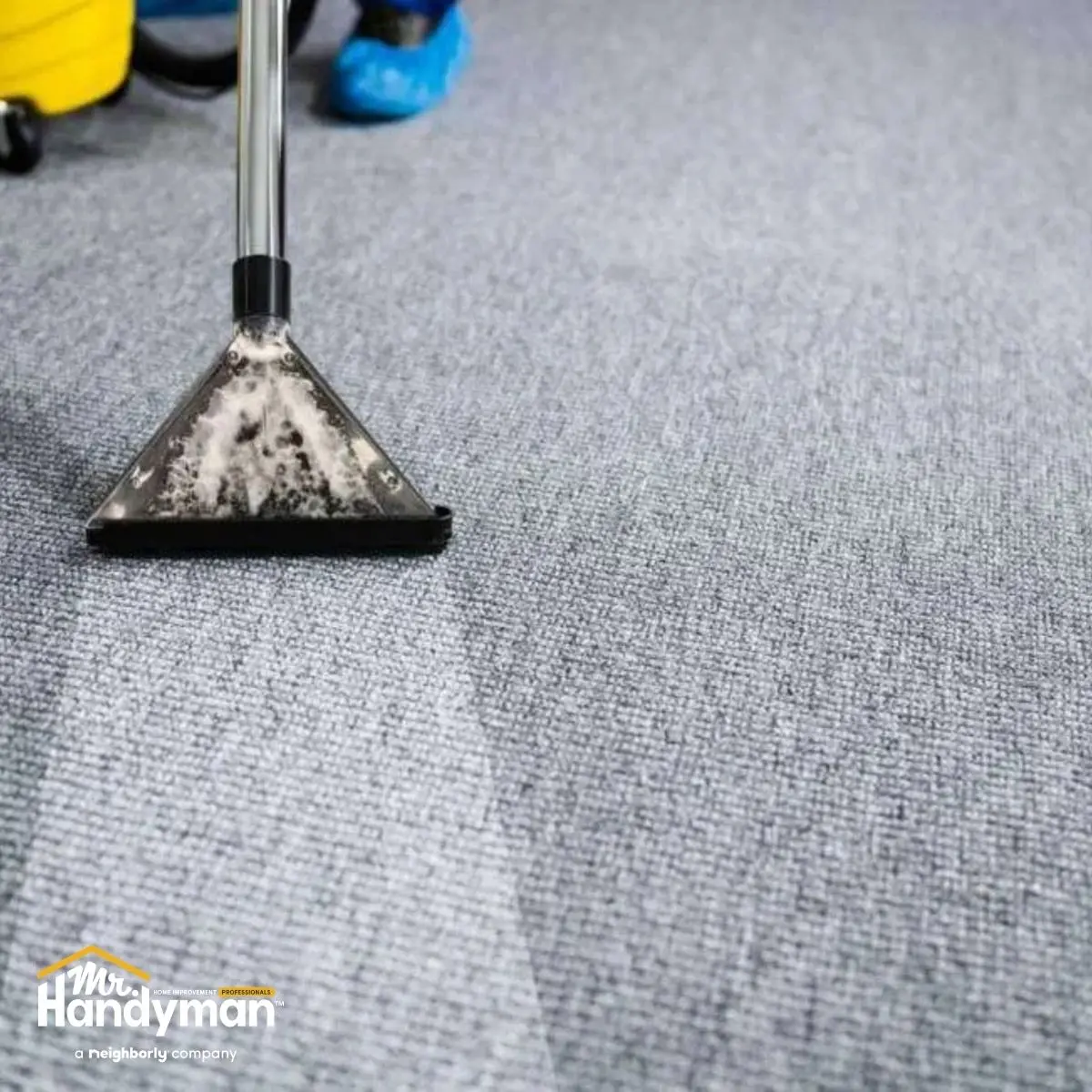
Proper maintenance prevents most flooring failures and extends useful life significantly. Implementing these practices reduces injury risk and defers expensive replacement costs.
Clean flooring daily with appropriate products and methods. Gym flooring needs regular cleaning to remove sweat, dirt, and debris that accelerate wear and create slip hazards. Use pH-neutral cleaners designed for gym flooring—harsh chemicals damage rubber and vinyl surfaces and degrade adhesives. Avoid excessive water that can penetrate seams and damage substrates. Gyms in Murfreesboro, Franklin, and Nashville should establish daily cleaning protocols that address high-use areas.
Protect flooring in heavy-use zones with mats or additional layers. Areas under squat racks, deadlift platforms, and heavy equipment should have extra protection—thicker flooring, shock-absorbing mats, or platforms that distribute impact forces. This prevents compression damage and extends flooring life in zones that take the most abuse.
Repair damage promptly. Small issues become large problems if ignored. A lifting tile edge is easy to re-adhere when discovered. If left, it lifts further, gets torn, and eventually requires tile replacement. Cracks that are patched immediately don't widen and create trip hazards. Properties in Bellevue, Green Hills, and Dickson should establish same-day or next-day repair protocols for identified hazards.
Maintain proper humidity and temperature. Gym environments with extreme humidity or temperature fluctuations stress flooring materials and adhesives. HVAC systems should maintain consistent conditions that prevent flooring from expanding, contracting, or experiencing adhesive failures. Basements and lower-level gyms need dehumidification to control moisture that damages flooring from below.
Educate members on proper equipment use. Teach members to return weights to racks rather than dropping them unnecessarily. Provide designated deadlift and Olympic lifting areas with appropriate flooring rather than allowing drops throughout the facility. Member education reduces abusive behavior that damages flooring.
Resurface or recoat flooring before protective layers wear through. Many gym flooring products have protective coatings or finishes that wear away over time. Reapplying these finishes before underlying material is exposed prevents accelerated wear and maintains traction. This is far less expensive than replacing flooring that's been damaged by lack of maintenance.
When Repair Isn't Enough: Knowing When to Replace Flooring
Even well-maintained flooring eventually reaches the end of useful life. Knowing when repair is no longer adequate and replacement is necessary prevents injuries and reduces long-term costs.
Widespread damage across large areas indicates systemic failure. If more than 20 to 30 percent of flooring in a zone shows significant wear, compression, or damage, replacement is more cost-effective than ongoing repairs. Constantly patching deteriorating flooring is expensive and doesn't address underlying problems.
Loss of structural integrity and cushioning means flooring no longer provides protection. Gym flooring is designed to absorb impact and provide joint protection. Over time, materials compress, lose resilience, and no longer cushion effectively. Flooring that's hard, brittle, or has lost shock absorption should be replaced to maintain safe exercise environments.
Adhesive failure and substrate damage require replacement. If flooring is lifting extensively, if moisture has damaged substrates, or if mold growth is occurring beneath flooring, surface repairs don't solve the problem. The entire assembly—flooring, adhesive, and potentially substrate—needs replacement. Properties in Murfreesboro, Smyrna, and La Vergne with chronic moisture issues should address root causes before replacing flooring.
Obsolete or discontinued products make repairs impossible. If your gym has flooring that's no longer manufactured, finding matching replacement tiles for repairs becomes difficult or impossible. Mismatched repairs create trip hazards and look unprofessional. At some point, complete replacement with current products makes more sense.
Member complaints and visible deterioration signal it's time. If members are commenting on flooring condition, avoiding certain areas, or expressing safety concerns, the flooring has crossed from functional to problematic. Visible deterioration affects gym perception and drives members away. Replacement becomes a marketing investment as much as a maintenance issue.
Frequently Asked Questions
How often should gym flooring be professionally inspected?
At minimum annually, with more frequent inspections for high-traffic facilities. Daily staff checks and weekly manager inspections supplement professional assessments.
What's the average lifespan of gym flooring?
Depends on product quality and use intensity. Quality rubber flooring lasts 10 to 15 years in moderate-use areas, 5 to 10 years in heavy-impact zones. Proper maintenance extends life significantly.
Can I repair gym flooring myself or should I hire professionals?
Simple repairs—re-adhering lifted tiles, filling small cracks—can be DIY if you have appropriate products. Extensive damage, substrate issues, or large-area repairs require professional flooring contractors.
What documentation should I maintain for liability protection?
Keep inspection logs with dates and findings, photos of conditions and repairs, work orders and contractor invoices, incident reports when injuries occur, and maintenance schedules showing regular care.
How much does gym flooring replacement cost?
Varies by product and area size. Budget $5 to $15 per square foot installed for quality rubber flooring. Specialized athletic surfaces cost more. Get quotes from contractors familiar with gym environments.
What are signs that flooring needs immediate attention?
Lifted edges or loose tiles, cracks or tears creating trip hazards, smooth surfaces that are slippery when wet, compression that makes equipment unstable, and moisture damage or odors indicating underlying problems.
Protect Your Members and Your Business
Gym flooring maintenance isn't just about appearance—it's about preventing injuries that devastate members and destroy businesses. Regular inspections, prompt repairs, and systematic maintenance eliminate hidden risks and create safe environments where members train confidently.
If you're in Murfreesboro, Franklin, Brentwood, Smyrna, Shelbyville, La Vergne, Bellevue, Christiana, Nashville, Belle Meade, Clarksville, Ashland City, Green Hills, Dickson, Antioch, Berry Hill, or any of the surrounding areas, Mr. Handyman of Murfreesboro, Franklin, and Brentwood and Mr. Handyman of West Nashville, Belle Meade, and Clarksville can help you assess flooring condition, make necessary repairs, and implement maintenance programs that protect your facility.
Call us or visit Mr. Handyman of Murfreesboro, Franklin, and Brentwood or Mr. Handyman of West Nashville, Belle Meade, and Clarksville to schedule a consultation.