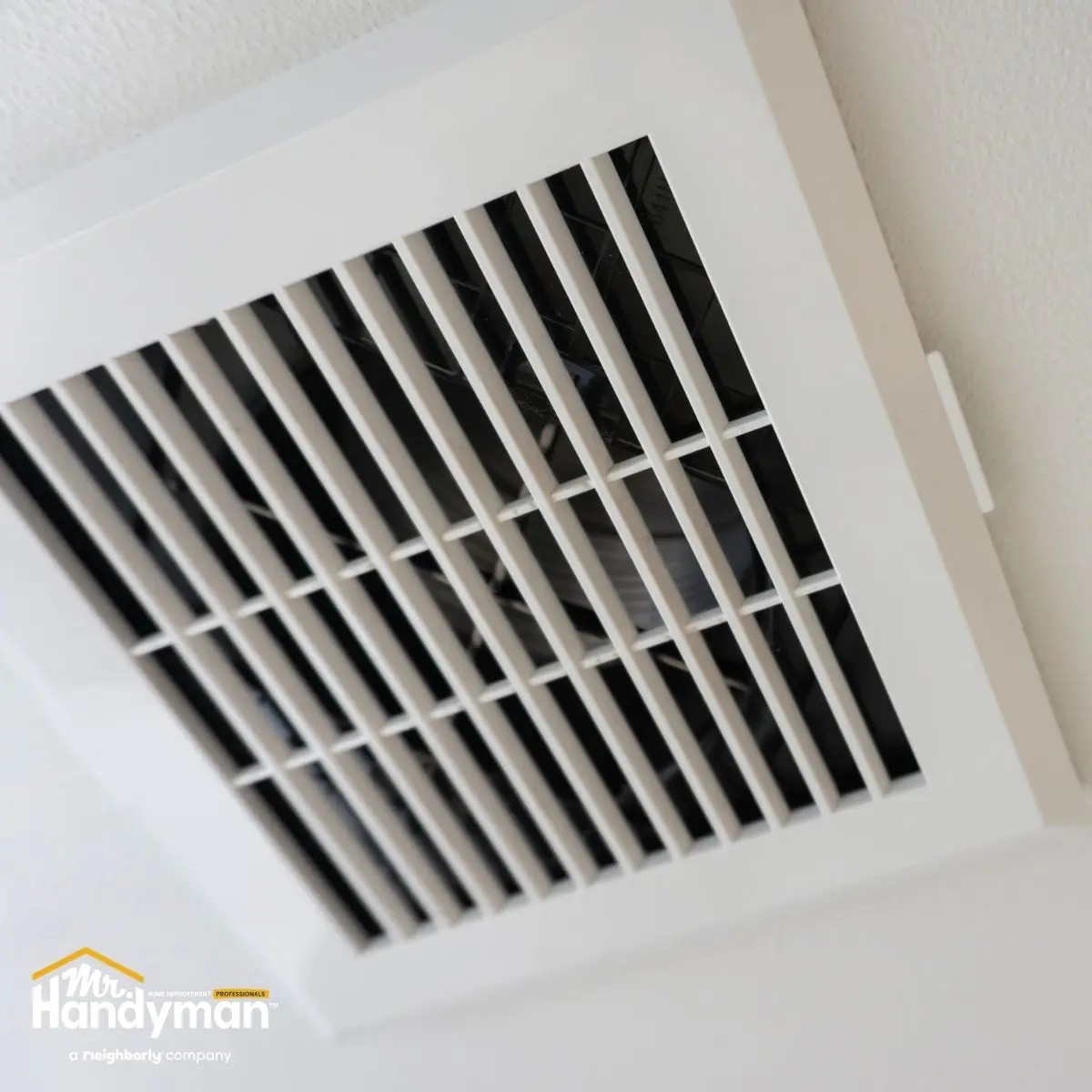
Walk into a well-run fitness facility and you notice it immediately—the air feels fresh, the temperature is comfortable, and the space feels clean even when it's full of people working hard. Walk into a poorly maintained one and you notice that too, just as quickly. Stale air, inconsistent temperatures, and that unmistakable smell that builds up when ventilation isn't keeping pace with occupancy are all signs of an HVAC system that isn't doing its job. In a fitness or wellness center, that's not just an inconvenience—it's a health risk, a member retention problem, and a liability concern all at once.
For fitness facility owners and managers in Murfreesboro, Franklin, Brentwood, West Nashville, Belle Meade, and Clarksville, HVAC maintenance isn't a back-office concern that gets attention only when something breaks. It's a core operational responsibility that directly affects the air quality members breathe during intense physical exertion, the comfort of the environment they choose to spend time in, and the long-term condition of the building and equipment inside it. Getting it right requires understanding what a commercial fitness HVAC system actually does, how it ages, and why the demands placed on it in a gym environment are fundamentally different from those in any other type of commercial space.
Middle Tennessee's climate adds its own layer of complexity. Hot, humid summers push cooling systems to their limits for months at a time. Mild but unpredictable winters require heating systems to respond quickly to temperature swings. Spring and fall bring pollen and allergens that challenge filtration systems. A fitness facility operating in this region without a proactive HVAC maintenance program is managing a system that's under significant, sustained stress without the support it needs to perform reliably.
Why Fitness Facilities Place Unique Demands on HVAC Systems
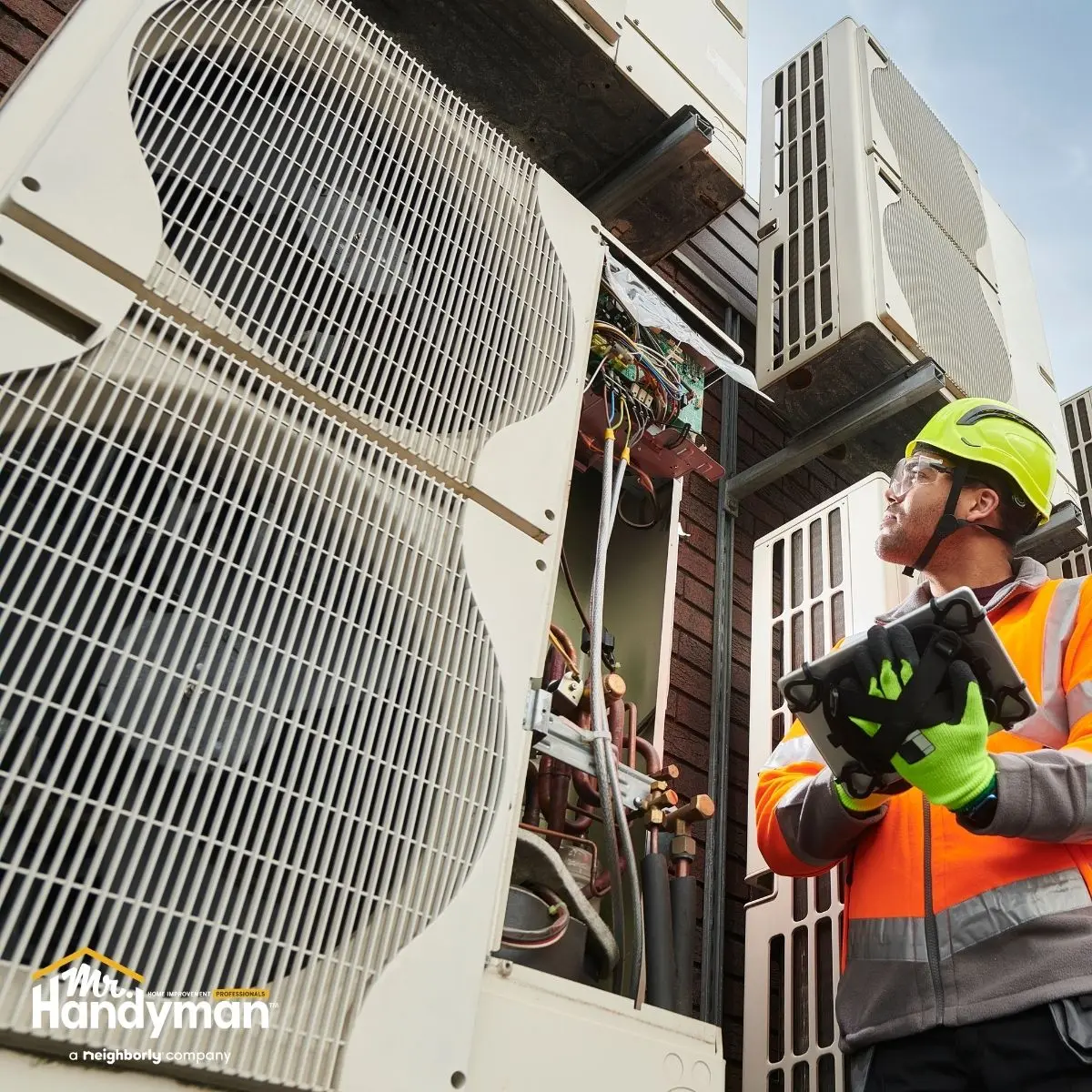
Commercial HVAC systems are designed to manage air quality and temperature in occupied spaces, but not all occupied spaces are alike. A fitness facility places demands on its HVAC system that are fundamentally different from an office building, a retail store, or even a restaurant. Understanding those differences explains why standard commercial maintenance schedules are often insufficient for gym environments and why specialized attention is necessary.
The most obvious difference is the amount of heat and moisture that members generate during exercise. A person exercising at moderate to high intensity produces significantly more body heat and perspiration than a person sitting at a desk or walking through a store. Multiply that by the number of members using a facility during peak hours, and the thermal and moisture load on the HVAC system becomes substantial. Systems that are sized adequately for the building's square footage but not for the occupancy intensity of a gym often struggle to maintain comfortable conditions during busy periods.
Carbon dioxide levels are another critical factor. People exhale carbon dioxide during normal respiration, but the rate increases significantly during exercise. In a crowded gym with inadequate fresh air exchange, CO2 levels can rise to concentrations that cause fatigue, headache, and reduced cognitive function—symptoms that members may attribute to their workout but that are actually signs of poor air quality. Proper ventilation design ensures that fresh outdoor air is continuously introduced to dilute CO2 and other contaminants, but this only works when the system is functioning correctly and maintained on schedule.
Airborne particulates are also a concern specific to fitness environments. Weight rooms generate chalk dust and fine particles from equipment wear. Group fitness studios stir up dust from floor surfaces during high-energy classes. Locker rooms and shower areas generate steam and moisture that, if not properly ventilated, create conditions favorable to mold and mildew growth. Each of these sources places additional demands on filtration systems and requires maintenance protocols that address the specific contaminants present in each zone of the facility.
Older facilities throughout Middle Tennessee—many of which were converted from retail, warehouse, or office spaces—often have HVAC systems that were designed for their original use and were never properly modified to handle the demands of a fitness environment. These systems may be undersized for the occupancy intensity of a gym, may lack the fresh air exchange capacity needed for exercising populations, or may have ductwork layouts that create uneven distribution and dead zones where air quality degrades quickly during busy periods.
The Health Consequences of Poor Air Quality During Exercise
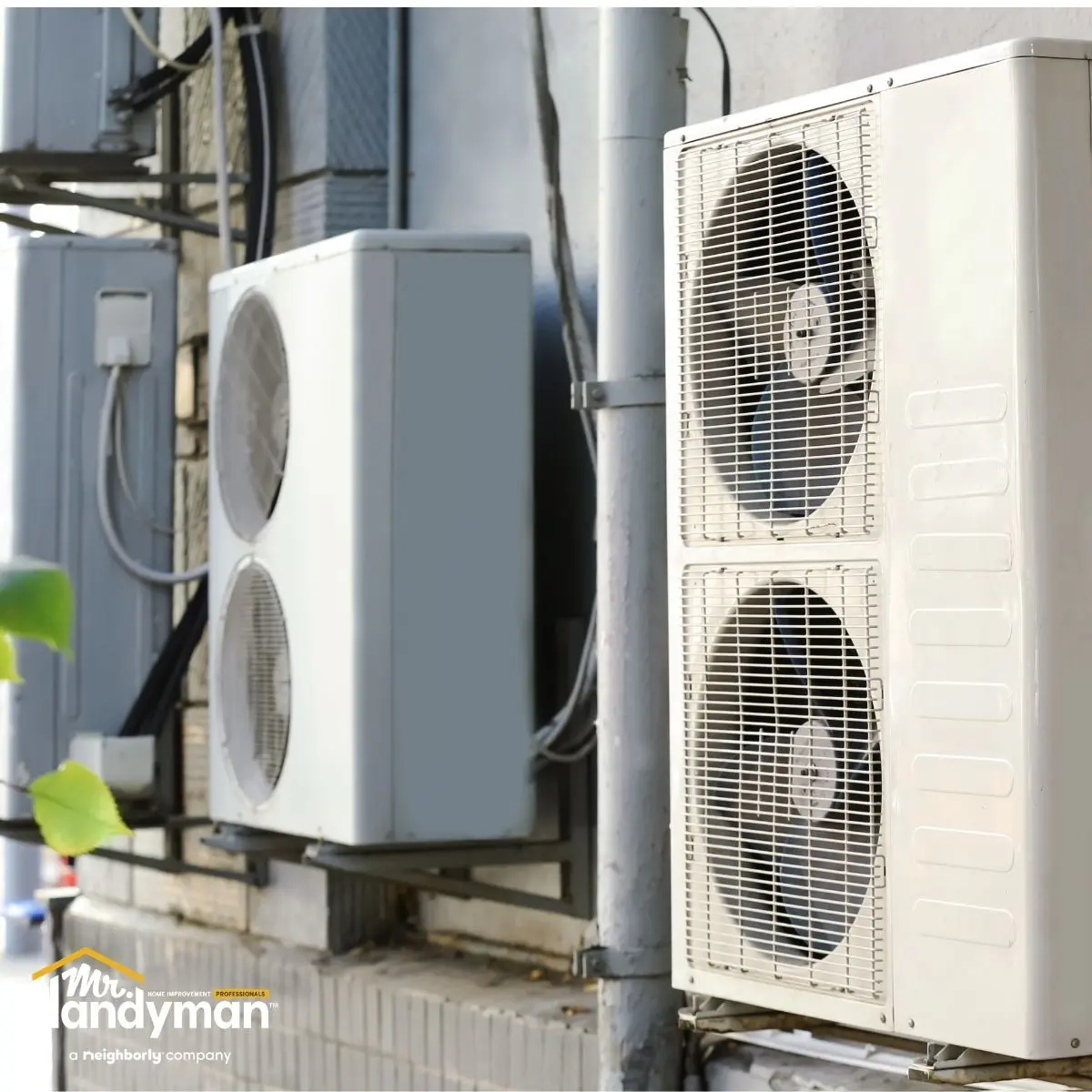
The relationship between air quality and exercise performance is direct and well-established. When people exercise, their breathing rate and depth increase significantly, which means they're inhaling a much larger volume of air than they would at rest. Whatever is in that air—whether clean and fresh or contaminated with pollutants, allergens, or biological agents—gets delivered to the lungs in much greater quantities during exercise than during normal activity.
This amplification effect makes air quality in fitness facilities a more serious health concern than in most other commercial environments. A person spending an hour in a poorly ventilated gym during an intense workout is exposing their respiratory system to a significantly higher dose of whatever contaminants are present in the air than someone sitting in a poorly ventilated office for the same period. For members with asthma, allergies, or other respiratory conditions, this distinction is especially important.
Mold and mildew are among the most serious air quality concerns in fitness facilities. These organisms thrive in warm, humid environments with inadequate air circulation—a description that fits many poorly maintained gym locker rooms, shower areas, and pool decks. Mold spores become airborne and circulate through the HVAC system, spreading contamination to other areas of the facility and exposing members to allergens and, in some cases, more serious respiratory irritants. Once mold establishes itself in a facility's ductwork or air handling units, remediation is expensive and disruptive. Preventing the conditions that allow mold to develop is far more practical than dealing with an established contamination problem.
Volatile organic compounds, or VOCs, are another concern that's often overlooked in fitness environments. Cleaning products used to sanitize equipment and floors, rubber flooring off-gassing in new or recently installed surfaces, and adhesives used in equipment upholstery all contribute VOCs to the indoor air. Adequate fresh air ventilation dilutes these compounds and prevents them from accumulating to levels that cause irritation or health effects. When ventilation is inadequate, VOC concentrations build up during the day and can reach levels that members notice as eye irritation, throat irritation, or headache—symptoms that reflect poorly on the facility even when their source isn't immediately obvious.
Temperature consistency is a dimension of HVAC performance that directly affects member comfort and retention. Members who are too hot during workouts perform less effectively and leave earlier. Members who are too cold in locker rooms or stretching areas have a consistently negative experience. Zones of a facility that are consistently uncomfortable—whether too warm, too cold, or too humid—become areas that members avoid, which affects how they use the space and how satisfied they are with their membership overall.
What a Commercial Fitness HVAC Maintenance Program Actually Includes
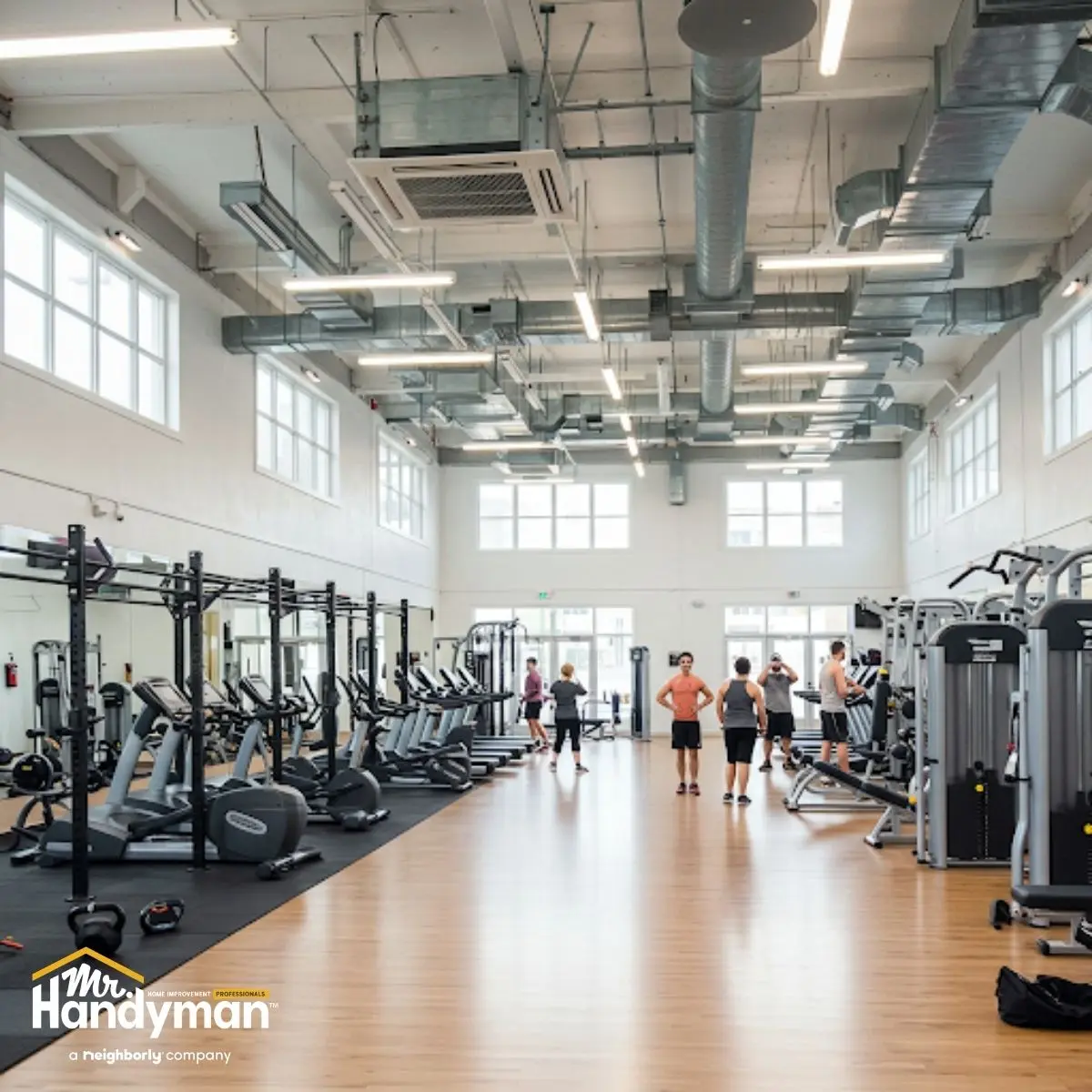
Professional HVAC maintenance for a commercial fitness facility goes well beyond the filter changes and visual inspections that many facility operators mistake for a complete maintenance program. A truly comprehensive program addresses every component of the system on a schedule that reflects the specific demands of a gym environment, documents what's been done, and identifies emerging issues before they become failures.
Filter maintenance is the foundation of any HVAC program, but it requires more frequent attention in fitness facilities than in most other commercial settings. Standard commercial maintenance schedules often recommend filter changes every three to six months. In a busy gym environment, filters accumulate particulates, biological material, and moisture much faster and should typically be inspected monthly and replaced more frequently than standard schedules suggest. Using filters with appropriate MERV ratings for fitness environments—high enough to capture the particulates present without restricting airflow beyond the system's design capacity—is a technical decision that requires knowledge of the specific system and its performance characteristics.
Coil cleaning is one of the most impactful but most frequently neglected elements of HVAC maintenance. Evaporator and condenser coils accumulate dirt and biological growth over time, which reduces their ability to transfer heat efficiently. A coil that's even partially fouled forces the system to work harder to achieve the same temperature control, increasing energy consumption and accelerating wear on compressors and other mechanical components. In a fitness facility's humid environment, biological growth on evaporator coils is especially common and can become a source of airborne contamination if not addressed on schedule.
Ductwork inspection and cleaning is particularly important in older facilities and in spaces that were converted from other uses. Ducts that have never been cleaned accumulate dust, debris, and potentially biological growth that gets distributed throughout the facility every time the system runs. In a fitness environment where members are breathing heavily, the quality of what comes out of those supply vents matters enormously. Professional duct inspection identifies leaks, damage, and accumulation that affect both air quality and system efficiency.
Condensate drain systems require regular inspection and cleaning to prevent blockages that lead to water overflow, moisture damage, and mold growth. Air handling units remove moisture from the air during cooling operation and discharge it through condensate drain lines. When those lines become blocked with algae or debris, water backs up into the unit, overflows into the mechanical room or ceiling space, and creates conditions for significant moisture damage and mold development. This is a straightforward maintenance item that prevents expensive remediation when addressed on schedule.
Refrigerant levels, electrical connections, belts, bearings, and controls all require periodic professional inspection and adjustment to keep a commercial HVAC system operating at peak efficiency. Each of these components ages differently and can develop issues that affect system performance without causing an obvious failure. A system that's operating but not performing correctly—running longer than it should to maintain set temperatures, cycling on and off more frequently than normal, or producing uneven temperatures across zones—is telling you something is wrong. Professional maintenance identifies and corrects these issues before they escalate.
Frequently Asked Questions
How often should a fitness facility's HVAC system be professionally serviced?
Most commercial HVAC systems in fitness facilities benefit from professional service twice per year at minimum—typically in spring before cooling season and in fall before heating season. High-use facilities or those with older systems may need quarterly professional attention in addition to monthly in-house filter checks and visual inspections.
What MERV rating should filters have in a gym environment?
MERV 8 to MERV 11 is generally appropriate for most fitness facility applications. Higher ratings capture smaller particles but restrict airflow more, which can stress systems not designed for high-resistance filtration. The right rating depends on the specific system's design and the air quality concerns present in the facility.
How do I know if my facility has a ventilation problem?
Signs include persistent odors that cleaning doesn't resolve, member complaints about stuffiness or discomfort, visible condensation on windows or walls, mold growth in locker rooms or other areas, and HVAC systems that run continuously without achieving comfortable temperatures. Any of these symptoms warrants a professional assessment.
Can HVAC problems affect my facility's insurance coverage?
Yes. Facilities with documented moisture damage, mold issues, or air quality complaints may face increased premiums or coverage limitations. Maintaining documented records of regular professional HVAC service demonstrates due diligence and supports favorable coverage terms.
What's the relationship between HVAC performance and energy costs?
A well-maintained HVAC system operates more efficiently and consumes less energy than a neglected one. Dirty coils, clogged filters, low refrigerant, and worn components all force the system to work harder and longer to achieve the same results. Regular maintenance typically reduces energy consumption meaningfully and extends equipment lifespan.
Should different zones of a fitness facility have separate HVAC controls?
Ideally yes. Weight rooms, group fitness studios, locker rooms, and reception areas all have different occupancy patterns and comfort requirements. Zoned systems allow each area to be managed independently, improving comfort and reducing energy waste from conditioning unoccupied spaces to the same level as busy ones.
Clean Air Is a Competitive Advantage
In a fitness market as competitive as Middle Tennessee's, every element of the member experience matters. Air quality and thermal comfort are among the most immediately felt aspects of that experience, and members make decisions about where they work out based on how a facility feels from the moment they walk in. A gym that consistently feels fresh, comfortable, and clean has a meaningful advantage over one where air quality is a recurring issue.
Professional HVAC maintenance is what makes that advantage possible and sustainable. It protects member health, reduces energy costs, extends equipment lifespan, and keeps the facility in the kind of condition that members notice and appreciate. For facility owners and managers in Murfreesboro, Franklin, Brentwood, West Nashville, Belle Meade, and Clarksville, investing in a proactive maintenance program is one of the most practical and impactful decisions available.
Call or visit Mr. Handyman of Murfreesboro, Franklin and Brentwood or Mr. Handyman of W. Nashville, Belle Meade, Clarksville to schedule a consultation.
