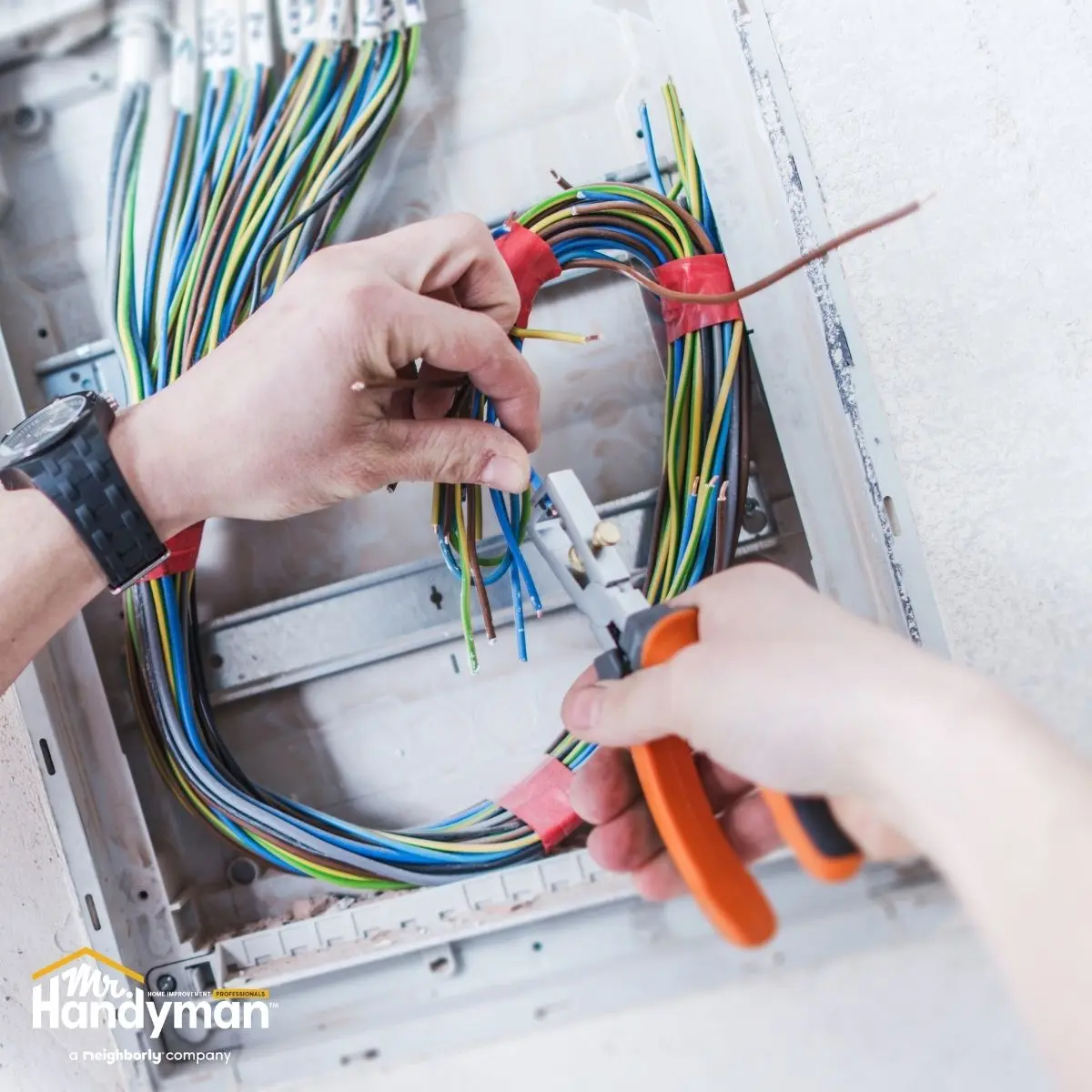
Lighting is one of those elements in a fitness facility that members notice immediately when something is wrong but rarely think about when everything is working correctly. A burned-out bulb over a squat rack, flickering lights in a group fitness studio, or dimly lit locker rooms all send a clear message to members—one that has nothing to do with fitness and everything to do with how well the facility is being managed. Lighting affects safety, mood, performance, and perception in ways that go far deeper than simple visibility.
For fitness facility owners and managers in Murfreesboro, Franklin, Brentwood, West Nashville, Belle Meade, and Clarksville, lighting maintenance isn't a background concern that gets addressed when something breaks. It's an active part of facility management that affects energy costs, member experience, staff safety, and regulatory compliance. Getting it right requires understanding not just how to replace a bulb, but how a facility's entire lighting system functions, ages, and interacts with the demands of a commercial fitness environment.
The fitness industry in Middle Tennessee has grown significantly over the past decade, with new gyms, boutique studios, and wellness centers opening across the region. In that competitive environment, every detail of the member experience matters. Lighting is one of the most immediately impactful details—and one of the most frequently overlooked until it becomes a problem.
How Lighting Affects Safety in Fitness Environments
Safety in a gym context is usually discussed in terms of equipment condition or floor surfaces, but lighting plays an equally important role that doesn't always get the attention it deserves. Poor lighting creates conditions where injuries are more likely to occur, risks are harder to identify, and emergency situations are more difficult to manage.
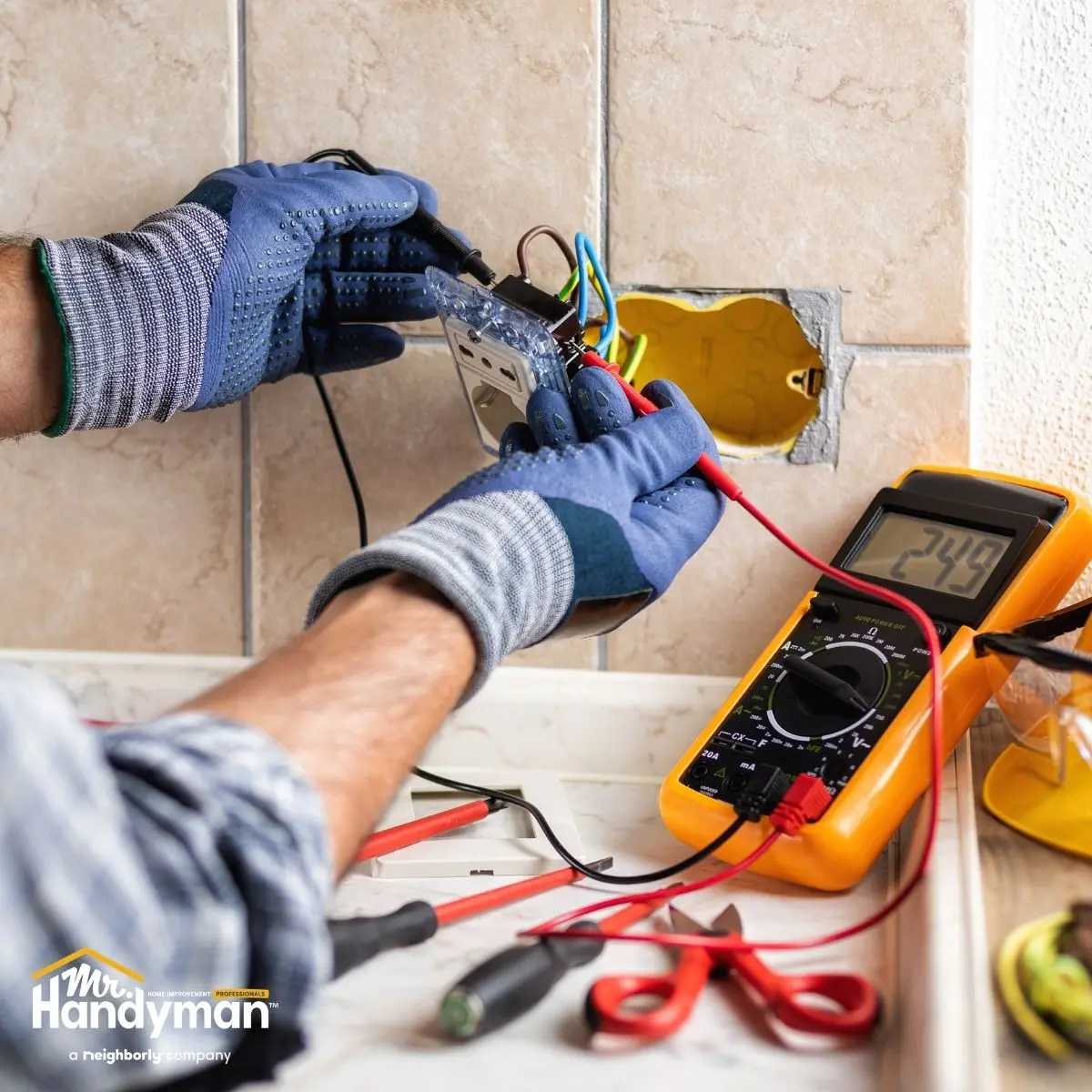
Weight rooms and free weight areas require bright, even illumination that eliminates shadows and allows members to clearly see what they're doing at all times. A member loading a barbell needs to see the weight plates clearly. Someone performing a deadlift needs to observe their form in the mirror. A trainer spotting a client needs unobstructed visibility of the movement pattern. Shadows created by inadequate or poorly positioned lighting compromise all of these activities and increase the risk of form-related injuries that develop when members can't properly see themselves or their equipment.
Cardio areas present different lighting challenges. Treadmills, ellipticals, and stationary bikes all have digital displays that can become difficult to read under certain lighting conditions—particularly when overhead lighting creates glare on screen surfaces. Members who can't read their displays may push beyond intended intensity levels or miss warning indicators on the machine. Proper lighting design in cardio areas accounts for display visibility and reduces glare through fixture positioning and appropriate light temperature selection.
Group fitness studios require flexible lighting that can be adjusted for different class formats. A high-intensity cycling class benefits from different lighting conditions than a yoga or stretching session. Studios without the ability to adjust lighting levels often compromise the experience of one class type in favor of another. More importantly, inadequate lighting in group fitness spaces makes it harder for instructors to observe participant form and identify members who may be struggling or at risk of injury.
Locker rooms, restrooms, and transition spaces present safety concerns that are often underestimated. Wet surfaces in locker rooms are slip hazards under any conditions, but inadequate lighting makes them significantly more dangerous. Members moving quickly between workout spaces and changing areas need clear, consistent lighting that eliminates dark corners and ensures safe navigation. Emergency exit routes must also be properly illuminated at all times—a regulatory requirement that carries real consequences when ignored.
In older facilities throughout Middle Tennessee, lighting systems that were installed decades ago may be operating with outdated fixture designs, aging wiring, and lamp types that are no longer efficient or even readily available. Facilities that were converted from retail, warehouse, or office spaces often have lighting layouts that were designed for entirely different purposes and that don't serve a fitness environment well without modification.
Energy Efficiency and the Real Cost of Outdated Lighting
Lighting represents a significant portion of a fitness facility's energy consumption, and the type of lighting system in place has a direct and measurable effect on monthly operating costs. Facilities that are still running fluorescent or metal halide fixtures are spending substantially more on electricity than those that have transitioned to LED systems—and that gap widens every year as energy costs continue to rise.
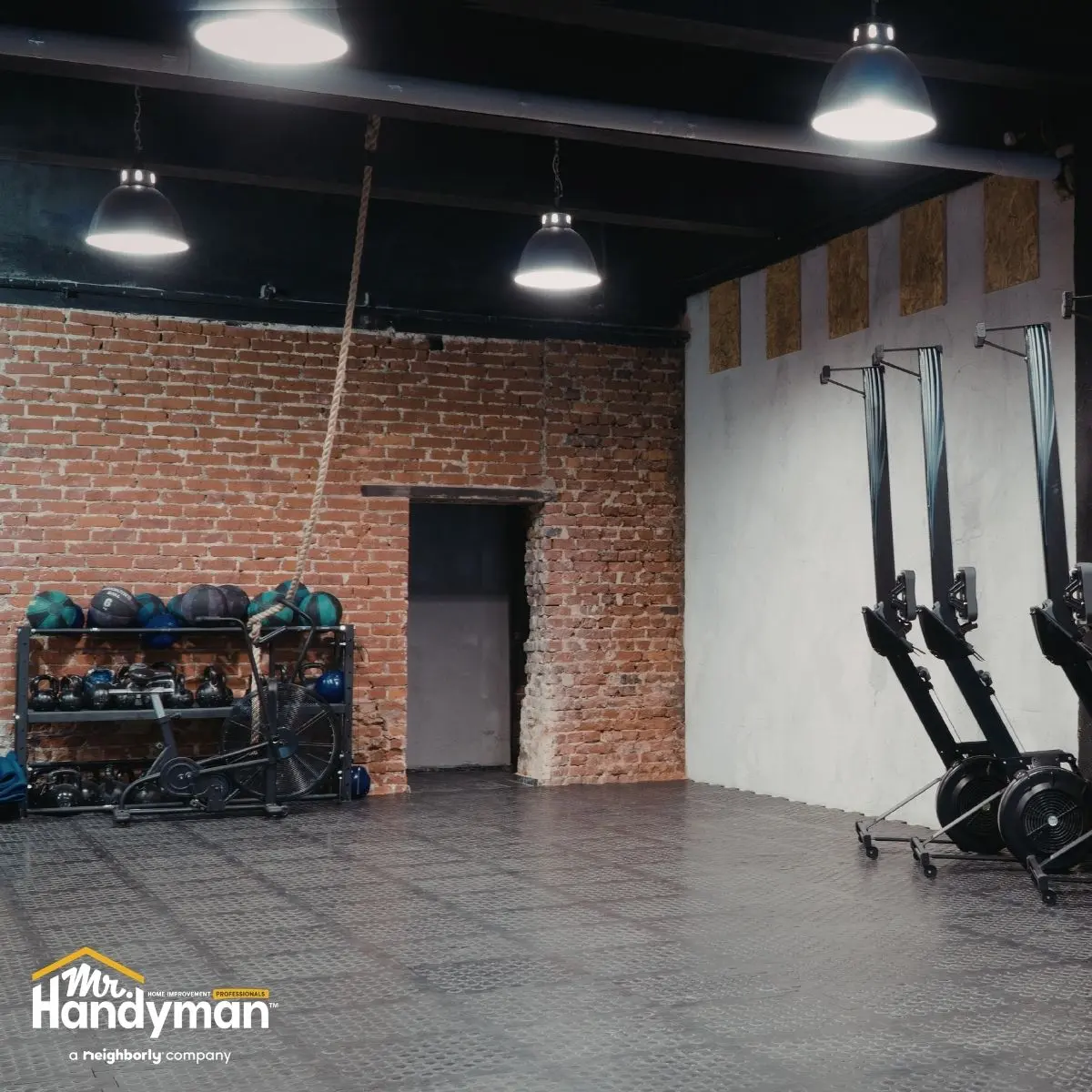
The economics of LED conversion are compelling and well-documented. LED fixtures use significantly less energy than fluorescent or metal halide alternatives to produce the same or greater light output. They also last dramatically longer—quality commercial LED fixtures routinely last fifty thousand hours or more, compared to ten thousand to fifteen thousand hours for fluorescent lamps. That extended lifespan translates directly into reduced replacement costs, reduced labor for lamp changes, and fewer service interruptions.
In a commercial fitness facility that operates fifteen or more hours per day, seven days a week, the cumulative energy savings from LED conversion add up quickly. A facility with a hundred fluorescent fixtures can expect to see measurable reductions in monthly electricity costs after conversion, with the investment typically recovering within two to three years through energy savings alone. After that point, the savings continue without additional investment.
Beyond energy consumption, the quality of light that LED fixtures produce is better suited to fitness environments than older lamp types. LED lighting offers consistent color rendering that makes spaces look clean, bright, and professional. It doesn't flicker as it ages the way fluorescent lighting does. It reaches full brightness instantly rather than warming up over several minutes like metal halide fixtures. And it generates significantly less heat than older lamp types, which reduces the cooling load on HVAC systems—an additional energy savings benefit that's often overlooked in conversion calculations.
Tennessee's climate makes this last point especially relevant. During the long, hot summers in Murfreesboro, Nashville, and the surrounding region, every source of heat inside a facility adds to the cooling demand that air conditioning systems must manage. Metal halide and fluorescent fixtures generate substantial heat during operation. Replacing them with LED fixtures reduces that heat load and allows HVAC systems to operate more efficiently during the months when cooling costs are highest.
Maintenance Schedules and Why They Matter
Even the best lighting system requires regular maintenance to perform correctly over time. Fixtures accumulate dust and debris that reduce light output. Lenses yellow or haze with age. Connections loosen. Drivers and ballasts age and begin to perform inconsistently before they fail completely. A lighting maintenance program that addresses these issues on a schedule prevents the kind of gradual degradation that members notice before facility managers do.
Regular cleaning of light fixtures is one of the simplest and most impactful maintenance tasks. Dust and debris accumulation on fixture surfaces can reduce light output by twenty to thirty percent over time—a significant reduction that makes spaces feel dimmer without any single obvious cause. Cleaning fixtures quarterly in high-dust areas like weight rooms and monthly in areas where hygiene is especially important, like locker rooms, maintains consistent light output and extends fixture life.
Lamp replacement scheduling is another important element of a proactive maintenance program. Rather than waiting for individual lamps to burn out—a reactive approach that leaves dark spots in the facility and requires individual service calls—group relamping on a schedule replaces all lamps in a given area simultaneously before they reach the end of their rated life. This approach maintains consistent light levels, reduces the frequency of service interruptions, and is often more cost-effective than addressing individual failures as they occur.
Electrical connections in lighting fixtures and junction boxes should be inspected periodically for signs of corrosion, loosening, or heat damage. Gyms generate humidity that finds its way into electrical systems over time, accelerating corrosion on connections and terminals. Loose connections create resistance that generates heat, which damages wiring insulation and creates fire risk. Regular inspection by a qualified professional identifies these issues before they become safety hazards or cause fixture failures.
Emergency lighting systems deserve particular attention. Exit signs and emergency lighting fixtures are required by code and must be functional at all times. These systems typically include battery backup that allows them to operate during power outages, but those batteries have a finite lifespan and must be tested and replaced on schedule. Facilities that assume their emergency lighting is functioning without regular testing are taking a compliance and safety risk that's easily avoided with a simple maintenance protocol.
Common Lighting Problems in Fitness Facilities
Understanding the specific lighting problems that fitness facilities commonly experience helps facility managers identify issues early and address them before they affect members or create safety risks. Several patterns appear consistently across commercial fitness environments, and recognizing them is the first step toward resolving them.
Flickering lights are one of the most common complaints in older fitness facilities. Flickering is almost never a problem with the bulb itself—it's typically a sign of a failing ballast in fluorescent fixtures, a loose electrical connection, or a driver that's nearing the end of its life in LED fixtures. Flickering lights are distracting and uncomfortable for members, and they're also a warning sign that something in the electrical system needs attention. Ignoring flickering doesn't make it go away—it gets worse until the fixture fails completely.
Uneven light distribution creates bright spots and shadows that make a facility feel poorly designed and can create safety hazards in areas where members are performing complex movements. This is often a result of fixtures that weren't positioned correctly during original installation, fixtures that have been moved without adjusting the overall layout, or lamps with different color temperatures being mixed in the same space. Addressing uneven distribution sometimes requires repositioning fixtures, adding fixtures to underlit areas, or standardizing lamp types across the facility.
Lights that are too bright in certain areas create glare that's uncomfortable for members and can interfere with visibility in specific contexts. Overhead fixtures positioned directly above mirror walls create glare on the mirror surface that reduces visibility. Fixtures aimed toward cardio equipment screens make displays harder to read. Managing brightness and fixture positioning is as important as ensuring adequate light levels throughout the facility.
Color temperature inconsistency is a subtler issue that affects how a facility looks and feels. Mixing warm-white and cool-white lamps in the same space creates a disjointed appearance that makes the facility look unprofessional and poorly maintained. Standardizing color temperature throughout the facility—or intentionally varying it between zones for different purposes—creates a more cohesive and deliberate aesthetic that members respond to positively.
Frequently Asked Questions
How often should a fitness facility's lighting be professionally inspected?
A full professional inspection at least once per year is recommended, with quarterly checks of high-use areas and emergency lighting systems. Facilities that operate extended hours or have older electrical systems may benefit from more frequent inspections.
What's the best color temperature for gym lighting?
Most fitness facilities perform best with cool-white lighting in the 4000K to 5000K range for workout areas. This range produces bright, energizing light that supports alertness and visibility. Warmer temperatures in the 2700K to 3000K range work better in locker rooms and relaxation areas where a calmer atmosphere is appropriate.
How do I know if my facility's wiring can support an LED conversion?
An electrical assessment by a qualified professional will determine whether existing wiring, panels, and circuits can support the new fixtures. Most modern electrical systems handle LED conversions without modification, but older facilities may need panel upgrades or circuit work to support the new load distribution.
Are there incentives available for commercial LED conversions?
Yes. Many utility providers offer rebates for commercial lighting upgrades, and federal tax incentives for energy efficiency improvements may also apply. A qualified contractor can help identify which incentives are available in your area and ensure the installation qualifies for them.
What should I do if a circuit breaker trips repeatedly in my facility?
A repeatedly tripping breaker is a sign of an electrical problem that needs professional attention immediately. It could indicate a circuit that's overloaded, a wiring fault, or a failing breaker. Operating a facility with known electrical issues creates safety and liability risks that aren't worth taking.
Can lighting improvements affect my facility's insurance premiums?
Potentially yes. Facilities that can demonstrate updated, properly maintained electrical and lighting systems may qualify for lower premiums or improved coverage terms with some carriers. Documenting lighting upgrades and maintenance records supports this conversation with your insurance provider.
Investing in the Right Lighting for Long-Term Success
A well-lit fitness facility is safer, more energy-efficient, more attractive to members, and easier to maintain than one where lighting has been neglected or deferred. The investment in professional lighting maintenance and upgrades pays dividends in every direction—lower energy costs, fewer liability exposures, better member experience, and a facility that looks and feels like a place people want to spend time.
For fitness facility owners and managers in Murfreesboro, Franklin, Brentwood, West Nashville, Belle Meade, and Clarksville, addressing lighting proactively rather than reactively is one of the smartest operational decisions available. Whether the priority is converting to LED for energy savings, addressing safety concerns in specific areas, or establishing a maintenance program that keeps the entire system performing correctly, professional support makes the process straightforward and the results lasting.
Call us to schedule a consultation.