Walk into any well-designed gym or fitness facility and mirrors are everywhere—covering entire walls in weight rooms, lining the perimeters of group fitness studios, and framing the edges of stretching areas and functional training spaces. They're so standard in fitness environments that most members don't give them a second thought. But behind every large gym mirror is a mounting system that's either doing its job correctly or quietly creating a serious safety risk.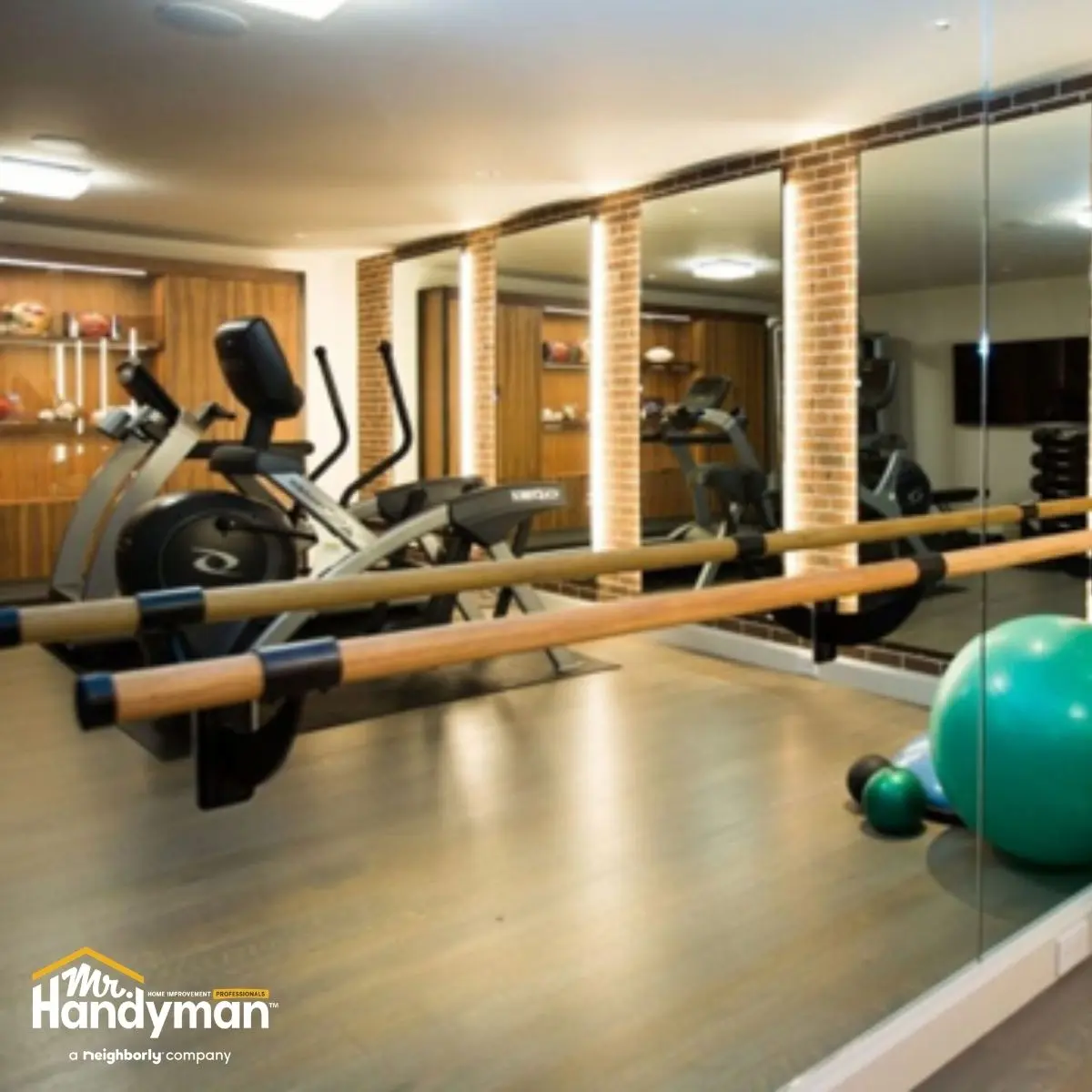
Gym mirrors aren't decorative accessories. They're functional tools that help members monitor form, coaches observe technique, and facility managers create the sense of space and light that makes a workout environment feel professional and motivating. But they're also large, heavy sheets of glass installed on vertical surfaces in spaces where people are constantly moving, lifting, jumping, and exerting force. When a gym mirror fails—whether because of improper installation, inadequate hardware, or wall conditions that weren't properly assessed—the consequences can be severe.
For fitness facility owners and managers in Murfreesboro, Franklin, Brentwood, West Nashville, Belle Meade, and Clarksville, understanding what proper mirror installation actually involves isn't just a technical detail. It's a fundamental responsibility that affects member safety, facility liability, and the long-term integrity of your space.
Why Gym Mirrors Are Different From Residential Mirrors
Most people have hung a mirror in their home at some point. It's a straightforward process—find the studs, use appropriate anchors, level the mirror, and you're done. Gym mirrors operate in an entirely different category, and treating them like residential installations is one of the most common and dangerous mistakes facility operators make.
Commercial gym mirrors are significantly larger and heavier than anything typically found in a home. A single panel covering a standard wall section can weigh hundreds of pounds depending on its dimensions and thickness. That weight creates enormous stress on mounting hardware, wall anchors, and the wall structure itself. Hardware that's perfectly adequate for a bathroom mirror will fail completely under the sustained load of a commercial gym panel.
The glass used in gym mirrors is also different from standard residential mirror glass. Commercial-grade gym mirrors are typically made from thicker float glass or tempered glass, both of which behave differently under stress and impact than thinner residential glass. Tempered glass, when it breaks, shatters into small blunt fragments rather than sharp shards—a safety advantage. But standard float glass, which is still used in many gym installations, breaks into large, razor-sharp pieces that can cause catastrophic injury in a crowded fitness space.
The environment inside a gym adds another layer of complexity. Fitness facilities experience constant vibration from heavy equipment, elevated humidity from the exertion of many people working out simultaneously, and temperature fluctuations as HVAC systems cycle on and off throughout the day. All of these factors affect the performance of mounting hardware and adhesives over time. A mounting system that's adequate on day one might loosen, corrode, or fail after months of exposure to these conditions.
Older facilities throughout Middle Tennessee—many of which were built decades ago and converted into fitness spaces—present additional challenges. Wall construction in older buildings often doesn't follow the stud spacing patterns that modern mounting hardware assumes. Plaster walls, older drywall that's been painted over multiple times, and masonry surfaces all require different approaches to mirror mounting. Installing large gym mirrors without properly assessing the wall structure is a serious mistake that puts members at risk.
The Real Risks of Improper Mirror Installation
The risks associated with improperly installed gym mirrors are not theoretical. Mirror failures in fitness facilities cause injuries every year, and the circumstances are often preventable. Understanding what can go wrong—and why—makes it clear why professional installation is non-negotiable.
The most obvious risk is complete mirror failure, where a panel separates from the wall and falls. A large gym mirror falling from a mounted position generates enormous force on impact. In a space where members are standing, sitting on benches, or performing floor exercises directly in front of mirror walls, the potential for serious injury is very real. Even a partial failure—where one mounting point lets go and the mirror tilts or cracks—creates immediate danger for anyone nearby.
Vibration is a contributing factor that's often overlooked. In a busy gym, the constant impact of heavy weights being dropped, treadmills running, and jump training creates low-level vibration throughout the floor and walls. Over time, this vibration works fasteners loose, causes adhesive bonds to weaken, and stresses the glass itself. A mirror that was installed correctly but without accounting for vibration loads might hold for months before gradually loosening to the point of failure.
Moisture is another significant concern. Gyms generate substantial humidity through the combined exertion of members, and that moisture finds its way into wall cavities, behind mirror panels, and into mounting hardware. Fasteners that aren't rated for humid environments corrode. Adhesives that weren't designed for moisture exposure lose their bond strength. Wall surfaces that absorb moisture can swell or soften, reducing the holding power of anchors. In Tennessee's climate, where summer humidity levels are consistently high, these effects are accelerated compared to drier regions.
Improper spacing between mirror panels is a subtler but still important issue. Mirrors need small gaps between panels to allow for thermal expansion and contraction as temperatures change. Panels installed without these gaps can press against each other as they expand, creating stress that leads to cracking or displacement. This detail is often missed by installers without specific experience in commercial mirror installation.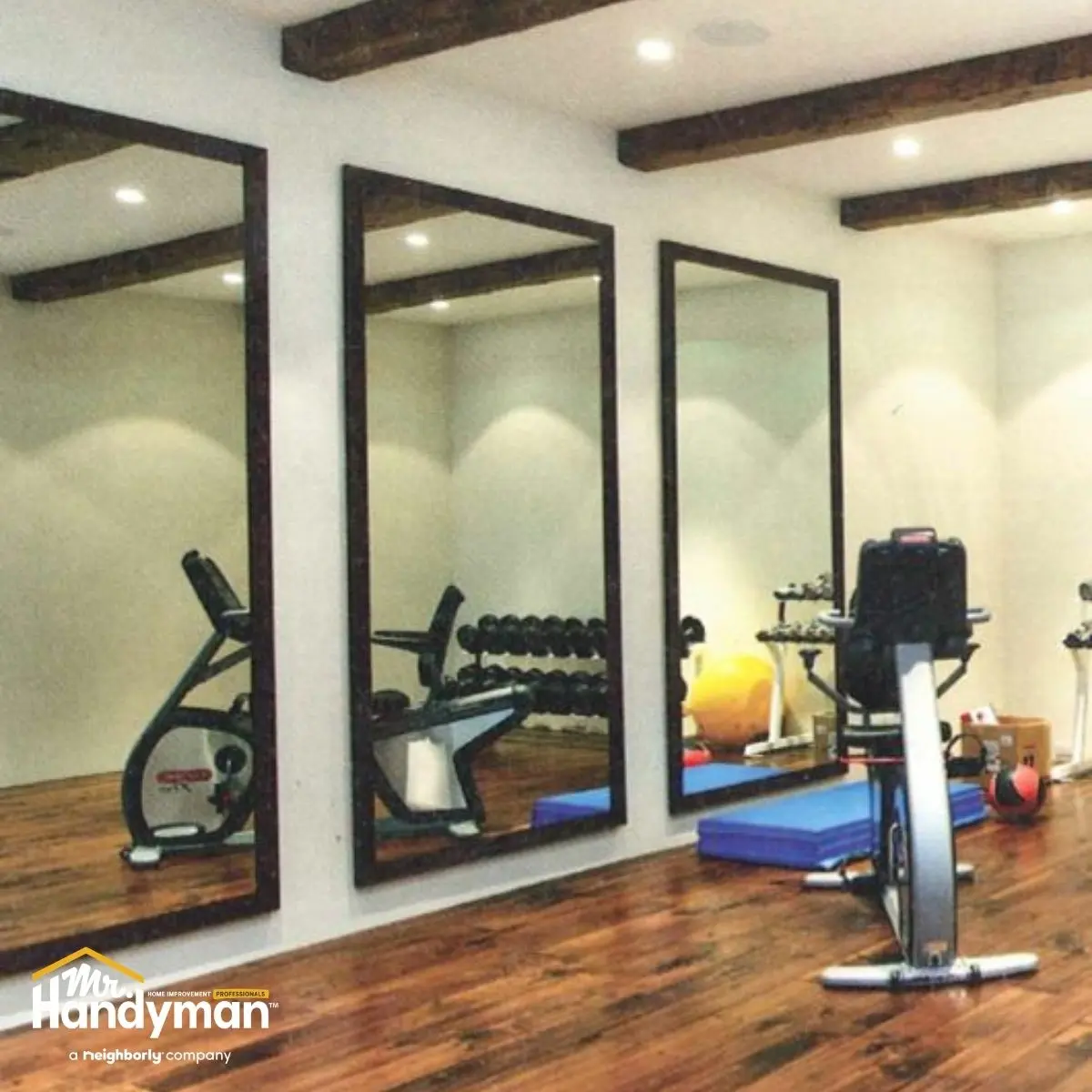
What Proper Gym Mirror Installation Actually Requires
Professional gym mirror installation begins well before any hardware touches the wall. It starts with a thorough assessment of the installation environment—the wall structure, the surface condition, the studs or framing behind the surface, and any existing conditions that might affect how the mounting system performs over time.
Wall assessment involves identifying exactly what the mounting hardware will be anchoring into. In a wood-framed wall, this means locating studs and understanding their spacing. In a masonry or concrete wall, it means identifying the right type of anchor for the specific material. In a wall with existing drywall over older substrates, it means evaluating whether the surface layer is strong enough to support the mirror's weight or whether additional backing needs to be installed first.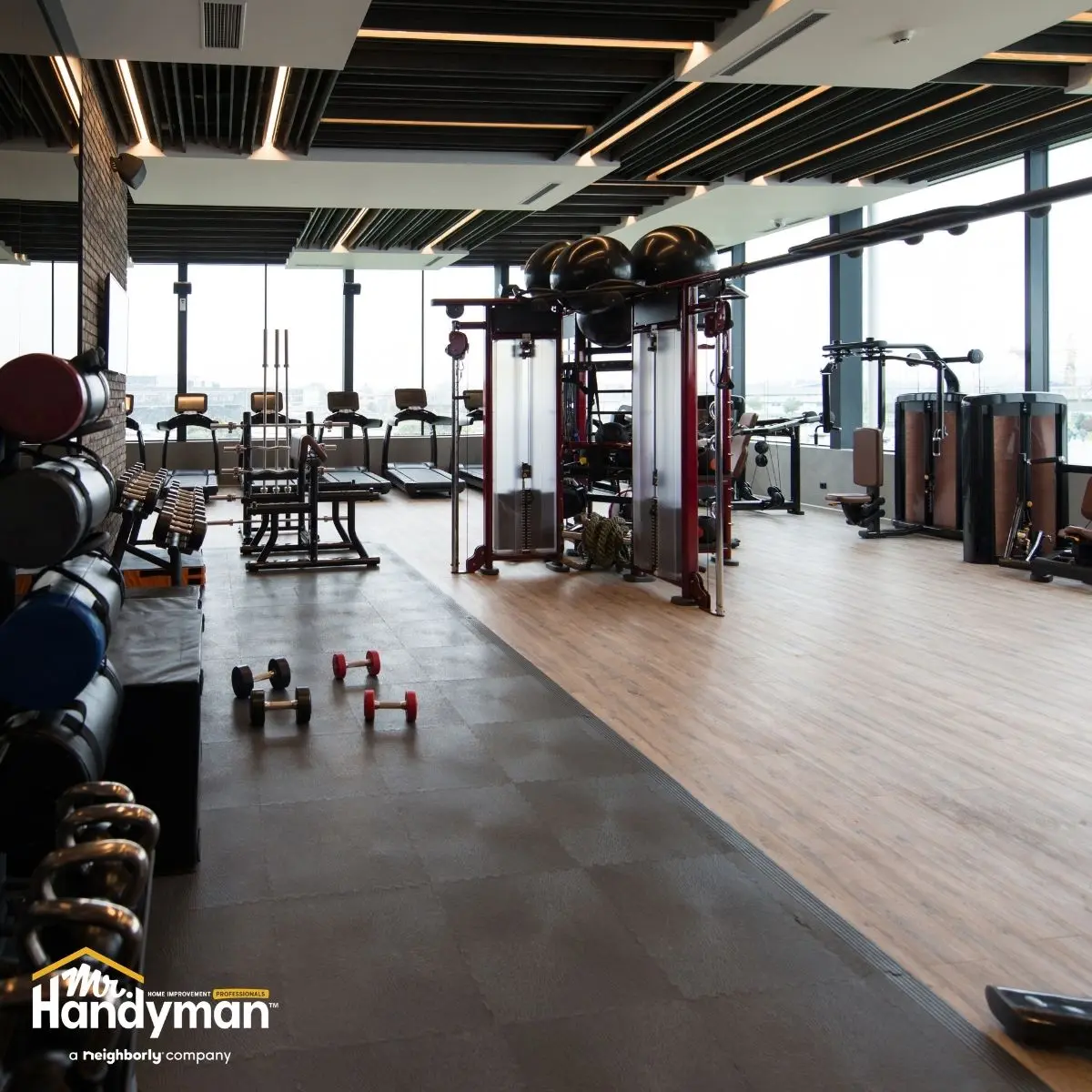
Hardware selection is the next critical step. The mounting system for a commercial gym mirror must be rated for the mirror's full weight with a significant safety margin. J-channels, mirror clips, and adhesive systems all play different roles in a complete installation, and understanding how to combine them correctly for the specific mirror size and wall type is essential. Using undersized clips, inadequate anchors, or the wrong adhesive for the substrate are all common mistakes that compromise the installation from day one.
Surface preparation is equally important. Walls must be clean, dry, and structurally sound before any mounting hardware is installed. Painted surfaces need to be assessed for adhesion quality—paint that peels or flakes will take the mounting hardware with it. Surfaces with moisture damage, soft spots, or previous repair patches need to be evaluated carefully before being trusted to support a heavy mirror panel.
The installation process itself requires precision. Mirrors must be level, properly spaced from adjacent panels, and supported from below before being secured from the sides and top. Working with large mirror panels requires multiple people and careful coordination—attempting to install large commercial mirrors with a single person is dangerous for both the installer and the glass. Once installed, the mounting system must be tested and verified before the area is opened to members.
Safety film is an often-overlooked addition that significantly improves the safety profile of gym mirrors. Applied to the back surface of the glass, safety film holds broken glass together if the mirror cracks or shatters, preventing fragments from scattering across the floor and injuring members. For facilities using standard float glass rather than tempered glass, safety film is an essential addition. For tempered glass, it provides an additional layer of protection that many facility operators and insurance carriers strongly prefer.
Mirror Placement and Its Effect on Your Facility
Beyond the mechanical aspects of installation, mirror placement has a significant effect on how your facility functions and feels. Mirrors positioned at the wrong height fail to serve their purpose—members can't see their full form, coaches can't observe technique from the right angles, and the visual effect that makes a space feel larger and more professional is lost.
Standard practice in weight rooms and free weight areas is to position mirrors so that members can see themselves from floor to at least shoulder height while standing, and ideally higher. In group fitness studios, full-height mirrors that run from a low base molding to the ceiling provide the best visibility for instructors and participants. Functional training areas benefit from mirrors on multiple walls to allow observation from different angles.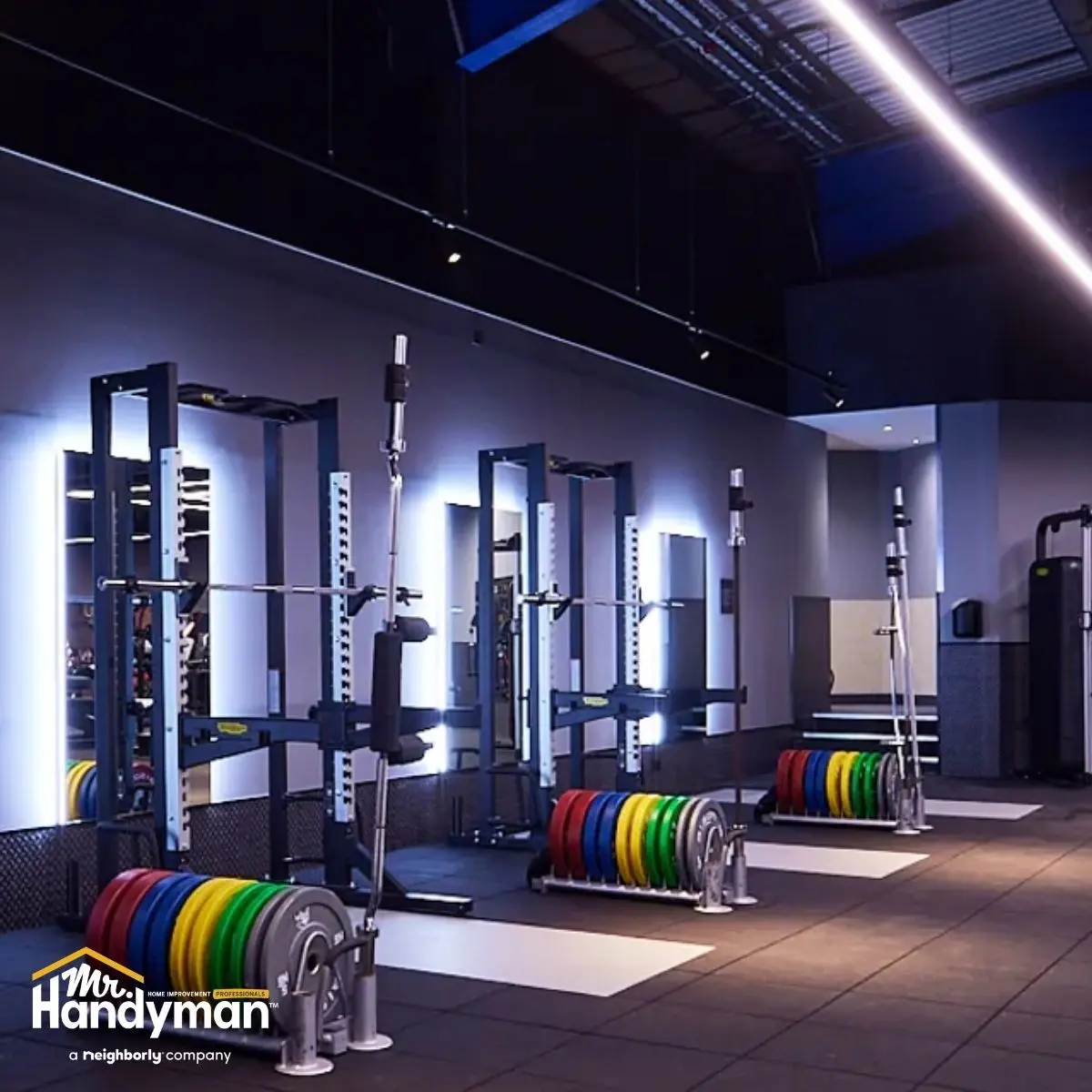
Mirrors should never be positioned where they create glare from direct sunlight or overhead lighting, as this reduces their usefulness and can create distracting or disorienting conditions during workouts. The relationship between mirror placement and lighting design is an important consideration that professional installers account for during the planning phase.
In older facilities throughout Murfreesboro, Franklin, and the Nashville area, retrofitting mirrors into spaces that weren't originally designed as gyms often requires creative problem-solving. Walls that don't have studs in the right locations, spaces with limited clearance, or rooms with irregular dimensions all require customized approaches to mirror layout and mounting. Experience with these kinds of challenges is what separates professional installation from guesswork.
Frequently Asked Questions
How much weight can a typical gym wall support for mirror installation?
It depends entirely on the wall construction. A properly framed and finished drywall surface anchored into studs can support substantial weight when the right hardware is used. Masonry walls can support even more. The key is knowing what's behind the surface and selecting hardware rated for the specific load. Professional assessment before installation eliminates the guesswork.
Is tempered glass always required for gym mirrors?
It's not universally required by code in all jurisdictions, but it's strongly recommended for safety. Tempered glass breaks into small, blunt fragments rather than sharp shards, which significantly reduces injury risk in the event of breakage. Many gym insurance policies also prefer or require tempered glass in fitness spaces.
How long do properly installed gym mirrors last?
With correct installation and appropriate maintenance, commercial gym mirrors can last fifteen to twenty years or more. The limiting factors are typically the mounting hardware corroding in humid environments, the mirror backing degrading over time, or physical damage from equipment contact. Regular inspections can identify issues before they lead to failure.
Can gym mirrors be installed over existing tile or paneling?
Sometimes, but it requires careful evaluation. The surface must be structurally sound and capable of supporting the additional weight. Tile surfaces can be used if the tile is firmly adhered and the wall behind it is solid. Paneling is generally not a suitable substrate for large mirror installation without additional backing. A professional assessment will determine what's possible and what's safe.
What maintenance do installed gym mirrors require?
Regular cleaning with appropriate glass cleaner, periodic inspection of mounting hardware for signs of loosening or corrosion, and checking that all clips and channels remain properly seated. Any mirror that develops cracks, chips at the edges, or shows signs of movement should be taken out of service and professionally evaluated immediately.
How do I know if my existing gym mirrors were installed correctly?
Signs of a problematic installation include mirrors that feel loose when gently pressed, visible gaps between the mirror and the wall that weren't there originally, mounting clips that have shifted position, cracks near the edges of panels, or any history of a mirror moving or making noise during workouts. If you have any concerns, a professional inspection is warranted.
Protecting Your Members and Your Facility
Gym mirrors are one of those elements that fade into the background when they're working correctly. Members use them without thinking about them. Staff clean them as part of routine maintenance. They do their job quietly and effectively every day. But when something goes wrong—when a panel fails, cracks, or falls—the consequences are immediate, serious, and expensive.
Professional installation is the single most important factor in preventing mirror failures. It ensures that the mounting system is matched to the wall construction, that the hardware is rated for the load, that the glass is properly supported, and that the installation will hold up under the specific conditions of a commercial fitness environment. For facilities in Murfreesboro, Franklin, Brentwood, West Nashville, Belle Meade, and Clarksville, investing in professional mirror installation from the start is far less costly than dealing with the aftermath of a failure.
Whether you're outfitting a new facility, replacing aging mirrors in an established gym, or expanding an existing space, the expertise and attention to detail that professional installation provides is worth every penny.
Call or visit https://www.mrhandyman.com/murfreesboro-smyrna/ or https://www.mrhandyman.com/nashville-west-south-central/ to schedule a consultation.