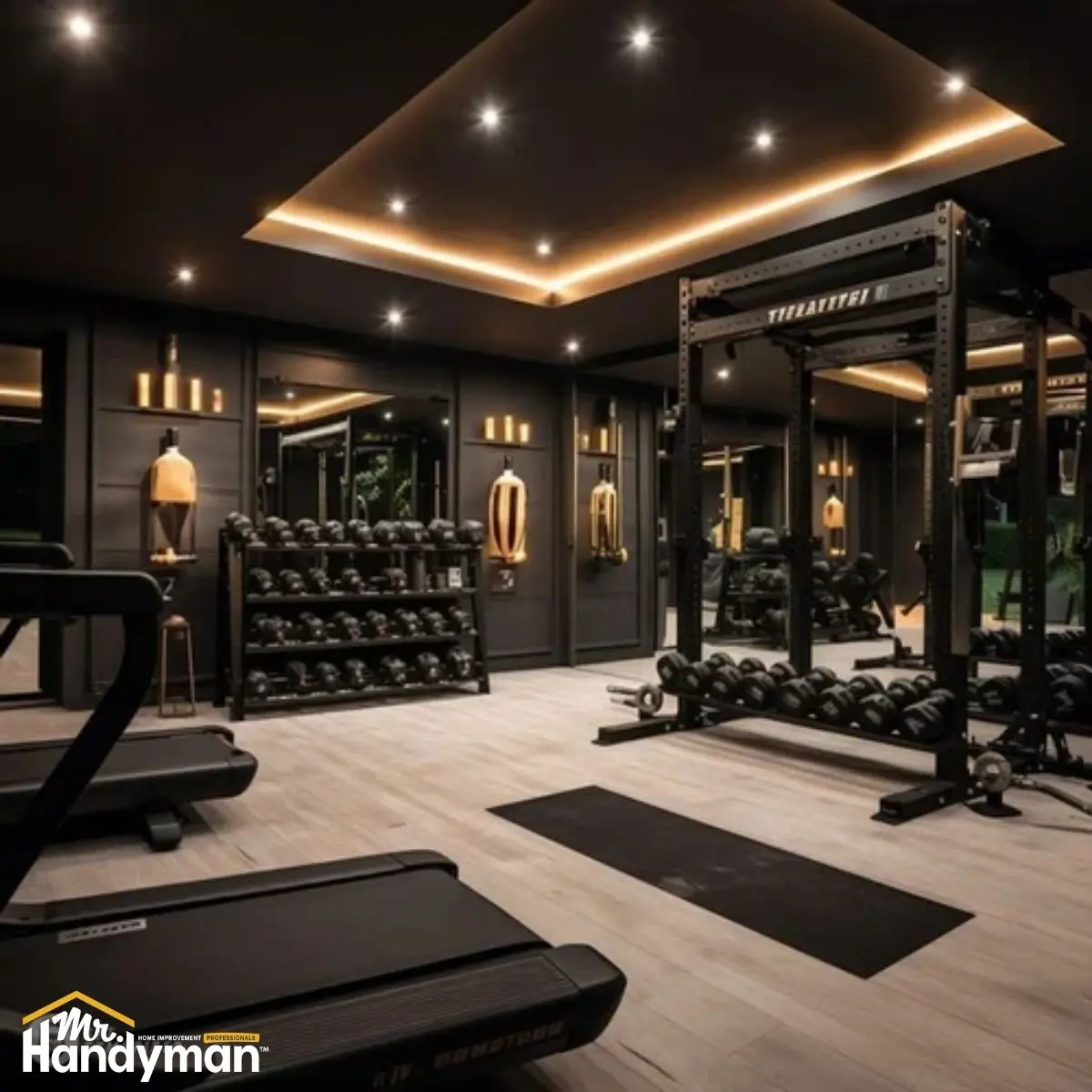
Mirrors are among the most functionally important and most physically hazardous elements in any fitness facility. They serve a genuine training purpose, allowing members to monitor their form during exercises that require precise movement patterns, and they contribute meaningfully to the spatial experience of the gym by expanding the apparent size of the training environment and reflecting light in ways that make the space feel more open and more energizing. But a mirror that is improperly installed is not simply a mirror that might eventually fall. It is a large, heavy panel of glass or acrylic under continuous mechanical stress, positioned in an environment where vibration, impact, humidity, and the physical activity of dozens of members create conditions that test every connection point in the mounting system every day it is in service.
For gym owners and fitness facility managers in Murfreesboro, Franklin, and Brentwood, mirror installation is a decision that carries safety, liability, and operational dimensions that the straightforward appearance of the task frequently causes people to underestimate. A mirror mounted incorrectly in a fitness environment does not announce its inadequacy on installation day. It appears solid, it reflects correctly, and it contributes to the facility's appearance exactly as intended. The inadequacy reveals itself later, under conditions that proper installation would have managed without consequence, and the revelation is typically sudden and severe.
Middle Tennessee's fitness market has expanded significantly in recent years, bringing new facility openings, studio build-outs, and gym renovations across all three communities. Each of those projects involves mirror installation decisions, and the quality of those decisions shapes the safety environment of the facility from opening day forward. Understanding why proper mirror installation matters more than it appears to, what the specific risks of improper installation are, and what professional installation involves in a commercial fitness context gives gym operators in this region the foundation they need to make installation decisions that protect their members, their staff, and their business.
The Physical Demands That Gym Environments Place on Mirrors
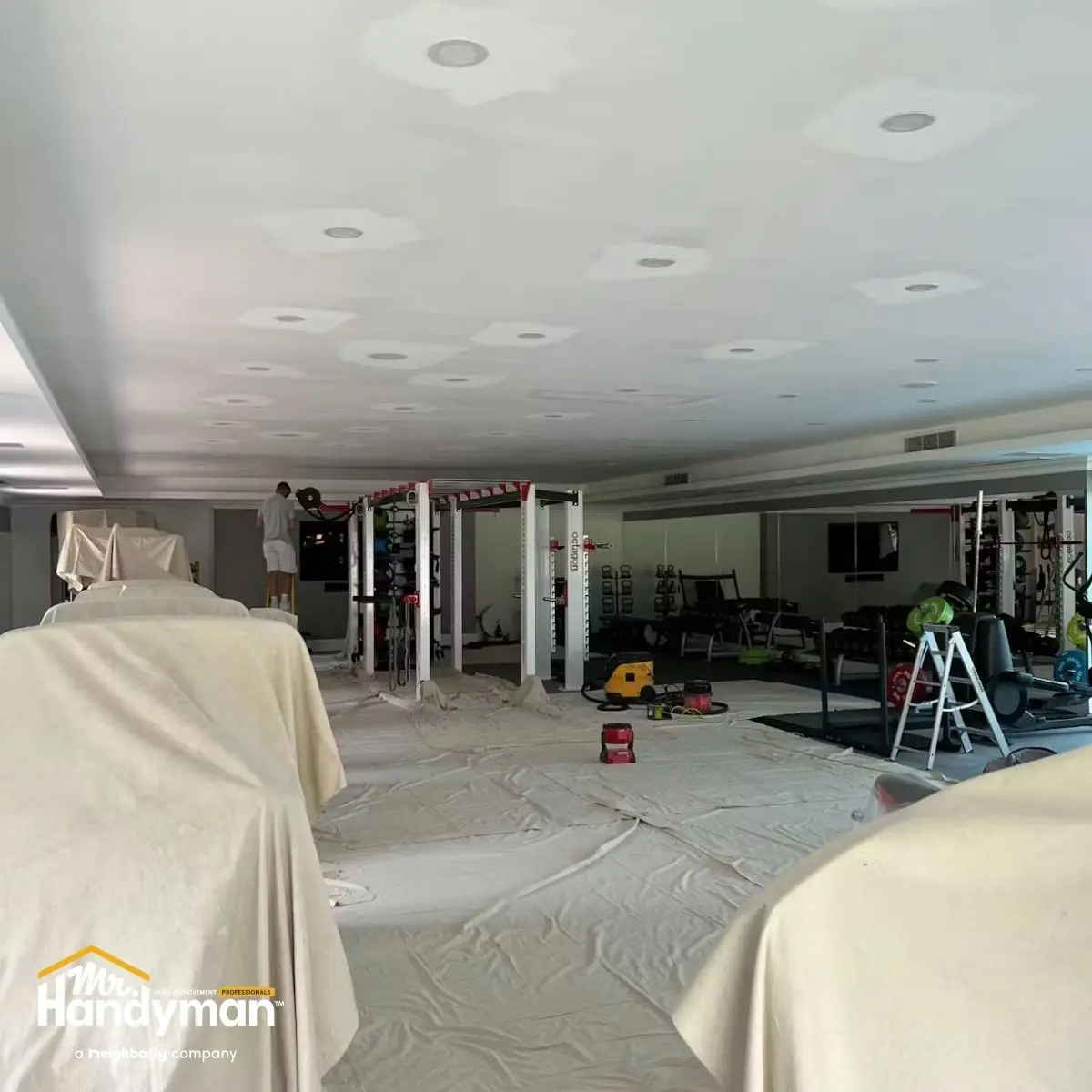
Commercial gym mirrors face a combination of physical demands that residential or light commercial mirror installations do not. The training activity that occurs immediately adjacent to mirror-covered walls creates vibration, air pressure changes from rapid movement, and the occasional direct impact from equipment, weights, or members that residential environments simply do not generate. Each of these demands tests the mounting system that holds the mirror to the wall, and a mounting system that was not designed and installed with those demands in mind will eventually fail under their cumulative effect.
Vibration is the most continuous and least obvious demand that gym environments place on mirror installations. Treadmills, rowing machines, and other cardiovascular equipment generate vibration that travels through the floor and into the walls of the building during operation. Members performing jump rope, box jumps, burpees, and other plyometric movements generate impact vibration that propagates through the floor structure similarly. In facilities with rubber flooring over concrete subfloors, some of that vibration is attenuated before it reaches the walls, but not all of it. Mirror mounting hardware that is adequate for a static installation in a non-vibrating environment may be insufficient for the same mirror in a gym environment where vibration cycles the mounting connections repeatedly through millions of load cycles over the mirror's service life.
The weight distribution characteristics of large gym mirrors create mounting demands that small mirrors do not. A single mirror panel that spans a significant wall section, which is typical in weight room and group fitness studio installations, presents a large surface area to any lateral force and concentrates its weight at the specific mounting points where it contacts the wall. The moment arm created by a tall mirror panel means that a force applied at the top of the mirror, whether from an accidental impact or from vibration resonance, generates a lever force at the mounting points that is substantially larger than the force applied. Mounting hardware that is adequate for the dead weight of the mirror may not be adequate for the dynamic forces that a gym environment generates against a tall, heavy panel.
Humidity is the environmental factor that most directly affects the long-term integrity of mirror mounting systems in Middle Tennessee fitness facilities. High-humidity gym environments, particularly those with inadequate ventilation or high membership density relative to the facility's air handling capacity, create conditions where moisture accumulates behind mirror panels and at the interface between the mirror backing and the wall surface. That moisture promotes corrosion of metal mounting hardware, degrades adhesive bonding systems, and introduces the dimensional cycling of moisture absorption and release into the wall substrate that the mounting system must accommodate. In Middle Tennessee's summer months when outdoor humidity regularly reaches the upper range and gym activity adds significant internal moisture loading, these conditions are more aggressive than in drier climates and require mounting systems specifically selected for their corrosion resistance and moisture tolerance.
What Improper Installation Looks Like and Why It Happens
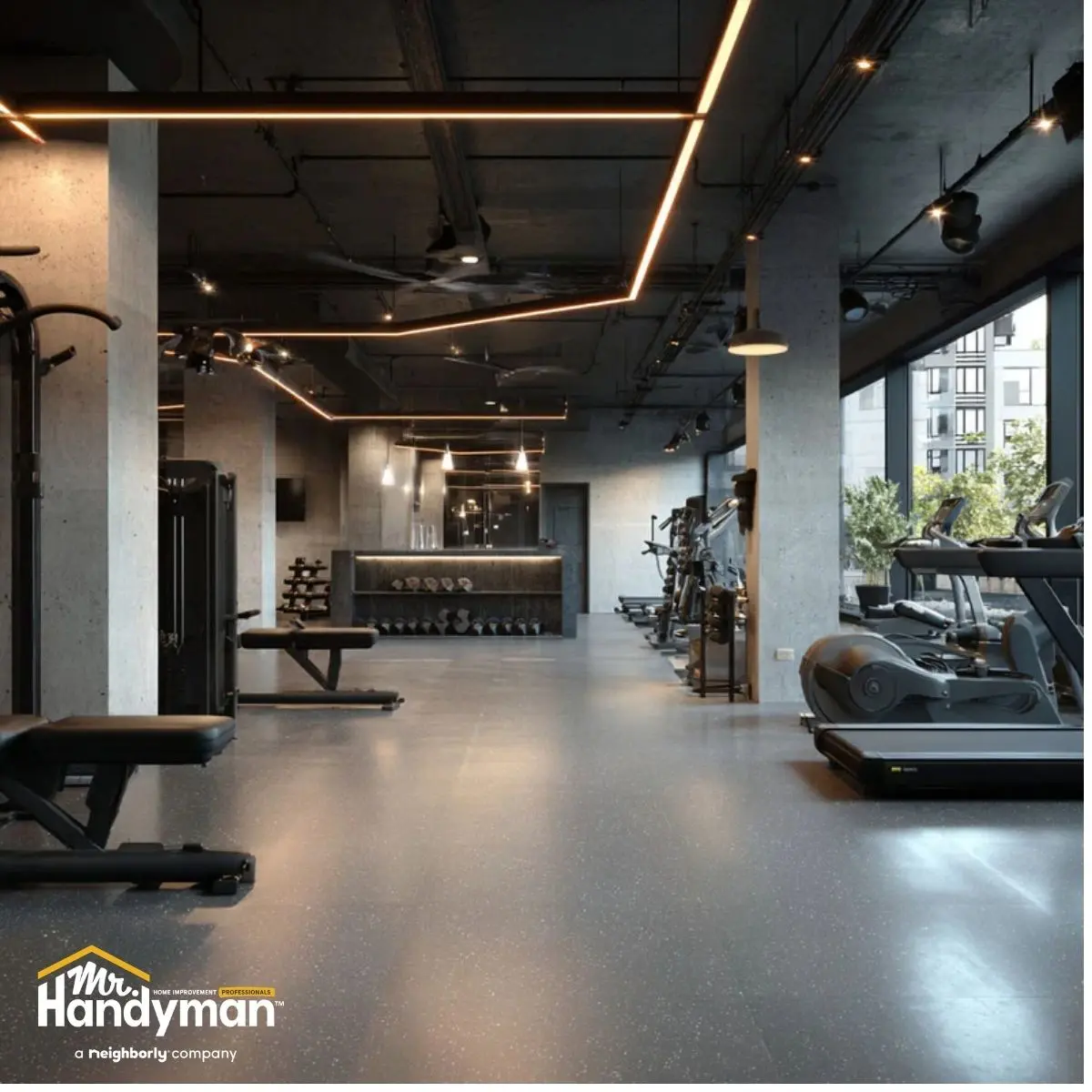
Improper gym mirror installation takes several forms, each with its own failure mechanism and its own risk profile. Understanding the specific ways in which gym mirror installations fail, and why those failures occur in the first place, helps gym operators recognize inadequate installation before it produces a safety event and informs the standards they should require from installation professionals.
The most common form of improper gym mirror installation is under-mounting, where the number and spacing of mounting points is insufficient for the size and weight of the mirror being installed. Mirror installation guidelines from commercial mirror manufacturers specify minimum mounting point quantities and maximum spacing between mounting points based on mirror dimensions and weight. These specifications exist because engineering analysis of the loads that mirrors experience in commercial environments, including dead weight, vibration loading, and impact forces, has determined that fewer mounting points or wider spacing creates stress concentrations at each mounting location that exceed what the hardware can sustain reliably over the mirror's service life. Installers who are unfamiliar with commercial mirror installation standards, or who prioritize installation speed over specification compliance, frequently under-mount large mirror panels in ways that appear adequate on installation day but that create progressive mounting point fatigue that eventually produces failure.
Incorrect fastener selection for the specific wall construction is another common installation error with serious consequences. Gym mirrors are frequently mounted to walls with a variety of substrate constructions including standard drywall over wood stud framing, drywall over metal stud framing, concrete masonry units, and various specialty wall assemblies used in commercial construction. Each substrate requires fasteners specifically rated for that substrate at the load levels that large commercial mirrors generate. Drywall anchors that are adequate for hanging framed artwork are not adequate for the sustained dynamic loads of a commercial gym mirror. Metal stud framing requires different fastener approaches than wood stud framing. Concrete substrates require anchoring systems specifically designed for masonry. Using incorrect fasteners for the substrate, which happens when installers apply residential installation assumptions to commercial gym contexts, creates mounting point failures that may not be immediately apparent but that develop under the loading conditions of gym operation.
Inadequate edge treatment and mirror-to-mirror joint management in multi-panel installations creates a different category of risk. Large gym mirror walls are typically composed of multiple panels installed adjacent to each other, and the treatment of the joints between panels, the edges at wall transitions, and the base of the mirror installation at floor level determines both the visual quality of the installation and its safety profile. Mirror edges that are not properly polished and treated present laceration hazards. Panel joints that allow the edges of adjacent panels to contact each other under thermal or vibration movement create stress concentration points where edge chipping and crack initiation occur. Base conditions where mirror panels extend to the floor without appropriate cushioning allow floor vibration to transfer directly into the panel without attenuation.
How Middle Tennessee's Gym Environment Shapes Mirror Installation Requirements

The specific conditions of fitness facilities in Murfreesboro, Franklin, and Brentwood create mirror installation requirements that reflect the region's climate, the character of local commercial construction, and the activity levels of Middle Tennessee's active fitness market. Applying generic installation standards without accounting for those regional specifics produces installations that are undersized for the actual demands they face.
Middle Tennessee's humidity range creates a specific challenge for mirror mounting systems that facilities in drier climates do not face at the same intensity. During summer months when indoor humidity in insufficiently ventilated gym spaces can reach levels that promote moisture accumulation behind mirror panels, the adhesive and mechanical mounting systems holding large mirror installations to their wall substrates are exposed to conditions that degrade their performance over time. Metal J-channel systems that hold mirror bottom edges, mastic adhesive systems used as supplementary bonding on mirror backs, and the fastener hardware at mechanical mounting points all face accelerated corrosion and adhesive degradation in sustained high-humidity conditions. Selecting mounting hardware with appropriate corrosion-resistant specifications, using adhesive systems formulated for high-humidity commercial environments, and ensuring adequate ventilation behind mirror panels where installation geometry permits are the humidity-specific installation requirements that Middle Tennessee gym mirror installations must address.
Commercial building construction in Murfreesboro, Franklin, and Brentwood includes a wide range of wall substrate types that gym operators encounter when installing mirrors in leased commercial spaces, converted retail or industrial buildings, and purpose-built fitness facilities. Older commercial buildings throughout Murfreesboro's established commercial corridors and Franklin's historic business district frequently have masonry wall construction that requires anchor systems and installation approaches fundamentally different from the stud-framed drywall walls that newer construction provides. Newer commercial build-outs in Brentwood's office parks and Franklin's planned commercial developments typically use metal stud framing with drywall, which requires fastener selection specific to that assembly. A professional installer who assesses the specific wall construction before selecting mounting hardware and approach, rather than defaulting to a single installation method regardless of substrate, produces an installation that is correctly engineered for the actual wall it is mounted to.
Activity intensity in Middle Tennessee's fitness facilities reflects the region's strong fitness culture and the competitive market dynamic that keeps members training actively at the facilities they choose. CrossFit affiliates, Olympic lifting gyms, and functional fitness studios throughout Murfreesboro and Franklin generate the kinds of floor and wall vibration from heavy barbell work, box jumps, and high-intensity conditioning that create the most demanding vibration loading conditions for mirror mounting systems. Group fitness studios in Brentwood's premium fitness facilities run high-energy classes that generate sustained vibration and air pressure dynamics during peak class hours. Each of these activity profiles creates specific installation requirements that a professional assessment of the facility's use characteristics and the mirror installation location should inform.
Professional Installation Standards for Commercial Gym Mirrors
Professional gym mirror installation in a commercial fitness facility follows a defined sequence of assessment, specification, preparation, and installation steps that together produce a mounting system correctly engineered for the mirror's size, weight, and the specific demands of its location within the facility.
The assessment phase evaluates the wall substrate construction at each mirror installation location, the dimensions and weight of the mirror panels to be installed, the activity characteristics of the zone where the mirrors will be located, and the environmental conditions including humidity levels and ventilation adequacy that the installation will face. This assessment drives every subsequent specification decision, from fastener type and quantity to adhesive system selection and edge treatment approach. Skipping or abbreviating the assessment phase is the most common cause of installation specification errors because it replaces engineering-informed decision making with assumption-based decision making that may not be appropriate for the specific conditions of the installation.
Substrate preparation before mirror installation ensures that the mounting surface is clean, structurally sound, and suitable for the adhesive and mechanical fastener systems being used. Drywall surfaces with existing paint, texture, or contamination that would prevent adhesive bonding from achieving rated performance need to be prepared to the cleanliness standard the adhesive system requires. Masonry walls may need surface treatment to address porosity or contamination. Any structural deficiency in the wall substrate, including loose or damaged drywall, corroded or inadequate framing, or deteriorated masonry, must be corrected before mirror installation proceeds rather than covered by the mirror installation.
Mechanical fastener installation that is correctly torqued to specification and confirmed to achieve rated pullout strength in the specific substrate is the step that most directly determines the long-term security of the mirror installation. Fasteners that are under-torqued do not achieve rated clamping force. Fasteners that are over-torqued strip the substrate or deform the fastener, reducing their actual holding strength below the rated value regardless of the specification selected. Professional installers use calibrated torque tools and verify fastener engagement in the substrate through appropriate testing procedures that confirm the installation has achieved the performance the specification requires.
Edge and joint treatment in multi-panel commercial gym mirror installations serves both aesthetic and safety functions. Polished mirror edges that are protected by appropriate edge trim at exposed locations eliminate the laceration hazard that unfinished glass edges present in a fitness environment where members move in close proximity to mirror surfaces. Panel-to-panel joint treatment that accommodates thermal movement and vibration without allowing adjacent panels to contact each other prevents the edge chipping and crack initiation that contact between glass edges produces under dynamic loading. Base treatment that provides vibration attenuation between the mirror panel and the floor structure prevents the direct vibration transmission that produces stress fractures in mirror panels installed without appropriate isolation.
Safety Protocols and Member Protection During and After Installation
Mirror installation in an operating fitness facility introduces safety requirements that professional installers manage through defined work practices that protect members and staff throughout the installation process. Large glass panels being positioned, adjusted, and secured in an active commercial environment create hazards that installation sequencing, physical barriers, and staff coordination must address systematically.
Work zone establishment that physically separates the installation area from member access is the first safety requirement of any gym mirror installation in an operating facility. Physical barriers rather than verbal instructions or signage alone are the appropriate separation method, because verbal and signage-based controls depend on every person who enters the space reading and complying with the instruction, which cannot be reliably assumed in a busy fitness facility with multiple simultaneous users. Physical barriers that prevent access to the installation zone create reliable separation regardless of individual member attention or compliance.
Post-installation inspection before the mirror installation is returned to member use confirms that all mounting points are secure, all edge treatments are correctly in place, all panel joints are properly finished, and the complete installation meets the specification that was established during the assessment phase. This inspection should be documented with written confirmation of what was inspected, who conducted the inspection, and what standards the installation was confirmed to meet. That documentation creates the baseline record for the ongoing inspection program that should follow the installation.
Ongoing inspection of installed gym mirrors on a defined schedule is the maintenance practice that identifies developing conditions before they reach the point of failure. Quarterly inspection that specifically assesses mounting point security, panel edge condition, joint integrity between adjacent panels, and any signs of moisture accumulation or adhesive failure behind panels provides the early warning that allows developing conditions to be addressed through repair rather than emergency response.
Frequently Asked Questions
How do I know if existing gym mirrors in my facility were properly installed?
A professional assessment by a qualified installer who can evaluate the mounting hardware type and quantity, fastener engagement in the substrate, edge treatment condition, and panel joint integrity is the only reliable way to confirm whether an existing installation meets commercial safety standards. Visual inspection from the floor surface can identify obvious conditions including loose panels, edge damage, and joint separation, but cannot assess fastener engagement depth, adhesive bond integrity, or mounting hardware load ratings without closer examination. Facilities with mirrors installed by non-specialist contractors or that have not been professionally assessed since installation benefit from a safety evaluation before the next busy season places full activity loading on the installation.
What is the difference between residential and commercial mirror mounting hardware?
Commercial mirror mounting hardware is rated for the sustained dynamic loads, vibration exposure, and humidity conditions that commercial fitness environments create. Residential hardware is rated for static loads in stable interior environments and is not engineered for the load cycling, vibration, and humidity exposure that gym mirrors experience. Using residential hardware in a commercial gym installation creates a progressive failure condition where hardware that appeared adequate initially degrades under commercial loading conditions to a point of failure that residential ratings did not account for.
How long does professional gym mirror installation typically take?
A straightforward mirror installation covering a single wall in a standard gym zone typically takes one to two days for professional installers accounting for substrate preparation, mechanical fastener installation, panel positioning and securing, and edge and joint finishing. Larger installations covering multiple walls or requiring masonry substrate preparation take proportionally longer. Scheduling installation during off-hours or lower-traffic periods minimizes member disruption and allows installers to work without the coordination demands that active member presence creates.
Can damaged gym mirrors be repaired or do they always require full replacement?
Edge chips and minor surface scratches in acrylic mirror panels can sometimes be polished or treated without full replacement. Glass mirror panels with any crack, regardless of size, require replacement because cracks propagate under the dynamic loading conditions of a gym environment and a cracked panel is a structural failure in progress. Mounting point failures that have not produced panel movement can be corrected by adding supplementary mounting points and replacing compromised hardware without removing the full panel if the panel itself is undamaged.
What should gym operators look for during their own regular mirror inspections?
Monthly visual inspection should specifically check for any visible movement or displacement of mirror panels from their installed position, any new cracks or edge chips in the mirror surface, any separation between panel edges at joints, any lifting of edge trim or J-channel at panel bases, any moisture accumulation visible at panel edges or joints, and any member reports of mirror movement or unusual sounds during training activity adjacent to mirror walls. Any finding in these categories warrants professional assessment before the affected mirror area is returned to member use.
Mirrors That Stay Secure Protect Everyone in the Facility
Properly installed gym mirrors in Murfreesboro, Franklin, and Brentwood fitness facilities are safety elements as much as they are training tools. The installation quality that holds them securely through years of vibration, humidity, and the physical demands of an active commercial fitness environment is not visible to members, but its consequences are felt by everyone in the facility every day. Professional installation by qualified contractors who understand commercial gym mirror requirements, followed by systematic ongoing inspection, is the operational standard that gym mirrors in Middle Tennessee's fitness market require.
Mr. Handyman of Murfreesboro, Franklin, and Brentwood brings professional mirror installation and assessment capabilities to fitness facilities throughout the region. From new mirror installations and existing installation assessments to mounting hardware upgrades and edge treatment corrections, the team delivers the professional quality and reliability that commercial gym mirror safety requires.
Website: https://www.mrhandyman.com/murfreesboro-smyrna/
Serving fitness facilities and commercial properties throughout Murfreesboro, Franklin, and Brentwood with professional installation services and the safety-focused craftsmanship your facility deserves.
