Safety in a fitness facility is not a condition that is established once and maintained passively. It is an operational outcome that requires continuous, systematic attention to the physical elements that protect members from the specific hazards that fitness environments create. Handrails, grab bars, emergency pull cords, eyewash stations, first aid equipment, and the full range of safety hardware distributed throughout a commercial gym are not decorative or incidental elements of the facility. They are functional systems whose performance at the moment they are needed is entirely dependent on the maintenance discipline applied to them between those moments. A handrail that fails when a member reaches for support on a wet stairwell, a grab bar that pulls from the wall when a member uses it for stability in the locker room, or an emergency call system that does not function when activated are not equipment failures in the ordinary sense. They are maintenance failures with consequences that no liability waiver and no insurance policy fully addresses.
For gym owners and fitness facility managers in Murfreesboro, Franklin, and Brentwood, monthly safety system inspection is the operational discipline that prevents those failure scenarios from occurring and that creates the documented maintenance record that demonstrates systematic safety management when liability situations arise despite best efforts. The fitness market across these three communities has grown to the point where member expectations about facility safety management are informed and specific, and where the reputational consequences of a preventable member injury are amplified by the social media environment that disseminates negative facility experiences across membership networks with speed that previous generations of fitness business operators did not face. Monthly safety inspection that catches developing conditions before they produce injuries is both an ethical obligation and a business protection practice whose value compounds with every inspection cycle that prevents an incident.
Middle Tennessee's specific facility environment shapes the safety inspection priorities that gym operators in this region need to address. The combination of humidity that Middle Tennessee summers deliver, the freeze-thaw cycling that winters produce at exterior and transition locations, and the physical demands of the active fitness culture that Murfreesboro, Franklin, and Brentwood's membership populations represent all create conditions that accelerate the deterioration of safety hardware and that make the monthly inspection interval more important here than in facilities operating in more moderate climates. Understanding which conditions the regional environment accelerates, and ensuring that monthly inspection specifically addresses those conditions, is what distinguishes a regionally calibrated safety program from a generic checklist that does not account for local factors.
Handrail Systems and Their Monthly Inspection Requirements
Handrails in fitness facilities serve a critical fall prevention function at every location where members transition between different levels, navigate steps or ramps, or move through areas where surface conditions create slip risk. The specific locations where fitness facilities deploy handrails, including stairwells connecting training levels, steps at platform edges in functional fitness areas, ramps at accessible entries, and any elevated surface transition within the facility, are all locations where a handrail failure during member use produces a fall from which the member has no secondary protection.
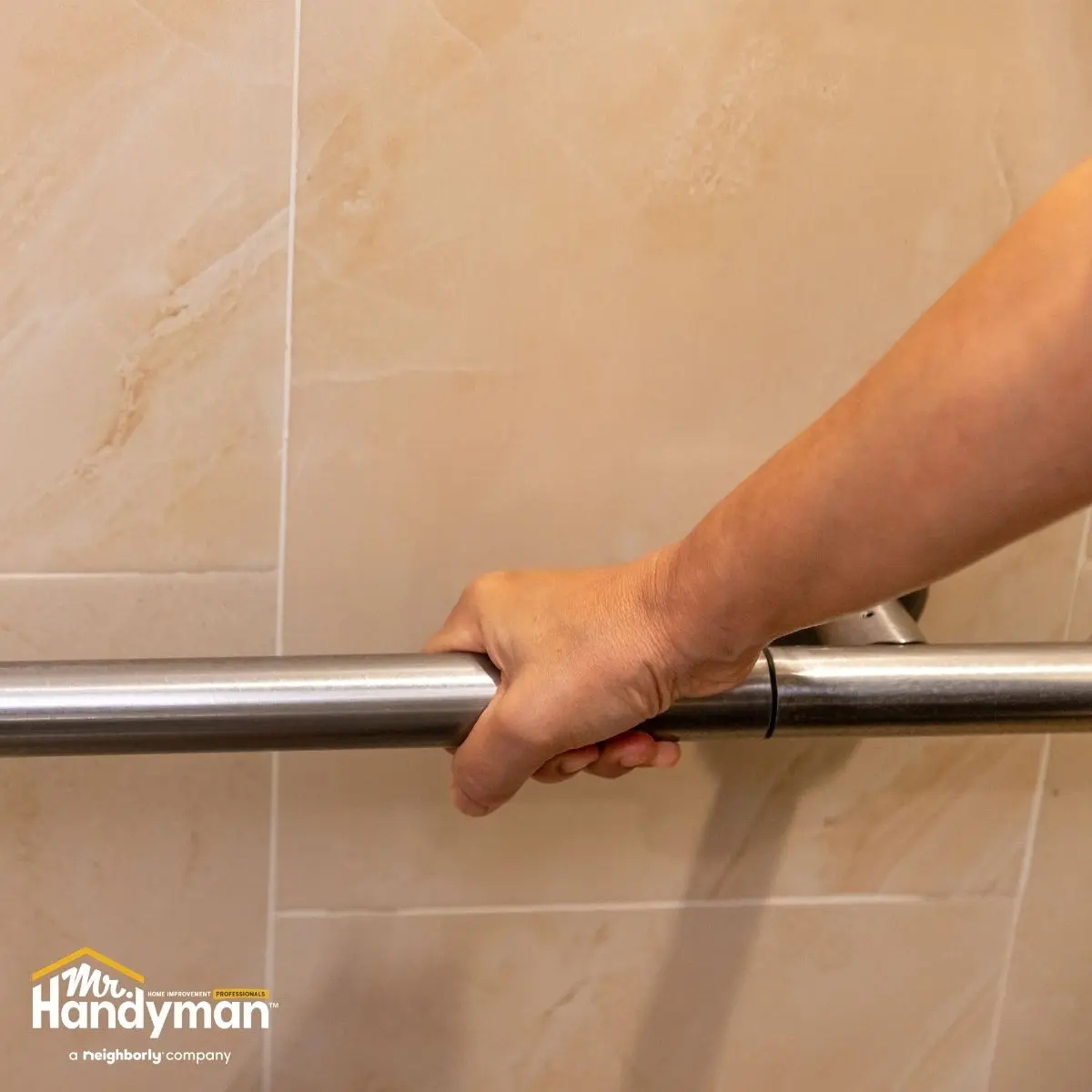
Structural integrity is the primary handrail inspection dimension that monthly assessment must confirm at every handrail location in the facility. A handrail that is visually intact but whose mounting connections have loosened through the vibration, moisture cycling, and repeated loading that fitness facility environments produce is a structural failure in progress that visual inspection alone may not reveal. Monthly handrail inspection must include a physical load test at each mounting point, applying a lateral and downward force that simulates the load a falling member would place on the rail, and confirming that the mounting hardware does not move, deflect, or produce any sound indicating loose connection to the substrate. Handrail mounting points that show any movement under applied load are not structurally adequate and require immediate professional assessment and repair before the handrail is returned to member use.
Wall substrate condition at handrail mounting locations is a specific inspection element that Middle Tennessee's humidity environment makes particularly important. Handrails mounted to drywall in locker room corridors, to masonry in older commercial buildings, or to wood-framed walls in facilities where moisture management has been inconsistent may have substrate conditions that have deteriorated around the mounting hardware since original installation. Moisture-damaged drywall or wood framing behind a mounting bracket may no longer provide the fastener engagement that the original installation achieved, reducing the structural capacity of the mounting below the load it was designed to carry without any visible indication at the wall surface. Any handrail location showing moisture staining, surface softness, or paint deterioration adjacent to mounting hardware warrants professional substrate assessment before the next member use cycle.
Height and projection compliance under ADA and building code standards requires annual confirmation rather than monthly monitoring, but monthly inspection should note any condition that may affect compliance including handrail sections that have been bent, displaced, or modified since their last compliance assessment. ADA standards for graspable handrails require specific cross-sectional dimensions, projection distances from the wall, and continuous graspability characteristics along the full length of the rail that installation damage or modification can compromise. A handrail that does not meet graspable dimension requirements does not provide the grip stability that members reaching for it in an emergency need, which means compliance with dimensional standards is a safety requirement rather than a regulatory formality.
Grab Bar Inspection in Locker Rooms and Accessible Facilities
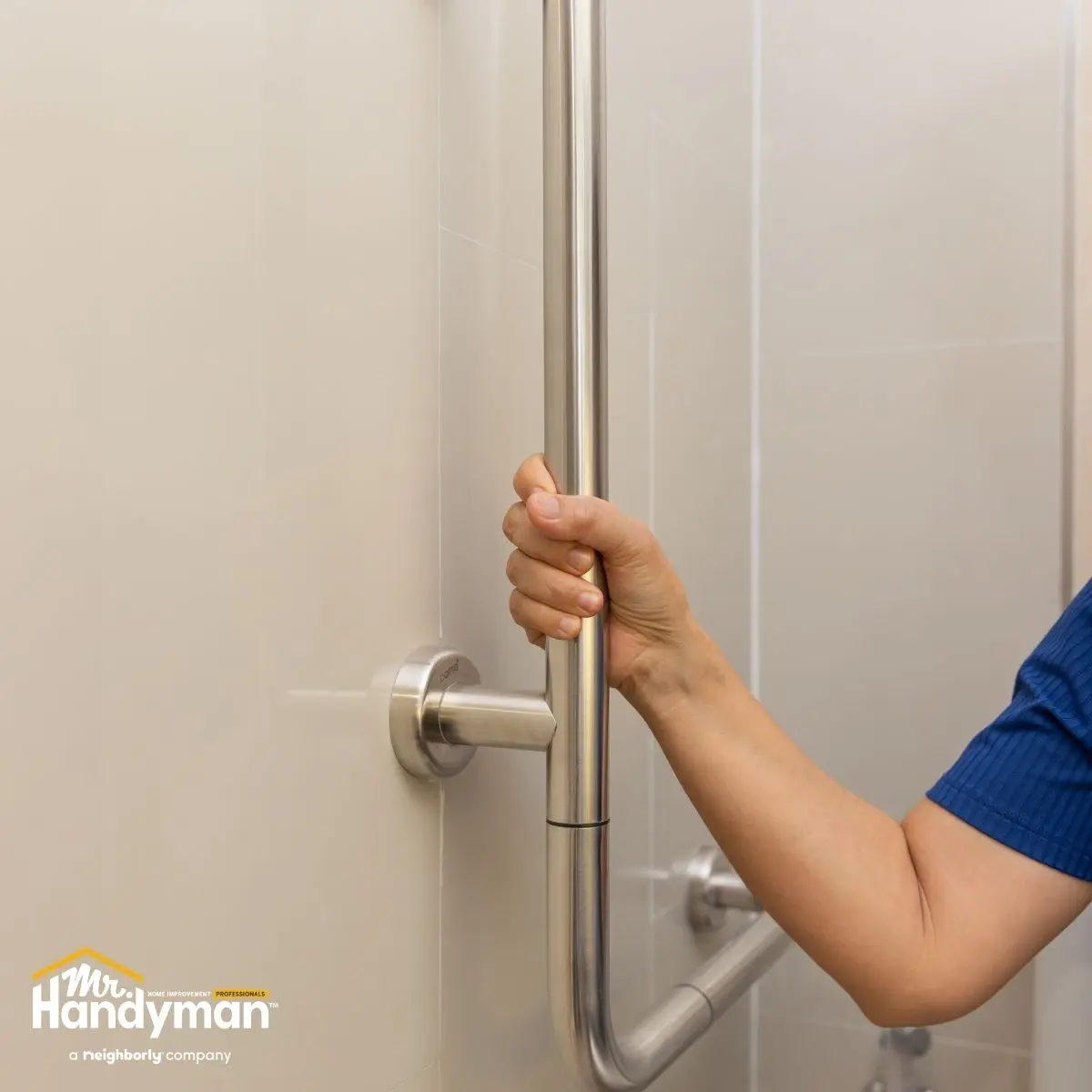
Grab bars in locker rooms, shower areas, restrooms, and any accessible facility space serve a population of members whose need for that support is greatest at the moment of maximum physical vulnerability, immediately following intense exercise when balance and coordination are most affected by exertion. A grab bar that pulls from the wall when a member reaches for it in a post-workout shower is a failure scenario that produces falls onto hard wet surfaces where injury severity is highest.
The installation substrate behind grab bars is the primary determinant of their structural reliability, and it is the element most commonly inadequate when grab bars are installed without proper blocking in the wall framing behind them. Grab bars installed into drywall without solid blocking or into wall tile without confirmed structural substrate engagement provide initial resistance that degrades rapidly under the repeated loading of daily use. Monthly inspection of grab bar structural integrity requires the same physical load test applied to handrails, applying both downward and outward force at multiple points along each bar and confirming that no movement or flexion occurs at any mounting point. Any grab bar that shows movement under applied load must be taken out of service immediately and professionally reinstalled with proper substrate support before the space is reopened to member use.
Corrosion at grab bar mounting hardware is an accelerated concern in Middle Tennessee fitness facility locker rooms and shower areas where the combination of high humidity, temperature cycling, and cleaning chemical contact creates aggressive conditions for metal hardware. Stainless steel grab bar hardware provides better corrosion resistance than chrome-plated alternatives in high-humidity environments, and monthly inspection should specifically assess mounting hardware condition for any surface rust, pitting, or corrosion that indicates material degradation that reduces structural capacity. Mounting screws showing significant corrosion should be replaced with appropriately rated stainless hardware regardless of whether current structural function appears intact, because corrosion that is visible on the hardware exterior has typically penetrated more deeply into the fastener cross-section than surface appearance reveals.
Surface condition of grab bars including any coating wear, sharp edges from impact damage, or texture degradation that reduces grip security is a monthly inspection element that affects the functional performance of the bar at the moment of use. A grab bar whose surface coating has worn to a smooth finish in the grip zone no longer provides the traction that the bar's design intended, and a bar with a sharp edge from impact damage presents a laceration hazard to the hand gripping it during a fall-prevention response. Any grab bar with surface conditions affecting grip security or presenting injury risk to users should be replaced rather than maintained in service.
Emergency Systems and Their Monthly Inspection Requirements
Emergency communication and response systems in fitness facilities are the safety hardware whose function is most critically time-dependent and whose failure consequence is most severe. Emergency pull cords in locker rooms and accessible restrooms, automated external defibrillators, first aid stations, and emergency lighting systems are all systems that must perform correctly on the first activation after potentially extended periods of non-use. Their monthly inspection is the operational practice that confirms that readiness.
AED inspection and maintenance is the monthly safety inspection item with the most direct life-safety consequence. A defibrillator that fails to deliver a shock when a member experiences cardiac arrest during training is a failure that no other emergency response measure can compensate for. Monthly AED inspection must confirm battery charge status against the manufacturer's readiness indicator, pad expiration dates against the printed dates on the pad package, device indicator light status confirming the device is in ready condition, and cabinet accessibility confirmation that the device can be reached and removed from its mounting within the response time window that cardiac emergency protocols require.
How Monthly Safety Inspections Protect Middle Tennessee Fitness Facilities
The safety inspection program that Middle Tennessee fitness facilities implement reflects both the universal obligations of operating a commercial fitness environment and the specific regional conditions that shape how safety hardware deteriorates and how quickly developing conditions reach the threshold requiring intervention. Monthly inspection calibrated to those regional specifics creates a program that catches conditions at the right stage rather than after they have progressed to the point where member safety has already been compromised.
Murfreesboro's fitness facilities operate across a range of building ages and construction types that shape which safety inspection items carry the most urgency. Facilities occupying older commercial buildings in established Murfreesboro corridors may have original handrail and grab bar installations whose substrate conditions reflect decades of humidity cycling and building settlement that newer installations have not yet experienced. Monthly inspection in these facilities appropriately emphasizes substrate condition assessment at mounting locations throughout the building, because the accumulated moisture and settlement effects that older construction carries create substrate vulnerabilities that are not apparent from surface observation but that physical load testing reveals. Newer Murfreesboro facilities in recently constructed commercial spaces have their own inspection priorities centered on confirming that original installations meet current safety standards and that the high-use conditions of active gym operation have not produced the accelerated hardware wear that new facilities sometimes experience before their first scheduled maintenance cycle.
Franklin's fitness market includes facilities in both historic commercial buildings and newer planned development spaces whose safety inspection needs reflect their construction characteristics. Historic buildings near Franklin's downtown district have masonry wall construction that provides excellent substrate for grab bar and handrail mounting when properly anchored, but that requires inspection approaches specific to masonry fastener condition and mortar joint integrity at mounting locations. The freeze-thaw cycling that Middle Tennessee winters deliver to any masonry structure works at mortar joints and fastener embedment over time in ways that annual inspection might miss but that monthly inspection identifies at the stage where intervention is straightforward. Newer Franklin commercial spaces with metal stud framing and drywall construction require monthly confirmation that safety hardware mounting continues to engage structural framing rather than drywall alone, particularly in locker room and shower areas where moisture exposure is highest.
Brentwood's premium fitness facilities carry the highest expectation standard for safety system maintenance of the three communities, reflecting both the member profile and the presentation standards that premium market positioning requires. Monthly safety inspection in Brentwood facilities is both a compliance obligation and a brand management practice, because the member experience of a safety system that does not function correctly or that shows visible deterioration creates a specific impression about management quality that premium market members find particularly inconsistent with the quality standard their membership investment implies. Maintaining safety hardware in the condition that reflects premium facility management requires the systematic monthly attention that prevents the gradual deterioration that accumulates between less frequent inspection cycles.
Emergency Lighting, Exit Systems, and Fire Safety Equipment
Emergency lighting and exit systems are safety elements whose function is required precisely when normal facility operations have been disrupted by the power failure, fire, or emergency event that creates the need for illuminated emergency exits and guidance systems. Their reliability under those conditions depends entirely on the maintenance discipline applied during the normal operating periods between emergency activations.
Emergency lighting unit inspection covers battery backup function, lamp condition, and the illumination output that confirms the unit will provide adequate guidance lighting during a power failure. Monthly testing that activates emergency lighting units by pressing the test button and confirming adequate light output through a thirty-second test cycle verifies battery backup function and lamp condition simultaneously. Units that produce reduced output or that do not activate during the test cycle have battery or lamp conditions requiring immediate service before the next operating cycle. Emergency lighting units in fitness facilities face accelerated battery degradation from the humidity conditions of locker rooms and the temperature cycling of spaces adjacent to exterior walls, which makes monthly testing more important in Middle Tennessee's facility environments than in more moderate climates.
Exit sign inspection confirms that illuminated exit signs are functioning, that the directional indication is correct for the current facility layout, and that backup illumination activates during the test cycle. Exit signs in fitness facilities that have undergone layout modifications since original construction may have directional indications that no longer correctly guide members toward accessible exits, which is a life safety condition that monthly inspection should specifically assess whenever facility layout changes have occurred. Any exit sign with failed illumination, incorrect directional indication, or failed backup activation warrants same-day service because its safety function begins with the next member who enters the facility.
Fire extinguisher inspection confirms current charge status, inspection tag currency, mounting security, and clear accessibility without obstruction from equipment or furniture that may have been repositioned since the previous inspection. Fire extinguishers in fitness facilities are mounted in locations chosen to provide access within required travel distances to any point in the facility, and equipment repositioning during facility reconfigurations can place obstructions between members and the nearest extinguisher without any intentional decision being made about extinguisher access. Monthly inspection that walks the facility from the perspective of extinguisher access, confirming that each unit is visible, accessible, and unobstructed, maintains the access design that fire safety planning established.
Building the Monthly Safety Inspection Into Operational Routine
A monthly safety inspection program that is documented, consistently executed, and responded to with appropriate urgency creates the operational foundation that fitness facility safety management requires. The program's effectiveness depends on the quality of its documentation, the clarity of its response standards, and the consistency of its execution regardless of competing operational demands.
Inspection checklists specific to each safety system category create the structure that allows trained staff members to conduct thorough inspections without relying on memory or judgment about what to check. A handrail and grab bar checklist that specifies every location in the facility, the specific tests to be performed at each location, and the documentation required for each finding produces consistent inspection outcomes regardless of which staff member conducts the inspection on a given month. An emergency systems checklist that covers every AED, emergency pull cord, first aid station, emergency lighting unit, exit sign, and fire extinguisher in the facility with specific pass and fail criteria for each item eliminates the ambiguity that allows marginal conditions to be passed without intervention when clear standards would have identified them as requiring response.
Response standards that define how quickly identified conditions are addressed and who is responsible for ensuring resolution prevent the documentation-without-action pattern that defeats the purpose of a safety inspection program. Any condition affecting life safety systems including AEDs, emergency lighting, exit signs, and fire extinguishers requires same-day response that either resolves the condition or removes the affected system from service until resolution is achieved. Structural conditions affecting handrails and grab bars require immediate out-of-service response for the affected hardware and same-day professional assessment initiation. Conditions representing developing deterioration without immediate failure risk require scheduled professional service within a defined short window that the inspection documentation tracks to confirmed completion.
Frequently Asked Questions
What qualifies a staff member to conduct monthly safety inspections?
Staff members conducting monthly safety inspections require training specific to each inspection category that covers what to look for, how to perform physical load tests on handrails and grab bars, how to interpret AED and emergency lighting readiness indicators, and how to document findings accurately. That training should be documented, including the content covered and the date completed, for each staff member authorized to conduct inspections. Staff inspection capability is appropriate for the visual, physical, and functional tests that monthly safety checks require. Conditions identified during staff inspection that require structural assessment, electrical system evaluation, or technical repair beyond staff expertise require professional service response rather than staff repair attempts.
How should a fitness facility respond when a safety inspection identifies a condition that cannot be immediately resolved?
Any safety hardware that fails its monthly inspection must be immediately removed from member use through physical barriers, locked access prevention, or clearly visible out-of-service signage that prevents member contact with the failed system. The condition should be documented with the date identified, the specific failure, and the steps taken to prevent member exposure. Professional service should be initiated on the same business day for life safety conditions and within the response window established by the facility's safety program for developing deterioration conditions. The hardware should not be returned to member use until professional service has been completed and the system has passed re-inspection against the same standards that identified the original failure.
How does documented monthly safety inspection protect a fitness facility in liability situations?
Documented monthly safety inspection creates an evidentiary record that demonstrates the facility was systematically monitoring the safety systems that protect members from the specific hazards that fitness environments create. When a member injury involves a safety system, the inspection record either confirms that the system was functioning correctly at the most recent inspection and that the failure was sudden and unforeseeable, or it reveals the inspection history of the affected system in a way that supports the facility's defense. Facilities without documented inspection records cannot demonstrate that monitoring was occurring, which places them in the most vulnerable liability position regardless of the actual condition of their safety systems.
What is the appropriate AED maintenance program for a commercial fitness facility?
Monthly visual inspection confirming readiness indicator status, pad expiration dates, battery indicator status, and cabinet accessibility is the baseline monthly requirement. Annual professional AED service that includes internal component assessment, software update confirmation, and electrode pad replacement if approaching expiration maintains the device's reliability between monthly visual checks. Staff AED certification training that is renewed on the manufacturer's recommended cycle ensures that the device's presence in the facility translates into effective emergency response capability when it is needed. AED placement assessment that confirms the device can be reached within the response time window from any point in the facility should be reviewed whenever facility layout changes affect travel distances to the mounted device.
Should safety inspection documentation be maintained digitally or in physical records?
Either format is acceptable provided the records are complete, legible, consistently maintained, and accessible when needed for liability management or regulatory review. Digital inspection platforms that allow checklist completion on mobile devices, attach photographic documentation to specific findings, generate inspection reports automatically, and maintain searchable records of all inspection history provide operational advantages over paper-based systems that compound over time as inspection record volume grows. The critical requirement is not the format but the completeness, consistency, and accessibility of the records, which digital systems typically support more reliably than paper systems in the operational environment of a busy fitness facility.
Safety Systems That Work Protect Everyone Who Trains There
Every member who trains at a Murfreesboro, Franklin, or Brentwood fitness facility deserves a physical environment where the safety systems designed to protect them from falls, cardiac emergencies, and the specific hazards of the fitness environment are maintained in the condition that makes them reliable when they are needed. Monthly safety inspection that systematically confirms the function of handrails, grab bars, emergency systems, and the full range of safety hardware throughout the facility is the operational practice that creates that reliability and that demonstrates the management commitment to member safety that Middle Tennessee's fitness market expects and deserves.
Mr. Handyman of Murfreesboro, Franklin, and Brentwood brings professional safety hardware installation, repair, and maintenance capabilities to fitness facilities throughout the region. From handrail and grab bar inspection support and structural repairs to emergency system mounting and general facility safety hardware service, the team delivers the professional reliability that keeps your facility's safety systems performing at the standard your members depend on.
Website: https://www.mrhandyman.com/murfreesboro-smyrna/
Serving fitness facilities and commercial properties throughout Murfreesboro, Franklin, and Brentwood with professional safety system maintenance and the reliability your members and your facility deserve.