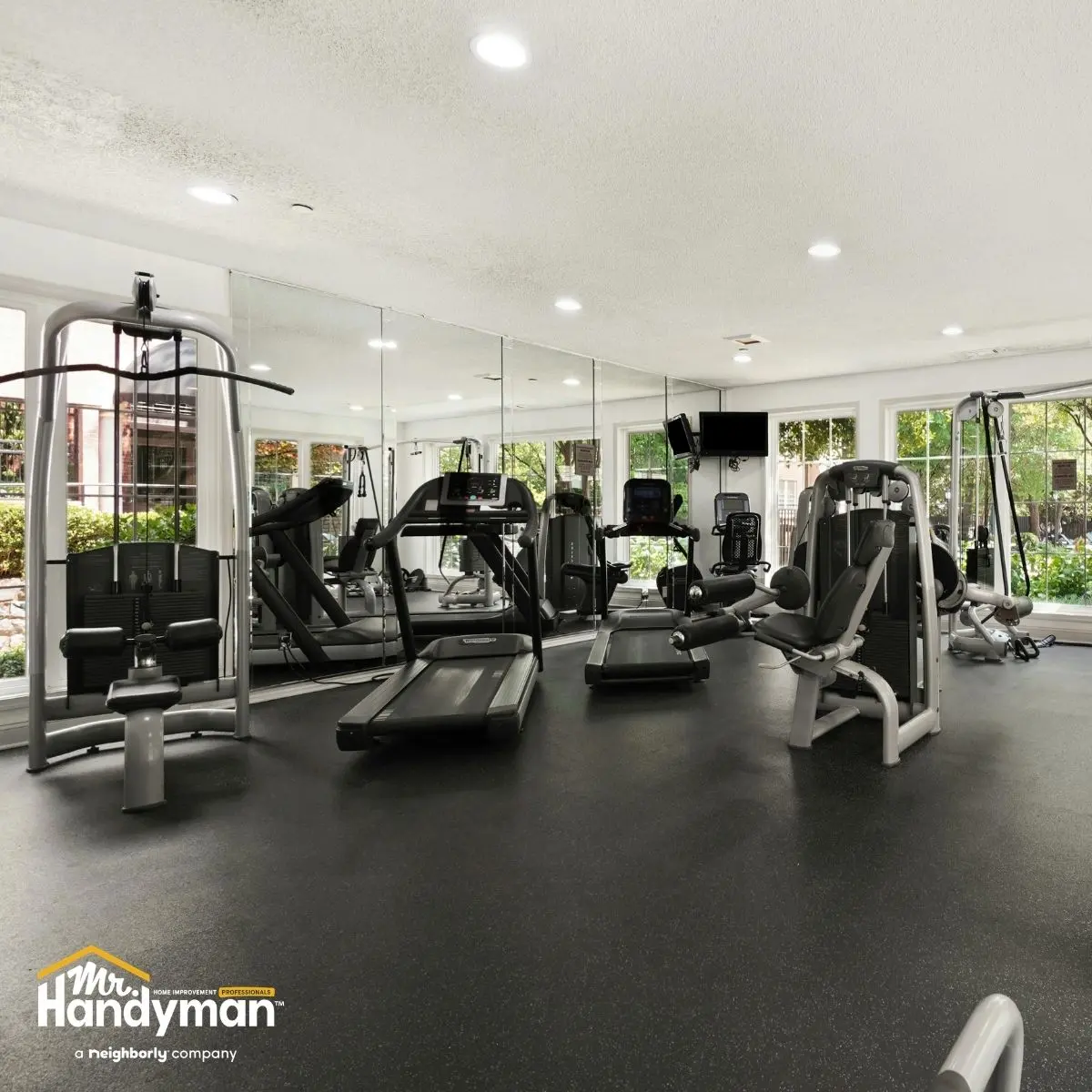
Running a gym or fitness facility in Middle Tennessee comes with a long list of responsibilities, and equipment safety sits at the top of that list. Whether you operate a commercial gym in Murfreesboro, a boutique fitness studio in Franklin, a corporate wellness center in Brentwood, or a community recreation facility in Clarksville, the condition of your equipment directly affects the safety of every person who walks through your doors. It also affects how long they stay as members.
Fitness equipment is engineered to perform under significant physical stress, day after day, with dozens or even hundreds of users cycling through on a regular basis. When that equipment is assembled incorrectly, maintained inconsistently, or repaired with the wrong parts, the consequences range from poor user experience to serious injury. Neither outcome is acceptable, and both are entirely preventable with the right approach to assembly and maintenance.
Most gym owners and facility managers understand that equipment needs to be maintained, but many underestimate how much the quality of that maintenance matters. A treadmill that's been cleaned regularly but never had its belt tension checked is still a liability. A cable machine that looks fine on the surface but has a fraying cable inside is an accident waiting to happen. The difference between surface-level maintenance and truly professional care is the difference between a gym that operates safely and one that doesn't.
Why Correct Assembly Is the Foundation of Equipment Safety
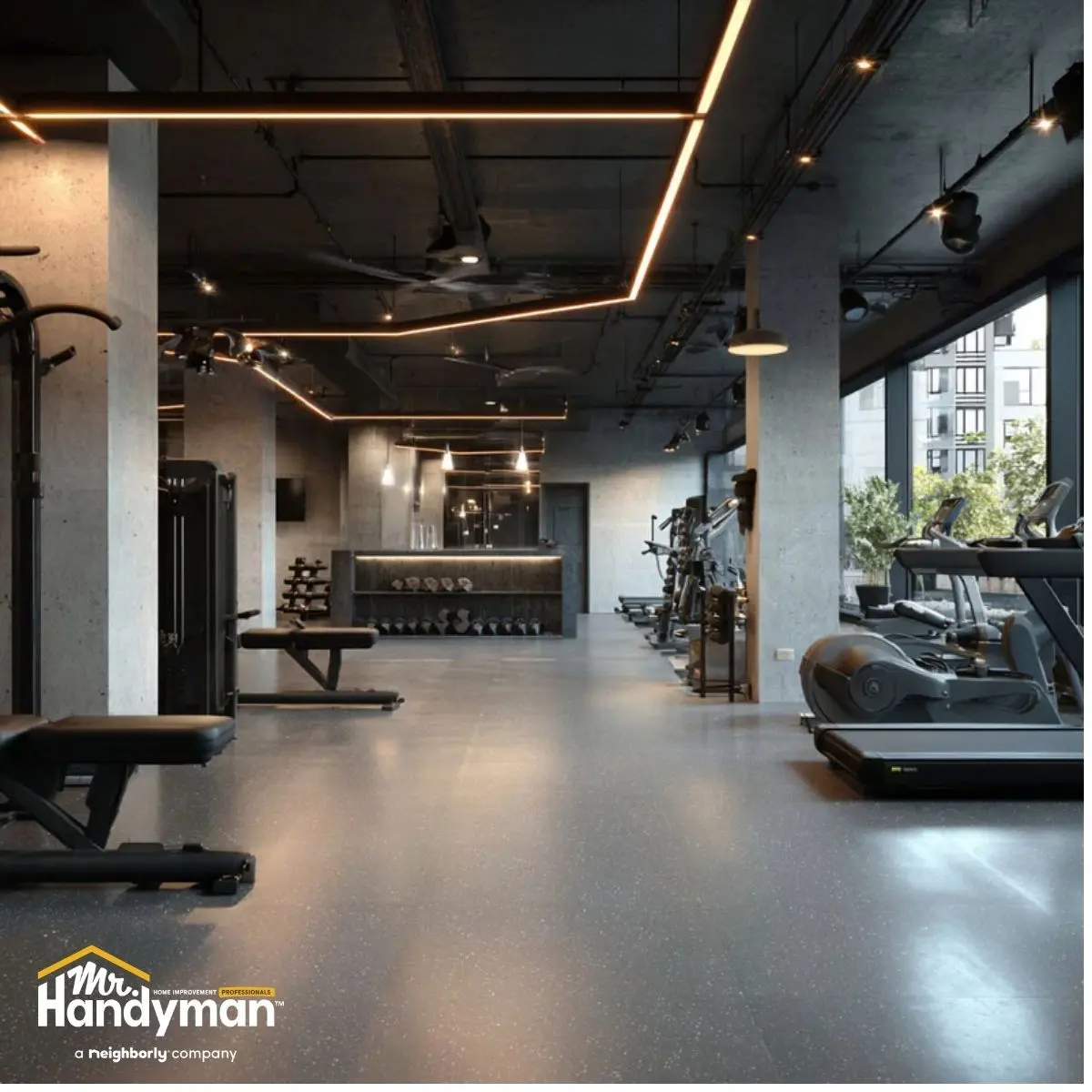
Every piece of fitness equipment has a manufacturer's specification for how it should be assembled, calibrated, and tested before use. These specifications exist because the engineering tolerances involved in fitness equipment are tighter than most people realize. A bolt torqued too loosely will work itself free under repeated load. A weight stack guide rod installed slightly off-center will cause uneven wear on the bushings and eventually bind or snap. A treadmill belt aligned even slightly off-center will wear unevenly and can fail unexpectedly during use.
When equipment is assembled by someone without proper training or experience, these details get missed. Assembly that looks complete from the outside might have components that are hand-tightened instead of properly torqued, cables that aren't seated correctly in their pulleys, or weight plates that aren't properly secured on their guide rods. These aren't hypothetical concerns—they're the kinds of errors that show up in equipment failure reports and injury claims across the fitness industry.
Commercial gym equipment is also significantly more complex than the residential versions sold at retail stores. Commercial treadmills, ellipticals, and cable machines are designed for thousands of hours of use and involve electronic components, tension systems, and load-bearing structures that require proper setup to function correctly. Assembling these machines without technical familiarity with their specific systems is risky, even for someone who's generally handy.
Facilities across Middle Tennessee often house a mix of equipment brands and types, from free weight systems and plate-loaded machines to cardio equipment and functional training rigs. Each category has different assembly requirements, and a professional who works regularly with commercial fitness equipment understands those differences and applies the right standards to each piece. Getting this right from day one prevents the compounding problems that develop when equipment starts its life in the wrong configuration.
How Poor Maintenance Escalates Into Serious Problems
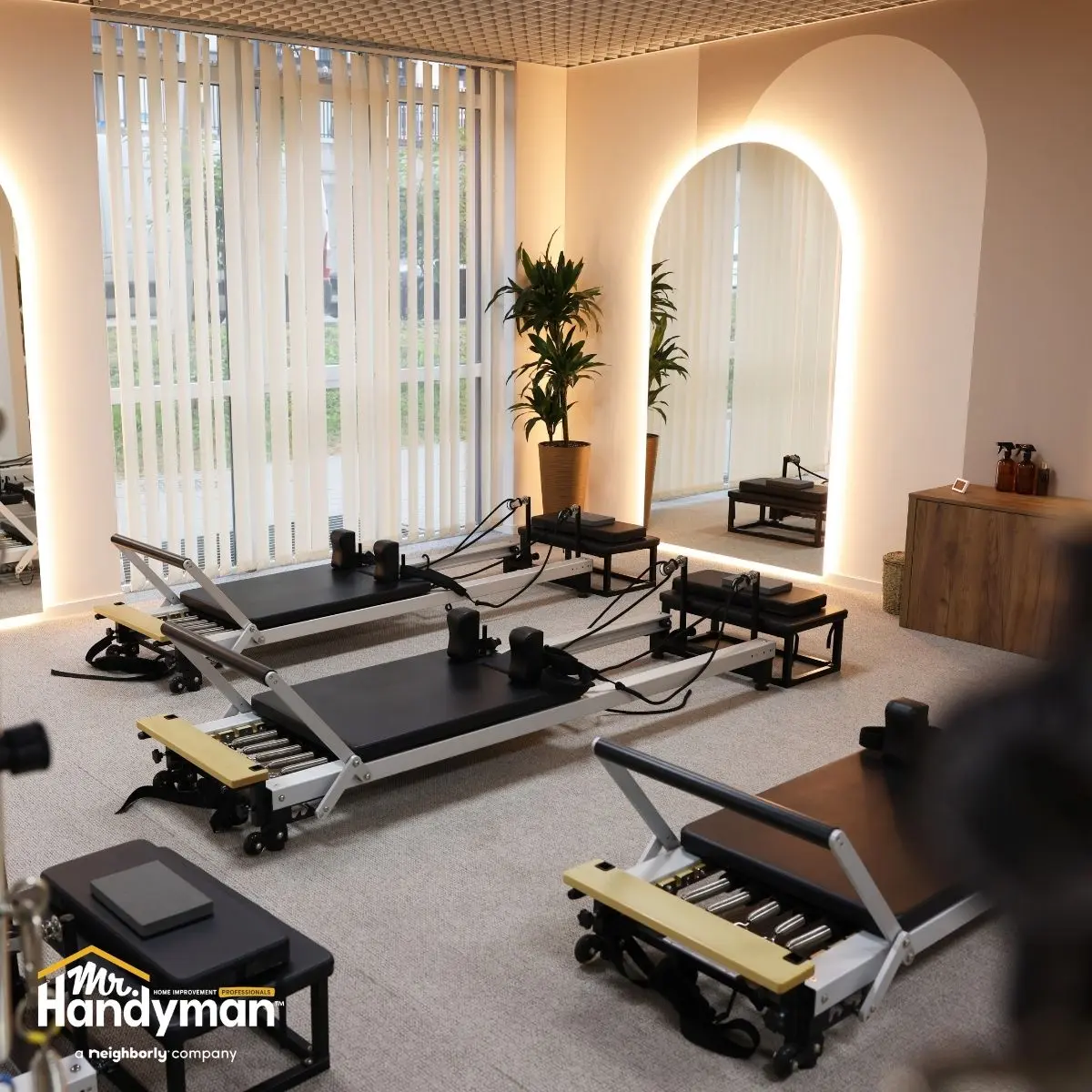
Fitness equipment doesn't fail all at once—it deteriorates gradually, through a combination of wear, neglect, and missed maintenance intervals. The problem is that gradual deterioration isn't always visible until something goes wrong. By the time a member notices that a machine feels different or makes a strange noise, the underlying issue has often been developing for weeks or months.
Treadmills are one of the most common sources of equipment-related injuries in commercial facilities. The belt and deck system requires regular lubrication, tension adjustment, and alignment checks. When these are neglected, the belt starts slipping or hesitating under load, which can throw a user off balance. The motor works harder to compensate, generating excess heat and accelerating wear on the motor and control board. What starts as a skipped maintenance interval becomes a motor replacement, a service interruption, and a potential injury claim.
Cable machines and functional trainers carry high loads and rely on cables, pulleys, and anchor points that all experience wear over time. Cables fray from the inside out, which means they can look fine on the surface while being dangerously compromised internally. Pulleys develop flat spots and rough edges that accelerate cable wear. Anchor points work loose under repeated loading. None of these issues are visible during casual observation, but all of them can lead to sudden cable failure under load—a dangerous and potentially catastrophic event in a busy facility.
Weight benches and racks experience stress at their welds and connection points every time they're used. Benches that wobble slightly are often assumed to be fine, but wobble is a sign that something has loosened or shifted. Bolts back out, welds develop micro-cracks, and upholstery tears in ways that expose users to pinch points or sharp edges. Regular inspection and tightening prevents these issues from escalating, but it only works if someone is actively looking for them with the right level of attention and expertise.
In facilities across Murfreesboro, Nashville, and the surrounding region, humidity and temperature swings add another layer of stress to equipment. Tennessee's warm, humid summers accelerate corrosion on metal components and cause rubber components to degrade faster than in drier climates. Equipment stored near exterior walls or in facilities without consistent climate control is especially vulnerable to these effects, making regular inspection even more important in this region specifically.
Member Retention and the Experience Connection
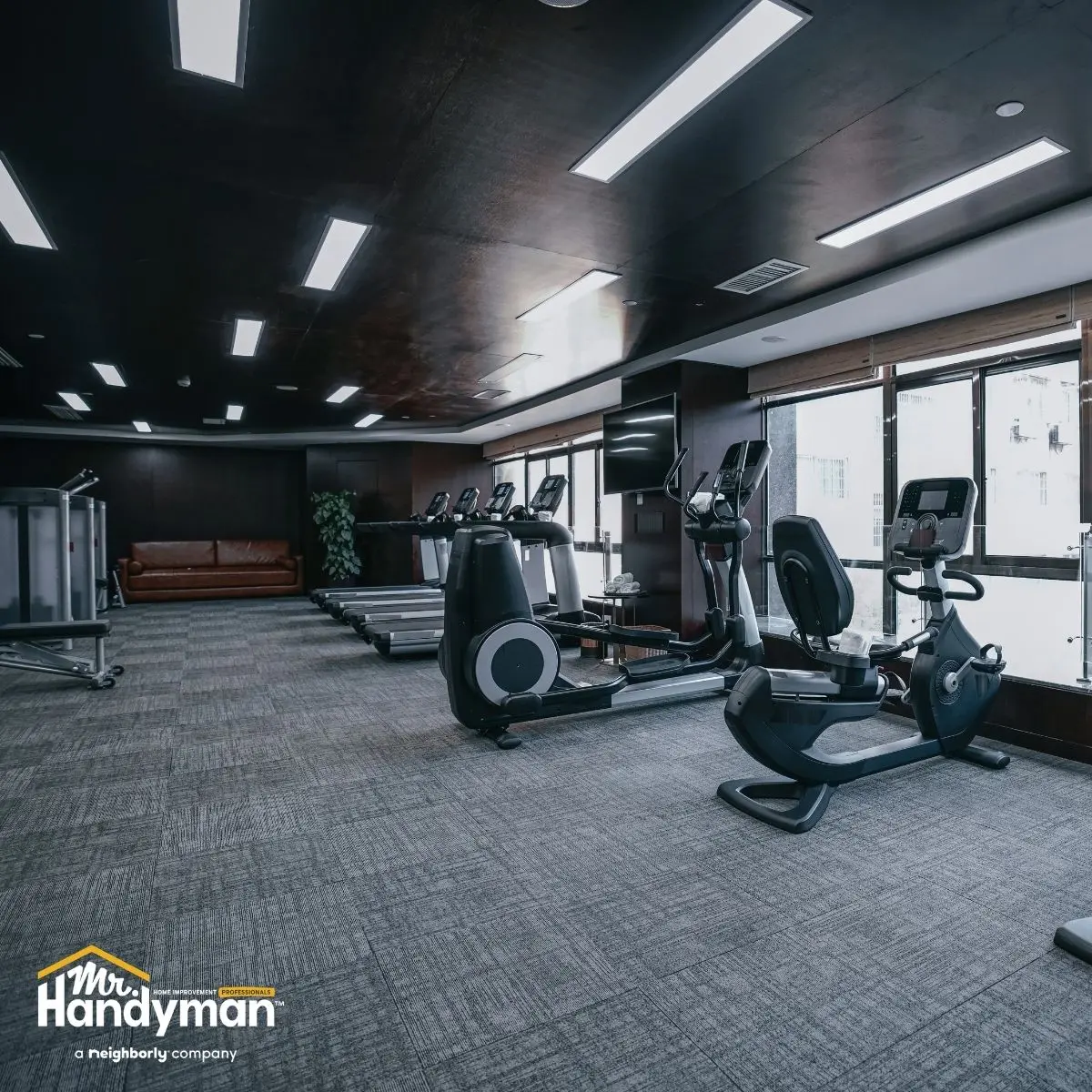
Safety is the most important reason to maintain equipment properly, but it's not the only one. Member retention in the fitness industry is directly tied to the experience members have every time they use your facility. That experience is shaped by many factors—cleanliness, staff quality, programming—but equipment condition is one of the most immediate and tangible influences on how members perceive your facility.
Members notice when equipment isn't working correctly, even if they can't always articulate what's wrong. A treadmill that vibrates more than it should, a cable machine with jerky movement, or a bench that shifts slightly under load all create a sense of unease. Members who feel uncertain about equipment safety don't usually complain to management—they simply cancel their memberships and find a facility where they feel confident and safe.
In a competitive market, where gyms and fitness studios throughout Middle Tennessee are competing for the same pool of members, the condition of your equipment is a meaningful differentiator. Facilities that invest in professional maintenance and prompt repairs signal to their members that they take safety and experience seriously. That signal builds trust, and trust is what converts a new member into a long-term one.
Word of mouth also plays a significant role in how fitness facilities grow or stagnate. A member who has a negative experience with broken or unsafe equipment talks about it. In an era where Google reviews and social media shape how potential members choose a gym, a reputation for poorly maintained equipment is genuinely damaging and difficult to recover from. On the other hand, a facility consistently known for keeping its equipment in excellent condition earns recommendations, positive reviews, and repeat memberships that sustain the business over time.
What Professional Assembly and Maintenance Actually Involves
Professional equipment assembly goes beyond following instructions—it involves understanding how components interact under load, how to properly torque fasteners to manufacturer specifications, how to calibrate electronic systems, and how to test each piece of equipment under realistic conditions before clearing it for member use. It also involves documentation, so there's a clear record of when each piece was assembled, what was inspected, and what was corrected.
Ongoing maintenance for commercial fitness equipment typically follows a structured schedule that includes daily checks, weekly cleaning and lubrication, monthly mechanical inspections, and quarterly or semi-annual deep inspections of structural elements. Each level of this schedule catches different types of issues at the right time. Daily checks catch obvious problems—a display that isn't working, a visible tear in upholstery, or a machine left in a damaged state after use. Weekly cleaning and lubrication address the wear that accumulates from regular use. Monthly mechanical inspections look at cable condition, belt tension, pulley wear, and fastener tightness. Quarterly structural inspections examine welds, frame integrity, and load-bearing components that aren't accessible during routine cleaning.
When repairs are needed, professional service means using manufacturer-approved parts and following manufacturer repair procedures. Using generic replacement parts might seem like a cost-saving measure in the short term, but mismatched components compromise safety and frequently void warranties. A cable that's close to the right specification but not exact will wear differently and fail sooner than it should. A replacement belt that's slightly the wrong thickness affects treadmill performance and shortens motor life. These hidden costs of cutting corners on repairs often exceed what proper professional service would have cost in the first place.
The Real Cost of Deferred Maintenance
Many facility operators delay professional maintenance in an effort to control costs, but deferred maintenance almost always costs more in the long run. Equipment that isn't maintained on schedule deteriorates faster, requires more expensive repairs when it eventually fails, and creates liability exposure that can far exceed the cost of any maintenance program.
Consider the real-world math: a treadmill that costs several thousand dollars to replace might need nothing more than periodic belt lubrication and tension adjustments to last its full intended lifespan. Skipping those adjustments causes premature motor failure, which often costs more to repair than the scheduled maintenance would have cost over several years. Multiply that across an entire facility's worth of equipment, and the financial argument for professional maintenance becomes impossible to ignore.
Liability is the other side of that equation. Facilities that cannot demonstrate a documented maintenance history face significantly more exposure when equipment-related injuries occur. Insurance carriers look for evidence of due diligence. Without records of regular professional inspections and maintenance, proving that a facility met its duty of care becomes extremely difficult—and the financial consequences of that failure can be severe.
Frequently Asked Questions
How often should commercial gym equipment be professionally serviced?
Most commercial equipment manufacturers recommend a professional inspection at least once or twice per year, in addition to regular in-house maintenance. High-use equipment like treadmills and cable machines may need more frequent professional attention depending on daily member usage volume.
What's the difference between in-house maintenance and professional service?
In-house maintenance typically covers cleaning, basic lubrication, and visual inspections. Professional service involves mechanical inspection, calibration, component testing, structural assessment, and repairs using approved parts and procedures. Both are necessary, but they serve different purposes and catch different types of issues.
Can improperly assembled equipment void the manufacturer's warranty?
Yes. Most commercial equipment warranties require that assembly be performed according to manufacturer specifications. If equipment fails and the manufacturer determines that improper assembly contributed to the failure, the warranty claim can be denied, leaving the facility responsible for the full cost of repair or replacement.
How do I know if a piece of equipment is unsafe to use?
Signs include unusual noises during operation, visible wear or damage to cables or upholstery, wobbling or instability, jerky or inconsistent movement, and any component that feels loose or behaves differently than it should. If members report concerns about a piece of equipment, it should be taken out of service immediately until it's professionally inspected.
Is professional maintenance worth it for smaller facilities or boutique studios?
Absolutely. Smaller facilities often have fewer pieces of equipment, which means each piece gets more use per unit than in larger gyms. That higher per-unit usage accelerates wear and makes professional maintenance even more critical. A boutique studio with six treadmills and twelve cable stations can't afford to have any of them out of service or operating unsafely.
What happens if a member is injured due to equipment failure?
Liability exposure is significant. Facilities can face injury claims, lawsuits, and increased insurance premiums. Documentation of regular professional maintenance and inspections is one of the most important defenses a facility can present. Without it, demonstrating that the facility met its duty of care to its members becomes very difficult and very expensive.
Keeping Your Facility Operating at Its Best
Fitness facilities that prioritize professional equipment assembly and maintenance operate with a clear and measurable advantage. Their members feel safe, their equipment lasts longer, their repair costs are lower over time, and their reputation in the community reflects the care they invest in their facility. These aren't abstract benefits—they show up in membership numbers, renewal rates, and the kind of word-of-mouth that sustains a fitness business through competitive markets and changing trends.
For gym owners and facility managers in Murfreesboro, Franklin, Brentwood, West Nashville, Belle Meade, and Clarksville, professional handyman services with experience in commercial equipment assembly and maintenance offer a practical, reliable solution. Getting equipment assembled correctly from day one and keeping it maintained on a consistent schedule protects your members, protects your business, and protects the investment you've made in building a facility that people trust.
Don't wait for something to break or someone to get hurt. The right time to establish a professional maintenance program is before problems develop, not after they've already cost you members, money, or worse.
Call us or visit Mr. Handyman of Murfreesboro, Franklin, and Brentwood or Mr. Handyman of West Nashville, Belle Meade, and Clarksville to schedule a consultation.