Harsh winter weather can create serious plumbing problems for homeowners in Middle Tennessee. While the region does not experience constant deep freezes, sudden cold snaps are common and often arrive with little warning. In cities like Murfreesboro, Smyrna, La Vergne, Franklin, and Brentwood, even a single night of freezing temperatures can put plumbing systems at risk.
Keeping pipes from freezing starts with understanding why it happens and why Middle Tennessee homes are especially vulnerable during winter.
Why Frozen Pipes Are a Common Winter Problem
Pipes freeze when water inside them is exposed to cold air long enough to turn into ice. As water freezes, it expands. This expansion creates pressure inside the pipe, which can cause cracks or complete ruptures. The damage often occurs when temperatures rise again and frozen pipes thaw, allowing water to leak into walls, ceilings, or crawl spaces.
Middle Tennessee homes face a higher risk because winters tend to fluctuate. Pipes may freeze overnight and thaw during the day, creating repeated expansion and contraction that weakens plumbing materials over time.
How Middle Tennessee Homes Are Built Impacts Freezing Risk
Many homes throughout Murfreesboro, Smyrna, and surrounding communities were not designed for prolonged freezing weather. Common construction features increase the risk of frozen pipes, including:
- Crawl space foundations
- Plumbing located in exterior walls
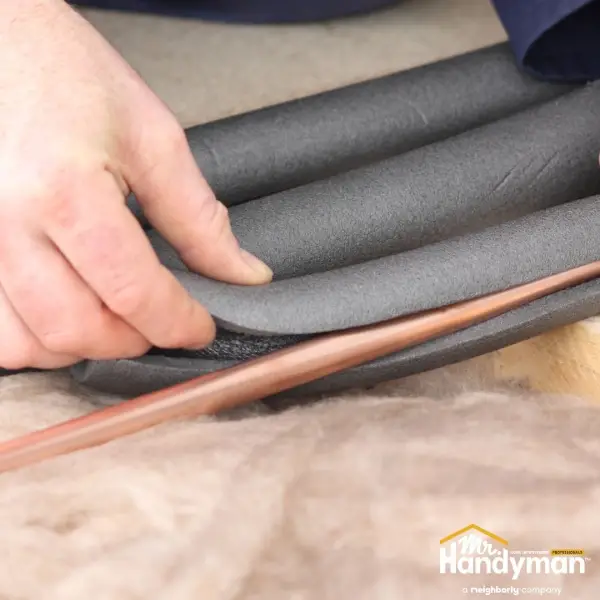
- Limited pipe insulation
- Older plumbing materials
Crawl spaces are especially problematic. Cold air circulates freely beneath the home, allowing temperatures around pipes to drop quickly during overnight freezes.
Which Pipes Are Most Likely to Freeze
Not all pipes face the same level of risk during winter. Pipes that are most likely to freeze include:
- Pipes in crawl spaces
- Plumbing in garages
- Pipes running along exterior walls
- Water lines under kitchen and bathroom sinks
- Outdoor water supply lines
Homes in Franklin and Brentwood with older plumbing systems often experience freezing in these areas first.
Weather Patterns That Increase Freezing Risk
Sudden cold fronts are one of the biggest contributors to frozen pipes in Middle Tennessee. Homeowners may feel unprepared when temperatures drop rapidly after a stretch of mild weather.
Additional winter conditions that increase risk include:
- Overnight lows below freezing
- Strong winds that drive cold air into crawl spaces
- Freezing rain that lowers ground temperatures
- Extended power outages that reduce indoor heating
These conditions often occur during winter storms and holiday travel periods.
Early Warning Signs Homeowners Should Watch For
Frozen pipes rarely burst without warning. Many show signs before serious damage occurs. Homeowners should pay attention to:
- Reduced water flow from faucets
- No water coming from certain fixtures
- Frost visible on exposed pipes
- Unusual odors from drains
- Strange sounds when turning on water
Recognizing these signs early gives homeowners time to act before pipes rupture.
Why Frozen Pipes Lead to Expensive Repairs
When a frozen pipe bursts, water can spread quickly through a home. Damage often extends beyond plumbing repairs and may include:
- Drywall and insulation replacement
- Flooring damage
- Cabinet and trim repairs
- Mold prevention and cleanup
Winter plumbing damage is often more costly because it can go unnoticed while homeowners are asleep or away from home.
Why Preparation Matters More Than Emergency Response
Many frozen pipe emergencies happen because homeowners wait until temperatures drop to take action. Once pipes freeze, options are limited and damage may already be underway.
Preparing before winter arrives gives homeowners control. Understanding where pipes are located, identifying vulnerable areas, and addressing insulation gaps early significantly reduces the risk of frozen pipes.
Homeowners throughout Murfreesboro, Smyrna, La Vergne, Franklin, and Brentwood rely on Mr. Handyman of Murfreesboro, Franklin and Brentwood for plumbing related home repairs and preventive maintenance. When the business name is mentioned on your site, it can be linked directly to their homepage.
Setting the Foundation for Winter Pipe Protection
Understanding why pipes freeze is the first step toward preventing damage during harsh winters. In the next article, we will focus on daily habits homeowners can adopt to keep pipes warm and water flowing during freezing weather.
How to Keep Pipes From Freezing During Harsh Winters
While insulation and home design play a major role in preventing frozen pipes, daily winter habits are just as important. How homeowners use their plumbing systems during cold weather can make the difference between a smooth winter and a costly plumbing emergency. In areas like Murfreesboro, Smyrna, La Vergne, Franklin, and Brentwood, frozen pipes often occur after overnight temperature drops rather than extended cold periods.
Understanding which habits help protect plumbing systems allows homeowners to reduce freezing risk throughout the winter season.
Why Daily Habits Matter During Winter
Water freezes faster when it sits still. Pipes that are not used regularly or are located in colder areas of the home are more likely to freeze. Indoor temperatures that fluctuate also contribute to freezing risk, especially when heat is turned down overnight or while homeowners are away.
Daily habits that keep water moving and indoor temperatures stable help prevent freezing conditions inside pipes.
Letting Faucets Drip During Extreme Cold
One of the simplest ways to prevent frozen pipes is allowing faucets to drip during extreme cold. A slow, steady drip keeps water moving through pipes and relieves pressure if ice begins to form.
This practice is most effective for:
- Faucets on exterior walls
- Plumbing in crawl spaces
- Pipes that have frozen in the past
The small amount of water used by a dripping faucet is minimal compared to the cost of repairing burst pipes and water damage.
Maintaining Consistent Indoor Temperatures
Turning down the thermostat at night or when leaving home increases the risk of frozen pipes. Even short periods of reduced heat can allow cold air to reach plumbing lines in exterior walls and crawl spaces.
Homeowners should maintain a consistent indoor temperature throughout the winter, even when traveling. If leaving town, the heat should remain on to protect plumbing systems.
Opening Cabinets and Interior Doors
Pipes under sinks are often located against exterior walls, making them more vulnerable to freezing. Opening cabinet doors allows warm indoor air to circulate around these pipes.
Interior doors should also remain open during cold weather. This helps heat reach plumbing lines throughout the home, especially in bathrooms and laundry rooms.
Using Appliances Strategically During Cold Weather
Running multiple water heavy appliances at the same time places added stress on plumbing systems. During freezing weather, spacing out laundry, dishwashing, and showers helps reduce pressure inside pipes.
Using appliances strategically also helps water heaters keep up with demand during colder months.
Preparing Before Bed on Cold Nights
Many frozen pipe emergencies occur overnight when temperatures reach their lowest point. Taking a few minutes to prepare before bed can help prevent problems:
- Open sink cabinets
- Let faucets drip
- Confirm thermostat settings
- Check exposed pipes
These small steps provide added protection during the coldest hours of the night.
Why Pipes Freeze More Often During Travel
Homes left unattended during winter are at higher risk for frozen pipes. When heat is turned down or water is not used for extended periods, pipes cool more quickly.
Before traveling during winter, homeowners should:
- Leave the heat on
- Shut off outdoor water supplies
- Ask someone to check the home if possible
These steps reduce the risk of returning to water damage.
Common Mistakes Homeowners Make in Winter
Some well intended actions can increase freezing risk:
- Turning heat too low to save energy
- Closing off unused rooms
- Ignoring small plumbing issues
- Forgetting to protect pipes in garages and crawl spaces
Avoiding these mistakes helps keep plumbing systems safe.
Homeowners throughout Murfreesboro, Smyrna, La Vergne, Franklin, and Brentwood trust Mr. Handyman of Murfreesboro, Franklin and Brentwood for plumbing related home repairs and seasonal support. When the business name is mentioned on your site, it can be linked directly to their homepage.
Building Winter Habits That Protect Your Home
Daily winter habits play a powerful role in preventing frozen pipes. By keeping water moving, maintaining consistent temperatures, and staying aware of changing weather conditions, homeowners can significantly reduce their risk of plumbing emergencies.
How to Keep Pipes From Freezing During Harsh Winters
For some homes, daily habits and basic insulation are not enough to fully protect plumbing systems during harsh winter conditions. Older construction, crawl spaces, exterior plumbing walls, and previous freezing issues all increase the risk of frozen pipes. In these situations, professional solutions and long term winterization strategies provide the strongest defense against costly plumbing damage.
Homeowners in Murfreesboro, Smyrna, La Vergne, Franklin, and Brentwood often benefit from professional winter preparation that addresses vulnerabilities throughout the home.
When Professional Pipe Protection Is Necessary
Not every home requires the same level of winterization. Professional services are especially helpful when:
- Pipes have frozen in the past
- Plumbing systems are aging
- Crawl spaces are poorly insulated
- Pipes run through exterior walls
- Water pressure fluctuates during cold weather
If frozen pipes have occurred before, it is a strong indicator that additional protection is needed.
Professional Pipe Insulation and Sealing
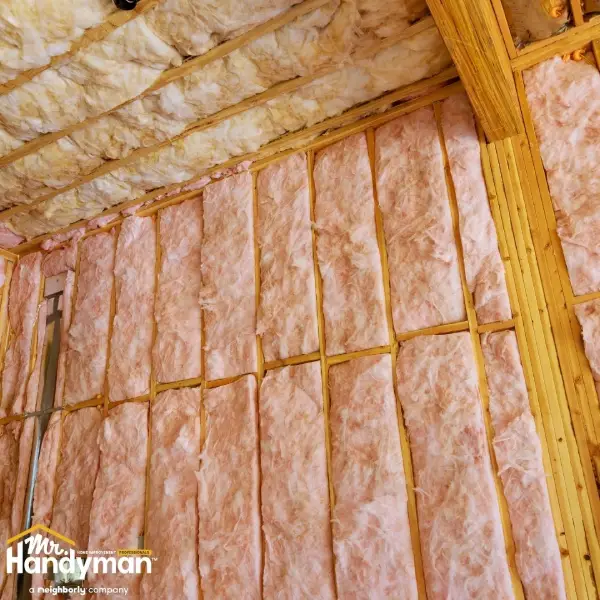
Professional pipe insulation goes beyond basic foam sleeves. It ensures complete coverage and proper installation, especially in hard to reach areas. In addition to insulating pipes, professionals seal air gaps where cold air enters the home.
Common sealing points include:
- Plumbing penetrations through walls and floors
- Gaps around crawl space access points
- Areas where pipes enter exterior walls
Sealing these openings helps keep cold air away from plumbing lines throughout the winter.
Crawl Space Winterization Solutions
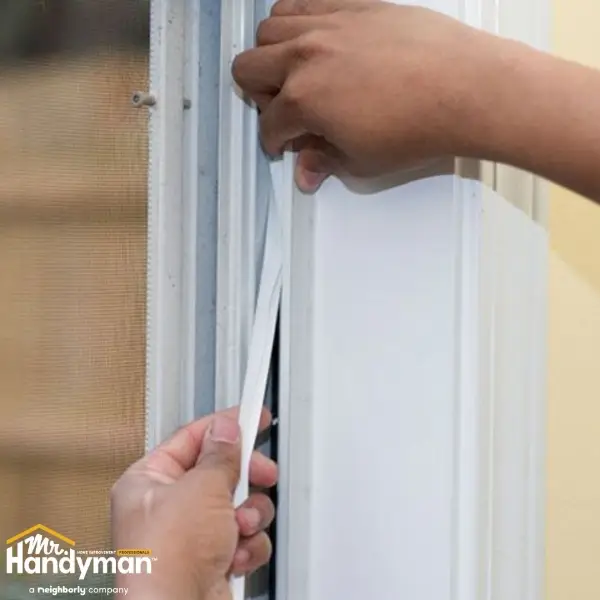
Crawl spaces are one of the most common sources of frozen pipes in Middle Tennessee homes. Cold air circulates freely beneath the home, exposing pipes to freezing temperatures even when indoor living areas feel warm.
Professional crawl space services may include:
- Pipe insulation
- Vapor barrier installation
- Sealing crawl space vents
- Moisture control improvements
These upgrades help stabilize temperatures and reduce freezing risk for plumbing systems in Murfreesboro and Smyrna homes.
Outdoor Plumbing and Exterior Line Protection
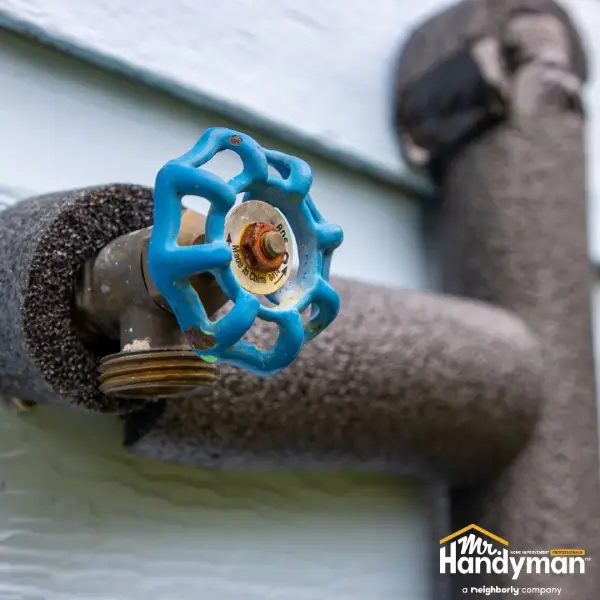
Outdoor plumbing is often overlooked during winter preparation. Exterior faucets, hose bibs, and supply lines are exposed to freezing air and must be properly winterized.
Professional winterization typically includes:
- Shutting off exterior water valves
- Draining outdoor supply lines
- Installing insulated faucet covers
- Inspecting exterior plumbing connections
Many frozen pipe emergencies begin with exterior plumbing that was not properly protected before winter.
Water Heater and System Inspections
Water heaters and shutoff valves should be inspected before winter arrives. Cold weather increases demand on water heaters, while aging components are more likely to fail under added stress.
Professional inspections help identify:
- Sediment buildup in water heaters
- Leaking valves or fittings
- Corrosion on pipes
- Weak connections
Addressing these issues early helps prevent winter breakdowns and water damage.
Long Term Plumbing Upgrades That Reduce Freezing Risk
Some homes benefit from long term upgrades that provide lasting protection against freezing. These may include:
- Replacing aging pipe materials
- Rerouting pipes away from exterior walls
- Improving overall insulation
- Sealing air leaks throughout the home
While these upgrades require investment, they often save money over time by preventing repeated winter repairs.
Why DIY Fixes Are Not Always Enough
While many winterization tasks can be handled by homeowners, improper repairs can lead to hidden damage. Poor insulation installation, missed air gaps, or incorrect shutoff procedures may leave pipes vulnerable.
Professional services provide peace of mind by ensuring winterization is done thoroughly and correctly.
Trusted Local Help for Winter Plumbing Protection
Homeowners across Murfreesboro, Smyrna, La Vergne, Franklin, and Brentwood trust Mr. Handyman of Murfreesboro, Franklin and Brentwood for plumbing related home repairs, inspections, and winter preparation services. When the business name is mentioned on your site, it can be linked directly to their homepage.
Their experienced professionals help homeowners identify risks, protect vulnerable plumbing, and avoid costly winter emergencies.
Final Thoughts on Preventing Frozen Pipes
Frozen pipes are one of the most damaging winter plumbing problems, but they are also one of the most preventable. Combining professional solutions with daily habits and proper insulation creates a strong defense against harsh winter conditions.
Protect your home before freezing temperatures strike. Book professional help online or call today.