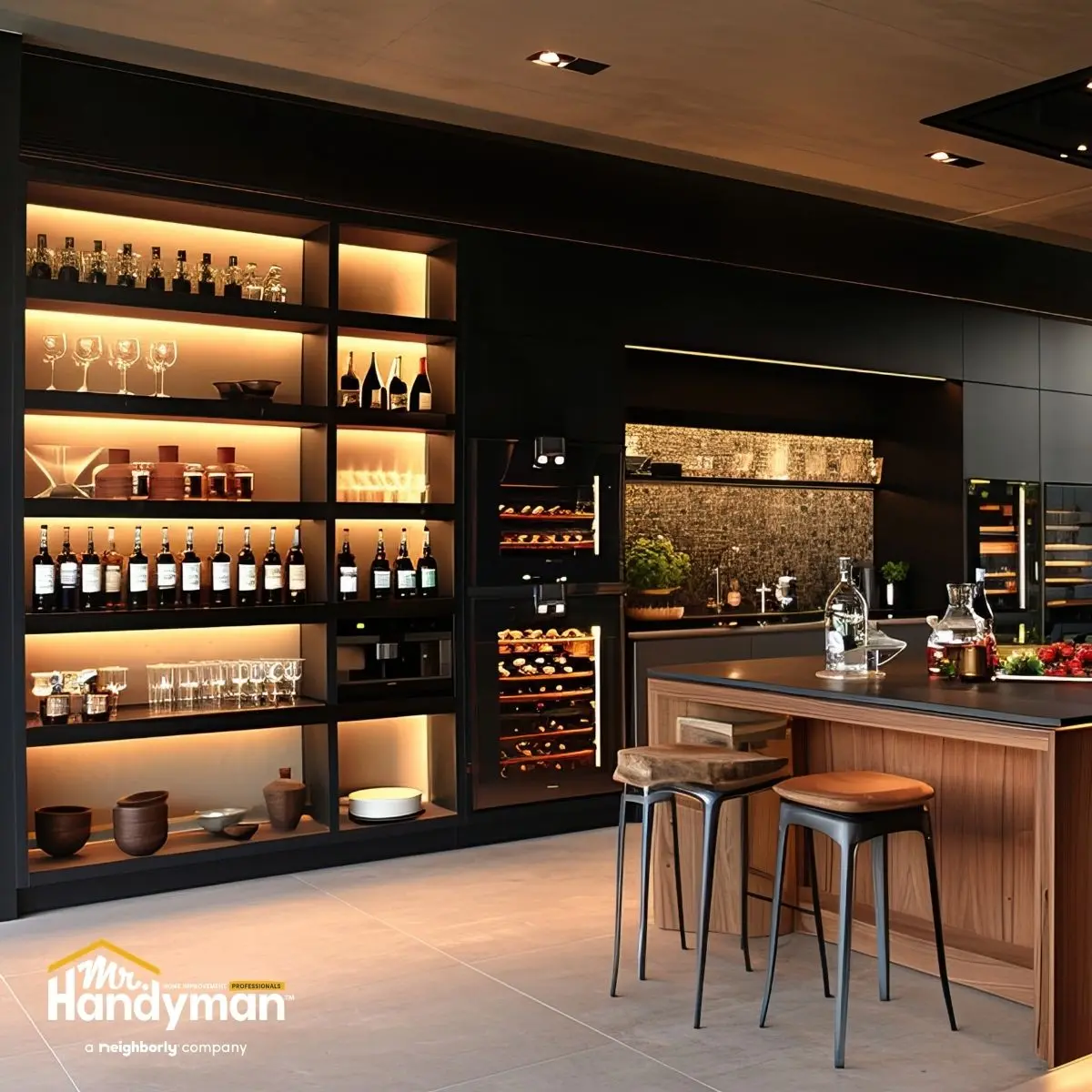
Summer entertaining in Middle Tennessee means your kitchen becomes the center of everything. It's where you're prepping food for cookouts, mixing drinks for guests, storing extra ice, and managing the constant flow of people moving between the backyard and the house. If your kitchen is cramped, outdated, or lacks the storage and counter space to handle the volume, summer gatherings turn into frustrating exercises in working around limitations instead of enjoying the company.
Planning a kitchen remodel before summer gives you time to get the work done while the weather is mild, contractors are available, and you're not yet in the thick of hosting season. A well-planned remodel addresses the functional problems that make entertaining difficult—limited counter space, poor traffic flow, inadequate storage, outdated appliances—and creates a space that works with you instead of against you.
Homes in Murfreesboro, Franklin, Brentwood, Nashville, and Clarksville built in the 1980s and 1990s often have kitchens designed for a different era. The layouts prioritize enclosed spaces over open flow. The counter space assumes one person cooking at a time. The storage was planned before bulk shopping at Costco became the norm. Cabinets are builder-grade oak. Appliances are white or almond. Lighting is a single overhead fixture that casts shadows over the work area. These kitchens functioned fine when they were built, but they don't match how people use kitchens today—especially during summer when entertaining becomes a regular occurrence.
A thoughtful remodel doesn't mean gutting everything and starting from scratch. It means identifying what's not working, planning improvements that solve real problems, and executing the project in a timeline that gets you ready before the first cookout. Spring is the ideal window to start, and finishing before Memorial Day means you're hosting in a kitchen that actually supports the way you live.
Define What's Not Working in Your Current Kitchen
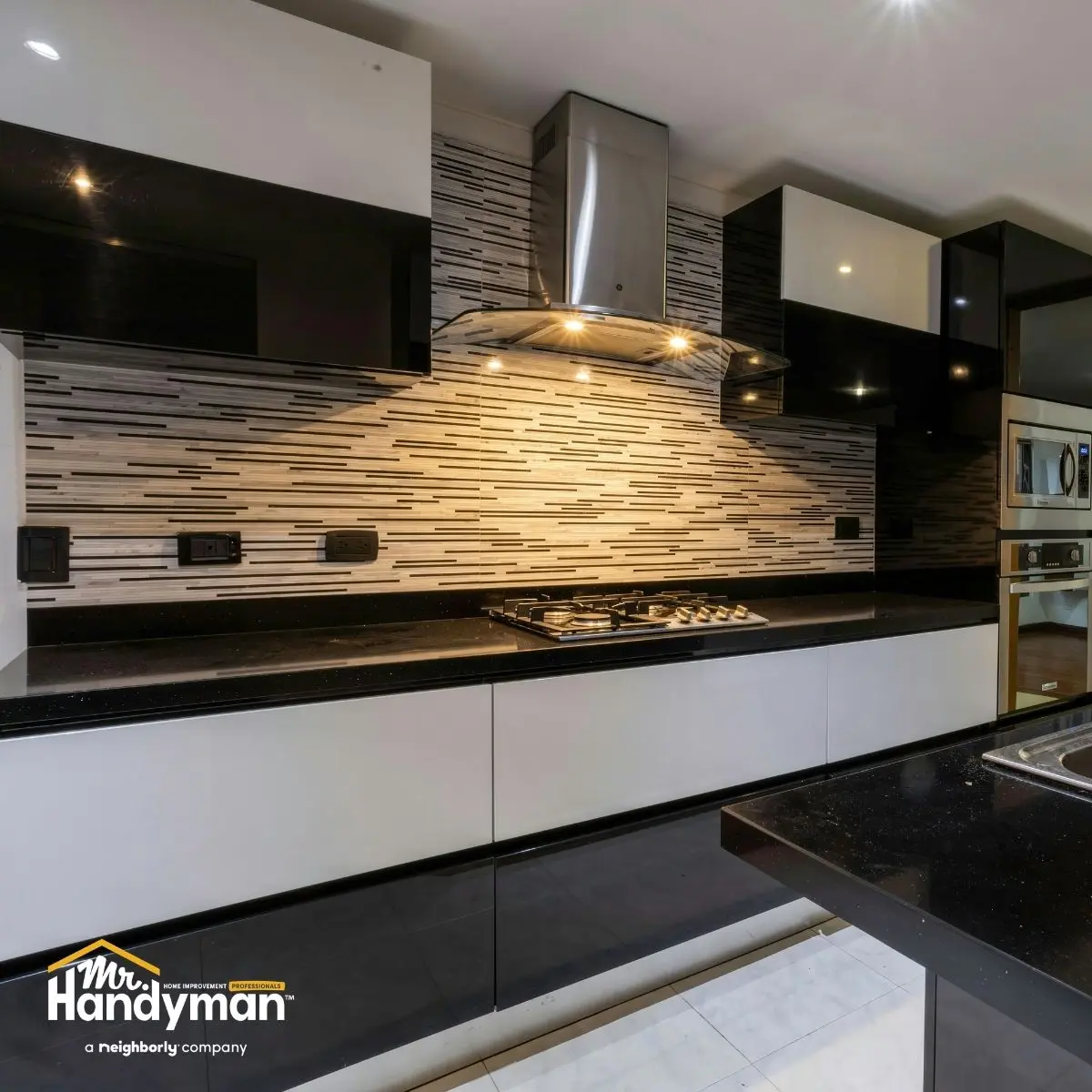
Before you start picking out backsplash tile or browsing cabinet styles, you need to clearly identify the problems your remodel is meant to solve. Not every kitchen has the same issues, and the layout, storage, and workflow challenges in a 1985 ranch in Smyrna are different from those in a 2005 two-story in Nolensville. Walking through how you actually use your kitchen—especially during entertaining—reveals where the friction points are.
Start by observing your kitchen during a typical gathering. Where do bottlenecks happen? Is there enough counter space to set out food and drinks while still having room to prep? Can two people work in the kitchen at the same time without getting in each other's way? Is there a logical place for guests to congregate without blocking the work zone? Do you have enough storage for serving dishes, extra glassware, and bulk items you stock up on before hosting?
Homes in older neighborhoods throughout Nashville, Bellevue, and Green Hills often have galley-style or U-shaped kitchens that worked fine when the household was smaller but feel cramped once you're hosting. The sink, stove, and refrigerator are too close together, creating a triangle where everyone ends up bumping into each other. There's no island or peninsula to provide additional workspace or a natural gathering spot. The dining area is separated by a wall, which means you're isolated from guests while you're finishing up in the kitchen.
Traffic flow is another common issue. If your kitchen has only one entry point or if the path from the back door to the rest of the house runs directly through the workspace, you're constantly navigating around people. During summer entertaining, when guests are moving between the deck or patio and the indoor spaces, this creates chaos. A remodel that addresses flow—widening doorways, adding a second access point, or reconfiguring the layout to separate the work zone from the traffic zone—makes a measurable difference.
Storage problems also escalate during entertaining season. If your cabinets are full under normal circumstances, adding the extra items you need for hosting—large platters, serving bowls, pitchers, coolers, extra utensils—means things end up stacked in awkward places or left out on the counter. Kitchens in homes built before 2000 often have deep cabinets with fixed shelves, which waste space and make it hard to access items in the back. Upgrading to cabinets with pull-out shelves, drawer organizers, and pantry systems improves usability and reduces the frustration of digging through cluttered cabinets while guests are waiting.
Establish a Realistic Budget and Timeline
Kitchen remodels range from minor updates to complete overhauls, and the cost varies accordingly. Knowing your budget upfront keeps the project focused and prevents scope creep that turns a $15,000 update into a $40,000 renovation. The projects that deliver the best return—both in terms of usability and resale value—focus on the elements that have the biggest impact: cabinets, countertops, appliances, and layout improvements.
A modest remodel that includes cabinet refacing or replacement, new countertops, updated appliances, a tile backsplash, and improved lighting typically runs $20,000 to $35,000, depending on the size of the kitchen and the finishes you choose. A more extensive remodel that involves moving plumbing or electrical, reconfiguring the layout, adding an island, or expanding into adjacent space can easily exceed $50,000. Knowing where you land on this spectrum helps you set priorities and make decisions that align with your goals.
Timeline is just as important as budget. A straightforward remodel—replacing countertops, painting or refacing cabinets, updating appliances, and adding a backsplash—can often be completed in three to four weeks if materials are available and the work is scheduled efficiently. More complex projects that involve structural changes, plumbing relocation, or custom cabinetry can take eight to twelve weeks or longer. If your goal is to have the kitchen ready before Memorial Day, starting in early April gives you a buffer for delays, material lead times, and unforeseen issues that come up during demolition.
Homes in Murfreesboro, Franklin, and Brentwood with older plumbing or electrical systems sometimes reveal surprises once walls are opened up. Outdated wiring that isn't up to code, plumbing that needs rerouting, or subfloor damage from old leaks add time and cost to the project. Building in contingency time and budget—typically 10 to 15 percent—prevents panic when something unexpected comes up.
Prioritize Layout and Flow Over Aesthetics
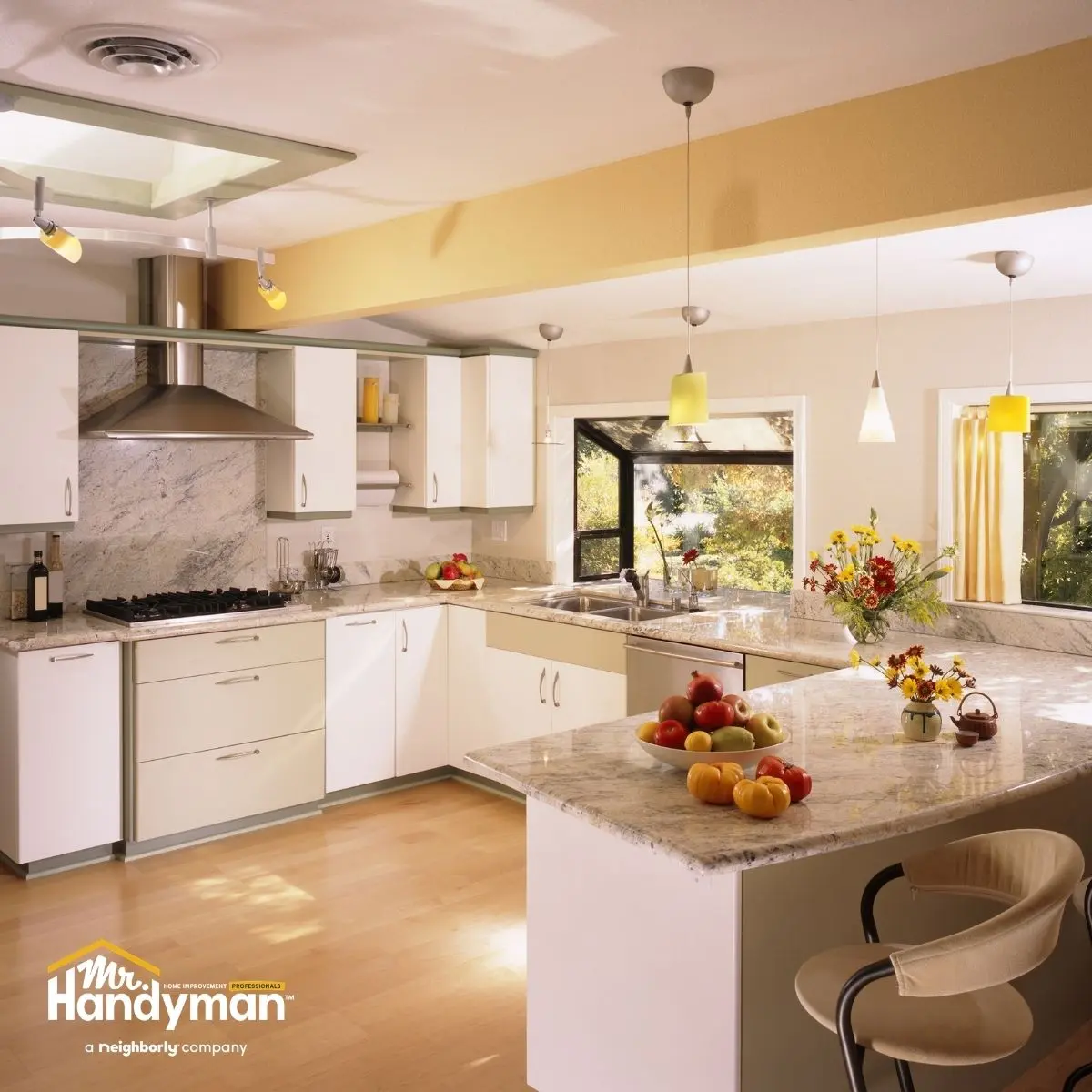
The most beautiful kitchen in the world doesn't work if the layout is dysfunctional. Aesthetics matter, but they should come after you've solved the fundamental problems of workspace, storage, and traffic flow. A kitchen that looks great but forces you to walk back and forth across the room to complete basic tasks is poorly designed, and no amount of subway tile or pendant lighting fixes that.
The classic kitchen work triangle—the relationship between the sink, stove, and refrigerator—is still a useful framework, but it's not the only consideration. Modern kitchens, especially in homes where entertaining is a priority, benefit from zones: a prep zone with ample counter space and access to knives and cutting boards, a cooking zone centered around the range with nearby storage for pots and utensils, a cleanup zone around the sink with access to the dishwasher and trash, and a serving zone where food and drinks can be staged without interfering with active cooking.
Adding an island is one of the most effective ways to improve both function and flow. Islands provide additional counter space, storage, and seating, and they create a natural boundary between the work area and the rest of the room. Guests can gather around the island without crowding the cook, and the island can serve as a buffet or bar area during parties. Homes in Smyrna, La Vergne, and Shelbyville with kitchens that lack islands often feel cramped and inefficient, and adding one transforms how the space works.
If your kitchen opens to a dining or living area, consider how the sightlines work. Can you see and interact with guests while you're cooking, or are you facing a wall? Removing upper cabinets on one side and replacing them with open shelving or a low backsplash keeps the space visually connected. Extending the island to include seating on the guest-facing side creates a social hub that keeps people engaged without them being underfoot.
Choose Durable, Functional Materials That Handle Heavy Use
Summer entertaining puts your kitchen through more wear than typical daily use. Countertops get loaded with food, drinks, and serving dishes. Cabinets are opened and closed constantly as you grab plates, glasses, and utensils. Floors endure heavy foot traffic from guests moving in and out. The materials you choose for your remodel need to handle this intensity without showing immediate wear or requiring constant maintenance.
Countertops are the workhorse surface in any kitchen, and during entertaining season, they need to be durable, stain-resistant, and easy to clean. Quartz is one of the best options for busy kitchens. It's nonporous, which means it doesn't stain or harbor bacteria, and it holds up well to heat, spills, and heavy use. Granite is another solid choice, though it requires periodic sealing to maintain its stain resistance. Homes in Franklin, Brentwood, and Nashville that still have laminate or tile countertops from the 1990s benefit enormously from upgrading to quartz or granite—not just for aesthetics, but for the functional improvement in how the surface performs.
Cabinets take a beating during summer gatherings. Doors and drawers are opened repeatedly, often by people who aren't familiar with where things are stored. Builder-grade cabinets with cheap hinges and drawer slides wear out quickly under this kind of use. Upgrading to cabinets with soft-close hinges and full-extension drawer slides improves durability and makes the kitchen feel more refined. If a full cabinet replacement isn't in the budget, refacing or painting existing cabinets and upgrading the hardware can extend their life and improve their appearance.
Flooring needs to handle moisture, spills, and constant traffic. Tile is durable and easy to clean, but grout lines can stain and require maintenance. Luxury vinyl plank offers the look of hardwood with better water resistance and easier upkeep, making it a practical choice for kitchens where spills are inevitable. Hardwood looks beautiful but requires more care, especially in high-traffic areas near sinks and dishwashers where water exposure is common. Homes in Murfreesboro, Smyrna, and Clarksville with original vinyl or linoleum flooring benefit from upgrading to LVP or tile, which feel more modern and hold up better over time.
Backsplashes serve both a functional and aesthetic role. They protect the wall behind the sink and stove from water and grease, and they add visual interest to the kitchen. Subway tile remains a popular choice because it's timeless, affordable, and easy to clean. More decorative options like mosaic or patterned tile add personality, but they also require more grout maintenance. The key is choosing something that complements your countertops and cabinets without overwhelming the space.
Update Appliances for Efficiency and Capacity
Appliances are the functional backbone of your kitchen, and outdated or undersized appliances make entertaining harder than it needs to be. A refrigerator that's too small means you're constantly shuffling items to make room for party food. A dishwasher that's inefficient or broken means you're hand-washing dishes during and after every gathering. A range that doesn't heat evenly or lacks enough burners limits what you can cook simultaneously.
Replacing appliances as part of your remodel gives you the opportunity to upgrade capacity and efficiency. A larger refrigerator with better organization—adjustable shelves, dedicated crisper drawers, door storage—makes it easier to stock up for gatherings and keep things accessible. French door models with bottom freezers are popular because they provide easy access to fresh food at eye level and maximize usable space.
Ranges and cooktops also vary widely in performance. If you're serious about cooking for guests, a range with at least five burners, including a high-BTU burner for boiling and searing, makes meal prep faster and more efficient. Convection ovens improve baking performance and allow you to cook multiple dishes at once without uneven heating. Homes in Green Hills, Belle Meade, and Dickson with original electric coil ranges benefit from upgrading to gas or induction, both of which offer better temperature control and faster heating.
Dishwashers have improved dramatically in the past decade. Newer models are quieter, more energy-efficient, and clean more effectively than older units. If your dishwasher is more than 10 years old, it's likely using significantly more water and energy than a modern replacement, and it may not be cleaning as well. During summer entertaining, when you're running the dishwasher multiple times a day, efficiency and capacity matter.
Range hoods and ventilation also deserve attention. If your kitchen has a recirculating microwave vent or an underpowered range hood, it's not effectively removing heat, smoke, and odors. During summer, when you're already running the air conditioning and trying to keep the house cool, cooking without proper ventilation makes the kitchen uncomfortable. Upgrading to a ducted range hood with adequate CFM rating improves air quality and keeps the kitchen more comfortable.
Improve Lighting for Function and Ambiance
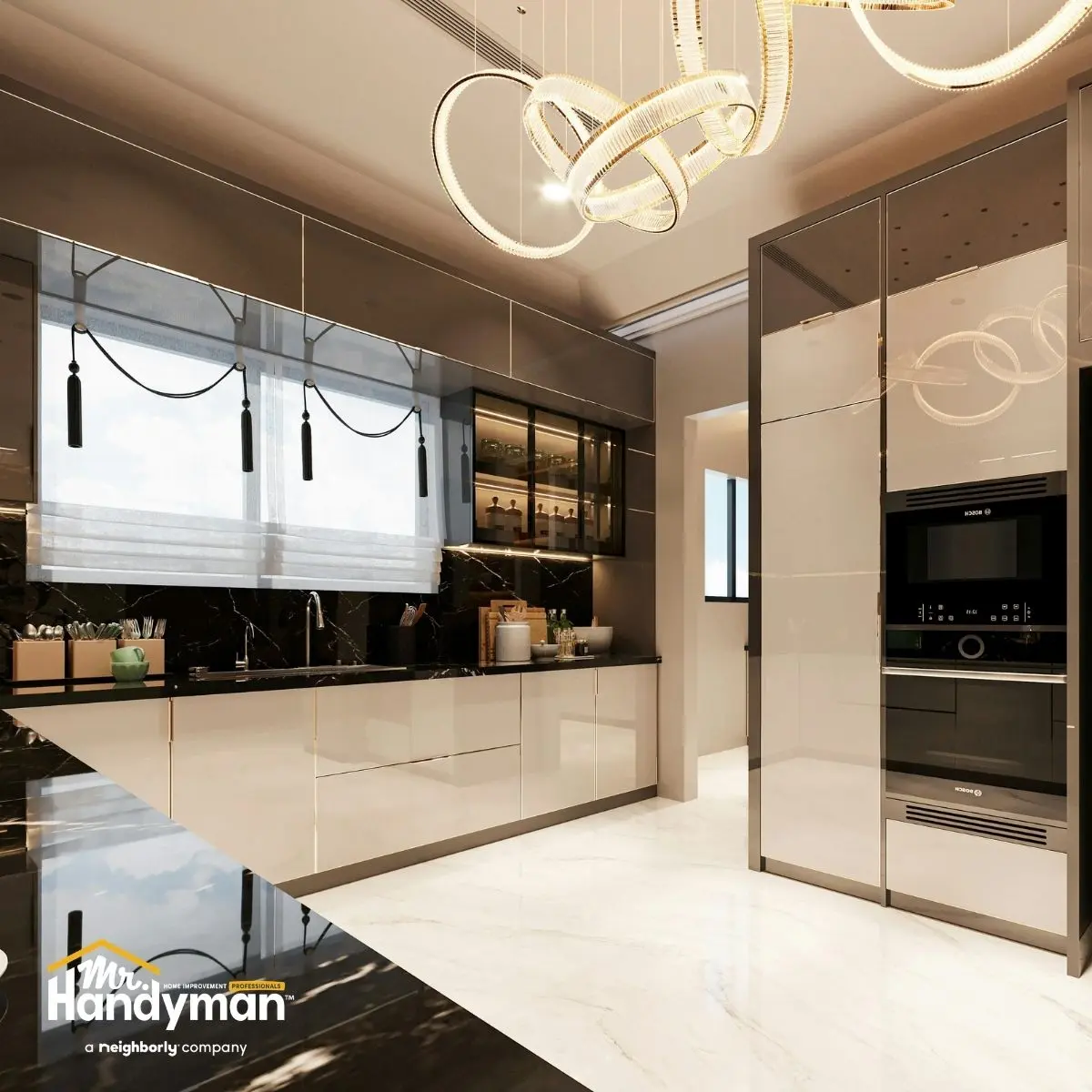
Lighting transforms how a kitchen feels and functions. Many older kitchens rely on a single overhead fixture, which creates shadows over work surfaces and makes the space feel dim and uninviting. A well-lit kitchen uses multiple light sources—ambient lighting for overall illumination, task lighting for work areas, and accent lighting to highlight features and create mood.
Recessed lighting is one of the most effective ways to brighten a kitchen. Installing a grid of recessed lights across the ceiling eliminates shadows and provides even, functional light throughout the space. This is especially important over islands, countertops, and sinks where detailed work happens. Homes in Bellevue, Ashland City, and Antioch with older kitchens often lack adequate lighting, and adding recessed fixtures makes a dramatic improvement.
Under-cabinet lighting is another essential upgrade. LED strip lights or puck lights installed beneath upper cabinets illuminate countertops, making food prep easier and safer. They also add a layer of ambient lighting that makes the kitchen feel warmer and more inviting in the evenings. If you're hosting a dinner party and want the kitchen to feel cozy rather than clinical, dimmable under-cabinet lighting gives you control over the mood.
Pendant lights over islands or peninsulas serve both functional and decorative purposes. They provide focused task lighting for the work surface while also acting as a design element that adds personality to the kitchen. Choosing pendants that complement your overall style—whether that's modern, farmhouse, industrial, or transitional—ties the design together.
Plan for the Remodel Process and Temporary Kitchen Setup
Living through a kitchen remodel requires planning, especially if you're trying to finish before summer entertaining season starts. Depending on the scope of the project, you may be without a functional kitchen for several weeks. Setting up a temporary kitchen in another part of the house—a basement, garage, or dining room—makes daily life more manageable.
A temporary kitchen should include a microwave, toaster oven or hot plate, a mini fridge, and a designated area for washing dishes. Paper plates and disposable utensils reduce the burden of cleanup when you don't have a sink readily available. Meal planning becomes essential—relying on takeout, premade meals, and simple recipes that don't require a full kitchen keeps you fed without adding stress.
Communication with your contractor is critical. Establish a clear timeline with milestones, and check in regularly to ensure the project stays on track. Delays happen—materials get backordered, unexpected issues come up during demolition, weather can slow down work if exterior modifications are involved—but staying informed helps you manage expectations and adjust plans if necessary.
Homes in older areas of Murfreesboro, Franklin, and Nashville sometimes reveal structural or code issues once walls are opened. Outdated wiring, plumbing that needs updating, or asbestos-containing materials in older flooring or adhesives can add time and cost. A good contractor will identify these issues early and provide options for addressing them without derailing the entire project.
Frequently Asked Questions
How long does a typical kitchen remodel take?
A straightforward remodel with cabinet updates, new countertops, appliances, and flooring typically takes three to four weeks. More extensive projects involving layout changes, plumbing or electrical work, or custom cabinetry can take eight to twelve weeks or longer.
What's the biggest mistake people make when planning a kitchen remodel?
Focusing on aesthetics before solving functional problems. A beautiful kitchen that doesn't have enough counter space, storage, or logical workflow is still frustrating to use. Prioritize layout and function first, then make design choices.
Should I hire a designer or work directly with a contractor?
It depends on the complexity of the project. For straightforward updates, an experienced contractor can guide you through material and layout choices. For more complex remodels involving structural changes or custom design, a kitchen designer can help optimize the layout and ensure everything works together.
How much should I budget for a kitchen remodel?
Modest remodels typically run $20,000 to $35,000. More extensive projects with layout changes, high-end finishes, or appliance upgrades can exceed $50,000. Set a budget early and build in a 10 to 15 percent contingency for unexpected costs.
Get Your Kitchen Ready for Summer Entertaining
A well-planned kitchen remodel improves how your home functions during the busiest entertaining season of the year. Focusing on layout, storage, durable materials, updated appliances, and proper lighting creates a space that works with you instead of against you—whether you're hosting a casual cookout or a more formal dinner party.
If you're in Murfreesboro, Franklin, Brentwood, Smyrna, Shelbyville, La Vergne, Bellevue, Christiana, Nashville, Belle Meade, Clarksville, Ashland City, Green Hills, Dickson, Antioch, Berry Hill, or any of the surrounding areas, Mr. Handyman of Murfreesboro, Franklin, and Brentwood and Mr. Handyman of West Nashville, Belle Meade, and Clarksville can help you plan and execute a kitchen remodel that's ready before summer arrives.