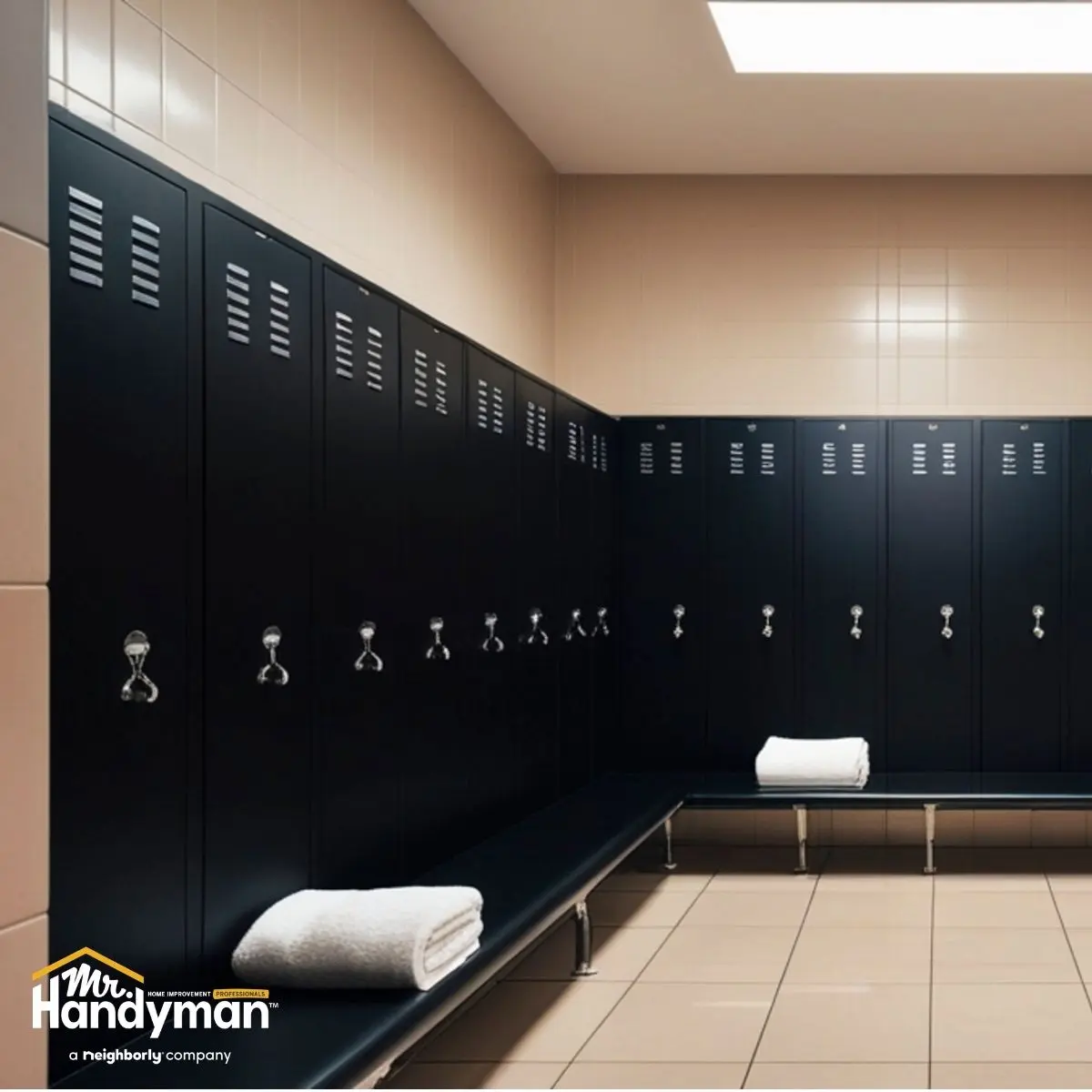
Locker room plumbing failures destroy reputations faster than almost any other facility problem. A member walks into a restroom and finds overflowing toilets, standing water, foul odors, or non-functioning showers, and they immediately question whether your gym is clean, well-managed, or worth their membership fee. Unlike equipment breakdowns that affect individual workouts, plumbing problems create widespread negative impressions that spread through word-of-mouth, online reviews, and social media. For gym owners and facility managers in Murfreesboro, Franklin, Brentwood, Nashville, and Clarksville, locker room plumbing isn't just a maintenance issue—it's reputation protection that directly affects member retention and new customer acquisition.
Locker rooms generate more plumbing stress than typical commercial restrooms. Multiple showers running simultaneously, constant toilet use, sinks left running, hair and debris entering drains, humidity that accelerates corrosion, and heavy usage throughout operating hours all tax plumbing systems beyond residential or even standard commercial levels. Add in aging infrastructure common in gyms housed in buildings from the 1980s and 1990s, and you have conditions where plumbing failures aren't just possible—they're inevitable without proper maintenance and prompt repairs.
The plumbing problems that damage reputations most aren't always catastrophic failures. Slow drains, lukewarm showers, dripping faucets, and toilets that run constantly may seem like minor annoyances, but they communicate that maintenance is deferred and that member experience isn't prioritized. Members notice these issues daily, and the cumulative effect of multiple small problems creates an overall impression of neglect. A single backed-up toilet can be forgiven if addressed immediately. Chronic plumbing issues that persist week after week drive members away and generate the negative reviews that prevent prospects from joining.
The cost of addressing plumbing problems proactively is minimal compared to the revenue loss from member cancellations and reputation damage. Regular inspections, preventative maintenance, and prompt repairs prevent most emergency situations and keep locker rooms functioning reliably. Understanding the common failure points in gym locker room plumbing and implementing systems to address them protects your facility's reputation and demonstrates the attention to detail that differentiates quality gyms from budget operations that neglect basic maintenance.
How Plumbing Problems Destroy Member Trust and Drive Cancellations
Locker room plumbing failures affect member perception in ways that compound over time. A single incident may be forgiven, but recurring problems or issues that aren't addressed promptly create lasting negative impressions that influence retention and referrals.
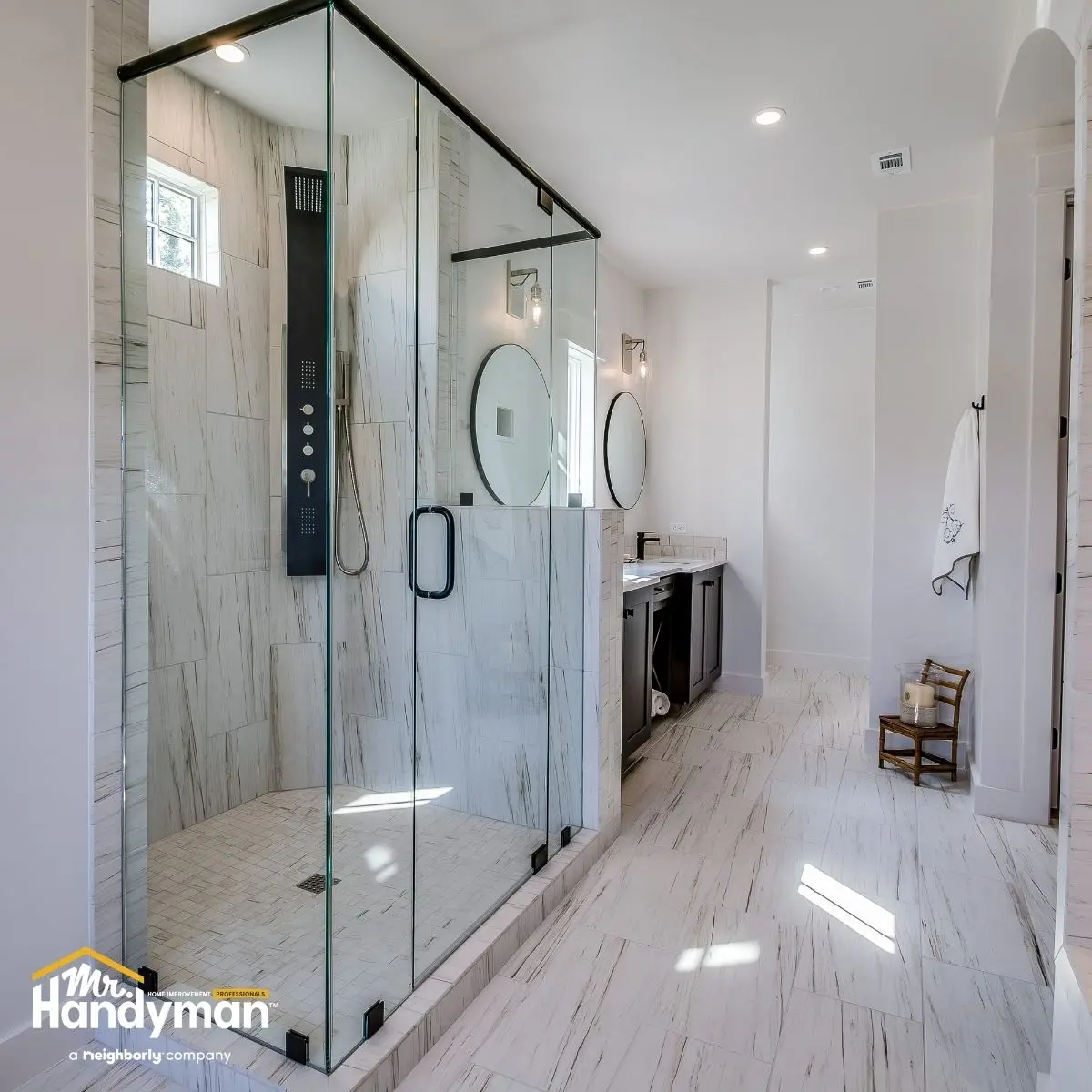
Non-functioning showers force members to skip workouts or go home dirty, which defeats the purpose of gym membership. Members with jobs or commitments immediately after workouts depend on showers. If showers don't have hot water, if water pressure is inadequate, or if multiple showers are out of service, members can't use your facility the way they planned. This happens once, and it's an inconvenience. It happens repeatedly, and members start looking at other gyms. Properties in Murfreesboro, Franklin, and Brentwood competing with multiple nearby fitness facilities can't afford shower reliability issues that drive members to competitors.
Overflowing toilets or backed-up drains create unsanitary conditions that raise health concerns. Nothing communicates poor maintenance faster than a restroom with standing water, overflowing fixtures, or sewage odors. Members who encounter these conditions question whether your facility meets basic sanitation standards. They worry about disease transmission, cleanliness of equipment and common areas, and whether management cares about member health. These concerns spread quickly through conversations and online reviews.
Persistent odors from drain problems or inadequate ventilation make locker rooms unpleasant and suggest deeper hygiene issues. Locker rooms naturally have moisture and some odor from use, but properly functioning plumbing and ventilation systems control these issues. When drains smell of sewage, when mildew odors permeate spaces, or when ventilation fails to remove humidity, members avoid using locker rooms or spend minimal time there. This reduces the overall value proposition of membership and makes your facility less competitive.
Slow drains that create standing water in showers and around sinks frustrate members daily. Standing ankle-deep in dirty shower water is disgusting, and members who experience this regularly begin resenting your facility. Sinks that don't drain properly while members wash their hands create similar frustrations. These aren't catastrophic failures, but they're constant reminders that maintenance is neglected.
Cold water or inconsistent temperatures in showers range from uncomfortable to unusable. Members expect hot showers after workouts, and when water heaters can't keep up with demand, when mixing valves fail, or when plumbing systems can't deliver adequate hot water to all fixtures, the shower experience degrades significantly. Gyms in Smyrna, La Vergne, and Shelbyville with undersized or aging water heating systems frustrate members who shower during peak hours and find only lukewarm water available.
Visible leaks, water damage, and poor repairs indicate deferred maintenance. Water stains on walls and ceilings, visible pipe leaks, dripping faucets, and obviously patched but not properly repaired plumbing all communicate that the facility isn't well-maintained. Members notice these details and extrapolate that if visible problems aren't fixed, hidden problems probably exist as well.
Common Locker Room Plumbing Failures and Their Causes
Gym locker room plumbing fails in predictable ways tied to usage patterns and building age. Understanding these common failures helps you anticipate and prevent problems before they affect members.
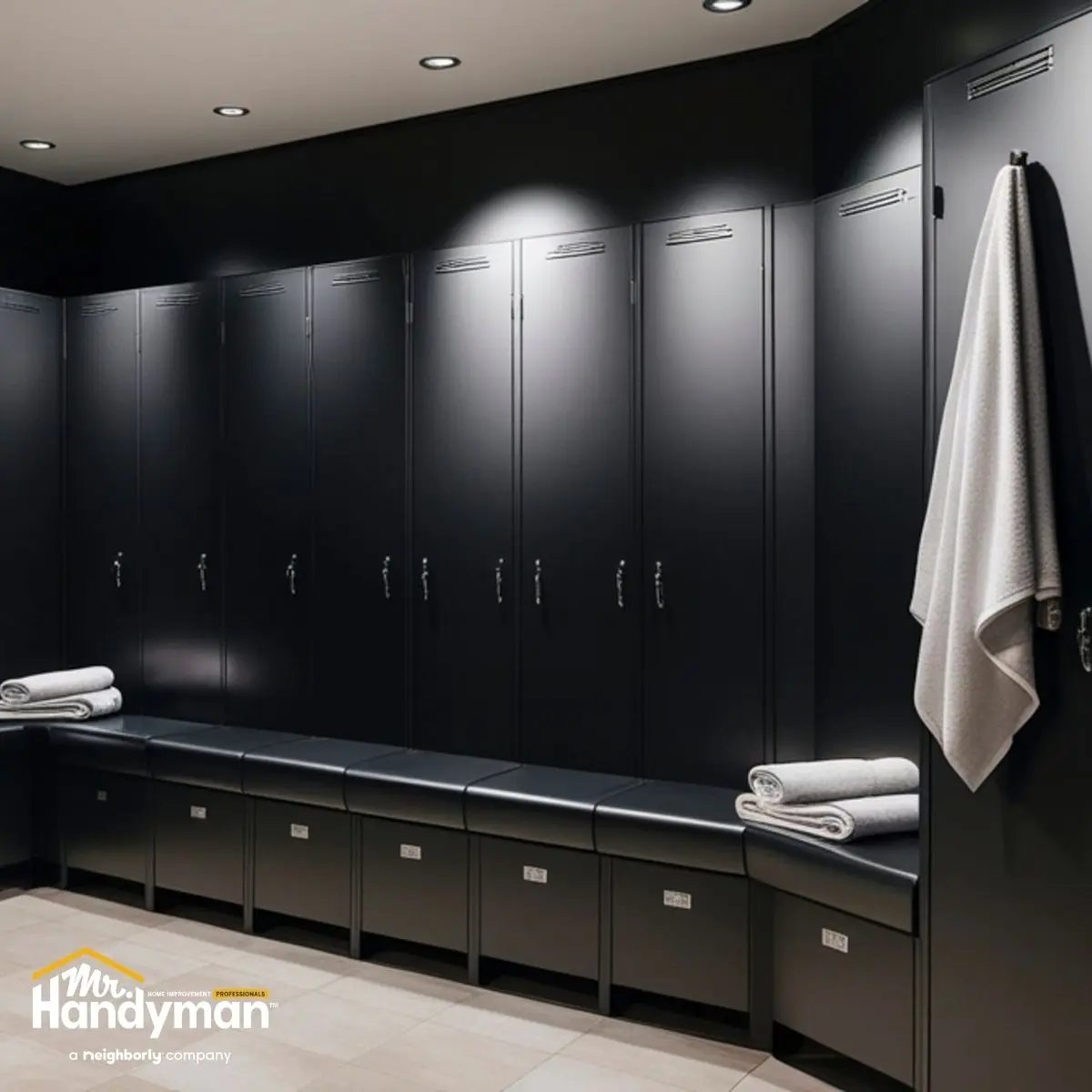
Clogged drains from hair, soap residue, and debris are the most frequent plumbing complaints. Shower drains accumulate hair faster than any other fixture. Combined with soap scum, conditioner, and body wash residues, this creates dense clogs that slow drainage and eventually cause complete blockages. Floor drains in locker rooms collect dirt, paper, and miscellaneous debris that restricts flow. Sinks trap hair from shaving and grooming. Properties in Franklin, Brentwood, and Nashville with high member volume experience drain clogs frequently and need preventative maintenance programs that address them before they become problems.
Water heater capacity limitations create hot water shortages during peak hours. Gyms experience surge demand for hot water in morning hours before work, lunch periods, and evening after-work periods when dozens of members shower within short timeframes. Water heaters that were adequately sized when installed may no longer meet demand as membership grows. Recovery rates—how quickly heaters reheat water after it's used—limit how many consecutive showers can have hot water. Tank-style water heaters have this limitation inherently. Undersized or aging water heaters can't keep up, and members showering toward the end of peak periods get lukewarm or cold water.
Running toilets and leaking faucets waste water and create constant noise that degrades the locker room environment. Toilets with worn flappers or faulty fill valves cycle continuously, wasting hundreds of gallons daily and creating annoying background noise. Dripping faucets suggest neglect even though repairs are inexpensive and straightforward. These issues are particularly damaging to reputation because they're obvious to every member who uses the facility and persist until someone fixes them.
Low water pressure affects shower and sink usability. Inadequate water pressure can result from corroded pipes, undersized supply lines, pressure-reducing valve failures, or municipal supply issues. Showers with weak water pressure frustrate members who can't rinse soap and shampoo effectively. Sinks with low pressure make hand washing inconvenient. Gyms in Bellevue, Green Hills, and Dickson with older plumbing systems often have pressure issues from decades of mineral buildup in pipes.
Sewer line backups and drain system failures create the most serious plumbing emergencies. Main sewer line blockages cause multiple fixtures to back up simultaneously, creating sewage overflow that's both unsanitary and potentially hazardous. Tree root intrusion, pipe deterioration, and accumulated debris in main lines cause these failures. Older buildings with cast iron or clay sewer lines are particularly vulnerable.
Leaking pipes within walls or ceilings go unnoticed until water damage appears. Hidden leaks waste water, damage building materials, and create conditions for mold growth. By the time leaks are discovered through water stains or visible damage, significant repair costs have accumulated. Supply line leaks in walls behind showers and sinks are common in older buildings where pipes corrode or connections fail.
Fixture malfunctions from wear and age affect daily usability. Shower mixing valves that fail to maintain temperature, flush valves that don't operate properly, automatic faucets that malfunction, and soap dispensers that leak all create frustrations for members and indicate that maintenance is reactive rather than proactive.
Preventative Maintenance That Stops Problems Before They Start
Most locker room plumbing problems are preventable through regular maintenance, proper usage protocols, and systematic inspections. Implementing preventative programs reduces emergency repairs and maintains reliable service.
Schedule regular drain cleaning before clogs become blockages. Professional drain cleaning with appropriate equipment—cable machines, hydro-jetting—clears accumulations before they cause complete blockages. Shower drains should be cleaned quarterly or more frequently depending on member volume. Floor drains and sink drains should be included in maintenance schedules. Installing drain screens and hair catchers reduces debris entering drains but doesn't eliminate the need for periodic cleaning. Properties in Murfreesboro, Franklin, and Nashville with high traffic should establish quarterly drain maintenance as standard procedure.
Inspect and service water heaters annually to maintain capacity and efficiency. Professional water heater service includes flushing tanks to remove sediment, inspecting anode rods, checking pressure relief valves, testing thermostats, and verifying that heating elements function properly. Sediment accumulation reduces tank capacity and efficiency, creates hot spots that damage tanks, and shortens equipment life. Annual service extends water heater lifespan and maintains consistent hot water delivery.
Test and repair fixtures before failures affect members. Monthly walk-throughs should test every toilet, sink, and shower for proper operation. Check for leaks, adequate water pressure, proper drainage, and temperature control. Replace worn components—flappers, fill valves, cartridges, mixing valves—before they fail completely. Proactive replacement of aging components prevents emergency repairs and maintains consistent member experience.
Monitor water pressure and address issues promptly. Install pressure gauges and check readings regularly. Investigate pressure drops or inconsistencies that affect shower and sink performance. Clean aerators and showerheads to remove mineral buildup that restricts flow. Properties in Smyrna, La Vergne, and Shelbyville with hard water should clean fixtures more frequently to prevent mineral accumulation.
Implement usage policies that reduce plumbing stress. Signage encouraging members to report problems immediately helps identify issues before they worsen. Asking members not to flush inappropriate items prevents toilet clogs. Providing hair disposal containers near showers reduces drain clogs. Educating staff to monitor and report plumbing issues ensures problems are caught early.
Maintain adequate ventilation and humidity control to prevent corrosion and mold. Locker room exhaust fans should run continuously or be controlled by humidity sensors that activate when moisture levels rise. Proper ventilation removes moisture that accelerates pipe corrosion, fixture deterioration, and mold growth. HVAC systems should maintain humidity below 60 percent to protect plumbing infrastructure and building materials.
Keep detailed maintenance logs that track repairs, replacements, and service history. Documentation reveals patterns—fixtures that fail repeatedly, drains that clog frequently, areas where problems concentrate. This information guides decisions about whether repairs are adequate or whether upgrades and replacements are needed.
Emergency Response Protocols That Minimize Reputation Damage
Despite preventative maintenance, plumbing emergencies still occur. How you respond determines whether an incident becomes a minor inconvenience or a reputation-damaging disaster.
Establish clear reporting procedures so staff and members know how to report plumbing problems immediately. Post contact information prominently in locker rooms. Train front desk staff and maintenance personnel to respond quickly to plumbing complaints. The faster problems are reported and addressed, the less impact they have on member experience.
Maintain relationships with reliable plumbing contractors who can provide emergency service. Having established relationships means faster response when emergencies occur. Contractors familiar with your facility can diagnose and fix problems more efficiently than those responding for the first time. Properties in Franklin, Brentwood, and Green Hills should identify preferred plumbing contractors and establish service agreements that guarantee priority response.
Keep emergency supplies and basic tools on-site for immediate response to common problems. Plungers, drain snakes, toilet repair kits, and basic plumbing tools allow staff to address simple issues immediately without waiting for contractors. This is particularly important for problems like clogged toilets or running fixtures that can be fixed quickly with basic equipment.
Close affected areas immediately and communicate with members about what's being done. If a restroom is unusable, close it, post signage explaining the situation and when it will reopen, and direct members to alternative facilities. Transparency and communication reduce member frustration. Members tolerate temporary inconveniences if they understand problems are being addressed promptly.
Document incidents and responses for operational learning and potential liability protection. Record what happened, when it was reported, how it was addressed, and how long resolution took. This documentation helps identify recurring problems and demonstrates diligence if liability issues arise.
Follow up after repairs to verify problems are fully resolved and member satisfaction is restored. Test fixtures, verify proper operation, and solicit feedback from members who use the facilities. This demonstrates commitment to quality and ensures repairs actually fixed the underlying problems.
When Upgrades Make More Sense Than Ongoing Repairs
Older plumbing systems eventually reach the point where ongoing repairs cost more than strategic upgrades. Knowing when to invest in replacements rather than continuing to patch failing systems prevents endless reactive maintenance and improves reliability.
Water heater replacement delivers immediate improvements in capacity and efficiency. If your facility experiences hot water shortages during peak hours, if water heaters are more than 10 years old, or if energy costs are high, upgrading to larger capacity units or tankless systems may be justified. Tankless water heaters provide endless hot water and eliminate the capacity limitations of tank systems. While initial costs are higher, operational savings and improved member satisfaction often justify the investment. Gyms in Murfreesboro, Smyrna, and La Vergne experiencing growth should evaluate whether water heating capacity still matches member demand.
Fixture replacement programs replace aging toilets, sinks, showers, and related components before they fail. Modern low-flow toilets use less water while maintaining performance. Touchless faucets improve hygiene and reduce maintenance. Thermostatic mixing valves in showers provide more consistent temperature control. Upgrading fixtures systematically—replacing a certain number annually rather than waiting for failures—reduces emergency repairs and maintains consistent quality.
Re-piping sections with chronic problems eliminates underlying issues that cause repeated failures. If certain areas experience frequent leaks, pressure problems, or drain issues, the problem may be deteriorated piping rather than isolated fixture failures. Copper or PEX re-piping in problem areas eliminates corrosion issues and provides decades of reliable service.
Drain line replacement or rehabilitation addresses root intrusion and pipe deterioration that cause recurring backups. Modern trenchless technologies allow drain line repairs and replacements without extensive excavation. If main sewer lines experience frequent blockages or backups, investing in line replacement prevents the costly emergencies and reputation damage from recurring failures.
Backflow preventer installation protects water quality and may be required by code. Backflow preventers ensure contaminated water from drains and fixtures can't flow back into the potable water supply. Many jurisdictions require these devices in commercial facilities, and installing them protects both code compliance and member safety.
How Proper Plumbing Maintenance Enhances Brand Perception
Beyond preventing problems, well-maintained plumbing systems actively enhance member experience and differentiate your facility from competitors.
Reliable hot water throughout operating hours shows members their experience matters. Members notice when showers always have hot water at adequate pressure. This reliability communicates that you've invested appropriately in infrastructure and that you prioritize member comfort.
Clean, odor-free locker rooms create positive impressions that extend to the entire facility. When drains flow properly, when fixtures don't leak, when ventilation removes moisture and odors effectively, locker rooms feel fresh and well-maintained. This positively influences how members perceive the entire gym.
Touchless fixtures and modern plumbing create perceptions of cleanliness and quality. Upgrading to touchless faucets, automatic flush toilets, and modern fixtures positions your gym as current and health-conscious. Members equate modern fixtures with higher standards and better management.
Quick response to problems demonstrates operational excellence. When issues arise and you address them immediately, members notice your responsiveness. This creates trust that extends beyond plumbing—members believe you'll address any concern promptly and effectively.
Frequently Asked Questions
How often should gym locker room drains be professionally cleaned?
Quarterly for high-traffic facilities, twice annually minimum for moderate use. Shower drains need more frequent attention than floor drains or sinks.
What size water heater does a gym need?
Depends on member volume and peak usage. Professional assessments evaluate demand and recommend appropriate capacity. Tankless systems eliminate capacity concerns but require adequate gas supply or electrical capacity.
Can I handle basic plumbing repairs in-house or should everything be contracted?
Simple fixture repairs—replacing flappers, cartridges, tightening connections—can be handled by maintenance staff. Complex repairs, drain cleaning, and system work require licensed plumbers.
How do I prevent shower drain clogs?
Install drain screens, encourage members to remove loose hair before showering, schedule regular professional drain cleaning, and respond to slow drains immediately before they become blockages.
What's the average cost of locker room plumbing maintenance?
Annual preventative maintenance runs $2,000-$5,000 for typical facilities. Emergency repairs cost more. Investing in preventative maintenance reduces total annual plumbing costs.
Should I upgrade to tankless water heaters?
Depends on your facility's hot water demands, available gas or electrical capacity, and budget. Tankless provides endless hot water but requires higher initial investment and adequate utility infrastructure.
Protect Your Reputation Through Plumbing Excellence
Locker room plumbing reliability directly affects member satisfaction, retention, and your facility's reputation. Preventative maintenance, prompt repairs, and strategic upgrades eliminate the problems that drive negative reviews and member cancellations.
If you're in Murfreesboro, Franklin, Brentwood, Smyrna, Shelbyville, La Vergne, Bellevue, Christiana, Nashville, Belle Meade, Clarksville, Ashland City, Green Hills, Dickson, Antioch, Berry Hill, or any of the surrounding areas, Mr. Handyman of Murfreesboro, Franklin, and Brentwood and Mr. Handyman of West Nashville, Belle Meade, and Clarksville can help you implement plumbing maintenance programs, address current problems, and prevent the failures that damage your facility's reputation.
Call us to schedule a consultation.