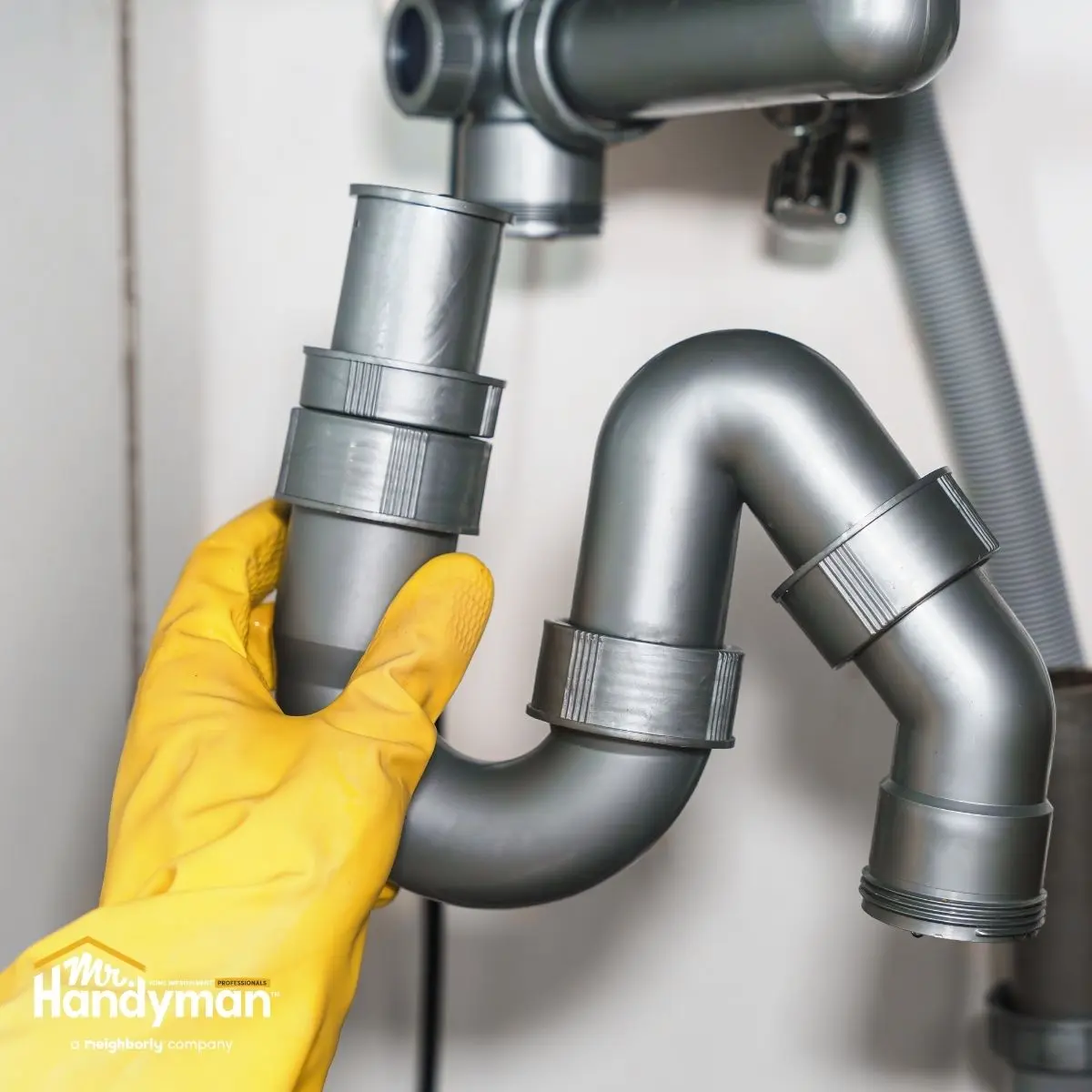
Summer in Middle Tennessee doesn't ease in gently. One week you're enjoying mild spring evenings, and the next, you're running the air conditioning around the clock while the kids are home filling up the inflatable pool every other day. Your plumbing system, which may have coasted through the quieter months, suddenly faces relentless demand—more showers, more laundry, more outdoor water use, and more guests tracking in and out during cookouts and gatherings.
This seasonal shift exposes weaknesses that were easy to ignore in March. A slow drain that seemed manageable becomes a full blockage when three people shower back-to-back before heading to the lake. A toilet that occasionally ran too long now cycles constantly, wasting hundreds of gallons while your water bill climbs. A hose bib that dripped slightly in April starts gushing when you attach the sprinkler for the first time in May.
Homes across Murfreesboro, Franklin, Brentwood, Nashville, and Clarksville share common plumbing vulnerabilities, many tied to the age and construction styles prevalent in these areas. Whether you're in a 1980s ranch in Smyrna, an early 2000s two-story in Spring Hill, or a midcentury bungalow in Green Hills, your plumbing has been stressed by Tennessee's freeze-thaw cycles, our hard water, and decades of daily use. Summer doesn't create these problems—it simply makes them impossible to ignore.
Taking care of key plumbing repairs now, before the heat arrives and your household water use spikes, prevents emergency calls, water damage, and the frustration of a broken system when you need it most.
Why Summer Stresses Your Plumbing More Than Any Other Season
It's not just about heat. Summer plumbing stress comes from a combination of increased usage, temperature extremes, and timing. When school lets out, your home's occupancy effectively doubles during daylight hours. Teenagers shower multiple times a day. Washing machines run constantly to keep up with pool towels and grass-stained clothes. Dishwashers cycle after every meal because no one wants to heat up the kitchen by hand-washing.
Outside, you're watering flower beds, filling kiddie pools, washing cars, and running sprinklers to keep the lawn from turning into straw. All of this happens while outdoor temperatures regularly push into the low to mid-90s, and your water heater—already working harder because of increased indoor demand—sits in a hot garage or utility closet with little ventilation.
Homes built in the 1970s through early 2000s, common throughout Williamson, Rutherford, and Davidson counties, often have original or aging galvanized pipes, outdated water heaters, and builder-grade fixtures that were never designed for this kind of sustained demand. Even newer homes in Nolensville, Thompson's Station, or Ashland City aren't immune—rapid construction sometimes means shortcuts were taken with plumbing installations, and those shortcuts reveal themselves under summer's relentless pace.
Increased water pressure from municipal systems during peak summer months can also aggravate small leaks, worn-out washers, and loose fittings. What held together in February may not hold in July.
Leaking Faucets and Fixtures: Small Drips With Big Consequences
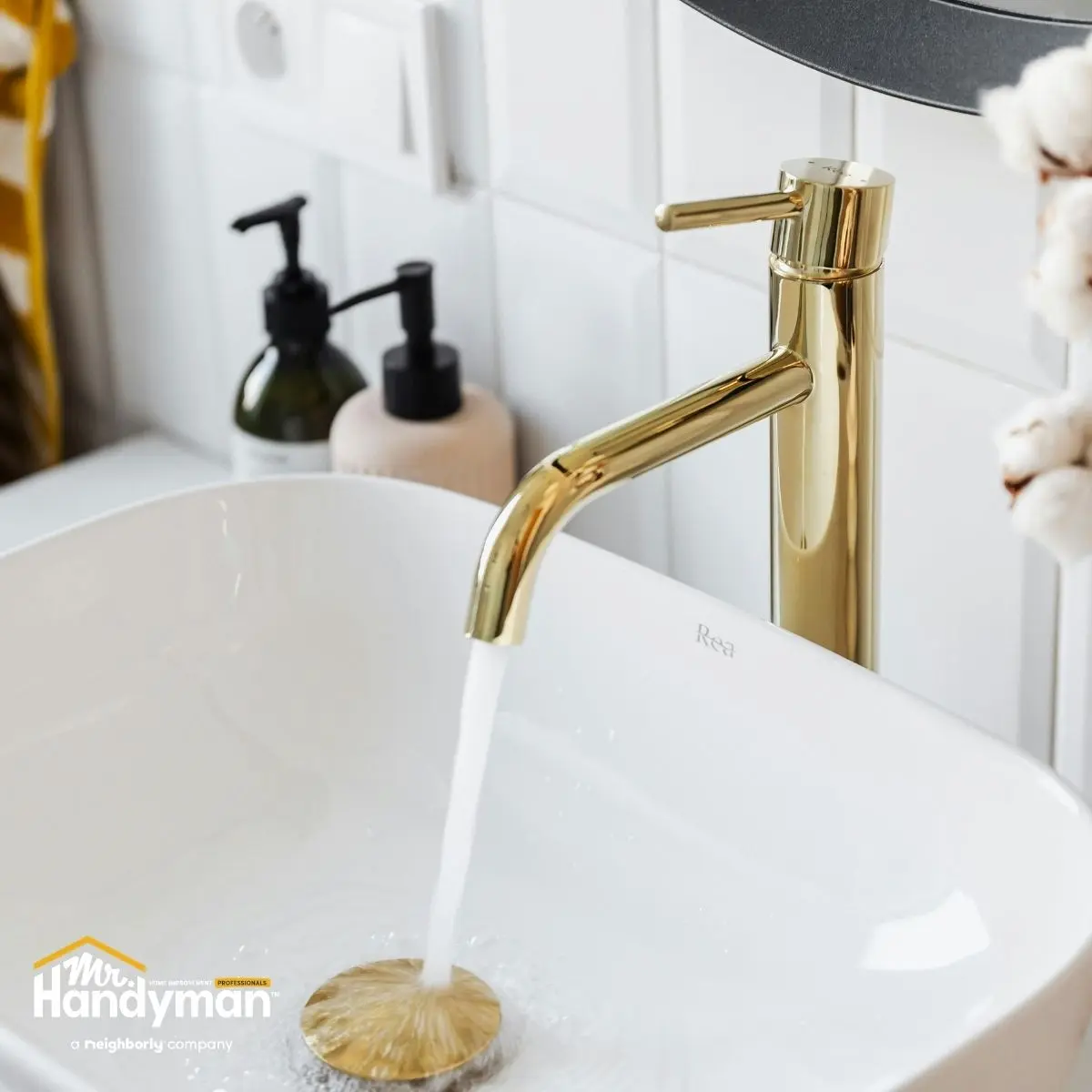
A faucet that drips once every few seconds doesn't seem urgent. It's easy to tune out the sound, assume it's harmless, and tell yourself you'll get to it eventually. But that occasional drip represents wasted water, and over the course of a summer, it adds up to thousands of gallons running straight down the drain—and onto your utility bill.
Leaking faucets are almost always caused by worn-out washers, O-rings, or valve seats. These components degrade over time due to friction, mineral buildup from our notoriously hard water, and simple age. Homes in Murfreesboro and Smyrna, where water hardness is particularly high, see faster wear on these small parts. The minerals create a gritty residue that acts like sandpaper inside the faucet mechanism, accelerating deterioration.
When summer hits and your household increases its water usage, that small leak often worsens. The increased cycling of water through the system puts additional pressure on already-compromised seals. A drip becomes a steady trickle. A trickle becomes a stream. And suddenly, you're dealing with water pooling under the sink, damaging cabinetry, or dripping onto flooring.
Outdoor faucets and hose bibs are even more vulnerable. Many homeowners in Franklin, Brentwood, and Nashville don't use their outdoor spigots much during the cooler months, so a small crack or worn washer goes unnoticed. The first time you hook up a hose in May to water the garden or fill a pool, the pressure reveals the damage.
Fixing a leaking faucet before summer starts is one of the simplest, most cost-effective plumbing repairs you can make. If you've been hearing that drip for months, now is the time to address it—before it becomes a problem that requires a service call in the middle of a holiday weekend.
Running Toilets: The Silent Water Wasters
If you hear your toilet refilling on its own when no one has used it, you have a running toilet. This issue is incredibly common in homes across Middle Tennessee, and most homeowners drastically underestimate how much water it wastes. A toilet that runs intermittently can waste 20 to 30 gallons per day. A toilet that runs constantly can waste 200 gallons or more in a single day.
Running toilets are usually caused by a faulty flapper valve, an improperly adjusted float, or a deteriorating fill valve. The flapper is a rubber seal at the bottom of the tank that lifts when you flush, allowing water to rush into the bowl. Over time, that rubber hardens, warps, or accumulates mineral deposits, preventing it from sealing properly. Water slowly leaks from the tank into the bowl, triggering the fill valve to kick on and refill the tank. The cycle repeats endlessly.
In areas with hard water—which includes most of Rutherford, Williamson, and Davidson counties—mineral buildup accelerates flapper degradation. If your toilet is more than five or six years old and you've never replaced the flapper, it's almost certainly due. This is especially true in older homes in Bellevue, Green Hills, and Dickson, where original plumbing fixtures may have been in place for 20 or 30 years.
Summer magnifies the problem because your household uses toilets more frequently. Kids home from school, guests visiting for barbecues, and general increased occupancy mean more flushes, more strain on the fill mechanism, and more opportunity for a marginal seal to fail completely. A toilet that "kind of" worked in the spring may stop working altogether by June.
Replacing a flapper or adjusting a fill valve is inexpensive and straightforward, but the impact is immediate. Your water bill drops, your toilet stops cycling randomly in the middle of the night, and you eliminate a constant low-level annoyance. Do it now, before the summer surge turns a minor nuisance into a budget problem.
Water Heater Maintenance: Prevent a Breakdown During Peak Demand
Your water heater works harder in the summer than most people realize. Yes, the incoming water is warmer than it is in January, but your household is using significantly more hot water overall. More showers, more laundry, more dishwashing—all of it taxes a system that may already be operating on borrowed time.
Most water heaters in Middle Tennessee homes last 10 to 12 years, though some begin showing signs of trouble well before that. If your water heater is approaching or past the decade mark, summer is the worst possible time to ignore it. Sediment buildup, which accumulates at the bottom of the tank over years of use, reduces efficiency and creates hot spots that can lead to tank failure. Our hard water accelerates this process significantly.
Homes in Murfreesboro, Smyrna, La Vergne, and surrounding areas often see sediment accumulation faster than the national average due to high mineral content in the water supply. If you've never flushed your water heater tank, there's likely several inches of calcified sediment sitting at the bottom, forcing the heating element to work overtime and reducing your available hot water capacity.
A water heater that struggles to keep up in May will fail outright in July when your family is running back-to-back showers and the washing machine is cycling constantly. You'll notice it first as lukewarm water during a shower, then as long recovery times between uses, and finally as no hot water at all—usually at the least convenient moment possible.
Flushing the tank, inspecting the anode rod, and checking the pressure relief valve are essential maintenance tasks that extend the life of your water heater and prevent emergency breakdowns. If your unit is older, showing rust around the base, making strange rumbling or popping noises, or struggling to maintain consistent temperature, it may be time to replace it before it fails completely.
Slow or Clogged Drains: Address the Backup Before It's Too Late
A drain that empties slowly is a drain that's partially clogged. It may not seem like an emergency—water still goes down eventually, so you tolerate it. But slow drains are a warning. They're telling you that buildup inside the pipe is restricting flow, and it's only a matter of time before that buildup becomes a complete blockage.
In kitchens, slow drains are usually caused by grease, food particles, and soap residue clinging to the inside of the pipe. Even if you're careful about what goes down the disposal, small amounts of fat and oil accumulate over time, coating the pipe walls and trapping other debris. In bathrooms, the culprit is almost always hair, soap scum, and personal care products that combine into a dense, fibrous mass.
Homes with older cast iron or galvanized drain lines—common in properties built before 1980 throughout Nashville, Franklin, and Clarksville—are particularly prone to slow drains. These materials corrode and roughen over time, creating an interior surface that catches debris more easily. Even homes with PVC drains aren't immune, especially if the pipes were installed with insufficient slope or have developed low spots where debris settles.
Summer's increased water use turns a slow drain into a clogged drain fast. When your household goes from two showers a day to five or six, that bathroom sink or tub drain doesn't have time to slowly process the buildup. It backs up. Water stands in the tub while someone is still rinsing off. The kitchen sink fills up while you're trying to rinse dishes after a cookout. And suddenly, you're dealing with standing water, foul odors, and potential overflow.
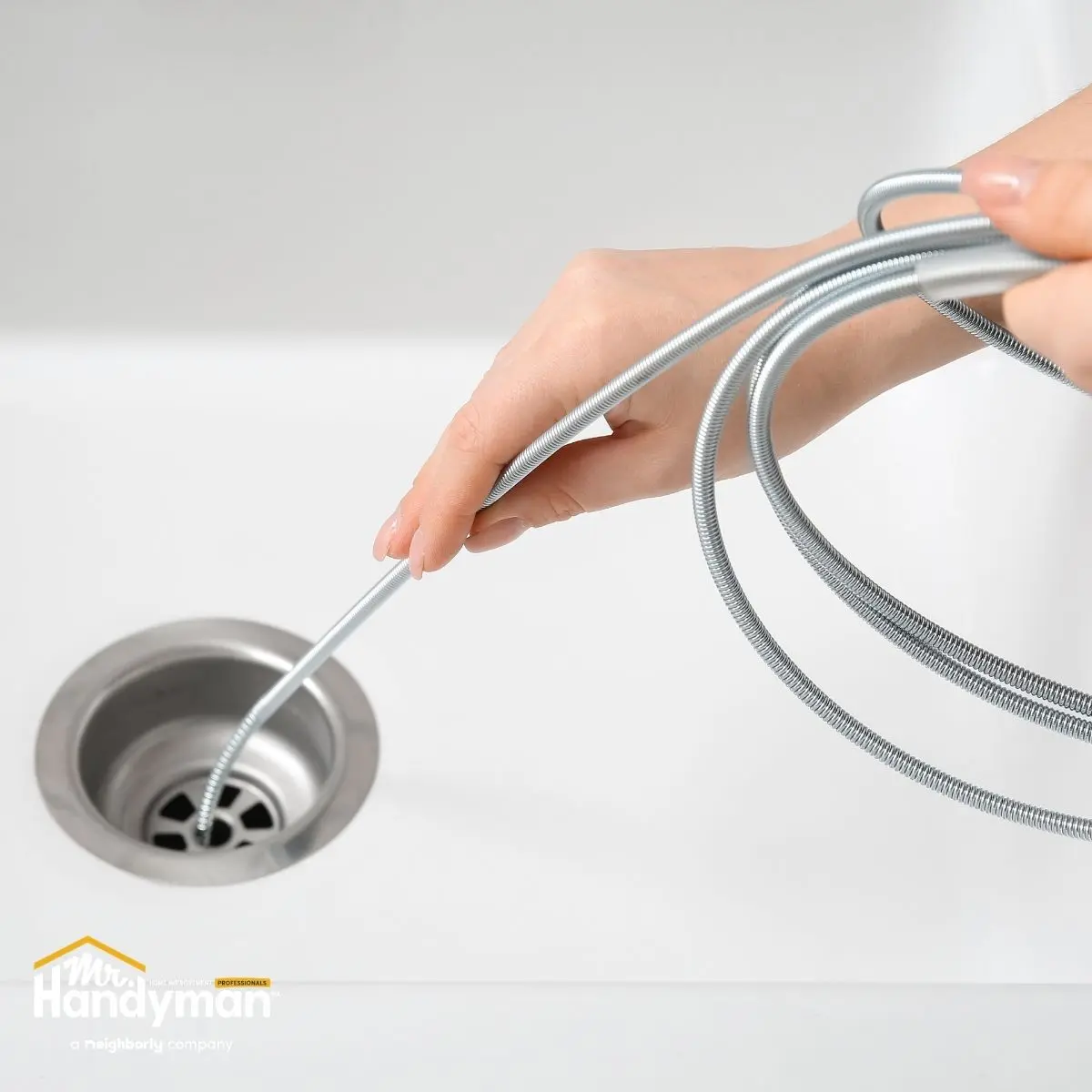
Clearing a slow drain now, before it becomes a full blockage, is far easier than dealing with a backed-up sink or tub during a summer gathering. In many cases, the fix is as simple as removing debris from the trap or using a drain snake to pull out hair and buildup. For deeper clogs or recurring issues, a professional inspection can identify whether the problem is localized or part of a larger drain line issue that needs attention.
Outdoor Plumbing: Hose Bibs, Sprinklers, and Irrigation Systems
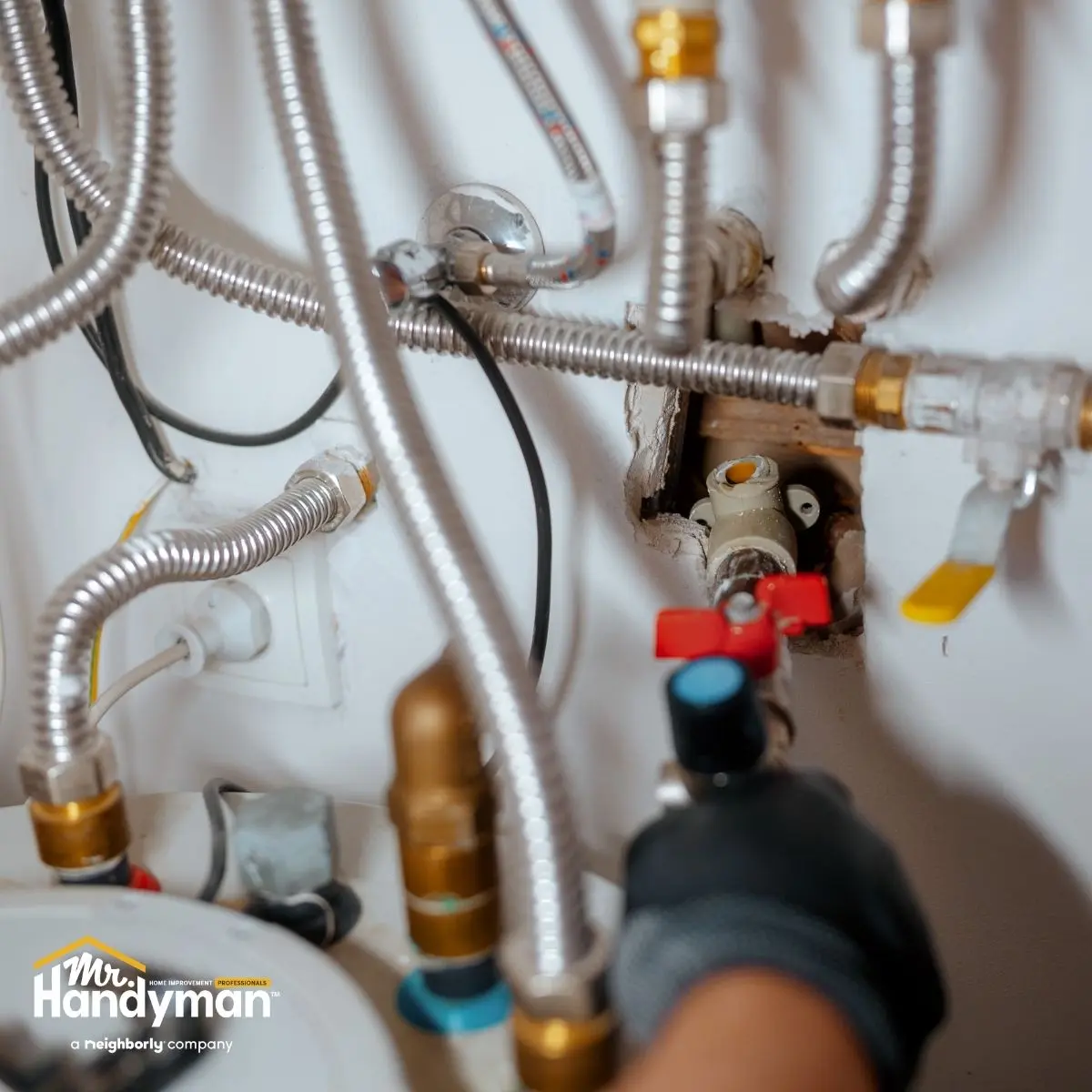
Outdoor plumbing sits unused for much of the year, which means problems often go unnoticed until the first time you turn on the spigot in late spring. A hose bib that wasn't properly drained before winter may have developed a crack from freezing. A shutoff valve that hasn't been turned in months may be seized or leaking. An irrigation system that worked fine last September may have developed leaks, broken sprinkler heads, or clogged emitters during the off-season.
These issues reveal themselves the moment you need to use the system—usually right when you're trying to water your newly planted flower beds, fill a kiddie pool, or get the lawn looking decent before a family gathering. A leaking hose bib can waste hundreds of gallons of water in a matter of hours, and if the leak is inside the wall rather than at the spigot itself, you may not realize it's happening until you see water damage or a spike in your bill.
Homes in Brentwood, Franklin, Nolensville, and Thompson's Station, where larger lots and landscaping are common, often rely heavily on outdoor irrigation systems during the dry summer months. If your system has leaks, broken heads, or pressure issues, you'll either overwater certain areas and underwater others, or you'll waste water without achieving the coverage you need.
Testing your hose bibs, inspecting your irrigation system, and making necessary repairs before the heat sets in ensures that your outdoor plumbing is ready when you need it. Replacing a worn washer or tightening a loose connection takes minutes. Letting it go until mid-June means dealing with a flooded flowerbed, a broken sprinkler head that you can't easily replace, or a complete system failure when your lawn desperately needs water.
Sump Pumps and Drainage Systems: Prepare for Summer Storms
Middle Tennessee summers bring intense thunderstorms, often with heavy rainfall in short bursts. If your home has a sump pump, a crawl space drainage system, or any kind of below-grade plumbing, summer storms put those systems to the test. A sump pump that hasn't run in months may fail the first time it's needed, leaving your basement or crawl space vulnerable to flooding.
Sump pump failure is almost always a result of deferred maintenance. The pump sits in water much of the time, which means debris, silt, and mineral deposits accumulate around the float switch and intake. If the float gets stuck, the pump won't activate. If the intake is clogged, the pump runs but doesn't move water effectively. If the discharge line is blocked or frozen from the previous winter, the pump works but the water has nowhere to go.
Homes in areas with high water tables or poor drainage—common in parts of Murfreesboro, Smyrna, Ashland City, and certain neighborhoods in Nashville—rely on sump pumps to prevent chronic moisture problems. If your pump fails during a summer downpour, you're looking at standing water, potential mold growth, and damage to anything stored in the affected area.
Testing your sump pump is simple: pour a bucket of water into the pit and make sure the float activates and the pump cycles properly. Check the discharge line to ensure it's clear and draining away from your foundation. If the pump is more than five or six years old, consider replacing it preemptively—pumps are inexpensive compared to the damage caused by failure.
Why Addressing These Repairs Now Saves You Money and Stress
Plumbing repairs don't improve with age. A small leak becomes a bigger leak. A slow drain becomes a complete blockage. A water heater that's "almost done" fails at the worst possible moment. Waiting until summer is in full swing means you're competing with every other homeowner who ignored the same warning signs, which translates to longer wait times for service, higher emergency rates, and the inconvenience of living without hot water or dealing with a flooded bathroom while you wait for help.
Spring is when plumbers have availability. Scheduling a maintenance check or a handful of small repairs in April or early May is easier, faster, and less expensive than arranging an emergency call on a Saturday in July. You also have the luxury of planning—choosing the right fixtures, comparing options, and making decisions without the pressure of a system that's completely down.
For homeowners in older properties throughout Belle Meade, Green Hills, Dickson, Bellevue, and Christiana, where plumbing systems may be 30 or 40 years old, proactive maintenance isn't optional—it's essential. These homes were built during an era when plumbing codes were different, materials were less durable, and installation practices didn't account for the kind of usage modern families demand. A home built in 1975 with original galvanized pipes and a water heater from 2010 is living on borrowed time. Addressing these vulnerabilities before summer puts you in control of the timeline and the budget.
Frequently Asked Questions
How often should I replace the flapper in my toilet?
Flappers should be replaced every three to five years, especially in areas with hard water. If your toilet runs intermittently or you hear it refilling on its own, the flapper is likely worn out and needs replacement.
Can I flush my water heater myself, or should I hire a professional?
Flushing a water heater is something many homeowners can do themselves, but if you've never done it before or if your unit is older and hasn't been maintained, it's worth having a professional handle it. They can also inspect the anode rod and check for signs of impending failure.
What's the best way to prevent outdoor faucets from freezing next winter?
Disconnect hoses before the first freeze, drain the line if possible, and consider installing frost-free hose bibs if you don't already have them. These are designed to prevent water from sitting in the exposed portion of the pipe where it can freeze.
How do I know if my slow drain is a simple clog or a bigger problem?
If only one drain is slow, it's usually a localized clog. If multiple drains are slow or if you're noticing gurgling sounds when water drains, you may have a issue further down the line that requires professional inspection.
Is it worth upgrading to a tankless water heater?
Tankless water heaters can be a good investment, especially for larger families or homes with high hot water demand. They're more energy efficient and provide endless hot water, but they require a higher upfront cost and may need electrical or gas line upgrades depending on your home's setup.
What causes hard water, and is it damaging my plumbing?
Hard water is caused by high concentrations of calcium and magnesium in the water supply. Over time, these minerals build up inside pipes, faucets, and appliances, reducing efficiency and lifespan. A water softener can help mitigate this issue.
Get Your Plumbing Summer-Ready
Taking care of plumbing repairs now—before the heat, the crowds, and the increased demand—means you're prepared for whatever summer throws at you. Whether it's a leaking faucet, a running toilet, or an aging water heater that's overdue for maintenance, addressing these issues in the spring prevents emergency repairs in July.
If you're in Murfreesboro, Franklin, Brentwood, Smyrna, Shelbyville, La Vergne, Bellevue, Christiana, Nashville, Belle Meade, Clarksville, Ashland City, Green Hills, Dickson, Antioch, Berry Hill, or any of the surrounding areas, Mr. Handyman of Murfreesboro, Franklin, and Brentwood and Mr. Handyman of West Nashville, Belle Meade, and Clarksville can help you tackle these repairs before summer arrives.
Call or visit https://www.mrhandyman.com/murfreesboro-smyrna/ or https://www.mrhandyman.com/nashville-west-south-central/ to schedule an inspection or repair. Don't wait until a small problem becomes a summer emergency—get your plumbing ready now.
