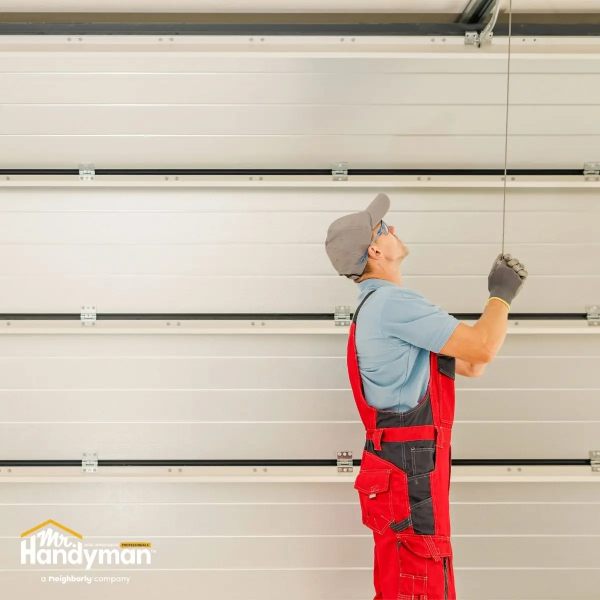
Warmer weather in Middle Tennessee doesn't arrive gradually—it shows up fast, often jumping from pleasant spring mornings to humid 85-degree afternoons within a matter of weeks. By the time May rolls around, your home's exterior is already dealing with intense sun, rising humidity, and the kind of afternoon thunderstorms that can dump an inch of rain in under an hour. If your exterior isn't ready for that shift, small vulnerabilities turn into real problems before summer even officially begins.
Preparing your home's exterior for warmer weather isn't about making everything look perfect. It's about making sure the materials that protect your home—siding, roofing, gutters, paint, trim—can handle months of heat, moisture, and UV exposure without failing. Homes in Murfreesboro, Franklin, Brentwood, West Nashville, Belle Meade, and Clarksville face specific challenges tied to the region's clay soils, older housing stock, and weather patterns that swing between drought and downpour with little warning.
The work you do now determines whether your home sails through summer with minimal issues or whether you're dealing with water damage, pest intrusions, cooling inefficiencies, and emergency repairs when conditions are at their worst.
Why Winter Damage Shows Up in Spring
Winter in this region might not involve feet of snow, but it still stresses exterior materials in ways that don't become obvious until temperatures rise. Freezing nights followed by warmer days create a cycle of expansion and contraction that affects everything from roof shingles to exterior caulking. Water that seeps into small cracks during a January thaw freezes overnight, expands, and makes those cracks wider. By March, what started as a hairline gap is now a pathway for moisture, insects, and air leaks.
Wood trim, fascia boards, and window frames are especially vulnerable. Homes built in the 1970s and 1980s—common throughout established neighborhoods in this area—often used solid wood trim that wasn't treated or primed as thoroughly as modern materials. After decades of temperature swings, that wood develops checks, splits, and areas where paint no longer adheres properly. Once the protective paint layer fails, moisture gets in, and rot starts.
Gutters take a beating over winter as well. Leaves and debris that accumulated in the fall get compacted by rain and ice, creating blockages that prevent proper drainage. When spring rains hit, water overflows instead of flowing through downspouts, which means it pours directly against your foundation or soaks into siding and trim.
Roof shingles also show the effects of winter stress. Shingles that lifted slightly during high winds or lost granules due to age become more obvious once you're looking at your roof in good light. Missing or damaged shingles don't just let water through—they expose underlayment and decking to UV rays and heat, which breaks down those materials faster.
Inspecting Your Roof Before Summer Heat Arrives
Your roof is the first line of defense against everything warmer weather throws at your home. Walking around your property and looking up at your roofline from different angles can reveal issues that aren't visible from directly below. Look for shingles that are curling at the edges, sitting unevenly, or missing altogether. Pay attention to areas around chimneys, vents, and skylights where flashing might have pulled away or corroded.
Granule loss is another sign of aging shingles. If your gutters are full of dark, sand-like granules, your shingles are breaking down and losing their protective coating. Once granules are gone, the asphalt layer beneath is exposed to direct sunlight, which causes it to dry out, crack, and fail.
Roof ventilation is just as important as the shingles themselves. Attics that don't breathe properly trap heat and moisture, which damages roof decking from the inside and shortens the lifespan of your shingles. Check soffit vents to make sure they're not blocked by insulation or debris. Homes built before the 1990s often have inadequate attic ventilation by modern standards, and that deficiency becomes obvious once summer heat turns your attic into an oven.
Cleaning and Repairing Gutters and Downspouts
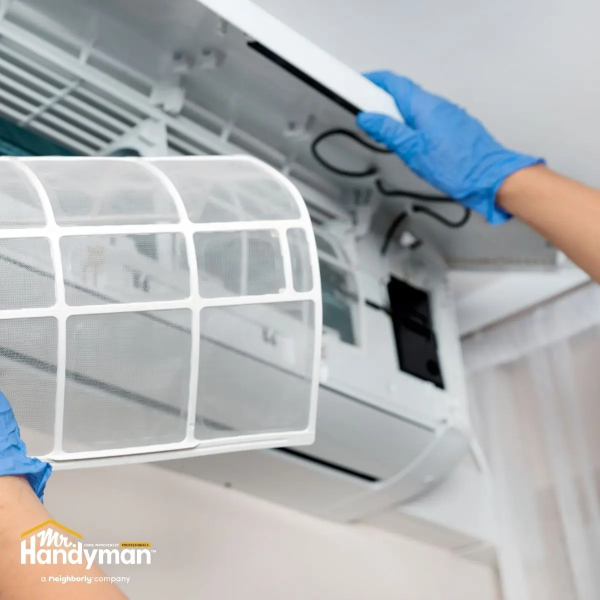
Gutters might be the most overlooked part of exterior maintenance, but they're also one of the most important. Their entire job is to move water away from your home's foundation, siding, and landscaping. When they fail, water goes exactly where it shouldn't.
Spring is the time to clear out every bit of debris—leaves, twigs, shingle granules, dirt, and anything else that accumulated over the past six months. Clogged gutters don't just overflow—they also get heavy, which pulls them away from the fascia board and causes sagging or complete detachment.
While you're cleaning, inspect the gutters themselves for rust, holes, and separated seams. Aluminum gutters can develop small holes from corrosion or impact damage. Seams where sections connect are prone to leaking, especially if the sealant has dried out or failed.
Downspouts need to direct water at least five feet away from your foundation. Extensions, splash blocks, or buried drainage lines all work, but the key is making sure water doesn't pool near the house. Homes in this region sit on clay-heavy soils that expand when wet and contract when dry. Repeated cycles cause foundation movement, which shows up as cracks in basement walls, sticking doors, and uneven floors.
Checking Siding, Trim, and Exterior Wood
Siding protects the structure of your home from weather, pests, and moisture intrusion, but it can only do that job if it's in good condition. Walk around your home and look closely at every section of siding. Check for cracks, warping, loose panels, and areas where caulking has failed. Vinyl siding can become brittle with age and crack from impact or temperature stress. Wood siding can rot, especially near ground level or anywhere water tends to collect.
Trim boards around windows, doors, and corners are particularly vulnerable. These areas take the brunt of rain, sun, and temperature swings, and they're often the first places where paint fails and wood starts to rot. Press on trim boards with your finger or a screwdriver to test for soft spots. If the wood feels spongy or your tool sinks in easily, you're dealing with rot that needs to be cut out and replaced before it spreads.
Caulking around windows and doors serves as a critical seal against air and water infiltration. Old caulk shrinks, cracks, and pulls away from surfaces, leaving gaps that let in moisture and let conditioned air out. Removing failed caulk and applying fresh sealant is one of the most cost-effective improvements you can make.
Exterior paint isn't just cosmetic—it's a protective layer that keeps moisture out of wood and other materials. Paint that's peeling, blistering, or chalking is no longer doing its job. Areas that get the most sun, particularly south and west-facing walls, tend to degrade faster.
Addressing Foundation and Grading Issues
Your home's foundation depends on proper drainage, and that starts with how the ground around your house is graded. Soil should slope away from the foundation in all directions, allowing rainwater to flow away naturally rather than pooling against basement walls or crawl space vents.
Walk around your home after a rainstorm and look for areas where water stands or flows toward the house. These spots need additional soil or regrading to correct the drainage pattern. Even a slight slope—just a quarter inch per foot over a distance of six to ten feet—makes a significant difference.
Foundation vents in homes with crawl spaces need to be clear and unobstructed. Mulch, leaves, or soil piled against vents blocks airflow and traps moisture, which leads to mold, wood rot, and pest problems. Summer humidity makes crawl space moisture worse, so addressing ventilation now prevents bigger issues later.
Preparing Decks, Patios, and Outdoor Structures
Outdoor living spaces take more abuse than almost any other part of your property. They're exposed to direct sun, rain, temperature swings, and constant foot traffic, yet they often receive the least attention until something breaks or becomes unsafe. Spring is the time to inspect and repair these areas before you start using them heavily in warmer months.
Wood decks need close inspection every year. Look for boards that are cracked, splintered, or showing signs of rot. Pay special attention to areas near planters, under grills, or anywhere water tends to sit. These spots deteriorate faster than the rest of the deck. Check the ledger board where the deck attaches to your house—this is a critical structural connection, and if it's rotting or pulling away, the entire deck is compromised. Test railings by applying firm pressure. If they feel loose or wobbly, the posts or fasteners need attention before someone leans on them and gets hurt.
Deck finishes break down quickly under UV exposure and moisture. If your deck hasn't been sealed or stained in the past two years, the wood is absorbing water, which leads to warping, splitting, and premature aging. Applying a fresh coat of stain or sealant in spring protects the wood through the harshest months and keeps your deck looking good and functioning safely.
Composite decking requires less maintenance than wood, but it's not maintenance-free. Mold and mildew can grow on composite surfaces, especially in shaded areas or spots where moisture lingers. Cleaning with a deck cleaner and soft brush removes buildup and prevents staining. Check fasteners and structural components underneath—even though the decking material itself doesn't rot, the frame is often still wood and can deteriorate if not properly maintained.
Patios and concrete surfaces should be inspected for cracks, settling, and drainage problems. Small cracks in concrete can be filled to prevent water intrusion and further damage. Areas that have settled or tilted may need leveling to prevent water from pooling. Pavers that have shifted can create tripping hazards and should be reset and re-sanded.
Pergolas, gazebos, and other outdoor structures need the same attention as your home's exterior. Check for loose or rotting wood, failing paint or stain, and structural connections that may have weakened over time. Hardware like bolts and brackets can rust or loosen, especially in areas exposed to rain. Tightening fasteners and replacing corroded hardware now prevents failures later.
Outdoor Faucets, Hoses, and Irrigation Systems
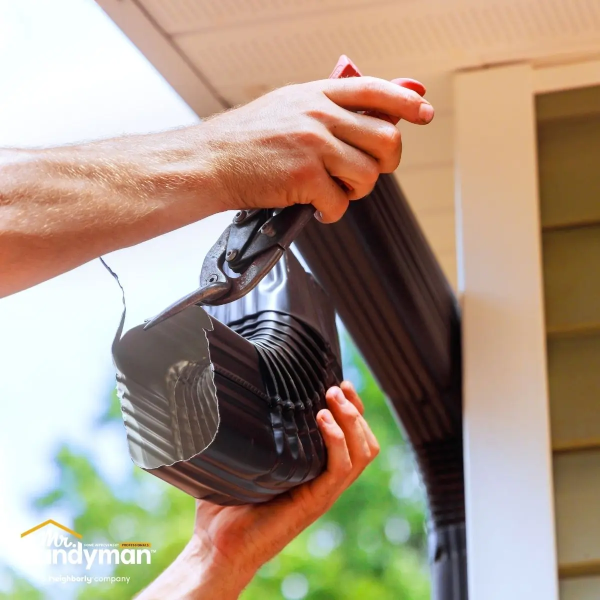
Outdoor water systems often go ignored until you need them, and by then it's too late to prevent the damage that winter may have caused. Even though freezing temperatures in Middle Tennessee are usually brief, they're enough to crack pipes, split faucets, and damage valves if water wasn't properly drained.
Turn on each outdoor faucet and check for leaks, drips, or reduced water pressure. If a faucet sputters or leaks from the handle or spout, internal components may have been damaged by freezing. Repairing or replacing a hose bib now is far cheaper than dealing with a burst pipe inside your wall during a summer heat wave when you're trying to water your garden.
Hoses that were left outside all winter may have cracks or weak spots. Inspect the entire length, especially near the fittings where splits commonly occur. A damaged hose wastes water and makes outdoor tasks frustrating. Replacing worn hoses and checking that fittings seal properly ensures your watering system works efficiently all season.
If you have an irrigation system, spring is the time to test every zone and inspect sprinkler heads. Heads that are clogged, broken, or misdirected waste water and leave parts of your lawn under-watered. Check for leaks along the lines and at connection points. Even small leaks add up over a season and can cause soggy spots in your yard or around your foundation. Adjusting spray patterns and replacing damaged components now means your system runs efficiently when you need it most.
Windows, Screens, and Exterior Doors
Windows that have been closed all winter often reveal problems once you try to open them in spring. Paint, dirt, and humidity can cause sashes to stick. Locks and latches may feel stiff. Screens might be torn or have bent frames. Taking time to address these issues now makes your home more comfortable and functional once warm weather hits.
Clean window tracks and lubricate moving parts. Dirt and debris build up in tracks over time and prevent smooth operation. A vacuum and a damp cloth followed by a silicone-based lubricant can restore easy movement. Check weatherstripping around operable windows—if it's compressed, cracked, or missing, it's no longer sealing properly. Replacing worn weatherstripping is inexpensive and improves both comfort and energy efficiency.
Screens should be inspected for tears, holes, and bent frames. Even small holes let in insects, which becomes a real problem once mosquitoes and flies are active. Screen repair kits are available at any hardware store and take just minutes to use. Frames that are bent or warped may not seal properly against the window opening, which also lets pests inside.
Exterior doors often need adjustment after a winter of temperature changes. Doors that drag on the threshold or require extra force to close usually have hinge issues or frame settling. Tightening screws, adjusting strike plates, or shimming hinges can restore proper operation. Door sweeps and weatherstripping wear out over time and should be replaced if they're no longer making solid contact. A door that doesn't seal properly lets conditioned air escape and pests enter, both of which are easily preventable with minor repairs.
Driveways, Walkways, and Exterior Lighting
Driveways and walkways take constant abuse from vehicles, foot traffic, and weather. Asphalt driveways develop cracks and potholes over time, especially after freeze-thaw cycles. Small cracks can be filled with asphalt patching compound to prevent water from seeping in and causing further damage. Larger areas of deterioration may need professional resurfacing, but addressing minor issues now extends the life of your driveway and prevents more expensive repairs later.
Concrete driveways and walkways crack as they settle and shift. Small cracks are mostly cosmetic, but larger ones can create tripping hazards and allow water to erode the base underneath. Filling cracks and sealing concrete surfaces protects them from moisture intrusion and freeze damage in future winters.
Exterior lighting improves safety and security, but fixtures that have been exposed to weather all year often develop problems. Check each light fixture for corrosion, loose connections, and bulbs that need replacing. Clean lenses and remove debris from fixtures to improve light output. Motion sensor lights should be tested to make sure they're triggering properly and covering the intended area. Replacing outdated fixtures with LED options reduces energy costs and provides better, more reliable lighting.
Frequently Asked Questions
How often should I inspect my home's exterior?
Twice a year at minimum—once in spring and once in fall. Spring inspections catch winter damage before summer weather makes it worse. Fall inspections prepare your home for winter and address issues that developed over the warmer months. More frequent checks after major storms or high winds are also smart.
Can I handle most exterior maintenance myself, or should I hire professionals?
It depends on the task and your comfort level. Cleaning gutters, replacing caulk, touching up paint, and inspecting for obvious damage are all manageable for most homeowners. Roof repairs, high ladder work, structural issues, and anything involving electrical or plumbing should be handled by professionals for safety and to ensure the work is done correctly.
What's the most important exterior task to prioritize?
Anything related to water management—gutters, downspouts, grading, and roof integrity. Water is the single biggest threat to your home's structure and longevity. If your budget or time is limited, focus on keeping water away from your foundation and out of your walls and roof.
How do I know if exterior wood is rotted or just weathered?
Press on it with your finger or use a screwdriver to probe the surface. Weathered wood is still hard and solid. Rotted wood feels soft, crumbles easily, or allows a tool to sink in. If you can push your finger or a screwdriver into the wood without much resistance, it's rotted and needs to be replaced.
Is power washing safe for all types of siding?
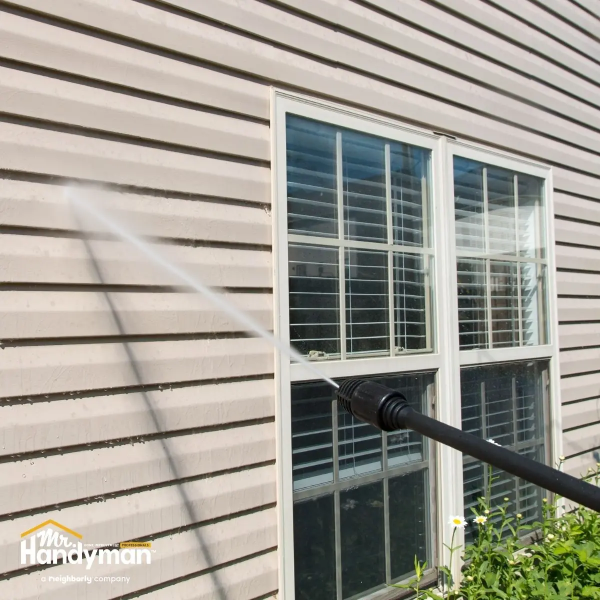
No. Vinyl siding can handle moderate pressure, but too much force can crack panels or drive water behind them. Wood siding is easily damaged by high pressure, which can strip paint and gouge the surface. Brick and concrete can usually tolerate higher pressure, but mortar joints can be damaged if you're not careful. When in doubt, start with the lowest pressure and increase only if needed.
What should I do if I find a problem I can't fix myself?
Document it with photos, get a clear understanding of what's wrong, and call a qualified professional. Ignoring structural issues, roof damage, or major rot only makes the problem more expensive. Small investments in professional repairs now prevent large emergency repairs later.
Getting Your Exterior Ready for the Season Ahead
Warmer weather in Middle Tennessee brings plenty of opportunities to enjoy your home and outdoor spaces, but it also brings challenges that can wear down your property if you're not prepared. The difference between a home that holds up well and one that requires constant emergency repairs often comes down to proactive maintenance done at the right time.
Spring is that time. The damage from winter is visible, the weather is cooperative, and the work is manageable. Addressing exterior issues now means your home is protected, efficient, and ready to handle whatever summer throws at it. Whether you tackle the work yourself or bring in experienced help, the investment you make in spring pays off in comfort, savings, and peace of mind all year long.
Need help preparing your home's exterior for warmer weather in Murfreesboro, Franklin, Brentwood, West Nashville, Belle Meade, or Clarksville? From minor repairs to complete exterior assessments, Mr. Handyman of Murfreesboro, Franklin, and Brentwood and Mr. Handyman of West Nashville, Belle Meade, and Clarksville can help you get everything in order before the heat arrives.
Call us to schedule a consultation.