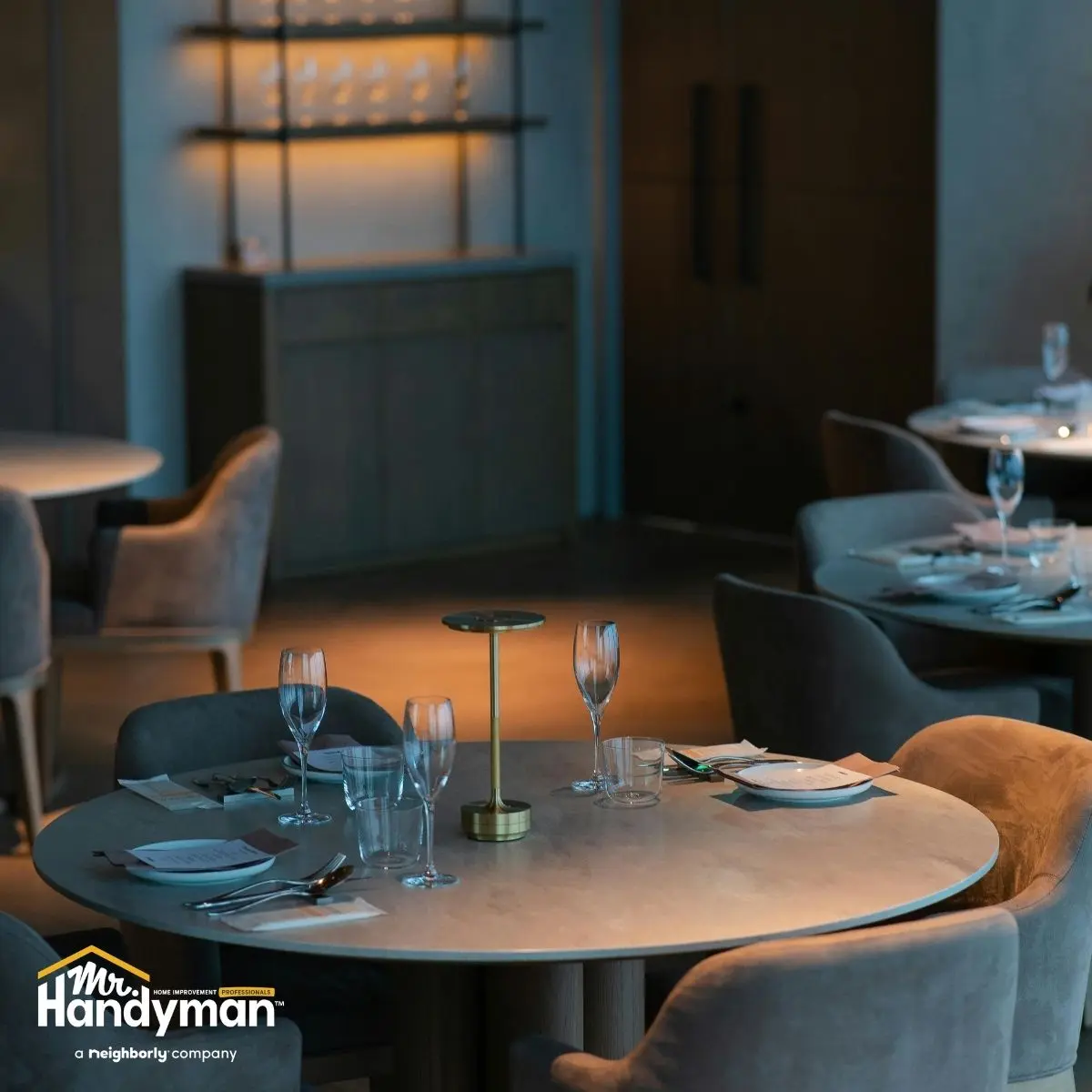
Spring is when commercial properties come back to life after winter. Tenants, customers, and employees are more aware of their surroundings as daylight extends and outdoor activity increases. Common areas—lobbies, hallways, restrooms, break rooms, outdoor seating, parking lots—receive more attention and more use. If these spaces look tired, neglected, or dated, people notice. Spring is the time to refresh commercial common areas so they're clean, inviting, and functional heading into the busy season.
Common areas shape how people perceive your property. A well-maintained lobby signals professionalism and quality. A clean, updated restroom demonstrates attention to detail. Attractive outdoor spaces encourage tenants and customers to spend time on the property. Conversely, worn carpet, scuffed walls, outdated fixtures, and neglected landscaping create negative impressions that affect tenant retention, customer satisfaction, and property value.
For property managers and business owners in Murfreesboro, Franklin, Brentwood, Nashville, and Clarksville, spring refreshes are strategic investments. They address wear that accumulated over winter, prepare properties for increased spring and summer activity, and show tenants and customers that their experience matters. Commercial properties built in the 1980s and 1990s—common throughout Middle Tennessee—often have common areas that haven't been updated in years. Small refreshes bring these spaces current without requiring full renovations.
The improvements that matter most aren't expensive or time-consuming. Deep cleaning, fresh paint, updated lighting, new furniture, and seasonal landscaping create immediate impact. These changes make spaces feel cared for and current, which influences how tenants, customers, and visitors perceive the entire property.
Deep Clean Everything Before Making Changes
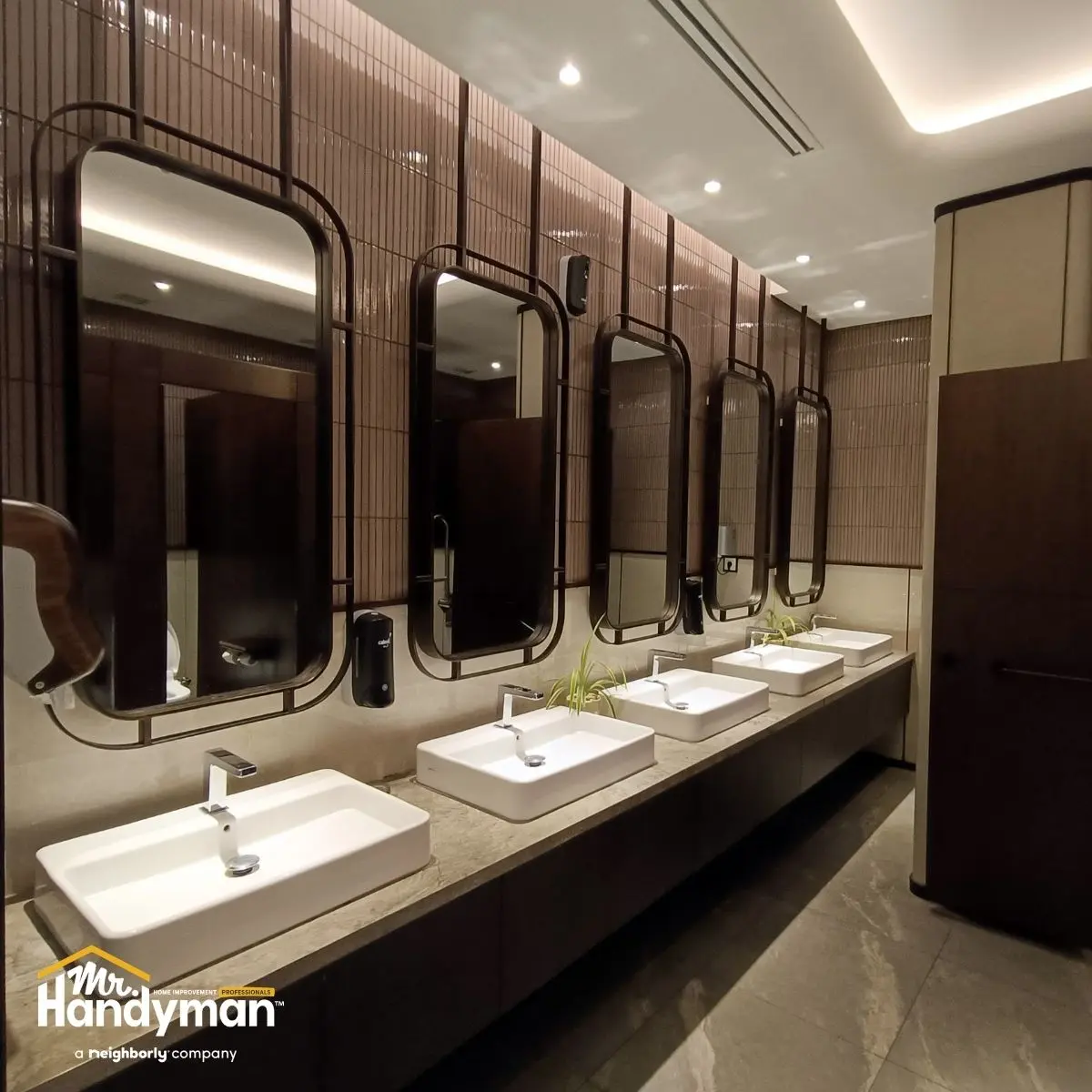
Before you paint, replace furniture, or make updates, deep clean common areas. Cleaning removes winter grime, reveals the true condition of surfaces and finishes, and creates a fresh baseline for additional improvements. Many spaces look dramatically better after thorough cleaning, and in some cases, cleaning is all that's needed.
Carpets in lobbies, hallways, and common areas accumulate dirt, salt residue from winter, and staining from foot traffic. Professional carpet cleaning or steam cleaning removes embedded dirt and refreshes appearance. If carpet still looks worn or stained after cleaning, replacement may be necessary, but always clean first to assess actual condition. Properties in Murfreesboro, Smyrna, and La Vergne with high foot traffic should schedule professional carpet cleaning at least twice annually.
Hard flooring—tile, vinyl, concrete, hardwood—needs deep cleaning that goes beyond daily mopping. Tile and grout should be scrubbed, sealed, and buffed to restore original appearance. Hardwood should be cleaned with appropriate products and assessed for refinishing needs. Vinyl and LVP should be stripped of built-up wax or polish and cleaned to original finish. Commercial properties in Franklin, Brentwood, and Nashville benefit from professional floor care that maintains appearance and extends flooring lifespan.
Walls need attention after winter. Scuff marks, fingerprints, and dirt accumulate in high-traffic areas like lobbies, hallways, and elevator banks. Wash walls with appropriate cleaners before deciding whether repainting is necessary. Many walls look acceptable after cleaning, which saves the cost of repainting.
Windows and glass surfaces should be cleaned inside and out. Dirty windows make interiors feel dim and neglected. Clean glass allows natural light to enter and improves how spaces feel. Properties with floor-to-ceiling windows or glass entryways should prioritize window cleaning as part of spring refresh.
Light fixtures accumulate dust and dead insects that reduce light output and make fixtures look dirty. Clean all fixtures, replace burned-out bulbs, and verify that lighting is adequate throughout common areas. Properties in Bellevue, Green Hills, and Dickson with dated fixtures should consider cleaning or updating to improve lighting quality.
Update Paint and Wall Finishes
Paint refreshes spaces faster and more affordably than almost any other improvement. Faded, scuffed, or dirty paint makes common areas feel neglected. Fresh paint in current, neutral tones modernizes spaces and creates clean environments that tenants and customers appreciate.
Focus on high-traffic areas that show the most wear—lobbies, hallways, elevator banks, stairwells, and entryways. These spaces receive constant use and accumulate scuffs, marks, and damage. Repainting these areas improves appearance and demonstrates active property management. Commercial properties in Murfreesboro, Franklin, and Nashville should repaint common areas every three to five years, or sooner if wear is visible.
Choose neutral, timeless colors that appeal broadly and won't date quickly. Whites, light grays, soft beiges, and warm neutrals create clean, professional environments. Accent walls in deeper tones add interest without overwhelming spaces. Avoid trendy colors or bold choices that may not age well or appeal to all tenants.
Paint quality matters in commercial settings. High-traffic areas need durable, washable paint that resists scuffing and staining. Semi-gloss or satin finishes hold up better than flat paint and allow for cleaning without damage. Investing in quality paint reduces the frequency of repainting and maintains appearance longer.
Consider adding texture or architectural interest through accent walls, wainscoting, or trim details. These elements create visual interest in otherwise plain hallways or lobbies. Properties in Smyrna, La Vergne, and Shelbyville with builder-basic common areas benefit from modest upgrades that add character without extensive renovation.
Upgrade Lighting for Brightness and Energy Efficiency
.webp)
Lighting affects how common areas feel and how people perceive your property. Dim, harsh, or outdated lighting makes spaces feel unwelcoming. Updated, energy-efficient lighting improves appearance, reduces operating costs, and creates environments people want to spend time in.
Replace outdated fluorescent fixtures with LED panels or recessed LED lighting. LEDs produce better light quality, use significantly less energy, and last longer than fluorescent or incandescent bulbs. The upfront cost is offset by reduced energy and maintenance expenses. Commercial properties in Franklin, Brentwood, and Nashville upgrading to LED lighting typically see energy cost reductions of 30 to 50 percent.
Increase lighting levels in areas that feel dim. Many commercial buildings were designed with minimal lighting to reduce construction costs, and the result is lobbies, hallways, and common areas that feel dark and uninviting. Adding fixtures or increasing bulb wattage improves how spaces feel and function.
Use layered lighting—ambient, task, and accent—to create depth and interest. Ambient lighting provides overall illumination. Task lighting focuses on specific areas like reception desks, directories, or seating areas. Accent lighting highlights architectural features, artwork, or branding elements. Properties with updated lighting feel more sophisticated and intentional.
Install dimming controls or timers that adjust lighting based on occupancy and time of day. Dimming reduces energy use during low-traffic periods and extends bulb life. Motion sensors in restrooms, stairwells, and storage areas ensure lights are only on when needed.
Exterior lighting around entryways, parking areas, and walkways should be bright and functional. Customers and tenants arriving after dark need to feel safe and see clearly. Properties in Bellevue, Green Hills, and Dickson should verify that exterior lighting is adequate and repair or upgrade as needed.
Refresh Furniture and Seating Areas
Furniture in lobbies, waiting areas, and common spaces affects comfort and perception. Worn, outdated, or uncomfortable furniture makes spaces feel neglected and discourages people from using them. Updating furniture creates welcoming environments that tenants and customers appreciate.
Assess current furniture condition. Upholstered pieces with stains, tears, or sagging cushions should be replaced. Wood or metal furniture with scratches, dents, or structural damage needs repair or replacement. Mismatched or dated pieces detract from overall appearance and should be updated with cohesive selections that create intentional design.
Choose durable, commercial-grade furniture appropriate for the level of use. Lobby furniture in high-traffic office buildings needs to withstand constant use. Waiting area furniture in medical or professional buildings should be comfortable for extended periods. Outdoor furniture in common areas needs to handle weather exposure without deteriorating.
Seating arrangements should encourage use while maintaining appropriate flow through common areas. Groupings that allow conversation or individual seating for privacy both have value. Properties in Murfreesboro, Smyrna, and La Vergne should arrange furniture to support how tenants and customers actually use spaces.
Add tables, side tables, or surfaces where people can set belongings, work on laptops, or rest drinks. Seating without surfaces is less functional and less used. Providing power outlets near seating areas accommodates modern needs and makes spaces more useful.
Update Restrooms to Modern Standards
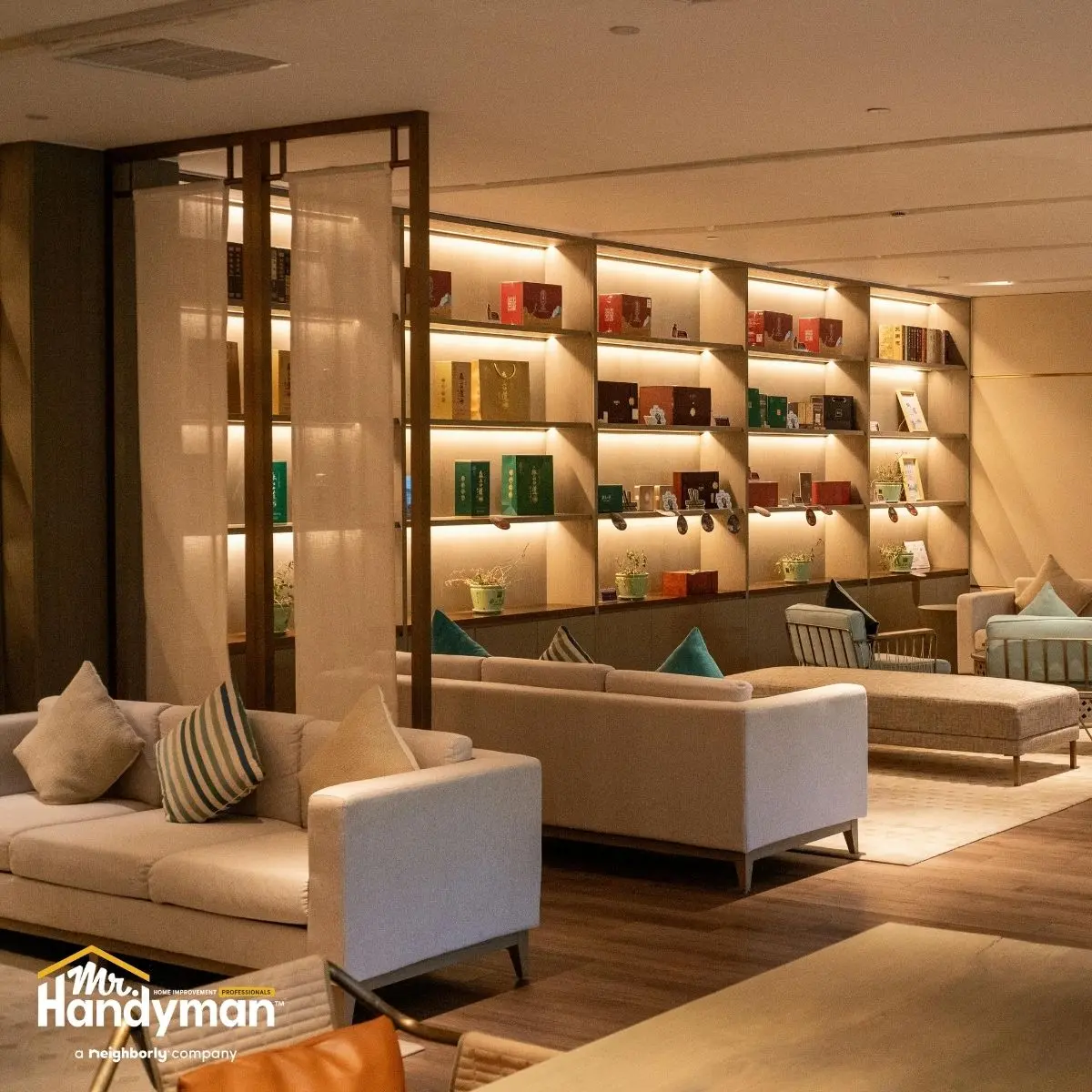
Restrooms in commercial common areas disproportionately affect how people perceive your property. Dated, poorly maintained, or dirty restrooms create negative impressions that overshadow other improvements. Spring refreshes should prioritize restroom updates that improve cleanliness, function, and appearance.
Start with thorough cleaning. Deep clean tile, grout, fixtures, and surfaces to remove staining and buildup. Many restrooms look significantly better after professional cleaning, and it reveals what actually needs replacement versus what just needs maintenance. Properties in Franklin, Brentwood, and Nashville should schedule professional restroom cleaning as the foundation of any refresh.
Update fixtures to modern standards. Replacing dated faucets, soap dispensers, paper towel dispensers, and hand dryers creates a more current appearance. Touchless fixtures improve hygiene and reduce maintenance by eliminating contact points where grime accumulates. Medical offices, professional buildings, and properties with public restrooms benefit from touchless upgrades.
Repaint restroom walls with moisture-resistant paint in light, neutral colors. Restrooms should feel clean and bright. Semi-gloss or satin finishes handle moisture and cleaning better than flat paint. Avoid dark colors that make small restrooms feel cramped.
Replace or re-grout tile if grout is discolored, cracked, or deteriorating. Dirty grout makes entire restrooms look neglected regardless of how clean other surfaces are. Re-grouting or replacing damaged tiles creates a cleaner, more modern appearance. Properties in Murfreesboro, Smyrna, and La Vergne with original tile from the 1990s often benefit from grout refresh.
Upgrade lighting to ensure restrooms are bright and evenly illuminated. Dim restrooms feel uninviting and make it difficult to see. LED fixtures with good color rendering improve how restrooms look and feel.
Add amenities that improve user experience—hooks for bags, shelves for belongings, full-length mirrors, quality hand soap, and air fresheners. Small touches communicate care and attention to detail.
Verify that restrooms are accessible and comply with ADA requirements. Commercial properties must meet accessibility standards, and spring refreshes are opportunities to address any deficiencies.
Refresh Landscaping and Outdoor Common Areas
Outdoor common areas—entryways, courtyards, patios, seating areas—come back into use as weather improves. Spring is when landscaping needs attention and outdoor spaces should be prepared for increased activity.
Trim overgrown shrubs and trees that have grown during winter. Plants that block windows, obscure signage, or crowd walkways should be cut back. Proper trimming improves appearance, maintains sightlines, and prevents vegetation from damaging buildings or creating maintenance issues. Properties in Franklin, Brentwood, and Nashville with mature landscaping should schedule professional trimming annually.
Remove dead or damaged plants and replace them with healthy specimens. Winter weather, disease, and age take tolls on landscaping, and dead plants look neglected. Replacing them signals active property management and improves curb appeal.
Refresh mulch in planting beds. Mulch breaks down, fades, and thins over time. Adding fresh mulch creates clean, finished appearance and provides functional benefits—moisture retention, weed suppression, and soil temperature regulation. Properties in Smyrna, La Vergne, and Shelbyville should refresh mulch annually as part of spring maintenance.
Plant seasonal flowers or color in high-visibility areas near entryways, lobbies, and outdoor seating. Seasonal plantings add vibrancy and show that landscaping is actively maintained. Even modest plantings in containers or beds near entries create positive impressions.
Clean and repair outdoor furniture, patios, and walkways. Power wash surfaces to remove winter grime and mildew. Inspect furniture for damage and repair or replace as needed. Check that walkways are level, safe, and free of trip hazards.
Verify that irrigation systems are functioning properly. Turn on systems, check for leaks or broken sprinkler heads, and adjust coverage and timing for spring watering needs. Properties with landscaping that depends on irrigation should ensure systems work before summer heat stresses plants.
Clean and inspect outdoor lighting. Replace burned-out bulbs, clean fixtures, and verify that timers and sensors function correctly. Outdoor areas used during evening hours need adequate lighting for safety and ambiance.
Improve Wayfinding and Informational Signage
Signage in common areas helps tenants, customers, and visitors navigate properties efficiently. Outdated, damaged, or missing signage creates confusion and frustration. Spring refreshes should assess and update signage throughout common areas.
Directory boards in lobbies should be current and accurate. Remove outdated tenant listings, update contact information, and ensure directories reflect current occupancy. Digital directories offer flexibility and modern appearance, while traditional directories should be clean and professionally maintained. Properties in Murfreesboro, Franklin, and Nashville with tenant turnover should verify that directories are accurate.
Directional signage should guide people to restrooms, elevators, stairwells, exits, and tenant spaces clearly. Signs should be visible, easy to read, and consistent in design. Missing or confusing signage frustrates visitors and creates negative impressions.
Parking signage should clearly communicate regulations, visitor parking locations, handicap spaces, and restricted areas. Faded or damaged parking signs should be replaced. Properties in Brentwood, Smyrna, and La Vergne with complex parking arrangements benefit from clear, visible signage that reduces confusion and parking violations.
Safety and compliance signage—exit signs, fire extinguisher locations, emergency procedures—should be current and visible. These signs aren't optional—they're code requirements that protect occupants and limit liability.
Building identification and suite numbers should be visible and consistent. Update faded or damaged numbers and ensure they're adequately lit for evening visibility.
Add Seasonal Decor and Branding Elements
Spring is an opportunity to add seasonal touches that make common areas feel current and welcoming. Modest seasonal decor signals that the property is actively managed and responsive to the changing year.
Fresh flowers or plants in lobbies, reception areas, and common spaces add color and life. Live plants improve air quality and create welcoming environments. Seasonal arrangements in entryways create positive first impressions.
Artwork or photography that reflects your property's location, character, or tenant community creates visual interest and connection. Local artwork, historical photos, or images that celebrate the region add personality without overwhelming spaces. Properties in Franklin, Brentwood, and Nashville can incorporate local themes that resonate with tenants and visitors.
Branded elements—property logos, tenant recognition, community boards—create identity and foster connection among tenants. Highlight tenant achievements, property events, or community involvement through displays or bulletin boards.
Avoid excessive or tacky seasonal decorations that look unprofessional. Commercial common areas should maintain professional standards while acknowledging seasons and creating warmth.
Address Maintenance Issues Throughout Common Areas
Spring refreshes reveal maintenance issues that need attention. Addressing these issues as part of comprehensive refresh ensures common areas are not only attractive but also functional and safe.
Repair damaged walls, ceilings, and trim. Holes, cracks, water stains, and damaged molding detract from appearance and should be fixed before painting or updating finishes.
Fix squeaky doors, sticking locks, and malfunctioning hardware. Doors and hardware in common areas receive constant use and wear out. Replacing worn hardware and adjusting doors improves function and eliminates annoyances.
Address HVAC issues that affect common area comfort. Temperature inconsistencies, noisy systems, and inadequate ventilation frustrate occupants. Spring is the time to service systems before cooling season begins.
Repair or replace damaged ceiling tiles in drop ceiling systems. Stained, sagging, or broken tiles look terrible and suggest water damage or neglect. Properties in Murfreesboro, Franklin, and Nashville with drop ceilings should inspect and replace damaged tiles.
Verify that all electrical outlets, light switches, and building systems function properly. Non-functioning outlets or switches create inconvenience and safety concerns.
Frequently Asked Questions
How much should I budget for spring common area refresh?
Budgets vary by property size and scope. Plan $2,000 to $10,000 for comprehensive refresh including paint, cleaning, landscaping, and minor updates. Larger properties or more extensive updates require higher budgets.
Can I refresh common areas without disrupting tenants?
Most work can be scheduled during off-hours or completed in phases to minimize disruption. Communicate plans to tenants in advance and work with contractors to minimize impact.
What improvements have the biggest impact?
Fresh paint, professional cleaning, updated lighting, and seasonal landscaping consistently deliver strong visual impact for relatively modest investment.
How often should common areas be refreshed?
High-traffic areas benefit from annual attention—cleaning, touch-up paint, landscape refresh. More comprehensive updates—furniture replacement, lighting upgrades, flooring—typically occur every three to five years.
Should I hire professionals or handle refreshes in-house?
Simple tasks like seasonal decor and furniture arrangement can be handled in-house. Professional cleaning, painting, landscaping, and electrical work should be contracted for quality and efficiency.
What mistakes do property managers make with common area refreshes?
Neglecting restrooms, choosing trendy over timeless finishes, under-investing in lighting, and ignoring maintenance issues while focusing only on aesthetics.
Create Welcoming Common Areas This Spring
Spring refreshes improve tenant satisfaction, attract prospective tenants and customers, and protect property values. Clean, updated, well-maintained common areas signal professional management and create environments people want to spend time in.
If you're in Murfreesboro, Franklin, Brentwood, Smyrna, Shelbyville, La Vergne, Bellevue, Christiana, Nashville, Belle Meade, Clarksville, Ashland City, Green Hills, Dickson, Antioch, Berry Hill, or any of the surrounding areas, Mr. Handyman of Murfreesboro, Franklin, and Brentwood and Mr. Handyman of West Nashville, Belle Meade, and Clarksville can help you refresh common areas efficiently and professionally.