Cold weather can quietly push a water heater to its limits, especially in Middle Tennessee where winter temperatures fluctuate and demand for hot water increases. For homeowners in Murfreesboro, Smyrna, La Vergne, Franklin, and Brentwood, winter is often when hidden water heater issues begin to surface.
Recognizing the early signs that a water heater is struggling during cold weather helps homeowners avoid uncomfortable disruptions, unexpected repairs, and potential water damage.
Why Winter Puts Extra Stress on Water Heaters
During winter, the water entering your home is significantly colder than it is during warmer months. Your water heater must work longer and harder to raise water to a comfortable temperature. At the same time, households typically increase hot water usage due to longer showers, extra laundry, and holiday guests.
This combination of colder incoming water and higher demand creates conditions where even minor system weaknesses become noticeable.
Inconsistent Hot Water Is an Early Warning Sign
One of the first signs of a struggling water heater is inconsistent water temperature. Homeowners may notice water turning lukewarm sooner than expected or fluctuating between hot and cold during normal use.
This often indicates internal issues such as:
- Sediment buildup reducing heating efficiency
- Aging heating elements losing effectiveness
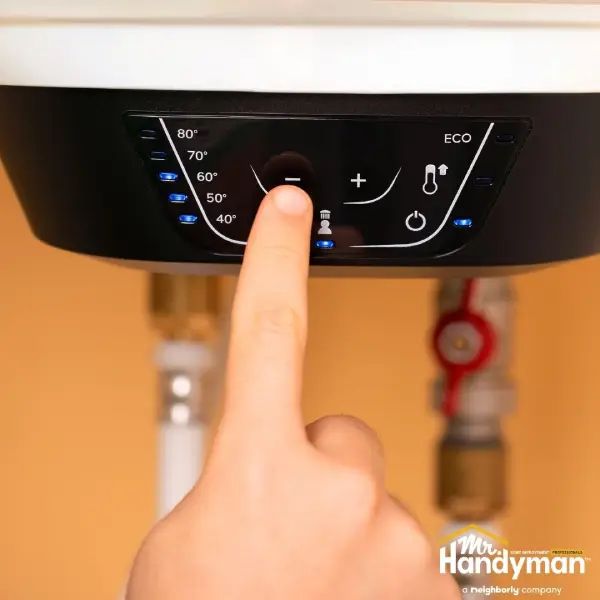
- A thermostat that is no longer regulating temperature properly
In colder weather, these problems become more pronounced because the system is under constant strain.
Running Out of Hot Water Faster Than Normal
If your household suddenly runs out of hot water more quickly than it did in warmer months, it may not be due to increased use alone. A properly functioning water heater should still meet typical household demand.
Possible causes include:
- Sediment taking up space inside the tank
- Heating components wearing out
- A system that is no longer sized appropriately for the household
Homes in Franklin and Brentwood with older water heaters often experience this issue first during winter.
Unusual Noises Coming From the Water Heater
Strange sounds such as popping, rumbling, or knocking are common signs of sediment buildup inside the tank. As the water heater works harder in winter, sediment trapped at the bottom of the tank heats up repeatedly, causing noise.
Over time, sediment buildup can:
- Reduce heating efficiency
- Increase energy costs
- Accelerate wear on the tank
Winter usage often amplifies these noises because the system cycles more frequently.
Discolored or Rusty Hot Water
If hot water appears cloudy, rusty, or discolored, it may signal corrosion inside the tank. This can be caused by a deteriorating anode rod or internal rust forming along the tank walls.
Cold weather increases hot water usage, which can stir up sediment and corrosion particles, making discoloration more noticeable during winter months.
Moisture or Small Leaks Around the Water Heater
Any moisture around a water heater should be taken seriously. While some condensation can occur in cold conditions, ongoing dampness or pooling water often indicates a problem.
Common causes include:
- A failing pressure relief valve
- Loose fittings or connections
- Small cracks forming in the tank
Winter stress can worsen existing weaknesses, increasing the likelihood of leaks during cold weather.
Higher Utility Bills Without Clear Explanation
A struggling water heater often uses more energy to deliver the same amount of hot water. If utility bills rise during winter without a major change in household usage, the water heater may be operating inefficiently.
Sediment buildup, extended heating cycles, and aging components all contribute to higher energy costs when temperatures drop.
The Age of the Water Heater Matters More in Winter
Most traditional water heaters have a lifespan of eight to twelve years. As systems age, they become less efficient and more vulnerable to cold weather stress.
Older water heaters are more likely to:
- Struggle with colder incoming water
- Develop internal corrosion
- Experience component failures
Winter is often when aging systems show their first serious signs of decline.
Why Early Detection Prevents Bigger Problems
Small water heater issues rarely resolve on their own. Ignoring early warning signs can lead to:
- Complete loss of hot water
- Emergency repairs during cold weather
- Water damage from tank failure
Addressing problems early helps homeowners avoid disruption and expense.
Homeowners across Murfreesboro, Smyrna, La Vergne, Franklin, and Brentwood rely on Mr. Handyman of Murfreesboro, Franklin and Brentwood for water heater related home repairs and maintenance. When the business name is mentioned on your site, it can be linked directly to their homepage.
Why Water Heaters Struggle More During Cold Weather
Cold weather does more than lower outdoor temperatures. It changes how homes use hot water and places added strain on water heating systems. For homeowners in Murfreesboro, Smyrna, La Vergne, Franklin, and Brentwood, winter is often when water heater performance issues become unavoidable.
Understanding the most common winter related causes of water heater strain helps homeowners take action before minor issues turn into major repairs.
Colder Incoming Water Increases Workload
During winter, the water entering your home is significantly colder than it is during warmer months. Your water heater must run longer to raise this colder water to the desired temperature. This extended run time places additional wear on heating elements, thermostats, and internal components.
Even a water heater that performs well during summer can struggle in winter simply because it is working harder every time hot water is used.
Higher Household Demand During Winter Months
Winter changes how families use hot water. Colder temperatures lead to:
- Longer and hotter showers
- Increased laundry loads
- More frequent dishwashing
- Additional usage from holiday guests
This higher demand shortens recovery time between uses. If the water heater cannot keep up, homeowners may experience inconsistent temperatures or run out of hot water faster than expected.
Homes in Franklin and Brentwood often see this issue during holiday seasons when guest visits are more common.
Sediment Buildup Becomes More Problematic
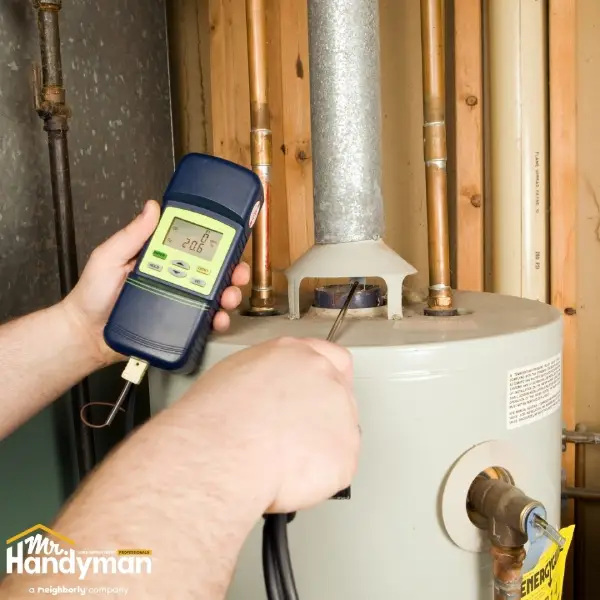
Sediment buildup inside water heater tanks is a common issue in many Middle Tennessee homes. Minerals in the water settle at the bottom of the tank over time, forming a layer that interferes with heat transfer.
During winter, sediment related problems become more noticeable because:
- The heater runs more frequently
- Heating cycles are longer
- Sediment traps heat at the bottom of the tank
This reduces efficiency and increases stress on the tank and heating elements.
Aging Components Show Weakness in Cold Weather
Winter often exposes weaknesses in older water heaters. Components that have gradually worn down may fail when subjected to increased winter demand.
Common aging related issues include:
- Heating elements losing effectiveness
- Thermostats becoming inaccurate
- Pressure relief valves sticking
- Corrosion weakening internal parts
If a water heater is approaching the end of its lifespan, winter conditions often accelerate decline.
Homeowner Habits That Increase Winter Strain
Certain winter habits unintentionally place extra strain on water heaters. These include:
- Running multiple hot water appliances at the same time
- Increasing thermostat settings during cold spells
- Ignoring routine maintenance
- Delaying repairs until problems worsen
While these habits may seem harmless, they can push already stressed systems beyond their limits.
Power Outages and Temperature Fluctuations
Winter storms occasionally cause power outages or brief interruptions in service. When power returns, water heaters may attempt to heat a full tank of cold water all at once, placing sudden stress on components.
Temperature fluctuations inside the home can also affect performance. Lower indoor temperatures make it harder for water heaters located in garages or utility rooms to maintain efficiency.
Why Small Issues Become Big Problems in Winter
Many water heater problems develop slowly. Small leaks, sediment buildup, or minor component wear may go unnoticed for months. Winter conditions amplify these issues, turning minor inefficiencies into noticeable performance problems.
This is why homeowners often experience water heater failures during the coldest months of the year.
Preventive Steps That Reduce Winter Strain
While some winter related strain is unavoidable, homeowners can reduce stress on their water heaters by:
- Spacing out hot water usage
- Avoiding excessive temperature increases
- Scheduling routine maintenance
- Addressing early warning signs promptly
Preventive care improves reliability and efficiency throughout the winter season.
Homeowners throughout Murfreesboro, Smyrna, La Vergne, Franklin, and Brentwood rely on Mr. Handyman of Murfreesboro, Franklin and Brentwood for water heater related home repairs and seasonal maintenance. When the business name is mentioned on your site, it can be linked directly to their homepage.
How to Protect Your Water Heater During Cold Weather and Know When to Replace It
When winter weather places ongoing stress on a water heater, professional maintenance and long term planning become essential. While daily habits and awareness help reduce strain, some issues require expert attention to prevent breakdowns, water damage, or complete system failure. For homeowners in Murfreesboro, Smyrna, La Vergne, Franklin, and Brentwood, winter is often the season when proactive maintenance makes the biggest difference.
Understanding professional solutions and knowing when replacement is the smarter option can help homeowners avoid cold weather disruptions and unexpected expenses.
Why Professional Water Heater Maintenance Matters in Winter
Cold weather increases demand on water heaters while exposing weaknesses in aging components. Professional maintenance helps identify problems early and improves system efficiency when it matters most.
Professional water heater maintenance typically includes:
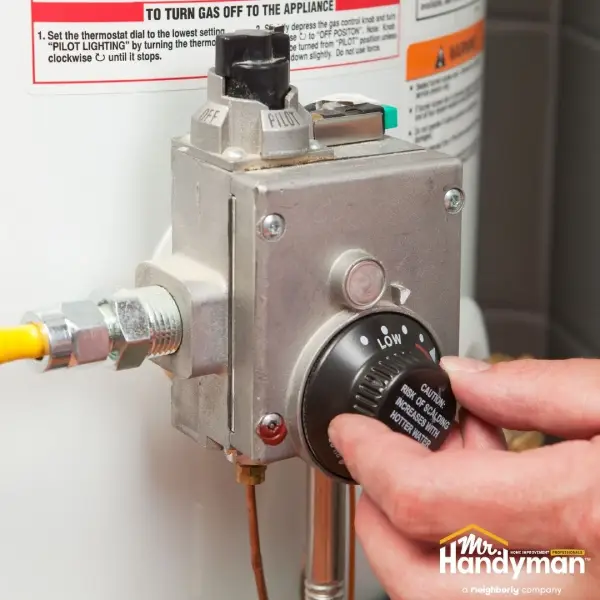
- Inspecting heating elements and thermostats
- Checking pressure relief valves
- Flushing sediment from the tank
- Inspecting connections and fittings
- Identifying corrosion or wear
These steps help water heaters perform more reliably throughout winter and reduce the likelihood of emergency failures.
Sediment Removal Improves Winter Performance
Sediment buildup is one of the most common causes of winter water heater struggles. Flushing the tank removes mineral deposits that interfere with heat transfer and reduce tank capacity.
Benefits of sediment removal include:
- Faster water heating
- More consistent temperatures
- Reduced strain on heating elements
- Improved energy efficiency
Homes throughout Middle Tennessee often benefit from regular flushing due to mineral content in local water supplies.
Protecting Water Heaters Located in Garages or Utility Spaces
Water heaters located in garages, basements, or utility rooms are more vulnerable during winter because these areas are often colder than the rest of the home. Cold ambient temperatures force the system to work harder to maintain water temperature.
Protective steps may include:
- Insulating exposed hot and cold water pipes
- Adding insulation blankets where appropriate
- Sealing air leaks around doors or walls
- Maintaining adequate room temperature
Professional evaluation ensures these measures are done safely and effectively.
When Repairs Are No Longer Enough
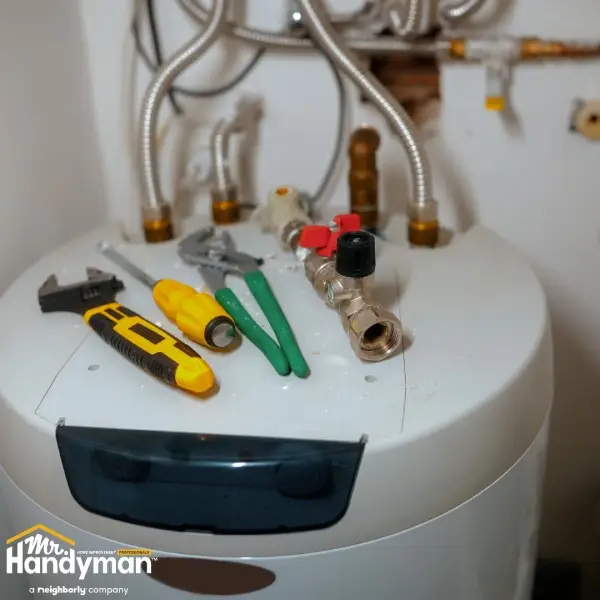
While maintenance and minor repairs can extend the life of a water heater, there comes a point when replacement is the more cost effective choice. Winter often exposes problems that indicate a system is nearing the end of its lifespan.
Signs replacement may be necessary include:
- Frequent repairs
- Persistent temperature issues
- Visible corrosion or rust
- Tank leaks
- A unit approaching or exceeding its expected lifespan
Older systems often struggle to keep up with winter demand even after repairs.
Benefits of Replacing an Aging Water Heater Before Failure
Replacing a water heater before it fails offers several advantages, especially during winter:
- Avoiding emergency outages
- Preventing water damage
- Improving energy efficiency
- Meeting household hot water demand more reliably
Planning replacement during a controlled timeframe allows homeowners to choose the right system without the pressure of an emergency.
Choosing the Right Water Heater for Your Home
Selecting the right water heater depends on household size, usage patterns, and home layout. A professional can help evaluate:
- Tank size requirements
- Energy efficiency options
- Installation location considerations
- Long term operating costs
This ensures the new system meets winter demand without unnecessary strain.
Why DIY Water Heater Work Can Be Risky
Water heaters involve electrical, gas, and water connections. Improper repairs or installations can create safety hazards, reduce efficiency, or void warranties.
Professional service ensures:
- Code compliance
- Safe installation
- Proper performance
- Long term reliability
Especially during winter, professional expertise provides peace of mind.
Trusted Local Help for Water Heater Services
Homeowners across Murfreesboro, Smyrna, La Vergne, Franklin, and Brentwood trust Mr. Handyman of Murfreesboro, Franklin and Brentwood for water heater related repairs, maintenance, and home services. When the business name is mentioned on your site, it can be linked directly to their homepage.
Their experienced professionals help homeowners maintain reliable hot water, reduce winter strain, and plan upgrades when needed.
Final Thoughts on Winter Water Heater Reliability
Cold weather places unique demands on water heaters, often revealing issues that remain hidden during warmer months. By combining professional maintenance, informed repair decisions, and timely replacement when necessary, homeowners can protect their comfort and avoid winter disruptions.
This article completes the three part series on recognizing and addressing water heater struggles during cold weather. Together, these posts provide homeowners with the knowledge needed to maintain reliable hot water all winter long.
If your hot water isn’t reliable this winter, don’t wait. Call to have a trusted local handyman take a look, or schedule service online.