.webp)
Freezing weather has a way of turning minor home issues into major emergencies. Small gaps let in cold air, loose fixtures strain under temperature changes, and tiny leaks become expensive damage when water freezes and expands. The good news is that many of the most costly winter problems can be prevented with simple, proactive fixes completed before or during cold spells.
For homeowners in Murfreesboro, Smyrna, La Vergne, Franklin, and Brentwood, addressing small repairs early can protect comfort, reduce energy costs, and help avoid emergency calls during freezing weather.
Understanding how cold temperatures stress your home helps explain why these small fixes matter so much.
Why Freezing Weather Makes Small Problems Worse
Cold temperatures affect building materials in powerful ways. Wood contracts, metal shrinks, seals harden, and moisture behaves differently when temperatures drop. What feels like a minor issue in fall can escalate quickly once freezing weather arrives.
Freezing conditions often worsen:
- Small air leaks into major drafts
- Minor plumbing issues into frozen or burst pipes
- Loose hardware into misaligned doors
- Tiny cracks into expanding surface damage
Because these changes happen gradually, homeowners may not notice them until damage has already occurred.
Sealing Gaps That Allow Cold Air In
.webp)
One of the most impactful small fixes during freezing weather is sealing air leaks. Cold air entering through gaps not only makes rooms uncomfortable but also forces heating systems to work harder.
Common areas needing attention include:
- Gaps around doors and windows
- Cracks where trim meets walls
- Openings around outlets or switches
- Spaces around attic or crawlspace access points
Sealing these gaps improves comfort immediately and reduces the strain on heating systems.
Door and Window Adjustments That Prevent Bigger Issues
.webp)
Doors and windows are constantly affected by temperature changes. As materials contract in freezing weather, doors may stick, windows may rattle, and seals can fail.
Small fixes that make a big difference include:
- Adjusting door alignment
- Tightening loose hinges or hardware
- Repairing worn weatherstripping
- Ensuring windows close and latch properly
These adjustments help prevent heat loss, moisture intrusion, and long term damage.
Plumbing Related Fixes That Protect Against Freezing
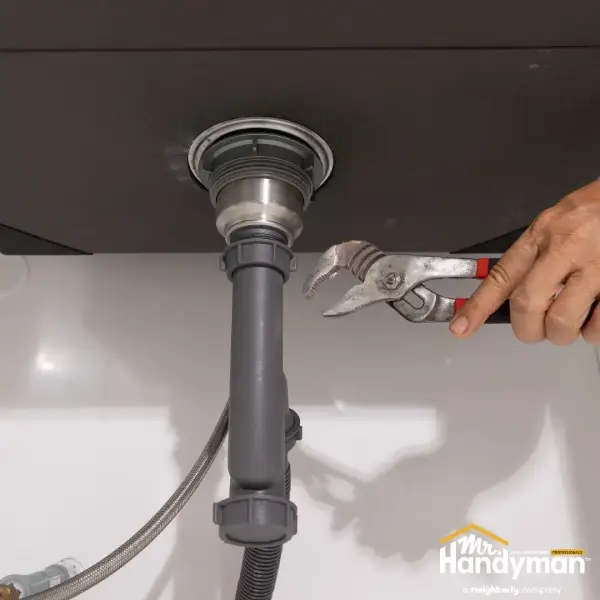
Frozen pipes are one of the most expensive winter problems homeowners face. Fortunately, small preventative fixes can dramatically reduce risk.
Key preventative steps include:
- Sealing gaps near plumbing penetrations
- Ensuring access panels close properly
- Addressing minor leaks before freezing weather
- Improving insulation around vulnerable areas
Addressing these issues early helps keep pipes warmer and reduces the likelihood of freezing.
Flooring Repairs That Prevent Winter Hazards
Loose flooring might not seem urgent, but freezing weather increases indoor traffic and changes how people move through the home. Loose carpet edges, cracked flooring, and uneven transitions become serious trip hazards.
Small flooring fixes include:
- Securing loose carpet or tiles
- Replacing worn transition strips
- Repairing minor cracks or movement
These repairs improve safety and prevent further flooring damage.
Fixing Loose Trim and Small Surface Issues
Cold weather can cause trim, molding, and drywall seams to separate slightly. While often dismissed as cosmetic, these issues can worsen over time.
Small but important fixes include:
- Reattaching loose trim
- Patching small drywall cracks
- Touching up damaged paint
These repairs prevent moisture intrusion and further surface deterioration.
Lighting Adjustments for Shorter Days
Short winter days make lighting issues more noticeable. Dim areas and faulty fixtures increase fall risk and reduce comfort.
Small lighting fixes include:
- Replacing burned out bulbs
- Repairing flickering fixtures
- Improving lighting in stairways and hallways
Good lighting helps homeowners spot hazards before accidents occur.
Handrail and Stair Checks That Improve Safety
Stairs see increased use during winter as families spend more time indoors. A loose handrail or worn step becomes more dangerous in freezing weather.
Simple safety fixes include:
- Tightening handrails
- Repairing loose steps
- Improving stair lighting
These small improvements significantly reduce fall risk.
Why Small Fixes Save Money During Freezing Weather
Minor repairs completed early often prevent emergency repairs later. Frozen pipes, major drafts, flooring accidents, and structural damage are far more expensive to address after failure.
Small fixes:
- Reduce emergency repair risk
- Improve daily comfort
- Lower energy costs
- Protect home components
Professional Help Makes Small Fixes More Effective
While many small fixes seem simple, proper execution makes the difference between a temporary solution and lasting protection. Professional experience helps identify hidden issues and ensure repairs are completed correctly.
Homeowners across Murfreesboro, Smyrna, La Vergne, Franklin, and Brentwood trust Mr. Handyman of Murfreesboro, Franklin and Brentwood for reliable winter home repairs, inspections, and preventative maintenance.
Common Small Issues Homeowners Overlook That Turn Into Major Winter Problems
Freezing weather rarely causes damage on its own. Instead, it exposes weaknesses that already exist within the home. Small issues that seem harmless during warmer months often escalate rapidly once temperatures drop, leading to costly repairs, safety risks, and emergency service calls. Understanding which small problems are most commonly overlooked helps homeowners take action before freezing weather turns minor fixes into major disruptions.
For homeowners in Murfreesboro, Smyrna, La Vergne, Franklin, and Brentwood, catching these overlooked issues early can prevent some of the most common winter emergencies.
Dismissing Minor Drafts as Normal Winter Discomfort
Many homeowners accept drafts as an unavoidable part of winter. However, even small air leaks allow cold air to penetrate walls, floors, and plumbing areas, increasing heating costs and creating uneven temperatures.
Overlooked draft sources often include:
- Small gaps around door frames
- Worn weatherstripping
- Trim separation near floors and ceilings
- Gaps behind outlets and switches
These minor openings allow cold air to reach vulnerable areas, increasing the risk of frozen pipes and condensation.
Ignoring Doors That Stick or Do Not Close Properly
Doors that stick or fail to close tightly are often dismissed as minor annoyances. In freezing weather, these issues worsen as materials contract, increasing air leakage and moisture intrusion.
Over time, poor door alignment can lead to:
- Heat loss
- Increased condensation
- Security concerns
- Premature hardware wear
Simple adjustments prevent these issues from escalating.
Overlooking Small Plumbing Leaks
Minor plumbing leaks may not cause immediate damage during warmer months, but freezing weather changes the risk dramatically. Small drips increase moisture exposure and weaken surrounding materials.
When temperatures drop, overlooked leaks can contribute to:
- Pipe freezing
- Burst pipes
- Water damage to walls and floors
Addressing small plumbing issues early is one of the most effective ways to prevent major winter emergencies.
Ignoring Cracks and Gaps in Walls and Ceilings
Hairline cracks in drywall or small gaps along ceilings are often considered cosmetic. In winter, these openings allow cold air infiltration and moisture movement.
As temperatures fluctuate, cracks can widen, leading to:
- Increased drafts
- Surface damage
- Moisture intrusion
Sealing and repairing these small issues protects interior surfaces and improves comfort.
Assuming Flooring Issues Are Only Cosmetic
Loose carpet edges, cracked tiles, or uneven transitions may seem cosmetic, but winter conditions increase the risk they pose. Heavier footwear, dry air, and increased indoor traffic amplify trip hazards.
Flooring issues that go unaddressed often result in:
- Falls and injuries
- Accelerated flooring damage
- Costly replacements
Small flooring repairs prevent safety incidents and protect materials.
Neglecting Handrails and Stair Stability
Loose handrails or slightly worn steps often go unnoticed until winter increases stair usage. Reduced lighting and bulkier clothing further increase fall risk.
Overlooked stair issues include:
- Loose handrails
- Worn step edges
- Inadequate lighting
Securing these elements early prevents serious injuries.
Failing to Monitor Entryway Conditions
Entryways take a beating during winter as moisture, dirt, and debris are tracked inside. Small issues near entrances quickly worsen.
Commonly overlooked problems include:
- Loose mats
- Slippery flooring
- Poor lighting
Addressing entryway safety early reduces the likelihood of slips and falls.
Ignoring Condensation and Moisture Signs
Condensation on windows or walls is often viewed as harmless. In reality, it signals temperature imbalance and moisture buildup.
If ignored, condensation can lead to:
- Mold growth
- Surface damage
- Slippery conditions
Small moisture control fixes prevent these problems from developing further.
Delaying Repairs Because They Seem Low Priority
Many small issues are delayed because they do not seem urgent. Freezing weather accelerates deterioration, turning low priority problems into emergencies.
Winter punishes delays more harshly than any other season.
Why Small Oversights Lead to Big Winter Repairs
Freezing temperatures amplify small weaknesses. When issues compound, they create chain reactions that affect multiple systems at once.
Addressing small fixes early:
- Reduces emergency repairs
- Protects home systems
- Improves comfort
- Saves money
Professional Inspections Catch Overlooked Issues Early
Homeowners often miss gradual changes because they live with them daily. Professional inspections identify subtle issues before they escalate.
Homeowners across Murfreesboro, Smyrna, La Vergne, Franklin, and Brentwood rely on Mr. Handyman of Murfreesboro, Franklin and Brentwood for thorough winter inspections, small repairs, and preventative maintenance.
High Value Small Fixes That Deliver Big Protection During Freezing Weather
When freezing weather arrives, the most effective home protection does not come from major renovations or expensive upgrades. It comes from addressing small issues before they escalate. High value small fixes focus on strengthening weak points, improving efficiency, and reducing risk across multiple systems at once. These repairs may seem minor on their own, but together they provide powerful protection against winter damage, safety hazards, and costly emergencies.
For homeowners in Murfreesboro, Smyrna, La Vergne, Franklin, and Brentwood, prioritizing these small but strategic fixes during freezing weather helps protect comfort, safety, and long term home value.
Why High Value Small Fixes Matter More Than Emergency Repairs
Emergency repairs are expensive, stressful, and disruptive. They often occur when small issues are ignored until freezing weather exposes their weaknesses. High value small fixes work preventatively, stopping damage before it starts.
These fixes:
- Reduce strain on home systems
- Prevent cascading failures
- Improve daily comfort
- Lower the risk of emergency calls
By addressing problems early, homeowners gain control instead of reacting under pressure.
Sealing Air Leaks That Threaten Comfort and Pipes
One of the most impactful small fixes is sealing air leaks. Cold air entering through gaps not only makes rooms uncomfortable but also allows freezing temperatures to reach plumbing and interior walls.
High value air sealing includes:
- Sealing gaps around doors and windows
- Repairing trim separation near floors
- Sealing openings around outlets and switches
- Closing gaps near plumbing penetrations
These fixes help maintain consistent indoor temperatures and reduce the risk of frozen pipes.
Door and Hardware Adjustments That Prevent Larger Failures
Misaligned doors and loose hardware are common winter issues that worsen quickly in freezing weather. Small adjustments restore proper function and prevent further damage.
High value fixes include:
- Aligning doors that stick or drag
- Tightening hinges and handles
- Repairing latches and locks
- Ensuring doors close and seal properly
Proper door function improves safety, security, and energy efficiency.
Plumbing Related Fixes That Reduce Freeze Risk
Frozen pipes are one of the most expensive winter emergencies. Small preventative fixes dramatically reduce the likelihood of freezing.
High value plumbing related fixes include:
- Sealing gaps near pipe entry points
- Securing access panels properly
- Addressing minor leaks promptly
- Improving insulation around vulnerable areas
These steps keep cold air away from plumbing and reduce pressure buildup inside pipes.
Flooring Repairs That Improve Safety and Durability
Loose flooring is more than a cosmetic issue during winter. Increased indoor traffic and heavier footwear turn small flooring issues into serious trip hazards.
High value flooring fixes include:
- Securing loose carpet edges
- Replacing worn transition strips
- Repairing minor cracks or uneven surfaces
These repairs protect both occupants and flooring materials from further damage.
Stair and Handrail Fixes That Prevent Serious Injuries
Stairs are heavily used during freezing weather when outdoor activity decreases. Small safety issues on staircases can have serious consequences.
High value stair safety fixes include:
- Tightening handrails securely into framing
- Repairing loose steps or worn edges
- Improving stair lighting
These fixes dramatically reduce fall risk for all household members.
Lighting Repairs That Improve Visibility and Awareness
Shorter winter days increase reliance on indoor lighting. Small lighting issues reduce visibility and make hazards harder to spot.
High value lighting fixes include:
- Replacing burned out bulbs
- Repairing flickering fixtures
- Improving lighting in hallways and staircases
Better lighting supports safer movement and improves overall comfort.
Moisture Control Fixes That Protect Surfaces and Safety
Condensation and moisture buildup are common during freezing weather. Small moisture issues can damage surfaces and create slippery conditions.
High value moisture control fixes include:
- Sealing cold air gaps that cause condensation
- Improving ventilation in kitchens and bathrooms
- Repairing moisture damaged trim or drywall
Managing moisture helps protect both safety and interior finishes.
Surface Repairs That Prevent Expansion and Damage
Small cracks in drywall or loose trim often worsen during freezing weather as materials contract and expand.
High value surface fixes include:
- Patching small drywall cracks
- Reattaching loose trim or molding
- Touching up damaged paint
These repairs prevent cracks from expanding and protect interior surfaces.
Why Winter Is the Best Time to Make These Fixes
Freezing weather exposes problems quickly and allows homeowners to feel the results of repairs immediately. Addressing small fixes during winter prevents damage when conditions are most demanding.
Completing these fixes:
- Reduces emergency repair risk
- Improves daily comfort
- Lowers energy costs
- Protects long term home condition
Professional Support Makes Small Fixes More Effective
While many fixes appear simple, proper execution determines whether they last. Professional experience ensures repairs address root causes and hold up under winter stress.
Homeowners across Murfreesboro, Smyrna, La Vergne, Franklin, and Brentwood trust Mr. Handyman of Murfreesboro, Franklin and Brentwood for dependable winter repairs, preventative maintenance, and safety improvements.
Final Thoughts on Preventing Big Problems During Freezing Weather
Small fixes completed at the right time deliver some of the highest returns in home maintenance. By addressing air leaks, minor repairs, and safety issues early, homeowners can prevent major damage, reduce winter stress, and protect their homes throughout freezing weather.
A few small repairs now can prevent major winter damage later. Schedule service online or call.