Spring is when commercial properties in Middle Tennessee need attention. Winter weather has stressed roofs, HVAC systems, and exterior surfaces. Parking lots may have developed cracks or potholes. Landscaping needs cleanup and renewal. Interior spaces that saw heavy use through the slower winter months show wear that needs addressing before customer traffic picks up in the warmer months.
For business owners and property managers in Murfreesboro, Franklin, Brentwood, Nashville, and Clarksville, spring maintenance isn't optional—it's preventative care that protects your investment, maintains professional appearance, and prevents small issues from becoming expensive emergencies. A roof leak ignored in March becomes water damage and ceiling replacement by June. A malfunctioning HVAC system that limps through April fails completely in July when you need it most. Deferred maintenance costs more in the long run, and it affects how customers, tenants, and employees perceive your business.
Commercial properties face different challenges than residential homes. Usage is higher, expectations are different, and downtime has direct financial consequences. An office building with a broken air conditioner loses productivity. A retail space with a leaking roof risks merchandise damage and customer complaints. A restaurant with plumbing issues can't operate until the problem is fixed. Spring maintenance addresses vulnerabilities before they disrupt operations, and it positions your property to handle the demands of the busy summer season.
The buildings common in Middle Tennessee's commercial corridors—many built in the 1980s and 1990s—have specific maintenance needs tied to their age, construction, and exposure to our climate. Flat or low-slope roofs common on commercial buildings are prone to ponding water and membrane deterioration. HVAC systems that run year-round accumulate wear faster than residential units. Parking lots paved decades ago develop cracks, settling, and drainage issues that worsen with every freeze-thaw cycle. Addressing these issues systematically through a spring maintenance checklist keeps properties functional, safe, and presentable.
Inspect and Maintain Your Roof Before Summer Storms
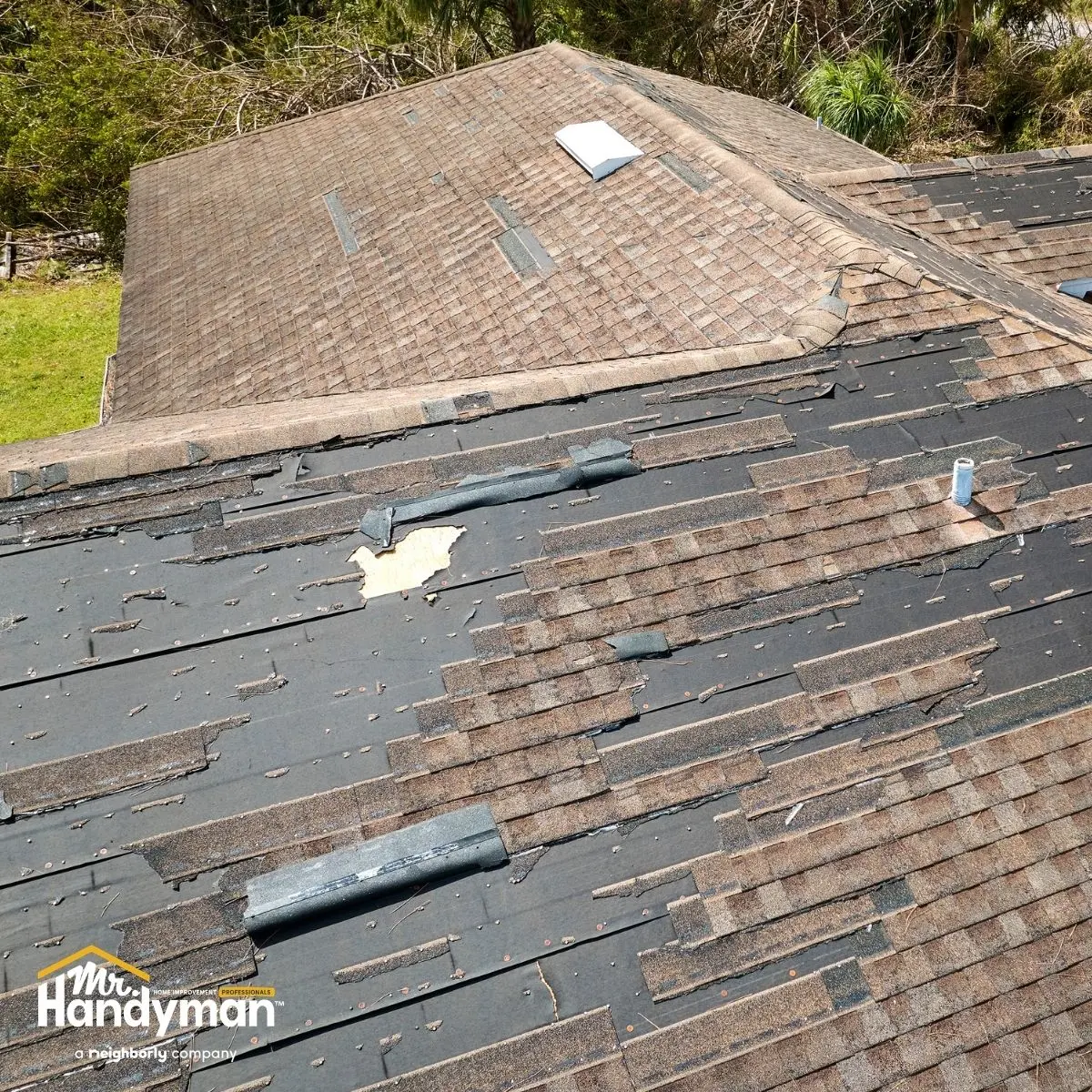
Commercial roofs take constant abuse from sun, rain, wind, and temperature extremes. Flat or low-slope roofs, which are standard on commercial buildings throughout Murfreesboro, Franklin, and Nashville, are particularly vulnerable to ponding water, membrane damage, and leaks that develop slowly and go unnoticed until they cause interior damage.
Spring roof inspections identify problems early. Walk the roof or hire a professional to check for cracked or blistered membrane, loose flashing around vents and HVAC units, clogged drains or scuppers, and areas where water pools rather than draining properly. Ponding water accelerates roof deterioration and increases the risk of leaks. Buildings in Smyrna, La Vergne, and Shelbyville with aging roofing systems—15 years or older—should be inspected annually and repaired proactively rather than waiting for leaks to announce themselves.
Gutters and downspouts also need attention. Commercial buildings often have larger gutter systems that handle significant water volume during storms. If gutters are clogged with leaves and debris, they overflow and dump water against the building's foundation or create erosion around the perimeter. Cleaning gutters and ensuring downspouts direct water away from the building prevents water intrusion, foundation issues, and landscape damage.
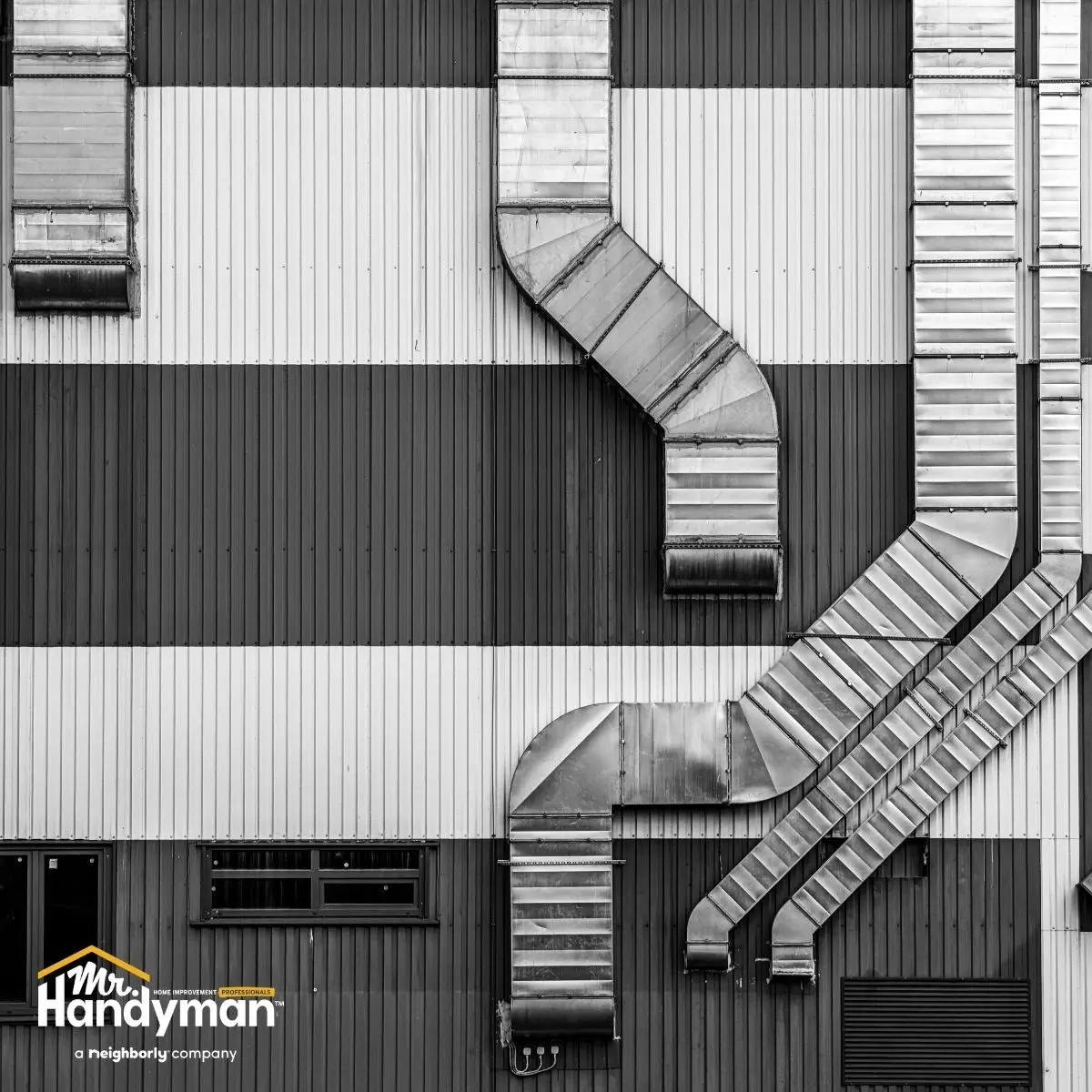
Roof-mounted HVAC units should be inspected as part of roof maintenance. Check that units are securely mounted, that vibration hasn't loosened fasteners or damaged the roof membrane, and that condensate drains are clear and functioning. HVAC equipment on roofs endures extreme temperature swings and constant exposure, which accelerates wear on both the equipment and the roof beneath it.
Service HVAC Systems to Avoid Mid-Summer Failures
Commercial HVAC systems work harder than residential units. They run longer hours, condition larger spaces, and often operate year-round regardless of occupancy. By spring, systems that ran all winter need maintenance to ensure they're ready for the cooling demands of summer. Skipping this maintenance increases the risk of breakdowns during the hottest months when replacement parts and service calls are most expensive and hard to schedule.
Change filters, which in commercial systems may need replacement monthly or quarterly depending on usage and air quality. Dirty filters restrict airflow, reduce efficiency, and force the system to work harder, which accelerates wear on blowers and compressors. Buildings in Brentwood, Franklin, and Green Hills with high foot traffic or dusty environments need more frequent filter changes.
Inspect and clean condenser coils on outdoor units. Dirt, pollen, and debris accumulate on coils, reducing heat transfer efficiency and forcing the system to run longer to achieve the same cooling. Cleaning coils improves performance and reduces energy costs. Check that outdoor units have clear airflow around them—landscaping, storage, or debris piled near units restricts airflow and degrades performance.
Test thermostats and controls to ensure they're functioning accurately. Commercial buildings with zoned HVAC systems or programmable controls benefit from verifying that settings match current occupancy patterns and seasonal needs. A system programmed for winter heating needs may not transition efficiently to cooling without adjustments.
Schedule professional service for refrigerant checks, electrical connections, and mechanical components that require specialized tools and expertise. HVAC contractors can identify worn belts, failing capacitors, refrigerant leaks, and other issues that aren't obvious during casual inspection but lead to breakdowns if ignored.
Address Parking Lot and Exterior Pavement Issues
Parking lots and driveways are often the first impression customers and tenants have of your property. Cracked, potholed, or poorly maintained pavement signals neglect and creates liability risks. Spring is the time to assess and repair pavement damage that developed or worsened over winter.
Freeze-thaw cycles are particularly hard on asphalt and concrete. Water seeps into small cracks, freezes, expands, and creates larger cracks and potholes. This process repeats through winter, and by spring, minor surface cracks have become structural problems. Commercial properties in Murfreesboro, Smyrna, and Clarksville with asphalt parking lots should inspect for cracking, settling, and potholes and schedule repairs before damage spreads.
Sealcoating asphalt extends its lifespan by protecting the surface from UV damage, water infiltration, and oxidation. Parking lots should be sealcoated every two to three years, and spring is the ideal time because temperatures are moderate and the surface has time to cure before heavy summer use. Properties with faded, gray asphalt benefit from sealcoating, which restores appearance and protects the pavement.
Concrete surfaces should be checked for cracks, spalling, and joint separation. Repairing concrete is more involved than asphalt, but addressing small issues now prevents them from requiring full replacement later. Sidewalks, loading docks, and entryways with uneven or damaged concrete create tripping hazards and liability exposure.
Drainage is another critical consideration. Parking lots that pond water after rain indicate grading or drainage problems. Standing water accelerates pavement deterioration, creates slip hazards, and deters customers. Installing or repairing drainage systems, regrading low spots, or adding catch basins solves these problems and protects your pavement investment.
Clean and Refresh Exterior Surfaces and Landscaping
The exterior of your building is a constant advertisement for your business. Dirty siding, stained concrete, overgrown landscaping, and cluttered entryways communicate lack of care. Spring cleaning and refreshing exterior surfaces improves curb appeal and creates a welcoming environment for customers and tenants.
Power washing removes winter grime, mildew, and staining from siding, sidewalks, entryways, and building facades. Commercial buildings in Nashville, Franklin, and Brentwood with brick, concrete, or vinyl siding benefit from annual power washing that restores appearance and removes organic growth that can cause long-term damage.
Landscaping also needs attention. Trim overgrown shrubs, remove dead plants, refresh mulch in beds, and plant seasonal flowers to add color and visual interest. Commercial properties with neglected landscaping look dated and unkempt regardless of how well-maintained the building itself is. Properties in Bellevue, Green Hills, and Dickson competing for tenants or customers should invest in landscaping that signals professionalism and care.
Check exterior lighting to ensure fixtures are functioning, bulbs are replaced, and timers or sensors are working correctly. Adequate lighting improves safety, deters theft and vandalism, and makes your property more inviting after dark. Buildings with parking lot lights, entryway fixtures, or accent lighting should inspect and repair any issues before longer daylight hours make problems less obvious.
Inspect and Repair Interior Spaces for Functionality and Safety
Interior maintenance is just as important as exterior work, especially in commercial spaces where tenant satisfaction and employee comfort directly affect your bottom line. Spring is the time to address wear and tear that accumulated over winter and prepare spaces for increased activity as weather improves.
Walk through common areas, hallways, restrooms, and tenant spaces looking for issues that need attention. Check for water stains on ceilings and walls that indicate roof or plumbing leaks. Inspect flooring for loose tiles, worn carpet, or damage that creates tripping hazards. Test doors and locks to ensure they function smoothly and securely. Buildings in Murfreesboro, Smyrna, and La Vergne with high tenant turnover or customer traffic show wear faster and benefit from regular inspections that catch problems early.
Restrooms receive heavy use and need consistent maintenance. Check for leaking faucets, running toilets, damaged fixtures, and grout or caulk that's deteriorating. Restrooms that look or smell poorly maintained reflect badly on the entire property. Replacing worn fixtures, re-caulking showers and sinks, and deep cleaning tile and grout keeps restrooms presentable and functional.
Lighting should be assessed throughout the building. Replace burned-out bulbs, especially in high-visibility areas like lobbies, hallways, and stairwells. Consider upgrading to LED lighting if you're still using incandescent or fluorescent bulbs—LEDs last longer, use less energy, and reduce maintenance frequency. Commercial properties in Franklin, Brentwood, and Nashville benefit from lighting upgrades that lower operating costs and improve interior appearance.
Paint touch-ups and wall repairs address scuffs, holes, and damage that accumulate in high-traffic areas. Hallways, lobbies, and common areas should look clean and well-maintained. Fresh paint signals that the property is cared for and creates a more professional environment. Properties preparing to lease space or renew tenants should prioritize these cosmetic updates.
Test and Service Fire Safety and Security Systems
Fire safety and security systems are non-negotiable in commercial properties, and spring maintenance should include testing and servicing these critical systems. Fire alarms, sprinklers, extinguishers, exit lighting, and security cameras all need regular inspection to ensure they function properly when needed.
Fire alarm systems should be tested annually by a qualified technician. This includes checking smoke detectors, pull stations, alarms, and control panels. Replace batteries in battery-operated detectors and verify that wired systems communicate properly with monitoring services. Buildings in Bellevue, Green Hills, and Ashland City with older fire alarm systems may need upgrades to meet current codes, especially if you're renovating or changing occupancy types.
Fire extinguishers require annual inspection and certification. Check that extinguishers are mounted in accessible locations, properly charged, and have current inspection tags. Missing or expired extinguishers create liability and code violations. Commercial properties with kitchens, workshops, or manufacturing areas need specialized extinguishers appropriate for the fire risks present.
Sprinkler systems should be inspected and tested to ensure they activate properly. Check for corrosion, leaks, or damaged sprinkler heads. Verify that water pressure is adequate and that control valves are accessible and functional. Buildings in Murfreesboro, Franklin, and Clarksville with sprinkler systems that haven't been tested in years should prioritize this inspection—malfunctioning sprinklers put lives and property at risk.
Exit lighting and emergency egress systems must function during power outages. Test battery backup systems, replace bulbs, and verify that exit signs are illuminated and visible from all required locations. Blocked exits, malfunctioning lights, or missing signage create serious safety and code violations.
Security systems—cameras, access control, alarm systems—should be tested and updated. Clean camera lenses, check recording equipment, verify that access cards or codes work properly, and test alarm sensors. Commercial properties with valuable inventory, sensitive data, or after-hours operations depend on security systems that function reliably.
Check Plumbing Systems and Address Leaks or Inefficiencies
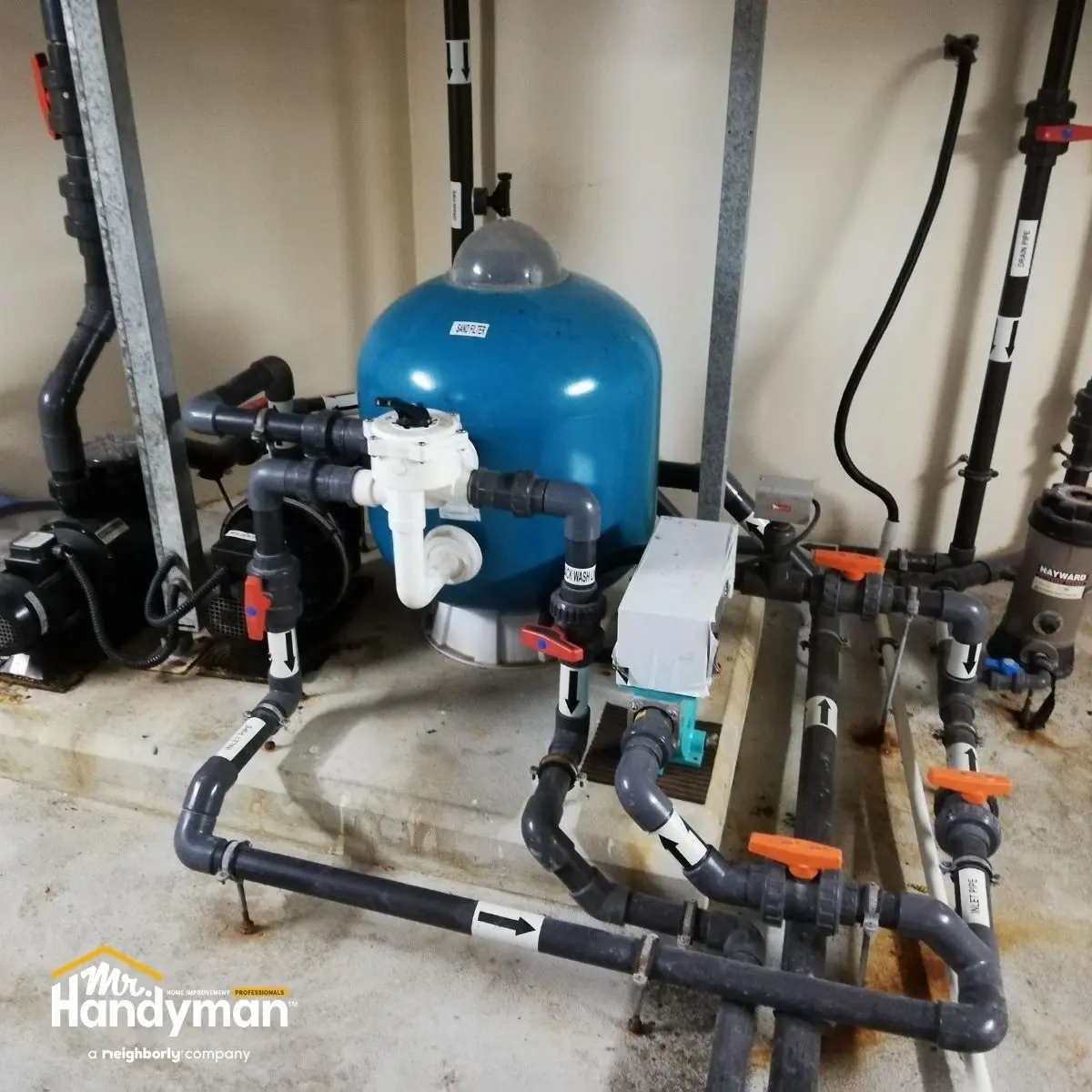
Plumbing problems in commercial buildings can shut down operations, damage inventory, and create expensive repair bills if not caught early. Spring inspections should focus on identifying leaks, testing water heaters, and ensuring drainage systems function properly.
Walk the building looking for signs of water damage—stains on ceilings or walls, warped flooring, musty odors, or visible moisture. These indicate leaks that may be hidden in walls, above ceilings, or under floors. Buildings in older commercial areas of Nashville, Smyrna, and Dickson with original plumbing—galvanized or cast iron pipes installed decades ago—are particularly prone to leaks and corrosion.
Water heaters in commercial buildings work harder than residential units and need regular maintenance. Flush tanks to remove sediment, inspect anode rods, check pressure relief valves, and verify that thermostats are set correctly. Commercial water heaters nearing or past their expected lifespan—typically 10 to 15 years—should be evaluated for replacement before they fail and disrupt operations.
Sinks, toilets, and other fixtures should be checked for leaks, drips, and operational issues. A running toilet or dripping faucet wastes hundreds of gallons of water and increases utility costs. Replacing worn washers, flappers, or fill valves is inexpensive and pays for itself in water savings.
Drainage systems should flow freely. Slow drains indicate buildup or partial blockages that will eventually become complete clogs. Address slow drains now with cleaning or snaking rather than waiting for backups that flood restrooms or kitchens. Commercial properties with grease traps or floor drains should have these cleaned and inspected regularly to prevent backups.
Prepare Outdoor Spaces for Seasonal Use
If your commercial property has outdoor seating, patios, or common areas, spring is when these spaces need attention. Customers and tenants expect outdoor areas to be clean, functional, and inviting once weather improves, and preparing these spaces early ensures they're ready for use.
Clean and inspect outdoor furniture. Power wash tables, chairs, and umbrellas to remove winter grime and mildew. Check for damaged or broken pieces that need repair or replacement. Commercial properties in Franklin, Brentwood, and Nashville with outdoor dining or seating areas should ensure furniture is sturdy, clean, and presentable before opening for the season.
Patios, decks, and walkways need cleaning and repair. Sweep away debris, power wash surfaces, and inspect for cracks, loose boards, or uneven pavement that creates tripping hazards. If you have wooden decks or pergolas, check for rot, loose fasteners, or structural issues that developed over winter.
Outdoor lighting and electrical outlets should be tested. Replace burned-out bulbs, verify that timers and sensors work correctly, and ensure outlets have proper weatherproof covers and GFCI protection. Properties with outdoor events or after-hours use depend on reliable lighting for safety and ambiance.
Irrigation systems need seasonal startup. Turn on water, check for leaks or broken sprinkler heads, adjust coverage zones, and set timers for appropriate watering schedules. Commercial properties in Smyrna, La Vergne, and Shelbyville with landscaping that depends on irrigation should ensure systems are functioning before summer heat stresses plants.
Review and Update Maintenance Records and Service Contracts
Spring maintenance is also an opportunity to review your property's maintenance history and service contracts. Keeping organized records helps you track what's been done, what's due, and what needs budgeting for the coming year.
Review service contracts for HVAC, fire systems, elevators, landscaping, and other building systems. Verify that contractors are scheduled for required inspections and maintenance. Properties with lapsed service contracts or overdue inspections risk equipment failures, code violations, and voided warranties.
Update maintenance logs with completed spring tasks. Document repairs, replacements, and inspections so you have a record of what's been addressed and when. This information is valuable for budgeting, planning future work, and demonstrating due diligence if safety or liability issues arise.
Identify deferred maintenance that needs budgeting. If your roof is nearing the end of its lifespan, your HVAC system is outdated, or your parking lot needs resurfacing, plan for these larger projects before they become emergencies. Commercial properties in Murfreesboro, Franklin, and Nashville benefit from proactive capital planning that spreads costs over time rather than forcing reactive repairs when systems fail.
Frequently Asked Questions
How often should commercial roofs be inspected?
At least annually, and after major storms. Flat or low-slope roofs benefit from twice-yearly inspections—spring and fall—to catch issues before they cause leaks.
What's the most important maintenance task for commercial properties?
HVAC maintenance. System failures disrupt operations, affect tenant comfort, and result in expensive emergency repairs. Regular servicing prevents most breakdowns.
Should I hire professionals or handle maintenance in-house?
It depends on complexity and your staff's capabilities. Simple tasks like filter changes and landscaping can be handled in-house. Specialized work—HVAC service, roof repairs, fire system testing—requires licensed professionals.
How much should I budget for annual commercial property maintenance?
A general guideline is 1 to 2 percent of the property's value annually for routine maintenance, with additional reserves for capital improvements and unexpected repairs.
What maintenance issues create the most liability risk?
Anything affecting safety—damaged pavement, malfunctioning fire systems, inadequate lighting, faulty electrical, or plumbing leaks that create slip hazards. Address these issues immediately.
Can I defer maintenance to save money?
Deferred maintenance costs more in the long run. Small issues become expensive repairs, and neglected properties lose value and tenant appeal.
Keep Your Commercial Property in Top Condition
Spring maintenance protects your investment, prevents costly breakdowns, and ensures your property remains safe, functional, and presentable. A systematic approach to inspecting and maintaining roofs, HVAC systems, parking lots, interiors, and building systems keeps your property competitive and operating smoothly.
If you're in Murfreesboro, Franklin, Brentwood, Smyrna, Shelbyville, La Vergne, Bellevue, Christiana, Nashville, Belle Meade, Clarksville, Ashland City, Green Hills, Dickson, Antioch, Berry Hill, or any of the surrounding areas, Mr. Handyman of Murfreesboro, Franklin, and Brentwood and Mr. Handyman of West Nashville, Belle Meade, and Clarksville can help you complete your spring commercial maintenance checklist.
Call us or visit
https://www.mrhandyman.com/murfreesboro-smyrna/ or
https://www.mrhandyman.com/nashville-west-south-central/
to schedule a consultation.