Commercial properties in Middle Tennessee carry maintenance demands that residential buildings do not. The combination of higher occupant loads, more intensive daily use, regulatory compliance requirements, and the reputational stakes of a business environment means that deferred maintenance in a commercial setting produces consequences that extend well beyond the physical condition of the building itself. For business owners and property managers in Murfreesboro, Franklin, and Brentwood, spring is the most practical and strategically valuable time of year to work through a comprehensive commercial maintenance checklist, addressing what winter left behind and preparing every system for the demands that summer will place on the building and its occupants.
Middle Tennessee winters are not the most severe in the country, but they are unpredictable and physically demanding on commercial structures. A single ice storm can stress roofing, gutters, exterior surfaces, and HVAC equipment in ways that are not immediately visible but that become consequential over the following months if left unaddressed. The freeze and thaw cycles that characterize January and February in this region expand and contract building materials repeatedly, opening small gaps in caulk and sealant, loosening flashing, and accelerating the deterioration of surfaces that were already showing age. Spring maintenance addresses all of those accumulated effects before they develop into failures that disrupt business operations.
The businesses that manage their commercial properties most effectively approach spring maintenance as a structured process rather than a reactive one. They work from a defined checklist, assign clear responsibility for each item, document what was found and what was done, and create a maintenance record that informs future planning and supports insurance and compliance documentation. That structured approach is what separates commercial properties that stay ahead of their maintenance needs from those that spend their maintenance budgets responding to failures rather than preventing them.
Why Commercial Properties Face Greater Seasonal Stress
Commercial buildings in Murfreesboro, Franklin, and Brentwood face seasonal stress that differs from residential properties in both scale and consequence. Higher occupant loads mean more intensive use of every building system, from plumbing and HVAC to flooring and entry systems. Exterior surfaces that accommodate employee and customer foot traffic experience wear patterns that residential properties do not. Parking areas, loading zones, and entry approaches carry vehicle and pedestrian traffic volumes that accelerate surface deterioration and create safety liabilities when maintenance is deferred.
The commercial real estate landscape across these three communities reflects the broader growth and development that has characterized Middle Tennessee over the past decade. Murfreesboro has seen significant commercial development along its major corridors, adding retail, medical, and professional office space that ranges from newly constructed buildings to older properties that have changed tenants and uses multiple times. Franklin's commercial character is shaped by its mix of historic properties near the downtown district and modern commercial development along its major thoroughfares, with each category presenting its own maintenance priorities and challenges. Brentwood's commercial inventory tends toward professional office parks, medical facilities, and high-end retail environments where property presentation standards are particularly high and maintenance expectations reflect the premium character of the market.
Regardless of property type or location, the fundamental principle driving spring commercial maintenance is the same. The cost of addressing maintenance issues proactively during a planned inspection cycle is consistently and significantly lower than the cost of responding to those same issues after they have developed into failures that disrupt operations, damage inventory or equipment, affect employee and customer safety, or trigger regulatory action.
Exterior Inspection and Repair Priorities
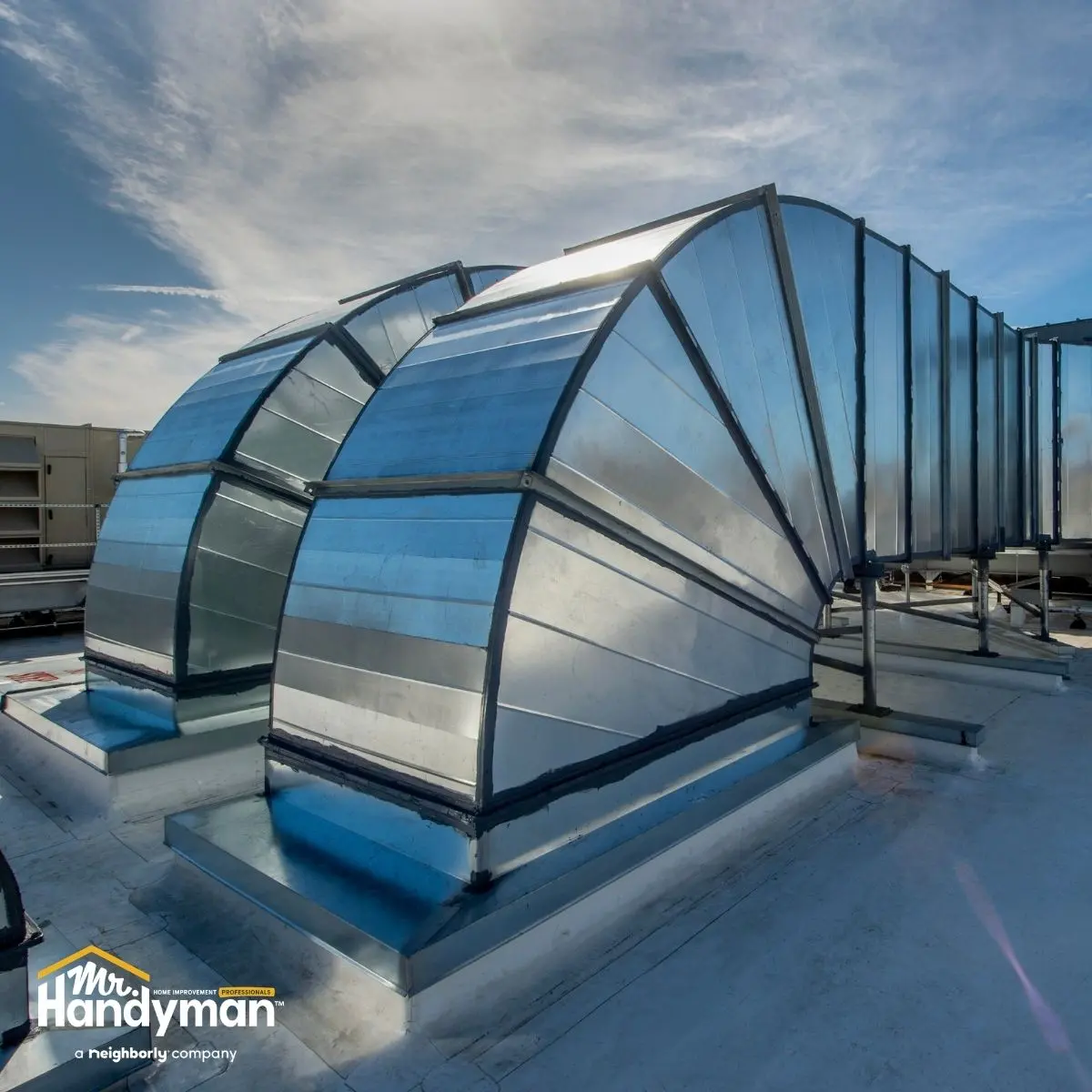
The exterior of a commercial property is its first impression, its weather barrier, and its primary defense against the moisture intrusion that causes the most significant and costly structural damage. Spring exterior inspection covers roofing, facades, windows, doors, caulking, sealants, and every transition point where different materials meet and where water has an opportunity to find its way into the building envelope.
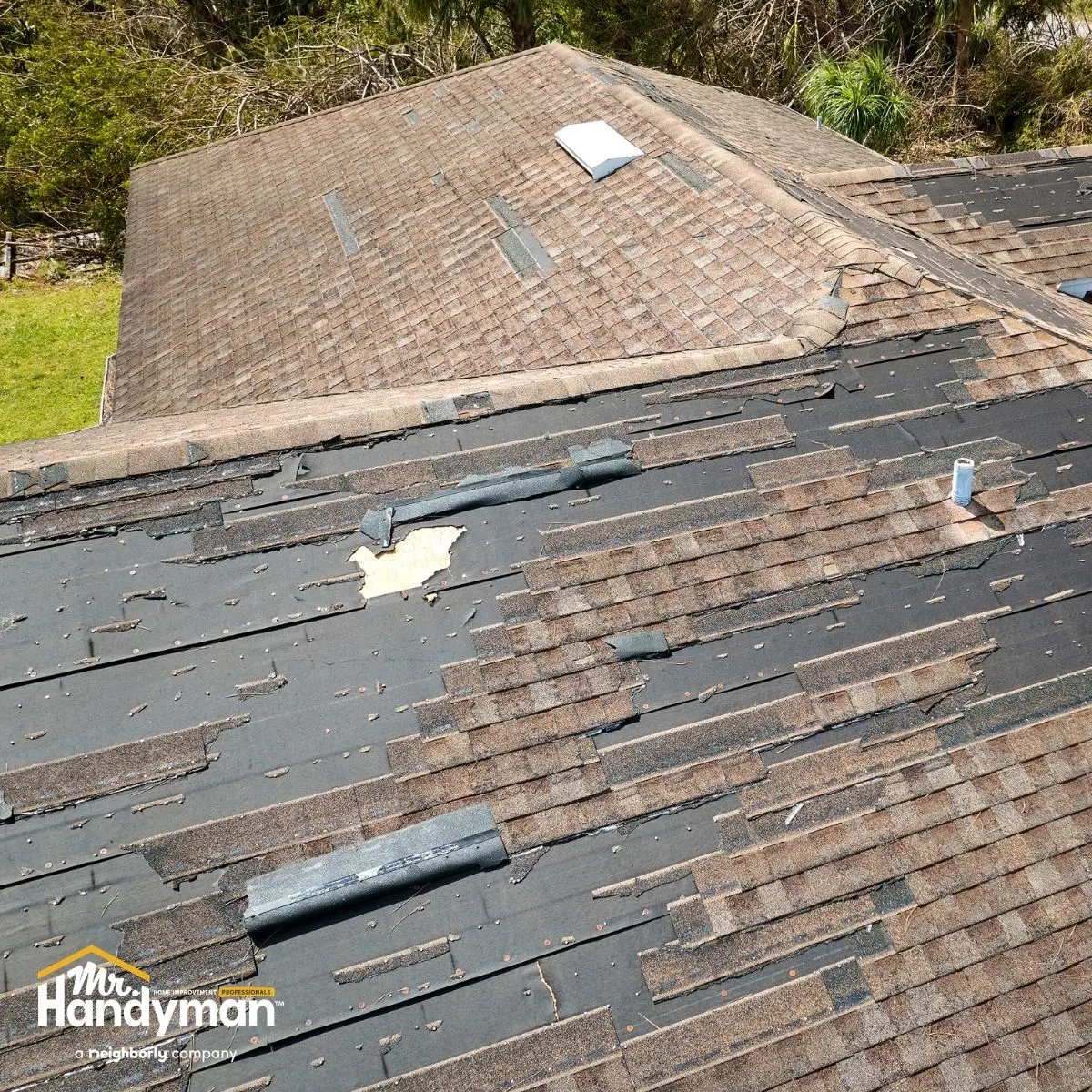
Roofing inspection is the highest-priority exterior maintenance task for any commercial property, and Middle Tennessee's winter conditions make spring the right time to conduct it. Ice, wind, and the weight of accumulated debris all stress commercial roofing systems through the winter months, and damage that occurred during winter events may not be immediately visible from ground level. Flat and low-slope roofing systems that are common on commercial buildings in all three communities are particularly vulnerable to membrane punctures, seam separations, and drain blockages that allow water to pond on the surface. Ponding water on a flat commercial roof is one of the primary causes of premature membrane failure and interior water intrusion, and it is entirely preventable through regular inspection and drain maintenance.
Facade inspection covers the exterior wall surfaces, including masonry, metal panel systems, stucco, and any cladding materials specific to the building. Cracks in masonry mortar joints, gaps in sealant at window and door perimeters, and areas where cladding has separated from the substrate are all entry points for water that winter conditions may have opened or widened. Repointing deteriorated mortar joints, replacing failed sealant at perimeter conditions, and addressing any areas of visible facade damage before spring rains arrive prevents the kind of moisture intrusion that saturates insulation, damages interior finishes, and creates mold conditions inside commercial wall assemblies.
Exterior doors and storefront systems serve as both the welcoming face of a commercial property and its primary weather seal at entry points. Door sweeps, threshold seals, and frame gaskets that have worn or shifted over winter allow conditioned air to escape and unconditioned air to infiltrate, adding directly to HVAC operating costs throughout summer. Storefront glazing systems with failed perimeter sealant allow moisture to reach the frame cavity and the interior finishes around the opening. Inspecting every exterior door and window opening for seal condition and hardware function is a spring maintenance task that pays dividends in energy performance and weathertightness through the months that follow.
HVAC System Readiness for Commercial Buildings
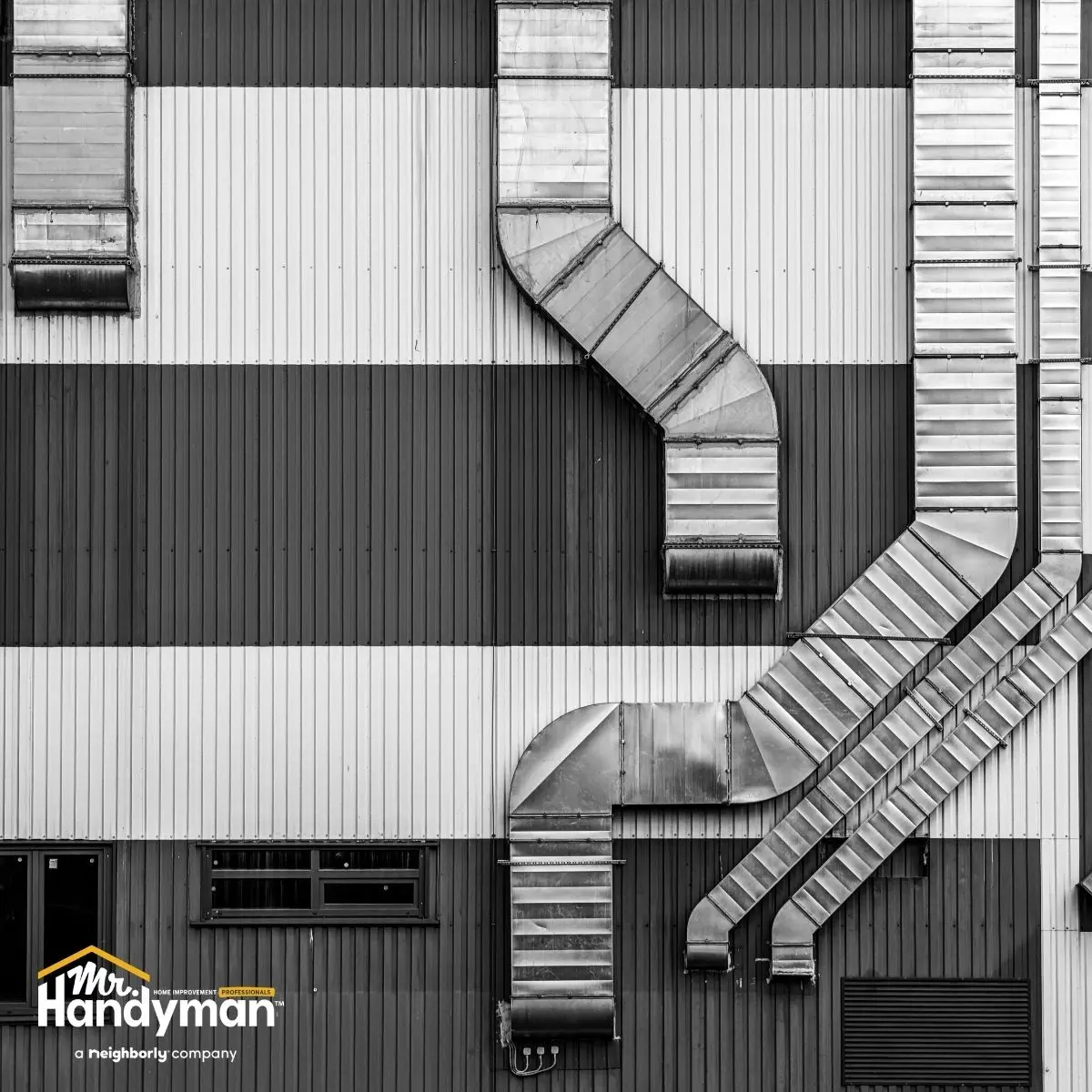
Commercial HVAC systems carry a significantly heavier burden than residential equipment. They run longer hours, serve larger and more variable occupant loads, and operate under performance expectations that directly affect employee productivity, customer comfort, and in some cases regulatory compliance. A commercial HVAC system that enters summer without proper spring preparation is a liability that can disrupt business operations at the worst possible time.
Spring HVAC maintenance for commercial properties begins with filter replacement across all air handling units. Commercial filter systems accumulate significantly more particulate through winter than residential systems because of higher air volumes and occupant loads. Filters that are loaded with winter accumulation restrict airflow, reduce system efficiency, degrade indoor air quality, and force fans and motors to work harder than their design specifications anticipate. Replacing filters before cooling season begins restores designed airflow and positions the system to handle summer cooling loads without the efficiency penalty that dirty filters impose.
Coil cleaning on both the indoor evaporator coils and the outdoor condenser coils is a spring maintenance task that has a direct and measurable impact on commercial HVAC system efficiency. Evaporator coils that have accumulated dust and biological growth over winter transfer heat less effectively, reducing the system's cooling capacity and increasing energy consumption. Outdoor condenser coils that are clogged with cottonwood seeds, debris, and the particulate that accumulates through spring in Middle Tennessee reject heat less effectively, causing the compressor to work harder and increasing the risk of compressor failure during peak summer demand.
Refrigerant levels, belt conditions on older systems, electrical connection integrity, thermostat calibration, and the function of economizer dampers where present are all components of a comprehensive commercial HVAC spring inspection that should be conducted by a qualified commercial HVAC technician before cooling season begins. For commercial properties with roof-mounted equipment, confirming that equipment curbs, drain pans, and condensate lines are clear and functional prevents the interior water damage that clogged condensate systems regularly cause during heavy summer cooling operation.
How Middle Tennessee's Business Districts Shape Commercial Maintenance Priorities
Murfreesboro, Franklin, and Brentwood each have commercial environments with distinct characteristics that affect which maintenance priorities carry the most weight and which deferred items carry the most risk. Understanding the specific context of your business district helps property managers and business owners allocate spring maintenance budgets toward the items that matter most in their specific setting.
Murfreesboro's commercial corridors along Medical Center Parkway, Old Fort Parkway, and the areas surrounding Middle Tennessee State University serve a diverse mix of retail, medical, restaurant, and professional office tenants. High foot traffic in retail and restaurant environments means that interior flooring, entry systems, restroom facilities, and parking lot surfaces experience wear rates that professional office environments do not. Spring maintenance in these settings prioritizes the surfaces and systems that customer-facing spaces depend on most directly, because visible deterioration in a customer environment affects perception and revenue in ways that back-of-house maintenance issues do not.
Franklin's commercial environment includes the historic downtown district, where older buildings present preservation-sensitive maintenance challenges alongside modern commercial developments along Cool Springs Boulevard and Mack Hatcher Parkway. Historic commercial buildings near Franklin's downtown square often have masonry construction, older window systems, and mechanical infrastructure that requires maintenance approaches suited to their age and construction type. Repointing historic masonry, maintaining original window systems, and managing moisture in older building envelopes requires attention to materials and methods that are appropriate for the building's character. Newer commercial developments in Franklin's growth corridors have their own spring maintenance requirements, with modern curtain wall systems, sophisticated HVAC controls, and extensive parking and hardscape areas that need seasonal attention.
Brentwood's commercial inventory is dominated by professional office parks, medical facilities, and high-end retail environments where property presentation standards reflect the premium character of the market. In this setting, spring maintenance is as much about maintaining the polished appearance that tenants and customers expect as it is about addressing functional systems. Landscaping condition, parking lot cleanliness and surface integrity, exterior building presentation, and the condition of common area finishes all contribute to the impression that Brentwood commercial properties are expected to maintain year-round, and spring is when those elements are brought back to standard after winter.
Interior Systems and Common Area Maintenance
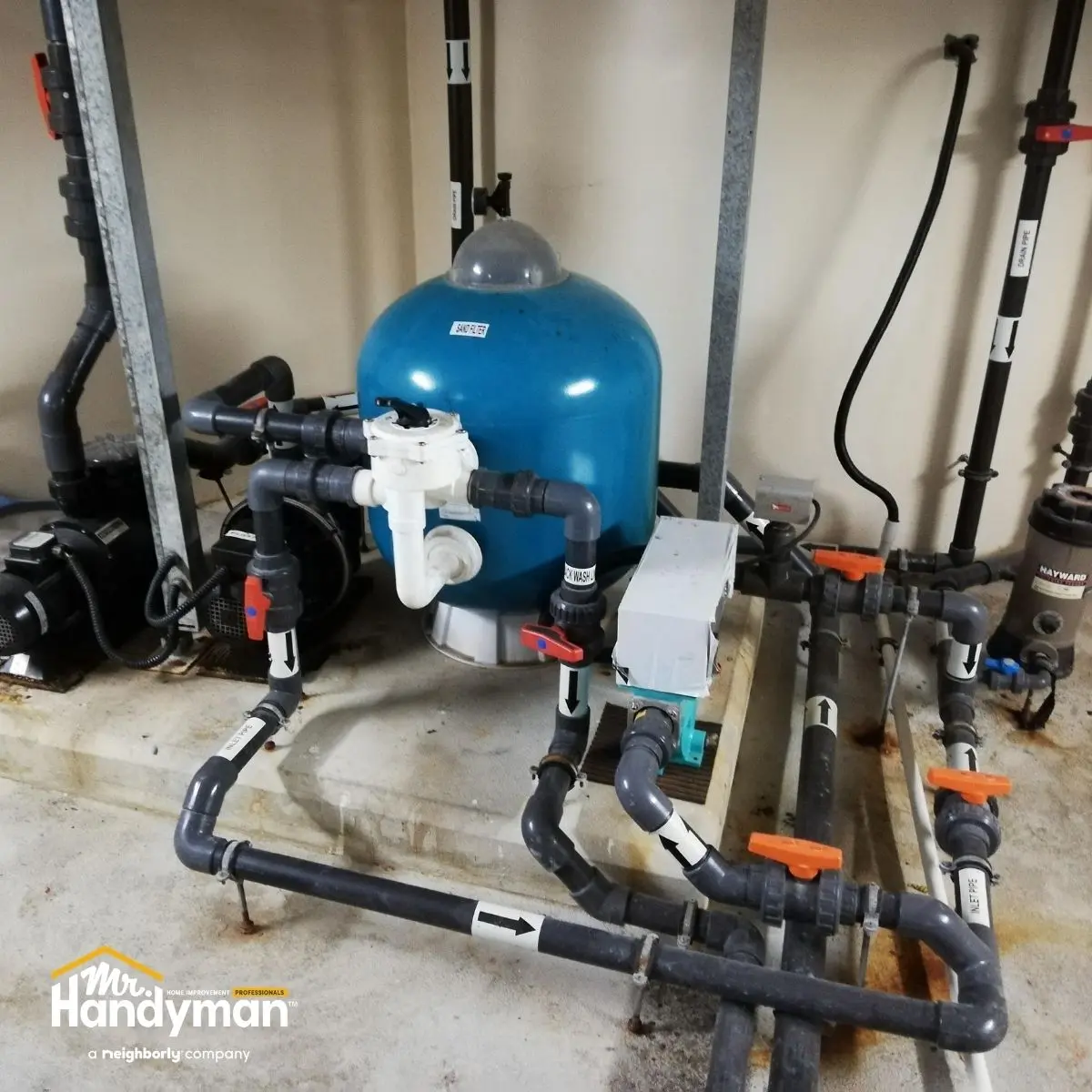
Interior commercial maintenance in spring covers the systems and surfaces that occupants interact with daily and that regulatory inspections evaluate on defined schedules. Addressing these elements systematically in spring prevents the reactive maintenance cycle that disrupts operations and strains maintenance budgets throughout the year.
Restroom facilities in commercial properties carry some of the highest maintenance demands of any interior space. Flush valves, faucet aerators, supply lines, and drain systems all experience more intensive use in commercial restrooms than in any residential application, and the consequences of a failure in a customer-facing restroom environment are immediate and reputationally significant. Spring restroom inspection covers flush valve performance and water consumption, supply line condition and shutoff valve function, caulking and grout condition around fixtures, exhaust ventilation performance, and the condition of partitions, hardware, and accessories. Restroom plumbing that is dripping, running, or performing below standard wastes water at a rate that accumulates meaningfully on commercial water bills over a summer of heavy use.
Interior lighting systems in commercial properties deserve spring evaluation both for performance and for energy efficiency. Lamps and ballasts that have reached the end of their service life produce reduced light output before they fail completely, creating work environments that are dimmer than designed without the obvious signal of a dark fixture. Replacing aging lamps proactively during a spring maintenance cycle, rather than responding to individual failures throughout the year, maintains consistent light levels throughout the space and reduces the disruption of emergency replacements during business hours.
Ceiling tiles, suspended grid systems, and interior finishes that show water staining from winter roof or plumbing events need to be addressed before summer humidity makes existing moisture conditions worse and before stained tiles create a maintenance appearance that affects tenant and customer perception. A water-stained ceiling tile is one of the most visible indicators of deferred maintenance in a commercial space, and addressing both the stain and its source during spring maintenance eliminates a persistent negative impression that has a disproportionate impact on how the property is perceived.
Parking Lots, Walkways, and Exterior Safety
The parking lot and exterior approach of a commercial property are the first elements that every employee, customer, and visitor experiences, and their condition communicates the property's maintenance standard before anyone enters the building. Spring is the right time to assess pavement condition, address winter damage, and complete any line striping, signage, or drainage work that keeps the exterior safe, functional, and presentable through the high-traffic months ahead.
Asphalt pavement in Middle Tennessee parking lots is subject to the same freeze-thaw cycling that affects all exterior surfaces, and cracks that were present before winter typically widen through the season as water infiltrates, freezes, and expands within the crack. Spring crack sealing addresses those widened cracks before they develop into potholes that create vehicle damage liability and present trip hazards at the transition between pavement and adjacent surfaces. Crack sealing is significantly less expensive than patching or resurfacing and extends pavement life meaningfully when applied before cracks reach the point where base material is compromised.
Line striping that has faded through winter sun, rain, and traffic wear affects both the functional organization of parking areas and the property's overall presentation standard. Faded striping makes parking layouts less clear, which affects traffic flow and can create conflict between vehicles navigating an ambiguously marked lot. Restriping parking areas in spring, before summer traffic volumes peak, restores the visual organization that keeps parking areas functioning safely and efficiently.
Walkways, steps, and entry approaches that show surface deterioration, settled sections, or damaged edge conditions present slip and fall liability that commercial property owners and managers have a legal obligation to address. Middle Tennessee's spring rainfall makes wet surface conditions a daily reality for much of the season, which means that any walkway surface with drainage issues, surface roughness, or transition lips between different surfaces needs to be corrected before the combination of wet conditions and heavy foot traffic creates an incident.
Frequently Asked Questions
How often should a commercial property conduct a full maintenance inspection?
A comprehensive maintenance inspection twice per year, in spring and fall, covers the seasonal transitions that create the most significant maintenance demands for commercial properties in Middle Tennessee. Spring inspection addresses winter damage and prepares systems for summer demand. Fall inspection addresses summer wear and prepares the building for winter conditions. Between those formal inspection cycles, monthly walkthroughs by facility management staff that identify and document emerging issues allow problems to be addressed before they develop into failures.
What commercial maintenance items carry the highest liability risk if deferred?
Exterior walkway and parking lot conditions that present trip and fall hazards, roof conditions that allow water intrusion into occupied spaces, HVAC system failures that affect indoor air quality or temperature in environments with regulatory comfort requirements, and restroom plumbing failures in customer-facing environments all carry significant liability exposure when deferred. These items should be prioritized above cosmetic maintenance in any spring checklist triage exercise.
How do I create a maintenance documentation system for my commercial property?
A simple and consistently used documentation system outperforms a sophisticated system that is used irregularly. A maintenance log that records the date of each inspection, the items evaluated, the conditions found, the work performed, and the professional or contractor who performed it creates a record that supports insurance claims, informs future maintenance planning, and demonstrates due diligence in the event of a liability situation. Digital maintenance management platforms are available at a range of price points for commercial properties of different sizes and complexity levels.
Should commercial HVAC maintenance be handled by in-house staff or contracted professionals?
Filter replacement and basic visual inspections are appropriate for trained in-house maintenance staff. Refrigerant handling, electrical system work, coil cleaning with chemical agents, and any work on rooftop units requires licensed commercial HVAC professionals both for technical reasons and for warranty and regulatory compliance reasons. A preventative maintenance contract with a qualified commercial HVAC service provider that schedules spring and fall inspections and provides priority response for in-season failures is a cost-effective approach for most Middle Tennessee commercial properties.
What exterior maintenance should be completed before summer foot traffic peaks?
Parking lot crack sealing and line striping, walkway repairs addressing any settled or damaged sections, exterior caulking and sealant replacement at door and window perimeters, pressure washing of exterior facades and entry approaches, and landscaping cleanup that removes winter debris and establishes a clean, maintained appearance around the property should all be completed before summer brings peak customer and employee traffic to the site.
A Well-Maintained Property Is a Well-Performing Business
Commercial property maintenance is not a cost center. It is a business function that protects asset value, supports operational continuity, maintains regulatory compliance, and communicates to employees, customers, and tenants that the business behind the building takes its responsibilities seriously. In Murfreesboro, Franklin, and Brentwood, where commercial real estate standards are high and business competition is active, a property that is consistently well-maintained holds a meaningful advantage over one where deferred maintenance has accumulated into visible deterioration.
Mr. Handyman of Murfreesboro, Franklin, and Brentwood brings professional commercial maintenance capabilities to businesses and property managers throughout the region. From exterior repairs and interior system maintenance to restroom plumbing, lighting, and general commercial property upkeep, the team delivers the reliable, professional service that keeps commercial properties performing at the standard their occupants and customers expect.
Website: https://www.mrhandyman.com/murfreesboro-smyrna/
Serving commercial properties throughout Murfreesboro, Franklin, and Brentwood with professional maintenance services and the reliability your business deserves this spring.