Spring doesn't just signal the return of green lawns and blooming dogwoods across Middle Tennessee—it marks the most practical window for tackling home improvement projects that have been waiting all winter. While the instinct to open windows and refresh your space is strong this time of year, there are deeper, more strategic reasons why spring consistently proves to be the smartest season for repairs, upgrades, and preventative maintenance.
The timing has everything to do with how homes behave after months of cold weather stress, how materials perform in moderate temperatures, and how small issues reveal themselves before they become expensive emergencies. Whether you live in an older Craftsman in East Nashville, a ranch home in Smyrna, or a two-story in Brentwood, spring offers a brief but critical opportunity to address what winter exposed and prepare for what summer will demand.
How Winter Reveals What Needs Attention
Cold months are hard on homes, especially in a region where temperatures swing between freezing nights and mild afternoons. That kind of fluctuation causes materials to expand and contract repeatedly, which stresses everything from roof shingles to exterior trim. By the time March and April arrive, the damage is done—but it's also visible.
Cracks in drywall that weren't there in November often appear after a winter of heating and cooling cycles. Wood trim around windows and doors may have shifted slightly, leaving gaps that let drafts through. Gutters that seemed fine in the fall might now be sagging or pulling away from the roofline after handling freeze-thaw cycles and heavy rain. Paint that looked solid six months ago may be peeling near eaves or window sills where moisture collected and froze.
Spring is when these problems surface in ways you can see and feel. Walking through your home with intention during this season often means catching issues while they're still manageable. A small crack in exterior caulking is easy to fix in April. By July, that same crack has let water into the wall cavity, and by November, you're dealing with rot or mold.
Homes built in the 1970s and earlier—common throughout Murfreesboro, Franklin, and West Nashville—are especially prone to seasonal stress. Many were built with solid bones but lack the modern weatherproofing and insulation standards that reduce temperature-related movement. That makes spring inspections even more important. What looks like cosmetic wear might actually be an early sign of structural settling, moisture intrusion, or ventilation problems that only get worse under summer heat.
Why Moderate Temperatures Matter for Repairs
One of the biggest advantages spring offers is temperature stability. Most building materials—caulk, paint, adhesives, sealants, wood filler—are designed to cure and bond within a specific temperature range, typically between 50 and 85 degrees Fahrenheit. Spring in Middle Tennessee consistently delivers those conditions, especially in the mornings and late afternoons when contractors and handymen do their best work.
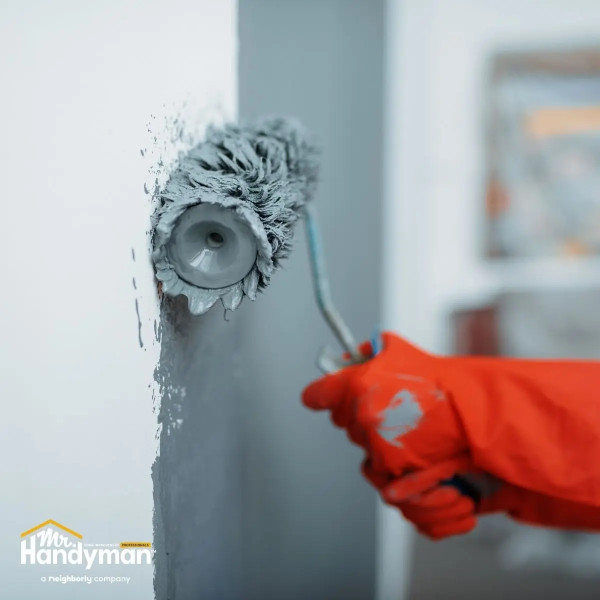
Paint applied in temperatures below 50 degrees doesn't cure properly. It may look fine at first, but it won't bond correctly to the surface, leading to early peeling and poor durability. On the other end, paint applied in summer heat above 90 degrees dries too quickly, which prevents it from leveling out and adhering evenly. Spring sits in the sweet spot where paint has time to flow, level, and cure without fighting the weather.
The same logic applies to caulking and sealants. When applied in cold weather, these materials don't expand fully, which means they shrink as temperatures rise and eventually fail. In extreme heat, they become too soft and can sag or lose their shape before curing. Spring applications allow these products to set under ideal conditions, which translates to longer-lasting seals around windows, doors, bathtubs, and exterior joints.
Wood repairs also benefit from spring's moderate humidity. Wood swells in summer heat and contracts in winter cold. Spring offers a middle ground where wood is closer to its average dimensions, making it easier to measure, cut, and install trim, baseboards, or deck boards that won't buckle or gap as the seasons change. For homes with original wood siding, window frames, or exterior doors, spring is the time to sand, repair, and refinish before summer humidity causes further swelling or before winter cold leads to cracking.
Preparing Your Home Before Summer Stress Hits
Summer in Tennessee brings its own set of challenges: high humidity, afternoon thunderstorms, intense UV exposure, and the constant demand on cooling systems. Homes that enter summer with unresolved issues face rapid deterioration once heat and moisture take over.
Air conditioning systems that struggled last August often show warning signs in April—strange noises, weak airflow, or higher-than-normal energy bills. Addressing these signs in spring means your system is ready when the first 90-degree day arrives, rather than failing on a Saturday afternoon in July when every HVAC company is booked solid.
Roof ventilation problems also become obvious in summer, but the damage starts in spring. Attics that don't breathe properly trap heat and moisture, which accelerates shingle aging, rots roof decking, and increases cooling costs. Inspecting attic vents, soffit openings, and ridge vents in spring allows you to improve airflow before the heat arrives. Homes in older neighborhoods—particularly those built before modern ventilation codes—often have inadequate attic ventilation, and spring is the time to upgrade before the consequences compound.
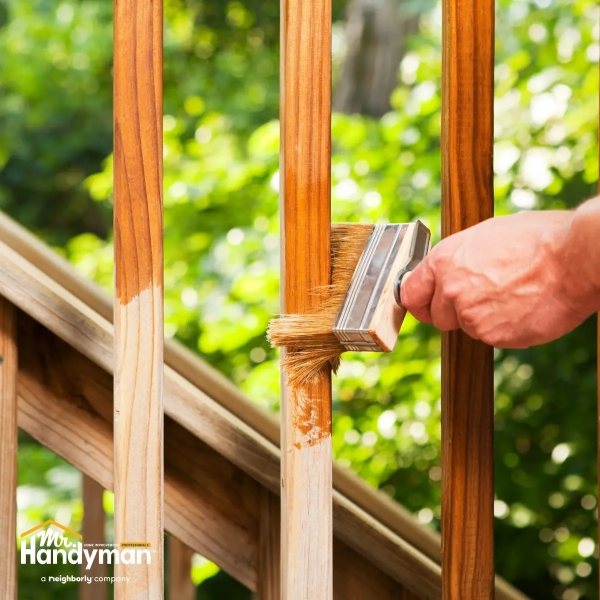
Exterior wood surfaces, including decks, fences, and siding, also need attention before summer sun starts breaking down their protective finishes. A deck that wasn't sealed last year will absorb moisture all summer, leading to splintering, warping, and even structural weakness. Applying a fresh coat of stain or sealant in April or May gives the wood a full season of protection and prevents the kind of damage that requires board replacement instead of simple maintenance.
Window and door seals are another area where spring preparation pays off. Gaps that let in a little cold air in February will let in hot, humid air all summer, forcing your air conditioner to work harder and driving up energy costs. Replacing worn weatherstripping and re-caulking gaps around frames takes minimal time in spring and delivers immediate comfort and efficiency once temperatures climb.
Outdoor Projects Are Easier and More Comfortable
Spring weather makes outdoor work not just possible, but pleasant. Temperatures in the 60s and 70s mean you're not battling heat exhaustion or dealing with materials that are too hot to handle. Longer daylight hours give you more time to complete projects in natural light, which improves accuracy and reduces mistakes.
Deck repairs, fence installations, exterior painting, gutter cleaning, and landscaping prep all benefit from spring conditions. Grass and plants are starting to grow but haven't fully filled in yet, which makes it easier to access foundation walls, exterior outlets, and crawl space vents. Ground conditions are typically firm enough to support ladders and equipment without sinking, but not so dry that dust becomes a problem.
For homeowners planning larger projects—like building a new deck, installing a pergola, or replacing siding—spring offers the chance to complete the work before summer storms and heat slow progress. Contractors and handymen also have more availability in spring compared to the rush that happens once summer vacation season begins and families want projects done before school starts again.
Spring is also the ideal time to inspect and repair drainage around your home. Heavy rains are common in Middle Tennessee during late spring, and homes with poor grading, clogged gutters, or damaged downspouts are at risk for foundation water intrusion. Fixing these problems in April prevents basement flooding in May and foundation cracks by next winter.

Preventing Small Problems from Becoming Big Ones
The real value of spring home improvements isn't just about making your house look better—it's about stopping minor issues before they require major repairs. A loose handrail might seem like a cosmetic annoyance, but if it's attached to a porch post that's rotting at the base, waiting until fall means the post could fail completely, taking part of the porch roof with it.
A small water stain on a ceiling might be from a one-time roof leak during a winter storm, or it could be an active problem that's slowly soaking insulation and drywall. Investigating it in spring means you can make a simple roof repair. Ignoring it until summer means potential mold growth and a much larger repair bill.
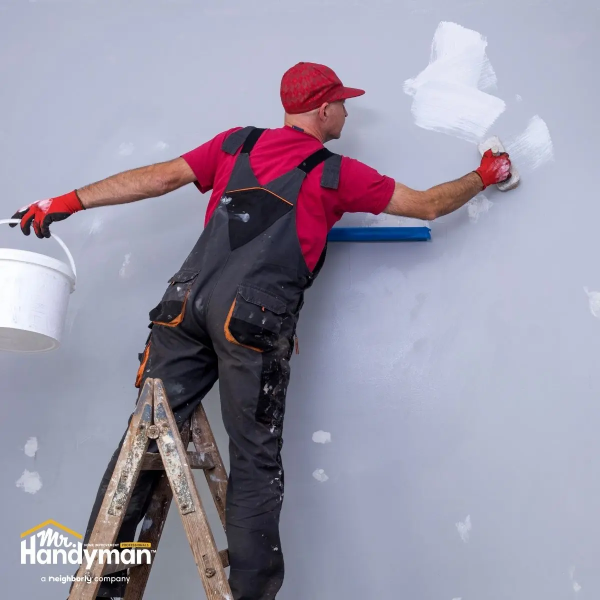
Interior improvements also make sense in spring. Rooms feel fresher with open windows and natural airflow, which makes painting, patching, and refinishing more comfortable. Humidity levels are generally lower than summer, so paint dries properly and wood filler cures without cracking. Spring is also a good time to address any settling cracks, sticking doors, or uneven floors that became more noticeable over winter.
Homes in this region, particularly those over 30 years old, often experience minor seasonal shifting. Foundation settling, soil movement, and temperature swings all contribute to small changes in how doors hang, how floors sit, and how trim fits. Spring offers a stable period to make adjustments that will hold through the rest of the year.
Taking care of these items now means your home is in better shape heading into summer, more comfortable during the heat, and better protected when winter returns. It's not about perfection—it's about staying ahead of the wear and tear that every home experiences, and doing it during the season that makes the work easiest and most effective.
Room-by-Room Spring Improvements That Make a Difference
Understanding why spring is ideal for home improvements is one thing—knowing where to focus your efforts is another. Different areas of your home face different types of seasonal stress, and spring offers the best opportunity to address each one before the next wave of weather arrives.
Kitchens and Bathrooms take a beating year-round, but winter's dry indoor air followed by spring's rising humidity often reveals caulking failures around sinks, tubs, and backsplashes. These gaps aren't just cosmetic. Once water gets behind a countertop or under a sink edge, it starts breaking down cabinets, drywall, and subfloors. Re-caulking in spring prevents moisture damage that becomes obvious—and expensive—by summer. Cabinet doors that stuck all winter may need hinge adjustments now that humidity is rising. Drawer slides that felt rough in February often benefit from cleaning and lubrication once temperatures stabilize.
Basements and crawl spaces in Middle Tennessee homes are particularly vulnerable to spring moisture. Many older homes in Murfreesboro, Franklin, and Clarksville were built with minimal foundation waterproofing, and spring rains quickly expose weak points. Check for standing water, damp insulation, or musty odors. Address grading issues outside before the heavy rains come. If your sump pump hasn't been tested since last year, spring is the time to make sure it's working. A failed sump pump during a May thunderstorm can mean thousands of dollars in water damage.
Attics should be inspected for ventilation problems, roof leaks, and insulation issues while temperatures are still moderate. Climbing into an attic in July is miserable and dangerous. Doing it in April lets you spot problems like daylight coming through the roof, water stains on decking, or inadequate airflow before summer heat turns your attic into an oven. Homes built in the 1980s and earlier often have outdated or insufficient attic ventilation, which accelerates roof aging and increases cooling costs.
Garages often get neglected, but spring is the right time to address sticking doors, worn weatherstripping, and damaged door openers. Garage doors expand and contract with temperature changes, and hardware that seemed fine in winter may need adjustment once things warm up. Lubricating rollers, hinges, and tracks now prevents mechanical failures later. If your garage door struggles to open or makes unusual noises, addressing it in spring means you're not stuck with a non-functioning door during a summer storm or winter freeze.
Exterior doors and windows benefit from spring attention before summer humidity causes wood to swell. Doors that drag on thresholds or require extra force to latch often have hinge issues or frame settling that's easier to fix now than in August when the wood has expanded further. Replacing worn weatherstripping and adjusting strike plates takes minimal time but delivers immediate improvements in comfort and energy efficiency.
Why Older Homes in This Region Need Extra Attention
Middle Tennessee's housing stock includes a significant number of homes built between the 1960s and 1990s, and many of these homes were constructed during periods when building codes were less rigorous and materials were less durable than modern standards. Homes in established neighborhoods throughout Brentwood, Belle Meade, West Nashville, and Smyrna often feature original windows, older HVAC systems, and exterior materials that have spent decades handling Tennessee's weather extremes.
Wood siding, wood trim, and older composite materials don't hold up as well as modern alternatives, especially after repeated freeze-thaw cycles and summer UV exposure. These materials need regular maintenance, and spring is when that maintenance is easiest and most effective. Homes with original single-pane windows or early double-pane units often have failed seals or rotting frames that become obvious once you inspect them closely in good weather.
Foundation settling is another issue common in older homes. Many properties in this area were built on clay-heavy soils that expand when wet and contract when dry. Over decades, this cycle causes minor but cumulative shifting that shows up as cracks in drywall, sticking doors, and uneven floors. Spring offers stable conditions to address these symptoms before summer rains or winter freezes make them worse.
Electrical and plumbing systems in older homes also benefit from spring inspections. Outlets that feel warm, breakers that trip occasionally, or faucets that drip are all signs of wear that's easier to address now than during an emergency. Homes built before modern code requirements may have undersized wiring, outdated panels, or plumbing that's nearing the end of its lifespan. Catching these issues in spring prevents failures during peak usage times in summer and winter.
Frequently Asked Questions
How do I know which projects to prioritize if I can't do everything at once?
Start with anything that involves water, structural integrity, or safety. Roof leaks, foundation drainage, failing gutters, and loose railings should come first. After that, focus on projects that prevent further damage—sealing gaps, repainting exposed wood, fixing ventilation problems. Cosmetic upgrades can wait, but anything that protects your home from the elements or prevents deterioration should happen in spring.
Is it worth hiring a professional for small repairs, or should I try to do them myself?
That depends on your skill level, available time, and the nature of the repair. Simple tasks like re-caulking a window or replacing weatherstripping are manageable for most homeowners. But if a project involves heights, electrical work, plumbing, or structural components, hiring a professional ensures it's done safely and correctly. Small repairs done wrong often become expensive problems, so weigh the risk carefully.
What's the biggest mistake homeowners make with spring home improvements?
Focusing only on what's visible and ignoring what's hidden. A fresh coat of paint looks great, but if you're painting over rotted trim or covering up a moisture problem, you're just delaying a bigger issue. Spring is the time to inspect thoroughly, address underlying problems, and then make cosmetic improvements. Skipping the inspection step leads to recurring issues and wasted money.
How can I tell if something is a DIY project or needs professional help?
If you have to ask whether it's safe, it probably isn't a DIY project. Anything involving ladders above the first story, electrical panels, gas lines, structural supports, or roof work should be handled by someone with experience and proper equipment. If a mistake could cause injury, property damage, or code violations, hire a professional. For everything else, consider your comfort level, the tools required, and the consequences of getting it wrong.
Do older homes really need more maintenance than newer ones?
Yes, especially homes built before the 1990s. Materials degrade over time, building codes have improved, and older homes often lack the weatherproofing and insulation that modern homes include as standard. That doesn't mean older homes are inferior—they often have better craftsmanship and materials in some areas—but they do require more regular attention to keep them in good shape. Spring maintenance helps older homes perform well and prevents the kind of neglect that leads to major repairs.
Taking Action While Conditions Are Right
Spring doesn't last long in Middle Tennessee. By late May, temperatures are regularly hitting the upper 80s, humidity is climbing, and summer storms are rolling through on a regular basis. The window for comfortable, effective home improvement work shrinks quickly, which is why acting early in the season makes sense.
Addressing repairs and improvements now means your home is ready for whatever the rest of the year brings. Your air conditioner isn't fighting against gaps and leaks. Your roof isn't struggling with ventilation problems. Your deck and siding are protected from UV damage and moisture intrusion. And you're not scrambling to fix something that breaks during the least convenient time possible.
The homes that hold up best over time aren't the ones that get occasional attention when something breaks—they're the ones that receive consistent, proactive care during the seasons when that care is most effective. Spring is that season. The weather is right, the problems are visible, and the work is manageable. Whether you're planning to tackle projects yourself or bring in professional help, now is the time to make it happen.
Need help with spring home improvements in Murfreesboro, Franklin, Brentwood, West Nashville, Belle Meade, or Clarksville? From minor repairs to full property assessments, experienced handyman services can help you prioritize and complete the work that matters most.
Call us to schedule a consultation.