A home is not a static object. It is a collection of systems, surfaces, and structures that are continuously responding to the conditions around them, absorbing seasonal stress, releasing it, and carrying the accumulated effects of each year's weather into the next. For homeowners in Murfreesboro, Franklin, and Brentwood, understanding that dynamic is what makes a spring maintenance checklist more than a list of chores. It is a systematic response to what Middle Tennessee's winter delivered and a deliberate preparation for what spring and summer will demand. Homeowners who work through a thorough spring checklist consistently, every year without exception, keep their homes in the condition that prevents small issues from compounding into expensive failures. Those who defer that process discover its value retroactively, in repair bills that dwarf what prevention would have cost.
Middle Tennessee winters are not predictable in their severity, but they are reliable in the stress they create. Ice storms that arrive without warning coat roofing, gutters, and exterior structures with weight-bearing ice that stresses every fastener, hanger, and connection point it touches. Freeze and thaw cycles that repeat throughout January and February work at every sealed joint, every pipe penetration, and every masonry mortar line in a home's exterior envelope. Sustained cold periods push heating systems to their operational limits and create the temperature differential between conditioned interior spaces and unheated crawl spaces, attics, and garage areas that drives the moisture condensation and pipe stress events that produce some of the most costly residential repairs. By the time spring arrives, every home in the region has been through a stress cycle that a systematic maintenance checklist is specifically designed to evaluate and address.
The structure of an effective spring maintenance checklist follows the physical organization of the home itself, moving from the roof and exterior systems downward through the building envelope and interior systems to the mechanical equipment and outdoor areas that complete the property. This sequence ensures that water entry points at the top of the structure are confirmed and addressed before interior systems and finishes are evaluated, which is the logical order because many interior conditions are downstream effects of exterior conditions that a top-to-bottom inspection sequence naturally reveals in the right order.
Roofing and Attic Inspection
The roof is the starting point of any spring maintenance checklist because it is the system that most directly protects everything beneath it, and because its post-winter condition determines how the home will respond to Middle Tennessee's spring rainfall season. A roof that enters spring with unresolved shingle damage, flashing failures, or blocked drainage will deliver water to interior spaces through every significant rain event that follows, producing the compounding damage that makes roofing neglect among the most expensive forms of deferred maintenance in residential properties.
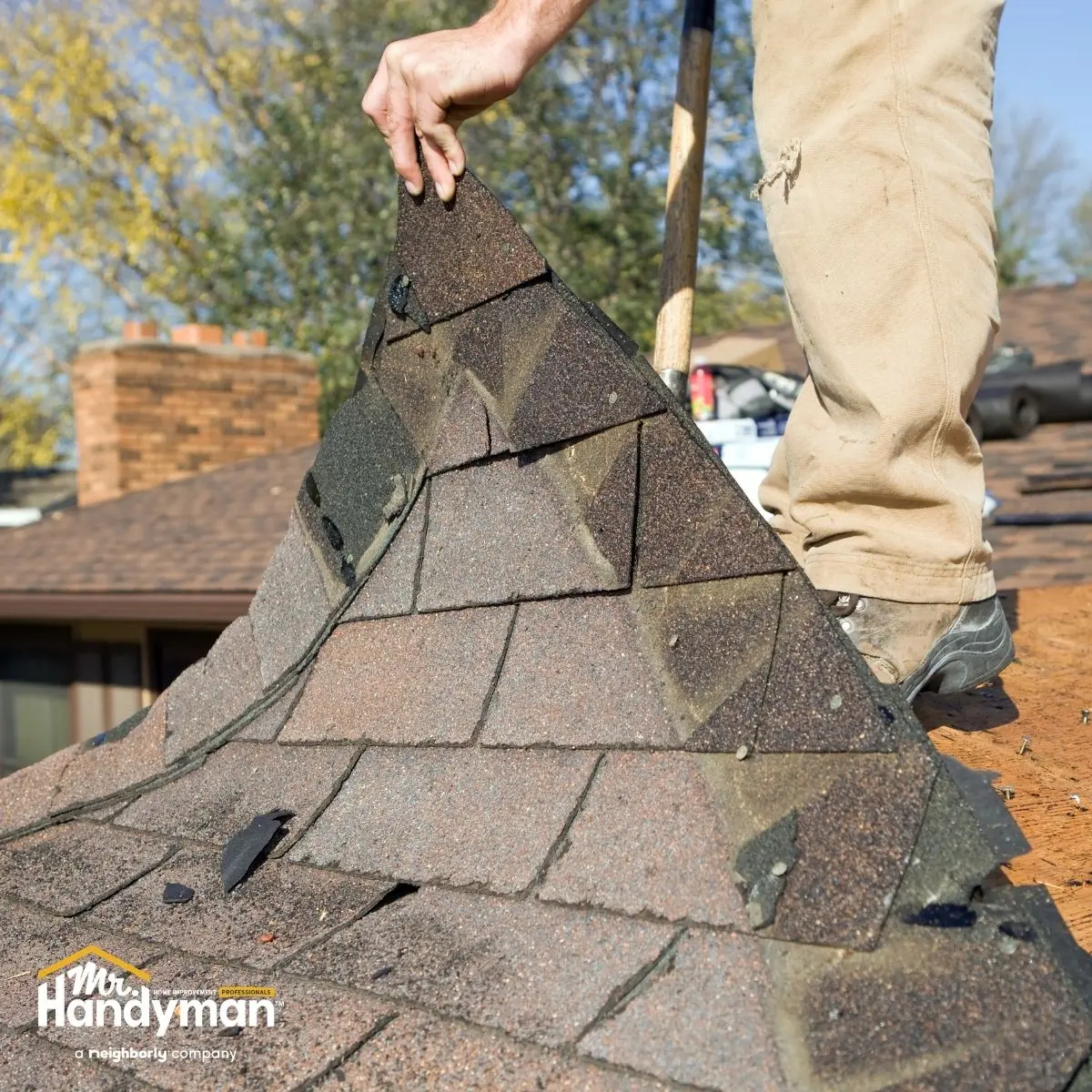
Shingle condition assessment after winter should cover the full roof surface rather than just the areas visible from the ground. Wind events that accompany winter fronts lift shingle edges and break the adhesive seal strips that bond courses together, producing conditions that are not visible from street level but that allow water infiltration beneath the shingle surface during rain. Missing shingles that expose the roof deck directly are the highest-priority finding, but lifted shingles with broken seals are nearly as urgent because they are the ones that summer storms will remove entirely, converting a manageable spring repair into an emergency mid-season replacement. A professional roof inspection that includes safe access to the roof surface is the only reliable way to identify those conditions before spring rain reveals them through interior staining.
Flashing condition at every transition point on the roof, including chimney bases, wall-to-roof junctions, dormers, skylights, and plumbing penetrations, deserves specific assessment because flashing failures produce some of the most persistent and difficult-to-diagnose water intrusion conditions in residential buildings. Flashing that has lifted, corroded, or pulled away from the adjacent sealant bead allows water to enter the roof assembly at a point that is often several feet from where the resulting interior stain appears, making the connection between the entry point and the damage it causes difficult to identify without deliberate flashing inspection. Spring is the time to confirm that every flashing transition is secure, sealed, and shedding water correctly before the season's rainfall tests it under full load.
Attic inspection in spring covers three primary conditions that winter creates or exacerbates. First, look for any signs of moisture intrusion including water staining on roof sheathing, wet or compressed insulation, and mold growth on wood surfaces. Second, confirm that attic ventilation is functioning correctly, with intake vents at the soffit and exhaust vents at the ridge or gable ends clear of insulation, debris, or wildlife nesting that winter may have introduced. Third, check that any attic penetrations for plumbing vents, exhaust fans, and electrical fixtures are sealed at their perimeters, as gaps around those penetrations allow conditioned air to escape into the attic and humid attic air to enter the living space, contributing to the moisture conditions that mold requires.
Gutters, Downspouts, and Exterior Drainage
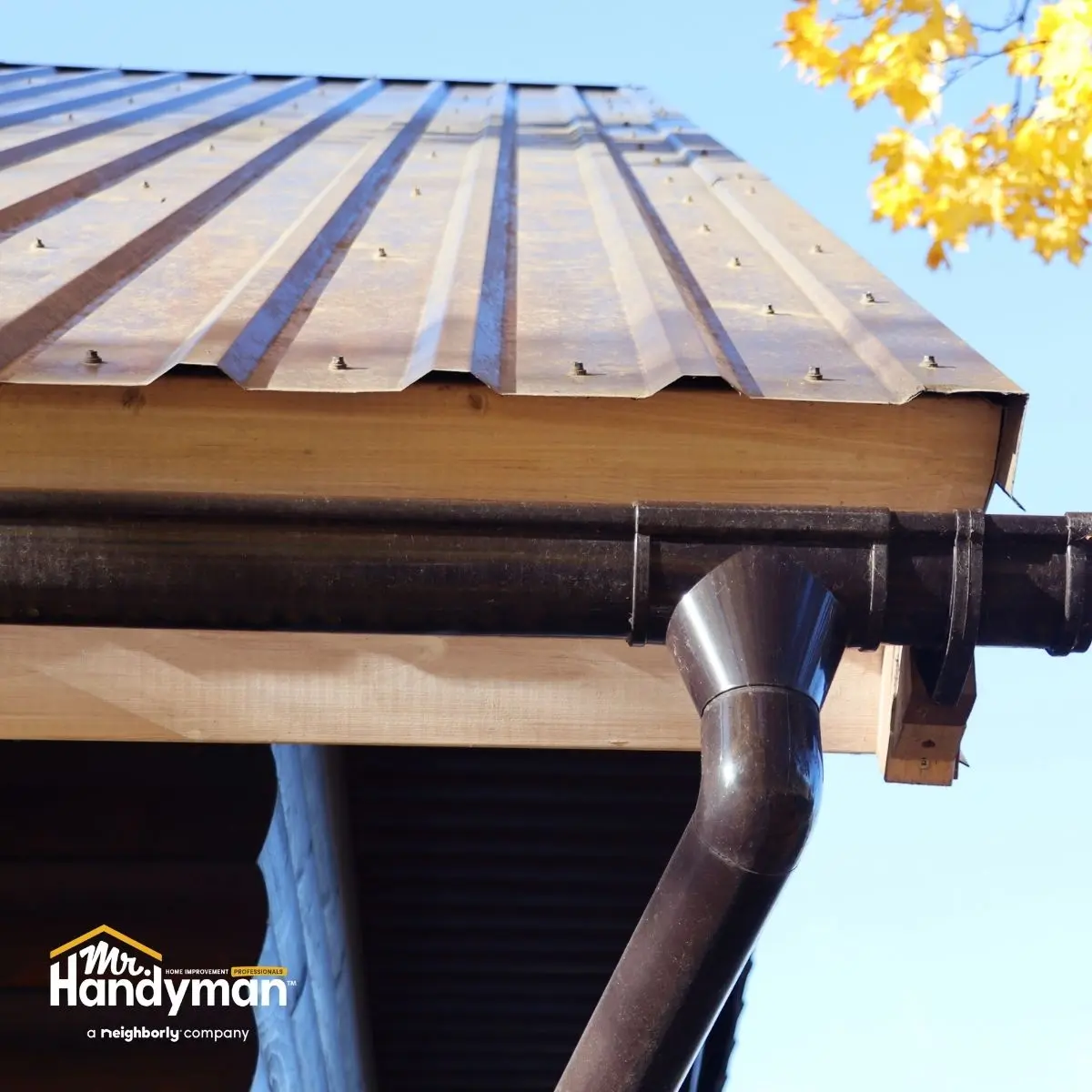
Gutters and downspouts that performed through winter carrying ice loads, debris accumulation, and the weight cycling of repeated freeze and thaw events emerge in spring with conditions that require systematic attention before Middle Tennessee's spring rainfall season delivers the sustained water volumes that test the drainage system's full capacity. A gutter system that is partially blocked, improperly pitched, or pulling away from the fascia at hanger points is not performing its protective function and is directing roof runoff in ways that work against the foundation and exterior wall base rather than away from them.
Gutter cleaning in spring removes the accumulated debris that winter deposited and compacted in gutter channels. Leaves, seed pods, shingle granules, and the organic material that Middle Tennessee's tree canopy delivers to roof surfaces through the fall accumulate in gutters through the winter months, holding moisture against the gutter material and the fascia behind it while restricting the flow capacity that spring rain events demand. Cleaning gutters before the spring rain season begins rather than after the first significant rain event reveals their restricted condition is the maintenance sequence that keeps the drainage system functional at the moment it is most needed.
Gutter hanger inspection and reattachment addresses the fastener failures that ice loading and winter stress produce. Hanger screws that have pulled out of the fascia leave gutter sections unsupported, allowing them to sag away from the fascia and develop the back-pitch that directs water behind the gutter rather than through it. Redriving pulled hangers with larger replacement screws or adding new hanger locations adjacent to the failed originals restores proper support and pitch across the full gutter run. Downspout inspection confirms that all sections are securely connected, that elbows at the base are directing water at least four to six feet from the foundation, and that splash blocks or extensions are in place and correctly positioned to move discharge water away from the structure.
Exterior Wall, Window, and Door Assessment
The exterior walls, windows, and doors of a Middle Tennessee home carry post-winter conditions in their caulking, sealant, paint, and weatherstripping that spring assessment addresses before the rainfall and humidity of the warm season tests them under sustained moisture exposure. Each of these elements contributes to the weather barrier that keeps the home's interior dry and comfortable, and each has specific failure modes that winter's freeze and thaw cycling promotes and spring inspection identifies.
Caulking at every transition between different exterior materials is the weather barrier element most commonly compromised by winter cycling. Where window and door frames meet surrounding siding, where trim boards meet wall surfaces, and where any penetration passes through the exterior wall, sealant maintains the continuity of the weather barrier that prevents water from finding pathways into the wall assembly. Sealant that has cracked along its centerline, pulled away from one of the surfaces it bridges, or deteriorated to a brittle consistency that prevents it from accommodating the thermal movement of adjacent materials is an active water entry point that every spring rain event exploits. Replacing failed sealant in spring, before the rainy season delivers the sustained moisture pressure that infiltrates every gap it finds, is among the highest-return maintenance tasks on the spring checklist.
Window and door weatherstripping condition affects both the weather performance and the energy efficiency of every exterior opening in the home. Weatherstripping that has compressed permanently, torn, or pulled away from its channel no longer creates the seal that prevents air and moisture infiltration at the door or window perimeter. In Middle Tennessee homes where summer cooling costs represent a significant share of annual utility expense, weatherstripping failures that allow conditioned air to escape and humid outdoor air to infiltrate add directly to cooling system load and operating cost through every month of the warm season. Replacing failed weatherstripping across all exterior doors and operable windows during the spring checklist restores both weather protection and energy efficiency before summer places full demand on both.
How Middle Tennessee's Seasonal Patterns Shape the Spring Checklist
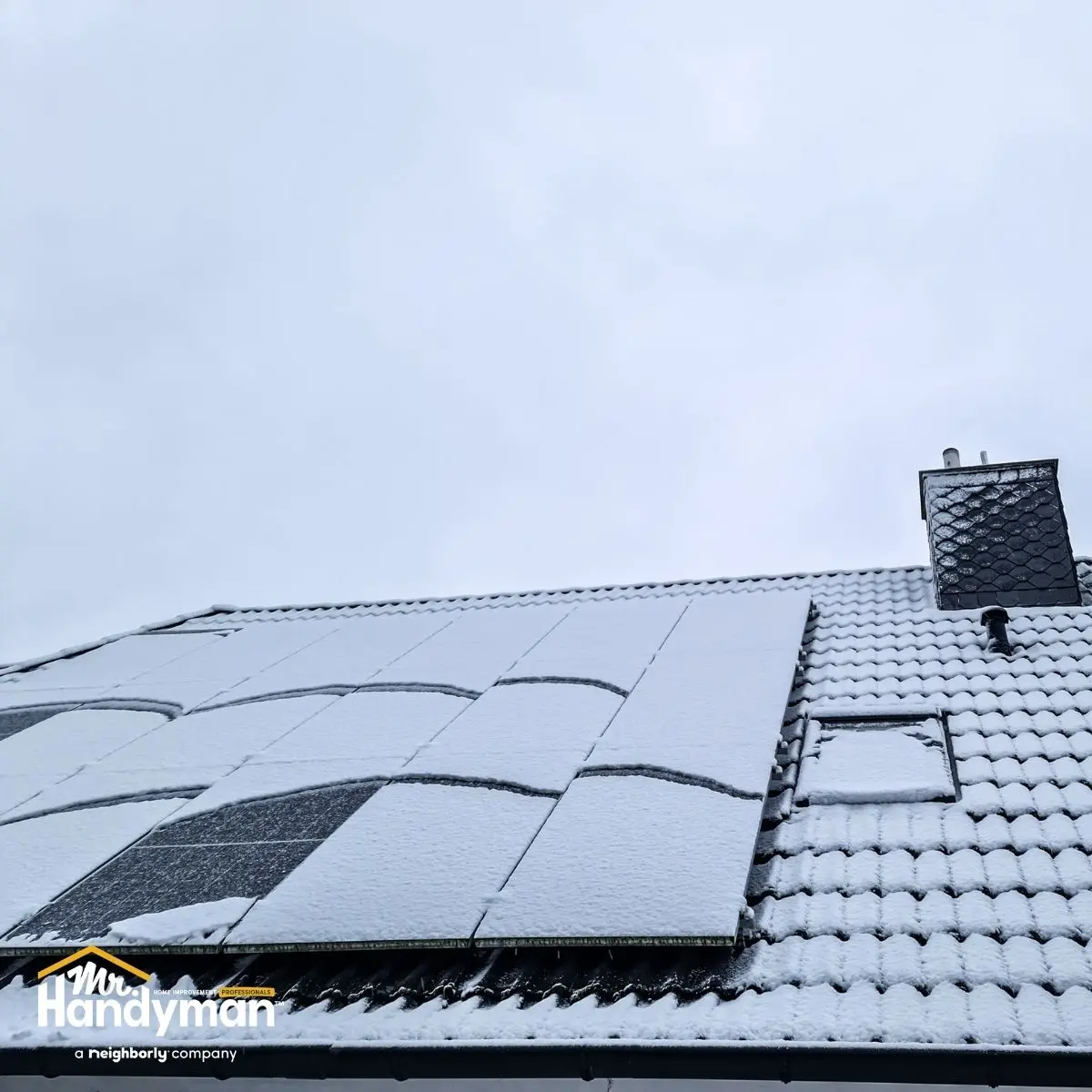
The spring maintenance checklist for homes in Murfreesboro, Franklin, and Brentwood is not a generic document that applies equally to every residential property in every region. It is shaped by the specific climate patterns, housing characteristics, and site conditions of Middle Tennessee in ways that make regional knowledge as important as general maintenance principles. Understanding how local conditions influence which checklist items carry the most urgency and why those items matter in the specific sequence that Middle Tennessee's seasonal transition demands produces a maintenance process that addresses the right conditions at the right time.
Murfreesboro's housing inventory spans a range of ages and construction types that shape which spring checklist items are most pressing for any given property. Homes in established neighborhoods near the downtown core carry the accumulated maintenance demands of age, and their spring checklists appropriately emphasize the envelope conditions, including caulking, flashing, and exterior paint, that older homes develop through repeated seasonal cycling. Crawl space construction is common in Murfreesboro's older residential inventory, and spring crawl space inspection is a checklist item that carries particular urgency in these homes because the moisture conditions that Middle Tennessee's wet spring introduces beneath an unmonitored crawl space can progress to structural and mold consequences within a single season if not identified and addressed promptly. Newer Murfreesboro homes in recently developed subdivisions carry a different set of spring checklist priorities, with landscaping establishment, drainage system verification, and the adjustment of newer mechanical systems topping the list ahead of the envelope repair tasks that older homes require.
Franklin's residential properties present spring checklist considerations that reflect the community's mix of historic homes, established neighborhoods, and newer planned developments. Older homes in Franklin's historic district have construction characteristics including original wood windows, painted wood siding, and masonry chimneys that require maintenance approaches specific to their materials and age. Wood window glazing compound inspection and repair, masonry chimney flashing and mortar assessment, and painted wood siding condition evaluation are spring checklist items that carry particular weight for Franklin's historic properties. Porch structures on Franklin's older homes, many of which are original to the house or were constructed using traditional materials decades ago, require spring structural assessment that covers post bases, beam connections, decking condition, and railing integrity before the outdoor living season places regular loading on those structures.
Brentwood's spring checklist priorities reflect the premium character of the community's housing stock and the heightened maintenance expectations that come with larger, more complex homes on mature, heavily landscaped lots. Roof surfaces on Brentwood's larger homes cover more area and include more penetrations, valleys, and transition conditions than smaller homes, which means roofing inspection is proportionally more involved and more consequential. Mature tree canopy that defines Brentwood's character contributes to gutter debris accumulation, roof surface organic material buildup, and root system pressure on underground drainage and sewer lines that spring checklist items specifically address. Larger HVAC systems serving multiple zones in Brentwood's homes require more comprehensive spring servicing than single-zone systems in smaller properties, and the cost of HVAC failure during peak summer demand in a large Brentwood home is proportionally greater than in a more modestly sized property.
Mechanical Systems: HVAC, Plumbing, and Electrical
The mechanical systems that keep a Middle Tennessee home comfortable, safe, and functional require spring attention that prepares them for the seasonal demands they are about to face. HVAC systems transitioning from heating to cooling mode, plumbing systems that carried winter stress in their pipe joints and exterior connections, and electrical systems that powered heating equipment through the cold months all benefit from the systematic spring assessment that confirms their readiness for the demands of the warm season.
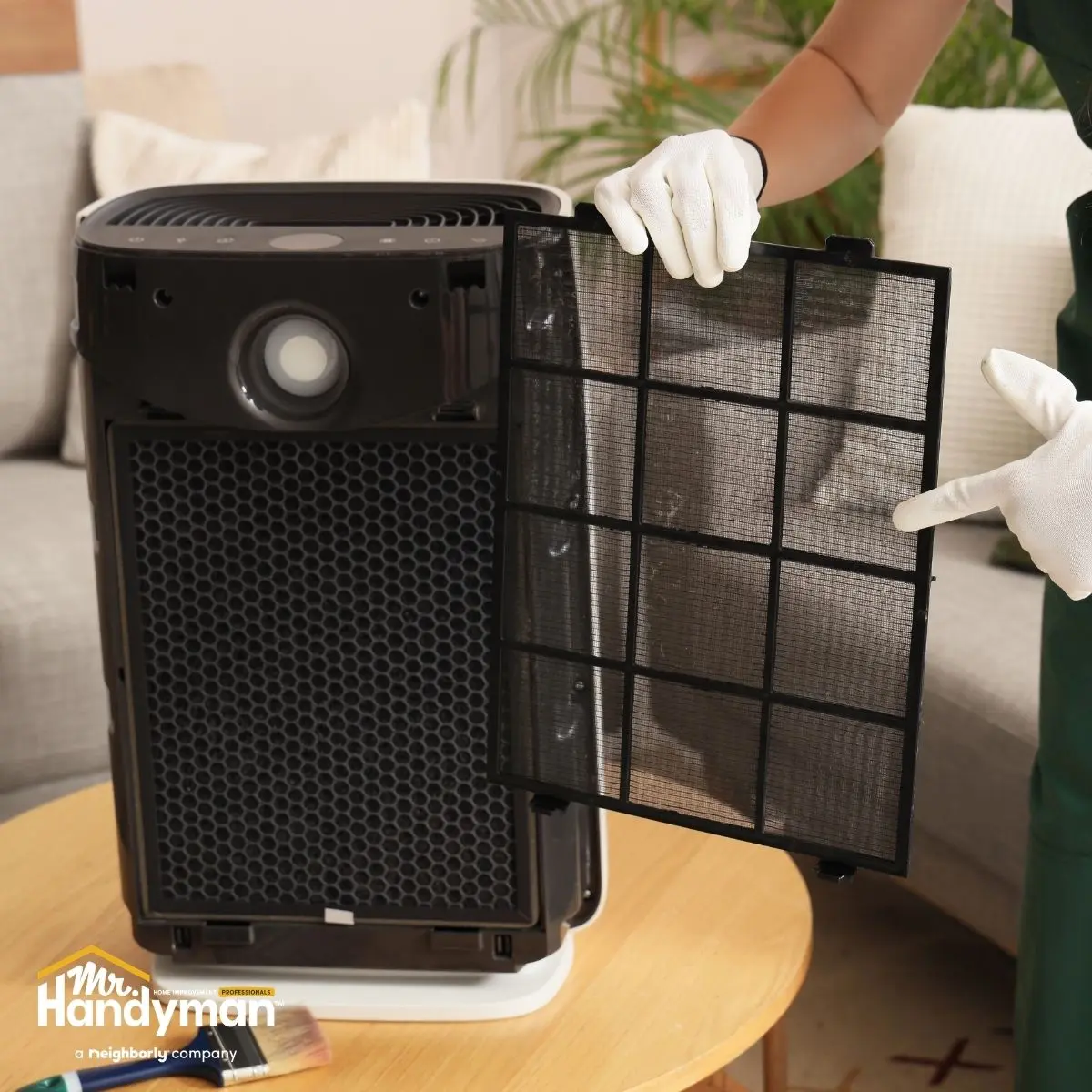
HVAC spring maintenance covers filter replacement, coil cleaning, condensate drain flushing, thermostat calibration, and a system test that confirms cooling operation before the first hot days of the season create urgent demand. In Middle Tennessee, where summer cooling loads are sustained and significant, an HVAC system that enters summer with dirty coils, a restricted filter, or a partially blocked condensate drain is operating at reduced efficiency that adds directly to monthly utility costs and accelerates the compressor wear that eventually produces the system failures that arrive at the worst possible time. Scheduling professional HVAC spring maintenance before cooling season begins, rather than in response to the first system issue, is the maintenance discipline that keeps cooling systems performing reliably through Middle Tennessee's demanding summers.
Plumbing spring assessment covers exterior hose bibs, washing machine supply lines, water heater condition, and under-sink connections that winter may have stressed or that age has brought to the point of requiring attention. Exterior hose bibs that were exposed to freezing temperatures through winter events need to be tested carefully before regular use begins, watching both at the spigot and at the wall behind it for any sign of moisture that indicates a pipe failure behind the exterior surface. Water heaters that carried the increased demand of cold-water heating through winter benefit from sediment flushing that removes the accumulation that winter's longer run cycles deposited at the bottom of the tank. Under-sink supply lines that are approaching or past the seven to ten year mark of their practical service life should be inspected closely for any sign of corrosion, bulging, or fitting deterioration that indicates replacement is appropriate before a failure produces water damage rather than a proactive replacement produces peace of mind.
Electrical system spring checklist items cover the components that are most directly affected by seasonal transitions and that carry the most immediate safety consequence when they are not functioning correctly. Ground fault circuit interrupter outlets in bathrooms, kitchens, garages, and exterior locations should be tested by pressing the test button and confirming that the outlet loses power, then pressing the reset button and confirming that power is restored. GFCI outlets that do not respond correctly to the test sequence are not providing the ground fault protection they were installed to deliver and need to be replaced. Smoke detector and carbon monoxide detector testing and battery replacement, if battery-operated units are present, is a spring checklist item that requires no professional involvement and that carries the most direct personal safety consequence of any maintenance task on the list.
Interior Systems and Seasonal Transition Items
Interior spring maintenance covers the surfaces, systems, and spaces within the home that winter affects and that spring prepares for the increased activity and outdoor connection that the warm season brings. Ceiling and wall condition, interior plumbing, window and door function, and the spaces that transition between conditioned and unconditioned areas of the home all warrant systematic spring attention.
Ceiling and wall inspection in every room of the home identifies the water staining, hairline cracking, paint failure, and nail pops that winter stress and moisture intrusion produce. Ceiling stains that are new or that have grown since the previous inspection are the highest-priority interior finding because they indicate active water intrusion from above that needs to be sourced and stopped before further interior damage accumulates. Hairline cracks at drywall seams, particularly in rooms adjacent to the attic or exterior walls, reflect the thermal cycling that the building structure experienced through winter and can typically be repaired with joint compound and repainting without structural concern unless the cracks are wide, stepped, or showing displacement between the two sides of the crack.
Crawl space and basement inspection in spring covers the conditions that winter precipitation and spring groundwater introduce into the home's below-grade and foundation-adjacent spaces. Standing water in a crawl space following winter rain events indicates drainage or vapor barrier inadequacy that spring maintenance needs to address before the warm season's humidity adds its moisture contribution to an already wet environment. Basement walls showing new efflorescence, active seeping, or moisture staining at floor level indicate groundwater pressure conditions that spring exterior drainage assessment, including grading and gutter system evaluation, may be able to address without more invasive waterproofing intervention if caught before they have been active through multiple wet seasons.
Frequently Asked Questions
How long should a thorough spring home maintenance checklist take to complete?
A thorough spring maintenance walkthrough of a typical Middle Tennessee home, covering exterior conditions from roofline to foundation, interior systems including mechanical equipment, and all living spaces, typically takes two to four hours for an attentive homeowner to complete with a written checklist. That time investment produces a documented condition assessment that drives a prioritized repair and maintenance plan worth far more in prevented damage than the time it required. Larger or older homes with more complex systems and more extensive exterior conditions take proportionally longer.
Should I complete spring maintenance tasks myself or hire a professional?
Many spring maintenance tasks including gutter cleaning, caulking replacement, weatherstripping replacement, GFCI testing, detector battery replacement, and general interior condition inspection are within the capability of most homeowners with basic skills and appropriate materials. Tasks that involve working at height, including roof inspection and upper-level gutter work, that involve mechanical systems requiring licensed professional service, including HVAC refrigerant handling and electrical panel inspection, or that reveal conditions requiring professional assessment, including active water intrusion, structural concerns, and mold presence, benefit from professional involvement both for quality and safety reasons.
What spring maintenance item do Middle Tennessee homeowners most commonly skip?
Crawl space inspection is the spring maintenance item most consistently skipped in Middle Tennessee homes that have them. The physical discomfort of entering a crawl space and the out-of-sight nature of the conditions within it combine to make it the easiest checklist item to defer indefinitely. Yet the moisture, mold, and structural conditions that develop in unmonitored Middle Tennessee crawl spaces through a wet spring produce some of the most expensive and most disruptive residential repair situations that homeowners in this region face. Conducting a crawl space inspection every spring, even a brief one that confirms the absence of standing water, visible mold growth, and compromised vapor barrier, prevents conditions from developing beyond the point where they are manageable without major intervention.
How do I prioritize spring maintenance tasks when time and budget are limited?
Prioritize in the sequence that risk and consequence dictate. Active water intrusion conditions, safety system failures, and structural concerns belong at the top of the list regardless of cost. Conditions that will worsen and become more expensive if deferred through spring and summer, including caulking failures, gutter system deficiencies, and HVAC performance issues, belong second. Cosmetic conditions and improvements that do not carry escalation risk can be deferred to a subsequent maintenance cycle without significant consequence.
How does a documented spring maintenance checklist protect homeowners beyond its immediate maintenance value?
A documented spring maintenance checklist creates a maintenance record that supports insurance claims by demonstrating that the homeowner was actively monitoring and addressing property conditions rather than allowing known issues to develop without response. It informs the next season's maintenance planning by establishing what was found, what was addressed, and what conditions were developing but not yet requiring immediate action. And it provides documentation of pre-existing conditions that protects homeowners in tenant, neighbor, and buyer disputes about when specific conditions developed and what was known about them.
The Checklist That Protects Everything Your Home Is Worth
The homes in Murfreesboro, Franklin, and Brentwood that maintain their condition, their value, and their ability to protect the families and investments they represent are the ones whose owners treat spring maintenance as a non-negotiable annual commitment rather than an optional activity that competes with more immediately gratifying uses of time and money. The spring maintenance checklist is the tool that organizes that commitment into a systematic, documented process that finds the right conditions at the right time and creates the record of consistent attention that protects a home through every season that follows.
Mr. Handyman of Murfreesboro, Franklin, and Brentwood is the professional partner that helps homeowners complete their spring maintenance checklist with the skill, thoroughness, and reliable follow-through that the list's most important items deserve. From exterior condition repairs and gutter maintenance to interior system checks and mechanical service coordination, the team handles the work that keeps Middle Tennessee homes performing at the level their owners invested in.
Website: https://www.mrhandyman.com/murfreesboro-smyrna/
Serving homeowners throughout Murfreesboro, Franklin, and Brentwood with professional spring maintenance services and the reliability your home deserves every season.