Spring maintenance is when you address the wear, damage, and deferred issues that accumulated over winter. It's also when you prepare your home for the demands of summer—increased cooling loads, outdoor activity, lawn care, and the stress that comes with Tennessee's heat and humidity. Homes in Murfreesboro, Franklin, Brentwood, Nashville, and Clarksville face specific challenges tied to our climate and the age of housing stock in this region. Freeze-thaw cycles stress foundations and pavement. Humidity accelerates mold and mildew growth. Storm damage from winter weather reveals itself in spring. Addressing these issues systematically through a spring maintenance checklist prevents small problems from becoming expensive emergencies.
The homes common in Middle Tennessee—many built in the 1980s and 1990s—have maintenance needs tied to their age and construction. Roofing systems are reaching the end of their lifespan. HVAC equipment is aging and less efficient. Plumbing and electrical systems show wear. Exterior finishes have been exposed to decades of weather. Spring maintenance identifies vulnerabilities, addresses immediate concerns, and plans for future needs before systems fail.
A comprehensive spring checklist covers exterior systems, interior spaces, mechanical systems, and seasonal transitions. It's not about doing everything at once—it's about systematically inspecting, maintaining, and repairing the elements that keep your home safe, comfortable, and functional. Some tasks you can handle yourself. Others require professional service. The key is approaching maintenance proactively rather than reactively, which saves money and prevents the disruption of emergency repairs.
Inspect and Clean Your Roof and Gutters
Your roof is your home's first line of defense against weather, and winter stresses roofing materials through temperature extremes, ice, and wind. Spring inspections identify damage before it causes leaks or requires emergency repairs.
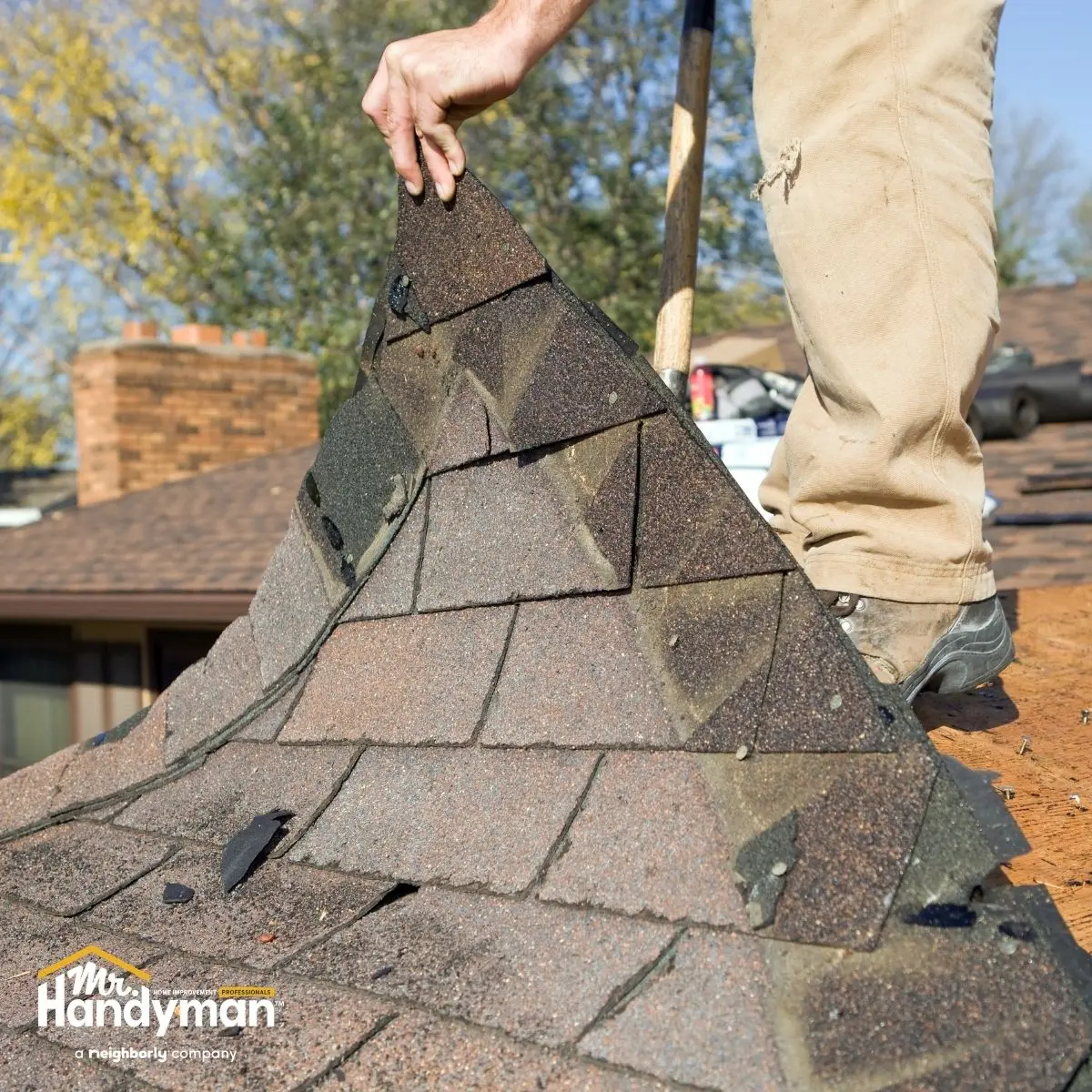
Walk around your home and visually inspect the roof from the ground using binoculars. Look for missing, damaged, or curling shingles, exposed nails or fasteners, damaged flashing around chimneys and vents, and areas where granules have worn off shingles. Asphalt shingle roofs in Murfreesboro, Smyrna, and La Vergne typically last 20 to 25 years, and if your roof is approaching that age, spring is the time to assess whether repairs or replacement is needed.
Check attic spaces for signs of leaks—water stains on rafters or sheathing, damp insulation, or daylight visible through the roof deck. Small leaks often go unnoticed until they cause significant damage, and attic inspections reveal problems before they affect living spaces.
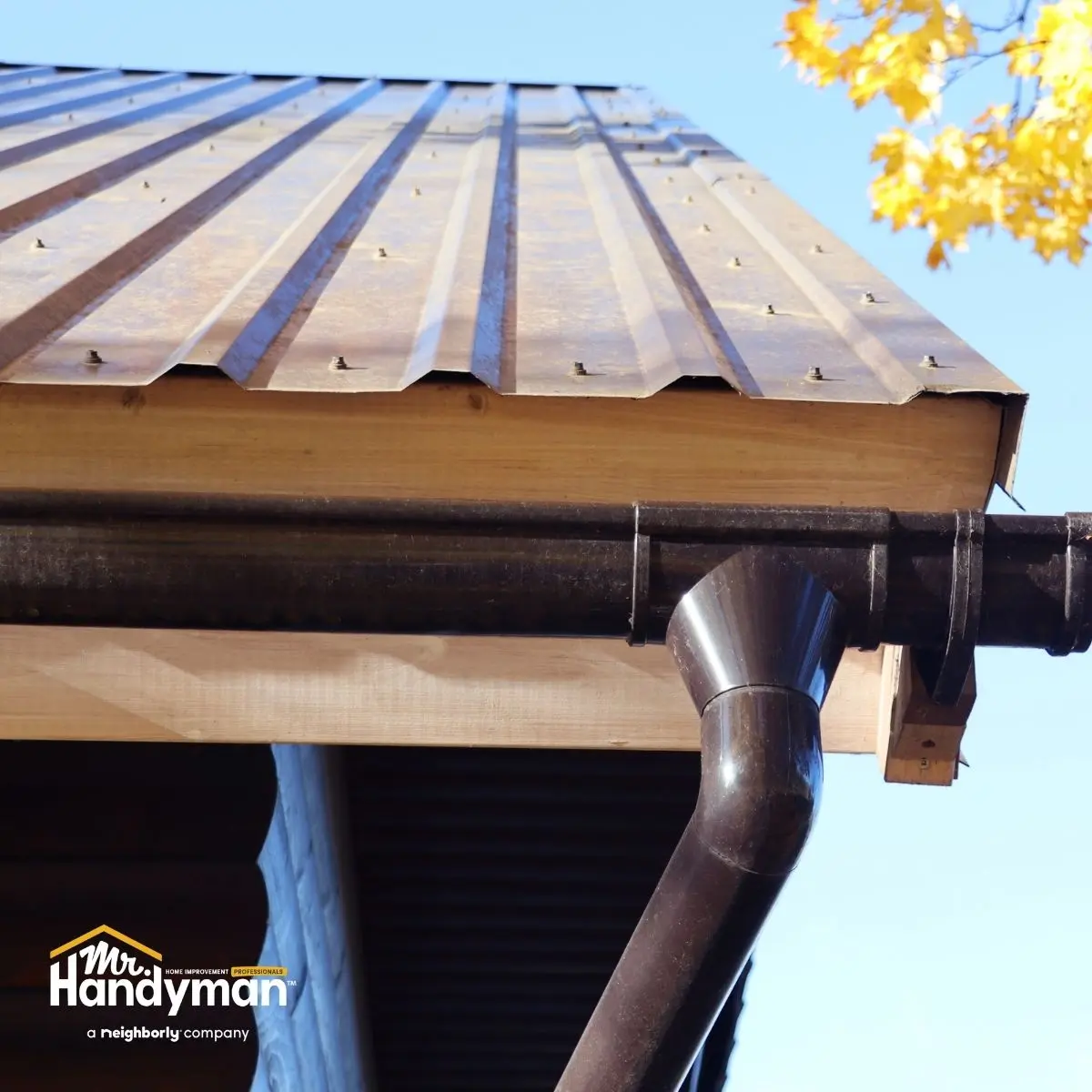
Gutters and downspouts need cleaning after winter. Leaves, twigs, and debris clog gutters and prevent proper drainage, causing water to overflow and damage fascia, soffits, and foundations. Clean gutters thoroughly, verify that downspouts direct water at least five feet away from the foundation, and inspect for sections that are sagging, separated, or damaged. Homes in Franklin, Brentwood, and Nashville with mature trees should clean gutters at least twice annually—spring and fall.
Inspect roof valleys and areas where debris accumulates. These spots are prone to leaks and should be clear of leaves and organic matter that trap moisture and accelerate deterioration.
Service Your HVAC System Before Cooling Season
Your HVAC system worked through winter and now needs preparation for the cooling demands of summer. Spring maintenance prevents mid-summer breakdowns when systems are under maximum stress and service calls are expensive and hard to schedule.
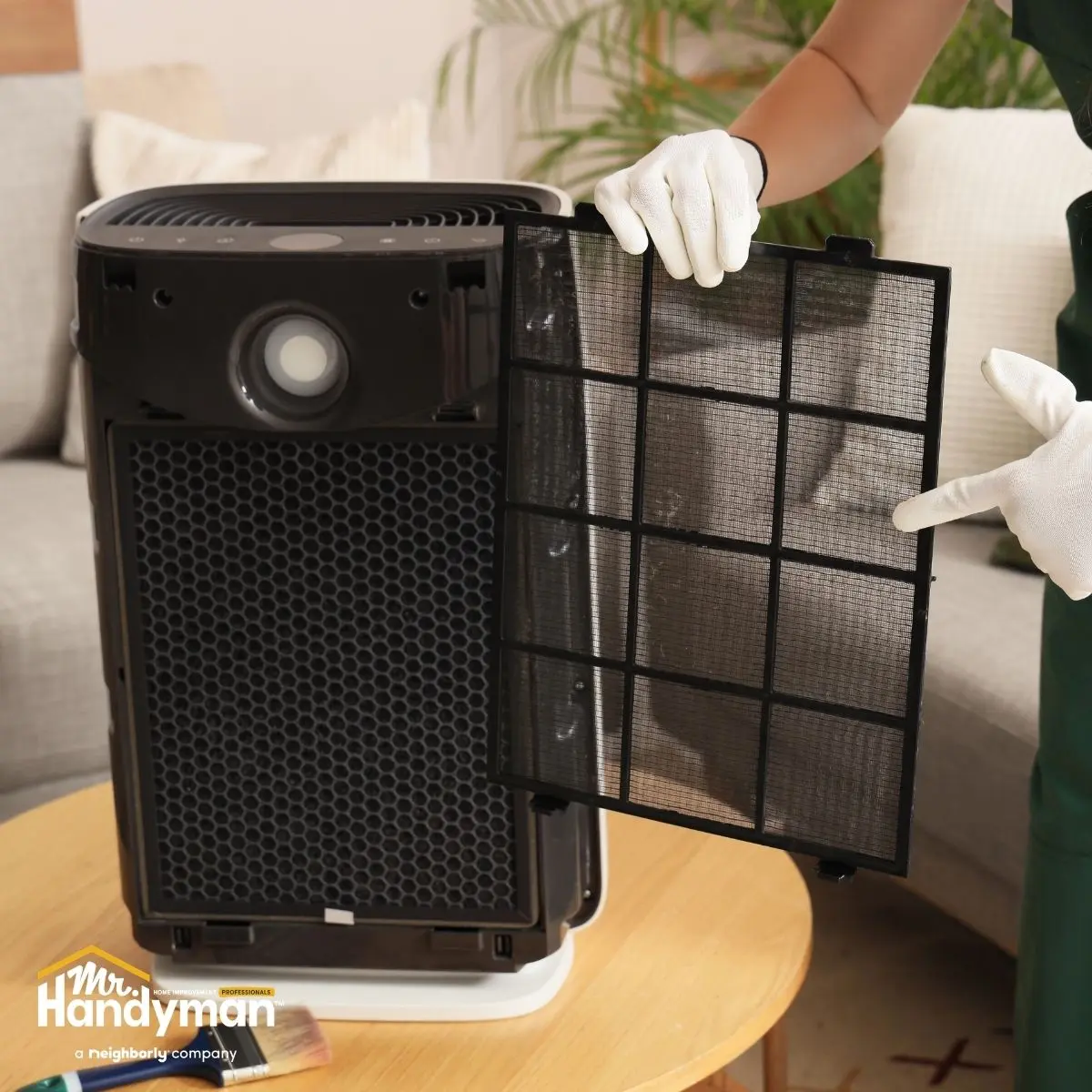
Change air filters, which should be replaced every one to three months depending on usage and air quality. Dirty filters restrict airflow, reduce efficiency, and force systems to work harder. Homes in Smyrna, La Vergne, and Shelbyville with pets or allergies may need more frequent filter changes.
Clean outdoor condenser units. Remove leaves, grass clippings, and debris that accumulated around the unit over winter. Trim vegetation to maintain at least two feet of clearance around all sides. Dirty condenser coils reduce efficiency and strain the system. Gently rinse coils with a garden hose to remove dirt and pollen buildup.
Test your system by switching to cooling mode and verifying that it cools properly. Listen for unusual noises, check that airflow from vents is strong and consistent, and ensure the thermostat responds correctly. If the system struggles, makes grinding or squealing noises, or fails to cool effectively, schedule professional service before summer heat arrives.
Schedule professional HVAC maintenance if you haven't had service in the past year. Technicians can check refrigerant levels, inspect electrical connections, test capacitors and contactors, and identify issues that aren't obvious during casual operation. Properties in Murfreesboro, Franklin, and Nashville benefit from annual professional service that extends equipment life and prevents breakdowns.
Inspect ductwork in accessible areas like attics, basements, and crawl spaces. Look for disconnected sections, visible gaps, or damaged insulation. Leaking ducts waste energy and reduce system efficiency. Sealing duct leaks improves comfort and lowers utility costs.
Check Plumbing and Address Leaks
Plumbing systems experience stress during winter, and spring is when you discover leaks, frozen pipe damage, and fixtures that need attention. Walking your home systematically and checking all plumbing prevents small leaks from becoming major water damage.
Inspect under sinks, around toilets, and near water heaters for signs of leaks—puddles, water stains, corrosion, or damp cabinets. Even small leaks waste water and can cause mold growth and structural damage if ignored. Homes in Bellevue, Green Hills, and Dickson with older plumbing often develop slow leaks that go unnoticed until damage is significant.
Test all faucets and showerheads for drips or leaks. Replace worn washers, cartridges, or aerators. A dripping faucet wastes gallons of water daily and indicates components that need replacement.
Check toilets for leaks by adding food coloring to the tank and waiting 15 minutes. If color appears in the bowl without flushing, the flapper is leaking and needs replacement. Running toilets waste hundreds of gallons monthly and drive up water bills unnecessarily.
Inspect outdoor hose bibs and spigots. Turn on water and check for leaks at the handle, spout, or connection points. If you didn't winterize outdoor faucets, check for freeze damage that may have cracked pipes or valves. Properties in Franklin, Brentwood, and Nolensville should verify that outdoor plumbing survived winter and is ready for lawn care and outdoor use.
Flush your water heater to remove sediment that accumulates at the bottom of the tank. Sediment reduces efficiency, creates hot spots that damage the tank, and shortens equipment life. If your water heater is more than 10 years old, consider replacement before it fails.
Test sump pumps if your home has one. Pour a bucket of water into the pit and verify that the pump activates and drains properly. Sump pumps that sit unused for months can seize or fail, and spring storms put them to the test.
Inspect Exterior Surfaces and Make Repairs
Winter weather damages siding, paint, trim, and exterior finishes. Spring inspections identify problems before they worsen and allow water infiltration that causes structural damage.
Walk the perimeter of your home and inspect siding for cracks, gaps, warping, or areas where moisture has penetrated. Wood siding is particularly vulnerable to rot and should be checked for soft spots or peeling paint that exposes bare wood. Vinyl siding can crack or separate in cold weather. Homes in Murfreesboro, Smyrna, and La Vergne with original siding from the 1990s should inspect carefully for signs of failure.
Check caulking and sealant around windows, doors, vents, and penetrations. Caulk deteriorates over time, creating gaps where water and air infiltrate. Re-caulk areas where seals have failed to maintain weather protection and energy efficiency.
Inspect paint on trim, shutters, and doors. Peeling or blistering paint exposes wood to moisture and accelerates rot. Touch up or repaint areas showing wear to maintain protection and appearance.
Prepare Your Lawn and Landscaping for Growing Season
Spring is when lawns and landscaping come back to life, and early preparation sets the stage for healthy growth through summer. Addressing winter damage, cleaning beds, and preparing soil creates conditions for plants to thrive.
Rake lawn areas to remove dead grass, leaves, and debris that accumulated over winter. Thatch buildup prevents water and nutrients from reaching grass roots and creates conditions for disease. Dethatching or power raking improves lawn health and appearance. Homes in Franklin, Brentwood, and Nashville with established lawns benefit from annual dethatching when thatch layers exceed half an inch.
Aerate compacted soil, especially in high-traffic areas. Aeration creates channels that allow water, air, and nutrients to reach grass roots. Clay-heavy soil common throughout Middle Tennessee compacts easily and benefits from spring or fall aeration.
Apply pre-emergent herbicide to prevent crabgrass and weed seeds from germinating. Timing matters—pre-emergent must be applied before soil temperatures reach the point where weed seeds germinate, typically when forsythia blooms or when soil temperatures consistently reach 55 degrees. Properties in Murfreesboro, Smyrna, and La Vergne should apply pre-emergent in early to mid-spring for effective weed control.
Fertilize lawns according to grass type and soil conditions. Cool-season grasses like fescue benefit from spring fertilization. Warm-season grasses like Bermuda and zoysia should be fertilized later when active growth begins. Soil testing reveals nutrient deficiencies and guides fertilizer selection.
Trim shrubs and trees before new growth begins. Remove dead branches, shape overgrown plants, and cut back winter-damaged growth. Proper pruning improves plant health, appearance, and flowering. Avoid pruning spring-flowering shrubs until after they bloom.
Clean planting beds by removing dead plants, refreshing mulch, and edging bed lines. Mulch breaks down over winter and should be replenished to maintain two to three inches of coverage. Fresh mulch suppresses weeds, retains moisture, and creates finished appearance.
Inspect and repair irrigation systems. Turn on systems, check for broken sprinkler heads, leaking valves, and coverage gaps. Adjust spray patterns and timing for spring watering needs. Properties with in-ground irrigation should verify systems function before dry summer weather arrives.
Clean and Repair Decks, Patios, and Outdoor Spaces
Outdoor living spaces see increased use as weather improves, and spring preparation ensures they're safe, functional, and attractive.
Inspect decks for structural issues. Check posts, beams, joists, and ledger boards for rot, insect damage, or deterioration. Test railings for stability and verify that fasteners are tight. Look for soft boards, protruding nails, or areas where the structure feels unstable. Homes in Bellevue, Green Hills, and Dickson with wood decks should inspect thoroughly—Tennessee's humidity accelerates wood deterioration, especially in decks built before pressure-treated lumber standards improved.
Replace damaged or rotted boards before the deck becomes unsafe. A few bad boards can be spot-replaced without rebuilding the entire deck, but widespread deterioration indicates larger structural concerns.
Clean deck surfaces with appropriate cleaners. Remove mildew, dirt, and staining that accumulated over winter. Power washing removes surface grime but can damage wood if pressure is too high—use low pressure and appropriate nozzles.
Seal or stain wood decks to protect against moisture and UV damage. Decks should be sealed every two to three years depending on exposure and product quality. Spring is ideal for this work because wood is dry and temperatures are moderate for proper curing.
Inspect concrete patios for cracks, settling, or staining. Seal cracks to prevent water infiltration and further damage. Power wash to remove dirt, mildew, and organic growth. Consider sealing concrete to protect against staining and moisture penetration.
Clean and inspect outdoor furniture. Wash cushions, repair or replace damaged pieces, and verify that furniture is stable and safe. Store or cover items during bad weather to extend their life.
Test and Maintain Safety Systems
Spring maintenance should include testing safety systems that protect your family and home. These aren't optional tasks—they're essential for safety and code compliance.
Test smoke detectors and carbon monoxide detectors in every bedroom, hallway, and living area. Replace batteries even if detectors are hardwired—backup batteries ensure function during power outages. Replace detectors that are more than 10 years old. Properties in Murfreesboro, Franklin, and Nashville are required by code to have functioning smoke and CO detectors.
Inspect fire extinguishers to ensure they're fully charged and accessible. Check pressure gauges and verify that extinguishers haven't been damaged or discharged. Replace extinguishers that are expired or damaged.
Test garage door safety sensors and auto-reverse features. Place an obstruction in the door's path and verify that it reverses when contacted. Garage doors that don't reverse properly are serious safety hazards, especially in homes with children.
Inspect and clean dryer vents. Lint buildup in dryer vents is a leading cause of house fires and reduces dryer efficiency. Disconnect the vent, clean it thoroughly, and verify that the exterior vent flap opens properly. Homes in Smyrna, La Vergne, and Shelbyville should clean dryer vents at least annually.
Check that exterior doors and windows lock properly. Security is part of home maintenance, and locks that don't function create vulnerabilities. Replace or repair damaged locks, and verify that deadbolts engage fully.
Inspect Windows and Doors for Drafts and Damage
Windows and doors affect energy efficiency, comfort, and security. Spring inspections identify issues that waste energy and allow moisture infiltration.
Check windows for cracked or broken glass, damaged frames, and worn weather stripping. Windows that don't seal properly allow air leakage that wastes energy and reduces comfort. Replace damaged weather stripping and repair or replace broken glass.
Test that windows open, close, and lock properly. Windows that stick or don't latch create security concerns and can't provide emergency egress if needed. Lubricate tracks and hinges, adjust hardware, and repair mechanisms that don't function smoothly.
Inspect window screens for tears or damage. Repair or replace damaged screens before warm weather when you'll want to open windows for ventilation.
Check exterior doors for gaps, damaged weather stripping, and worn thresholds. Doors should seal tightly when closed. Replace weather stripping and adjust door sweeps to eliminate gaps that allow air and moisture infiltration.
Verify that door hardware—locks, handles, hinges—functions properly. Tighten loose screws, lubricate hinges, and replace hardware that's worn or damaged. Properties in Franklin, Brentwood, and Nolensville should ensure doors provide security and weather protection.
Clean and Organize Storage Areas
Basements, attics, garages, and storage spaces accumulate clutter and often hide maintenance issues. Spring cleaning and organization improves usability and reveals problems that need attention.
Inspect basements and crawl spaces for moisture, mold, or signs of water infiltration. Look for efflorescence on foundation walls, damp insulation, or standing water. Address moisture sources before they cause structural damage or create health hazards.
Organize and declutter garages and storage areas. Remove items you no longer need, organize what remains, and create systems that maintain order. Cluttered spaces are harder to maintain and hide potential problems.
Check stored items for damage from moisture, pests, or temperature extremes. Cardboard boxes deteriorate in humid conditions and should be replaced with plastic bins that protect contents better.
Inspect attic insulation and ventilation. Verify that insulation hasn't been compressed, damaged, or contaminated. Check that soffit and ridge vents are clear and functioning. Proper attic ventilation prevents moisture buildup and extends roof life.
Address Foundation and Drainage Issues
Foundation and drainage problems worsen over time and should be addressed as soon as they're identified. Spring is when you can observe how water drains around your home after rain.
Walk the perimeter of your home after heavy rain and observe where water flows. Water should drain away from the foundation, not toward it or pool near the house. Areas where water collects indicate grading problems that need correction.
Inspect foundations for cracks, settling, or movement. Hairline cracks are common and not necessarily concerning, but cracks wider than a quarter inch, horizontal cracks, or cracks that show movement should be evaluated by professionals. Homes in Murfreesboro, Smyrna, and La Vergne with clay soil often experience foundation movement that requires monitoring.
Extend downspouts to carry water at least five feet away from the foundation. Downspouts that dump water directly at the foundation create moisture problems, foundation movement, and basement or crawl space flooding.
Regrade soil around the foundation if settling has created low spots. Soil should slope away from the house at a minimum of one inch per foot for at least six feet. Adding and compacting fill dirt corrects grading and prevents water from pooling against the foundation.
Frequently Asked Questions
How long does spring home maintenance take?
A comprehensive checklist can be completed over several weekends. Focus on high-priority items first—safety systems, HVAC service, roof and gutter cleaning—then address other tasks as time allows.
What tasks should I hire professionals for?
HVAC service, roof repairs, electrical work, plumbing repairs, and tree trimming typically require professional expertise. DIY tasks include gutter cleaning, filter changes, caulking, and lawn care.
How much should I budget for spring maintenance?
Plan $500 to $2,000 for routine maintenance including HVAC service, minor repairs, and supplies. Budget more if major issues are discovered during inspections.
What happens if I skip spring maintenance?
Small problems worsen, systems fail prematurely, energy costs increase, and you risk expensive emergency repairs. Preventative maintenance is always cheaper than reactive repairs.
Should I do the same maintenance every spring?
Core tasks—HVAC service, gutter cleaning, safety system testing—should be annual. Other tasks depend on findings and home condition. Use a checklist to track what's been done and what needs attention.
Can I do spring maintenance myself?
Many tasks are DIY-friendly. However, know your limits—attempting repairs beyond your skill level can cause damage and cost more to fix than hiring professionals initially.
Complete Your Spring Maintenance This Season
Spring maintenance protects your home, prevents expensive repairs, and ensures systems function reliably through summer. A systematic approach to inspecting and maintaining roofs, HVAC, plumbing, exterior surfaces, and safety systems keeps your home in top condition.
If you're in Murfreesboro, Franklin, Brentwood, Smyrna, Shelbyville, La Vergne, Bellevue, Christiana, Nashville, Belle Meade, Clarksville, Ashland City, Green Hills, Dickson, Antioch, Berry Hill, or any of the surrounding areas, Mr. Handyman of Murfreesboro, Franklin, and Brentwood and Mr. Handyman of West Nashville, Belle Meade, and Clarksville can help you complete your spring maintenance checklist.