Outdoor living in Middle Tennessee is not a seasonal luxury. It is a genuine extension of how people use their homes for a significant portion of the year. The stretch from early spring through late fall in Murfreesboro, Franklin, and Brentwood offers months of weather that is well-suited to outdoor activity, and homeowners who have invested in functional, comfortable outdoor spaces use them regularly and meaningfully. The question for homeowners who have not yet made that investment, or who have outdoor spaces that are underperforming their potential, is not whether to improve those spaces but when to start. The answer, consistently and practically, is spring.
Spring in Middle Tennessee hits a window that no other season can match for outdoor project work. Temperatures are mild enough to make exterior labor comfortable and efficient. Ground conditions have stabilized from winter saturation and are workable without being hardened by summer heat. Contractors and skilled tradespeople are more available in early spring than they will be through the peak of summer. And completed projects have time to settle, cure, and be fully ready for use before the warmest and most socially active months of the year arrive. Every one of those factors points to the same conclusion: spring is not just a good time to start outdoor living projects. It is the best time.
The outdoor living category covers a wide range of project types, from deck construction and patio installation to pergola building, outdoor kitchen setup, and landscape improvements that define and enhance the usable area around a home. Not every homeowner is planning all of these at once, but understanding the full range of what outdoor living improvements involve, and why spring timing matters for each of them, allows homeowners to approach their specific project with the context and preparation that leads to successful outcomes.
What Middle Tennessee's Climate Demands From Outdoor Spaces
Outdoor living spaces in Murfreesboro, Franklin, and Brentwood need to be designed and built with Middle Tennessee's specific climate in mind if they are going to deliver lasting value. This region does not offer the mild, consistent outdoor conditions of some coastal climates. It delivers heat, humidity, occasional ice, significant rainfall, and the kind of temperature swings that put materials, fasteners, and structural connections through real seasonal stress. Outdoor projects built without accounting for those conditions deteriorate faster, require more maintenance, and ultimately fail to deliver the return on investment that well-planned projects achieve.
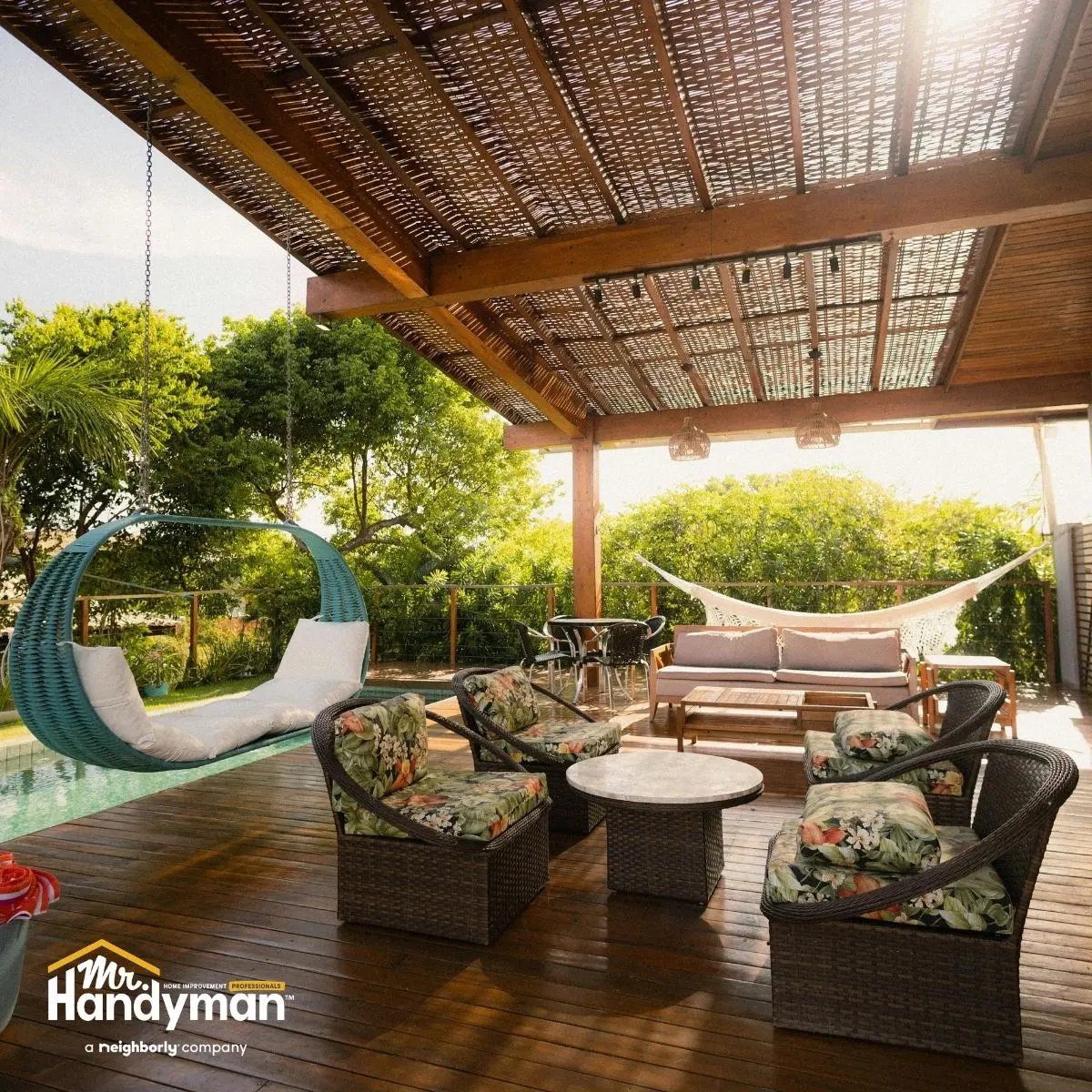
Shade is the single most important functional element of any outdoor living space in Middle Tennessee. Summer temperatures that regularly exceed ninety degrees, combined with humidity levels that make heat feel more intense, render an unshaded outdoor space effectively unusable during the hottest parts of summer days. Pergolas, shade sails, extended roof overhangs, and mature tree canopy are all approaches to creating the shade that makes outdoor spaces genuinely comfortable through the summer months that represent the peak of outdoor living activity. A deck or patio without shade is a construction investment that delivers only partial seasonal value in this climate.
Drainage is equally critical and more frequently overlooked during the planning phase. Middle Tennessee's spring and summer rainfall patterns bring significant water volume in relatively short periods. Outdoor surfaces that do not drain effectively become standing water hazards that accelerate material deterioration, create slip risks, and make the space unusable during and after rain events. Patios and hardscape areas designed with appropriate slope and drainage solutions, decks built with proper spacing between boards and drainage below the structure, and landscaping that moves water away from the outdoor living area rather than toward it are all elements of a well-planned project that holds up through years of Middle Tennessee weather.
Material selection for outdoor structures in this region reflects the same climate reality. Pressure-treated lumber remains the most widely used decking material in Middle Tennessee for its combination of durability, workability, and cost-effectiveness when properly sealed and maintained. Composite decking materials have grown significantly in popularity across Franklin and Brentwood markets for their low maintenance requirements and consistent appearance over time, qualities that appeal to homeowners who want an outdoor space that performs well without demanding regular seasonal attention. Concrete and natural stone pavers for patio surfaces handle Middle Tennessee's freeze-thaw cycles reliably when installed over properly prepared bases, and their thermal mass helps moderate surface temperatures compared to materials that absorb and radiate heat more intensely.
Deck Projects and Why Spring Timing Matters

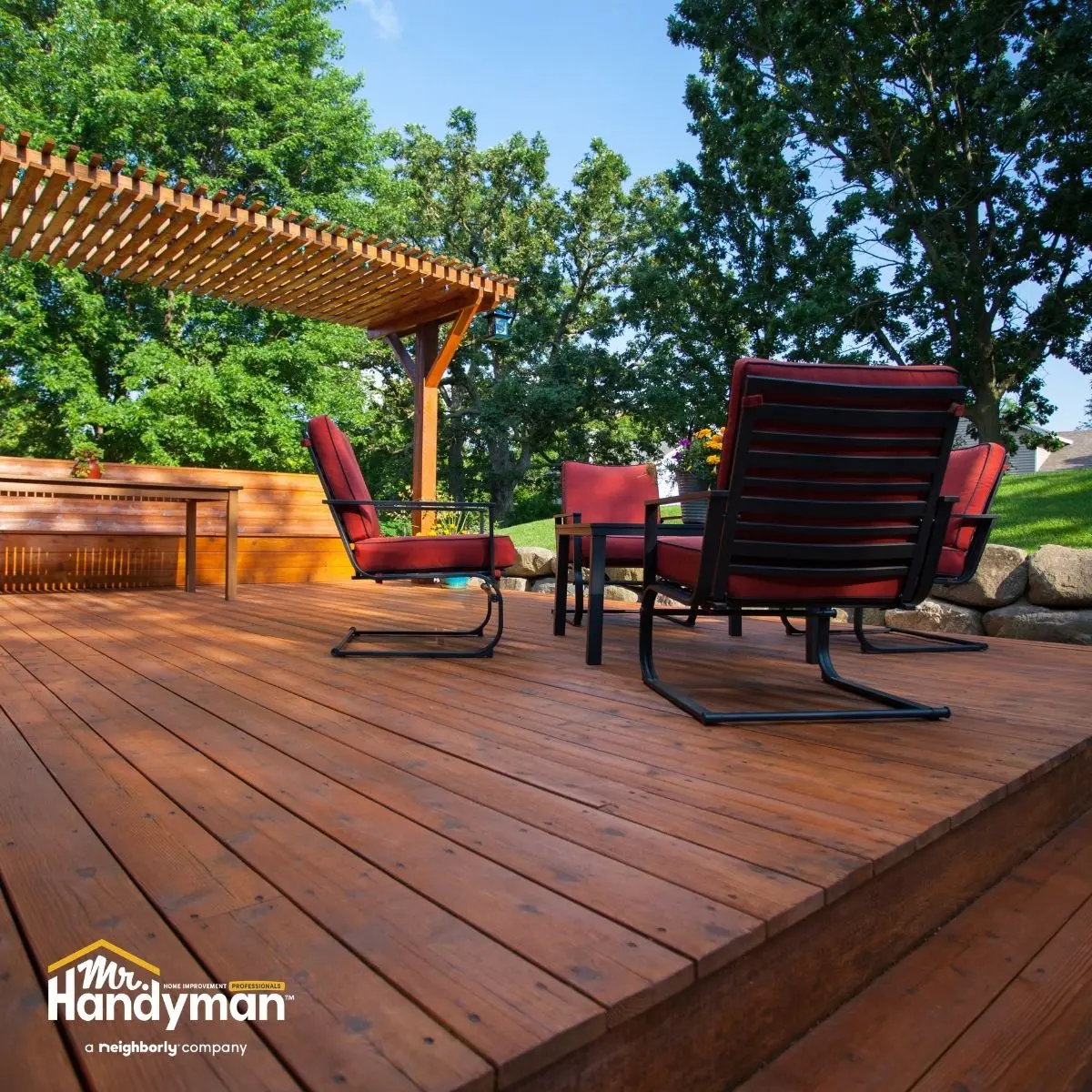
Deck construction and deck restoration are among the most popular outdoor living projects in Middle Tennessee, and both are ideally suited to spring execution. New deck construction benefits from spring's mild temperatures and stable ground conditions, which support accurate layout, efficient framing, and the kind of careful work that produces a structure that performs reliably for decades. Deck restoration, which covers everything from board replacement and structural repairs to full refinishing and staining, requires temperatures and humidity levels that allow cleaning products, sealers, and stains to penetrate and cure properly. Spring delivers those conditions consistently and reliably.
A deck that has come through winter showing wear needs to be assessed honestly before refinishing work begins. Boards that are checked, cracked, or showing significant weathering may be candidates for replacement rather than refinishing, particularly in areas that receive direct foot traffic. Structural components including ledger board connections, post bases, and joist hangers should be examined for any sign of corrosion, loosening, or wood deterioration before surface work is addressed. A deck with beautiful fresh stain applied over compromised structural connections is a safety concern that no amount of cosmetic improvement resolves.
For homeowners planning new deck construction, spring project initiation aligns completion with the beginning of the outdoor entertaining season in a way that no other seasonal start can match. A deck project begun in March or early April, with proper planning and material availability confirmed in advance, can realistically be complete and fully usable by late May or early June. That timing delivers months of use during the year's most active outdoor living period before the project ever faces a Middle Tennessee winter.
Patio and Hardscape Projects in Middle Tennessee
Patio installation and hardscape improvements represent the other major category of outdoor living projects that spring timing serves particularly well. Concrete work, paver installation, and stone hardscape all require ground conditions that are neither saturated nor frost-affected, and Middle Tennessee's spring window delivers both requirements in the period between the end of the wet season and the onset of summer heat.
Paver patios have become the dominant choice for new patio installation across all three communities for reasons that reflect both aesthetic preferences and practical performance. Concrete pavers installed over a properly prepared compacted base with appropriate edge restraints and joint sand create a surface that handles Middle Tennessee's freeze-thaw cycles without the cracking that poured concrete slabs are prone to developing over time. Individual pavers can be removed and reset if settling occurs or if utility access beneath the surface is needed, which is an advantage that monolithic concrete cannot offer. And the range of styles, colors, and patterns available in current paver products allows homeowners to create outdoor surfaces that complement their home's architecture and reflect personal aesthetic preferences.
Proper base preparation is the element of paver installation that most directly determines how the finished surface performs over its lifespan, and it is the element most susceptible to shortcuts that compromise long-term results. A correctly prepared base for a paver patio in Middle Tennessee clay soil requires excavation to a depth that removes the unstable native soil, installation of a compacted gravel base layer of sufficient depth to support the paver load and provide drainage, and a final screeded sand layer that allows precise paver leveling. Skipping or minimizing any of these steps produces a patio that looks correct initially and develops settling, heaving, and drainage problems within a few seasons.
How Outdoor Living Investments Perform Across Middle Tennessee Markets
The return on investment from outdoor living projects varies across Murfreesboro, Franklin, and Brentwood in ways that reflect each community's buyer profile, price range, and lifestyle expectations. Understanding how outdoor improvements are valued in your specific market helps you make project decisions that align with both your personal enjoyment goals and the financial return those improvements are likely to generate.
Franklin's real estate market places consistent and measurable value on outdoor living spaces that are well-designed, properly constructed, and finished to a standard that matches the overall quality of the home. Buyers in Franklin who are comparing properties in similar price ranges notice outdoor living quality immediately and factor it directly into their assessment of value. A home with a well-built covered deck, quality hardscape, and a defined outdoor living area commands attention in Franklin's competitive market in a way that a home with an unimproved yard simply cannot match. Projects that bring outdoor living quality in line with what neighboring comparable properties offer close a gap that buyers would otherwise use as a negotiating point.
Brentwood's larger lots and established character create outdoor living opportunities that differ in scale and emphasis from Franklin. Mature tree canopy, larger yard areas, and the expectation of privacy that comes with Brentwood's lot sizes mean that outdoor projects here often focus on creating defined living areas within a larger landscape rather than maximizing a more modest yard. Pergola structures that create intimate outdoor rooms beneath existing tree canopy, patio areas that connect to the home and flow naturally into the surrounding landscape, and outdoor kitchen installations that support the kind of extended entertaining Brentwood homeowners regularly host all perform well in this market and deliver returns that reflect their quality and relevance to buyer expectations.
Murfreesboro's broader market serves a wider range of buyers and budgets, and outdoor living improvements here tend to deliver their strongest returns when they address the most visible and functional elements of the outdoor space at accessible price points. A clean, well-maintained deck with fresh stain and updated railing, a defined patio area that creates usable outdoor space near the back of the home, and basic landscaping improvements that establish clear boundaries and visual order around the outdoor area all contribute meaningfully to how Murfreesboro buyers perceive a property without requiring the investment levels that Franklin and Brentwood projects often involve.
Pergolas and Shade Structures That Extend Outdoor Usability
A pergola or shade structure transforms the functional calendar of an outdoor living space in Middle Tennessee more dramatically than almost any other single improvement. Without shade, a deck or patio in Murfreesboro, Franklin, or Brentwood is genuinely comfortable for a limited window each day during summer, typically morning hours and evening after the sun drops below the roofline. With a properly designed shade structure, that same space becomes usable through the full day during spring and fall, and through the morning and evening hours even during the peak of summer heat.
Pergola construction in Middle Tennessee requires the same attention to material quality and structural integrity that any outdoor structure demands in this climate. Posts set in properly sized concrete footings that extend below the frost line, beam and rafter connections made with appropriate structural hardware, and lumber that is either pressure-treated or naturally rot-resistant are the foundations of a pergola that remains structurally sound through years of seasonal stress. A pergola built with undersized members, inadequate footing depth, or fasteners that are not rated for exterior exposure will show movement, deterioration, and connection failures within a few seasons in Middle Tennessee's conditions.
Roofing options for pergolas and shade structures have expanded significantly and offer Middle Tennessee homeowners choices that go well beyond the traditional open rafter design. Polycarbonate roofing panels allow light transmission while blocking UV radiation and shedding rain, creating a covered outdoor space that remains usable during light rain events. Metal roofing applied over a pergola frame creates a more substantial covered structure that handles Middle Tennessee's periodic heavy rain without the drumming sound that some roofing materials produce. Retractable fabric systems offer flexibility, allowing the structure to be open on clear days and covered during rain or intense sun, which appeals to homeowners who want maximum adaptability from their outdoor space.
Outdoor Kitchen and Entertaining Area Additions
Outdoor kitchens have moved from a premium luxury feature to a mainstream outdoor living improvement in Middle Tennessee over the past decade, and their prevalence in Franklin and Brentwood markets in particular has shifted buyer expectations in those communities. A well-executed outdoor kitchen addition creates a functional cooking and entertaining environment that supports the kind of extended outdoor gatherings that Middle Tennessee's long outdoor season makes possible, and it does so in a way that keeps the host present with guests rather than disappearing inside to manage food preparation.
The functional core of an outdoor kitchen in Middle Tennessee needs to be designed around the region's climate realities. Stainless steel cabinetry and appliances resist the humidity and temperature cycling that outdoor conditions deliver. Countertop materials for outdoor kitchens need to handle direct sun exposure, moisture, and thermal stress without cracking, fading, or deteriorating, which makes concrete, natural stone, and porcelain tile the appropriate choices over materials designed for interior use. Built-in grill units, side burners, and refrigeration components should all be specified for outdoor use rather than adapted from indoor appliances, as the exposure conditions they face outdoors are substantially more demanding.
Gas connections for outdoor kitchen appliances require professional installation and, in most Tennessee jurisdictions, permits and inspections. Planning the gas line routing as part of the spring project initiation, before the patio or deck surface is complete, allows the line to be run beneath the finished surface rather than exposed above it. This sequencing consideration is one of several reasons why outdoor kitchen planning benefits from professional involvement early in the process rather than as an afterthought after other elements are already installed.
Frequently Asked Questions
How long does a typical deck or patio project take from start to finish in Middle Tennessee?
A straightforward deck replacement or new patio installation with readily available materials typically runs two to four weeks from project start to completion, including base preparation, construction, and finishing work. Projects that involve pergola construction, outdoor kitchen installation, or significant hardscape work run longer, typically four to eight weeks depending on scope and material lead times. Beginning contractor conversations in March for a project intended to be complete by Memorial Day weekend is a realistic and well-timed approach.
What deck material performs best in Middle Tennessee's climate?
Both pressure-treated lumber and quality composite decking perform well in Middle Tennessee when correctly installed. Pressure-treated lumber requires regular sealing and staining to maintain its appearance and resist checking and weathering, typically every two to three years depending on sun and moisture exposure. Composite decking requires significantly less maintenance and maintains its appearance more consistently over time, which makes it the preferred choice for homeowners who want a high-performing outdoor surface without seasonal maintenance commitments. The higher initial cost of composite is typically justified by reduced lifetime maintenance expense and consistent appearance over the deck's service life.
Do I need a permit for a deck or pergola in Murfreesboro, Franklin, or Brentwood?
In most cases, yes. Decks attached to a home and pergolas of significant size typically require building permits in Rutherford and Williamson County jurisdictions. Permit requirements ensure that structural connections, footing depths, and load calculations meet code standards that protect the safety of anyone using the structure. Working with a contractor who pulls the required permits and schedules the required inspections protects homeowners from compliance issues and ensures the structure was built to code, which matters significantly at resale.
What is the best way to prepare an existing deck for spring use after winter?
Begin with a thorough inspection of all structural connections, including ledger board fasteners, post bases, and joist hangers. Replace any fasteners showing significant corrosion and address any wood showing soft spots or deterioration. Clean the deck surface with an appropriate deck cleaner to remove mildew, algae, and winter debris before evaluating whether the existing finish is still providing adequate protection. Stain or sealer that is peeling, flaking, or no longer beading water when wet needs to be stripped and reapplied. Completing this process in early spring, before regular use begins, extends the life of the deck surface and prevents the kind of accelerated weathering that unprotected wood experiences through a Middle Tennessee summer.
How do I choose between a freestanding and attached pergola?
An attached pergola connects directly to the home's exterior wall and shares the structural load with the house, which simplifies footing requirements and creates a more integrated visual connection between the indoor and outdoor spaces. A freestanding pergola stands independently on its own footings, which gives more flexibility in placement but requires four fully engineered post and footing assemblies rather than two. In Middle Tennessee, where wind events during spring and summer storms can be significant, freestanding pergolas require particular attention to footing depth and post connection hardware to ensure they remain stable under lateral load.
Start Your Outdoor Project While Spring Is Still on Your Side
The outdoor living season in Murfreesboro, Franklin, and Brentwood is long enough and active enough to justify meaningful investment in the spaces that support it. Spring gives homeowners the planning window, the working conditions, and the contractor availability to start and complete outdoor projects before the season they are meant to serve arrives. Every week of delay in spring is a week of summer use that a completed project would have delivered.
Mr. Handyman of Murfreesboro, Franklin, and Brentwood brings professional skill and regional knowledge to outdoor living projects of every scope. From deck repairs and pergola construction to patio improvements and outdoor entertaining area setup, the team handles the work that transforms underutilized outdoor space into a functional extension of your home that Middle Tennessee's outdoor season deserves.
Serving homeowners throughout Murfreesboro, Franklin, and Brentwood with professional outdoor living services and the craftsmanship your home deserves this spring.