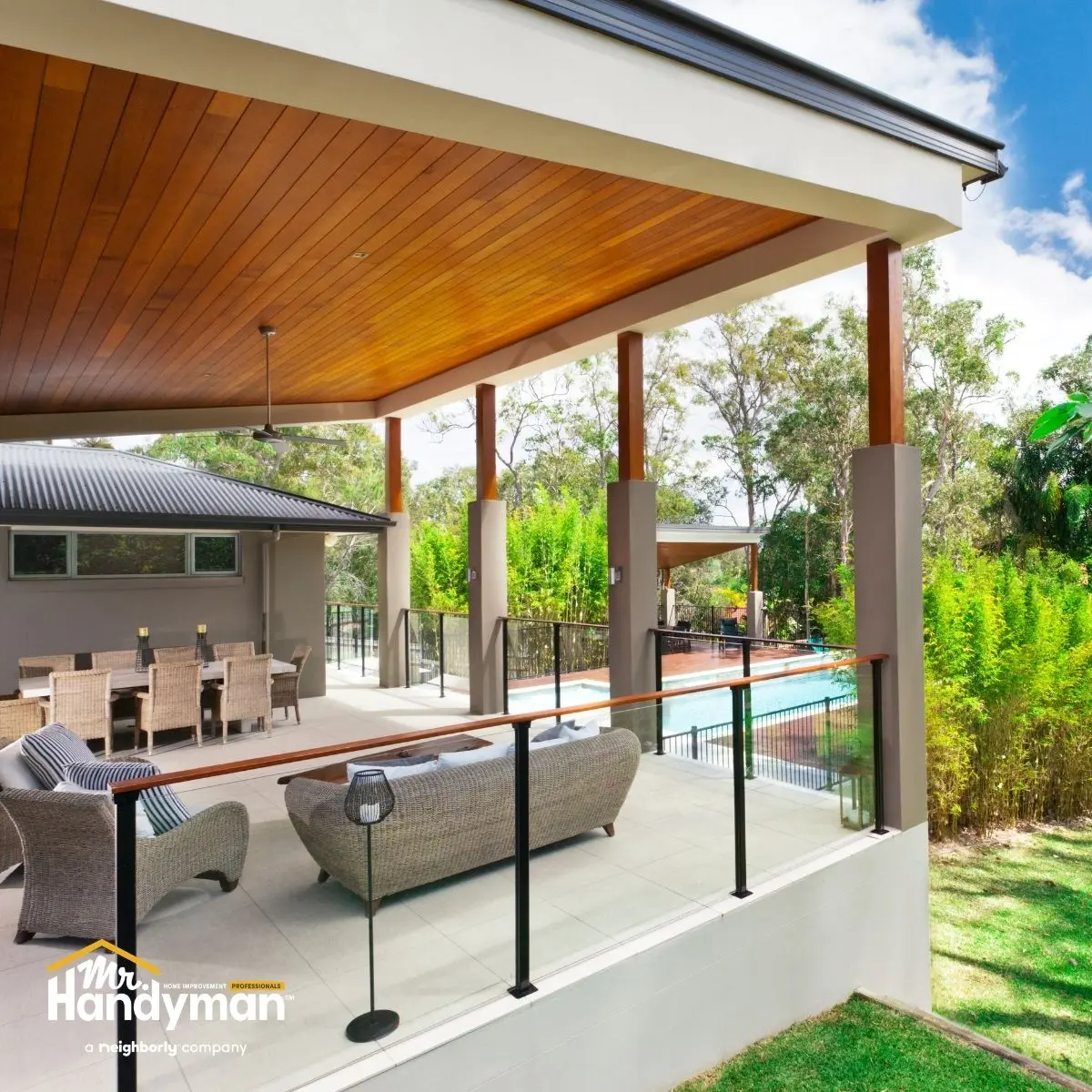
Spring in Middle Tennessee is when homeowners start thinking about their outdoor spaces again. The weather turns mild, daylight extends into the evening, and the urge to spend time outside instead of cooped up indoors becomes impossible to ignore. If you've been looking at your deck, patio, or backyard and thinking about improvements—whether that's adding a pergola, building a fire pit, replacing worn decking, or creating a better outdoor dining area—spring is the time to start.
Outdoor living projects benefit from spring timing for practical reasons that go beyond just nice weather. Contractors have more availability before the summer rush. Materials are easier to source. Ground conditions are workable after winter but before the intense heat and dry spells of July and August. And if you start now, your project is finished and ready to enjoy by Memorial Day when outdoor entertaining season kicks into full gear.
Homes in Murfreesboro, Franklin, Brentwood, Nashville, and Clarksville often have outdoor spaces that were built as afterthoughts—a basic concrete patio poured during construction, a builder-grade deck that's now 20 years old and showing its age, or a backyard that's functional but uninspired. These spaces work, but they don't invite you to use them. They're not designed for entertaining, relaxing, or making the most of the outdoor living lifestyle that's such a big part of life in this region.
Upgrading your outdoor spaces doesn't require a massive budget or a complete overhaul. Strategic improvements—replacing worn materials, adding shade structures, improving seating and dining areas, incorporating lighting—turn underutilized yards into extensions of your home that you actually want to spend time in. Spring gives you the runway to plan, execute, and finish before the season when you'll use these spaces most.
Weather and Ground Conditions Work in Your Favor
Spring weather in Middle Tennessee is mild and cooperative. Temperatures in April and May typically range from the 60s to low 80s, which makes outdoor work comfortable for contractors and allows materials like concrete, stain, and paint to cure properly. Extreme heat in summer can interfere with these processes—concrete sets too quickly, stain dries unevenly, and working in 95-degree heat slows progress and increases the risk of heat-related issues.
Ground conditions in spring are also ideal for projects that involve digging, grading, or pouring footings. The soil has moisture from spring rains, which makes it workable without being waterlogged or rock-hard. By mid-summer, Tennessee soil—especially the clay-heavy soil common in Williamson, Rutherford, and Davidson counties—becomes dense and difficult to work with. In winter, freeze-thaw cycles and saturated ground create their own challenges. Spring hits the sweet spot where the ground is cooperative and the weather supports progress.
Homes in Franklin, Brentwood, and Nolensville with properties that require grading work, drainage improvements, or foundation installations for pergolas, pavilions, or outdoor kitchens benefit from starting in spring when ground conditions allow efficient excavation and compaction. Waiting until summer means fighting hard, dry soil. Waiting until fall means racing against shorter days and unpredictable weather.
Spring also gives you time to address issues before they worsen. If your deck has a few boards that are soft or beginning to rot, replacing them now prevents further deterioration during the heavy-use summer months. If your patio has settled unevenly or developed cracks, leveling and repairing it in spring means you're not dealing with worsening damage or tripping hazards during cookouts and gatherings.
Contractor Availability and Material Lead Times
Contractors who specialize in outdoor projects—decks, patios, pergolas, fencing, landscaping—are busiest from late May through August. By the time summer hits, their schedules are full, and you're competing with everyone else who waited until the last minute to start thinking about outdoor improvements. If you call in June asking to have a deck built before the Fourth of July, you're either getting squeezed into an already packed schedule or waiting until late summer or fall.
Spring is when contractors have availability. They're booking projects, ordering materials, and planning schedules before the summer rush. Starting your project in April or early May means you get better access to the contractors you want, more flexibility in scheduling, and a higher likelihood of finishing on your timeline. Homes in Murfreesboro, Smyrna, and La Vergne looking to add outdoor living spaces benefit from planning early and securing contractor availability before summer demand makes scheduling difficult.
Material lead times also matter. Certain materials—custom railings, specialty decking, outdoor kitchen components, pergola kits—can have lead times of several weeks or more. If you're ordering in March or April, those materials arrive in time for installation in May. If you wait until June, you may be looking at delays that push your project into late summer or fall when you're not using the space as much.
Lumber availability and pricing can also fluctuate. While prices have stabilized compared to the volatility of recent years, planning ahead gives you more control over material selection and sourcing. You're not scrambling to find substitutes because your first choice is backordered or choosing lower-quality materials because you need something immediately.
Decks and Patios: Replace or Refresh Before Heavy Use
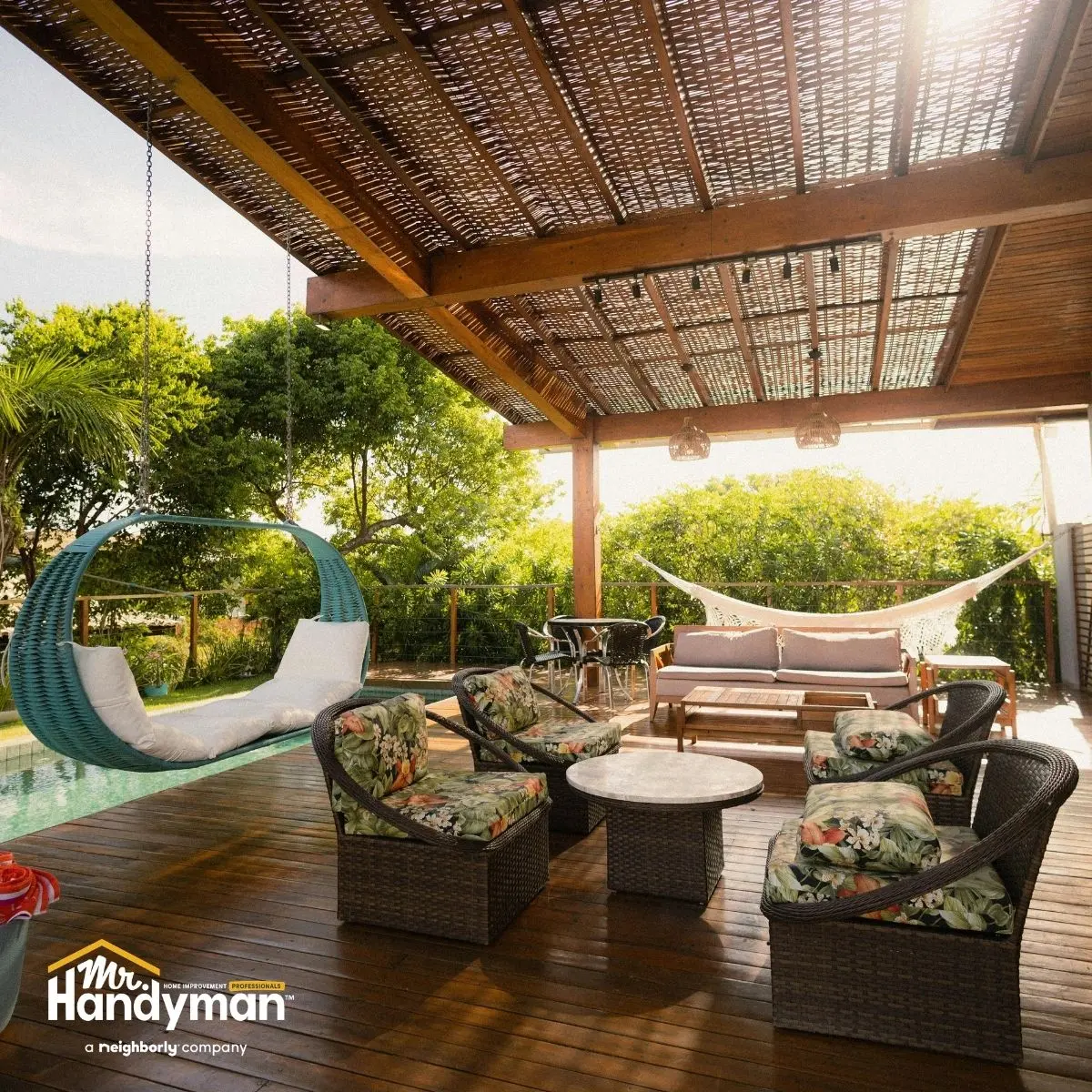
Decks and patios take a beating. They're exposed to sun, rain, freeze-thaw cycles, and constant foot traffic. Over time, wood decks develop soft spots, splinters, and rot. Composite decking fades or develops surface damage. Concrete patios crack, settle, or stain. These issues are easy to ignore when you're not using the space much, but once entertaining season starts, they become obvious problems that affect both safety and aesthetics.
Spring is the time to assess your deck or patio and decide whether it needs replacement, repair, or just a refresh. Walk the surface and check for soft boards, loose railings, protruding fasteners, or areas where the structure feels unstable. Homes in Bellevue, Green Hills, and Dickson with decks built in the 1990s or early 2000s are reaching the age where structural components—joists, beams, ledger boards—may be compromised even if the surface boards still look acceptable.
If your deck needs replacement, spring construction means you're ready for summer use. Building a deck involves footings, framing, decking, and railings, and depending on size and complexity, the project can take one to three weeks. Starting in April means you're finished by late May. Starting in July means you're still under construction during peak outdoor season.
For decks that are structurally sound but looking tired, cleaning, sanding, and restaining or sealing brings them back to life. Pressure washing removes dirt, mildew, and old finish. Sanding smooths rough spots and prepares the surface for new stain. Applying a quality stain or sealer protects the wood and restores the color. This process takes a few days and requires dry weather for proper curing, which makes spring ideal.
Concrete patios that have settled, cracked, or stained benefit from resurfacing, leveling, or repair. Minor cracks can be filled and sealed. Settled sections can sometimes be lifted using mudjacking or foam injection. Severe damage may require replacement, but in many cases, targeted repairs extend the life of the patio for years. Homes in Smyrna, Murfreesboro, and Christiana with older concrete patios often see settling due to soil movement, and addressing it now prevents worsening problems.
Pergolas, Pavilions, and Shade Structures Add Comfort and Value
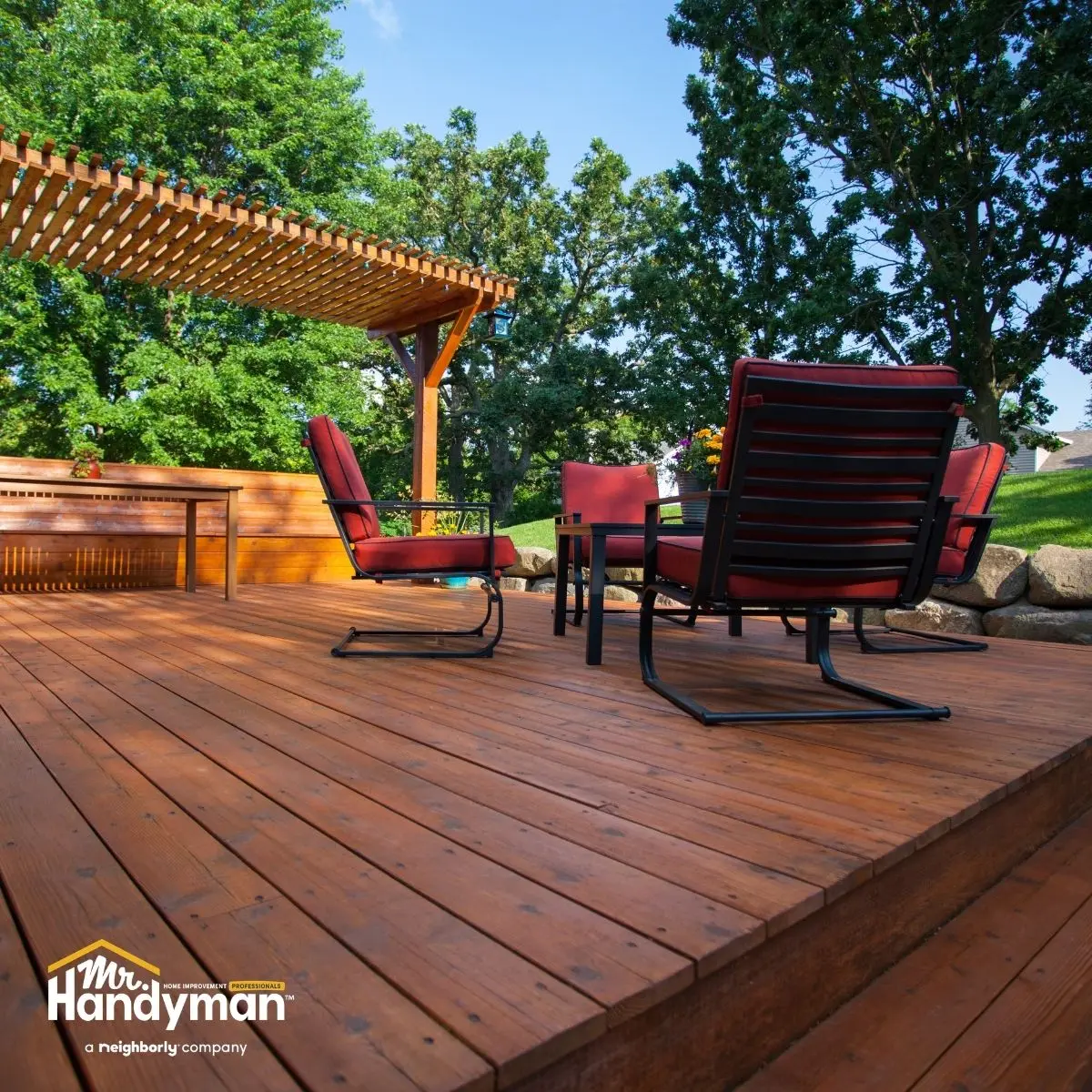
One of the biggest limitations of outdoor spaces in Middle Tennessee is the lack of shade. Summer sun is intense, and without cover, patios and decks become unusable during the hottest part of the day. Adding a pergola, pavilion, or other shade structure transforms how and when you can use your outdoor space, extending its functionality from early morning through evening.
Pergolas provide partial shade and architectural interest. They're ideal for defining outdoor dining or seating areas and can be enhanced with climbing plants, retractable canopies, or shade cloth for additional coverage. Homes in Franklin, Brentwood, and Nashville with open patios benefit from pergolas that create a focal point and make the space feel more intentional and finished.
Pavilions offer full coverage and protect outdoor furniture, grills, and seating areas from rain and sun. They're more substantial than pergolas and require stronger foundations and framing, but they create true outdoor rooms that can be used in almost any weather. If you're serious about outdoor entertaining and want a space that functions rain or shine, a pavilion delivers.
Both structures require permitting, foundation work, and proper installation to handle wind loads and weather exposure. Starting in spring allows time for planning, permitting, material ordering, and construction without rushing. Trying to add a pergola or pavilion in June means competing for contractor time and potentially waiting weeks or months for completion.
Retractable awnings are another option for adding shade without permanent structures. They mount to the house and extend over patios or decks, providing adjustable coverage that can be retracted when not needed. They're less expensive than pergolas or pavilions and work well for homes where architectural restrictions or HOA rules limit permanent structures.
Outdoor Kitchens and Dining Areas Expand Entertaining Options
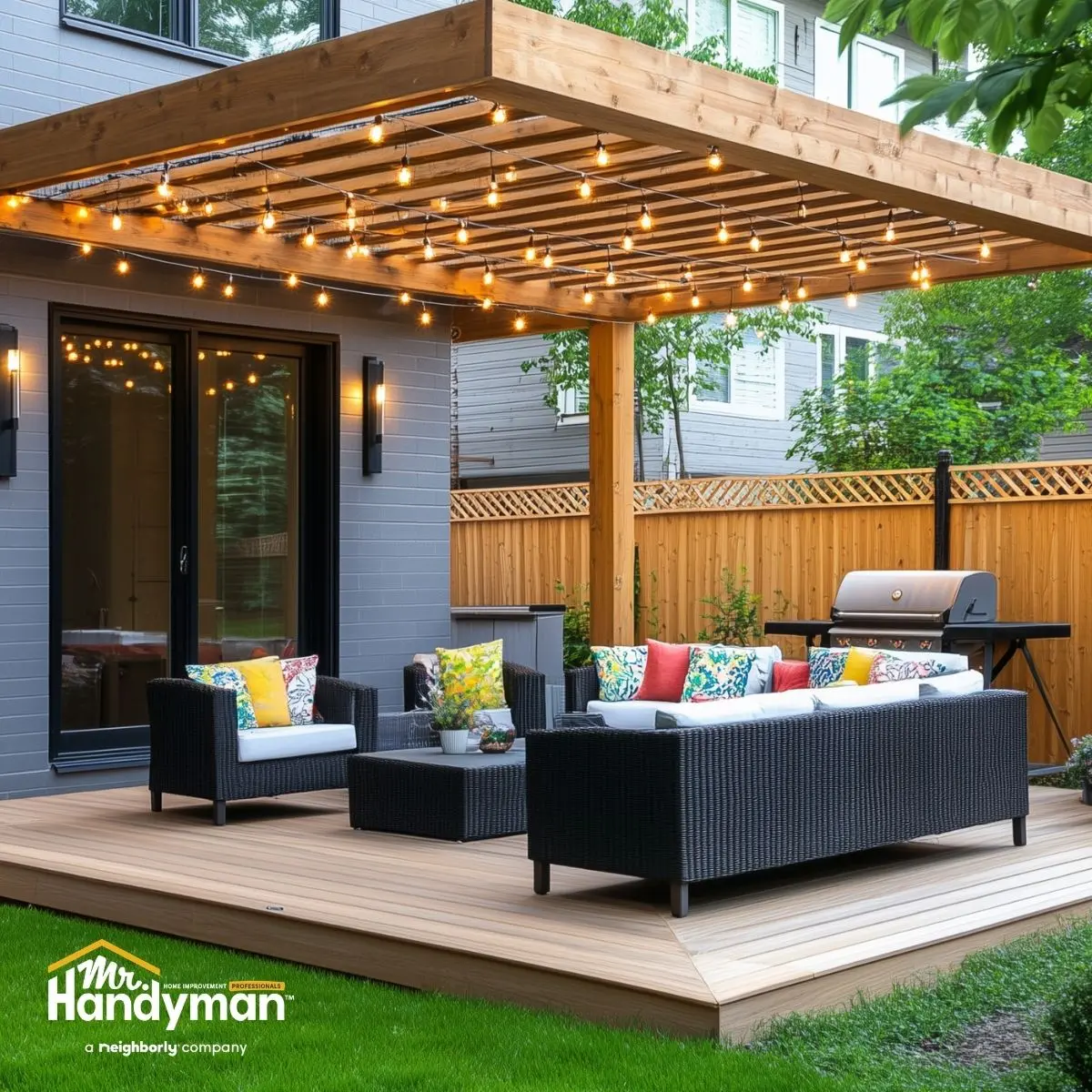
Outdoor kitchens have become increasingly popular as homeowners look to expand their entertaining capabilities beyond the indoor kitchen. A well-designed outdoor kitchen—whether it's a simple setup with a grill and countertop or a full build with a sink, refrigerator, and storage—keeps cooking and cleanup outside, reduces heat and odors inside the house, and creates a social hub where guests naturally gather.
Spring is the right time to plan and build outdoor kitchens because the construction involves plumbing, electrical, gas lines, countertops, and cabinetry—all of which take time to design, permit, and install. Starting now means you're grilling and entertaining in your new outdoor kitchen by summer rather than watching contractors work while everyone else is hosting.
Even if a full outdoor kitchen isn't in the budget, adding a designated prep area with a countertop, storage cabinet, and dedicated space for your grill improves functionality. Homes in Smyrna, La Vergne, and Shelbyville with existing patios or decks can often add these elements without extensive construction, and the impact on usability is immediate.
Outdoor dining areas also benefit from spring upgrades. Replacing worn furniture, adding a dining table that seats more people, or installing a ceiling fan or misting system makes the space more comfortable. Homes in Green Hills, Belle Meade, and Ashland City with covered patios or porches can create true outdoor dining rooms that function from spring through fall with the right furniture and accessories.
Built-in seating—benches with storage, L-shaped sectionals, or seat walls around fire pits—maximizes space and reduces the need for bulky furniture. These elements can be integrated into new deck or patio designs or added to existing spaces as standalone improvements.
Lighting Extends Usability Into the Evening
Outdoor spaces without lighting are only usable during daylight, which limits how and when you can enjoy them. Adding landscape lighting, deck lighting, and patio lighting extends usability into the evening and creates ambiance that makes outdoor spaces feel intentional and inviting.
String lights are one of the easiest, most affordable ways to add overhead lighting. They create a warm, festive atmosphere and work well over patios, decks, and pergolas. LED string lights are energy-efficient, weather-resistant, and available in various styles from Edison bulbs to globe lights.
Recessed deck lights installed in steps, railings, or posts improve safety and visibility without creating glare. They're especially important on stairs and transitions between levels where tripping hazards exist in low light. Homes in Murfreesboro, Franklin, and Brentwood with multilevel decks benefit from integrated lighting that guides movement and highlights architectural features.
Landscape lighting illuminates pathways, trees, and garden beds, creating depth and visual interest after dark. Low-voltage LED systems are easy to install, energy-efficient, and allow you to highlight specific features—a specimen tree, a water feature, or a seating area—that would disappear into darkness without lighting.
Post lights and sconces mounted on pergolas, pavilions, or house walls provide functional task lighting for cooking and dining areas. Dimmable options give you control over brightness and mood, allowing you to create different atmospheres depending on the occasion.
Fire Pits and Outdoor Heating Extend the Season
Fire pits and outdoor heaters extend the usability of your outdoor spaces beyond summer, making spring and fall evenings comfortable and enjoyable. A fire pit becomes a natural gathering spot where people congregate, roast marshmallows, and stay warm as temperatures drop.
Fire pits range from simple portable units to permanent built-in structures with seating walls and gas connections. Wood-burning fire pits create a traditional campfire experience but require more maintenance and cleanup. Gas fire pits are cleaner, easier to control, and can be turned on and off instantly. Homes in Brentwood, Franklin, and Nolensville with larger yards often incorporate fire pits into patio or deck designs as focal points that anchor outdoor living areas.
Patio heaters—either freestanding propane units or mounted electric or gas models—provide targeted warmth for dining and seating areas. They're especially useful in covered spaces like pavilions or screened porches where heat can be retained more effectively.
Adding these features in spring means they're installed and ready to use for cool evenings in May and throughout fall when outdoor temperatures are comfortable during the day but chilly at night.
Frequently Asked Questions
How long does it take to build a deck or patio?
A typical deck takes one to three weeks depending on size and complexity. Concrete patios require excavation, base preparation, and curing time, usually completed in one to two weeks.
Do I need a permit for a pergola or outdoor kitchen?
In most jurisdictions, yes. Structures attached to the house or involving plumbing, gas, or electrical work typically require permits. Check with your local building department before starting.
What's the best material for a deck in Middle Tennessee?
Composite decking is popular because it's low-maintenance, resists rot and insects, and holds up well in humid conditions. Pressure-treated lumber is more affordable but requires regular maintenance.
Can I add outdoor lighting myself?
Low-voltage landscape lighting is DIY-friendly. Line-voltage or hardwired lighting should be installed by a licensed electrician to ensure safety and code compliance.
How much does an outdoor kitchen cost?
Basic setups with a grill, countertop, and storage start around $3,000 to $5,000. Full outdoor kitchens with sinks, refrigerators, and built-in appliances can exceed $15,000 depending on materials and features.
What's the ROI on outdoor living projects?
Decks, patios, and outdoor kitchens typically return 50 to 80 percent of their cost in added home value, and they significantly improve quality of life and enjoyment of your property.
Start Your Outdoor Living Project This Spring
Spring offers the perfect combination of weather, contractor availability, and timing to start outdoor living projects that will be ready for summer entertaining. Whether you're replacing a worn deck, adding a pergola, building an outdoor kitchen, or simply refreshing your patio with new furniture and lighting, starting now means you're enjoying the results when the season hits.
If you're in Murfreesboro, Franklin, Brentwood, Smyrna, Shelbyville, La Vergne, Bellevue, Christiana, Nashville, Belle Meade, Clarksville, Ashland City, Green Hills, Dickson, Antioch, Berry Hill, or any of the surrounding areas, Mr. Handyman of Murfreesboro, Franklin, and Brentwood and Mr. Handyman of West Nashville, Belle Meade, and Clarksville can help you plan and execute outdoor living projects.
Call us or visit
https://www.mrhandyman.com/murfreesboro-smyrna/ or
https://www.mrhandyman.com/nashville-west-south-central/
to schedule a consultation.