
Spring in Middle Tennessee arrives with warming temperatures, unpredictable rain, and the kind of humidity that reminds you winter was not as gentle as it seemed. For homeowners in Murfreesboro, Franklin, and Brentwood, the seasonal shift from cold to warm is one of the most important times of year to pay attention to your plumbing. Pipes that quietly contracted through December and January, fixtures that worked overtime during ice storms, and drains that collected months of buildup are all waiting for your attention. A thorough spring plumbing checklist is not just a good idea here. It is a practical necessity shaped by the specific climate, home age, and building conditions of this region.
Middle Tennessee sits in a climate zone that swings hard. Winters bring freezing temperatures that can drop suddenly and stay low for days at a time, followed by springs that arrive warm and wet. That cycle of freeze, thaw, and heavy rain puts stress on plumbing systems in ways that homeowners do not always notice until something goes wrong. The goal of a spring plumbing walkthrough is to catch the small things before they become expensive repairs.
Why Spring Is the Right Time to Inspect Your Plumbing
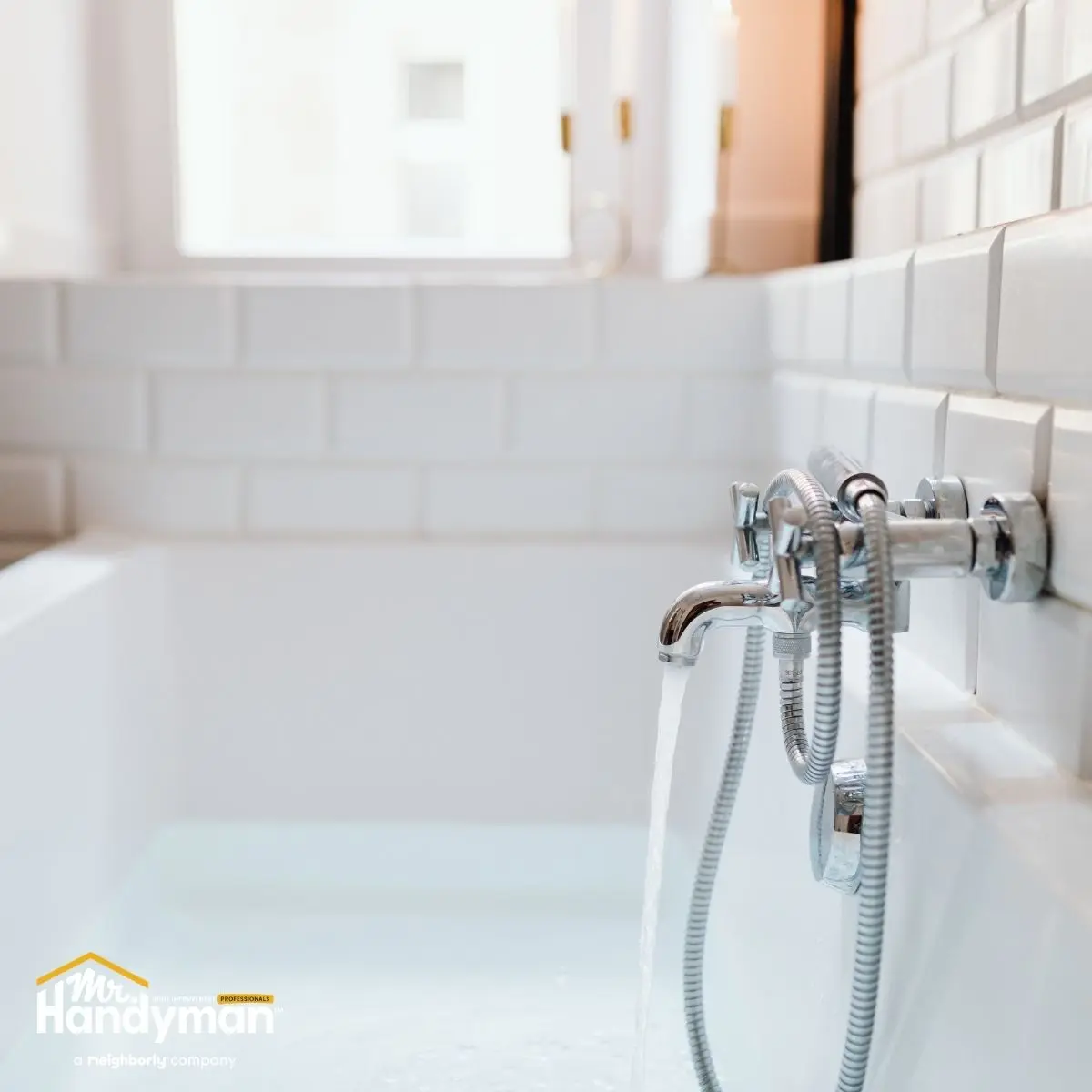
Timing matters when it comes to home maintenance. Spring is not an arbitrary season for plumbing inspections. It follows the period of greatest stress your pipes and fixtures experience all year. During winter, water inside pipes can expand when temperatures drop, putting pressure on joints, fittings, and pipe walls. Even if a pipe does not fully freeze and burst, small cracks or weakened seals can develop that go undetected until water pressure or warmer temperatures reveal the damage.
In Murfreesboro, Franklin, and Brentwood, older neighborhoods are especially vulnerable. Franklin in particular has a significant number of homes built in the 1970s, 1980s, and earlier, where galvanized steel or older copper piping may already be showing signs of age. When those materials face repeated seasonal stress, the margin for error narrows every year. A spring inspection gives you the opportunity to identify vulnerabilities before the heat of summer increases water demand and raises the stakes.
Spring also brings increased rainfall across Middle Tennessee. Brentwood and Murfreesboro both see meaningful precipitation in March, April, and May, which puts pressure on exterior drainage, yard lines, and anything connected to your home's water management system. Gutters and downspouts that drain near your foundation can saturate the soil and put hydrostatic pressure on basement walls and crawl space plumbing. Catching drainage problems in spring prevents the kind of moisture intrusion that quietly damages a home over years.
Checking Every Faucet and Fixture Indoors
Start your spring plumbing inspection inside the home. Go room by room and turn on every faucet, including those in bathrooms you rarely use, utility sinks, and laundry connections. You are looking for a few specific things.
First, check for any reduction in water pressure. If a faucet that previously ran strong is now delivering a weak stream, the aerator may be clogged with mineral deposits, or there could be a partially closed shutoff valve behind the wall. Middle Tennessee water, depending on your municipality, can carry enough dissolved minerals to build up inside aerators and showerheads over a single season. This is a common and easily overlooked issue in Murfreesboro homes on city water.
Second, listen carefully while the water runs. Banging, rattling, or vibrating sounds when you open a faucet can indicate loose pipe straps, water hammer, or pipes that shifted during freeze and thaw cycles. These sounds are easy to dismiss, but they often point to pipes that are moving when they should not be. Pipes that move repeatedly wear down their fittings and connections over time.
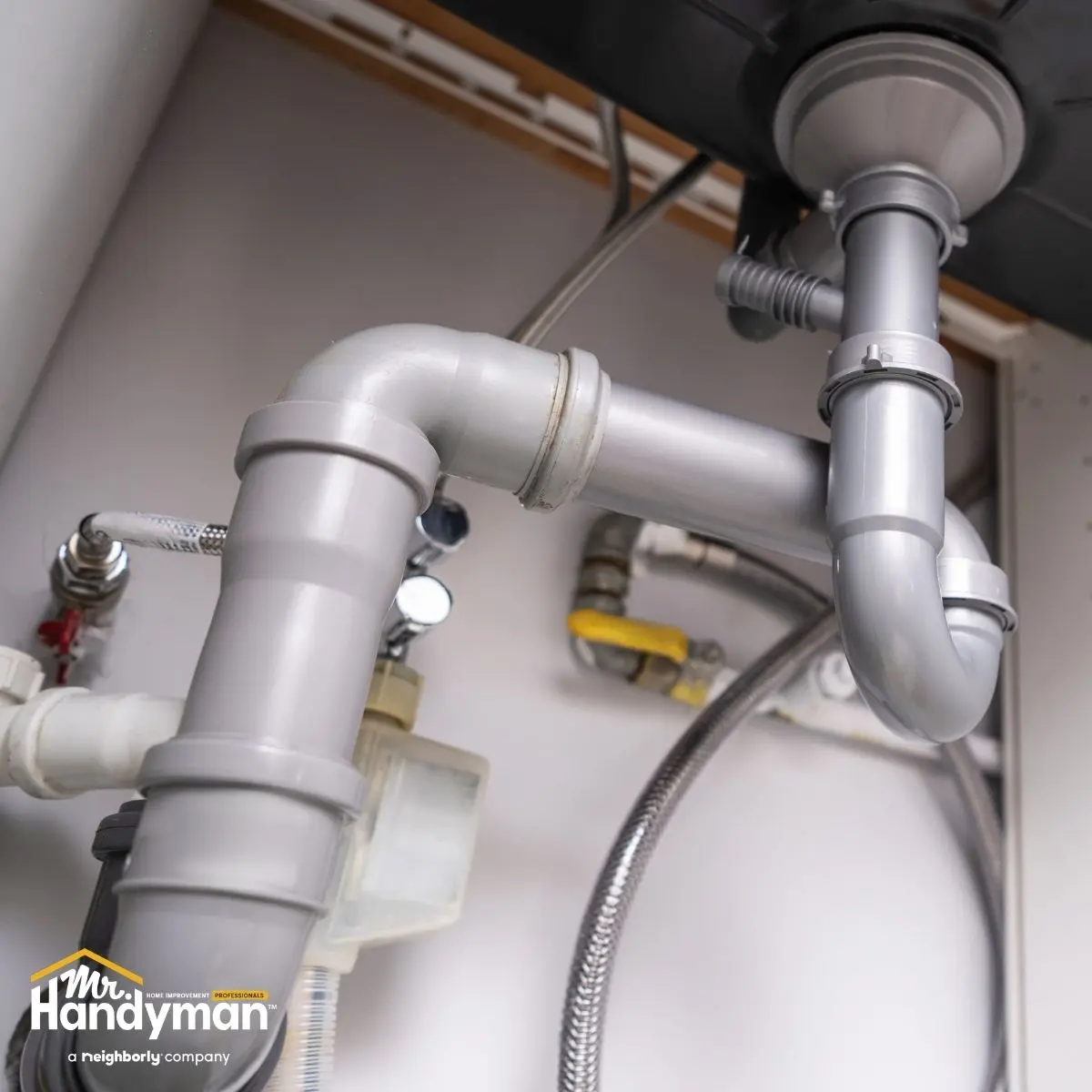
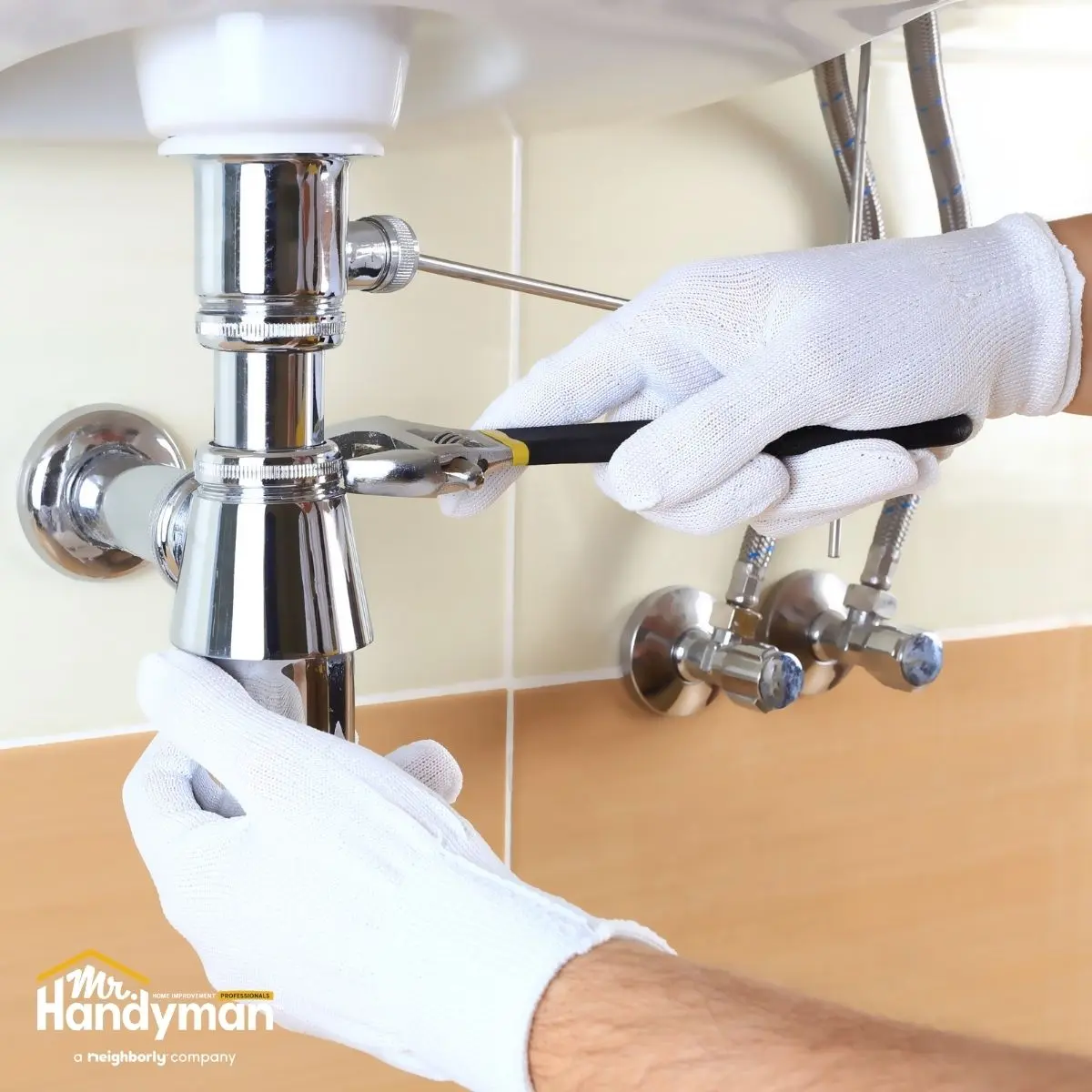
Third, check under every sink. Look at the drain line, the supply lines, and the shutoff valves. You are looking for moisture, staining, or any sign of a slow drip. Slow drips under sinks are among the most common sources of hidden water damage in homes. Because cabinet interiors stay dark and are rarely opened, a small leak can go unnoticed for months, softening the cabinet floor, promoting mold growth, and eventually affecting the subfloor beneath.
Water Heater Inspection and Seasonal Maintenance
Your water heater worked hard through winter. In colder months, incoming water temperature drops significantly, which means your water heater runs longer and more frequently to reach the set temperature. That increased workload accelerates sediment buildup at the bottom of the tank, which reduces efficiency and puts stress on the heating element.
Spring is an ideal time to flush the water heater tank. Sediment that accumulates at the bottom acts as an insulating layer between the burner and the water, forcing the unit to use more energy to heat the same amount of water. In homes with older water heaters, this buildup can also create a popping or rumbling sound during heating cycles, which many homeowners mistake for a serious mechanical failure when it is actually a sediment issue that can be addressed relatively simply.
While inspecting the water heater, check the pressure relief valve. This valve is a critical safety component that releases pressure if the tank exceeds safe operating limits. If the valve is corroded, stuck, or has not been tested in several years, it may not function when it needs to. A failed pressure relief valve is a serious hazard, and in older homes throughout Brentwood and Franklin where water heaters may be original to the home, this check should never be skipped.
Also look at the area around the base of the tank. Any moisture, rust staining, or white mineral deposits on the floor near the water heater can indicate a slow leak from the tank drain, the connections, or the tank body itself. Catching these signs early gives you time to plan a replacement rather than dealing with an emergency.
Outdoor Plumbing and Hose Bibs
Once the indoor inspection is complete, move outside. Your exterior plumbing faced the harshest conditions of the year and deserves careful attention before you reconnect hoses and start using outdoor spigots regularly.
Turn on each hose bib slowly and watch for a moment before assuming everything is fine. If the spigot drips from the handle, the packing washer inside may have dried out or cracked over winter. If you notice water coming from inside the wall near the spigot rather than from the spigot itself, a pipe behind the wall may have cracked during a freeze. This is more common than most homeowners realize, and it is one of those issues that does not always reveal itself immediately. The crack may be small enough that water only appears when the spigot is opened and pressure builds.
Frost-free hose bibs, which are common in newer construction in Brentwood and parts of Franklin, are designed to prevent freezing by keeping the shutoff point inside the warm wall. However, if a hose was left attached through winter, the frost-free design is defeated because standing water cannot drain from the pipe. Checking those connections and removing any winter damage before regular use begins is a critical step that is often skipped.
Inspecting Drains, Toilets, and Water Supply Lines
Slow drains in spring are often the result of buildup that accumulated over winter when household activity levels tend to change. Kitchen drains, in particular, collect grease and soap residue that cools and solidifies along pipe walls during cold months. Running hot water and using a safe drain cleaner or a plumbing snake can clear minor blockages before they become full clogs.
Toilets deserve their own dedicated check. A toilet that runs intermittently, often called a phantom flush, is wasting water continuously. The culprit is almost always a worn flapper that no longer seals properly. A single running toilet can waste hundreds of gallons of water per month, showing up quietly on your water bill without ever becoming an obvious flood or overflow.
Check the supply lines running to toilets and sinks. These braided or ribbed lines connect the shutoff valve to the fixture and have a limited service life. Lines that are more than seven to ten years old, that show any cracking, bulging, or corrosion at the fittings, should be replaced proactively. A supply line failure can release a significant amount of water in a very short time, and because they often fail when no one is home, the resulting water damage can be severe.
How Middle Tennessee Homes Face Unique Plumbing Pressures
Murfreesboro, Franklin, and Brentwood are not cookie-cutter communities, and their plumbing challenges are not cookie-cutter either. Each area has its own mix of home ages, building styles, soil conditions, and water quality realities that shape how plumbing systems age and fail. Understanding those local specifics is what separates a general plumbing checklist from one that actually serves homeowners in this part of Tennessee.
Murfreesboro has grown rapidly over the past two decades, meaning the housing stock ranges from historic homes near the downtown square to brand-new subdivisions on the eastern edges of the city. Older homes in established neighborhoods may have cast iron drain lines, galvanized supply pipes, or original fixtures that were installed decades ago. Newer construction may use PVC or PEX, which handles seasonal stress differently. Regardless of which category your home falls into, the spring inspection process matters because plumbing problems do not wait for a convenient time to reveal themselves.
Franklin's older neighborhoods, particularly those around the historic district and the established subdivisions west of I-65, have homes with significant age. Crawl space construction is common in this area, and crawl spaces introduce a specific set of plumbing vulnerabilities. Pipes running through crawl spaces are exposed to outside air temperatures, which means they are among the first to feel the effects of a cold snap and the last to warm up in spring. If insulation around those pipes degraded over winter or was never adequate to begin with, you may be dealing with stress damage that is not visible from inside the home.
Brentwood, known for its larger homes and established tree canopy, presents its own plumbing considerations. Mature tree root systems are a real and ongoing threat to sewer lines in this community. Roots naturally seek moisture, and the small cracks and joints in older sewer pipes are exactly the kind of entry points roots exploit. A sewer line that has root intrusion will drain slowly at first, then progressively worse over time. Spring is a good time to think about whether your drains have been sluggish all winter, because what feels like a minor inconvenience now can become a full blockage or pipe collapse if ignored.
Room by Room: What to Look For and Why It Matters
Kitchen
The kitchen is one of the highest-demand plumbing areas in any home. The sink handles daily dishwashing, food prep, and cooking, while the dishwasher connection and garbage disposal add additional stress points. After a winter of heavier cooking and indoor activity, spring is a good time to check the condition of the disposal, the drain line beneath the sink, and the supply lines to the dishwasher.
Look at the area under the kitchen sink carefully. Even a slow drip from the disposal flange or the drain basket can introduce moisture into the cabinet and subfloor over time. In homes where the kitchen is positioned over a crawl space, as is common in parts of Franklin and older Murfreesboro neighborhoods, that moisture can travel downward and affect structural components.
Check where the dishwasher drain hose connects to the disposal or the drain under the sink. These connections use clamps and rubber fittings that degrade over time. A loose or cracked dishwasher drain connection is a common source of hidden leaks that only become apparent after significant water damage has already occurred beneath the floor.
Bathrooms
Every bathroom in your home deserves attention, not just the primary one. Guest bathrooms and secondary bathrooms that are used infrequently are particularly prone to problems because their fixtures sit idle for long periods. Toilet seals can dry out, supply lines can stiffen and crack, and trap water in drain pipes can evaporate, allowing sewer gases to enter the home.
Run every toilet, every shower, and every sink in the house. Check for wobble at the base of toilets, which can indicate a failing wax ring seal. A toilet that rocks even slightly is allowing the wax ring beneath it to compress unevenly, which eventually breaks the seal and allows sewer gases and water to escape. This is a repair that is straightforward when caught early and significantly more involved once subfloor damage has occurred.
Check caulking around tub and shower enclosures. Winter temperature changes and the natural expansion and contraction of building materials can cause caulk to pull away from the tub or tile. When the caulk seal breaks, water from showering and bathing finds its way into the wall cavity. In Middle Tennessee's humid spring climate, that moisture inside a wall creates ideal conditions for mold growth that can spread well beyond the visible surface before it is discovered.
Laundry Room
The laundry room contains one of the highest-risk plumbing connections in the entire house. Washing machine supply hoses, particularly the older rubber style, have a failure rate that increases sharply after five years of use. A washing machine supply hose that fails while the machine is running can release water at the full pressure of your home's supply line, flooding the laundry room and any adjacent spaces in minutes.
Spring is the right time to inspect those hoses carefully. Look for any bulging, cracking, or corrosion at the fittings where the hose connects to the wall valve and the machine itself. If those hoses are original to a home built more than five years ago and have never been replaced, replacing them now with stainless steel braided hoses is one of the highest-value preventative steps a homeowner can take.
Also check the washing machine drain hose where it connects to the standpipe or utility sink. These connections are often loose and can work themselves out during the vibration of spin cycles, particularly in machines that are not properly leveled.
Frequently Asked Questions
How do I know if I have a slow leak I cannot see?
One of the most reliable methods is to check your water meter. Turn off every water source in the home, including appliances and ice makers, then locate your meter and check whether the dial or digital display is moving. If it is, water is moving through your system even though nothing should be running. You can also monitor your monthly water bill over several months. An unexplained increase in usage without a change in habits is a strong indicator of a hidden leak.
Is it normal for water pressure to change between winter and spring?
Some variation is normal due to changes in municipal supply pressure during high-demand periods. However, if you notice a significant and persistent drop in pressure at specific fixtures, it is more likely a localized issue such as a clogged aerator, a partially closed valve, or early-stage pipe corrosion. Pressure changes that affect the whole house rather than a single fixture can indicate a problem with the pressure regulator, which is a component worth having inspected by a professional.
How often should I flush my water heater?
For most homes in Murfreesboro, Franklin, and Brentwood, flushing the water heater once a year is a reasonable maintenance interval. Homes with harder water may benefit from flushing twice a year. The goal is to remove sediment before it compresses into a dense layer at the bottom of the tank. A water heater that has never been flushed and is more than ten years old may require professional assessment before flushing, as disturbing heavy sediment in an aged tank can sometimes reveal existing weaknesses in the tank itself.
What are the signs that tree roots are affecting my sewer line?
The most common early sign is slow draining that affects multiple fixtures at once rather than just one drain. If your toilets are slow to flush and your bathtub drains slowly at the same time, the problem is likely in the main line rather than a branch line. Gurgling sounds from toilets when other drains are used, and sewage odors in the yard near the sewer cleanout, are also warning signs. A sewer camera inspection is the definitive way to assess the condition of the line.
Should I be concerned about my outdoor spigots after winter?
Yes, and they deserve more attention than most homeowners give them. Even frost-free hose bibs can fail if a hose was left attached through freezing temperatures. The first time you use an outdoor spigot in spring, turn it on slowly and watch closely, both at the spigot itself and at the exterior wall around it. If you see water weeping from the wall or hear any unusual sounds, shut it off and have it inspected before using it further.
When does a plumbing issue become something I should not handle myself?
Any time you are dealing with a problem inside the wall, under the slab, or in the main supply or drain lines, professional assessment is the right call. Small surface repairs such as replacing an aerator, swapping a supply line, or re-caulking a tub are reasonable DIY tasks for a prepared homeowner. But anything involving shutoff valves, water heater components, or signs of water damage behind walls carries enough risk that the cost of professional help is far less than the cost of a mistake.
Your Spring Plumbing Checklist Starts with One Call
Catching plumbing problems in spring, before the heat of summer raises water demand and the stakes of any failure, is one of the smartest maintenance decisions a Middle Tennessee homeowner can make. The issues covered in this guide are real, common, and largely preventable when identified early. What separates a minor repair from a major renovation is usually just time, and spring gives you that time if you use it wisely.
Mr. Handyman of Murfreesboro, Franklin, and Brentwood has the experience and local knowledge to walk through your home's plumbing with a trained eye. From water heater checks and supply line replacements to outdoor spigot repairs and under-sink inspections, the team brings professional skill and honest assessment to every job. Small repairs handled now prevent the kind of damage that disrupts daily life and strains budgets later.
To schedule a spring plumbing inspection or to get help with any repair on your list, reach out to Mr. Handyman of Murfreesboro, Franklin, and Brentwood.
Website: https://www.mrhandyman.com/murfreesboro-smyrna/
Serving homeowners throughout Murfreesboro, Franklin, and Brentwood with the professionalism and reliability your home deserves.