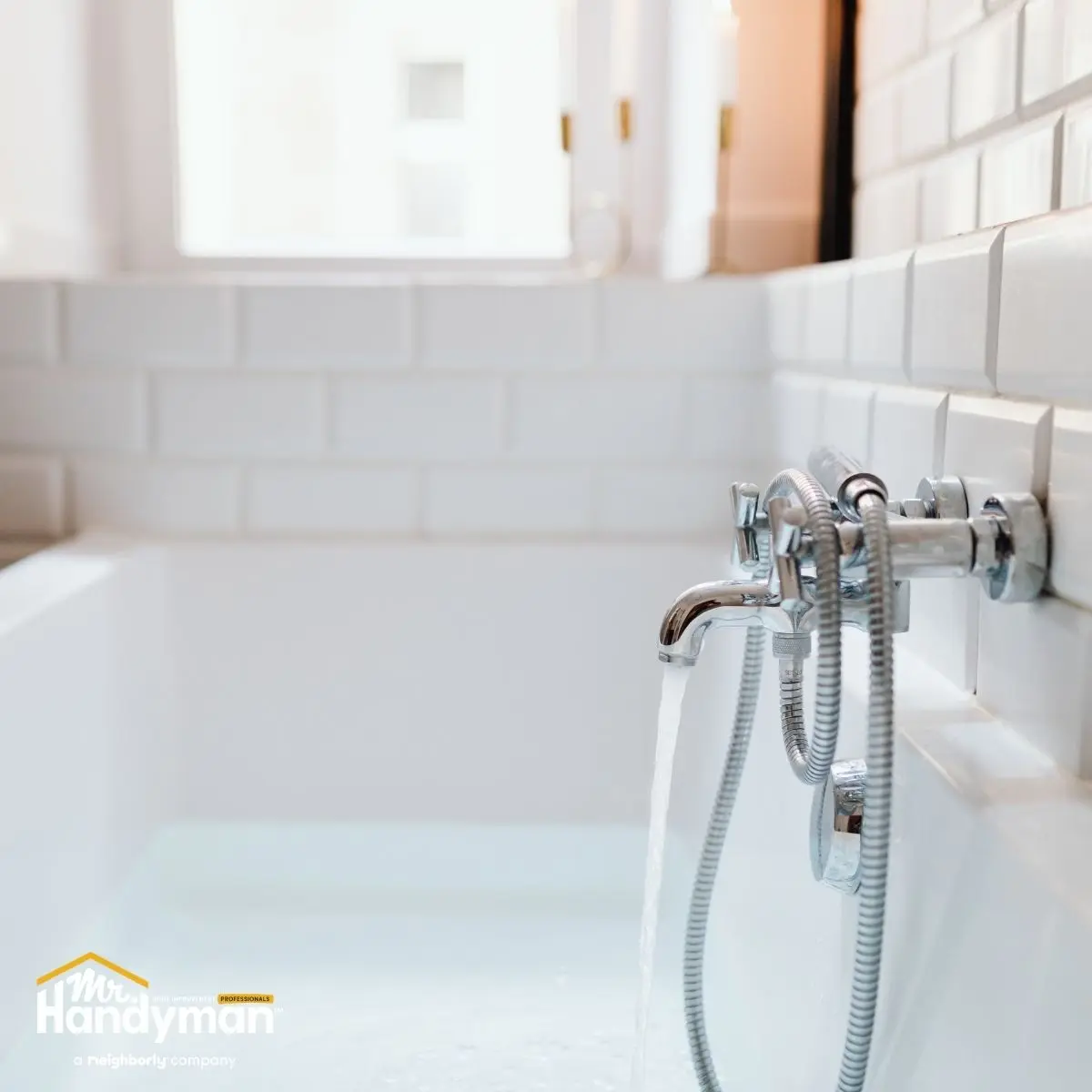
Spring in Middle Tennessee feels like a reset. After months of cold snaps, fluctuating temperatures, and increased indoor water usage, homes across Murfreesboro, Franklin, Brentwood, Nashville, Belle Meade, and Clarksville begin transitioning into warmer, wetter, and more humid conditions. While many homeowners focus on cleaning, landscaping, and outdoor projects this time of year, plumbing systems quietly shift under new seasonal stress.
Spring is one of the most important times of the year for preventative plumbing maintenance in this region. Winter may not bring months of deep freeze like northern states, but Tennessee’s sudden cold spells, freeze-thaw cycles, heavy spring rains, and rising humidity can expose weaknesses in plumbing systems very quickly. Small issues that formed during winter often surface in spring, and addressing them early helps homeowners avoid emergency repairs during the busy summer months.
Understanding what to check, why it matters locally, and how winter stress impacts plumbing systems can make spring maintenance far more effective and prevent costly damage later in the year.
Why Spring Is a Critical Season for Plumbing in Middle Tennessee
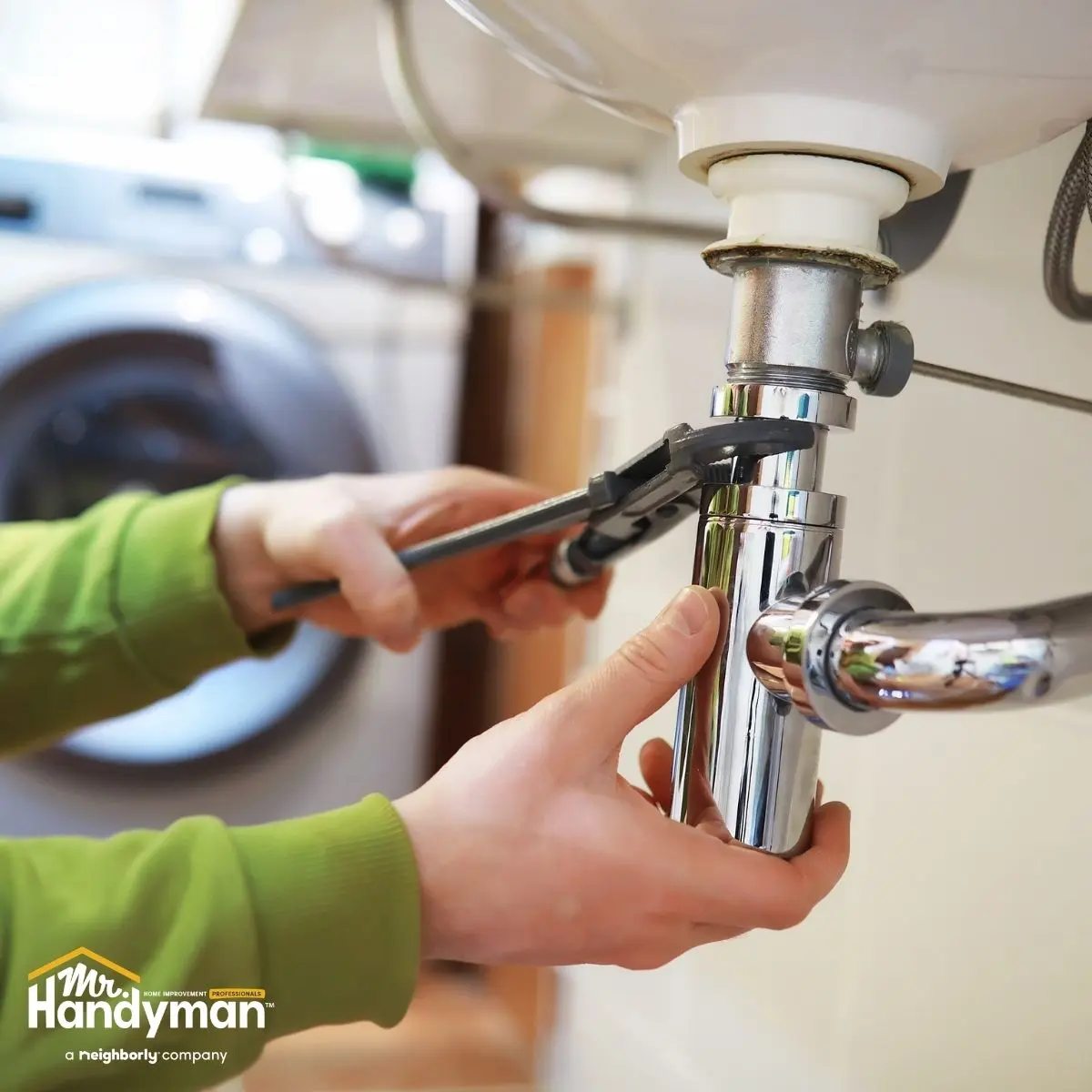
Unlike regions with consistent winters, Middle Tennessee experiences unpredictable temperature swings. A week of mild weather can suddenly drop below freezing overnight, then warm back up within days. This cycle causes pipes to expand and contract repeatedly, placing stress on connections, seals, and valves throughout the home.
During winter, plumbing systems also work harder than usual. More indoor time means increased water usage from showers, laundry, cooking, and dishwashing. Holiday gatherings and winter routines add additional strain. By the time spring arrives, many plumbing components have experienced months of heavier-than-normal use.
Spring rain introduces another major factor. Murfreesboro, Franklin, Nashville, and surrounding areas often experience intense rainfall during the spring months. Ground saturation, rising water tables, and heavy storms can put pressure on drainage systems, sump pumps, and outdoor plumbing fixtures.
Humidity also begins rising quickly in late spring. Moist air accelerates corrosion and encourages condensation on pipes, which can lead to hidden moisture problems inside walls and under sinks.
These regional factors make spring the ideal time to inspect plumbing systems before summer heat and peak water usage arrive.
Inspecting for Hidden Winter Pipe Damage
Even when pipes do not freeze completely, winter temperature swings can create small cracks and weakened connections that go unnoticed. These tiny fractures often remain hidden until warmer temperatures return and water usage increases.
Spring is the perfect time to check exposed plumbing lines in garages, basements, crawl spaces, and utility rooms. Look for discoloration, moisture, or mineral deposits on pipes and fittings. These signs often indicate slow leaks that developed during winter.
Pay close attention to areas where pipes pass through exterior walls. These locations are especially vulnerable to temperature changes and often experience the most expansion and contraction.
Homeowners in older Franklin and Nashville homes should be especially vigilant. Aging pipes combined with seasonal stress increase the likelihood of small leaks forming over winter months. Catching these issues early can prevent water damage, mold growth, and costly repairs later in the year.
Checking Outdoor Faucets and Hose Bibs
Outdoor plumbing fixtures face some of the harshest winter conditions. Hose bibs and exterior faucets are directly exposed to cold temperatures and freezing winds. Even if they were winterized, freeze-thaw cycles can still cause damage.
When turning outdoor faucets back on for the season, check for weak water pressure, dripping, or water pooling around the foundation. These symptoms often indicate a cracked pipe inside the wall.
A damaged outdoor faucet can leak inside the home without being immediately visible. Water may slowly collect behind walls or beneath flooring, causing damage long before it becomes obvious.
Testing these fixtures early in spring helps prevent hidden leaks from continuing unnoticed through the rainy season.
Evaluating Water Pressure After Winter
Changes in water pressure are common after winter. Mineral buildup, shifting pipes, and worn valves can all affect how water flows through the home.
Low water pressure may indicate hidden leaks or partially blocked pipes. High water pressure can be equally problematic, placing excess strain on plumbing fixtures and increasing the risk of leaks.
Middle Tennessee’s mineral-rich water can gradually accumulate inside pipes and fixtures. Over time, this buildup restricts water flow and forces plumbing components to work harder.
Checking water pressure in spring helps identify early warning signs before they become larger problems during peak summer usage.
Inspecting Toilets for Leaks and Efficiency
Toilets often work harder during winter months when households spend more time indoors. Increased usage can accelerate wear on internal components such as flappers, fill valves, and seals.
Spring is an ideal time to test toilets for silent leaks. Adding a few drops of food coloring to the tank and waiting several minutes without flushing can reveal leaks into the bowl. If color appears in the bowl, water is escaping continuously.
Silent toilet leaks waste large amounts of water and increase utility bills. Addressing them early helps conserve water and prevent additional wear on plumbing systems.
Checking Under Sinks and Around Fixtures
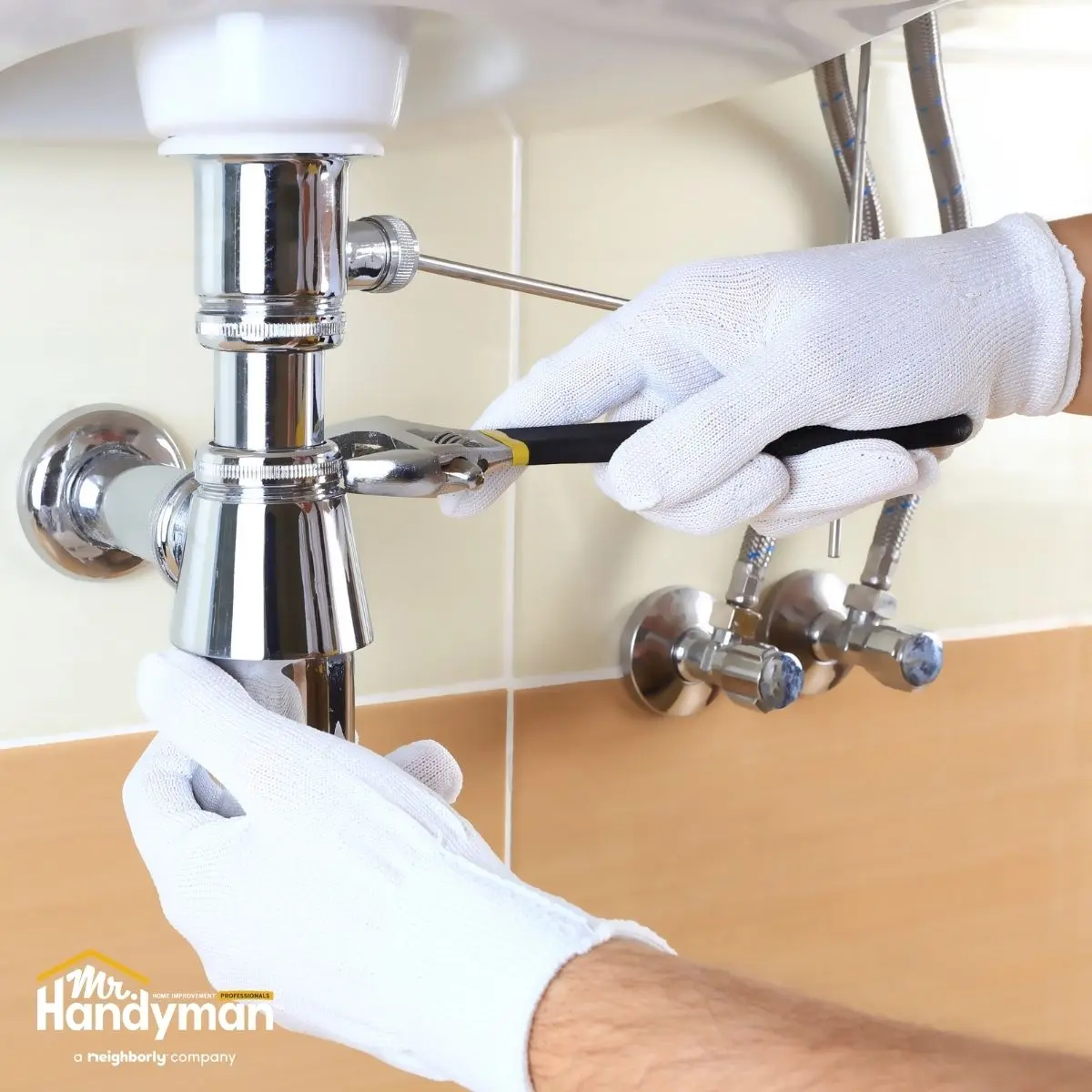
Cabinets under sinks provide easy access to plumbing connections that may have experienced winter stress. Inspect supply lines, shutoff valves, and drain pipes for moisture, corrosion, or mineral buildup.
Humidity increases in spring, making hidden leaks more likely to worsen quickly. Small drips can create damp environments that encourage mold growth and wood damage inside cabinets.
Regular inspection of these areas helps catch problems early while repairs remain simple and manageable.
Inspecting Water Heater Performance After Winter
Water heaters work hardest during colder months. Incoming water temperatures drop in winter, requiring heaters to work longer and harder to deliver hot water.
By spring, sediment buildup may have increased inside the tank. This buildup reduces efficiency, increases energy usage, and shortens the lifespan of the unit.
Listening for popping or rumbling sounds can indicate sediment accumulation. Spring is the ideal time to evaluate water heater performance before summer usage patterns shift again.
Examining Washing Machine and Dishwasher Connections
Appliances that use water often operate more frequently during winter months. Increased laundry, cooking, and indoor activity place extra strain on supply hoses and drain lines.
Spring inspections should include checking hoses for cracks, bulging, or brittleness. These signs indicate aging materials that may fail unexpectedly.
Replacing worn hoses before they burst helps prevent sudden water damage and costly cleanup.
Why Preventative Plumbing Maintenance Matters
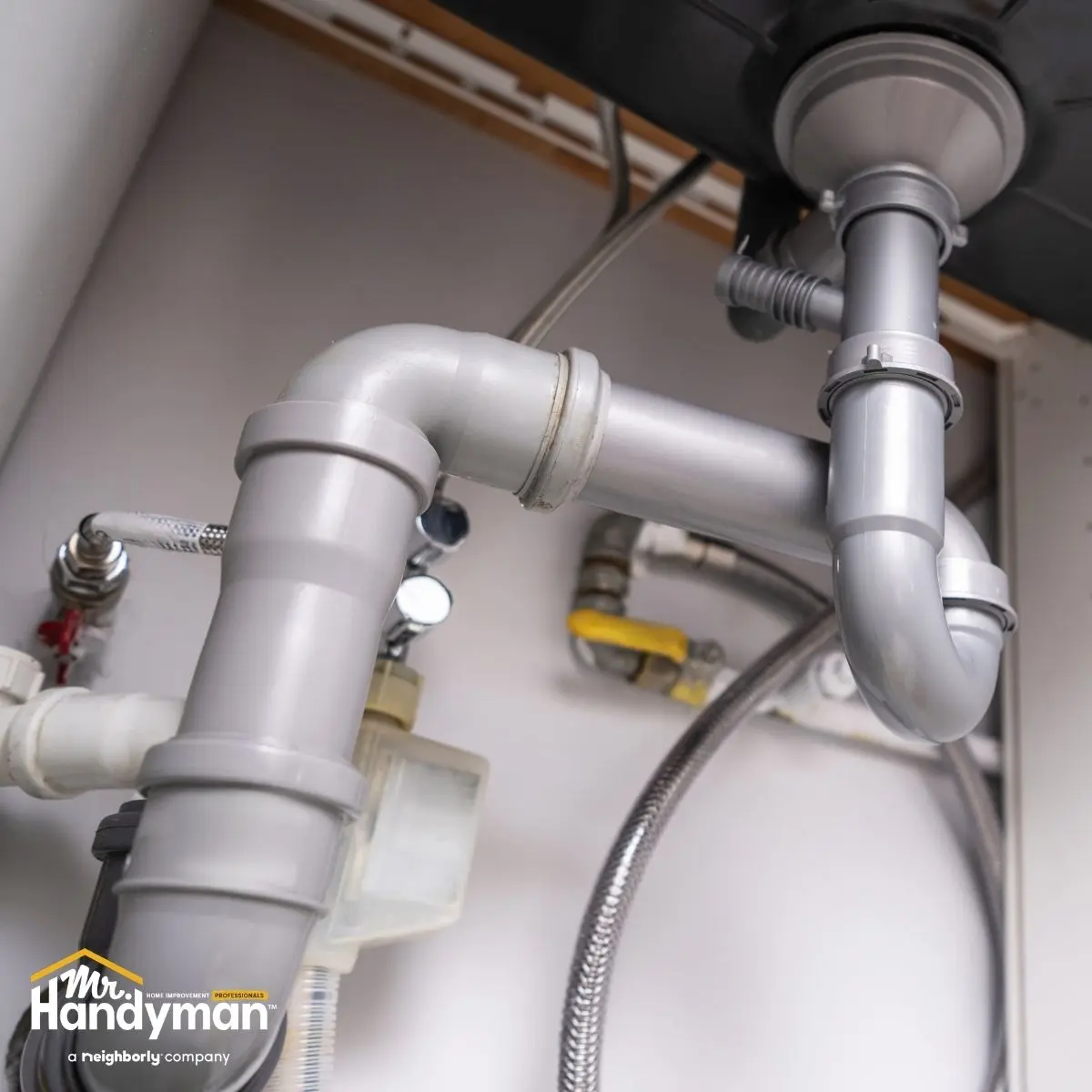
Spring plumbing maintenance is about more than preventing emergencies. It is about understanding how seasonal changes affect homes in Murfreesboro, Franklin, Brentwood, Nashville, Belle Meade, and Clarksville.
Small issues often develop quietly during winter and reveal themselves once warmer temperatures arrive. Addressing these concerns early helps homeowners avoid costly repairs, reduce water waste, and keep plumbing systems operating efficiently year-round.
A proactive spring checklist ensures homes are prepared for increased water usage, rising humidity, and heavy rainfall that define the months ahead.
Room-by-Room Plumbing Checks That Matter in Spring
Once the major plumbing components have been inspected, a deeper look at how plumbing functions throughout the home helps uncover smaller issues that often go unnoticed. Spring is the perfect time to move room by room and think about how daily habits, winter usage patterns, and rising humidity affect each space differently.
In kitchens, sinks and garbage disposals typically see heavy winter use from holiday cooking, indoor entertaining, and increased meal preparation. By spring, disposal blades may be dull, drain lines may have grease buildup, and seals around sink basins may have loosened. Slow drainage, mild odors, or gurgling sounds often signal buildup inside pipes that worsens as temperatures rise. Warmer weather softens grease and soap residue inside drain lines, allowing buildup to shift and create clogs.
Bathrooms deserve equal attention. Showers and tubs experience heavier winter usage, and mineral-rich water in Middle Tennessee can leave deposits on fixtures and inside pipes. Showerheads may show reduced flow, and tub drains may begin to slow. Early attention prevents summer humidity from compounding moisture problems and encourages efficient water use heading into warmer months.
Laundry rooms often operate year-round without much inspection. During winter, washing machines work harder as heavier fabrics and bedding are washed more frequently. Spring is the right time to inspect drain hoses, standpipes, and nearby shutoff valves for signs of wear or moisture.
These room-by-room inspections help homeowners catch early warning signs before small problems escalate into larger repairs.
Spring Rain and Drainage System Awareness
Spring storms in Murfreesboro, Franklin, Nashville, Belle Meade, and Clarksville can be intense and frequent. Heavy rainfall tests drainage systems in ways that winter does not. Gutters, downspouts, and exterior drainage play a direct role in protecting plumbing systems and foundations.
When rainwater is not directed away from the home effectively, it can saturate soil around the foundation. This pressure can affect underground plumbing lines and contribute to slow drainage inside the home.
Floor drains in basements or garages should be tested during spring to ensure they are clear and functioning. Pouring water into the drain and confirming proper flow helps verify that the system can handle heavy rainfall.
Homes with sump pumps should also test their operation. Spring storms can arrive quickly, and a sump pump that has not been used in months may fail when needed most.
Proactive drainage checks reduce the risk of flooding, water intrusion, and plumbing strain during the wettest months of the year.
How Humidity Changes Plumbing Risks
Middle Tennessee humidity rises quickly in late spring and summer. This shift affects plumbing systems in subtle but important ways.
Condensation forms more easily on cold water pipes when warm, moist air enters the home. This condensation can drip onto flooring, cabinetry, and insulation, creating hidden moisture issues. Over time, persistent condensation can lead to mold growth and wood damage.
Insulating exposed pipes helps reduce condensation and maintain consistent pipe temperatures. This simple step protects surrounding materials and improves energy efficiency.
Humidity also accelerates corrosion. Metal fixtures, valves, and connections exposed to moist air may deteriorate faster if not inspected regularly. Identifying early corrosion helps prevent leaks and unexpected failures.
Understanding how humidity interacts with plumbing systems allows homeowners to take preventative action before summer conditions intensify.
Preparing for Increased Summer Water Usage
Spring plumbing maintenance also prepares homes for the higher water usage that summer brings. Lawn watering, gardening, outdoor cleaning, and increased guest visits all place additional demand on plumbing systems.
Outdoor spigots and irrigation systems should be inspected for leaks or pressure issues before frequent use begins. A small leak that seems insignificant in spring can waste large amounts of water during daily summer use.
Inside the home, consistent water pressure becomes more important as demand rises. Ensuring plumbing systems operate efficiently helps maintain reliable performance during the busiest months of the year.
By addressing potential issues in spring, homeowners avoid mid-summer surprises when plumbing professionals are often in highest demand.
Common Signs Spring Plumbing Maintenance Is Needed
Some plumbing issues announce themselves clearly, while others remain subtle. Spring is the ideal time to watch for early warning signs that indicate maintenance or repairs may be necessary.
Persistent dripping from faucets or showerheads often signals worn internal components. Slow drains suggest buildup forming inside pipes. Unusual sounds from plumbing fixtures may indicate pressure or valve issues.
Water stains under sinks or near appliances should never be ignored. Even minor discoloration can signal slow leaks that will worsen over time.
Recognizing these early signs helps homeowners act before small concerns turn into larger repair projects.
Frequently Asked Questions About Spring Plumbing Maintenance
Why is spring the best time for plumbing maintenance?
Spring follows months of heavy winter usage and temperature fluctuations. It is the ideal time to identify wear and prepare plumbing systems for increased summer demand.
How often should plumbing be inspected?
A seasonal inspection once or twice per year helps catch small problems early and extend the life of plumbing systems.
Are slow drains a serious concern?
Yes. Slow drains often indicate buildup forming inside pipes. Addressing the issue early helps prevent full clogs and backups.
Should outdoor plumbing be inspected every spring?
Absolutely. Exterior faucets and irrigation systems face winter exposure and should always be tested before regular use resumes.
Does humidity really affect plumbing systems?
Yes. High humidity increases condensation and corrosion, which can lead to hidden moisture damage and leaks.
Is preventative maintenance worth the effort?
Preventative maintenance helps avoid emergency repairs, reduces water waste, and protects the home from unexpected plumbing failures.
Reliable Spring Plumbing Help in Middle Tennessee
Seasonal plumbing maintenance helps homeowners stay ahead of problems before summer arrives. Addressing small concerns early protects your home, conserves water, and ensures plumbing systems remain reliable year-round.
Mr. Handyman of Murfreesboro, Franklin, and Brentwood and Mr. Handyman of West Nashville, Belle Meade, and Clarksville provide dependable home repair and maintenance services designed to keep homes running smoothly through every season.
Call us or visit
https://www.mrhandyman.com/murfreesboro-smyrna/
https://www.mrhandyman.com/nashville-west-south-central/
to schedule a spring plumbing inspection or service appointment.