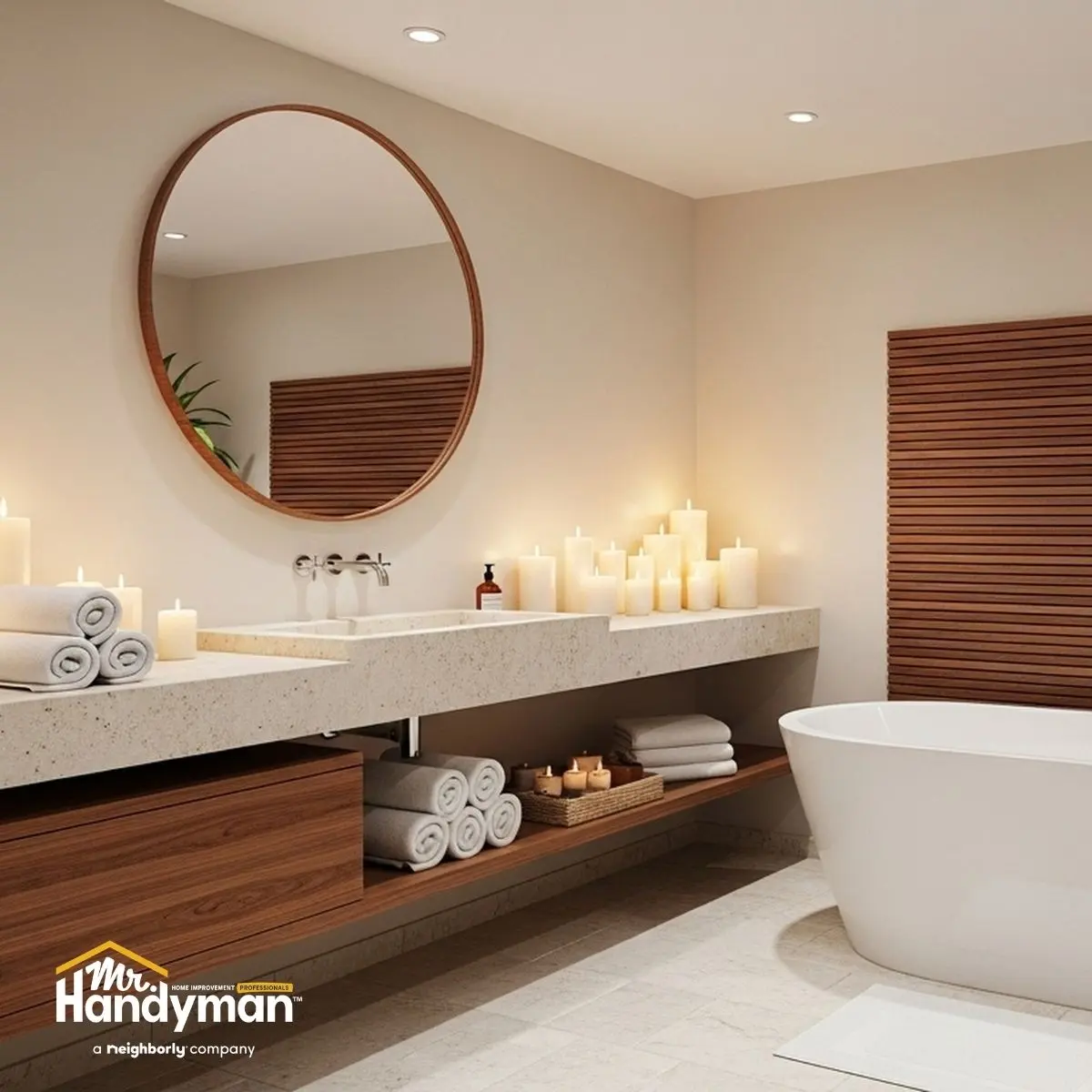
Spring in Middle Tennessee is when homeowners start thinking about improvements. The weather cooperates, the motivation is there, and if you're considering selling in the next year or two, now is the time to make strategic upgrades that actually add value. Not every remodeling project pays off. Some are purely personal preference. Others drain your budget without moving the needle on resale price or buyer interest.
The projects that matter are the ones that fix problems buyers notice, update spaces that feel outdated, and improve functionality in ways that make daily life easier. Homes in Murfreesboro, Franklin, Brentwood, Nashville, and Clarksville have specific characteristics tied to the age and style of construction common in this region. Many were built in the 1980s and 1990s, which means they have good bones but outdated finishes, inefficient layouts, and systems that are reaching the end of their lifespan.
Buyers in these markets are looking for move-in ready homes. They want updated kitchens and bathrooms, functional storage, and spaces that feel modern without requiring immediate work. If your home still has original builder-grade finishes, popcorn ceilings, or a bathroom that hasn't been touched since 1995, you're competing at a disadvantage. Spring remodeling projects done right address these gaps, increase buyer interest, and often return more than you invested when it's time to sell.
Why Spring Is the Right Time for Remodeling
Timing matters. Spring offers mild weather, which makes construction work easier and faster. Contractors have more availability before the summer rush. Materials are easier to source. And if you're planning to list your home in late summer or fall—historically strong selling seasons in Middle Tennessee—spring projects give you time to complete the work, stage properly, and list when buyer competition is highest.
Homes that hit the market in September or October with fresh updates tend to move faster and command better prices than homes that sit through winter with deferred maintenance and obvious neglect. Buyers touring homes in Brentwood, Franklin, and Nashville expect a certain level of finish quality. They're comparing your home to new construction in Thompson's Station and Nolensville, and to recently renovated homes in Green Hills and Belle Meade. If your finishes look tired, your home gets mentally downgraded regardless of its other qualities.
Spring remodeling also allows you to address issues that affect comfort and efficiency before summer heat arrives. Upgrading insulation, replacing windows, or improving HVAC efficiency makes your home more comfortable now and more appealing to buyers later. These aren't flashy upgrades, but they matter to people who plan to live in the home long-term and care about utility costs.
Kitchen Updates That Actually Add Value
Kitchen remodels vary wildly in scope and cost, but the projects that deliver the best return are rarely full gut renovations. Replacing cabinets, countertops, and appliances can easily run $30,000 to $50,000 or more, and while a beautiful kitchen helps sell a home, you're unlikely to recoup the full investment unless the existing kitchen was truly dysfunctional or decades out of date.
The sweet spot for kitchen upgrades focuses on surface improvements and functionality fixes. Refacing or painting cabinets, replacing outdated hardware, installing new countertops, upgrading to stainless steel appliances, and adding a tile backsplash can transform the look and feel of a kitchen for a fraction of the cost of a full remodel. Homes in Smyrna, Murfreesboro, and La Vergne with original oak cabinets and laminate countertops from the 1990s benefit enormously from these targeted upgrades.
Buyers notice cabinet condition immediately. If the doors are warped, the finish is worn, or the style screams 1985, it's a problem. Painting cabinets in a neutral color like white, gray, or soft blue modernizes the space instantly. Replacing countertops with quartz or granite eliminates the dated look of tile or laminate and signals quality. These changes don't require structural work, which keeps costs manageable and timelines short.
Lighting also plays a bigger role than most homeowners realize. Kitchens in older homes often have a single overhead fixture and maybe some under-cabinet lighting that no longer works. Adding recessed lighting, pendant lights over an island, or updated fixtures improves both function and aesthetics. Kitchens should feel bright and open, and poor lighting works against that goal no matter how nice the cabinets are.
Bathroom Remodels That Pay Off
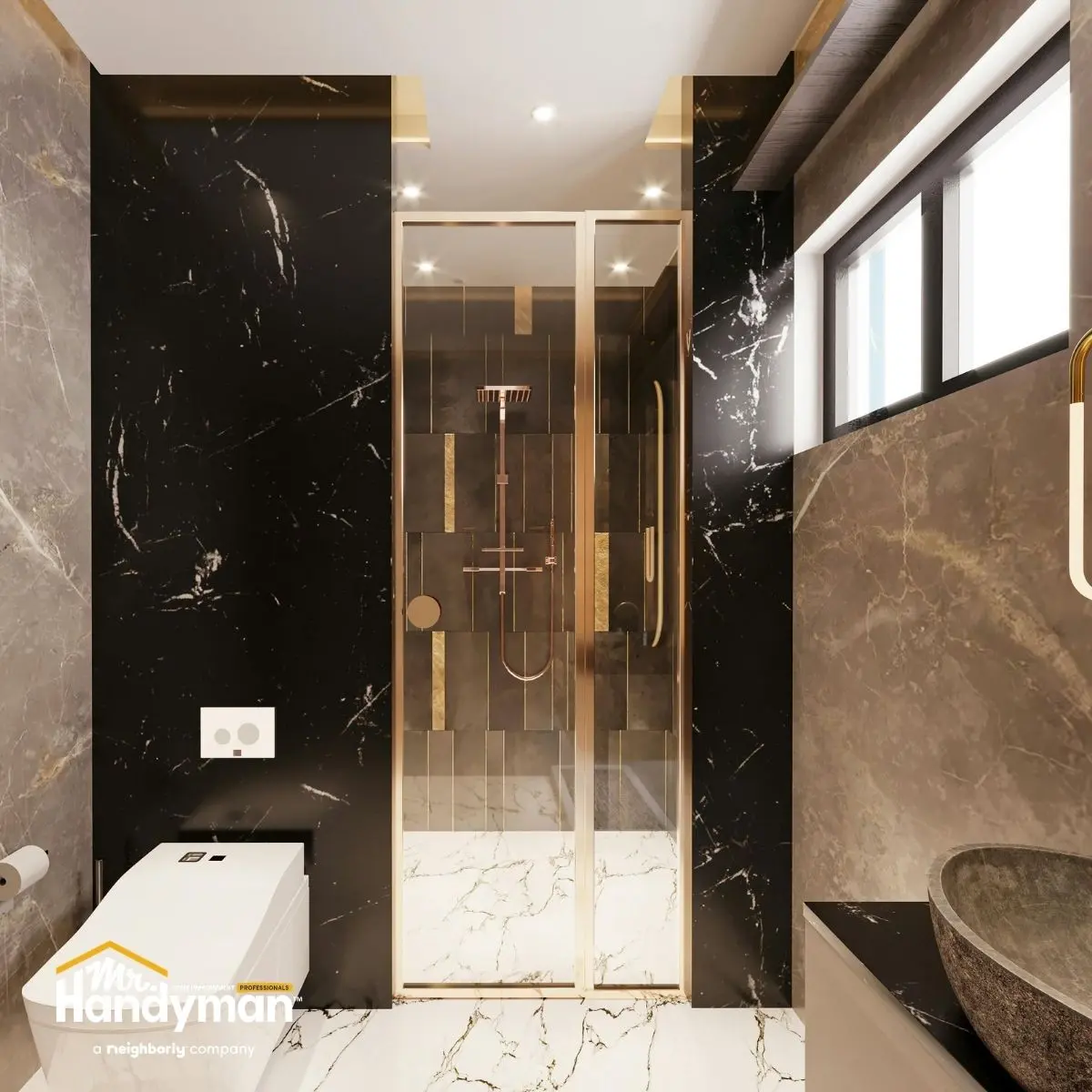
Bathrooms sell homes. A dated bathroom with original fixtures, worn tile, poor lighting, and inadequate storage makes buyers hesitate. They know a bathroom remodel is expensive and disruptive, so if yours looks like it needs work, they'll either walk away or factor the cost into their offer.
The good news is that bathroom updates don't require tearing everything out. Replacing a builder-grade vanity with something more substantial, updating faucets and hardware, re-grouting or replacing tile, upgrading lighting, and adding a new mirror or medicine cabinet can completely change how a bathroom feels. Homes in Bellevue, Green Hills, Dickson, and older neighborhoods in Nashville often have small bathrooms with limited natural light. Improving lighting and choosing lighter finishes makes these spaces feel larger and more inviting.
If your bathroom has a tub-shower combo with a plastic surround or dated tile, replacing it with a modern tiled shower or refinishing the existing setup gives the space a cleaner, more current look. Buyers prefer walk-in showers, especially in primary bathrooms, and if your home still has a fiberglass tub insert from 1992, it's working against you.
Vanity updates are one of the easiest, highest-impact changes you can make. Swapping a 1990s oak vanity with a modern unit that has soft-close drawers, a stone top, and updated hardware transforms the room. Adding storage through medicine cabinets or built-in niches solves a functional problem that buyers care about, especially in smaller bathrooms common in homes built before 2000.
Flooring Upgrades Throughout the Home
Flooring is one of the first things buyers notice when they walk into a home. Worn carpet, outdated tile, scratched hardwood, or linoleum that's seen better days creates an immediate negative impression. Flooring sets the tone for the entire house, and if it looks tired or dirty, buyers assume everything else is equally neglected.
Replacing carpet is one of the most cost-effective upgrades you can make. Carpet in high-traffic areas like hallways, stairs, and living rooms wears out quickly, especially in homes with pets or kids. Even if you've kept it clean, carpet more than 10 years old looks dated. Neutral-toned carpet or luxury vinyl plank flooring appeals to the widest range of buyers and makes rooms feel fresh and well-maintained.
Hardwood floors are a major selling point, but only if they're in good condition. If your hardwood is scratched, faded, or has finish worn off in high-traffic areas, refinishing brings it back to life. Homes in Franklin, Brentwood, and parts of Nashville often have original hardwood under carpet, and exposing and refinishing it adds character and value. Buyers pay more for hardwood, and it's one of the few flooring types that genuinely increases resale value.
Luxury vinyl plank has become a popular alternative to hardwood, especially in kitchens, bathrooms, and basements where moisture is a concern. It's durable, water-resistant, and mimics the look of wood at a fraction of the cost. Homes in Murfreesboro, Smyrna, and Clarksville with tile or linoleum in kitchens benefit from upgrading to LVP, which feels more modern and cohesive with the rest of the home.
Exterior Improvements That Create Immediate Curb Appeal
First impressions happen before a buyer ever steps inside. Homes with peeling paint, overgrown landscaping, a cracked driveway, or a front door that looks like it's been there since 1987 lose buyer interest before the tour even starts. Exterior improvements don't have to be expensive, but they need to be deliberate. Fresh paint on the front door, updated house numbers, new exterior lighting, and clean landscaping make a home feel cared for.
Homes in older neighborhoods throughout Nashville, Murfreesboro, and Franklin often have siding, shutters, or trim that's faded or damaged. Power washing removes years of grime and mildew, and in many cases, that's all you need to make the exterior look significantly better. If the siding is beyond cleaning, painting or replacing damaged sections fixes the problem without requiring a full re-side.
Front porches are a focal point, especially in communities where covered porches are common. If your porch has peeling paint, rotted wood, or railings that wobble, buyers notice. Repairing or replacing porch elements, painting the floor and ceiling, and adding updated lighting creates a welcoming entry that sets a positive tone. Even small details like a new doormat, potted plants, or a fresh coat of paint on the mailbox contribute to the overall impression.
Garage doors are another overlooked element. If your garage door is dented, faded, or visibly old, it detracts from the home's appearance. Replacing a garage door is relatively inexpensive compared to other exterior projects, and it has one of the highest returns on investment of any remodeling project. A new garage door in a style that complements the home's architecture makes the entire front facade look more polished.
Landscaping doesn't require a full redesign to make an impact. Trimming overgrown shrubs, adding fresh mulch, planting seasonal flowers, and defining bed edges with clean lines makes the yard look intentional and maintained. Buyers want to see that the outdoor spaces have been cared for, and neglected landscaping suggests neglect elsewhere.
Basement and Attic Finishing for Added Living Space
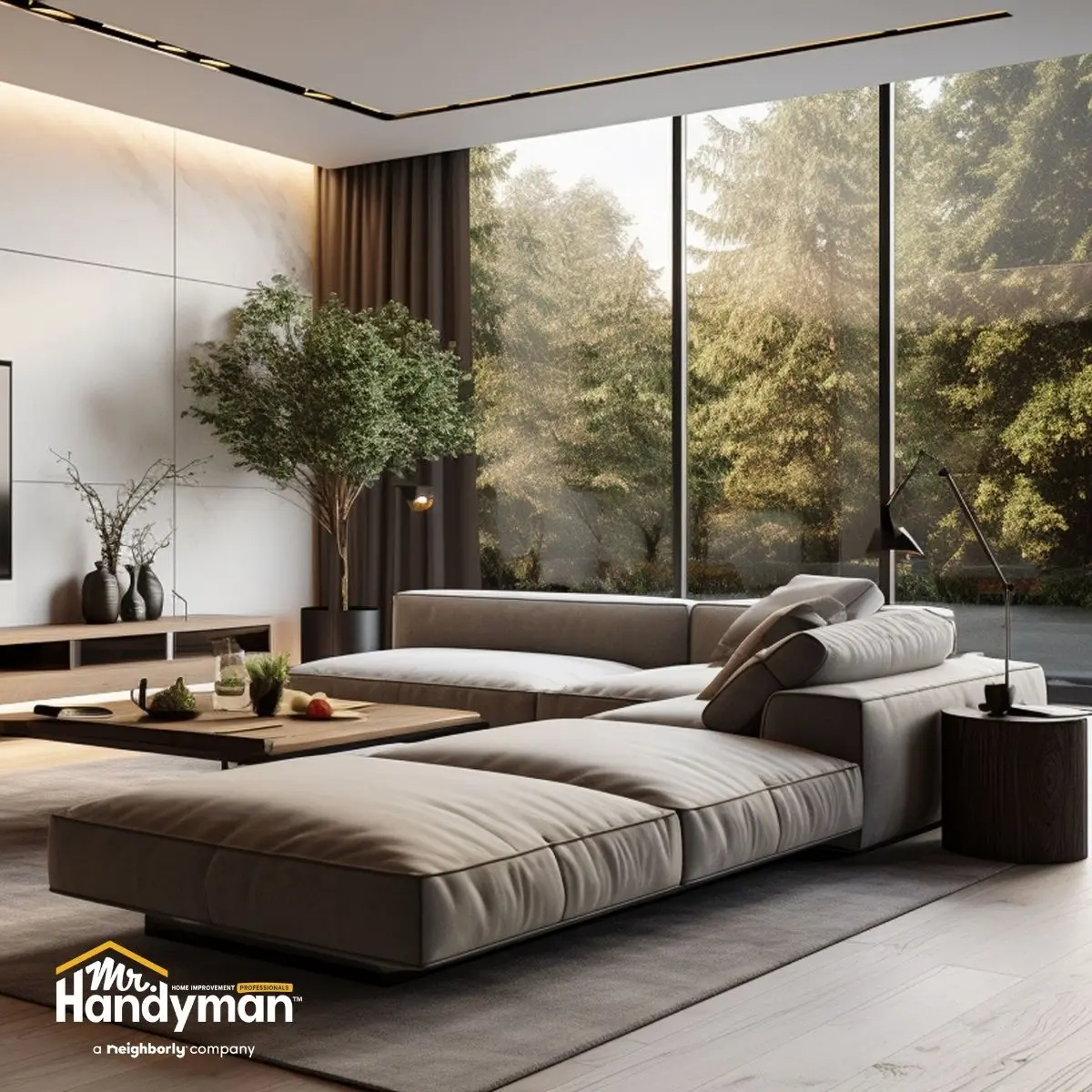
Unfinished basements and attics represent untapped square footage. If your home has either, finishing these spaces adds functional living area that buyers value. Finished basements are especially desirable in Middle Tennessee, where many homes have partial or full basements that are used primarily for storage. Converting that space into a recreation room, home office, or additional bedroom increases usable square footage and broadens the appeal of your home.
Homes in Brentwood, Franklin, and parts of Nashville with walkout basements have even more potential. Adding egress windows, proper lighting, and finished walls transforms a dark storage area into livable space that feels like an extension of the main floor. Even a simple finish—drywall, paint, flooring, and basic lighting—makes the basement feel intentional rather than forgotten.
Attic spaces, especially in older two-story homes common in Bellevue, Green Hills, and Clarksville, often have enough headroom to be converted into bonus rooms or additional bedrooms. Adding insulation, flooring, lighting, and climate control makes these spaces comfortable year-round. Buyers with growing families see this as valuable extra space without the cost of a formal addition.
Finishing a basement or attic doesn't mean you need to create a luxury space. The goal is to make it functional, comfortable, and finished to a level that matches the rest of the home. Buyers will use the space differently depending on their needs, but they all want to see that the work has been done and the space is ready to use.
Energy Efficiency Upgrades That Appeal to Modern Buyers
Energy efficiency isn't just a buzzword—it's something buyers actively care about, especially younger buyers who are more conscious of utility costs and environmental impact. Homes with outdated windows, poor insulation, and aging HVAC systems cost more to heat and cool, and buyers factor that into their decision-making.
Replacing single-pane windows with energy-efficient double-pane models reduces drafts, lowers utility bills, and improves comfort. Homes built in the 1980s and 1990s throughout Murfreesboro, Smyrna, and La Vergne often still have original windows, and upgrading them is one of the most noticeable improvements you can make. New windows also improve curb appeal and reduce outside noise, which matters in neighborhoods near busy roads or highways.
Adding or upgrading insulation in attics and crawl spaces makes a measurable difference in energy efficiency. Many older homes in this region were built with minimal insulation by today's standards, and improving it reduces the load on your HVAC system. Buyers appreciate homes that stay comfortable without running the air conditioning constantly, and improved insulation delivers that.
HVAC system age is one of the first things buyers and home inspectors check. If your system is more than 15 years old, it's nearing the end of its expected lifespan. Replacing it before listing gives buyers confidence and removes a major negotiation point. Newer, high-efficiency systems also qualify for utility rebates and tax credits, which you can highlight as a selling point.
Smart thermostats, LED lighting, and low-flow plumbing fixtures are smaller upgrades that signal a home has been thoughtfully maintained and updated. These aren't expensive changes, but they contribute to the overall perception that the home is modern, efficient, and ready for the next owner.
Why These Projects Matter More Than Personal Preferences
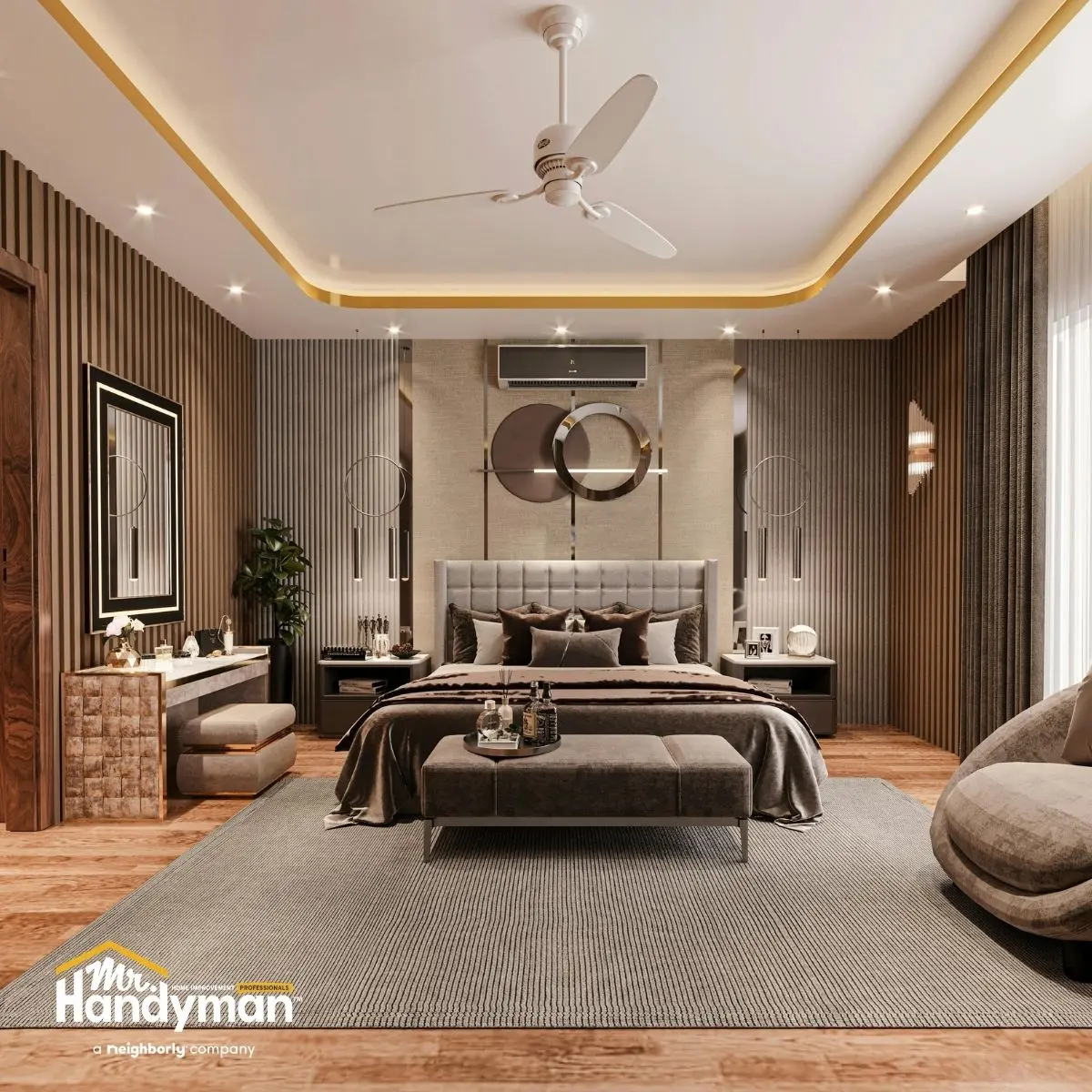
The key to value-adding remodeling is focusing on projects that appeal to the broadest range of buyers, not just your personal taste. A custom wine cellar, an elaborate home theater, or a highly specific design choice might be perfect for you, but it doesn't necessarily translate to value when you sell. Buyers want neutral, functional, well-maintained spaces they can move into without immediate work.
Homes in Ashland City, Berry Hill, Antioch, and Christiana compete in markets where buyers compare dozens of properties. The ones that stand out are the ones that look updated, feel move-in ready, and don't require a list of immediate projects. If your home still has popcorn ceilings, brass fixtures, outdated carpet, and a kitchen that looks like 1995, you're asking buyers to overlook a lot—and most won't.
Spring remodeling projects that focus on kitchens, bathrooms, flooring, exterior improvements, and energy efficiency address the issues buyers care about most. These aren't vanity projects—they're strategic investments that make your home more competitive and more valuable.
Frequently Asked Questions
What remodeling projects give the best return on investment?
Kitchen and bathroom updates, flooring replacement, exterior improvements like new garage doors and fresh paint, and energy-efficient window upgrades typically offer the best returns. These projects address buyer priorities and make homes feel updated without requiring full renovations.
Should I remodel before selling or price the home lower and let the buyer do it?
It depends on your market and the condition of your home. In competitive markets like Franklin and Brentwood, updated homes sell faster and for more money. Pricing lower and expecting buyers to renovate works in some cases, but you'll likely lose more in sale price than you would have spent on strategic updates.
How much should I spend on remodeling if I'm planning to sell?
A good rule of thumb is to spend 5 to 10 percent of your home's value on updates that address obvious deficiencies. Focus on projects that fix problems buyers will notice—outdated kitchens and bathrooms, worn flooring, poor curb appeal—rather than high-end finishes that exceed neighborhood standards.
Can I do some of these projects myself to save money?
Simple projects like painting, landscaping, and replacing hardware can be DIY if you're comfortable with the work. More complex projects like flooring installation, bathroom remodels, and electrical or plumbing work are best handled by professionals to ensure quality and code compliance.
What's the biggest mistake homeowners make when remodeling before a sale?
Over-improving for the neighborhood. Installing luxury finishes in a mid-range neighborhood won't return the investment. Focus on bringing your home up to the standard of comparable homes in your area, not exceeding it.
How long do these projects typically take?
Simple updates like painting cabinets, replacing flooring in one room, or updating lighting can be done in a few days to a week. Larger projects like full bathroom remodels or basement finishing may take several weeks. Starting in spring gives you time to complete the work before peak selling season.
Get Your Home Ready to Sell or Enjoy
Spring remodeling projects that focus on buyer priorities—updated kitchens and bathrooms, new flooring, improved curb appeal, and energy efficiency—increase your home's value and marketability. Whether you're planning to sell in the next year or simply want to enjoy a more functional, updated home, these projects deliver results.
If you're in Murfreesboro, Franklin, Brentwood, Smyrna, Shelbyville, La Vergne, Bellevue, Christiana, Nashville, Belle Meade, Clarksville, Ashland City, Green Hills, Dickson, Antioch, Berry Hill, or any of the surrounding areas, Mr. Handyman of Murfreesboro, Franklin, and Brentwood and Mr. Handyman of West Nashville, Belle Meade, and Clarksville can help you tackle these updates efficiently and professionally.
Call or visit https://www.mrhandyman.com/murfreesboro-smyrna/ or https://www.mrhandyman.com/nashville-west-south-central/ to schedule a consultation. Make this spring the season you increase your home's value and appeal.
