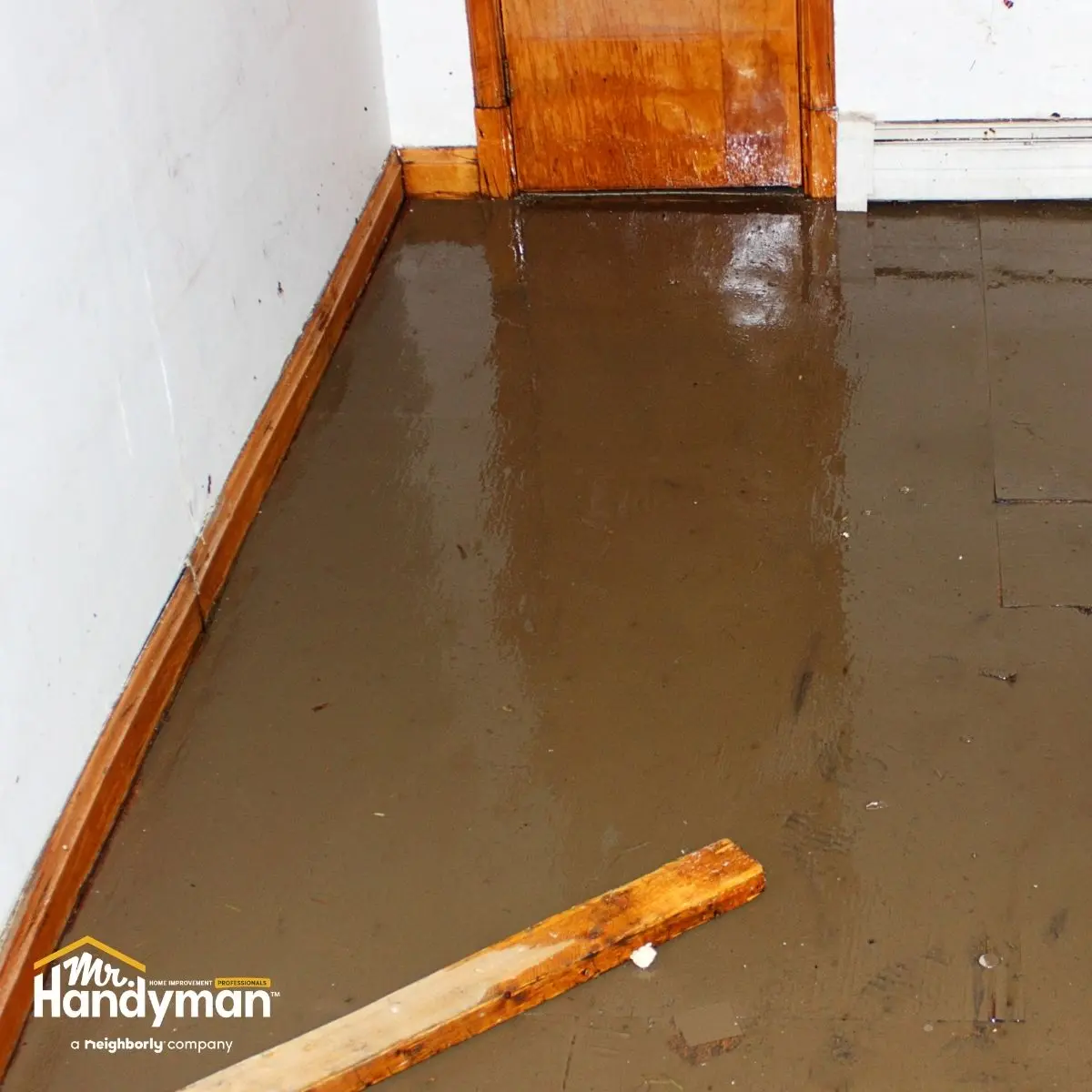
Sump pumps rarely get attention until the moment they are needed most. Hidden in basements, crawl spaces, or utility areas, they quietly sit idle for months at a time. When heavy spring rain arrives in Middle Tennessee, that silence ends quickly. A sump pump that fails during a storm can allow water to enter the home in a matter of hours, leading to flooding, moisture damage, and costly repairs.
In Murfreesboro, Franklin, Brentwood, Nashville, Belle Meade, and Clarksville, spring is one of the most critical seasons for sump pump performance. Heavy rainfall, rising groundwater, and saturated soil combine to create conditions that put sump systems under sudden and intense pressure. Inspecting and preparing the sump pump before the rainy season begins is one of the most important preventative steps homeowners can take to protect their property.
How Spring Weather in Middle Tennessee Increases Flood Risk
Spring storms in Middle Tennessee often arrive quickly and bring heavy rainfall in short periods of time. Soil becomes saturated, drainage systems are overwhelmed, and groundwater levels rise rapidly. When the ground surrounding a home becomes waterlogged, pressure builds around the foundation.
This pressure pushes water toward the lowest points of the home. Basements and crawl spaces are particularly vulnerable because they sit below ground level. Without a functioning sump pump, water can seep through foundation walls, floor cracks, or construction joints.
Even homes that have never experienced flooding before can be affected during particularly wet seasons. Rapid population growth and new construction in the region can also alter natural drainage patterns, increasing the likelihood of water pooling around homes.
Because these conditions develop quickly, sump pumps must be ready to operate at a moment’s notice.
Understanding the Role of a Sump Pump
A sump pump is designed to remove water that collects in a sump basin, typically located in the lowest part of a basement or crawl space. As groundwater rises, water enters the basin through drains or natural seepage. When the water level reaches a certain height, the pump activates and pushes the water away from the home through a discharge pipe.
This process protects the foundation and prevents water from accumulating indoors. When functioning properly, a sump pump can remove large volumes of water quickly and keep the home dry during heavy rain.
Because sump pumps remain inactive for long periods, they are especially vulnerable to unnoticed wear and mechanical failure.
Why Winter Can Leave Sump Pumps Vulnerable
Winter conditions in Middle Tennessee are unpredictable. Freezing temperatures may arrive suddenly and then disappear just as quickly. These freeze-thaw cycles can affect sump pump systems in several ways.
Discharge pipes located outside the home may freeze during cold spells. Ice buildup can create blockages that prevent water from exiting the system. When spring rain arrives, a blocked discharge pipe can cause the pump to work harder or fail entirely.
Power outages during winter storms can also affect sump pump performance. Electrical surges or interruptions may damage components without immediate signs of failure.
Because sump pumps are rarely used during winter, these issues often remain hidden until spring storms arrive.
Common Causes of Sump Pump Failure
Sump pump failure often occurs at the worst possible moment. Understanding common causes helps homeowners recognize the importance of early inspection.
Power failures are one of the leading causes of sump pump failure. Heavy storms frequently cause outages, and without backup power, the pump cannot operate.
Mechanical wear is another common issue. Motors, switches, and float mechanisms can wear down over time. Without regular testing, these components may fail when needed most.
Clogged intake screens can restrict water flow into the pump. Debris in the sump basin may block the system and prevent proper operation.
Improper installation or aging equipment can also reduce efficiency and increase the likelihood of failure.
Because many of these issues develop quietly, routine inspection is essential.
The Hidden Costs of Sump Pump Failure
A failed sump pump can lead to significant water damage. Flooded basements and crawl spaces can damage flooring, drywall, insulation, and stored belongings. Moisture can also create conditions for mold growth and structural deterioration.
Repairing water damage often costs far more than preventative maintenance. Even minor flooding can require professional cleanup and restoration.
Preventative inspection helps homeowners avoid these costly and stressful situations.
Why Early Inspection Matters
Inspecting a sump pump before spring rains allows homeowners to identify potential issues while there is still time to address them. Testing the pump, checking the discharge line, and evaluating the overall system ensures it is ready to perform when needed.
Early preparation provides peace of mind and protects the home from one of the most common seasonal risks in Middle Tennessee.
Sump pump maintenance is not just about equipment. It is about protecting the foundation, preserving indoor air quality, and preventing water damage before it begins.
How Sump Pumps Protect Multiple Areas of the Home During Spring Storm Season
A sump pump may be tucked away in a basement corner or crawl space, but its role extends far beyond a single location. In Murfreesboro, Franklin, Brentwood, West Nashville, Belle Meade, and Clarksville, spring storms often bring intense rainfall that can overwhelm soil and drainage systems quickly. When the ground becomes saturated, water pressure builds around the home’s foundation and looks for a way inside. Without a properly working sump pump, water can enter slowly and quietly, causing damage long before homeowners realize a problem exists.
Understanding how sump pumps protect different parts of the home helps explain why spring inspection and maintenance are so important. These systems serve as a frontline defense against moisture intrusion, structural damage, and long-term indoor air quality concerns.
How Groundwater Pressure Affects Foundations
Heavy spring rainfall causes soil to absorb and hold large amounts of water. As the soil surrounding a home becomes saturated, hydrostatic pressure builds against the foundation walls and floor. This pressure pushes moisture toward the lowest point of the structure.
Concrete may appear solid, but it is naturally porous. Small cracks, construction joints, and tiny gaps provide pathways for water to seep inside. When groundwater pressure increases, even well-built foundations can experience moisture intrusion.
Water rarely enters all at once. It typically seeps in gradually, forming damp spots that expand over time. Without a sump pump actively removing water, this slow intrusion can turn into standing water during prolonged rain.
A functioning sump pump relieves pressure by removing groundwater before it enters the living space. This process protects the foundation and prevents water from spreading through the home.
Why Crawl Spaces Need Reliable Moisture Control
Many homes throughout Middle Tennessee rely on crawl spaces instead of full basements. Crawl spaces sit close to the ground and are highly vulnerable to moisture intrusion during spring rains.
When groundwater rises, moisture can accumulate beneath the home. This moisture rarely stays contained. Warm air rises naturally, carrying humidity upward into flooring and framing. Over time, this process can lead to warped floors, musty odors, and increased indoor humidity levels.
Persistent crawl space moisture can also weaken wooden structural components. Floor joists and support beams exposed to moisture may deteriorate gradually, affecting the long-term stability of the home.
A sump pump helps prevent these issues by removing water before it has the chance to accumulate. Spring inspection ensures the system is ready before heavy rainfall begins.
Basement Protection During Intense Spring Storms
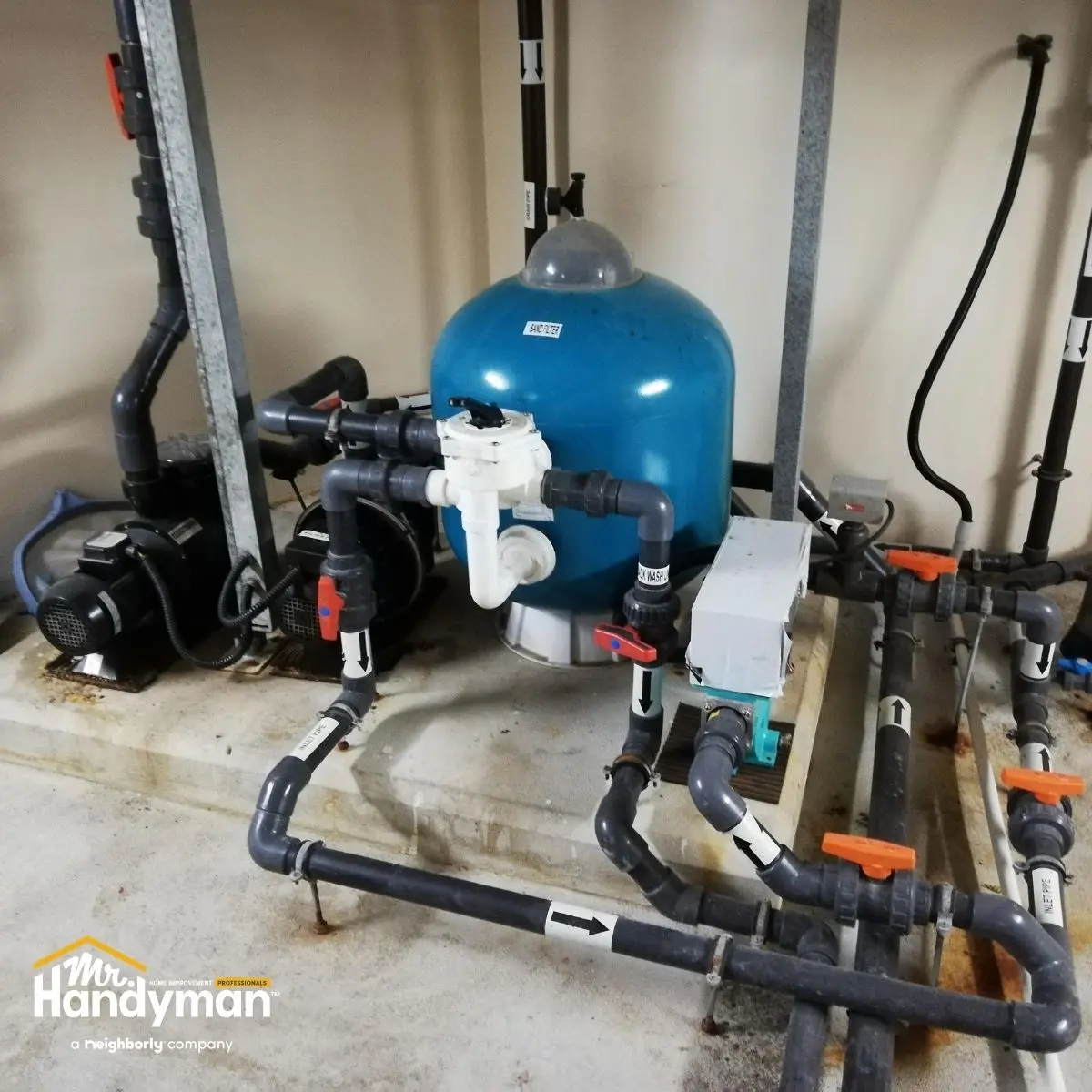
Homes with basements face unique risks during the rainy season. Because basements sit below ground level, they naturally collect groundwater when soil becomes saturated.
As hydrostatic pressure increases, water can seep through foundation walls and floor cracks. Even small amounts of seepage can lead to standing water if not addressed quickly.
Basements often store valuable belongings, tools, and equipment. Flooding can damage these items and create expensive cleanup situations. Water exposure can also damage insulation, drywall, and flooring materials.
A sump pump provides critical protection by removing water quickly and efficiently. Ensuring the pump is ready before spring storms helps prevent basement flooding and costly repairs.
The Role of Drainage Systems and Discharge Lines
A sump pump is only one component of a larger water management system. Its effectiveness depends on proper drainage and a clear discharge line that carries water away from the home.
The discharge line directs water safely away from the foundation. During winter, discharge pipes may freeze or become blocked by debris. If the line remains blocked, the sump pump cannot remove water effectively.
Spring inspection should include checking that discharge lines are clear and positioned to direct water several feet away from the home. Proper drainage prevents water from cycling back toward the foundation and being pumped repeatedly.
Ensuring the full drainage system works together improves overall protection during heavy rain.
Backup Power and Storm Preparedness
Spring storms often bring lightning, high winds, and power outages. Unfortunately, these outages frequently occur when sump pumps are needed most.
Without electricity, a sump pump cannot operate. During heavy rain, water can accumulate quickly if the system loses power.
Backup sump pump systems provide an additional layer of protection. Battery-powered backups or secondary pumps activate automatically during outages, helping prevent flooding.
Testing backup systems before storm season ensures they are ready to operate when needed.
How Humidity Amplifies Moisture Problems
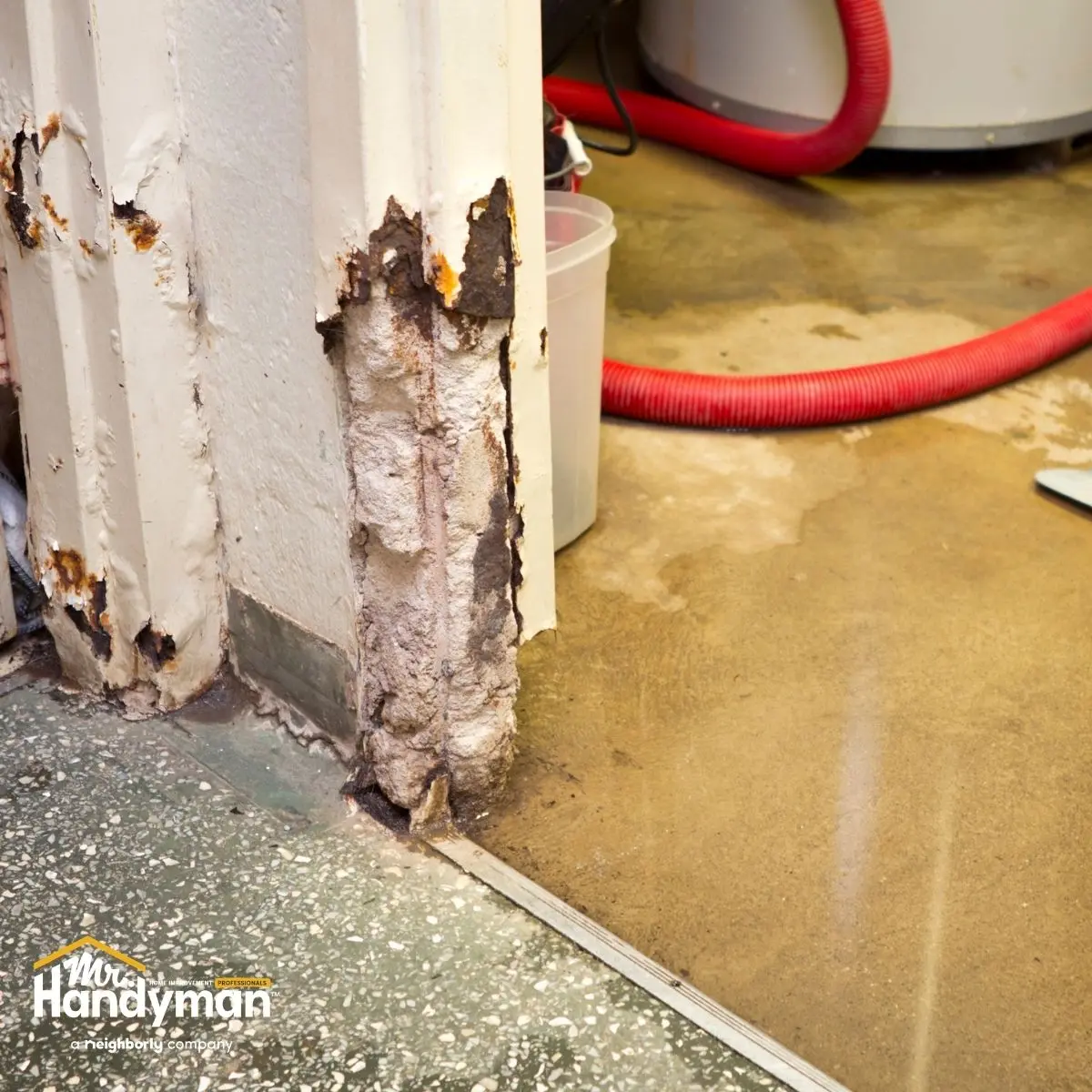
Spring rain marks the beginning of rising humidity levels in Middle Tennessee. Warm, moist air encourages condensation in basements and crawl spaces.
When moisture enters these areas, humidity helps it linger. Persistent moisture creates conditions that encourage mold growth and wood deterioration.
Keeping lower levels dry helps control indoor humidity and supports healthier air quality. A working sump pump plays a major role in maintaining this balance.
Real-World Situations Where Sump Pump Maintenance Matters
Many homeowners assume their sump pump will work when needed, but real-world situations often reveal hidden issues.
A float switch may become stuck after months of inactivity. When water rises, the pump fails to activate.
Debris may collect in the sump basin, restricting water flow and reducing efficiency.
A discharge line may remain partially blocked after winter, preventing water from leaving the system.
Routine inspection helps identify these problems before storms arrive.
How Preventative Maintenance Reduces Long-Term Costs
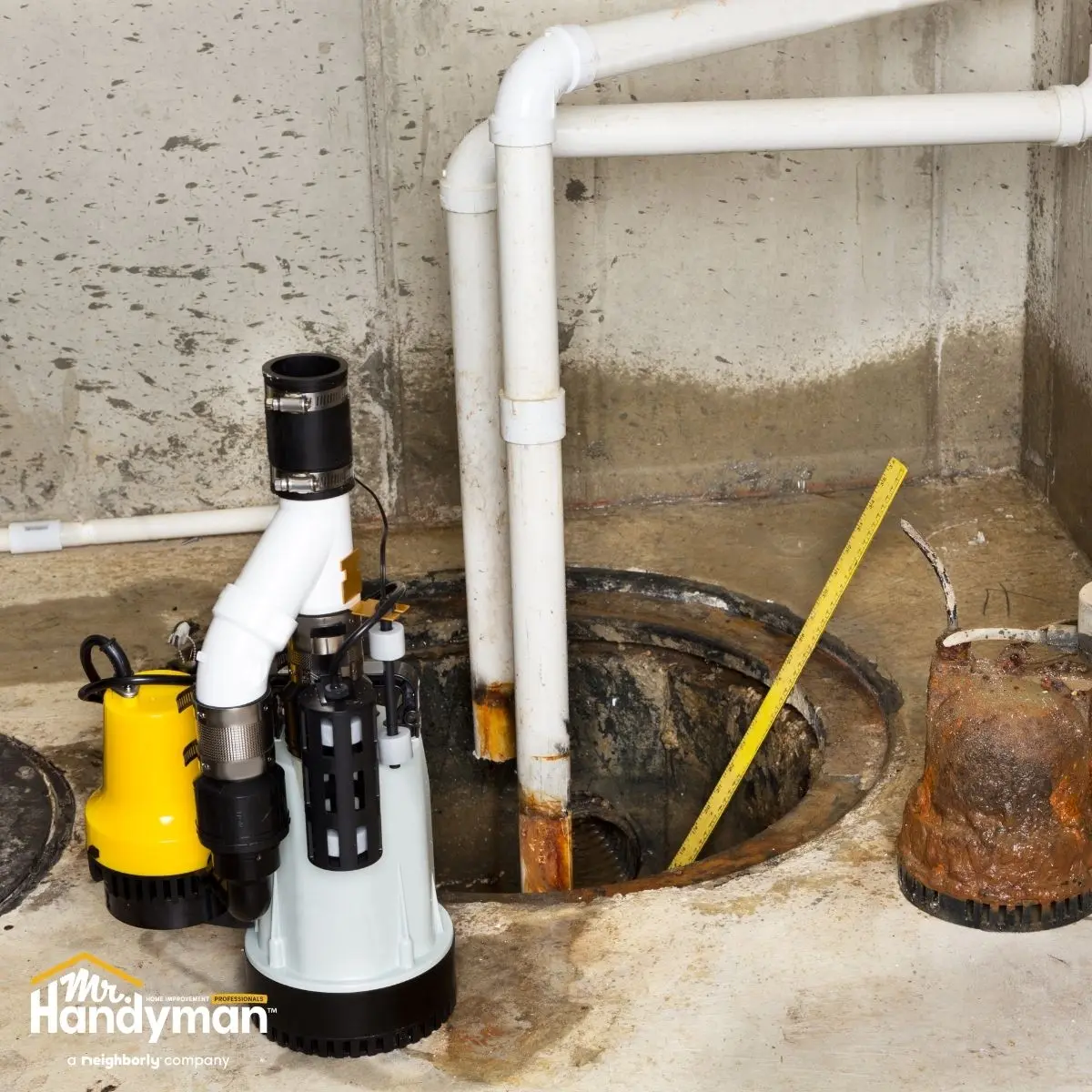
Flood damage often extends beyond the immediate area. Water can damage flooring, drywall, insulation, and stored belongings. Cleanup may require professional restoration and mold remediation.
Preventative maintenance costs far less than repairing water damage. Annual inspection helps homeowners avoid expensive and stressful situations.
Indoor Air Quality and Long-Term Comfort
Moisture beneath the home affects indoor air more than many homeowners realize. Air from crawl spaces and basements circulates upward, carrying humidity and odors.
Keeping these areas dry helps maintain a comfortable and healthy indoor environment. A sump pump plays a key role in controlling moisture levels throughout the home.
Frequently Asked Questions About Sump Pump Care
How often should a sump pump be tested?
Testing once a year before spring rains helps ensure reliable performance.
How long do sump pumps typically last?
Most pumps last seven to ten years depending on usage and maintenance.
Is a backup sump pump necessary?
Backup systems provide additional protection during power outages and severe storms.
What signs indicate sump pump problems?
Unusual noises, rust, vibration, or water remaining in the basin may indicate issues.
Can sump pump failure lead to mold growth?
Yes. Moisture accumulation can create conditions for mold and mildew.
When should homeowners consider replacing their sump pump?
Older pumps or systems showing signs of wear may need replacement before failure occurs.
Dependable Sump Pump Inspection and Maintenance in Middle Tennessee
Preparing sump pumps before spring storms helps protect homes from flooding, moisture damage, and costly repairs. Preventative maintenance ensures systems are ready when heavy rain arrives.
Mr. Handyman of Murfreesboro, Franklin, and Brentwood and Mr. Handyman of West Nashville, Belle Meade, and Clarksville provide dependable home maintenance services designed to keep homes safe and dry.
Call or visit
https://www.mrhandyman.com/murfreesboro-smyrna/
https://www.mrhandyman.com/nashville-west-south-central/
to schedule a sump pump inspection or service appointment.
