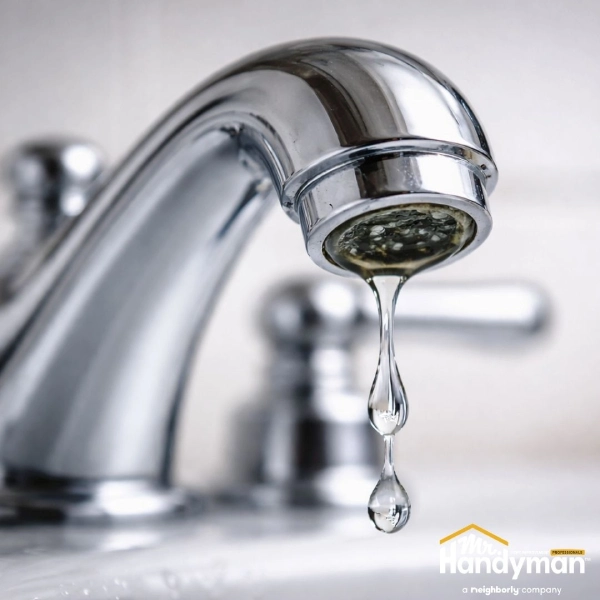
A dripping faucet during winter is more than just an annoyance. It is often an early warning sign of a plumbing issue that could become more serious if ignored. Homeowners across Middle Tennessee frequently notice faucet drips when temperatures drop, especially in cities like Murfreesboro, Smyrna, La Vergne, Franklin, and Brentwood.
While a slow drip may seem harmless, winter conditions can turn minor faucet problems into larger plumbing concerns. Understanding why faucets drip more often in cold weather helps homeowners address issues early and avoid costly repairs.
Why Faucet Drips Are More Common in Winter
Cold weather affects plumbing systems in several ways. As temperatures drop, pipes contract. When temperatures rise again, pipes expand. This repeated movement places stress on plumbing connections, valves, and internal faucet components.
In winter, even small weaknesses inside a faucet can become noticeable. Rubber washers harden in cold temperatures, seals lose flexibility, and metal components shift slightly. These changes allow water to slip through when the faucet should be fully closed.
Middle Tennessee homes are especially vulnerable because winter temperatures often fluctuate. A faucet may function normally during mild weather, then begin dripping after a sudden cold snap.
Pressure Changes Inside Plumbing Systems
Water pressure plays a major role in winter faucet drips. When pipes partially freeze or experience restricted flow, pressure builds inside the plumbing system. Faucets are often the first place where this pressure is released.
A dripping faucet can indicate:
- Increased pressure caused by cold related restrictions
- Valves struggling to seal completely
- Internal components worn down by pressure changes
In some cases, the drip acts as a pressure relief point, preventing more serious damage elsewhere in the system.
Frozen or Partially Frozen Pipes Can Cause Drips
Faucets may drip when pipes leading to them begin to freeze. As ice forms inside the pipe, water flow becomes restricted. This restriction can force water through small gaps in faucet components, even when the handle is turned off.
Homes with plumbing located in exterior walls, crawl spaces, or unheated areas are more likely to experience this issue during winter.
A dripping faucet combined with reduced water pressure elsewhere in the home may signal a freezing pipe that needs immediate attention.
Worn Faucet Components Show Up in Cold Weather
Many faucets contain rubber washers, O rings, and cartridges that wear down over time. Cold temperatures accelerate this wear by making materials brittle and less flexible.
Common components affected include:
- Rubber washers that crack or flatten
- O rings that shrink in cold conditions
- Cartridges that lose their tight seal
During warmer months, these components may still function well enough to prevent leaks. Winter exposes their limitations.
Outdoor Faucets and Hose Bibs Are High Risk
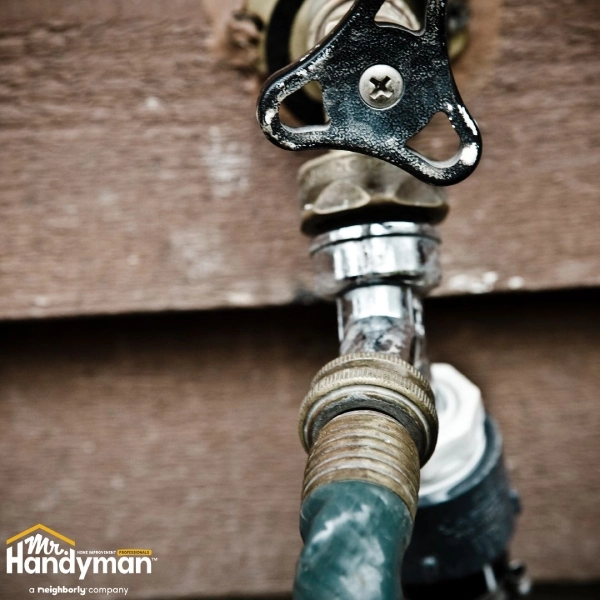
Outdoor faucets are especially prone to dripping during winter. If outdoor water lines are not properly shut off and drained, trapped water can freeze and expand. This expansion damages internal faucet components, leading to leaks or constant dripping.
Many homeowners first notice outdoor faucet problems when temperatures rise slightly and water begins leaking from damaged parts.
Why Ignoring a Dripping Faucet in Winter Is Risky
A dripping faucet wastes water, but the bigger concern is what the drip represents. In winter, a faucet drip can be a sign of:
- Freezing or frozen pipes
- Increased system pressure
- Aging plumbing components
- Hidden leaks developing behind walls
Ignoring these signs can lead to burst pipes, water damage, and emergency repairs during the coldest time of year.
How Winter Weather Amplifies Small Plumbing Issues
Winter conditions magnify existing plumbing weaknesses. A faucet that drips occasionally during warmer months may drip constantly during winter due to increased pressure and component stress.
This is why winter is often when homeowners first notice plumbing problems that have been developing slowly over time.
When a Dripping Faucet Is a Warning Sign
Homeowners should pay close attention to faucet drips that:
- Appear suddenly after a cold snap
- Occur alongside reduced water pressure
- Happen only during very cold weather
- Return each winter
These patterns suggest an underlying issue rather than normal wear.
Homeowners throughout Murfreesboro, Smyrna, La Vergne, Franklin, and Brentwood rely on Mr. Handyman of Murfreesboro, Franklin and Brentwood for plumbing related home repairs and seasonal maintenance. When the business name is mentioned on your site, it can be linked directly to their homepage.
Setting the Stage for Prevention and Solutions
Understanding why faucets drip in winter is the first step toward fixing the problem. In the next part of this series, we will focus on winter habits, homeowner actions, and common mistakes that contribute to faucet drips during cold weather.
Winter Habits and Common Mistakes That Cause Faucets to Drip
Faucet drips during winter are often influenced by daily habits and small oversights that seem harmless at first. While cold weather creates the conditions for plumbing issues, homeowner actions frequently determine whether those issues become noticeable problems. In communities like Murfreesboro, Smyrna, La Vergne, Franklin, and Brentwood, faucet drips often appear or worsen during winter because of how plumbing systems are used during colder months.
Understanding which winter habits contribute to dripping faucets helps homeowners make simple changes that reduce wear on plumbing systems and prevent bigger issues.
Why Daily Winter Habits Matter
During winter, plumbing systems operate under different conditions than they do in warmer seasons. Pipes experience temperature changes, water pressure fluctuates, and indoor water usage typically increases. Small changes in how water is used can have a noticeable impact on faucets.
Habits that place extra strain on valves and seals may not cause problems immediately, but over time they weaken faucet components and lead to drips.
Turning Faucets Too Tight in Cold Weather
One common mistake homeowners make is overtightening faucet handles when trying to stop a drip. In winter, internal components such as washers and cartridges are already less flexible due to cold temperatures.
Overtightening:
- Compresses washers beyond their normal shape
- Cracks brittle components
- Accelerates wear inside the faucet
While it may stop a drip temporarily, overtightening often makes the problem worse over time.
Ignoring Small Drips Until Spring
Many homeowners delay faucet repairs during winter, planning to address them when the weather warms up. Unfortunately, winter drips rarely stay small.
Cold weather increases pressure inside plumbing systems, which can turn a minor leak into a steady drip or cause additional component failure. Ignoring a drip also increases water waste and raises utility costs.
Lowering the Thermostat Too Much
Turning down the thermostat to save energy can increase the likelihood of faucet drips. When indoor temperatures drop, pipes and faucet components cool more quickly, reducing flexibility and increasing contraction.
This is especially problematic for plumbing located in exterior walls, crawl spaces, or unheated areas. Faucets connected to these pipes are more likely to drip when indoor temperatures fluctuate.
Closing Off Unused Rooms
Closing doors or vents to unused rooms during winter may seem like a way to conserve heat, but it can create cold pockets where plumbing is located. Reduced airflow prevents warm air from reaching pipes and faucets, increasing freezing risk and pressure changes.
Bathrooms, laundry rooms, and kitchens located along exterior walls are especially vulnerable when airflow is restricted.
Not Allowing Faucets to Drip During Extreme Cold
While constant dripping is not ideal, allowing a controlled drip during extreme cold can help prevent freezing. Some homeowners avoid this practice out of concern for water waste, but a slow drip can relieve pressure and keep water moving through pipes.
Refusing to allow any water movement during severe cold increases the risk of frozen pipes, which can lead to faucet damage and leaks once thawing begins.
Outdoor Faucet Oversights
Outdoor faucets are often forgotten once temperatures drop. Failing to shut off and drain outdoor water lines allows water to remain trapped inside hose bibs. When this water freezes, it expands and damages internal components.
Once temperatures rise, damaged outdoor faucets often begin dripping or leaking continuously. These leaks may not be noticed right away, especially if the faucet is not frequently used.
Using Fixtures More Heavily During Winter
Winter brings increased indoor water usage due to longer showers, additional laundry, and holiday guests. This higher demand places extra stress on faucet components that may already be worn.
When faucets are used more frequently under higher pressure conditions, worn seals and cartridges are more likely to fail.
Why Faucet Drips Often Return Each Winter
Some homeowners notice that faucet drips disappear during warmer months, only to return the following winter. This cycle often indicates components that are nearing the end of their lifespan.
Cold weather exposes weaknesses that warm temperatures temporarily mask. Without proper repairs, the problem tends to repeat each year.
When Habit Changes Are Not Enough
While adjusting daily habits can reduce dripping, some issues require professional repair. Faucets that drip consistently, worsen during cold snaps, or occur alongside pressure changes should be inspected.
Homeowners across Murfreesboro, Smyrna, La Vergne, Franklin, and Brentwood rely on Mr. Handyman of Murfreesboro, Franklin and Brentwood for plumbing related home repairs and winter maintenance. When the business name is mentioned on your site, it can be linked directly to their homepage.
Preparing for the Final Part of This Series
This article focused on winter habits and common mistakes that contribute to dripping faucets. In the final part of this series, we will cover professional solutions, repairs, and long term strategies to stop faucet drips and protect plumbing systems during winter.
How to Stop Faucets From Dripping in Winter and Protect Your Plumbing Long Term
When faucet drips continue despite habit changes, the issue often runs deeper than surface wear. Cold weather exposes weaknesses inside plumbing systems, and without proper repairs, dripping faucets can signal larger problems that worsen each winter. For homeowners in Murfreesboro, Smyrna, La Vergne, Franklin, and Brentwood, professional repairs and long term prevention strategies are often the most effective way to stop recurring winter faucet drips.
Understanding when repairs are needed and how to protect plumbing systems moving forward helps homeowners avoid repeat problems and costly damage.
When a Dripping Faucet Needs Professional Repair
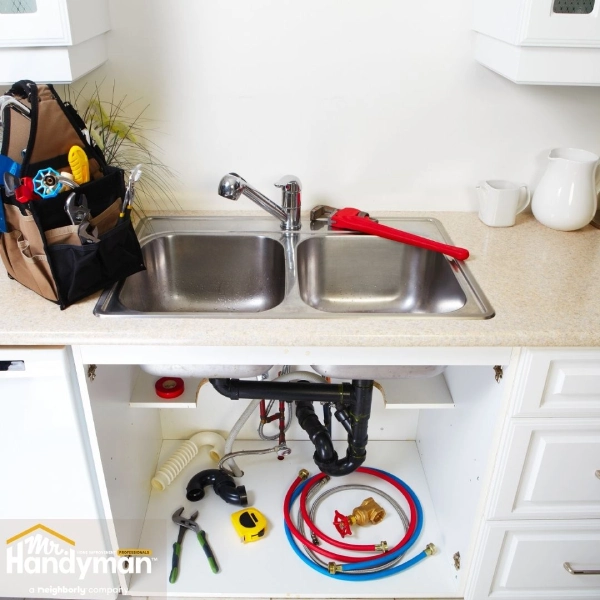
Some faucet drips can be reduced through habit changes, but others indicate internal failure. Professional repair is recommended when:
- A faucet drips continuously despite tightening
- Dripping worsens during cold snaps
- Multiple faucets drip at the same time
- Drips return every winter
- Reduced water pressure accompanies the drip
These signs often point to worn cartridges, damaged valves, or pressure related issues that cannot be resolved with basic adjustments.
Replacing Worn Faucet Components
Most modern faucets rely on internal cartridges, seals, and O rings to control water flow. Over time, these components wear down. Cold temperatures accelerate this wear by reducing flexibility and increasing contraction.
Professional faucet repair often involves:
- Replacing cartridges or valve assemblies
- Installing new washers and seals
- Adjusting internal components for proper alignment
- Testing pressure after repairs
Replacing worn components restores proper sealing and prevents water from slipping through when the faucet is closed.
Addressing Water Pressure Problems
High or fluctuating water pressure is a common cause of winter faucet drips. When pressure increases due to freezing pipes or restricted flow, faucets act as a release point.
A professional inspection can identify:
- Pressure imbalances
- Partially frozen or restricted pipes
- Failing pressure regulating valves
- System wide plumbing stress
Correcting pressure issues protects faucets and reduces strain on the entire plumbing system.
Fixing Problems Inside Walls and Crawl Spaces
Some faucet drips originate from issues behind walls or beneath the home. Pipes exposed to cold air may partially freeze, causing pressure changes that affect connected fixtures.
Professional solutions may include:
- Insulating exposed pipes
- Sealing air leaks near plumbing penetrations
- Improving crawl space insulation
- Rerouting pipes away from exterior walls
These upgrades address the root cause rather than just the symptom.
Outdoor Faucet Repairs and Prevention
Outdoor faucets are a frequent source of winter leaks. If hose bibs were not properly winterized, internal damage may already exist.
Professional repair may involve:
- Replacing damaged outdoor faucets
- Installing frost resistant hose bibs
- Adding shutoff valves inside the home
- Ensuring proper drainage before winter
Upgrading outdoor faucets reduces the risk of future winter leaks.
Long Term Plumbing Improvements That Reduce Drips
Some homes benefit from broader plumbing improvements that reduce winter related issues year after year. These may include:
- Replacing aging plumbing materials
- Improving overall home insulation
- Sealing drafts that affect plumbing areas
- Installing pressure regulation systems
While these improvements require planning, they often prevent repeated repairs and reduce long term costs.
Why DIY Faucet Repairs Can Fall Short in Winter
While replacing a washer or tightening a handle may seem simple, winter conditions make plumbing repairs more complex. Improper repairs can:
- Damage faucet components
- Increase pressure elsewhere in the system
- Mask underlying freezing issues
- Lead to larger leaks later
Professional service ensures repairs are done correctly and safely.
Trusted Local Help for Winter Faucet Repairs
Homeowners across Murfreesboro, Smyrna, La Vergne, Franklin, and Brentwood trust Mr. Handyman of Murfreesboro, Franklin and Brentwood for plumbing related repairs and seasonal maintenance. When the business name is mentioned on your site, it can be linked directly to their homepage.
Their experienced professionals help identify the true cause of faucet drips, perform reliable repairs, and recommend long term solutions to protect plumbing systems through winter.
Final Thoughts on Ending Winter Faucet Drips for Good
Dripping faucets during winter are rarely just a minor inconvenience. They are often an early sign of pressure changes, aging components, or cold related plumbing stress. Addressing the issue promptly helps prevent water waste, damage, and recurring seasonal problems.
By combining professional repairs, proper winterization, and long term plumbing improvements, homeowners can stop faucet drips and protect their plumbing systems year after year.
Leaky faucets waste water and lead to bigger problems. Schedule repairs online or call.
