Winter presents unique safety challenges for commercial properties. Shorter daylight hours, colder temperatures, increased moisture, and heavier foot traffic during the holiday and early new year season all combine to raise the risk of accidents, property damage, and operational disruptions. For business owners and property managers, winter safety improvements are not optional. They are a critical part of protecting employees, customers, and the business itself.
For commercial properties in Murfreesboro, Smyrna, La Vergne, Franklin, and Brentwood, winter is the season when safety weaknesses are most likely to surface. Addressing these issues proactively helps reduce liability, avoid costly incidents, and maintain a professional, welcoming environment throughout the colder months.
Understanding why winter increases risk is the first step toward improving commercial property safety.
Why Winter Increases Safety Risks for Commercial Properties
Winter changes how people interact with commercial spaces. Wet shoes track moisture inside, cold temperatures affect building materials, and limited daylight reduces visibility. These conditions make accidents more likely, especially in high traffic areas.
Common winter related safety risks include:
- Slips and falls from wet or icy surfaces
- Poor visibility in parking lots and entrances
- Door and hardware malfunctions due to temperature changes
- Uneven flooring or damaged thresholds
- Inadequate lighting in walkways and stairwells
Without targeted safety improvements, these risks can quickly lead to injuries and liability claims.
The Importance of Slip and Fall Prevention
.webp)
Slip and fall incidents are among the most common and costly safety issues for commercial properties during winter. Moisture from rain, sleet, or light snow often makes its way indoors, especially near entrances.
Effective winter safety improvements focus on:
- Maintaining flooring surfaces
- Securing mats and runners
- Addressing uneven transitions between surfaces
- Repairing damaged flooring promptly
Even small flooring issues become hazardous when combined with winter moisture.
Entrances as the First Line of Winter Safety
Entrances experience the highest concentration of winter related hazards. Customers and employees enter with wet shoes, bulky clothing, and limited visibility. Doors are used more frequently and are exposed to temperature fluctuations.
Winter safety improvements at entrances often include:
- Ensuring doors open and close smoothly
- Repairing loose handles or hinges
- Addressing drafts that create condensation
- Improving lighting for better visibility
A well maintained entrance reduces immediate safety risks and creates a positive first impression.
Lighting Challenges During Shorter Winter Days
Reduced daylight hours make lighting one of the most important safety considerations in winter. Poor lighting increases the risk of trips, falls, and security concerns, especially during early mornings and evenings.
Key areas to evaluate include:
- Parking lots
- Walkways
- Stairwells
- Entrances and exits
- Interior corridors
Upgrading or repairing lighting ensures consistent visibility and helps prevent accidents.
Interior Flooring and Walkway Safety
Winter conditions amplify existing flooring issues. Loose tiles, cracked flooring, worn carpet edges, and uneven transitions become more dangerous when surfaces are damp.
Interior safety improvements should address:
- Repairing damaged flooring
- Securing loose edges or transitions
- Ensuring smooth movement between surfaces
Maintaining safe walkways supports both safety and accessibility.
Doors, Hardware, and Temperature Related Wear
Cold weather affects doors and hardware. Materials expand and contract with temperature changes, leading to misalignment, sticking, or loose components.
Common winter issues include:
- Doors that do not latch properly
- Handles and hinges that loosen
- Drafts that cause condensation
Addressing these problems improves both safety and energy efficiency.
Stairways and Handrail Safety
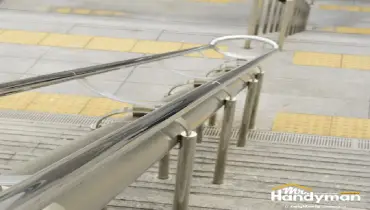
Stairways require extra attention during winter. Moisture and limited lighting increase the risk of falls, especially in multi level commercial properties.
Winter safety improvements should include:
- Securing handrails
- Improving stair lighting
- Repairing damaged steps or nosings
Stair safety is a critical component of liability prevention.
Restrooms and Common Area Safety
Restrooms and break areas see increased use during winter as employees spend more time indoors. Moisture and wear can create hazards if not addressed.
Safety improvements include:
- Repairing loose fixtures
- Addressing slippery flooring
- Ensuring adequate lighting and ventilation
Well maintained common areas support safety and employee comfort.
Why Proactive Winter Safety Matters for Businesses
Winter safety improvements help businesses avoid accidents that lead to injuries, claims, and operational disruptions. Proactive maintenance protects people and reduces long term costs.
Businesses that prioritize winter safety:
- Reduce liability exposure
- Improve employee morale
- Protect customer trust
- Maintain consistent operations
Professional Support for Winter Safety Improvements
Identifying and addressing winter safety risks requires experience and attention to detail. Many businesses rely on professional maintenance services to ensure safety improvements are completed correctly and efficiently.
Commercial property owners across Murfreesboro, Smyrna, La Vergne, Franklin, and Brentwood trust Mr. Handyman of Murfreesboro, Franklin and Brentwood for dependable commercial safety improvements, repairs, and winter maintenance services.
Common Winter Safety Oversights That Put Commercial Properties at Risk
.webp)
Winter creates a unique set of safety challenges for commercial properties, yet many businesses underestimate how quickly small oversights can turn into serious hazards. What may seem like minor maintenance issues during warmer months often become amplified in cold, wet, and low-light conditions. Understanding the most common winter safety oversights helps business owners and property managers take proactive steps to reduce accidents, injuries, and liability.
For commercial properties in Murfreesboro, Smyrna, La Vergne, Franklin, and Brentwood, addressing these oversights early in the season can prevent costly incidents and protect everyone who enters the property.
Underestimating How Moisture Affects Indoor Safety
One of the most common winter safety mistakes is focusing only on outdoor conditions while overlooking indoor moisture risks. Wet shoes, umbrellas, and clothing bring moisture inside, especially near entrances, hallways, and restrooms.
When moisture combines with smooth flooring, even minor spills become slip hazards. Businesses that fail to monitor and maintain interior flooring conditions increase their risk of accidents.
Regular inspections and prompt cleanup of moisture are essential components of winter safety.
Neglecting Entrance Maintenance During High Traffic Periods
Entrances experience constant use during winter as employees and customers come and go more frequently. Doors, mats, and flooring in these areas wear down quickly.
A common oversight is failing to:
- Secure entrance mats
- Repair loose thresholds
- Address door alignment issues
- Maintain proper lighting
Poorly maintained entrances are one of the leading sources of winter related incidents.
Ignoring Lighting Gaps Caused by Shorter Days
Shorter daylight hours make lighting deficiencies far more noticeable and dangerous. Many businesses rely on natural light during much of the year, only to discover lighting gaps in winter.
Common lighting oversights include:
- Burned out bulbs in stairwells
- Dim parking lot lighting
- Inadequate illumination in hallways
- Poor visibility at entrances and exits
Without sufficient lighting, hazards are harder to see, increasing accident risk.
Overlooking Door and Hardware Performance
Cold temperatures affect building materials, causing doors and hardware to shift, loosen, or malfunction. Doors that stick, fail to latch, or swing unpredictably create safety and security concerns.
Businesses often overlook:
- Loose door handles
- Worn hinges
- Misaligned frames
- Drafts that cause condensation
Regular door and hardware inspections help prevent accidents and improve accessibility.
Failing to Address Flooring Wear Promptly
Flooring damage that seems cosmetic during warmer months becomes dangerous in winter. Cracked tiles, worn carpet edges, and uneven transitions increase the risk of trips and falls.
A common oversight is delaying flooring repairs until they appear severe. Addressing wear early reduces both safety risks and repair costs.
Not Prioritizing Stairway and Handrail Inspections
.webp)
Stairways require extra attention during winter, yet they are often overlooked in routine inspections. Moisture, poor lighting, and heavy use increase the risk of falls.
Common stair safety oversights include:
- Loose or damaged handrails
- Worn step edges
- Insufficient lighting
Maintaining stair safety is critical for preventing injuries in multi level commercial spaces.
Skipping Safety Checks in Restrooms and Break Areas
Restrooms and break areas see increased use during winter as employees spend more time indoors. Moisture and clutter can create hazards if not monitored closely.
Oversights include:
- Slippery flooring
- Loose fixtures
- Poor ventilation leading to condensation
Routine checks of these areas help maintain a safe and comfortable environment.
Assuming Temporary Fixes Are Enough
Temporary solutions such as loose mats or caution signs are often used to address winter hazards. While these measures help short term, relying on them as permanent solutions is a mistake.
Temporary fixes often shift or wear out quickly, leaving hazards unresolved. Permanent repairs provide safer and more reliable results.
Failing to Train Staff on Winter Safety Awareness
Employees play an important role in identifying and reporting safety issues. A common oversight is failing to communicate winter specific safety concerns to staff.
Training employees to:
- Report hazards promptly
- Maintain clear walkways
- Monitor high risk areas
helps prevent incidents and supports a culture of safety.
Why Professional Inspections Reduce Winter Risk
Many winter safety oversights occur because hazards are subtle or develop gradually. Professional inspections help identify risks that may be missed during routine checks.
Businesses across Murfreesboro, Smyrna, La Vergne, Franklin, and Brentwood rely on Mr. Handyman of Murfreesboro, Franklin and Brentwood for dependable commercial safety inspections, repairs, and winter maintenance services.
High Value Winter Safety Improvements That Protect Commercial Properties
Winter safety improvements are most effective when they focus on long term protection rather than temporary fixes. High value improvements reduce accident risk, support daily operations, and help businesses avoid costly liability issues. By investing in the right upgrades at the right time, commercial property owners can create safer environments that remain reliable throughout the winter season and beyond.
For commercial properties in Murfreesboro, Smyrna, La Vergne, Franklin, and Brentwood, prioritizing winter safety improvements early helps prevent injuries, maintain compliance, and protect the reputation of the business.
Why High Value Safety Improvements Focus on Prevention
Preventing accidents is far more cost effective than responding to them. Slip and fall incidents, accessibility complaints, and safety violations often result in medical costs, insurance claims, and legal expenses. High value safety improvements address root causes rather than symptoms.
Effective winter safety strategies focus on:
- Eliminating hazards before incidents occur
- Improving visibility and accessibility
- Strengthening high use areas
- Reducing reliance on temporary solutions
This proactive approach lowers risk and supports consistent operations.
Entrance Upgrades That Reduce Immediate Risk
Entrances are the most critical safety zone during winter. Moisture, heavy foot traffic, and temperature changes combine to create constant risk if not properly managed.
High value entrance improvements include:
- Securely installed commercial grade floor mats
- Repaired or replaced thresholds and transitions
- Door alignment adjustments to ensure smooth operation
- Improved lighting for better visibility
These upgrades reduce slips, improve accessibility, and create safer first impressions.
Interior Flooring Improvements That Prevent Falls
Flooring issues become significantly more dangerous during winter when surfaces are damp. High value flooring improvements focus on stability, traction, and consistency.
Effective improvements include:
- Repairing cracked or uneven flooring
- Securing loose carpet edges
- Replacing worn transition strips
- Addressing changes in floor height
Well maintained flooring reduces trip hazards and supports safe movement throughout the building.
Lighting Upgrades That Improve Safety and Awareness
Lighting plays a major role in winter safety. Reduced daylight means artificial lighting must compensate to maintain visibility and security.
High value lighting improvements include:
- Replacing outdated or dim fixtures
- Ensuring even lighting in hallways and stairwells
- Improving visibility at entrances and exits
- Addressing dark corners and blind spots
Consistent lighting helps occupants identify hazards and move safely through the space.
Door and Hardware Improvements That Enhance Safety and Access
Cold weather affects doors and hardware, causing misalignment and wear. High value improvements ensure doors function reliably and safely during winter conditions.
Key upgrades include:
- Reinforcing hinges and handles
- Adjusting door alignment
- Replacing worn hardware
- Addressing drafts that lead to condensation
Properly functioning doors reduce safety risks and improve accessibility for all users.
Stairway and Handrail Improvements That Prevent Serious Injuries
Falls on stairs often result in serious injuries. Winter conditions increase risk due to moisture and reduced visibility.
High value stairway safety improvements include:
- Securing handrails firmly
- Repairing damaged steps or nosings
- Improving stair lighting
- Ensuring consistent step height and depth
These improvements significantly reduce fall risk in multi level commercial properties.
Restroom and Common Area Safety Enhancements
Restrooms and break areas experience increased use during winter and often become moisture prone. High value safety improvements focus on durability and cleanliness.
Examples include:
- Repairing loose fixtures
- Addressing slippery flooring
- Improving ventilation to reduce condensation
- Ensuring adequate lighting
Maintaining safe shared spaces supports employee comfort and reduces accident risk.
Replacing Temporary Fixes With Permanent Solutions
Temporary safety measures such as loose mats, cones, or warning signs are often used during winter. While helpful short term, they should not replace permanent repairs.
High value safety improvements eliminate the need for constant temporary fixes by resolving hazards at their source. This leads to safer, more reliable environments.
Developing a Winter Safety Maintenance Schedule
Consistent inspections and maintenance are essential for sustaining winter safety improvements. A structured schedule ensures issues are identified and addressed promptly.
Effective schedules include:
- Regular walkthrough inspections
- Increased monitoring of high risk areas
- Prompt repairs when issues are found
A planned approach reduces surprises and maintains safety standards.
Why Professional Safety Improvements Deliver Better Results
Professional safety improvements ensure repairs are completed correctly, securely, and in compliance with safety standards. Experienced professionals understand how winter conditions affect buildings and can identify risks that may be overlooked.
Commercial property owners across Murfreesboro, Smyrna, La Vergne, Franklin, and Brentwood trust Mr. Handyman of Murfreesboro, Franklin and Brentwood for dependable winter safety improvements, commercial repairs, and ongoing maintenance support.
Their team helps businesses address hazards proactively, complete high value upgrades, and maintain safe, professional properties throughout winter.
Final Thoughts on Winter Safety for Commercial Properties
Winter safety improvements are a vital investment for commercial properties. By focusing on high value upgrades, replacing temporary fixes with permanent solutions, and maintaining consistent inspections, businesses can reduce accidents, protect occupants, and avoid costly disruptions.
Improve safety and reduce liability this winter. Call or schedule commercial safety upgrades online today.
