
The Ceiling Tells Middle Tennessee Customers What the Rest of the Space Cannot Hide
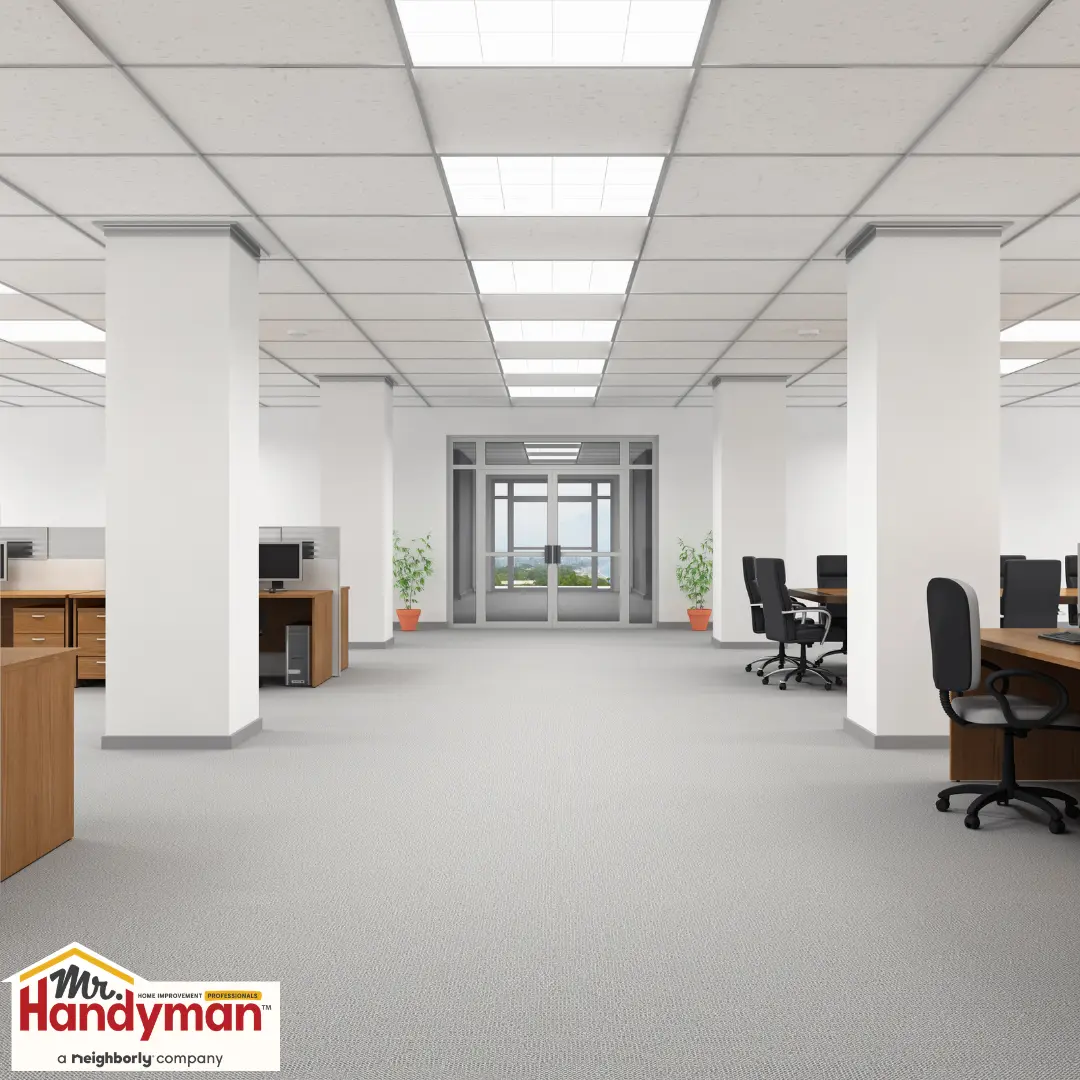
A commercial ceiling in Murfreesboro, Franklin, or Brentwood is not a background architectural element that customers observe passively. It is the largest continuous surface in the overhead field that every customer sees across the full area of every space they occupy, and its condition communicates the maintenance investment and management standard of the business more comprehensively than any other single surface because it is simultaneously visible from every position in the room without the selective observation that wall surfaces and floor surfaces allow through proximity and positioning.
Middle Tennessee's specific climate creates ceiling tile maintenance demands in commercial spaces that distinguish this market's maintenance requirements from national guidance calibrated to average commercial building conditions. The compressed spring transition between the heating season that Middle Tennessee's winters deliver and the cooling demands that the Tennessee Valley's warm summer creates in commercial HVAC systems produces the ductwork condensation that ceiling tile staining traces to during the weeks of most rapid temperature change above commercial ceiling planes. The warm temperatures that Middle Tennessee's climate sustains in commercial building interiors through a generous portion of the year, including the spring and summer months when the temperature and humidity conditions that biological growth requires are most fully present, advance the biological growth in moisture-affected ceiling tile materials at rates that the cold-season suppression of biological activity that colder climates provide does not interrupt in Middle Tennessee's conditions. And the significant annual rainfall that Middle Tennessee's position within the Gulf moisture corridor delivers tests commercial roofing systems in ways that advance the moisture infiltration conditions that ceiling tile staining traces to when roofing maintenance has not kept pace with the regional rainfall demands.
Understanding why ceiling tile maintenance carries specific urgency in Murfreesboro, Franklin, and Brentwood commercial spaces, what Middle Tennessee's climate creates in commercial ceiling systems that elevates regional maintenance frequency above national averages, and what the business consequences of deferred ceiling maintenance are in this specific market gives commercial property operators the awareness to protect the overhead presentation that brand-conscious commercial spaces in Middle Tennessee's competitive business environment depend on.
What Middle Tennessee's Climate Creates in Commercial Ceiling Systems
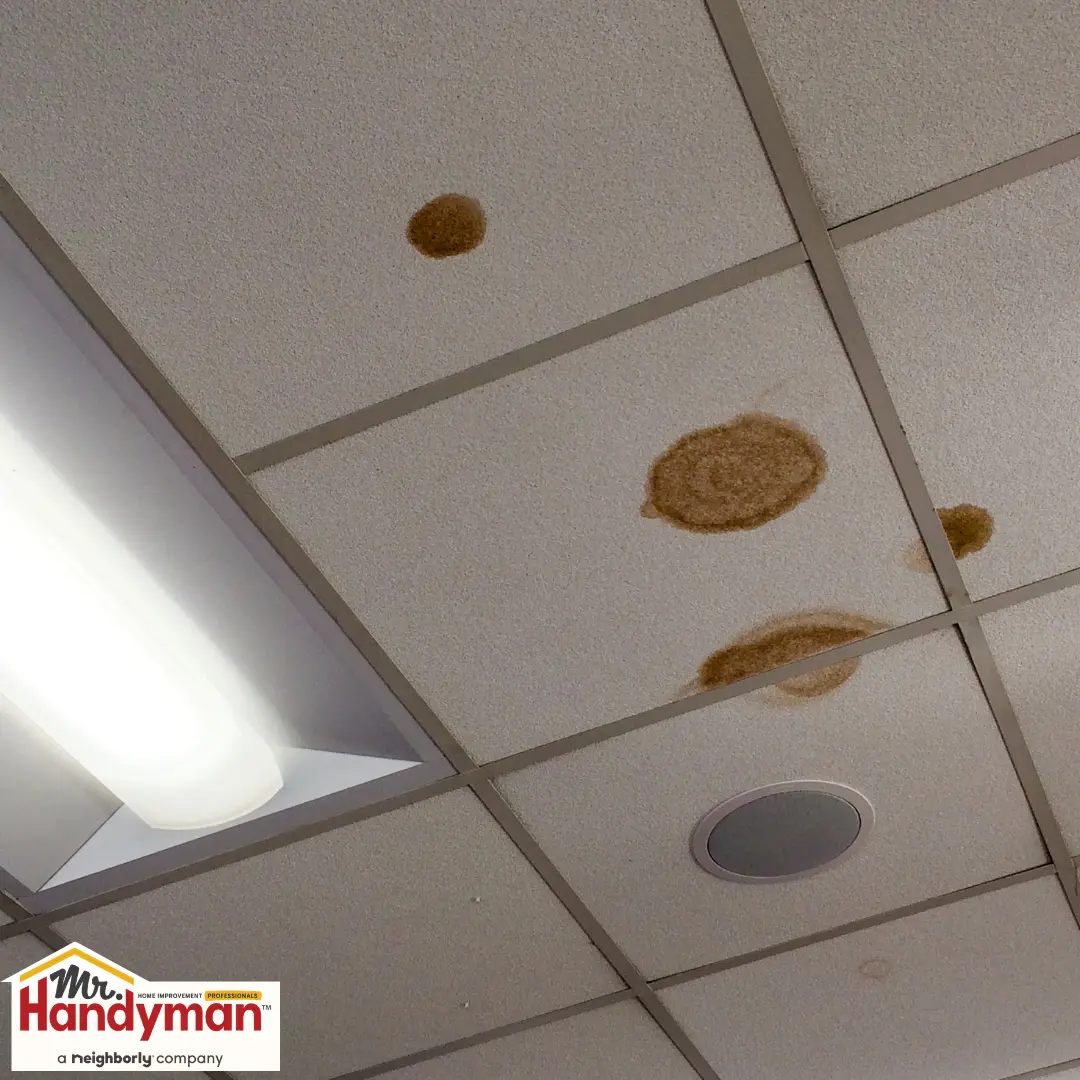
HVAC condensation from the compressed seasonal transition is the most distinctively regional ceiling tile staining source in Murfreesboro, Franklin, and Brentwood commercial buildings, and the specific character of Middle Tennessee's spring transition from the heating season to cooling season creates this condensation mechanism with the compressed timeline that the region's climate produces rather than the gradual seasonal shift that moderate climates allow. When commercial HVAC systems in Middle Tennessee buildings shift from heating to cooling mode as spring temperatures rise, the ductwork carrying cold supply air passes through plenum environments that the heating season conditioned to temperatures significantly above the supply air temperature. The condensation that this temperature differential creates on ductwork surfaces drips through ceiling plane joints and tile surfaces in ways that produce the staining that customers observe as evidence of water problems.
The specific Middle Tennessee character of this staining mechanism is the compression of the spring transition that the region's climate creates. The interval between the end of the heating season and the full activation of the cooling season is narrower here than in moderate-climate markets, creating a more intense condensation event in a shorter period that deposits moisture on ceiling tiles above commercial plenum environments more rapidly than a gradual seasonal transition would produce over the same calendar period.
Biological growth conditions in Middle Tennessee commercial ceiling tiles reflect the warm temperatures that the region's climate sustains in commercial building interior environments through the spring, summer, and fall seasons that Middle Tennessee's length of warm weather creates. A ceiling tile that has absorbed moisture from an HVAC condensation event in March in a Murfreesboro or Franklin commercial building has entered the warm, humid conditions of a Middle Tennessee spring with the moisture content that biological growth requires, and the regional climate's warm temperatures advance that biological growth in moisture-affected ceiling materials through the months between the moisture introduction event and the fall season when temperatures cool. The absence of the cold-season biological suppression that colder climates provide between moisture events and warm season biological activity means that Middle Tennessee commercial ceiling tiles manage biological growth development as a continuous warm-season condition rather than an interrupted seasonal one.
Roofing system rainfall demands in Middle Tennessee commercial buildings reflect the significant annual rainfall that the region receives through the organized frontal systems and convective storm activity that the Gulf moisture corridor delivers to the Murfreesboro, Franklin, and Brentwood area through multiple seasons. The active spring severe weather season and the summer thunderstorm activity that Middle Tennessee sustains create the rainfall delivery pattern that tests commercial roofing conditions in ways that advance moisture infiltration from roofing system deficiencies into ceiling planes more frequently than moderate-rainfall markets. Ceiling tile staining that traces to roofing system conditions rather than HVAC condensation is sustained by the frequency of significant rainfall events that Middle Tennessee's climate creates rather than the exceptional events that rarer rainfall markets produce.
The Business Impact in Middle Tennessee's Commercial Market

Customer perception of ceiling tile conditions in Murfreesboro, Franklin, and Brentwood commercial spaces reflects the specific consumer sophistication that the region's growth trajectory has been creating in the communities these businesses serve. Middle Tennessee's significant population growth has attracted the educated, professional household demographics that Williamson County's premium residential market sustains and that Murfreesboro's rapidly growing professional employment base has been generating, and those demographics bring quality reference points from a range of commercial markets that stained, sagging, or damaged ceiling tiles fail to meet regardless of what other quality elements the business's interior presents.
Brentwood and Franklin premium market expectations create the specific ceiling condition evaluation standard that the businesses serving those communities' consumer bases manage as a baseline quality requirement rather than an aspirational goal. A professional services firm, medical practice, or premium retail operation in Brentwood or Franklin presenting ceiling conditions that communicate deferred maintenance is creating the first impression gap between its pricing and its physical environment that the premium consumer evaluates as a quality inconsistency before any service delivery creates the opportunity for a different assessment.
Identifying Ceiling Tile Conditions Requiring Replacement in Middle Tennessee
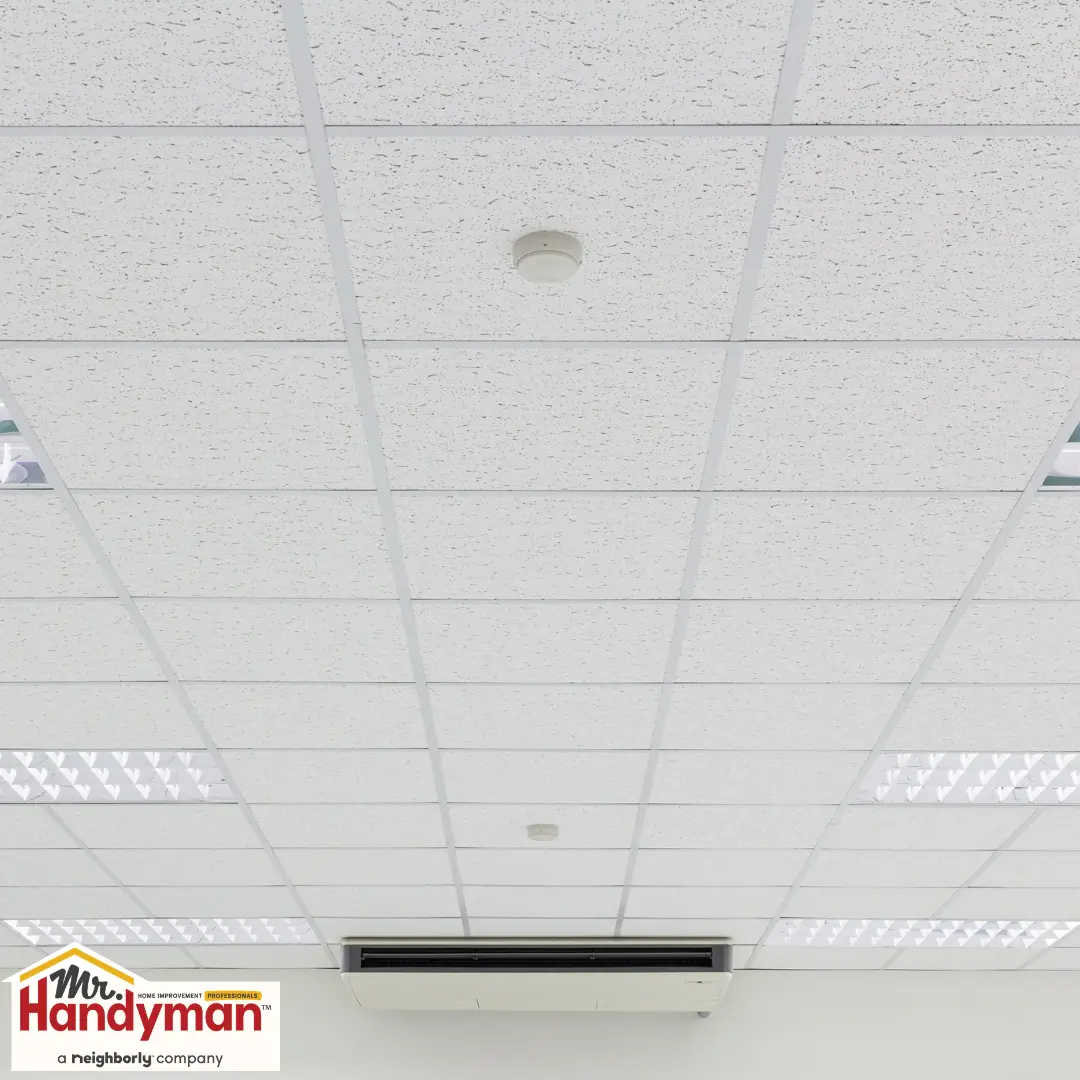
The range of ceiling tile conditions that Murfreesboro, Franklin, and Brentwood commercial spaces present reflects the specific damage mechanisms that Middle Tennessee's climate creates in ceiling systems, and understanding which conditions require replacement versus cleaning or other remediation directs maintenance investment to the responses that ceiling condition restoration in this regional environment actually requires.
Stained tiles from HVAC transitional condensation represent the most common replacement category in Middle Tennessee commercial ceilings, and the regional specificity of this source is important for understanding why cleaning rarely provides the lasting solution that the same investment produces in staining from other sources. The acoustic tile materials that standard commercial ceilings use absorb the moisture that HVAC condensation events introduce from above the ceiling plane into the tile material itself rather than depositing staining on the tile's surface in ways that cleaning removes. The discoloration that results from this moisture absorption is embedded in the tile material, and the cleaning attempts that temporarily improve appearance in Middle Tennessee commercial ceilings are reversed when the next annual HVAC seasonal transition produces the condensation event that the regional climate's compressed spring transition creates reliably each year.
Biologically affected tiles in Middle Tennessee commercial ceilings carry the visible staining and the odor conditions that the warm temperatures the region's climate sustains in commercial building interiors advance in moisture-affected ceiling materials through the warm seasons that Middle Tennessee provides continuously from spring through fall. A tile that has developed the biological staining and the musty odor that mold and mildew growth in ceiling materials produces in Middle Tennessee's warm conditions is communicating both the aesthetic condition that customer observation registers and the air quality condition that the HVAC system distributing air through the commercial plenum circulates through the occupied space below. Both dimensions of this condition warrant replacement rather than the surface improvement that cleaning provides without addressing the biological material embedded in the tile.
Sagging and deformed tiles in Middle Tennessee commercial ceilings indicate that tile materials have absorbed sufficient moisture to compromise their dimensional stability, producing the visible deformation that confirms structural integrity has been affected. In Middle Tennessee's warm commercial building environment where the biological growth conditions that moisture-affected ceiling materials carry advance without the cold-season interruption that colder climates provide, sagging tiles represent the advanced stage of moisture damage whose urgency warrants immediate replacement rather than monitored deterioration management.
Building a Systematic Replacement Program for Middle Tennessee
Post-HVAC-transition inspection timing provides the most complete ceiling condition inventory in Murfreesboro, Franklin, and Brentwood commercial spaces because it captures the staining and moisture conditions that Middle Tennessee's compressed spring transition produced in ceiling tiles above plenum environments that experienced the condensation the transition creates. Conducting ceiling assessment in the weeks following the HVAC system's shift from heating to cooling mode in Middle Tennessee, typically occurring between March and May depending on the specific year's temperature progression, identifies the full extent of condensation-related staining before the warm season's biological growth advances in moisture-affected tiles at the rates that Middle Tennessee's temperatures sustain.
Annual assessment minimum in Middle Tennessee commercial spaces reflects the specific mechanism frequency that the regional climate creates for the ceiling tile damage conditions that systematic inspection identifies. The HVAC seasonal transition that produces condensation staining occurs annually, and the warm season biological growth that moisture-affected tiles develop occurs across the extended warm period that Middle Tennessee's climate provides, creating the annual assessment minimum that captures those conditions at the assessment points where the regional climate makes them most clearly evaluable.
Systematic versus reactive replacement philosophy produces measurably better continuous ceiling quality in Middle Tennessee commercial spaces than reactive programs that wait for customer-visible deterioration to trigger response. In a regional climate where the warm season biological growth advances in moisture-affected tiles without the cold-season interruption that pauses that progression in colder markets, developing conditions advance from early-stage to customer-visible deterioration across a single Middle Tennessee warm season rather than the extended period that colder climates provide between development and visibility.
Selecting Replacement Tiles for Middle Tennessee Commercial Applications
Moisture-resistant tile specification for Middle Tennessee commercial ceiling replacement addresses the HVAC condensation conditions that the regional spring transition creates as a recurring annual event rather than an exceptional occurrence. Standard acoustic ceiling tiles provide adequate performance in stable-humidity environments but develop the moisture absorption and biological growth conditions that Middle Tennessee's warm climate and HVAC transitional condensation produces at rates that moisture-resistant alternatives resist more effectively. Tiles with built-in mold and mildew resistance and the moisture tolerance specifications appropriate for Middle Tennessee's commercial plenum humidity conditions provide the service interval between replacement cycles that standard tiles cannot deliver when the regional climate's warm temperatures and annual condensation mechanism create the moisture conditions that standard tile materials absorb and develop.
Product matching for partial replacement in Middle Tennessee commercial ceilings requires the specific documentation that consistent appearance demands when replacement addresses developing condition tiles rather than the full ceiling system. The color and texture variation between tiles manufactured in different production runs of nominally identical products is visible in commercial ceiling grid contexts where adjacent tile comparisons make those variations apparent, and the product specification documentation that accurate replacement matching requires is more practically important in Middle Tennessee's warm climate where the annual replacement frequency that the regional conditions create makes product matching documentation a routine operational need rather than an occasional reference.
Frequently Asked Questions
How does Middle Tennessee's warm climate specifically affect commercial ceiling tile replacement frequency?
Middle Tennessee's warm temperatures sustain biological growth in moisture-affected ceiling tile materials through the spring, summer, and fall seasons without the cold-season interruption that colder climates use to slow that progression between moisture events and visible deterioration. A ceiling tile that absorbs moisture from HVAC condensation in March in a Murfreesboro or Franklin commercial building enters the warm months that the regional climate provides immediately after the moisture introduction event, advancing biological growth through the extended warm season rather than the brief warm period that follows moisture introduction in colder markets before winter slows the progression. That continuous warm-season advancement makes the replacement frequency appropriate for Middle Tennessee commercial ceilings higher than national averages calibrated to conditions where cold-season interruption provides the biological growth pause that Middle Tennessee's climate does not.
Should stained ceiling tiles in Middle Tennessee commercial spaces be cleaned or replaced?
Replacement delivers the durable result in most Middle Tennessee commercial applications because the acoustic tile materials that standard commercial ceilings use absorb the staining that HVAC condensation events produce into the tile material rather than on its surface. Cleaning attempts in Middle Tennessee commercial spaces achieve the surface improvement that the next annual HVAC transition's condensation event reverses, producing the repeated cleaning cost cycle that replacement interrupts by delivering the uniform appearance that replacement tiles provide until the next replacement interval. For Middle Tennessee's conditions specifically, where the annual HVAC transition condensation mechanism reliably restains tiles that cleaning improved the previous year, replacement provides better value than the cleaning repetition that the regional climate's mechanism frequency requires.
How does Middle Tennessee's spring severe weather affect ceiling tile conditions in commercial spaces?
Middle Tennessee's spring severe weather season delivers the concentrated rainfall that tests commercial roofing systems through multiple significant storm events each spring, and the roofing membrane conditions that winter's thermal cycling advanced toward infiltration failure allow that rainfall to reach ceiling planes in ways that produce the staining that spring post-storm assessment identifies. In Murfreesboro and Franklin commercial buildings where roofing systems have been in service through multiple Middle Tennessee storm seasons without comprehensive membrane assessment, the ceiling tile staining that spring storms produce through those compromised roofing conditions represents the roofing investment need that ceiling tile replacement alone cannot resolve without addressing the moisture source that will continue producing ceiling staining until roofing conditions are corrected.
What is the most cost-effective approach to ceiling tile maintenance in Middle Tennessee commercial spaces?
Systematic inspection timed to Middle Tennessee's post-HVAC-transition period in late spring combined with targeted replacement of tiles approaching customer-visible deterioration, supported by HVAC ductwork insulation maintenance that reduces the condensation conditions the region's compressed spring transition creates, provides the most cost-effective approach for sustained commercial ceiling quality in this market. This approach costs less over the maintenance cycle than the full ceiling replacement that deferred reactive maintenance eventually requires and maintains the professional overhead presentation that brand-conscious commercial spaces in Murfreesboro's competitive market and Williamson County's premium business environment need continuously rather than only between reactive replacement events.
How does Williamson County's premium commercial market affect ceiling tile maintenance expectations specifically?
The businesses operating in Brentwood's and Franklin's premium commercial environments serve consumer bases whose quality reference points from diverse professional and residential market experiences establish higher threshold expectations for commercial interior conditions than average consumer markets sustain. A ceiling carrying the biological staining and deterioration that Middle Tennessee's warm climate advances in deferred-maintenance commercial ceilings fails to meet those elevated thresholds in ways that directly affect the brand perception the business communicates through its physical environment. Systematic ceiling maintenance calibrated to Middle Tennessee's regional conditions maintains the overhead presentation quality that Williamson County's premium commercial market specifically requires rather than meeting the average commercial standard that more modest consumer markets accommodate.
Ceilings That Communicate Middle Tennessee Commercial Quality
The commercial ceiling in a Murfreesboro, Franklin, or Brentwood business is the overhead surface that every customer sees throughout every visit, and its condition communicates the management investment that the business sustains through the HVAC condensation events, warm season biological growth conditions, and significant annual rainfall that Middle Tennessee's climate creates in commercial ceiling systems with the frequency and consequence that elevates this market's maintenance requirements above national averages. A ceiling maintained through the systematic replacement program that Middle Tennessee's regional conditions specifically require demonstrates the active management discipline that the region's quality-conscious and increasingly sophisticated commercial consumer base translates into the business confidence that brand-conscious operations in this competitive market depend on.
The team at Mr. Handyman of Murfreesboro, Franklin, and Brentwood has the commercial maintenance experience to help businesses assess, plan, and execute ceiling tile replacement programs that maintain the professional overhead presentation their brand standards and Middle Tennessee's competitive business environment both require.
Website: https://www.mrhandyman.com/murfreesboro-smyrna/
Serving businesses throughout Murfreesboro, Franklin, and Brentwood with dependable commercial maintenance and the expertise your property deserves.