
Middle Tennessee's Seasons Leave a Specific Account on Every Outdoor Structure

The outdoor structures and exterior surfaces of homes in Murfreesboro, Franklin, and Brentwood arrive at spring carrying the accumulated conditions that Middle Tennessee's specific climate delivers between one outdoor season and the next. This is not the dramatic winter damage of northern climates where sustained deep cold and heavy snow loads create the catastrophic structural failures that even casual spring assessment reveals. It is the progressive, accumulating deterioration that the region's warm humid conditions, the occasional hard freeze events, and the clay soil dynamics that Rutherford County and Williamson County's expansive soil profiles create in wood, metal hardware, and painted surfaces over the months between outdoor seasons.
The fence that entered fall with a few boards showing wear from the previous outdoor season's use and beginning biological growth from Middle Tennessee's warm late summer has spent the winter with those conditions continuing to advance without the active maintenance that the outdoor season's visibility would have prompted. The gate that was latching with some difficulty before the outdoor season ended has accumulated the clay soil movement that Middle Tennessee's wetting and drying cycles continued producing through the fall and winter in the post positions that gate function depends on. And the exterior trim that showed some paint adhesion failure at the corner boards and window surrounds has been through the region's thermal cycling, the moisture of Middle Tennessee's significant winter rainfall, and the biological growth initiation that the warm moist conditions the region sustains create in failing paint systems.
Spring is when those accumulated conditions are most completely visible, most actionable, and most cost-effectively addressed before the outdoor season's visibility and the spring storm season's tests both arrive for the property that deferred assessment was counting on to wait. Understanding what Middle Tennessee's specific mechanisms produce in fence, gate, and exterior trim, why the region's clay soil dynamics and biological growth conditions make the starting point here different from moderate markets, and how correct repair execution holds through subsequent Middle Tennessee seasonal cycles provides the regional framework for outdoor structure and trim repair that produces lasting results.
What Middle Tennessee's Winter Produces in Wood Fence Systems
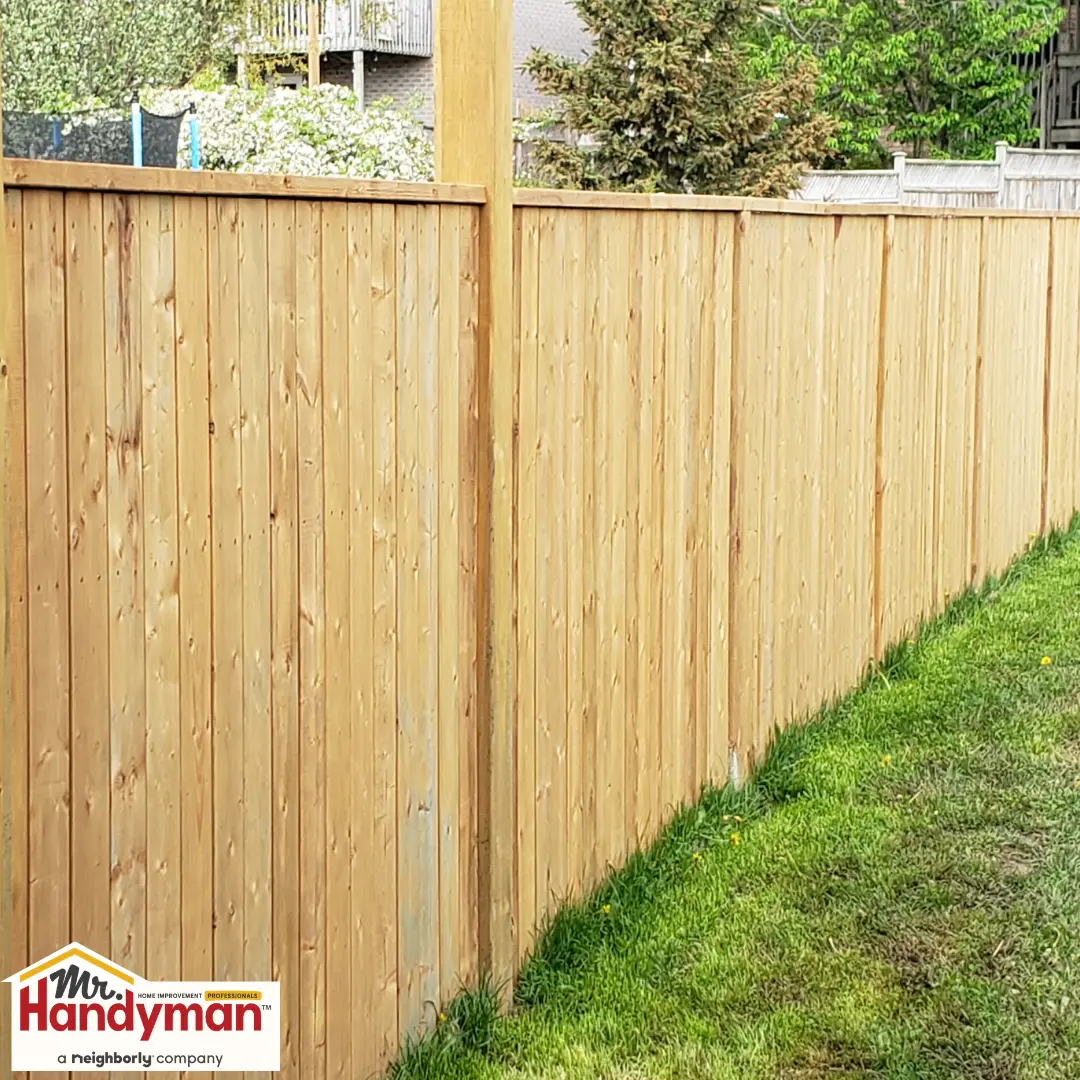
Post deterioration and displacement in Middle Tennessee fence installations reflects the specific dynamics that Rutherford County and Williamson County's expansive clay soils create in fence post embedment zones through the seasonal wetting and drying cycles that Middle Tennessee's rainfall and warm dry periods produce. Clay soils in the Murfreesboro and Franklin service area expand when the spring rainfall and winter moisture saturates them and contract when the summer's heat and dry periods dessicate them, and that expansion and contraction creates the lateral soil pressure changes around fence post embedment that progressively displace post positions across multiple Middle Tennessee seasonal cycles.
A fence post that was correctly embedded and plumb at installation has been through the full amplitude of Middle Tennessee's clay soil seasonal expansion and contraction cycles since that installation, and the progressive displacement that accumulates across those cycles produces the visible lean that spring assessment reveals in fence posts whose embedment depth and concrete specification did not account for the specific clay soil dynamics that the regional geology creates in Rutherford County and Williamson County fence installations.
Posts in Middle Tennessee fence installations that were set without the concrete embedment depth and specification appropriate for the regional clay soil dynamics face the progressive displacement that inadequate embedment against Middle Tennessee's seasonal soil movement produces faster than properly embedded posts in the same clay soil environment. Spring assessment that evaluates post plumb at every post in the fence line and identifies the displacement that clay soil cycling produced provides the condition inventory that determines which posts require reset with appropriate regional concrete embedment and which remain adequately positioned for the current outdoor season.
Board and panel condition after Middle Tennessee's winter reflects the biological growth initiation that the region's warm, moist fall and winter conditions create on wood fence surfaces in ways that more northern or drier climates do not sustain between outdoor seasons. Wood fence boards in Murfreesboro, Franklin, and Brentwood fence installations that did not receive adequate surface treatment at the previous season's maintenance carry the biological growth that Middle Tennessee's mild winter sustained on those surfaces through the moisture and moderate temperatures that the regional climate provides even through the cooler months.
Rail and stringer deterioration at the post connections in Middle Tennessee wood fence systems reflects the concentrated moisture accumulation that the joint between horizontal rails and vertical posts collects during the significant rainfall that Middle Tennessee's spring storm season and winter rainfall deliver and the biological growth that the warm regional climate sustains in the moisture that those joints retain between dry periods.
Gate Systems: The Middle Tennessee Condition That Spring Most Reliably Reveals
Gate post displacement and latch misalignment is the gate condition that Murfreesboro, Franklin, and Brentwood homeowners most consistently discover when spring's outdoor season preparation reveals what Middle Tennessee's clay soil seasonal cycling produced in the spatial relationship between the hinged post and the latch post. Middle Tennessee's clay soil expansion and contraction creates the post position changes that accumulate across seasonal cycles in ways that the gate hardware's tolerance range accommodates initially but that eventually advance beyond that tolerance into the binding, dragging, and latch failure that spring assessment identifies and post position correction and hardware adjustment addresses.
Hinge condition and corrosion on Middle Tennessee gates reflects the specific deterioration that the region's warm humid conditions and the significant annual rainfall create in the metal components at hinge barrel and leaf surfaces. Metal hardware in Middle Tennessee outdoor applications experiences the rust advancement and surface deterioration that the region's warm humid conditions and biological growth sustain on exposed metal surfaces at rates that moderate or dry climates do not produce at the same pace.
Exterior Trim Damage: What Middle Tennessee's Climate Specifically Produces
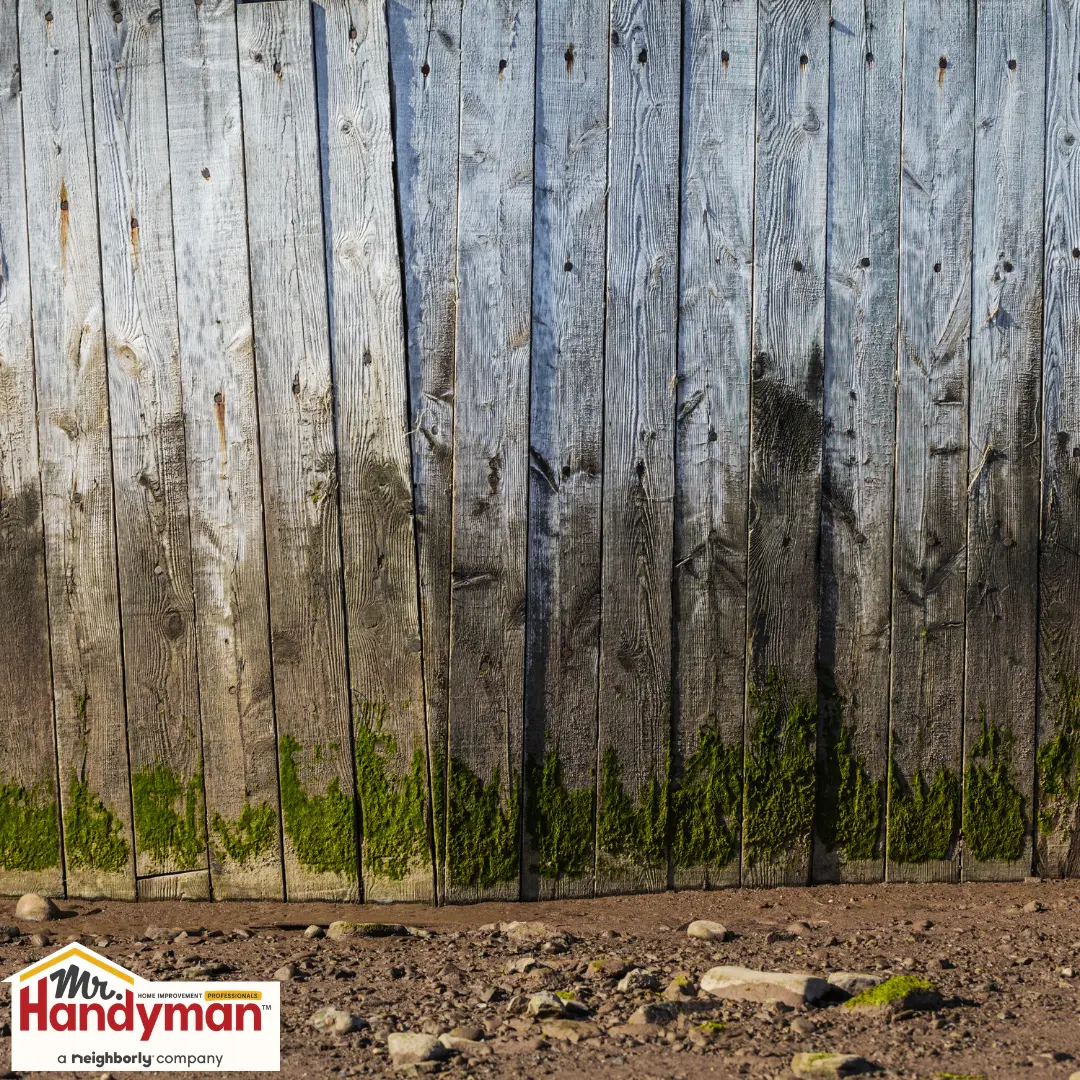
Exterior trim in Murfreesboro, Franklin, and Brentwood homes carries the visible evidence of what Middle Tennessee's climate creates in painted and finished wood surfaces between fall and spring assessment, and the repair and restoration work that spring provides the optimal timing and conditions for addresses those conditions before the outdoor season's UV intensity and storm activity advance whatever winter left unresolved.
Paint adhesion failure on exterior trim in Middle Tennessee homes reflects the specific combination of thermal cycling, biological growth, and the moisture that the region's significant annual rainfall and warm humid conditions deliver to painted exterior wood surfaces between maintenance intervals. The temperature variation that Middle Tennessee's seasonal range creates at the paint adhesion interfaces of exterior trim elements, from the cold snap events that winter occasionally delivers through the summer heat that the Tennessee Valley sustains through the warm season, advances the expansion and contraction at those interfaces that accumulates adhesion stress with each seasonal contribution. The biological growth that Middle Tennessee's warm moist conditions establish on painted surfaces at the locations where moisture concentration and shade conditions create the most favorable biological activity environment then advances the paint system deterioration that thermal cycling initiated at rates that the regional climate sustains through more of the year than cooler markets allow between cold-season suppression intervals.
Paint failure at exterior trim in Middle Tennessee homes requires the preparation discipline that produces results holding through subsequent regional seasonal cycles rather than the cosmetic improvement that painting over failing conditions creates before the next Middle Tennessee spring and summer advances the same failure through the same mechanisms within one or two seasons of the inadequately prepared repair. Removing failing paint back to sound adhesion rather than applying new paint over compromised film, treating biological growth on surfaces before repainting rather than painting over the growth that Middle Tennessee's warm conditions will continue sustaining beneath the new film, priming bare wood against the moisture and biological initiation that the regional climate delivers to unprotected exterior wood, and finishing with mildew-resistant exterior paint formulations appropriate for Middle Tennessee's warm humid conditions produces the repair quality that subsequent regional seasons test rather than immediately advance.
Wood deterioration in exterior trim beyond simple paint failure develops when paint adhesion failure has been present long enough that the unprotected wood beneath absorbed the moisture from Middle Tennessee's rainfall events and experienced the UV degradation that direct sun delivers to bare wood without finish protection. The warm humid conditions that Middle Tennessee sustains through the spring and summer season advance the wood deterioration that moisture exposure initiates at rates that the regional climate sustains aggressively once the paint protection that was preventing moisture contact has failed. Exterior trim with soft, discolored, or visibly deteriorating wood at paint failure locations requires replacement rather than painting over, because the structural integrity that finished trim requires to hold paint through Middle Tennessee's seasonal cycling is no longer present in wood that the regional climate's moisture and biological activity has compromised.
Caulking failure at trim joints between exterior trim elements and adjacent siding, window frames, and masonry is the condition that Middle Tennessee's thermal cycling most consistently produces at building envelope transition points between outdoor seasons. Caulk applied when temperatures were moderate has been through the regional seasonal range since that application, and the adhesion and flexibility that functional weather exclusion requires at those joints reflects what the Middle Tennessee thermal cycling has left in that specific application rather than the installation condition it represented when fresh.
Repair Execution That Holds Through Middle Tennessee's Seasonal Cycling
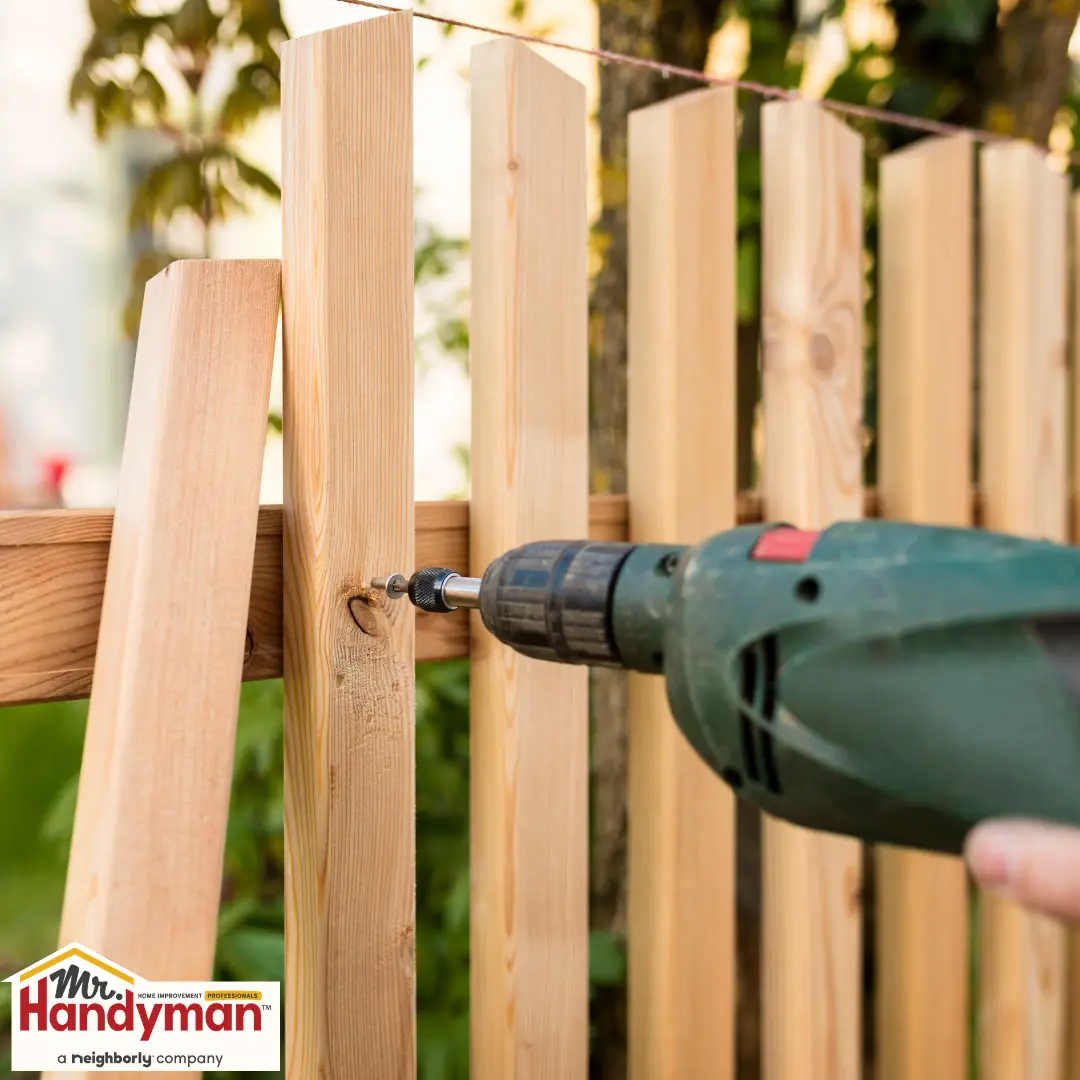
Middle Tennessee fence repair sequencing addresses structural conditions before cosmetic ones in the sequence that produces results holding through the outdoor season and the subsequent regional seasonal cycling that clay soil dynamics and biological growth conditions continue creating. Resetting leaning posts before replacing boards ensures boards are installed to a structure whose clay soil movement has been assessed and corrected rather than to posts whose continued displacement will advance panel alignment issues regardless of how well the board replacement itself was executed.
Post reset for Middle Tennessee's clay soil conditions requires the concrete embedment depth and specification appropriate for the regional clay soil dynamics rather than the general fence installation guidance that stable soil environments calibrate to. Posts reset in Rutherford County and Williamson County residential landscapes should be embedded with the concrete specification that resists the lateral soil pressure that Middle Tennessee's seasonal clay expansion creates around post embedment zones and the depth that extends below the zone of significant clay soil movement to provide the bearing that resists the displacement that seasonal cycling otherwise produces in posts embedded only to the depth adequate for stable soil environments.
Exterior trim repair for Middle Tennessee's conditions requires the mildew-resistant paint formulations, flexible caulking products, and surface preparation discipline that the regional climate's warm humid conditions and the biological growth those conditions sustain make specifically necessary for results that hold through Middle Tennessee's seasonal cycling. Standard exterior paint without mildew-resistant additives applied over Middle Tennessee exterior trim surfaces develops the biological growth that the regional climate initiates and sustains on painted surfaces between maintenance intervals at rates that mildew-resistant formulations resist, and the service life difference that this specification distinction produces in Middle Tennessee's climate is measurable within the first outdoor season following application.
Frequently Asked Questions
How do I know if a Middle Tennessee fence post needs full reset versus stabilization in place?
A post with significant lean that developed through Middle Tennessee's clay soil seasonal displacement and that cannot be returned to plumb by manual pressure against the lean direction has lost adequate bearing against the surrounding soil and requires full reset with concrete embedment appropriate for the regional clay soil dynamics. A post with minor lean that responds to manual correction pressure and holds that corrected position may be stabilizable through concrete collar addition around the existing embedment. Any post showing wood deterioration at or below the soil line requires replacement regardless of the current lean condition, because decay at the embedment zone in Middle Tennessee's warm moist soil environment advances to structural failure through the moisture and biological activity that the regional conditions sustain at below-grade wood surfaces.
What fence material performs best in Middle Tennessee's clay soil and warm humid conditions?
Pressure-treated lumber for all ground-contact and embedment applications provides the chemical protection against the decay and insect activity that Middle Tennessee's warm moist soil conditions sustain in below-grade wood at rates that untreated lumber cannot resist through multiple regional seasonal cycles. Cedar boards for above-grade fence panels and rails provide the natural decay resistance and moisture management that Middle Tennessee's warm humid conditions create as ongoing requirements for above-grade wood that biological growth and moisture contact test continuously through the regional spring and summer seasons. Galvanized or stainless steel hardware for all metal fence and gate components provides the corrosion resistance that Middle Tennessee's warm humid conditions and significant annual rainfall create as the performance requirement that standard hardware does not meet through multiple regional outdoor seasons.
How often should exterior trim be repainted in Middle Tennessee?
Quality exterior trim paint applied over properly prepared surfaces with mildew-resistant formulations appropriate for Middle Tennessee's conditions requires repainting every four to six years on north and east-facing trim surfaces and every three to five years on south and west-facing surfaces receiving the most direct summer UV exposure combined with the biological growth conditions that Middle Tennessee's warm humid climate sustains on those surfaces. These intervals reflect the Middle Tennessee-specific combination of UV intensity, warm humid biological growth conditions, and the thermal cycling of the regional seasonal range that advance paint condition toward the end-of-cycle threshold faster than moderate-climate guidelines calibrated to conditions without those specific mechanisms suggest for comparable products.
What caulk product performs best at exterior trim joints in Middle Tennessee homes?
Paintable elastomeric caulk with a temperature range rating encompassing Middle Tennessee's full seasonal variation and the mildew-resistant additives that the regional warm humid conditions make specifically relevant at building envelope transition points performs best at exterior trim joints in this market. Standard painter's caulk without mildew resistance develops the biological growth that Middle Tennessee's warm conditions establish in the moisture-retaining joint locations that exterior trim transitions create, and the service life that mildew-resistant elastomeric formulations provide at those locations in Middle Tennessee's climate measurably exceeds what standard alternatives deliver in the same applications under the same regional conditions.
Should gate posts in Middle Tennessee be set in concrete specifically to address clay soil movement?
Yes, and the concrete specification should specifically address the lateral soil pressure that Middle Tennessee's seasonal clay expansion creates around gate post embedment zones. Gate posts without concrete rely on soil compaction for their bearing, and Middle Tennessee's clay soil seasonal expansion removes that compaction during wet periods in ways that concrete provides continuous bearing through rather than yielding to. The embedment depth for gate posts in Rutherford County and Williamson County residential applications should extend to the depth that places the concrete bearing zone below the depth of significant seasonal clay soil movement, providing the resistance against progressive clay-driven displacement that shallow embedment does not deliver through multiple Middle Tennessee seasonal cycles.
Middle Tennessee Outdoor Structures Repaired for the Season Ahead
The fences, gates, and exterior trim conditions that a Murfreesboro, Franklin, or Brentwood home presents communicate the maintenance standard that the property sustains through Middle Tennessee's specific warm humid, clay-soil, storm-active seasonal pattern in ways that every neighbor, visitor, and prospective buyer observes from the street and at close range during the outdoor season that spring repair investment prepares those structures for. The repair and restoration work that addresses what Middle Tennessee's seasonal cycling accumulated in those structures and surfaces delivers the outdoor season presentation that the property's genuine quality deserves and that the region's active real estate market and engaged community social life both specifically reward.
The team at Mr. Handyman of Murfreesboro, Franklin, and Brentwood has the regional experience to assess, repair, and restore fences, gates, and exterior trim to the condition that Middle Tennessee properties deserve heading into the outdoor season.
Website: https://www.mrhandyman.com/murfreesboro-smyrna/
Serving homeowners throughout Murfreesboro, Franklin, and Brentwood with dependable service and the expertise your home deserves.