Common Areas Carry More Weight Than Most Property Managers Realize
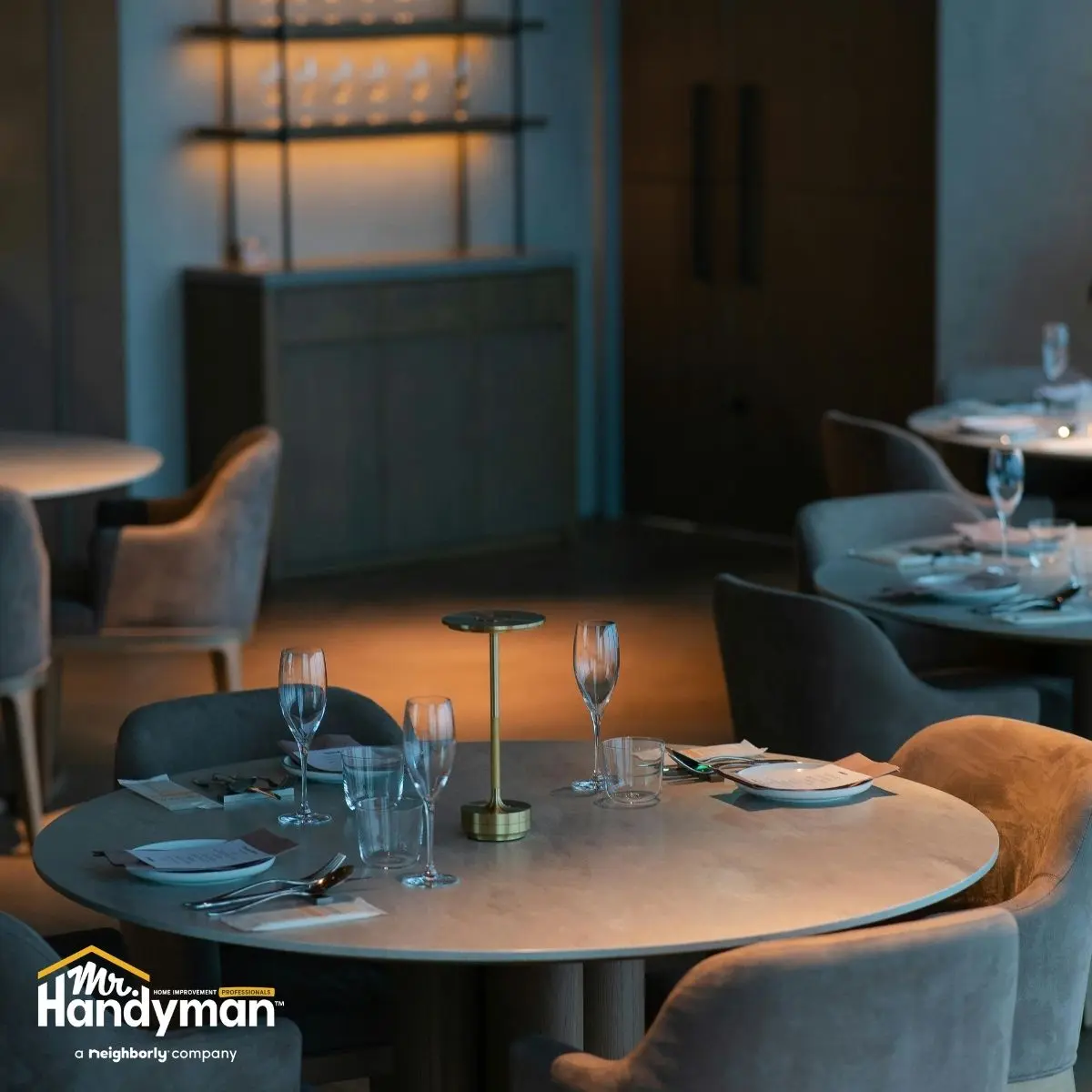
In any multi-tenant commercial property, the common areas are the spaces that every occupant and every visitor experiences regardless of which specific tenant they are there to see. The lobby, corridors, elevator areas, shared restrooms, stairwells, and building entry sequences are the physical environment that defines the property's overall impression before any individual tenant's space is encountered. They are also the spaces that no single tenant is responsible for maintaining, which means they accumulate deferred attention in ways that individual tenant spaces do not.
Spring is when that accumulated deferred attention becomes most visible and most consequential. Middle Tennessee winters leave their mark on commercial common areas through the same mechanisms that affect every other building component in this climate. Freeze-thaw cycling stresses exterior entry surfaces and the building envelope components that transition between conditioned and unconditioned spaces. Winter foot traffic, wet footwear, and the tracked-in debris and ice melt products that accompany cold weather months accelerate surface wear in lobbies and corridors beyond what dry-season traffic produces. Humidity fluctuations through winter affect paint adhesion, ceiling tile condition, and the performance of finishes that were not specified for the thermal variation that spaces near exterior entries experience.
Nashville, Belle Meade, and Clarksville commercial property managers and owners who address common area condition systematically each spring are making an investment that serves every tenant in the building simultaneously. A well-maintained common area communicates property management quality to existing tenants in ways that support lease renewal decisions, and it communicates property positioning to prospective tenants evaluating the building against competitive options in a market where quality alternatives exist across all three communities.
What Winter Does to Commercial Common Areas in This Region
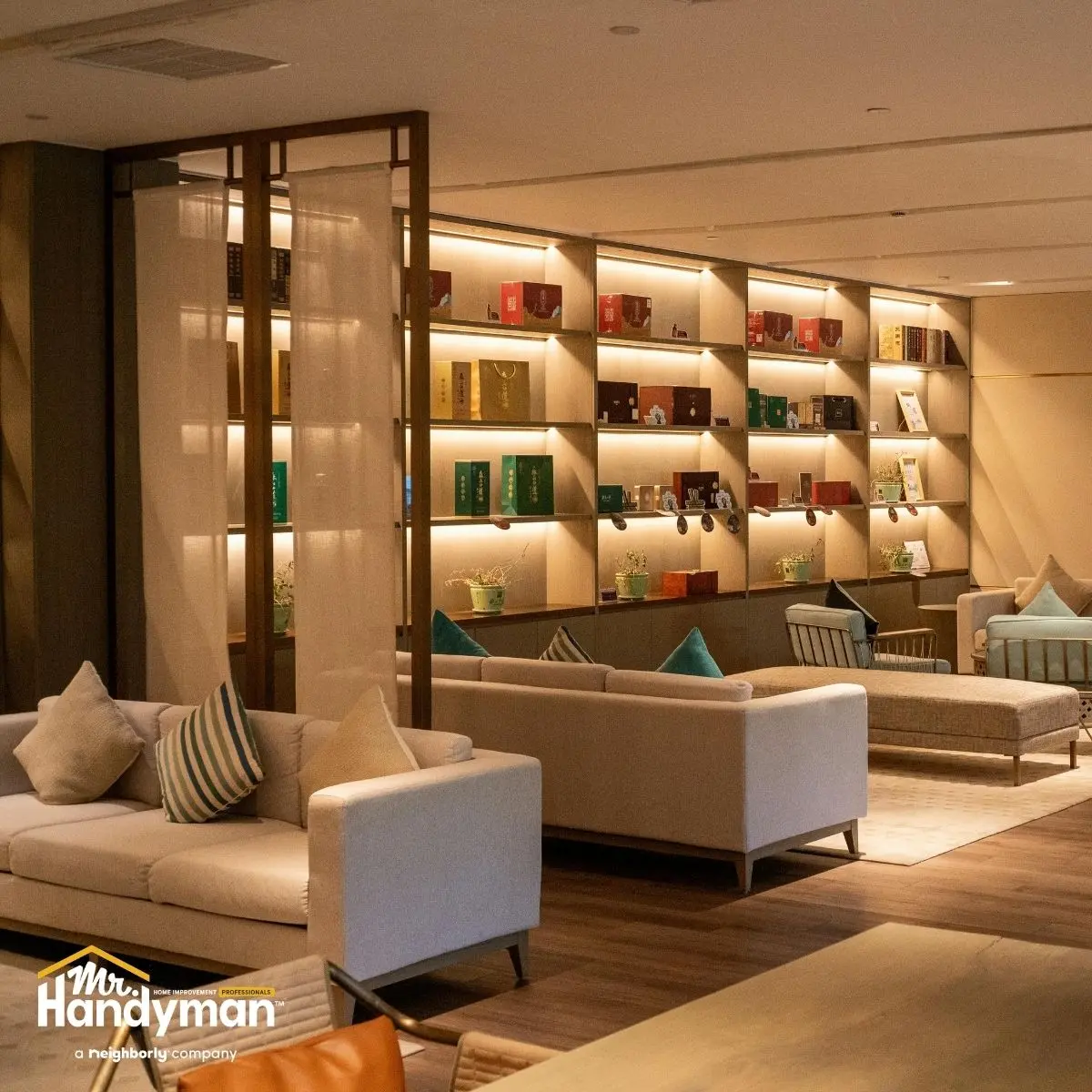
Understanding the specific damage patterns that Middle Tennessee winters produce in commercial common areas shapes a more focused and effective spring refresh approach than a generic condition assessment would provide.
Entry lobby flooring takes the most concentrated winter abuse of any common area surface. Every person who enters the building through winter months brings wet footwear, road salt residue, and tracked debris across the lobby floor in a pattern that is concentrated along the entry path and dispersed across the broader lobby surface. Hard surface lobby flooring that was polished or sealed before winter arrives at spring with finish wear concentrated in that entry path, chemical damage from ice melt products that were tracked in on footwear, and surface scratching from the grit that winter foot traffic introduces. Resilient flooring with surface coatings shows similar wear patterns and may have developed lifting at seams where moisture infiltrated beneath the edge from repeated wet foot traffic.
Corridor walls and baseboards in commercial properties accumulate winter damage in patterns that are specific to how those spaces are used through cold months. When building occupancy is consistent through winter, corridor walls near stairwell and elevator entries, at corridor intersections, and adjacent to tenant suite entries experience concentrated equipment and foot traffic contact that produces scuffing, corner damage, and baseboard deterioration that compounds with each passing season without intervention. In Nashville and Belle Meade commercial buildings where original construction dates from earlier decades, corridor wall surfaces may be plaster or older drywall construction that responds to winter humidity fluctuations with finish cracking and paint failure at a rate that newer construction does not experience.
Ceiling conditions in commercial common areas reveal the moisture pathways that winter precipitation and condensation produce in building envelope components above the finished ceiling plane. A lobby or corridor ceiling tile that has developed staining or sagging through winter indicates a moisture source above it that may be a roof drainage issue, a plumbing line that experienced winter stress, or condensation on a cold surface within the ceiling cavity. Spring is when these conditions are most actively producing symptoms and most accurately traceable to their source, which makes it the right time to identify and resolve them rather than simply replacing the affected tile.
HVAC diffusers and return grilles in common area ceilings and walls accumulate airborne debris through winter months when buildings run heating systems that circulate air continuously through spaces that winter foot traffic keeps consistently dusty and particulate-laden. Diffusers and grilles that have accumulated visible debris deposits affect both the air quality perception of the space and the mechanical performance of the HVAC system serving it. Spring cleaning of common area HVAC components is a maintenance task that delivers both functional and presentation returns simultaneously.
Lobby Refresh: Where Spring Investment Delivers the Strongest Return
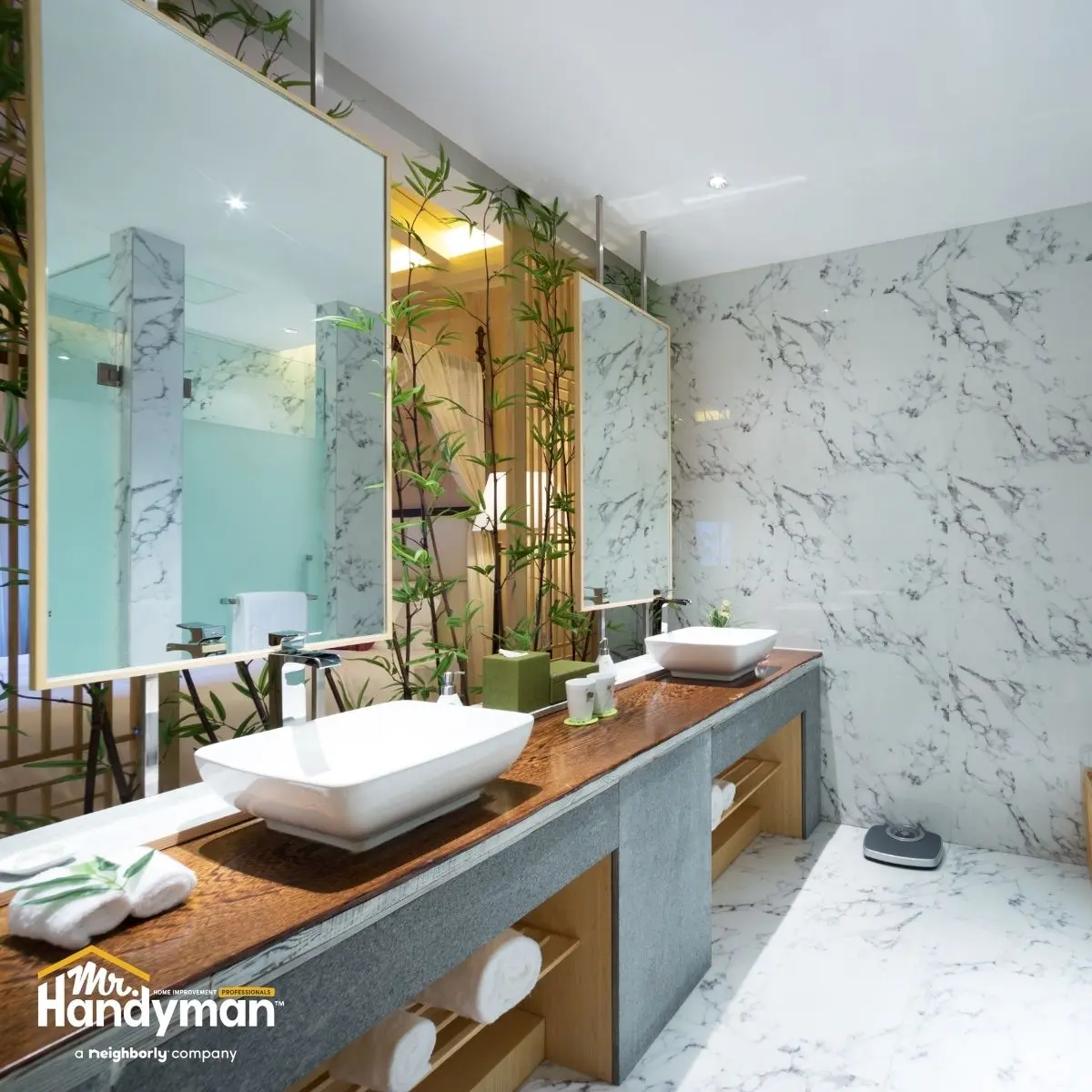
The lobby of a commercial building in Nashville, Belle Meade, or Clarksville is the single common area where spring refresh investment delivers its strongest return relative to cost. Every tenant, every visitor, and every prospective tenant evaluating the building experiences the lobby, and its condition sets the expectation for everything else in the building.
Flooring restoration or replacement in the lobby entry path is the highest-priority spring refresh task in most commercial common areas. The options available depend on the current flooring material and the extent of winter wear it has sustained. Hard surface flooring, including polished concrete, stone tile, and ceramic or porcelain tile, can often be restored through professional cleaning and resealing that removes winter residue and restores surface finish without the cost and disruption of full replacement. Flooring that has sustained damage beyond what restoration can address, including cracked tiles, lifted resilient flooring, or hard surface flooring with finish wear that penetrates to the substrate, warrants replacement before the higher-occupancy spring and summer months place additional demand on surfaces that are already compromised.
Transition areas between the exterior entry and the lobby interior deserve specific attention in the spring refresh because they experience the most concentrated version of the winter wear that affects the broader lobby. The vestibule or immediate entry zone, where wet footwear makes direct contact with the floor before any walk-off matting captures moisture and debris, sustains surface conditions that differ from the broader lobby in kind rather than just degree. Appropriate walk-off matting systems that are correctly sized for the entry volume and properly maintained through spring are a practical and cost-effective approach to protecting lobby flooring from the ongoing wear that wet season foot traffic produces.
Lobby walls and millwork that have accumulated winter wear require spring assessment that distinguishes between conditions addressable through cleaning and touch-up and those requiring more substantive intervention. Painted lobby walls with localized scuffing and contact marks in high-traffic areas can often be restored through careful touch-up painting that matches the existing finish without full repainting. Walls with widespread paint failure, significant color shift from UV exposure through lobby windows, or damage patterns that touch-up painting would make more rather than less visible warrant full repainting with proper surface preparation before the busy spring and summer season.
Lobby furniture and seating in commercial common areas accumulates winter wear in ways that are easy to overlook because deterioration is gradual. Upholstered seating that has compressed beyond the point of comfortable use, fabric that has soiled or worn through surface finish, and frame components that have loosened through repeated use all communicate the same deferred maintenance message as deteriorated wall and floor surfaces. Spring assessment of lobby furniture condition with a replacement or refurbishment budget allocation for items that have reached the end of their useful appearance life is part of a complete common area refresh program.
Corridor and Elevator Area Conditions: The Common Areas Tenants Experience Daily
While the lobby shapes visitor impression, the corridors and elevator areas of a commercial building are the common spaces that existing tenants experience most frequently and most consistently through their daily occupancy. The condition of these spaces affects tenant satisfaction and lease renewal likelihood in ways that lobby condition alone does not capture.
Corridor lighting that has degraded through winter, whether through lamp failures that have not been addressed, fixture lenses that have yellowed, or a general dimming that results from the combination of aging lamps and accumulated fixture dirt, changes the character of the corridor environment in ways that tenants register through daily experience even when they do not specifically identify lighting as the source of their dissatisfaction. Spring lamp replacement and fixture cleaning across corridor and elevator area lighting restores the illumination level that the building's lighting system was designed to deliver and changes the immediate perception of the common area environment at a maintenance cost that is among the most accessible in the refresh budget.
Elevator cab condition in multi-story Nashville and Belle Meade commercial buildings is a common area detail that receives concentrated attention from building occupants because the elevator cab is an enclosed space where condition is evaluated at close range during every use. Wall panel surfaces that have been damaged by equipment transport, floor surfaces that have worn or scratched through service use, and ceiling fixtures that have failed or yellowed all accumulate through winter months of heavy building use. Spring elevator cab refreshes that address wall panel damage, restore or replace floor surfaces, and update lighting are targeted renovations that change the daily experience of every tenant who uses the building's vertical transportation.
Shared Restrooms: The Common Area That Tenants Judge Most Critically
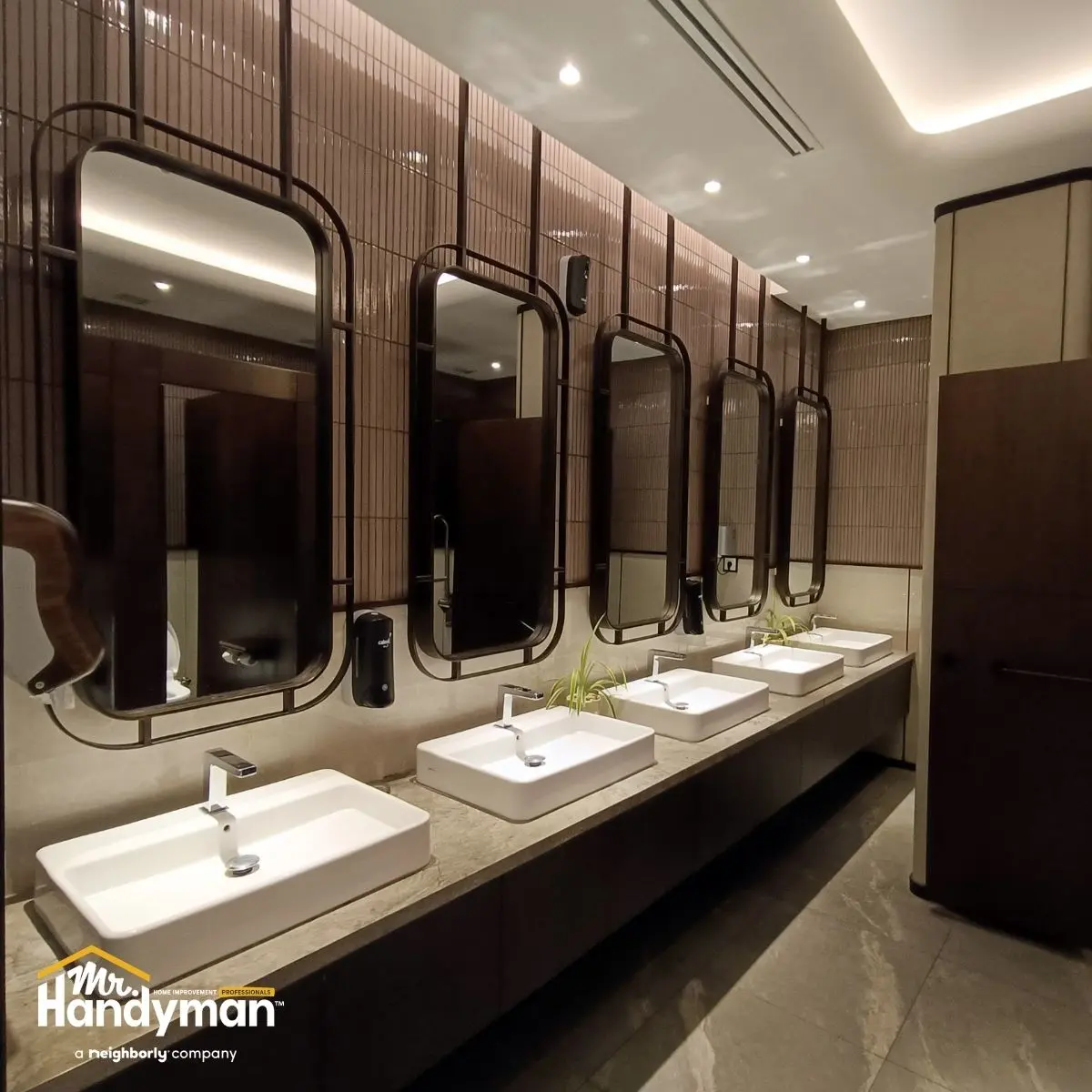
Shared restrooms in multi-tenant commercial buildings occupy a specific position in tenant satisfaction that property managers consistently underestimate until lease renewal conversations reveal how significantly restroom condition affects tenant perception of the overall property. A tenant whose daily experience includes a well-maintained lobby and clean corridors but deteriorated shared restrooms carries a net impression of the property that the restroom condition pulls downward in ways that the other maintained spaces cannot fully offset.
Middle Tennessee's humidity accelerates the specific deterioration patterns that commercial restrooms experience in ways that make spring refresh attention particularly relevant in this region. Grout joints between restroom floor and wall tiles that absorbed moisture through winter humidity cycles arrive at spring with discoloration and surface mildew growth that cleaning alone does not resolve when the grout has become porous through years of unsealed service. Caulk joints at wall-to-floor transitions and around fixture bases that lost flexibility through winter temperature cycling have opened sufficiently to allow moisture infiltration into the substrate behind and beneath finished surfaces.
Grout restoration and recaulking across shared commercial restrooms is the spring refresh task that delivers the strongest immediate visual return at the most accessible investment level. Professional grout cleaning that removes embedded soiling and mildew growth, followed by grout recoloring or resealing that restores surface integrity and prevents ongoing moisture absorption, transforms the restroom's overall appearance without the cost and disruption of full tile replacement. Caulk removal and replacement at all fixture bases, wall transitions, and partition connections closes the moisture infiltration pathways that failed caulk creates and eliminates the visual deterioration that discolored or separated caulk produces at the most visible junctions in the restroom.
Fixture condition across shared commercial restrooms in Nashville, Belle Meade, and Clarksville properties reflects the accumulated effect of high-volume use through winter months. Faucet aerators that have accumulated mineral deposits from Middle Tennessee's hard water deliver reduced flow and inconsistent stream patterns that communicate poor maintenance to every user. Flush valves that cycle incorrectly, run intermittently, or require multiple activations to complete a flush cycle waste water continuously and create the impression of a restroom that has not received professional maintenance attention. Spring replacement of worn faucet components, aerator cleaning or replacement, and flush valve service across shared restrooms restores fixture function and eliminates the specific performance failures that tenants notice most directly.
Exhaust fan performance in shared commercial restrooms is a maintenance item whose failure produces consequences that extend beyond the mechanical system itself. A restroom exhaust fan that is moving inadequate air volume because its motor has weakened or its grille has accumulated restricting debris allows humidity to build to levels that accelerate every other deterioration pattern in the space. Grout absorbs more moisture. Caulk degrades faster. Painted surfaces develop mildew growth more readily. Spring exhaust fan inspection and service that confirms adequate air movement protects every other restroom refresh investment by maintaining the ventilation conditions those investments depend on to perform correctly.
Exterior Common Areas: The Building Perimeter That Sets First Impressions
The exterior common areas of a commercial property, including covered entry canopies, exterior corridors in open-air commercial configurations, shared outdoor seating or gathering areas, and the building perimeter landscaping that frames the entire property, contribute to tenant and visitor impression in ways that interior common area conditions cannot replicate because they are experienced before the building is entered.
Canopy and entry cover conditions above commercial building entries in Nashville, Belle Meade, and Clarksville reflect winter's effect on the exterior structural and finish components most visibly. Metal canopy frames that have developed surface rust at connection points and welds require spring treatment before surface corrosion progresses beneath the coating finish to the structural components. Soffit surfaces beneath entry canopies that have developed paint failure or staining from winter moisture exposure require surface preparation and repainting before the higher-occupancy spring season establishes those deteriorated conditions as the baseline appearance of the building entry.
Exterior seating and gathering areas adjacent to commercial buildings in this region are spaces that winter effectively takes offline and spring effectively restores to active use. Furniture that was left in place through winter, concrete or paver surfaces that experienced freeze-thaw heaving or staining, and planters that sustained plant loss through cold stress all require spring assessment and restoration before tenants and visitors begin using these spaces with the frequency that Middle Tennessee's spring and early summer weather supports. A spring refresh that restores exterior common areas to an appearance and functional condition that reflects well on the property positions those spaces as genuine amenities rather than neglected afterthoughts.
Exterior signage and building identification elements that have sustained winter weathering require spring inspection that addresses both condition and illumination function. Backlit building identification signage with failed lamp components, monument signs with surface finish deterioration, and directional signage with faded graphics all affect the property's professional presentation in the exterior zone where first impressions are formed. Spring restoration of exterior signage to full function and current appearance closes the presentation gap that winter weathering creates before the spring increase in property traffic makes that gap most visible.
Building a Spring Common Area Refresh Budget That Reflects Real Priorities
Property managers and owners who approach spring common area refresh with a realistic budget framework aligned to actual condition priorities deploy their refresh investment more effectively than those who allocate budget based on what was spent in previous years without reference to current conditions or who defer the entire refresh to avoid current expenditure.
The budget framework that produces the best outcomes across Nashville, Belle Meade, and Clarksville commercial properties allocates refresh investment in a priority sequence that addresses safety and envelope integrity first, tenant-facing condition second, and cosmetic refinement third. Within the tenant-facing condition tier, the sequencing should reflect where tenant daily experience is most concentrated, which in most multi-tenant commercial buildings means elevator areas and restrooms before secondary corridors and less-trafficked common spaces.
Phased refresh programs that address the highest-priority common areas in spring and schedule lower-priority areas for later in the year allow property managers to execute a complete building refresh within a budget that cannot accommodate all work simultaneously. The critical discipline in phased programming is ensuring that the spring phase addresses the conditions that are most visible to the most people rather than starting with lower-cost or lower-disruption work that leaves the highest-impact areas for a later phase that may face budget pressure when it arrives.
Tenant communication about spring common area refresh programs supports the investment in ways that go beyond the physical improvement itself. Tenants who are informed that a spring refresh program is being executed, who understand what work is being done and when, and who have an opportunity to provide input on the common area conditions they find most significant develop a relationship with property management that the physical improvement alone does not create. That relationship is the foundation of the lease renewal conversations that common area quality ultimately affects.
Frequently Asked Questions
How often should commercial common areas receive a comprehensive refresh?
Annual spring refreshes that address winter wear combined with targeted mid-year attention to the highest-traffic areas represent the maintenance frequency that keeps Middle Tennessee commercial common areas in the condition that supports tenant retention and property positioning. Properties with older infrastructure or higher occupancy loads benefit from more frequent targeted attention between annual refresh cycles.
Can common area refresh work be completed while the building is occupied?
Most common area refresh tasks can be scheduled and sequenced to minimize disruption to building occupants. Corridor painting and flooring work are most effectively completed during evening and weekend hours when building traffic is lowest. Lobby work that affects building access requires careful scheduling communication with all tenants. Restroom work can typically be managed with temporary facility arrangements during service periods.
How do I communicate spring common area work to building tenants professionally?
Written communication delivered at least two weeks before work begins, describing the scope of work, the schedule, and any access or facility implications, establishes the professional standard that tenants expect from quality property management. Follow-up communication when work is complete that invites tenant feedback demonstrates the ongoing responsiveness that supports positive tenant relationships.
Should common area refresh work be coordinated with individual tenant improvements?
When possible, coordinating common area refresh timing with tenant improvement projects in adjacent spaces allows finish transitions between common areas and tenant suites to be addressed cohesively. Flooring transitions, wall finish continuity at suite entries, and lighting consistency between common areas and tenant spaces all benefit from coordinated rather than sequential execution.
How does common area condition affect commercial property insurance premiums in Tennessee?
Documented maintenance programs that include systematic common area inspection and refresh support the property's position with commercial insurers who evaluate maintenance practices as part of risk assessment. Properties with documented maintenance histories and no deferred safety-related conditions typically present more favorably in commercial property insurance renewal conversations than those without maintenance documentation.
What is the most cost-effective single common area improvement for a limited spring refresh budget?
Corridor and lobby repainting with proper surface preparation delivers the strongest visual transformation relative to cost of any single common area improvement. When the refresh budget is constrained to a single scope, fresh paint applied correctly to the highest-traffic common areas produces a building-wide impression improvement that tenants and visitors register immediately and that holds through multiple seasons when executed with appropriate preparation and quality commercial paint products.
Common Areas Reflect the Standard the Whole Property Is Held To
The condition of commercial common areas communicates the property management standard that the entire building is maintained to, because they are the spaces that everyone in the building experiences and that no individual tenant controls. A spring refresh program that addresses those spaces systematically and with genuine attention to the conditions that matter most to tenants and visitors is one of the strongest statements a property management operation can make about how it approaches its responsibilities.
The team at Mr. Handyman of West Nashville, Belle Meade, and Clarksville brings the commercial property maintenance experience to help property managers execute spring common area refresh programs efficiently and to the quality standard that Middle Tennessee's competitive commercial property market rewards.
Website: https://www.mrhandyman.com/nashville-west-south-central/
Serving property managers throughout Nashville, Belle Meade, and Clarksville with dependable commercial maintenance and the expertise your property deserves.
