The Exterior of Your Business Is Always Working, Even When You Are Not
Every customer who pulls into your parking lot, walks toward your entrance, or glances at your building from the street is forming an impression before they set foot inside. That impression is shaped by what they see on the exterior of the property, and in Middle Tennessee's competitive business environment, what they see either reinforces confidence in the business or introduces doubt that the interior experience has to overcome.
Commercial exterior condition is not a static thing. It changes with every season, and Middle Tennessee's winters are particularly effective at accelerating that change in ways that are not always obvious from inside a functioning business. Paint that was intact in October develops cracking and peeling through freeze-thaw cycling by March. Parking surfaces that showed minor cracking in fall develop potholes and edge deterioration through winter traffic and temperature stress. Caulking around windows and entry doors that performed adequately through summer loses its adhesion and flexibility through cold months and arrives at spring as a failed seal that is allowing water infiltration into the wall assembly behind it.
Nashville, Belle Meade, and Clarksville businesses that move through spring without addressing these accumulated exterior conditions head into their busiest season carrying a presentation liability and a physical maintenance deficit that compounds with every week of deferred attention. The work done on commercial exteriors before the busy season is not maintenance for its own sake. It is a direct investment in how the business presents itself during the months when that presentation matters most.
Understanding What Middle Tennessee's Winter Does to Commercial Exteriors
The specific damage patterns that Middle Tennessee winters produce on commercial exteriors are worth understanding clearly before a repair scope is developed. The region's freeze-thaw cycling, significant annual rainfall, and the UV exposure that follows winter into a long, intense summer create a sequence of stressors that affect different exterior components in different ways.
Masonry and mortar joints in older Nashville and Belle Meade commercial buildings absorb moisture through their porous surfaces during wet winter periods. When that moisture freezes within the masonry structure, it expands in a process that progressively damages brick faces and opens mortar joints that were already showing age. A single winter's freeze-thaw cycling may produce damage that appears minor on the surface. The cumulative effect across multiple winters without remediation reaches the point where tuckpointing and surface repair alone are insufficient and structural masonry work becomes necessary.
Painted exterior surfaces on commercial buildings experience adhesion failure through freeze-thaw cycling in ways that are predictable once the mechanism is understood. Paint that has aged past its effective adhesion life holds through mild temperature variation but releases from the substrate when the expansion and contraction of freeze-thaw cycling exceeds what the degraded adhesion can accommodate. The result is the cracking, peeling, and bubbling that appears on commercial exteriors across Middle Tennessee every spring, and that becomes more extensive with each passing season if the underlying surface preparation and paint quality issues are not addressed during repainting.
Metal components on commercial exteriors, including door frames, window frames, awning structures, exterior handrails, and signage mounting hardware, are subject to the corrosion that Middle Tennessee's combination of moisture, humidity, and temperature cycling accelerates. Rust that develops at exposed metal edges and fastener points spreads beneath adjacent finishes in ways that are not visible at the surface until the corrosion has progressed significantly. Spring inspection of metal exterior components that identifies surface rust at an early stage allows treatment and recoating that is far less involved than addressing corrosion that has been allowed to progress through another season.
Sealants and caulking around every penetration in the commercial building envelope lose flexibility and adhesion through temperature cycling in ways that are gradual enough to miss in routine observation but significant enough to allow meaningful water infiltration over a winter season. Failed sealant around a commercial window frame or entry door is not a cosmetic issue. It is a water intrusion pathway that allows moisture into the wall assembly during every rain event, accumulating damage in insulation, framing, and interior finishes that is far more expensive to remediate than the sealant replacement that would have prevented it.
Parking Lots and Paved Surfaces: The High-Stakes Exterior Repair
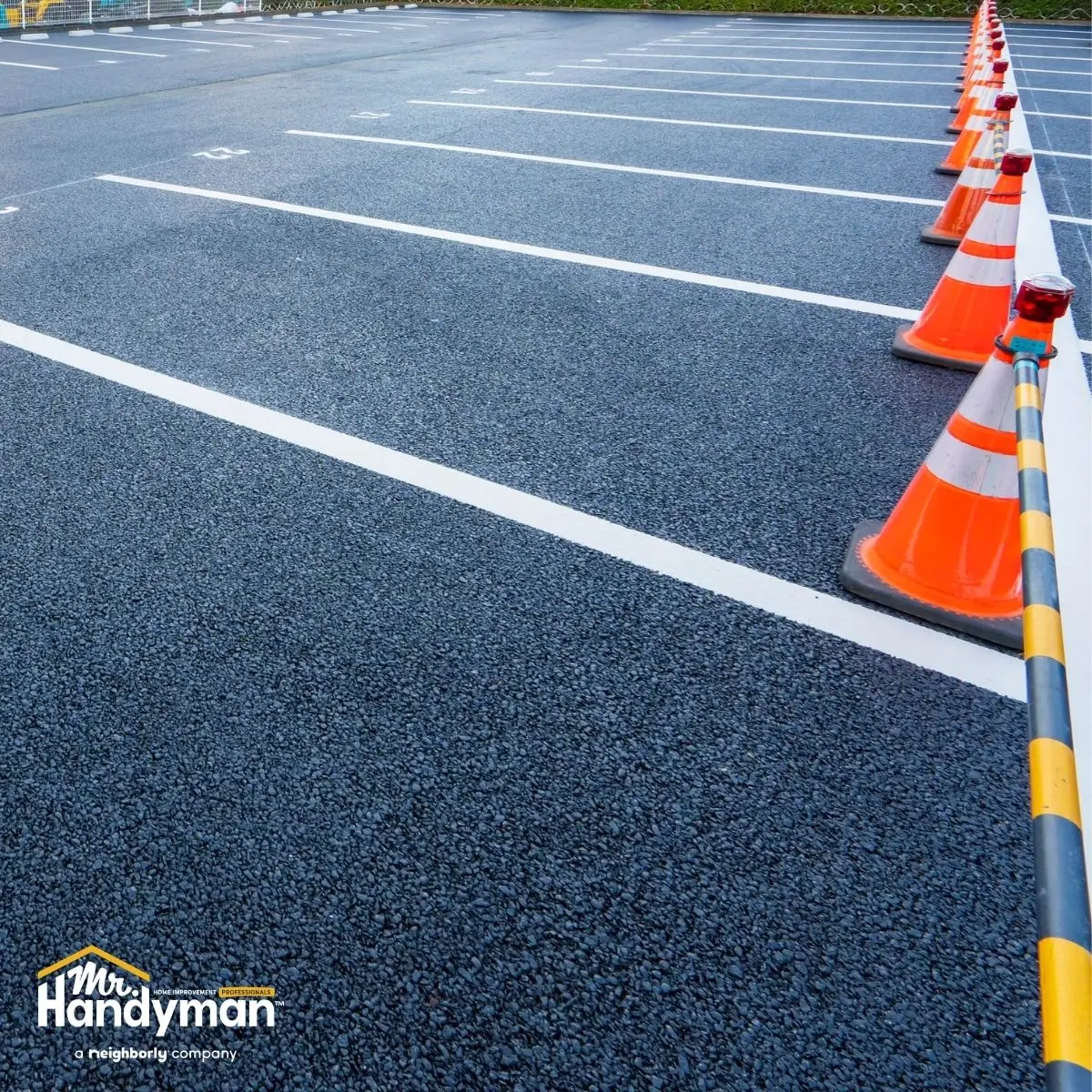
Commercial parking surfaces carry a maintenance urgency that other exterior repair categories do not, because their condition affects both customer safety and business liability in addition to property presentation. A parking lot that presents poorly undermines the customer experience before it begins, and one that presents a tripping or vehicle damage hazard creates liability exposure that no business budget accommodates willingly.
Asphalt surface deterioration in Middle Tennessee commercial parking lots follows a progression that is well understood and entirely predictable. Surface cracking that allows water infiltration leads to base saturation during wet periods. Saturated base material that freezes expands, accelerating surface cracking and producing the alligatoring pattern that indicates base failure is underway. Once base failure is established, surface patching alone does not resolve the underlying condition. The pavement continues to deteriorate from below regardless of what is applied to the surface above it.
The practical implication for Nashville, Belle Meade, and Clarksville commercial property owners is that the timing of asphalt intervention determines its cost significantly. Crack sealing performed on a commercial parking surface before water infiltration reaches the base costs a fraction of what mill and overlay work costs once base deterioration is established, which itself costs a fraction of full parking lot reconstruction when base failure is complete. Spring, before the season of heaviest commercial traffic arrives, is the correct time to evaluate where on that progression each section of the parking surface sits and intervene at the appropriate level.
Concrete parking surfaces and aprons at commercial properties in this region develop joint and crack deterioration through the same freeze-thaw mechanism that affects asphalt, with the additional factor that concrete's rigidity makes it more susceptible to cracking from the differential movement that Middle Tennessee's expansive clay soils produce during wet and dry cycles. Concrete joints that have lost their sealant allow water and incompressible debris to enter, producing joint spalling and panel cracking that worsens with each seasonal cycle.
Parking lot striping that has faded through winter weather and UV exposure serves both the presentation function and the safety function of directing traffic flow and defining accessible spaces. Faded striping in a commercial parking lot is a presentation issue that customers notice, and inadequately marked accessible parking spaces represent an ADA compliance issue that carries regulatory consequences independent of any customer perception concern. Spring restriping of commercial parking surfaces that have lost marking legibility addresses both concerns simultaneously.
Entry Areas and Facades: Where Customer Impression Is Formed
The entry sequence of a commercial property, from the parking surface to the building entrance, is where customer impression is most actively formed and where exterior repair investment delivers the most direct return in terms of how the business presents itself to the people it depends on.
Entry door condition and function affects customer experience at the most fundamental level of physical interaction with the commercial property. A door that operates with difficulty, that shows visible damage to its frame or hardware, or that has weatherstripping so degraded that daylight is visible around the frame when closed communicates something about the business behind it that no interior experience fully overcomes. Commercial entry doors in Middle Tennessee properties experience weatherstripping degradation, frame corrosion at threshold connections, and closer mechanism wear that accumulates through winter use under cold and wet conditions.
Awning and canopy condition over commercial entries serves the dual function of weather protection for customers approaching the building and visual identity for the business. Canvas awnings that have developed mold or mildew growth through winter moisture exposure, that have torn or separated at seams, or that have lost color significantly through UV fading project a maintenance deficit that is disproportionately visible given the awning's position directly over the customer entry. Metal canopy structures with rust developing at connection points and welds require spring treatment before surface corrosion progresses beneath the finish and reaches the structural components.
Exterior wall surfaces adjacent to the building entry, where customer attention is concentrated during the approach to the door, deserve specific attention in the spring exterior repair review. Paint or cladding in this zone that shows obvious winter deterioration, caulking that has failed at window or door frame junctions, or masonry that shows visible spalling or joint deterioration creates an impression during the seconds before a customer enters that frames their entire subsequent experience of the business.
Lighting at the building entry that has failed or degraded over winter affects both the safety of after-hours customer access and the visual presentation of the entry during evening business hours. In Clarksville commercial properties where retail and dining operations extend into evening hours consistently through summer, entry lighting that is functioning correctly and presenting the building well after dark is a direct business asset rather than a peripheral maintenance item.
Roofline and Upper Facade: What Gets Missed Because It Is Out of Sight
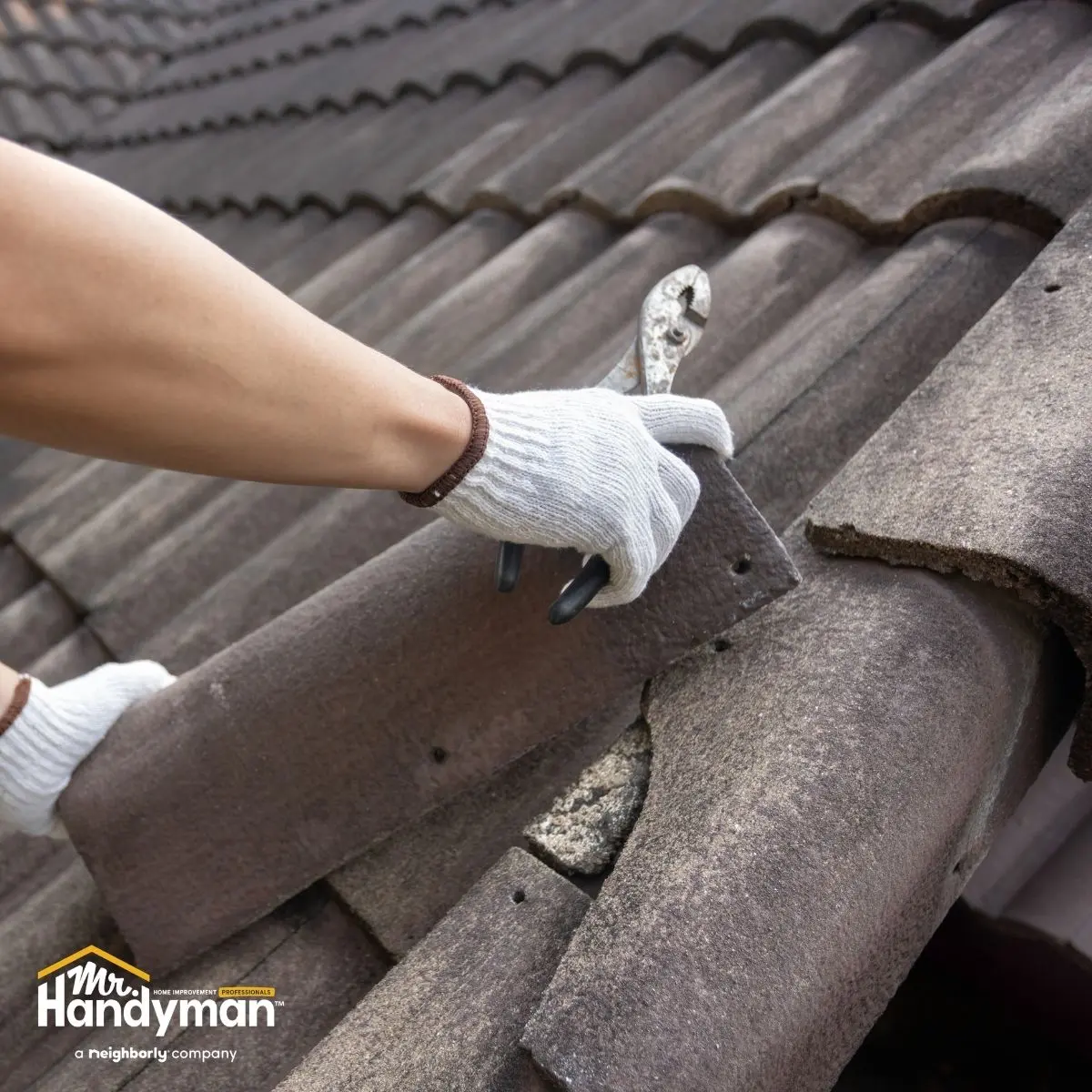
The upper portions of a commercial building exterior receive the least routine attention and the most sustained weather exposure of any surface on the property. In Middle Tennessee, where spring follows a winter of freeze-thaw cycling with a season of heavy rainfall and where summer UV exposure then accelerates the degradation of any finish that winter compromised, the roofline and upper facade of a commercial building accumulate damage in ways that are not visible from ground level until that damage has progressed significantly.
Fascia and soffit condition along the roofline of commercial buildings in Nashville and Belle Meade reflects the sustained moisture exposure that roof drainage delivers to those surfaces over time. Wood fascia that has not been properly maintained develops paint failure, moisture absorption, and eventual rot in the sequence that Middle Tennessee's rainfall and humidity reliably produce. The fascia and soffit zone is also where pest activity commonly establishes entry points into the building envelope, as wood that has softened through moisture damage provides far less resistance to insect and rodent penetration than sound material. Spring inspection of fascia and soffit condition from a ladder or lift identifies deterioration at the stage where repair is still straightforward rather than at the stage where full replacement is required.
Parapet wall condition on flat-roofed commercial buildings, which represents a significant portion of Nashville and Clarksville's commercial building stock, deserves spring inspection that goes beyond the roof surface itself. Parapet walls cap the building at its highest exterior point and are exposed to weather on three sides simultaneously, the exterior face, the interior face above the roof surface, and the top surface where coping sits. Coping joints that have opened through thermal movement, cap flashing that has separated from the parapet face, and through-wall flashing that has lost its seal at the base of the parapet all allow water to enter the wall assembly at a point where it can travel downward through the building envelope with significant interior reach before it becomes visible.
Expansion joints across the upper facade of larger commercial buildings in Middle Tennessee accommodate the thermal movement that temperature cycling produces in extended wall assemblies. Sealant in expansion joints that has hardened, cracked, or lost adhesion through winter cycling no longer performs its design function and allows water infiltration during rain events at every point where the joint has opened. Expansion joint sealant replacement is straightforward work when addressed on a maintenance schedule. It becomes considerably more involved when deteriorated sealant has allowed water infiltration to damage the wall assembly behind the joint across multiple seasons.
Drainage and Site Utilities: The Exterior Systems That Protect the Building
Commercial exterior drainage systems connect directly to the structural and interior health of the building they serve. A site that manages stormwater correctly protects foundation walls, prevents parking surface base saturation, and keeps the building envelope from experiencing the sustained moisture contact that Middle Tennessee's significant rainfall would otherwise produce.
Downspouts and storm drainage connections from commercial roofs to site drainage systems require spring inspection to confirm they are clear and flowing correctly after winter debris accumulation and any freeze damage that may have affected discharge points or underground connections. A commercial building with a flat roof that accumulates significant rainfall volume during Middle Tennessee spring storms depends entirely on its roof drain and downspout system to remove that water before ponding creates membrane stress and structural load issues. A downspout that is partially blocked or disconnected at a buried connection point redirects that water volume against the foundation rather than away from it.
Site grading and surface drainage around commercial buildings in Nashville, Belle Meade, and Clarksville reflects the seasonal movement that Middle Tennessee's expansive clay soils produce. Areas that drained correctly when the site was initially graded may have developed low spots adjacent to the building foundation through years of soil settlement and frost heave that direct water toward the building rather than away from it. Spring is when those grading issues are most visible because the ground is saturated and drainage patterns are active. Identifying and correcting negative grade areas in spring prevents the sustained foundation moisture contact that leads to water intrusion, efflorescence, and long-term structural compromise.
Utility penetrations through the commercial building exterior, where electrical conduit, plumbing lines, gas supply, communications cabling, and HVAC refrigerant lines enter the building, represent water infiltration pathways whenever the sealant around those penetrations has failed. Every penetration through the commercial building envelope is a potential entry point for water, and Middle Tennessee's rainfall levels mean those potential entry points are tested regularly. Spring inspection and resealing of utility penetrations is a straightforward maintenance task that closes water infiltration pathways before the spring rain season tests them fully.
How Exterior Repair Investment Affects Commercial Property Value and Lease Terms
For commercial property owners in Nashville, Belle Meade, and Clarksville, exterior condition affects not only customer perception but also the property's market position in ways that have direct financial implications beyond the cost of deferred maintenance.
Commercial properties in Nashville's active investment market are evaluated by prospective buyers and lenders with attention to deferred maintenance that is reflected in valuation and financing terms. A commercial building with obvious exterior deterioration, failing parking surfaces, and visible facade damage carries a deferred maintenance discount in appraisal that typically exceeds what the actual repair work would cost. The math consistently favors maintaining exterior condition rather than allowing it to deteriorate to the point where it affects transaction outcomes.
In Belle Meade's commercial market, where retail and professional service properties serve a customer base with consistently high expectations for property condition, exterior presentation carries a direct connection to the lease terms that tenants are willing to accept. A well-maintained commercial exterior supports lease rates that reflect the property's quality positioning. A property that shows visible deferred maintenance negotiates from a weaker position with prospective tenants who can accurately identify the maintenance deficit they would be inheriting through their occupancy.
Clarksville's growing commercial market creates lease demand that rewards properties positioned as move-in ready with well-maintained exteriors. The significant military and corporate relocation activity that drives Clarksville's commercial growth brings tenants who have options and who evaluate exterior condition as a signal of how the property ownership approaches maintenance obligations. A Clarksville commercial property that presents well externally attracts tenant interest more effectively than comparable properties where exterior deferred maintenance communicates a different ownership philosophy.
Frequently Asked Questions
How do I prioritize exterior repairs when the budget does not cover everything at once?
Prioritize by consequence and visibility in that order. Repairs that affect building envelope integrity, roofline, caulking, masonry, and drainage, carry the highest consequence if deferred and should be funded first regardless of their visibility. Among the remaining items, those in the customer entry sequence and primary visibility zones deliver the strongest return on investment from a business presentation standpoint and should be addressed before repairs in lower-visibility areas.
Is it worth repainting a commercial exterior if the surface preparation is not done correctly?
No. Paint applied over surfaces that have not been properly cleaned, stripped of failing existing finish, primed, and prepared fails faster than paint on correctly prepared surfaces, often within a single Middle Tennessee seasonal cycle. The labor cost of proper surface preparation is the investment that determines how long the paint system performs, and skipping it produces a result that requires redoing far sooner than a properly executed paint job.
How often should commercial parking lots be sealed and restriped?
Asphalt sealing every three to five years, combined with crack sealing performed annually where surface cracking is present, represents a maintenance interval that extends parking surface life significantly in Middle Tennessee's climate. Restriping should occur whenever marking legibility has deteriorated to the point where traffic flow direction and space boundaries are not clearly communicated, which in a high-traffic commercial lot typically means every two to three years.
Should exterior repairs be completed before or after interior renovations in a commercial building?
Exterior repairs that affect building envelope integrity should always precede interior work. Completing interior finishes in a building with an unresolved roof leak, failed exterior caulking, or compromised masonry simply exposes the interior work to the same moisture intrusion that damaged the existing interior. Resolving envelope issues first protects every subsequent interior investment.
How do I evaluate contractor quality for commercial exterior repair work?
Request references from commercial properties of similar size and construction type in Middle Tennessee. Verify that the contractor carries appropriate commercial liability coverage and workers compensation insurance. Ask specifically about their experience with the building materials your property uses, masonry, EIFS, metal panel, or wood frame, since exterior repair quality depends heavily on material-specific knowledge.
Is exterior lighting replacement considered a repair or a capital improvement for tax purposes?
The classification depends on whether the replacement restores existing function or represents a betterment that extends useful life or adds new capability. Standard fixture replacement that restores existing lighting function is typically expensed as a repair. A comprehensive lighting system upgrade that adds new fixtures, changes the distribution system, or converts to a new technology platform is more likely to be treated as a capital improvement. A tax professional familiar with commercial real estate in Tennessee should confirm the classification for specific projects.
Before the Busy Season Begins
Commercial exterior repairs completed before the busy season produce returns that compound through every week of high-activity business operation that follows. Every customer who arrives at a well-maintained property, every lease negotiation conducted from a position of demonstrated property quality, and every rain event that a properly sealed building envelope handles without interior damage represents a return on the repair investment made in spring.
The team at Mr. Handyman of West Nashville, Belle Meade, and Clarksville brings the commercial exterior repair experience to help business owners and property managers address what winter left behind and present their properties at their best before the season that matters most.
Website: https://www.mrhandyman.com/nashville-west-south-central/
Serving businesses throughout Nashville, Belle Meade, and Clarksville with dependable commercial maintenance and the expertise your property deserves.