Winter Leaves a Bill. Spring Is When It Arrives.
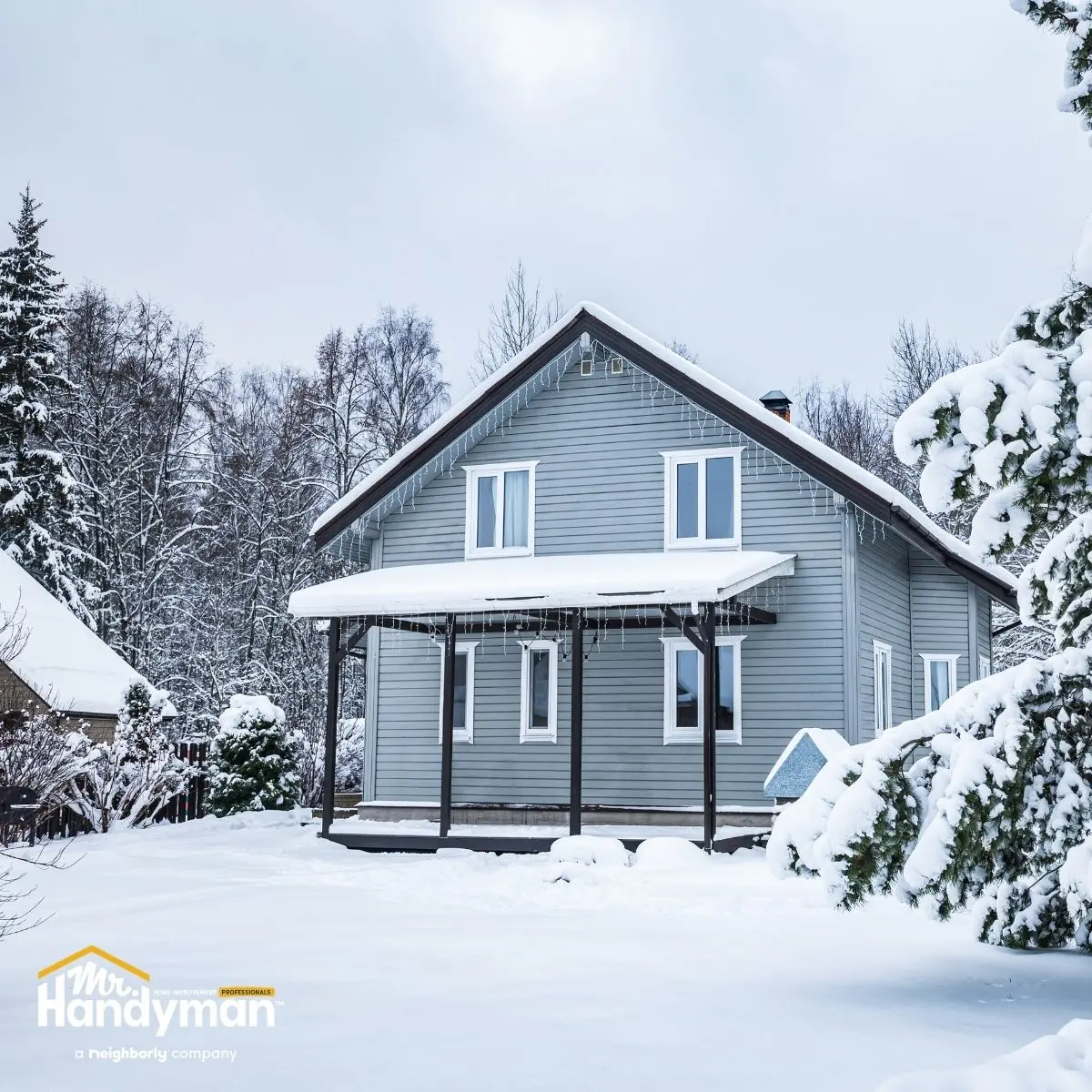
Middle Tennessee winters are not the most severe in the country, but they are among the most deceptive. The region's winters lack the sustained deep freezes that northern homeowners plan for and build their maintenance schedules around, which creates a false sense of security that leads many Nashville, Belle Meade, and Clarksville homeowners to underestimate what a Middle Tennessee winter actually does to a home over the course of three or four months. The damage does not arrive in a single dramatic event. It accumulates across dozens of smaller stress cycles, each one leaving the home in a marginally worse condition than the one before, until spring reveals the cumulative account in a way that a single cold snap never would.
Freeze-thaw cycling is the mechanism behind most of what spring reveals in this region. Water that works its way into a small gap in exterior caulking during a wet fall expands when it freezes, opening that gap incrementally. The thaw allows more water in. The next freeze opens it further. By the time temperatures stabilize in spring, what began as a hairline gap has become a meaningful water infiltration pathway that is directing rain into the wall assembly behind it with every storm. Multiply that mechanism across every vulnerable point on the home's exterior and every system that experienced thermal stress through winter, and the spring repair inventory becomes significant even in a home that appeared to come through winter without obvious damage.
This is not a list of worst-case scenarios. These are the repairs that Middle Tennessee homes across Nashville, Belle Meade, and Clarksville actually need after most winters, the ones that a systematic post-winter assessment reliably surfaces, and the ones that become substantially more expensive when they are identified in fall rather than spring.
Exterior Wood Damage: The Most Visible Winter Legacy
Wood exterior components on Middle Tennessee homes accumulate winter damage in ways that are predictable once the moisture cycling mechanism is understood. Wood that is not fully sealed and protected against moisture absorption takes on water during wet winter periods and releases it during dry spells, expanding and contracting in a cycle that opens paint films, splits end grain, and eventually compromises the structural integrity of the component itself.
Fascia and soffit boards are among the most consistently damaged exterior wood components in Middle Tennessee homes after a significant winter. The fascia board, which runs along the roofline and supports the gutter system, receives direct water exposure from overflowing gutters, wind-driven rain, and the ice damming that occasional hard freezes produce along the eave line. A fascia board that has been repeatedly wetted and dried through winter without adequate paint protection absorbs moisture deeply enough that surface repainting alone cannot address the underlying wood degradation. Soft spots in fascia boards that compress under finger pressure, paint that has lifted in sheets rather than chipping individually, and visible discoloration that persists after the surface has dried all indicate wood that has degraded beyond what surface treatment restores.
Window and door trim on the exterior of Middle Tennessee homes develops paint failure and moisture damage through the same cycling mechanism that affects fascia and soffit, but with the additional complication that window and door trim sits adjacent to the caulk joints that seal those openings against water infiltration. When the caulk at a window frame fails and allows water entry, the trim adjacent to that caulk joint absorbs that water at its end grain and most vulnerable surfaces. The result is trim that shows surface paint failure and moisture damage concentrated at exactly the points where the caulk has failed, which is the visual evidence that confirms the infiltration pathway is active rather than historical.
Deck boards and structural components in Middle Tennessee homes that were not properly sealed before winter carry concentrated post-winter repair needs. Deck boards that have developed checking, which is the surface cracking that runs along the wood grain as moisture-swollen wood dries unevenly, are not simply cosmetic concerns. They are moisture traps that collect water in the next rain event and direct it into the wood rather than allowing it to run off. Checking that is not addressed with appropriate filler and sealant deepens with each additional moisture cycle until the board has split to a depth that requires replacement rather than repair.
Masonry and Foundation Repairs That Spring Surfaces
Middle Tennessee's clay-heavy soils and significant annual rainfall create foundation and masonry conditions that winter stress specifically exacerbates in ways that spring inspection reliably identifies.
Brick and mortar joint deterioration in older Nashville and Belle Meade homes reflects the freeze-thaw damage that masonry experiences through each winter in this climate. Mortar joints that were already showing age before winter began absorb moisture through their porous surface during wet fall and winter periods. When that moisture freezes, it expands within the joint, progressively breaking down the mortar's structural integrity in a process that produces the crumbling, recessed, and hollow-sounding mortar joints that a post-winter tuckpointing assessment identifies. A single winter's freeze-thaw cycling may produce joint deterioration that appears limited. Accumulated across multiple winters without remediation, mortar joint failure reaches the point where water infiltrates freely behind the brick face and into the wall assembly with each rain event.
Concrete cracking in driveways, walkways, steps, and patios reflects the same freeze-thaw mechanism applied to a rigid material that has no flexibility to accommodate the expansion and contraction that moisture cycling produces. Concrete that already had hairline cracks before winter used those cracks as water infiltration pathways through wet winter months. The water that entered those cracks froze, expanded the crack width incrementally with each cycle, and thawed to allow more water in for the next freeze. Post-winter concrete crack assessment in Middle Tennessee homes typically finds cracks that are meaningfully wider than they were in fall, and cracks that have progressed from surface-only to full-depth penetration that affects the structural integrity of the slab.
Foundation crack assessment after a Middle Tennessee winter is a post-winter repair category that homeowners often defer because foundation cracks feel like a larger and more frightening problem than they want to address. The reality is that most post-winter foundation cracks in Middle Tennessee homes fall into categories that are well-understood, that have established repair approaches, and that are significantly more manageable when addressed promptly than when allowed to develop through another wet season. Vertical cracks in poured concrete foundations that have widened through winter, new horizontal cracks in block foundations that indicate lateral pressure from saturated soil, and stair-step cracking in brick foundation courses all warrant professional evaluation in spring rather than continued observation.
Roof Repairs That Cannot Wait for Fall
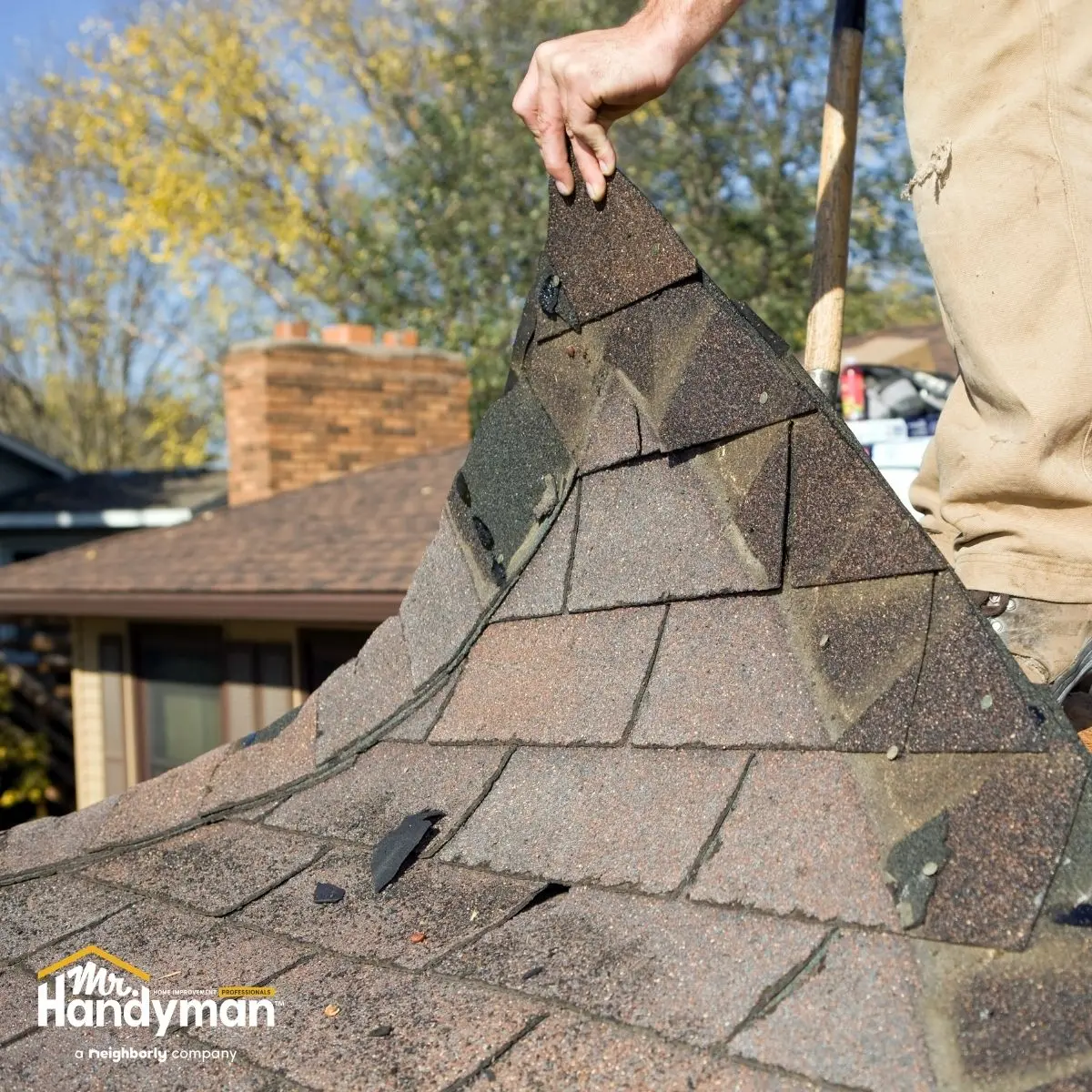
Roof damage that developed or worsened through a Middle Tennessee winter does not stabilize and wait for a convenient repair schedule. It develops progressively with every rain event that follows the original compromise, which in Middle Tennessee's spring means there is effectively no delay available between identifying a roofing issue and addressing it.
Shingle damage from winter wind events, ice damming, and freeze-thaw cycling presents specific repair needs that a post-winter roof inspection identifies with the urgency their spring timing requires. Shingles that have lifted at their leading edges through wind uplift during winter storms may reseat themselves as temperatures rise, but the adhesive strip that holds the shingle tab down has been compromised by the lifting event and will not provide reliable wind resistance through the spring storm season that follows. Shingles that have cracked through freeze-thaw cycling present water infiltration risk at every crack location with each subsequent rain event.
Flashing repairs represent the post-winter roof repair category with the highest consequence-to-visibility ratio. Flashing at chimney bases, pipe penetrations, and roof-to-wall transitions is the component that winter freeze-thaw cycling most reliably compromises, and it is the component whose failure is least visible from the exterior while producing some of the most significant interior water damage. A chimney flashing that separated from the masonry surface through thermal movement during winter is directing water into the wall and ceiling assembly below it with every rain event. That infiltration is active, progressive, and invisible until it has produced enough interior damage to become apparent through ceiling staining or wall discoloration.
Gutter and fascia damage that resulted from ice damming during hard freezes warrants specific post-winter assessment in Nashville, Belle Meade, and Clarksville homes where the eave line experienced ice accumulation. Ice dams that formed and melted through winter's freeze-thaw cycling can lift shingles at the eave line, force water beneath the roofing underlayment, and damage or displace gutters through the weight of ice accumulation in ways that are not fully apparent until the ice is gone and the resulting conditions are assessed in spring temperatures.
Interior Repairs That Post-Winter Conditions Reveal
The interior of a Middle Tennessee home does not experience winter stress in isolation from what happens to the building envelope surrounding it. Water that found its way through compromised exterior surfaces, moisture that migrated through foundation walls and crawl space assemblies, and the humidity fluctuations that heating systems produce through cold months all leave evidence inside the home that spring inspection surfaces in predictable categories.
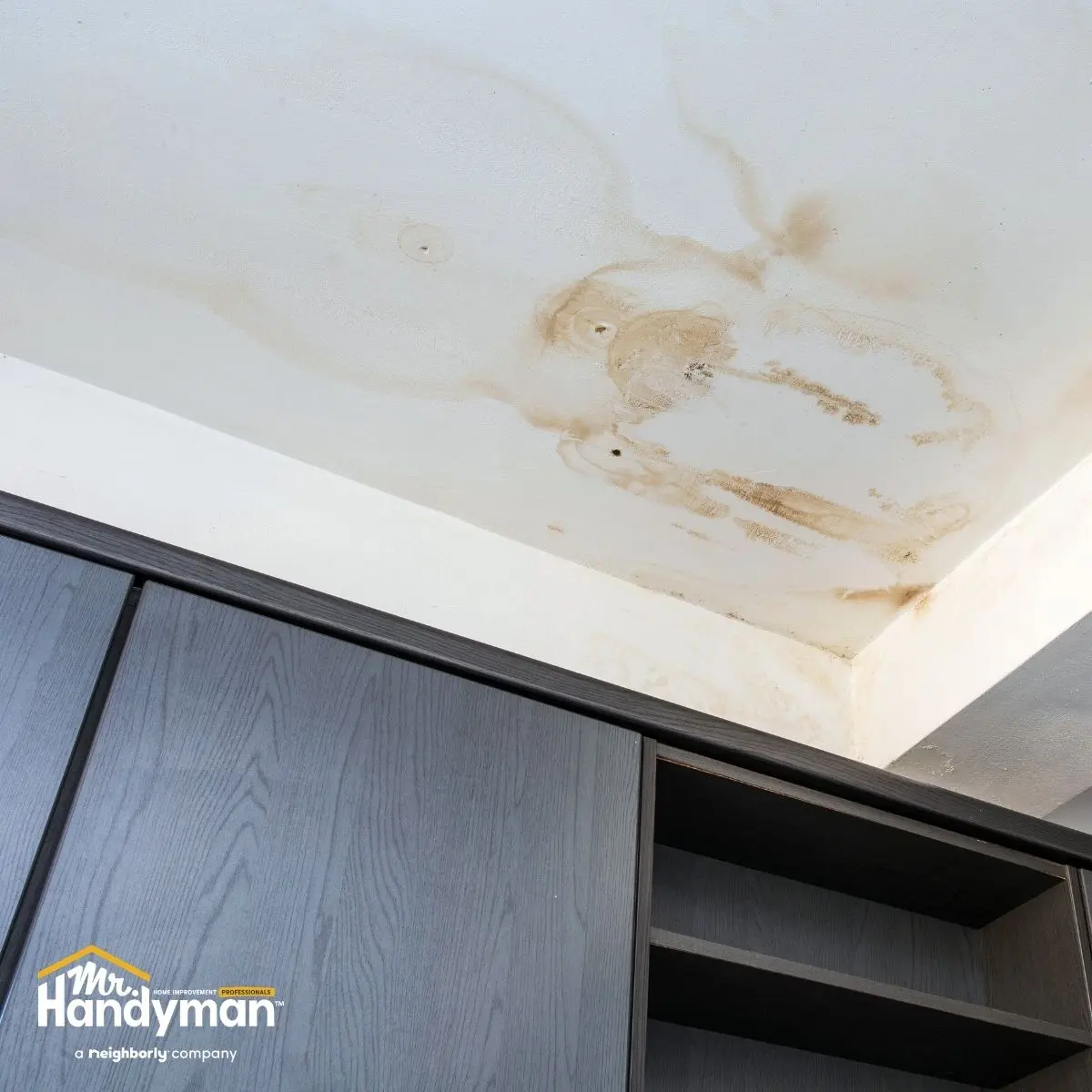
Ceiling and wall staining that appeared over winter is the interior symptom that most directly traces to an exterior source, and the tracing matters because cosmetic repair without source resolution produces a result that deteriorates again with the next rain event. A ceiling stain that developed during winter in a room directly beneath an attic space points to a roofing or flashing issue above it. A wall stain that appeared along an exterior wall during a period of sustained wind-driven rain points to a caulking or siding failure at the exterior surface behind it. A stain at the base of a wall in a basement or first-floor room adjacent to the foundation points to a drainage or foundation waterproofing condition that is directing water against or through the foundation.
Identifying the source before addressing the interior symptom is not a luxury that good repair practice allows to be skipped. Painting over a water stain without resolving the source produces a painted stain that reappears within one or two rain events. Replacing drywall without addressing the moisture pathway that damaged the original drywall produces new drywall in the same compromised condition within a season.
Paint failure on interior surfaces near exterior walls, windows, and doors reflects the moisture infiltration that winter's compromised building envelope allowed to reach interior finishes. Bubbling paint on an interior wall surface adjacent to a window that lost its exterior caulk seal over winter is responding to moisture that entered the wall cavity from outside and migrated to the interior surface. The paint failure is the visible symptom. The caulk failure is the repair. In older Nashville and Belle Meade homes where original plaster walls are present, moisture-driven paint failure is particularly visible because plaster absorbs moisture at its surface and releases it through the paint film in ways that drywall construction manages differently.
Door and window function changes that developed through winter, doors that no longer close flush, windows that have become difficult to operate, and frames that show visible gaps at corners or joints, reflect the wood movement and structural settling that moisture cycling through winter produces in frame assemblies that absorbed more moisture than their design anticipated. Some of these changes resolve as the wood dries through spring and summer. Others represent permanent dimensional changes that require frame adjustment, weatherstripping replacement, or more substantive repair depending on the extent of the moisture damage that drove them.
Driveway and Walkway Repairs: The Post-Winter Surfaces That Cannot Be Ignored
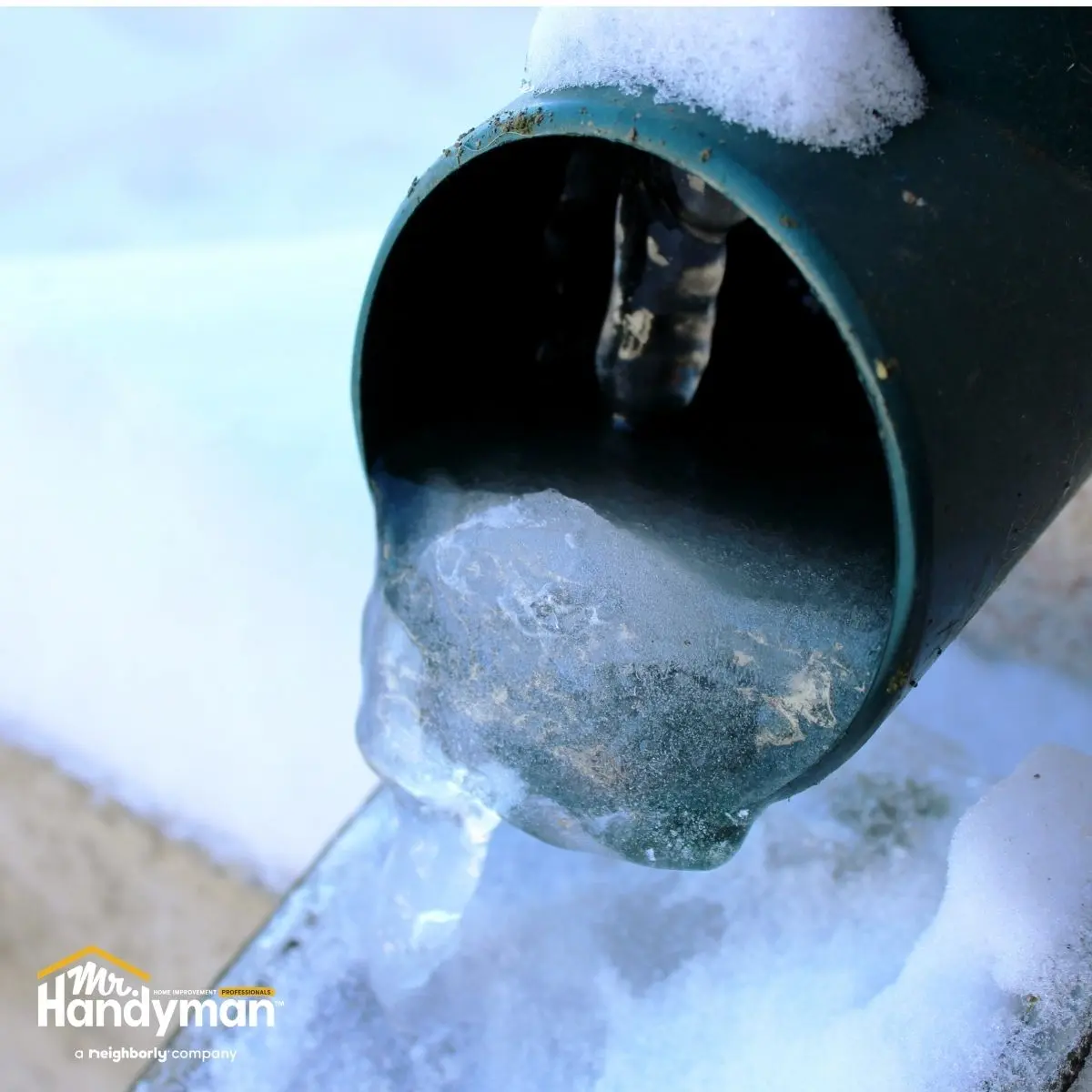
Concrete and asphalt surfaces around Middle Tennessee homes arrive at spring with a specific inventory of freeze-thaw damage that becomes both more visible and more consequential as spring rain events fill the cracks that winter opened and summer traffic loads test the structural integrity that freeze-thaw cycling compromised.
Concrete driveway and walkway crack repair is a post-winter priority in Middle Tennessee homes because the mechanism that created those cracks is still active. A concrete crack that has been opened by winter freeze-thaw cycling is a water infiltration channel that will continue to expand with each subsequent wet season cycle until the crack is sealed. Concrete crack filler applied to clean, dry crack surfaces in spring seals the infiltration pathway before another season of moisture cycling deepens and widens the existing damage. The repair cost at this stage is a fraction of what slab replacement costs when cracking has progressed to structural failure.
Settled or heaved concrete sections in driveways, walkways, and patio slabs reflect the soil movement that Middle Tennessee's expansive clay soils produce through wet and dry cycles and the frost heave that hard winter freezes create beneath shallow slab foundations. A concrete section that has settled below adjacent sections creates a trip hazard at the joint and a water collection point that continues the settlement and heaving cycle with every subsequent wet season. Mudjacking or slab leveling approaches that address settled concrete by filling the void beneath the slab are post-winter repair options that restore surface continuity without the full replacement cost that significantly damaged slabs require.
Asphalt driveway condition in Middle Tennessee homes after winter reflects the same freeze-thaw mechanism in a more flexible material that fails differently than concrete. Asphalt that has developed surface cracking through winter allows water infiltration into the gravel base beneath it. That base saturation through spring rains softens the support structure beneath the asphalt surface, creating the conditions for pothole formation and edge deterioration that follow base failure. Crack sealing in spring, before spring rains saturate an already-compromised base, is the intervention that prevents the progression from surface cracking to base failure.
Crawl Space and Basement Post-Winter Repairs
Below-grade spaces in Middle Tennessee homes concentrate the post-winter repair needs that the region's climate produces in the building components that are most directly exposed to ground moisture and the thermal stress that the transition zone between conditioned and unconditioned space creates.
Vapor barrier damage in crawl spaces is a post-winter repair need that is easy to overlook because the crawl space is not a space that homeowners typically enter between annual inspections. A vapor barrier that was intact before winter may have been disturbed by pest activity that winter cold drove beneath the home, by the water movement that significant winter rainfall produced in the crawl space, or by the settling and shifting that cold temperatures produce in the materials that anchor the barrier to crawl space walls and around penetrations. A damaged vapor barrier that is not repaired before Middle Tennessee's humid summer arrives allows ground moisture to migrate into the floor system and living space above it at exactly the time of year when that moisture load is highest.
Crawl space wood deterioration that winter moisture conditions initiated or accelerated represents a post-winter repair category with structural implications that make spring the right time to assess rather than defer. Floor joists and girders that absorbed moisture through a wet winter may show early-stage surface mold growth that professional treatment addresses before it penetrates to the wood's structural core. Wood that has already developed soft spots, that sounds hollow when tapped, or that shows visible compression at bearing points has moved past the stage where treatment alone is sufficient and requires sistering or replacement to restore the structural capacity the floor system depends on.
Basement water intrusion evidence that winter produced, including water staining at the floor-wall joint, efflorescence on foundation walls, and any soft or deteriorated material adjacent to foundation penetrations, identifies the specific locations where the basement's waterproofing is not performing adequately. Post-winter assessment of those locations while ground saturation is still at its seasonal peak provides the clearest picture of how water is moving through the foundation and what intervention is needed to redirect it before another wet season adds to the damage that the current season produced.
Frequently Asked Questions
How do I know if post-winter damage is cosmetic or structural? Cosmetic damage affects appearance without compromising the structural integrity or weather resistance of the affected component. Structural or envelope damage affects the home's ability to keep water out, bear loads, or maintain the conditions that protect its interior. When in doubt, professional evaluation of any condition that involves foundation components, roof structure, floor framing, or exterior envelope integrity is the appropriate response rather than a judgment made without the access and expertise to evaluate the underlying condition accurately.
Should I address all post-winter repairs before summer or can some wait until fall? Repairs that affect the building envelope, roofing, flashing, exterior caulking, and foundation drainage, should be addressed before spring rain season tests them further. Interior cosmetic repairs that trace to resolved exterior sources can be scheduled more flexibly. Repairs that are deferred to fall carry the risk of another wet season adding to the damage that the current season produced, which consistently makes fall repairs more extensive and more expensive than spring repairs of the same original condition.
How do I find a contractor for multiple post-winter repairs without managing several different trades? A capable residential handyman service that covers general carpentry, exterior repairs, caulking, painting, and interior repairs addresses the majority of post-winter repair categories that Middle Tennessee homes require without the coordination overhead of managing multiple specialist trades for separate scopes. Roofing, foundation waterproofing, and HVAC service are categories that warrant specialist contractors with the specific licensing and equipment those scopes require.
Is post-winter repair covered by homeowner's insurance? Coverage depends on the cause and how the policy defines covered perils. Sudden and accidental damage from a specific winter weather event, such as wind damage to roofing or ice dam damage to gutters, is typically covered. Damage that resulted from gradual deterioration through repeated freeze-thaw cycling is typically treated as a maintenance issue rather than a covered loss. Documentation of the specific weather events that contributed to damage supports claims that involve winter storm activity.
How do I prevent the same post-winter repairs from being needed every year? The repairs that recur annually in Middle Tennessee homes typically trace to underlying conditions that a single repair cycle does not fully resolve. Exterior caulking that fails every winter may be failing because the substrate it is applied to is absorbing and releasing moisture in a cycle that no surface caulk can accommodate long-term. Addressing the underlying moisture management condition rather than repeating the surface repair each year produces a more durable result.
What is the average cost range for common post-winter repairs in Middle Tennessee homes? Post-winter repair costs vary significantly based on the scope of individual conditions and the extent to which deferred attention has allowed them to progress. Exterior caulking replacement runs from a few hundred dollars for targeted resealing to over a thousand for a complete building envelope recaulking. Deck repair ranges from minor board replacement to full structural assessment depending on the winter damage extent. Concrete crack repair is typically a few hundred dollars for crack sealing compared to several thousand for section replacement. The consistent pattern is that earlier intervention costs less at every repair category.
What Winter Revealed Is Fixable. What It Reveals Next Year Does Not Have to Be as Much.
The post-winter repair list that a Middle Tennessee home produces each spring is not random. It reflects the specific vulnerabilities that the home carried into winter and the specific stress that Middle Tennessee's climate applied to them. Addressing those repairs promptly and thoroughly reduces next winter's starting point for damage accumulation, and the home that goes into each winter with its envelope sound, its drainage correct, and its vulnerable components properly protected consistently comes out of winter with a shorter repair list than the one that carries unresolved conditions into each cold season.
The team at Mr. Handyman of West Nashville, Belle Meade, and Clarksville has the experience to work through a post-winter repair assessment thoroughly and address what needs attention before another season of Middle Tennessee weather adds to the account.
Website: https://www.mrhandyman.com/nashville-west-south-central/
Serving homeowners throughout Nashville, Belle Meade, and Clarksville with dependable service and the expertise your home deserves.