Water Damage Rarely Announces Itself
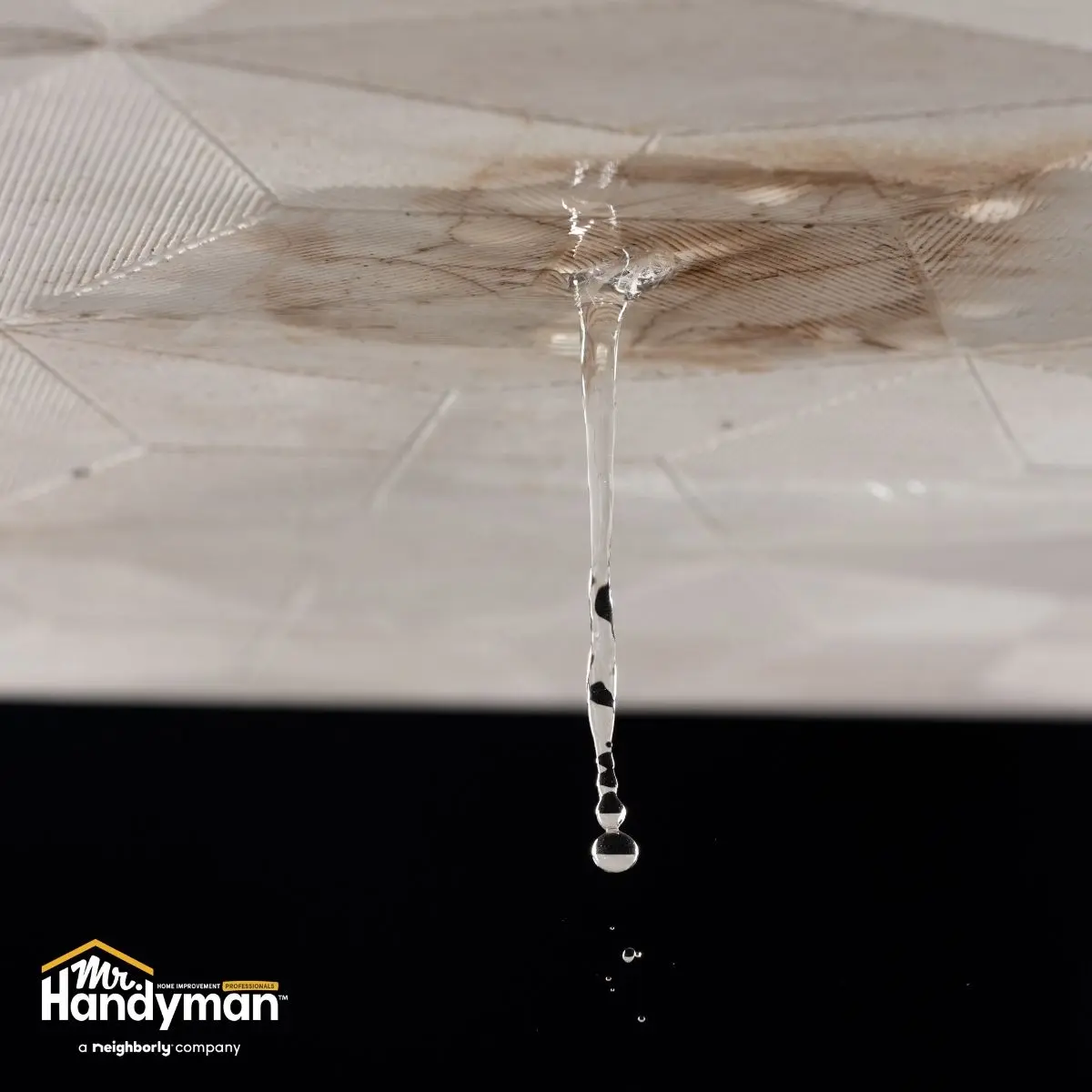
Most homeowners imagine water damage as something dramatic. A burst pipe flooding a hallway. A ceiling caving in after a roof leak. The reality is far less cinematic and far more costly. The vast majority of water damage in residential homes develops quietly, incrementally, and in places that do not get looked at often. By the time it becomes visible or obvious, the problem has usually been building for weeks or months.
In Middle Tennessee, the conditions that allow water damage to develop and hide are present year-round. Humid summers create persistent moisture in crawl spaces, attics, and wall cavities. Winter freeze-thaw cycles stress pipes and exterior building materials. Heavy spring rains push water against foundations and through compromised rooflines. The climate here does not give homes much of a break, and homes that are not inspected regularly tend to accumulate damage quietly until something forces the issue.
Learning to recognize the early signs of water damage is not about becoming a home inspector. It is about knowing what to look for when you walk through your own home, and understanding what those signs mean before they escalate into something far more serious.
Why Early Detection Matters More Than Most Homeowners Realize
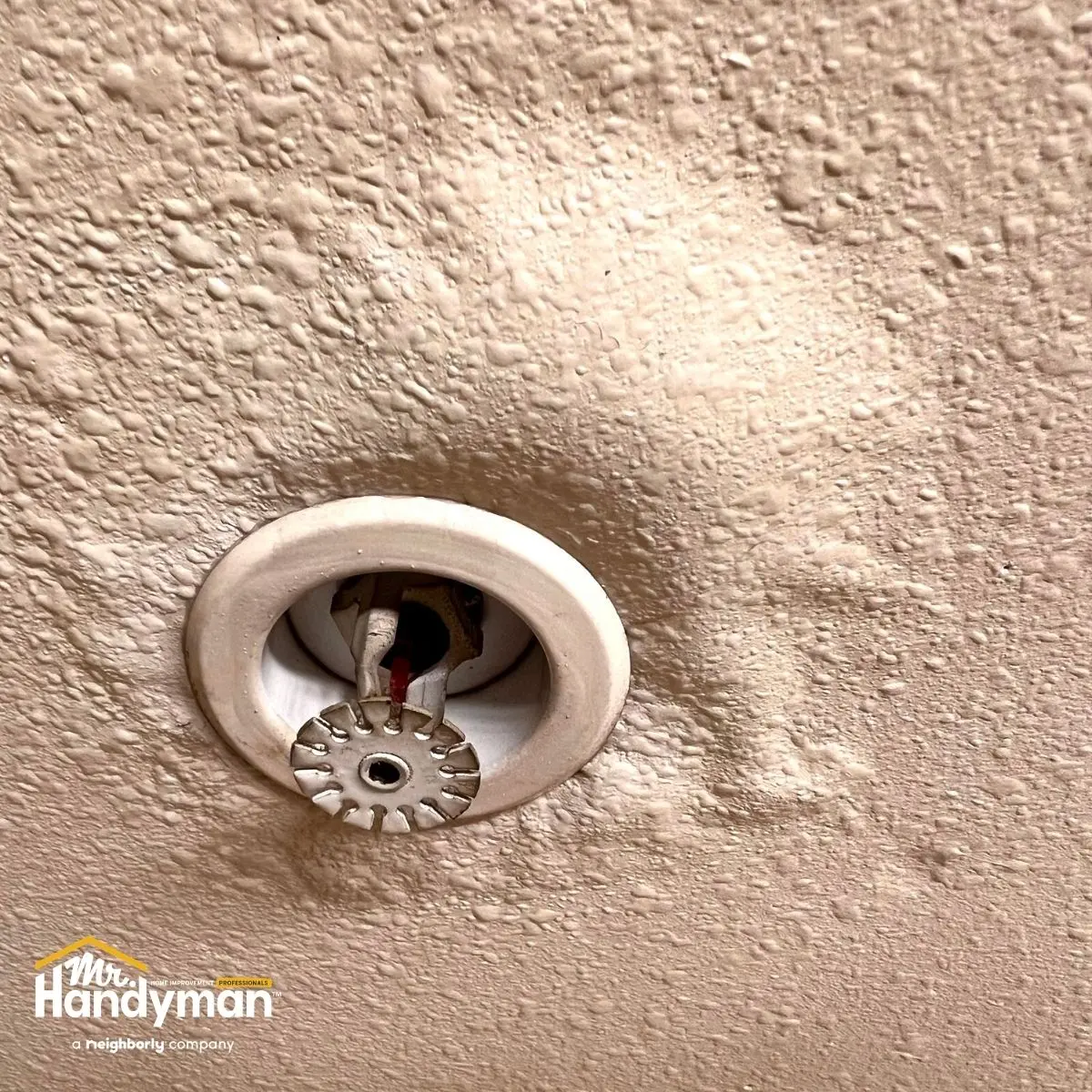
Water damage follows a pattern of escalation that is almost entirely predictable. A slow leak behind a wall begins by saturating insulation. That wet insulation holds moisture against the wood framing behind it. The framing softens, and mold begins to colonize the damp surface, typically within 24 to 48 hours of sustained moisture exposure. As the framing weakens, it loses structural integrity. Drywall absorbs moisture from both sides. Paint bubbles and peels. Flooring lifts or warps. By the time any of this is visible from the living side of the wall, the damage behind it is already extensive.
The cost difference between catching a slow leak early and catching it after six months of hidden damage is not marginal. It can be the difference between replacing a section of drywall and replacing drywall, insulation, framing, flooring, and remediating mold throughout an entire wall cavity or room. In older Nashville and Belle Meade homes where original materials have been in place for decades, that escalation happens faster because the materials have less resilience to absorb additional stress.
What to Look for on Your Ceilings and Walls
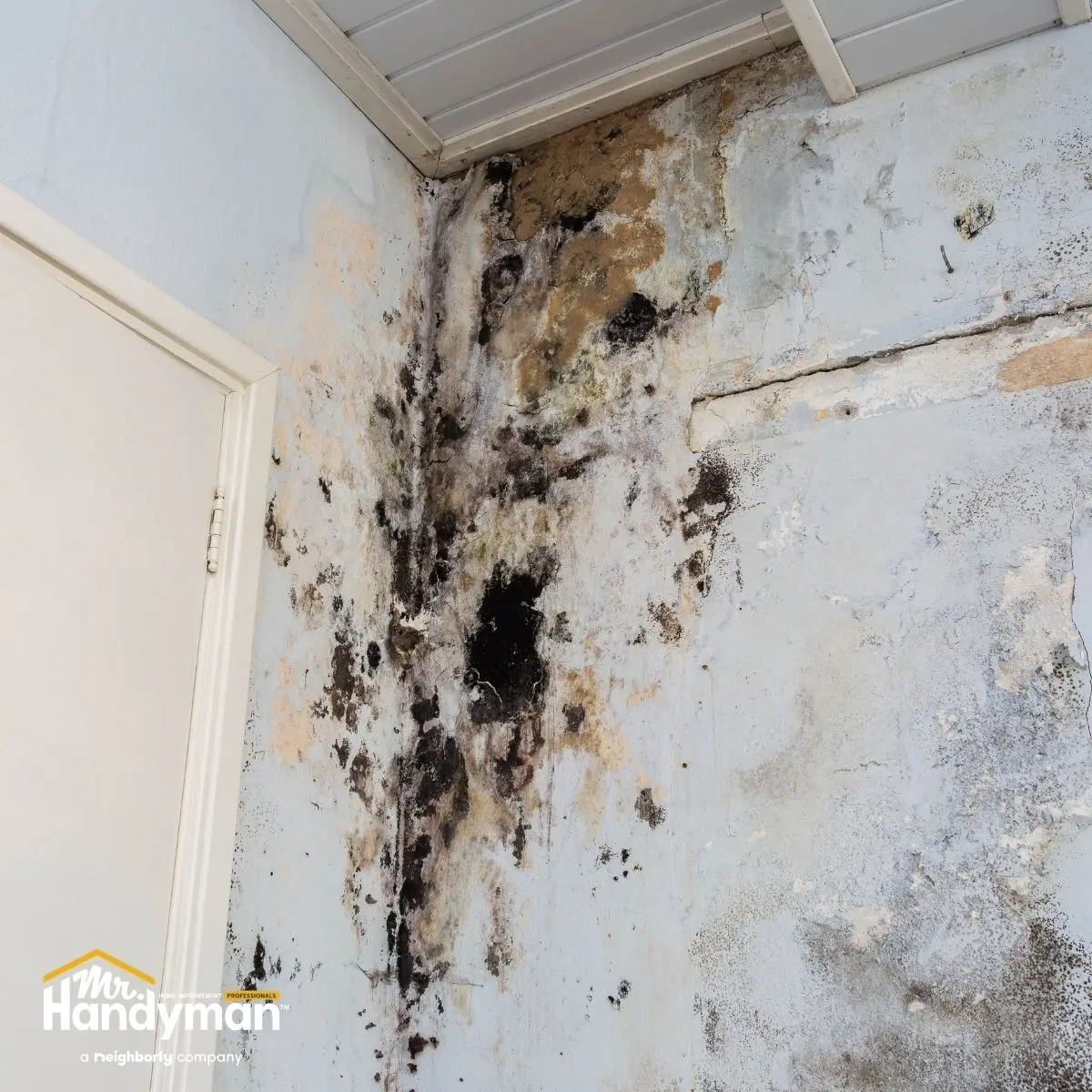
Ceilings and walls are where water damage most commonly reveals itself first, even if the source of that water is somewhere entirely different.
Staining and discoloration are the most recognizable early indicators. Water stains on ceilings typically appear as yellowish or brownish rings, often with a darker outer edge where the moisture evaporated and left minerals behind. A single stain does not always mean an active leak. It may be the remnant of a problem that was addressed and dried. But a stain that is growing, changing shape, or appearing in a new location is almost always indicating an active issue somewhere above it.
Wall staining follows similar patterns but can be subtler. Discoloration along the base of a wall, particularly in bathrooms, laundry areas, or on exterior-facing walls, often points to moisture intrusion that is wicking upward from the floor or inward from outside. In homes with older stucco or brick exteriors, which are common in Belle Meade and some established Nashville neighborhoods, moisture can migrate through the wall assembly itself during periods of sustained rainfall.
Bubbling, peeling, or warping paint is a reliable early indicator that moisture is present behind or within the wall surface. Paint that bubbles without any obvious cause, or that peels away from drywall in sheets rather than flaking naturally, is responding to moisture pushing through from behind. This is particularly telling in bathrooms where ventilation is poor, but it can appear anywhere in the home where a hidden leak is present.
Soft spots in drywall deserve immediate attention. If pressing gently on a wall surface produces any give or flex that feels inconsistent with the surrounding area, moisture has already compromised the drywall's structural integrity. At that stage the drywall will need to be replaced, and what is behind it needs to be evaluated carefully.
Floors Tell a Story If You Know How to Read Them
Flooring reacts to moisture in ways that are hard to ignore once you know what you are looking at. The challenge is that many homeowners attribute these changes to normal settling or aging rather than recognizing them as water damage indicators.
Warping and buckling in hardwood floors happen when wood absorbs moisture and expands unevenly. A hardwood floor that was flat last fall and now has boards that cup, crown, or visibly separate at the seams has been exposed to moisture from somewhere. In Middle Tennessee's humid summers, surface humidity alone can cause minor movement in wood floors, but significant warping or cupping points to a more direct moisture source, often a slow leak from a fixture above, a pipe below, or moisture migrating up from a crawl space.
Soft spots underfoot, particularly in bathrooms, kitchens, and laundry rooms, are a serious warning sign. The subfloor beneath tile or vinyl flooring that has been exposed to persistent moisture loses its rigidity. Walking across a bathroom floor that gives slightly near the toilet or tub base should prompt immediate investigation. That softness represents subfloor deterioration, and left unaddressed it will eventually compromise the structural support beneath the flooring entirely.
Tile that has cracked or grout that has failed without obvious physical trauma often points to movement in the substrate below, which moisture damage frequently causes. Tile is rigid and does not tolerate substrate movement well. When the material beneath it swells, shifts, or softens due to water exposure, the tile above reflects that stress through cracks and grout failure.
Musty Odors Are Not a Minor Inconvenience
A persistent musty smell in any part of a home is one of the most reliable early indicators of hidden water damage, and it is one that homeowners most commonly rationalize away. The smell is mold. Mold does not produce that distinctive odor until it has established a colony, which means by the time you can smell it, the moisture problem that created it has been present long enough for biological growth to take hold.
In Middle Tennessee, crawl spaces are a particularly common source of musty odors that migrate into living areas. The region's humidity, combined with the ground moisture that accumulates beneath homes during wet winters and springs, creates ideal mold conditions in crawl spaces that are not properly encapsulated or ventilated. A home that smells musty in certain rooms, or that has an odor that intensifies after rain, should be investigated from the crawl space upward before any other explanation is accepted.
Basements, Crawl Spaces, and Foundations: Where Water Damage Hides Longest
If there is one area of a Middle Tennessee home where water damage consistently goes undetected the longest, it is below the living space. Crawl spaces and basements are not visited often, they are poorly lit when they are, and the damage that develops in them does not produce obvious symptoms in the living areas above until it has progressed significantly.
Efflorescence on foundation walls is one of the first visible signs that water is moving through your foundation. Those chalky white mineral deposits left behind as water migrates through concrete or block are not structurally damaging on their own, but they are reliable evidence that water is finding its way through your foundation wall on a regular basis. Where water moves consistently, damage follows.
Standing water or persistent dampness in a crawl space after rain is not normal, even in a region as wet as Middle Tennessee. A crawl space that holds moisture creates the exact conditions mold needs to thrive, and that mold does not stay contained. It moves into floor joists, subfloor material, and eventually into the air circulating through the living space above. Homes in Clarksville and outer Nashville neighborhoods with older crawl space construction and no vapor barrier are particularly vulnerable to this pattern.
Cracks in foundation walls deserve careful evaluation. Hairline cracks that run vertically are common in poured concrete foundations and often result from normal curing and settling. Horizontal cracks, stair-step cracks in block foundations, or cracks that are wider at one end than the other tell a different story. Those patterns can indicate lateral pressure from saturated soil pushing against the foundation, which is a structural concern that goes well beyond cosmetic repair.
Attics and Rooflines: The Top-Down Source of Hidden Damage
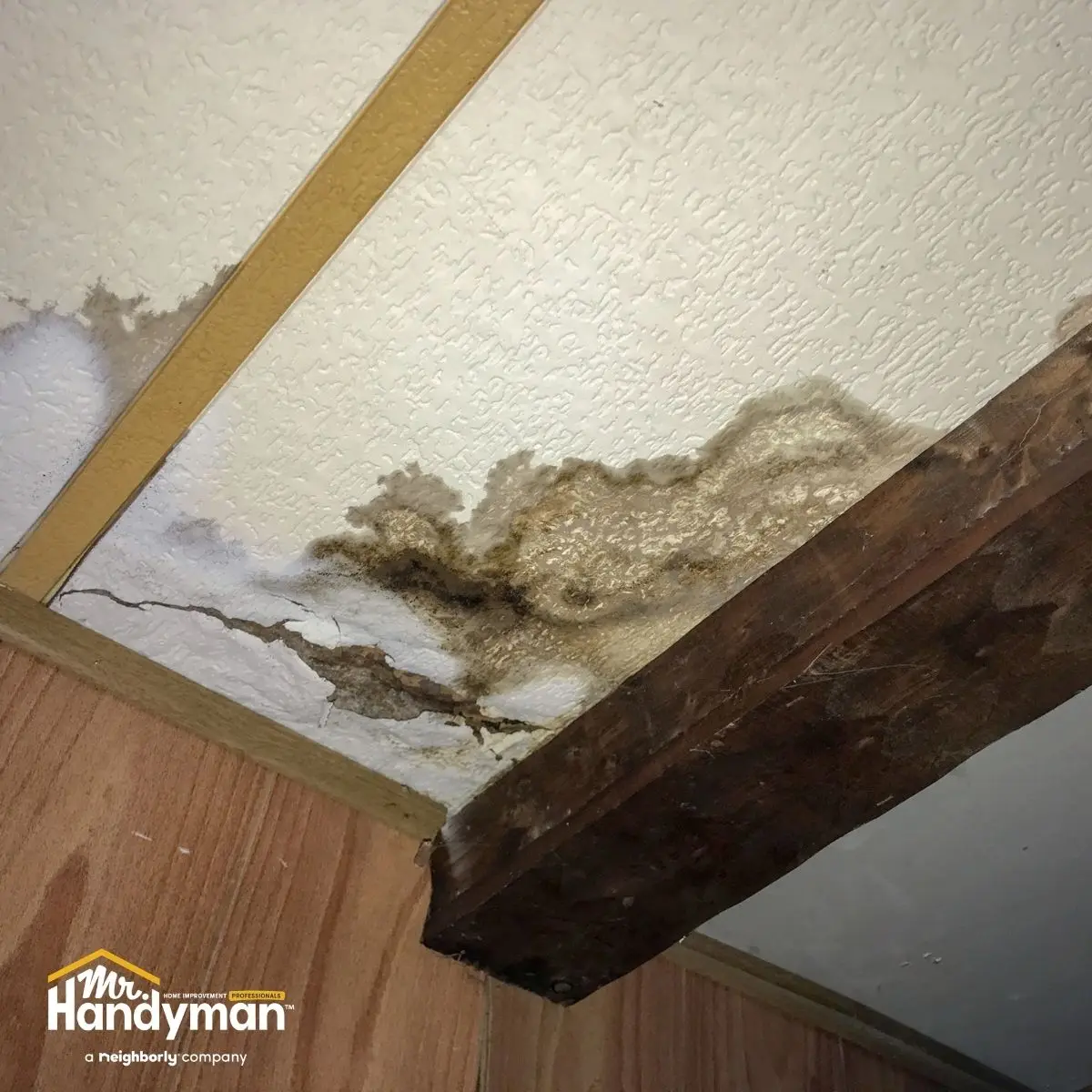
Water damage does not only travel upward from the ground. In Middle Tennessee, where spring storms bring heavy rain and where ice damming occasionally develops along rooflines during winter cold snaps, the attic is a significant source of hidden moisture damage that works its way downward through ceiling assemblies and wall cavities.
Dark staining on attic sheathing or rafters is a clear indicator that moisture has been present. Fresh staining is active. Older staining that is dry and gray may represent a past issue, but it warrants investigation to confirm the source has been fully resolved. Either way, staining in an attic is never something to note and ignore.
Insulation that is compressed, discolored, or matted down in an attic has almost certainly been wet. Wet insulation loses its thermal performance and holds moisture against the structural components around it. In Nashville and Belle Meade homes with older blown insulation that has never been replaced, compromised attic insulation is more common than most homeowners expect.
Daylight visible through the roofline, gaps around plumbing vents or chimney flashing, and lifted or missing shingles are all entry points for water that will eventually find its way into the ceiling below. Middle Tennessee's spring storm season, with strong winds and driving rain, tests every one of those potential entry points.
How Water Damage Compounds With Middle Tennessee's Seasonal Pattern
What makes water damage particularly difficult to manage in this region is that the climate applies stress from multiple directions across all four seasons. There is rarely a long dry period where a home can fully recover from accumulated moisture before the next season introduces new pressure.
A crawl space that absorbs ground moisture during a wet winter heads into spring already compromised. Spring rains add to that. Summer humidity keeps everything damp. By fall, wood that has cycled through months of moisture exposure has already lost resilience. When the first freeze arrives, that compromised material handles the thermal stress of winter far less effectively than it should.
This seasonal compounding is why homes in Nashville, Belle Meade, and Clarksville that go several years without a thorough inspection tend to reveal multiple overlapping issues when they are finally evaluated. The damage does not develop in isolation. It layers.
What Homeowners in This Region Most Commonly Miss
Across Middle Tennessee homes, a few specific early signs of water damage get overlooked consistently, not because homeowners are inattentive, but because these signs do not fit the mental image most people carry of what water damage looks like.
A slow increase in monthly water bills without a change in usage habits is one of the most reliable early indicators of a hidden leak. Many homeowners attribute gradual bill increases to rate changes or seasonal variation without considering that a slow pipe leak can waste thousands of gallons per month without producing a single visible wet spot.
Doors and windows that suddenly stick, bind, or no longer close flush are another commonly missed indicator. Wood framing that has absorbed moisture expands, and that expansion shifts the geometry of door and window frames in ways that feel like a settling or aging issue rather than a water problem. In older Nashville and Belle Meade homes where some settling is expected, this sign gets rationalized away frequently.
Rust stains around fixture bases, on cabinet floors beneath sinks, or along the bottom of water heater platforms indicate persistent moisture that has been present long enough to oxidize metal components. Rust does not develop overnight. By the time it is visible, the moisture source has been active for a meaningful period of time.
Frequently Asked Questions
How quickly does mold develop after water exposure?
Mold can begin to colonize damp materials within 24 to 48 hours under the right conditions. Middle Tennessee's humidity means those conditions are rarely absent. Speed of response after any water intrusion matters significantly.
Can I test for hidden moisture myself?
A basic moisture meter, available at most hardware stores, can help identify elevated moisture levels in walls and floors. It will not replace a professional evaluation but can help you determine whether an area warrants closer attention.
What is the most commonly missed source of water damage in this region?
Crawl space moisture is consistently underestimated across Middle Tennessee homes. Because it develops out of sight and produces symptoms slowly, it tends to go unaddressed longer than almost any other source.
Does homeowner's insurance cover water damage?
Coverage depends heavily on the source and how long the damage has been present. Sudden and accidental damage is typically covered. Damage resulting from a slow leak that went unaddressed for an extended period is frequently denied. Early detection protects both your home and your claim eligibility.
How do I know if a wall stain is from an old leak or an active one?
An old stain will be dry, fixed in shape, and consistent in color. An active leak produces staining that grows, changes shape, feels damp to the touch, or reappears after being painted over. When in doubt, have it evaluated rather than assumed.
Is it worth having a professional inspection even if I do not see obvious signs?
In Middle Tennessee homes, particularly those more than fifteen to twenty years old, a professional inspection regularly surfaces issues that a walkthrough misses entirely. The cost of an inspection is a fraction of what deferred water damage repairs typically run.
Water Damage Does Not Wait for a Convenient Time to Appear
The earlier a water damage problem is identified, the smaller and less expensive it is to resolve. That is true in every home, in every region, but it is especially true in Middle Tennessee where the climate applies consistent year-round pressure to every component of a home's building envelope.
The team at Mr. Handyman of West Nashville, Belle Meade, and Clarksville has the experience to identify what a walkthrough alone will not reveal, and the skill to address what is found before it compounds into something far more serious.
Website: https://www.mrhandyman.com/nashville-west-south-central/
Serving homeowners throughout Nashville, Belle Meade, and Clarksville with dependable service and the expertise your home deserves.
